Analyzing Theme Development
Not sure you’re ready?
Take the ~3-minute readiness diagnostic and see where you stand.
In the architecture of a narrative, plot is merely the scaffolding; theme is the structural foundation that bears the weight of human experience. When a middle school student reads a story, their eyes are naturally drawn to the scaffolding—the sequence of events, the dialogue, the dramatic escapes. Yet the true art of teaching literature lies in guiding that student to see past the visible construction to the invisible forces governing it. A literary theme is an underlying message or universal truth about life conveyed through a text. It is the gravity that gives a plot consequence, elevating a fictitious sequence of events into a reflection of our own reality. Grasping how authors construct these underlying messages, and how to track their development within and across texts, is the fulcrum of literary analysis. This competency transforms passive readers into active interpreters of the human condition, an essential shift in middle school cognitive development.
To teach theme effectively, we must first confront a pervasive developmental hurdle: middle school students frequently confuse the plot summary of a specific text with its broader universal theme. When asked what The Hunger Games is about, a student might say, "It’s about a girl who fights to survive in a tournament." That is the plot. When pushed for a theme, they might say, "Survival" or "Oppression."
Here is the crucial distinction: a literary subject or topic can usually be expressed in a single word or phrase, but a literary theme must be expressed as a complete sentence or statement rather than a single word.
- Subject: Oppression.
- Theme: Totalitarian governments rely on the division and fear of their citizens to maintain power.
Teaching theme requires guiding students to move from identifying concrete plot events to articulating abstract universal concepts. Think of it as a mathematical translation: plot is the specific arithmetic problem, while theme is the algebraic formula that can be applied to countless other problems.
| Concept | Definition | Example (The Giver) |
|---|---|---|
| Plot Summary | The specific sequence of events involving specific characters. | Jonas is assigned to receive memories and decides to escape his community. |
| Literary Subject | A broad topic or idea the text deals with, expressed in a word or phrase. | Conformity vs. Individuality. |
| Literary Theme | A complete statement conveying the author's underlying message. | Sacrificing individual choice for the sake of societal stability ultimately strips human life of its meaning. |
As an aspiring educator, you must deeply understand the mechanisms by which themes are delivered. Some texts give you the formula outright; others demand you derive it yourself.
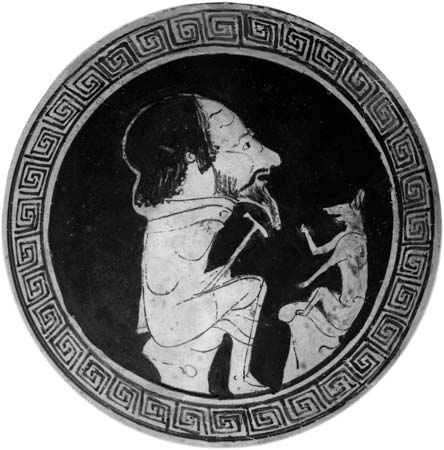
An explicit theme is directly stated by the author or a character within the text. Fables typically feature explicitly stated themes known as morals at the conclusion of the narrative. Aesop rarely leaves room for interpretation; the tortoise crosses the finish line, and the narrator informs us that slow and steady wins the race.
However, as literature matures, so does its delivery. An implicit theme requires the reader to infer the underlying message through character actions and plot events.
Praxis 5047 Principle: The Praxis 5047 exam requires teacher candidates to identify the strongest textual evidence that supports a specific theme. It is never enough to simply guess the author's intent; textual evidence is required to validate any thematic claim made about a literary work.
Because implicit themes are woven into the fabric of the text, determining a theme requires a reader to synthesize various elements of fiction such as characterization, plot, and setting. Let us examine how an author leverages these specific literary elements to build a thematic argument:
1. Conflict and Climax
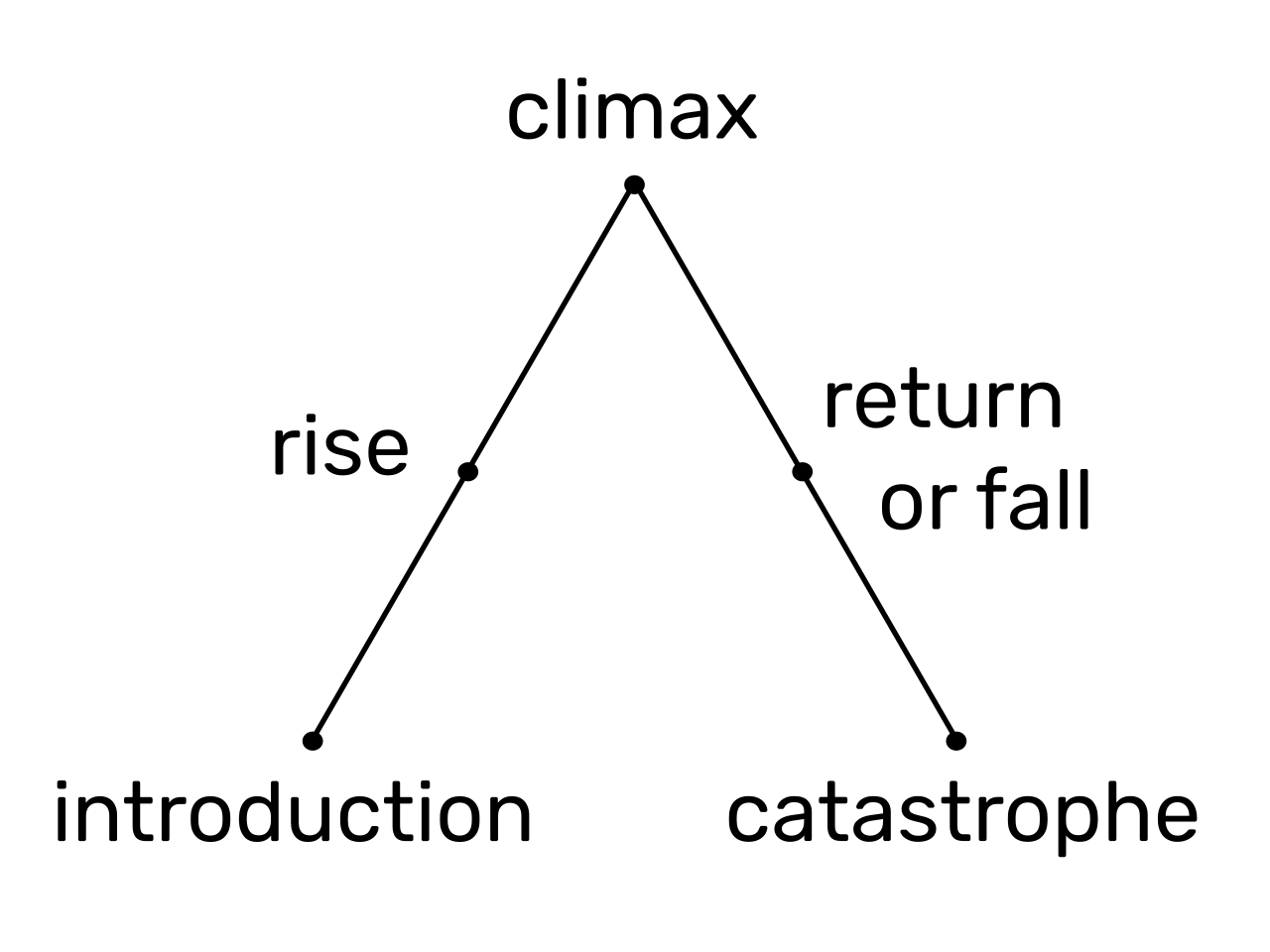
If theme is an argument about life, the narrative's conflict is the debate. Authors develop themes through the resolution of the central conflict in a narrative. By observing who or what triumphs in the end, we deduce the author's stance. Consequently, identifying the climax of a story provides critical insight into the intended thematic message of the author. The moment of peak tension forces the protagonist into a decisive choice, and the fallout of that choice broadcasts the theme.
2. Character Arc
A character is a vehicle for the theme. A character's internal growth over the course of a story often points to the primary theme. If a selfish protagonist learns the value of sacrifice by the final chapter, the text is implicitly arguing that community survival depends on altruism.
3. Setting as a Mirror
Setting is rarely just a backdrop; it is a resonant chamber for the author’s message. The setting of a narrative can reinforce a theme by creating an environment that mirrors the internal moral struggles of the characters. Consider a bleak, frozen wasteland in a post-apocalyptic novel—it physically embodies the thematic desolation of humanity losing its empathy.
4. Motif and Repetition
A motif is a recurring image, sound, or action that helps to develop and inform the major themes of a text. If a story about the theme of inescapable guilt repeatedly features the sound of a ticking clock, the ticking clock is a motif. The recurrence acts as a signal to the reader, a breadcrumb trail pointing toward the deeper meaning.
5. Dialogue and Perspective
Dialogue reveals theme when characters discuss the central moral dilemmas of the text. The arguments between characters are often proxies for competing thematic ideas. Furthermore, the lens through which we view the story matters immensely. First-person narration shapes theme development by filtering the universal message through the subjective experience of the protagonist. A theme about the unreliability of memory hits infinitely harder when we are trapped inside the mind of a narrator who cannot trust their own recollections.
Ultimately, analyzing theme development requires tracing how specific textual details interact over the course of a narrative. You cannot look at the setting in isolation; you must look at how the setting pressures the protagonist, how the protagonist's dialogue changes, and how the climax resolves that pressure.
Themes are not isolated islands; they are a continuous conversation stretching back to antiquity. Universal themes are ideas that apply to human experiences regardless of cultural differences or geographic location. They resonate because human biology, sociology, and psychology share common denominators across time. For instance, the struggle between good and evil is a universal theme found in texts across different cultures and time periods, appearing equally in Beowulf, the Mahabharata, and modern superhero fiction.
Myths, Heroes, and Allusions
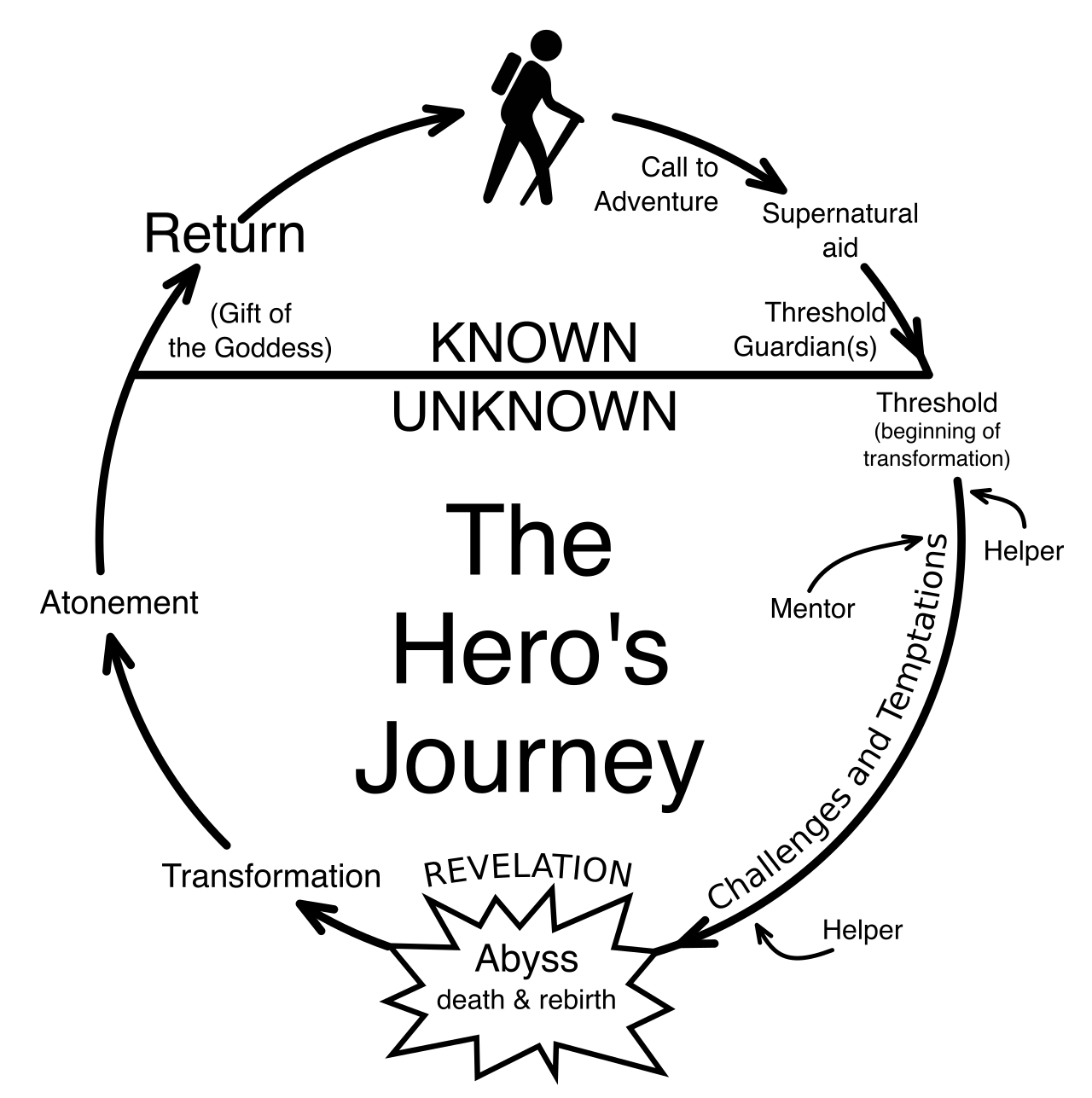
The frameworks we use to tell stories are deeply inherited. The hero's journey is a traditional narrative framework that commonly develops themes of self-discovery and transformation. Whether it is Odysseus sailing home or a modern middle schooler navigating a treacherous new neighborhood, the structural milestones of departing the known world, facing trials, and returning changed remain structurally identical.
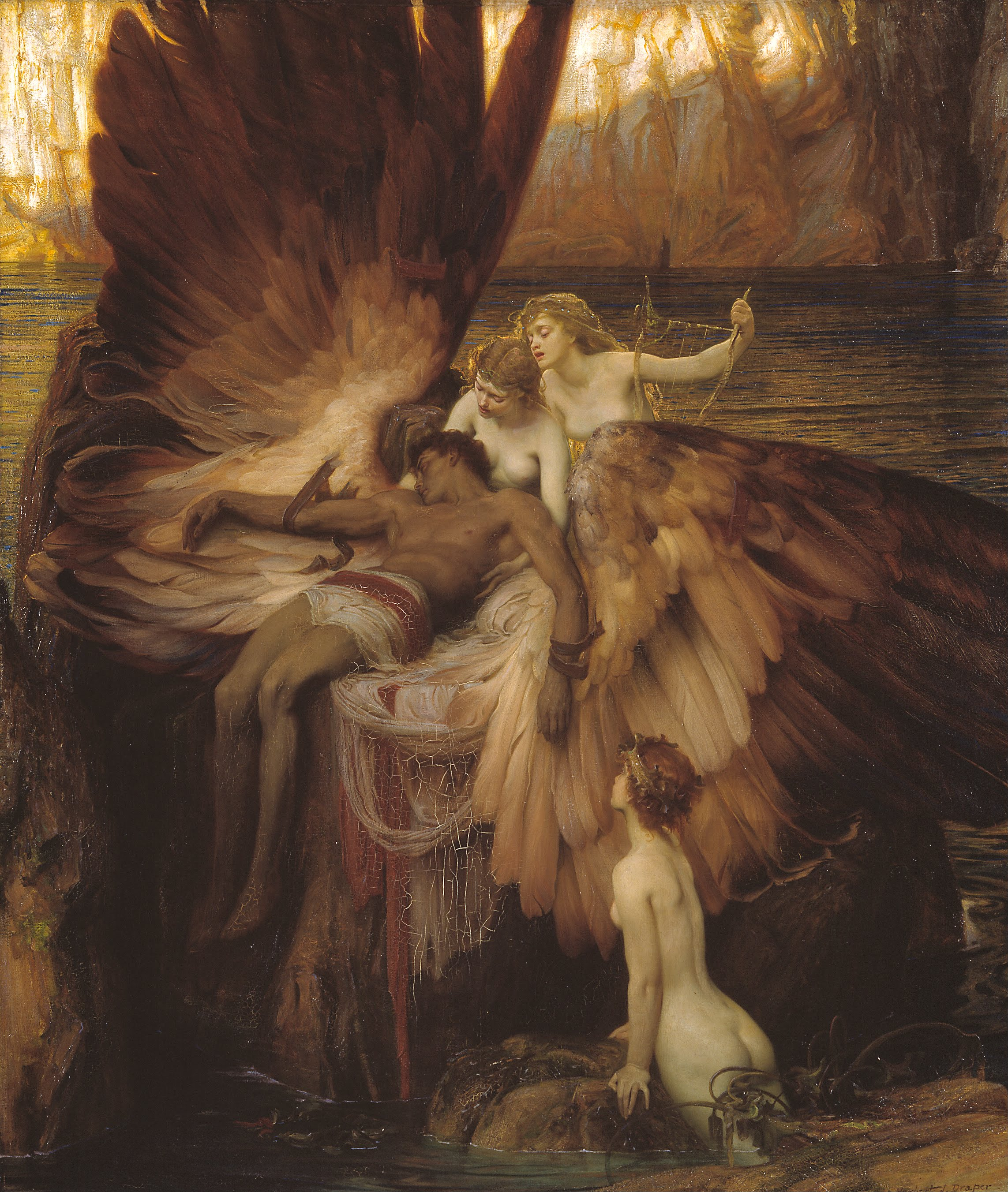
Ancient literature provided humanity with its foundational thematic vocabulary. Greek mythology frequently explores the theme of hubris leading to a tragic downfall. Think of Icarus flying too close to the sun. Today, contemporary authors often draw on universal themes from ancient myths to create modernized narratives. Instead of wax wings melting, contemporary literature frequently adapts the theme of hubris by applying the concept of dangerous arrogance to modern scenarios—such as a tech billionaire creating an artificial intelligence that ultimately destroys his empire.
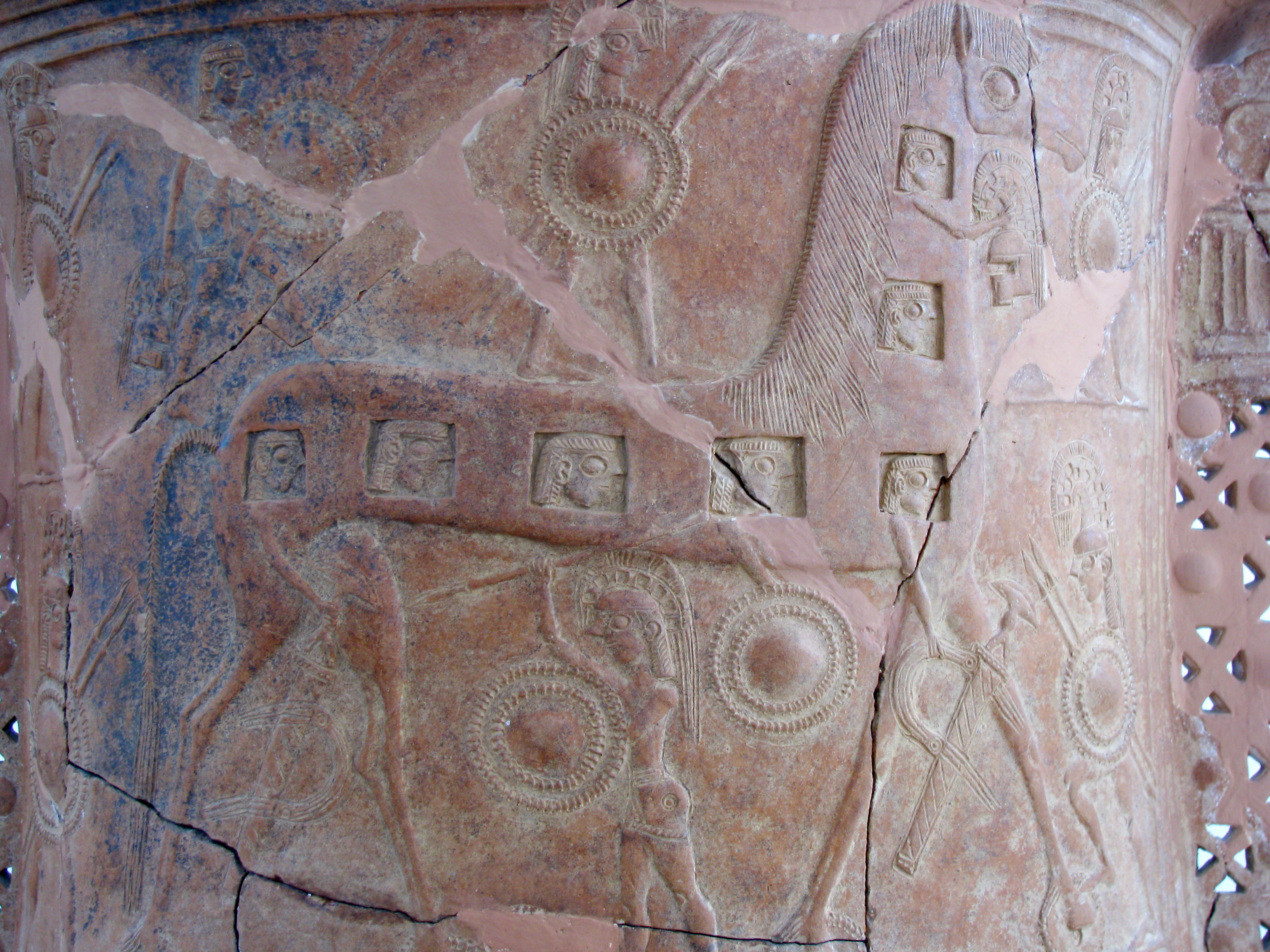
To signal these deep, historical connections, modern authors utilize specific literary devices. An allusion is a brief reference to a traditional literary work that an author can use to connect a modern text to an ancient theme. When a character warns a CEO that his new project is a "Trojan Horse," the author is instantly importing thousands of years of thematic weight regarding deception and ruin into a 21st-century boardroom.
The Mechanism of Allegory
Sometimes, an entire narrative is constructed as a singular, extended metaphor. Allegories are narratives designed specifically to convey a complex hidden theme or moral through symbolic figures and events. In George Orwell’s Animal Farm, the text isn't a treatise on agricultural management; every pig, horse, and windmill serves as a meticulously arranged symbol to develop a theme regarding the corrupting nature of absolute power.

On the Praxis 5047, and in your future classroom, you will rarely analyze a single text in a vacuum. The highest-order critical thinking involves comparative synthesis.
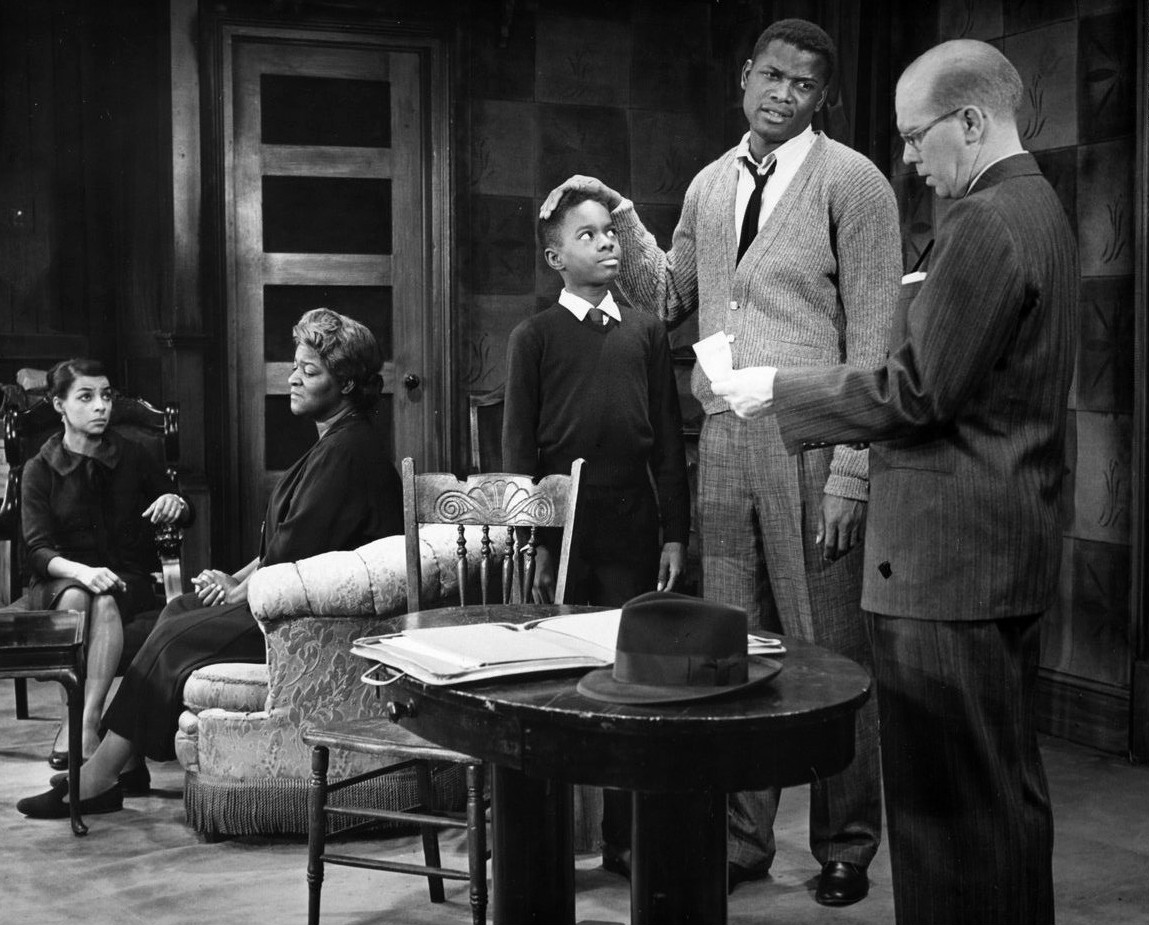
Comparing themes across multiple texts involves examining how different authors approach the same universal concept. When pairing a Langston Hughes poem about deferred dreams with Lorraine Hansberry's play A Raisin in the Sun, students learn that authors can develop identical themes using entirely different literary genres. The poem uses stark imagery and rhythm; the play uses character dialogue and stage directions. Yet, both arrive at the exact same universal truth regarding the psychological toll of systemic oppression.
However, the inverse is equally true—and provides a fantastic opportunity for classroom debate. Two texts can share the exact same subject matter while presenting opposing thematic messages.
Consider the subject of war:
- Text A (e.g., Alfred Lord Tennyson's "The Charge of the Light Brigade") might possess a theme arguing that dying for one's country is the ultimate, glorious expression of duty and honor.
- Text B (e.g., Wilfred Owen's "Dulce et Decorum Est") shares the exact same subject (war), but its theme argues that the glorification of war is a tragic lie manufactured to mask the horrific reality of suffering.

By bringing these two texts together, you force the student to realize that reading is not merely absorbing facts. Reading is engaging with an author's distinct argument about the world.
Mastering the instruction of theme development is not merely prepping students for a standardized test. It is giving them the cognitive tools to read the world around them—to recognize the hubris in a modern news story, to see the hero's journey in their own struggles, and to synthesize the complex, often conflicting messages they encounter every day. In teaching them to trace the invisible architecture of a text, you teach them to trace the architecture of life itself.