Characteristics of Literary Subgenres
Not sure you’re ready?
Take the ~3-minute readiness diagnostic and see where you stand.
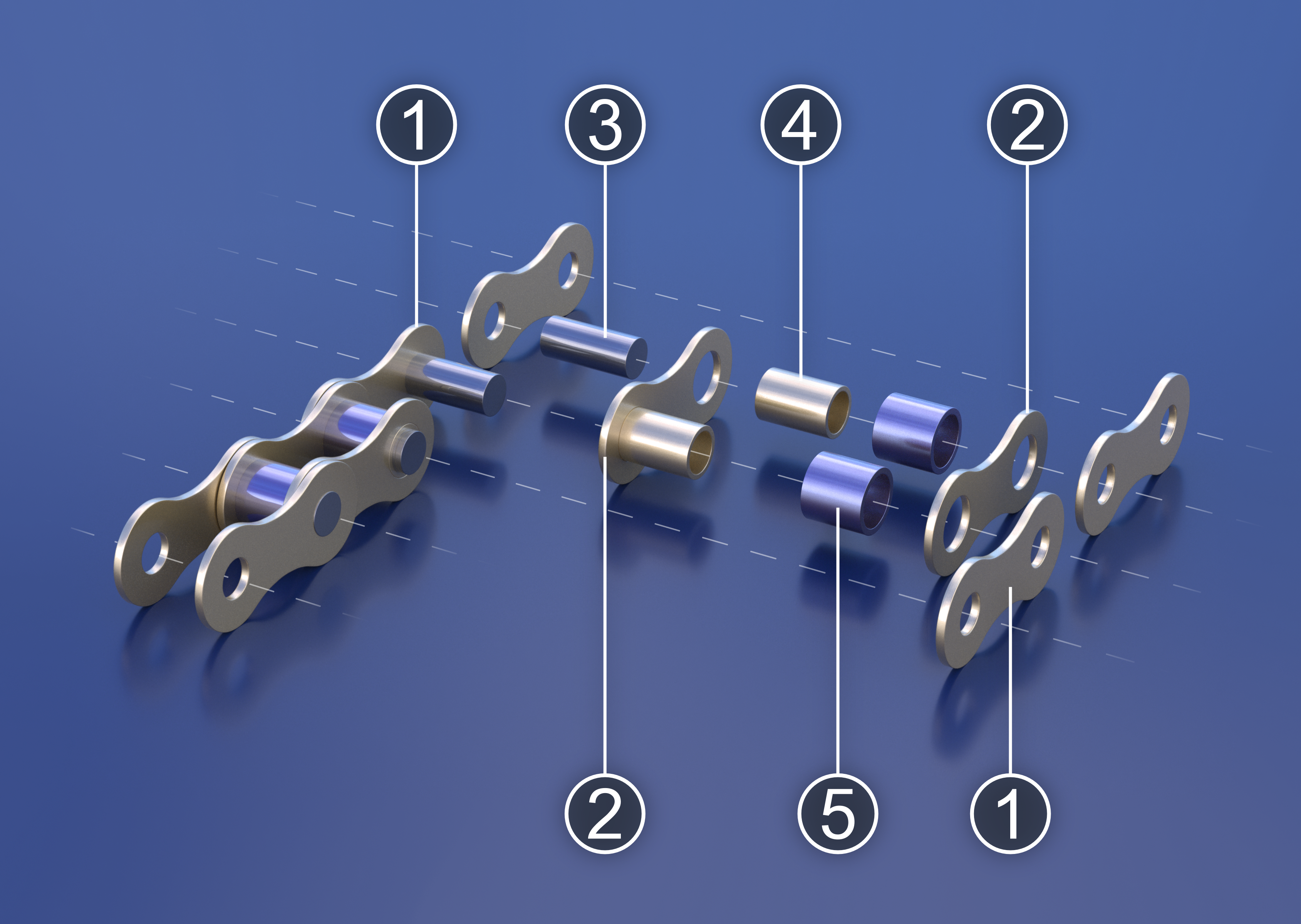
Imagine handing a middle school student a dismantled bicycle and asking them to ride it. Without understanding how the gears, chain, and pedals relate to one another, the machine is useless. Literary subgenres function in much the same way; they are highly specific mechanisms, each engineered with distinct forms and contents to produce a precise cognitive and emotional effect on the reader. Recognizing a literary blueprint—knowing that a sonnet demands a structural pivot, or that a satire weaponizes humor for political change—transforms a student from a passive consumer of words into an active mechanic of meaning. For the middle school English teacher, the goal is not merely to have students memorize definitions, but to help them see how the scaffolding of a text dictates the human experience captured within it.
Poetry is mathematics with words. When we teach poetic subgenres, we are teaching students to look for the constraints a writer has chosen to work within. Form is never an accident; it is the container that gives the liquid of human emotion its shape.
The Sonnet: A Box for Complex Thought
A sonnet is a poem consisting of exactly fourteen lines. This strict boundary forces the poet to distill their thoughts into a highly compressed space. To maintain a driving, heartbeat-like rhythm, traditional English sonnets are composed in iambic pentameter (five "da-DUM" beats per line).
However, the internal organization of those fourteen lines changes depending on the tradition.
| Feature | Shakespearean Sonnet | Petrarchan Sonnet |
|---|---|---|
| Structure | Contains three four-line quatrains and a concluding two-line couplet. | Structurally divided into an eight-line octave and a six-line sestet. |
| Rhyme Scheme | The standard rhyme scheme is ABAB CDCD EFEF GG. | The standard rhyme scheme of the octave is ABBAABBA (the sestet varies). |
| Pacing | Ideas are built in steps across the quatrains and resolved rapidly in the final couplet. | A problem is established in the octave and resolved in the sestet. |
The Turn: Regardless of the form, you must teach students to hunt for the volta. The volta in a sonnet represents a distinct shift in thought, argument, or emotional tone. In a Petrarchan sonnet, it usually occurs between the octave and sestet; in a Shakespearean sonnet, it often strikes right before the final couplet. It is the "But wait..." moment that reveals the poem's true purpose.
The Ballad: The People's Music
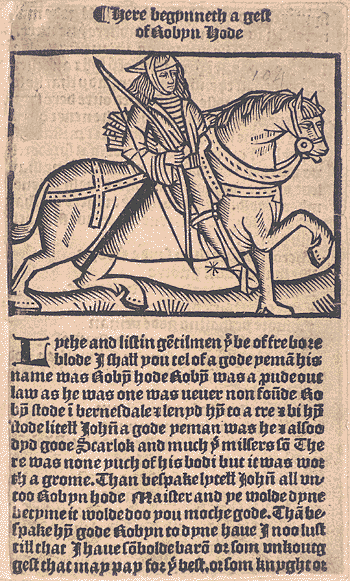
If the sonnet is a high-society puzzle, the ballad is the music of the folk. A ballad is a narrative poem originally intended to be sung. Because they were historically passed down orally, they require structural repetition to aid memory.
Ballads typically use four-line stanzas known as quatrains, and traditional ballads frequently employ an ABCB rhyme scheme. To further anchor the listener, ballads often feature a recurring refrain at the end of each stanza.
Why it matters in your classroom: Middle schoolers love drama. You can engage them by explaining that the subject matter of traditional ballads frequently involves tragedy, folklore, or romance. They are the original tragic country songs. By pointing out the predictable rhythm and refrains, students can easily track the narrative arc of a doomed hero or a ghostly visitation.
The Epic Poem: The Cultural Colossus
An epic poem is a lengthy narrative poem detailing extraordinary heroic deeds. You are not reading about ordinary people; the protagonist of an epic poem embodies the foundational cultural values of the protagonist's society (think of Odysseus embodying Greek intellect and cunning, or Beowulf embodying Anglo-Saxon physical prowess and loyalty).
To heighten the grandeur, epic poems typically feature supernatural forces or deities directly intervening in human affairs. Gods take sides, tip scales, and launch storms.
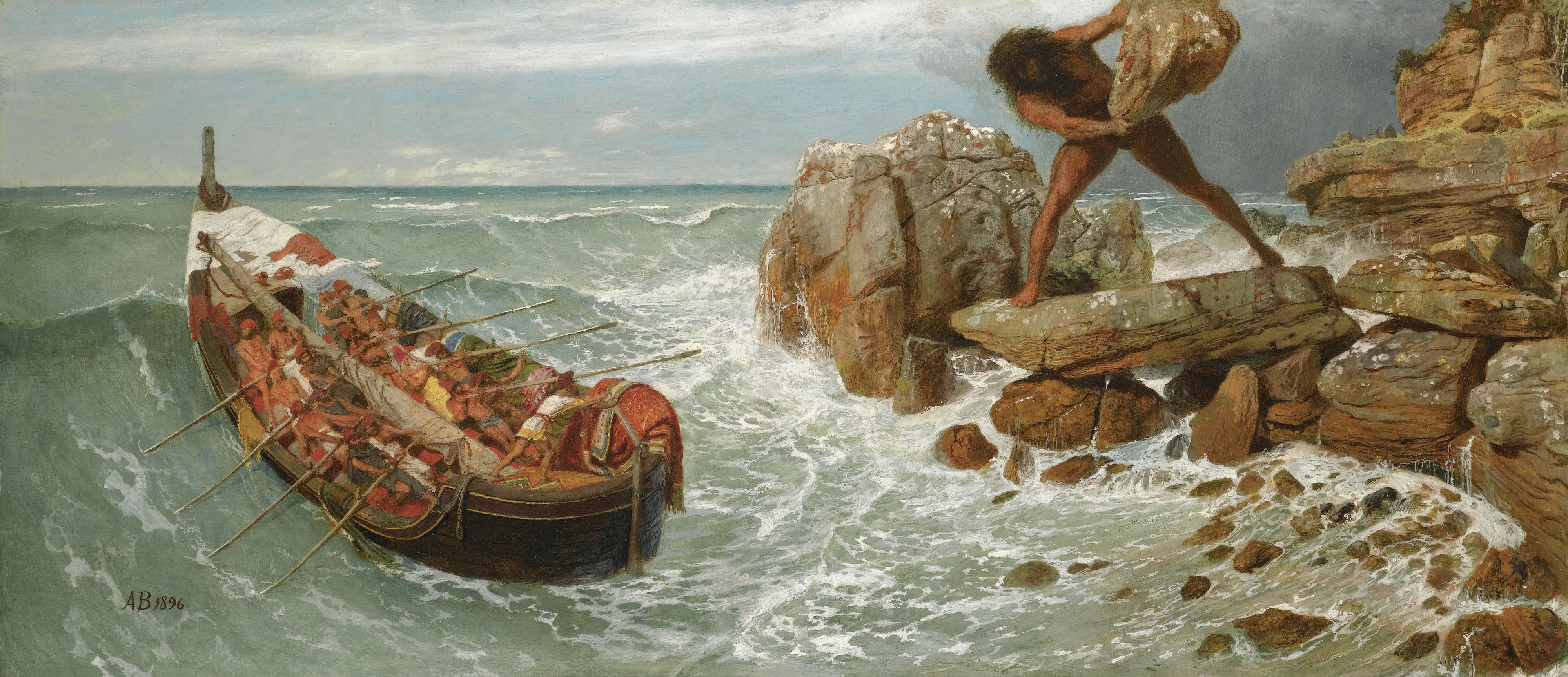
Structural Hook: Because these massive tales were recited to audiences who demanded immediate entertainment, epic poems characteristically begin in medias res. The phrase "in medias res" describes a narrative that opens in the middle of the action. You drop the reader right into the battlefield or the shipwreck, skipping the background exposition.
When moving from poetry to prose, the boundaries shift from structural constraints (like rhyme and meter) to thematic and chronological commitments.
Historical Fiction: The Time Machine
Historical fiction incorporates authentic historical settings into a fictional narrative. It is a delicate balancing act. To make the world believable, historical fiction narratives often feature fictional protagonists interacting with real historical figures.
However, authenticity goes beyond simply dropping a famous name. For the subgenre to function correctly, the social norms and dialogue depicted in historical fiction must align with the chosen historical era. A Victorian protagonist cannot speak with modern slang or possess twenty-first-century egalitarian views without shattering the illusion. When teaching this, ask your students: If we remove the setting, does the story fall apart? If yes, it is strong historical fiction.
The Bildungsroman: The Mirror to Middle School
If there is one subgenre your students are currently living, it is this one. A bildungsroman focuses primarily on the psychological and moral growth of the narrative's protagonist. Because of this, a bildungsroman is commonly referred to in literary criticism as a "coming-of-age" story.
The essential characteristic of this form is its trajectory: the narrative arc of a bildungsroman transitions the protagonist from youth and naivety to maturity and worldly wisdom. They lose their innocence but gain wisdom. Texts like The Giver or To Kill a Mockingbird are quintessential middle school staples precisely because they model the psychological transition your students are undergoing.

Pastoral Literature: The Rural Illusion
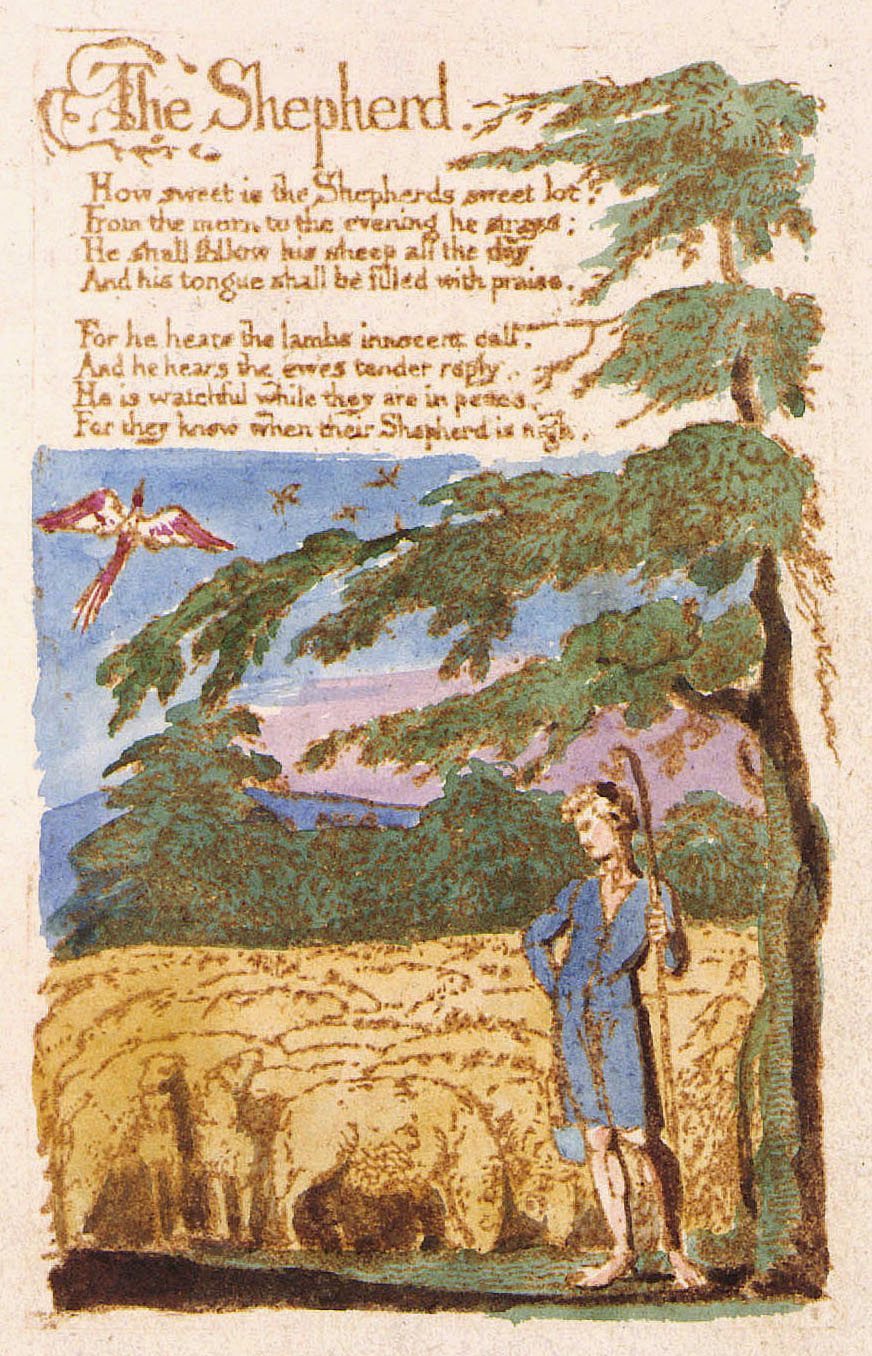
Pastoral literature presents an idealized and highly stylized vision of rural, agricultural life. Notice the word idealized—this is not a documentary about the grueling realities of farming. Shepherds are the most frequent protagonists featured in traditional pastoral poetry and prose, spending their days composing songs and experiencing innocent love.
The engine driving this subgenre is comparison. Pastoral literary works explicitly contrast the perceived purity of country life with the corruption of urban environments. It is literature written by city-dwellers dreaming of a simpler, uncorrupted existence.
To teach students how to read critically, you must teach them to identify the author's intent. Do they want to reflect the world exactly as it is, or do they want to mock it to force a change?
Literary Realism: The Gritty Truth
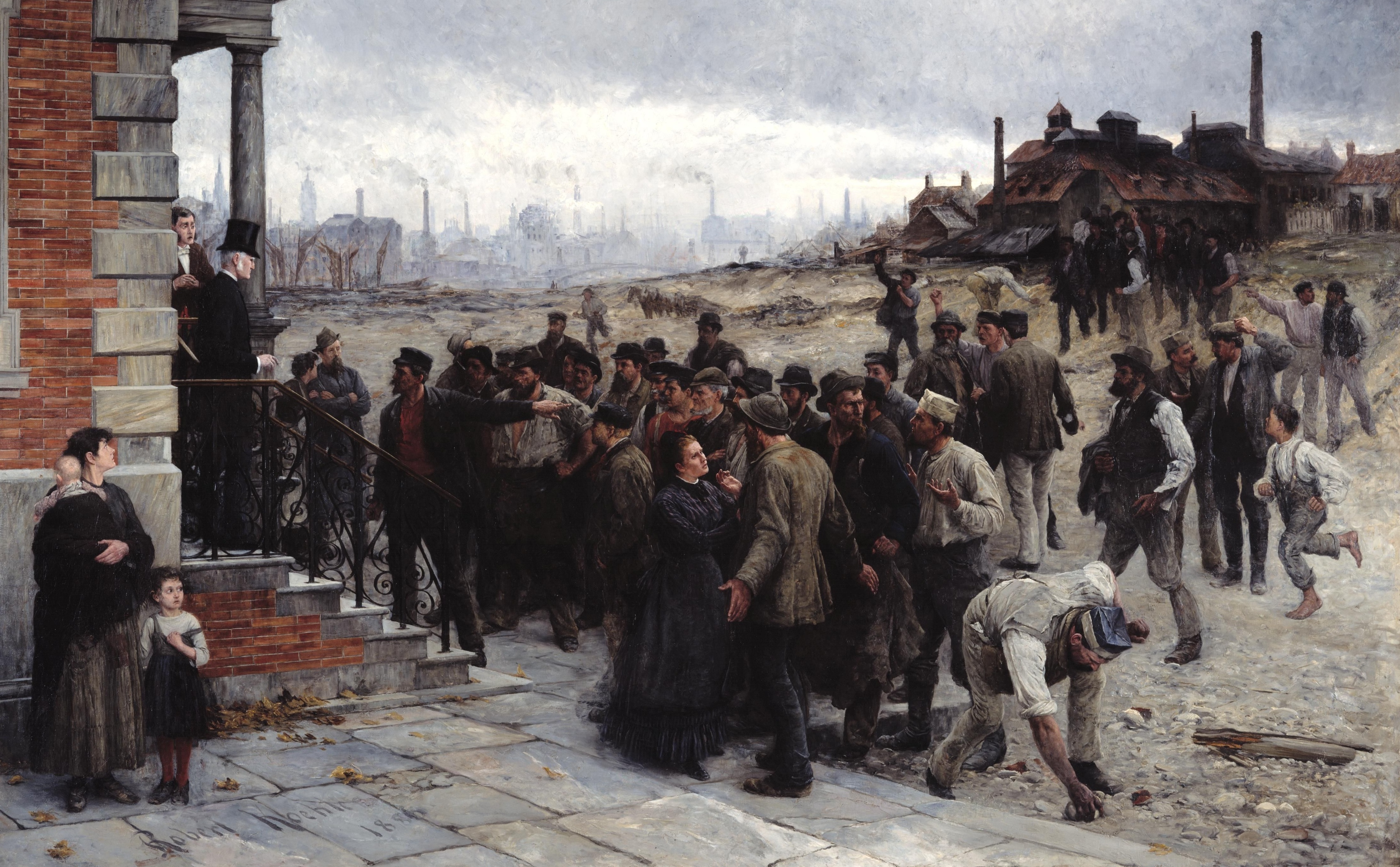
Literary realism attempts to represent subject matter truthfully without artificial, fantastical, or romantic elements. There are no intervening gods or idealized shepherds here. Realist literature frequently focuses on the mundane daily struggles of middle-class or working-class characters.
The narrative mechanics of realism reflect this commitment to truth: plots in realist literature emphasize plausible, everyday events over extraordinary or supernatural occurrences. You are teaching students to find profound meaning in an eviction, a factory strike, or a failed marriage.
Satire: The Weaponized Joke
While realism shows us the world's flaws directly, satire uses exaggeration, humor, and irony to expose human vices or societal flaws. The humor is merely a delivery mechanism; the primary underlying purpose of a satirical text is to provoke social or political change.
Not all satire wields the same weapon. We divide it into two distinct tonal categories:
- Horatian Satire: Uses a gentle, mocking, and lighthearted tone to highlight general human follies. It aims to heal with laughter (think of a sitcom poking fun at an overbearing parent).
- Juvenalian Satire: Uses a dark, abrasive, and pessimistic tone to attack societal corruption. It is meant to evoke outrage and disgust alongside a bitter laugh (think of George Orwell's Animal Farm or Jonathan Swift's A Modest Proposal).

When analyzing satire in the classroom, ask your students: What is the author laughing at, and what do they want us to fix?
Finally, we transition to texts that interact directly with the factual, tangible world. Middle schoolers must master not only narrative analysis but also practical comprehension.
Biography vs. Autobiography
Both forms attempt to capture the reality of a human life, but their authority stems from completely different sources.
- A biography is a nonfiction narrative account of a person's life written by a different person. Because the author was not the subject, biographies rely on external research, primary documents, and interviews to construct a factual narrative. The value here is objectivity and breadth.
- An autobiography is a nonfiction narrative account of a person's life written by the subject of the account. Autobiographies provide a subjective, first-hand perspective of historical events and personal experiences. The value here is intimacy and internal emotion.
Functional Texts: The Literature of Utility
Not all reading is meant to evoke awe; some reading is meant to get a job done. Functional texts are informational documents created to help readers perform specific practical tasks.
User manuals, recipes, and assembly instructions are common examples of functional texts. Because the goal is efficiency rather than beauty, functional texts heavily utilize structural formatting like bullet points, numbered lists, and bold headings to facilitate quick reading.
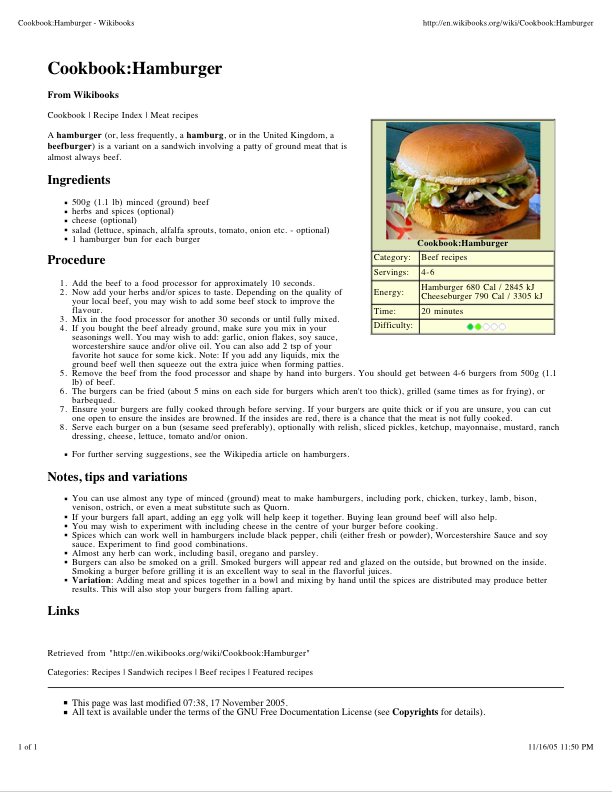
Classroom Application: Do not skip functional texts in your ELA curriculum. Have students analyze why a recipe bolds the oven temperature, or why a manual breaks an assembly down into ten numbered steps instead of a single massive paragraph. Teaching functional texts equips students with the literacy required to navigate the logistics of adult life.