Characteristics of Various Types of Writing
Not sure you’re ready?
Take the ~3-minute readiness diagnostic and see where you stand.
A piece of writing is fundamentally an architectural blueprint. If an engineer’s primary reason for creating a schematic—the purpose of a piece of writing—is to build a suspension bridge, they do not use the design language of a cathedral. Form follows function. In the linguistic universe, persuading the reader, informing the reader, and entertaining the reader are the primary purposes for writing. We categorize these efforts into the four traditional modes of discourse: narration, description, exposition, and argumentation. As an educator preparing students for complex literacy, your mastery of how these texts operate structurally allows you to diagnose student writing, parse complex reading passages, and demystify the mechanics of the English language.
Before a single word is drafted, writers must calibrate their instruments. A blueprint is useless if the builder cannot read it; thus, the audience is the specific group of readers for whom a text is intended. To communicate effectively, an author must adapt the vocabulary of a piece of writing to suit the intended audience and adapt the tone of a piece of writing to suit the intended audience.
What exactly is tone? Simply put, tone is the author's attitude toward the subject matter of a text, and concurrently, tone is the author's attitude toward the audience of a text. Contrast this with mood: if tone is the author's voice, mood is the emotional atmosphere a piece of writing creates for the reader.
Let us examine the specific structural characteristics of the text types you will teach and analyze in your classroom.
In middle school ELA, we must untangle the frequent confusion between argument and persuasion. The Common Core State Standards for English Language Arts differentiate between argumentative writing and persuasive writing, treating them as distinct intellectual exercises.
Argumentative writing is the rigorous domain of logic. By definition, argumentative writing aims to convince the reader to accept a specific claim or to take a specific action. It does not beg or plead; instead, argumentative writing relies on logical reasoning to support claims and relies on factual evidence to support claims.
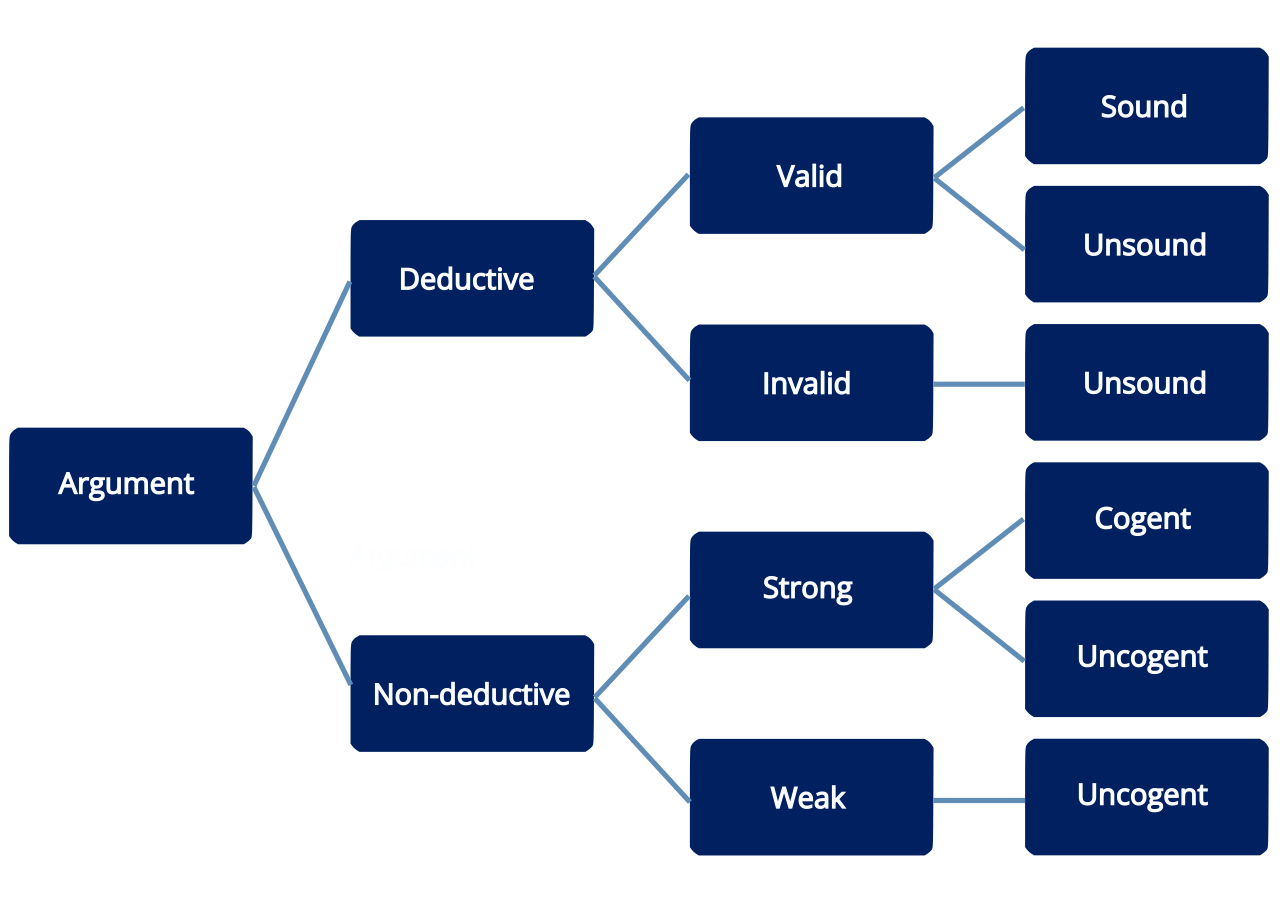
A claim in argumentative writing is a statement asserting a specific viewpoint. To uphold this claim, the writer must build pillars of evidence. Evidence in argumentative writing includes verifiable facts, relevant statistics, and expert opinions. Yet, data cannot stand alone. Reasoning in argumentative writing explains how evidence proves a claim. The hidden bedrock beneath this connection is the warrant; a warrant is the underlying logical assumption connecting evidence to a claim.
Because the real world is multifaceted, argumentative writing must acknowledge alternate or opposing claims. A rigorous writer introduces a counterclaim in argumentative writing, which presents an opposing viewpoint to the main claim, only to dismantle it with a rebuttal, a response refuting a presented counterclaim.
As a result of this structure, the tone of argumentative writing is generally objective and generally formal. It deliberately prioritizes logical appeals over emotional appeals. It uses the rhetorical appeal of logos to engage the audience's sense of reason, while simultaneously relying on the rhetorical appeal of ethos to establish authorial credibility. Writers must be vigilant, as logical fallacies undermine the validity of a claim in argumentative writing. Finally, a well-structured argumentative essay concludes with a statement naturally following from the presented argument.
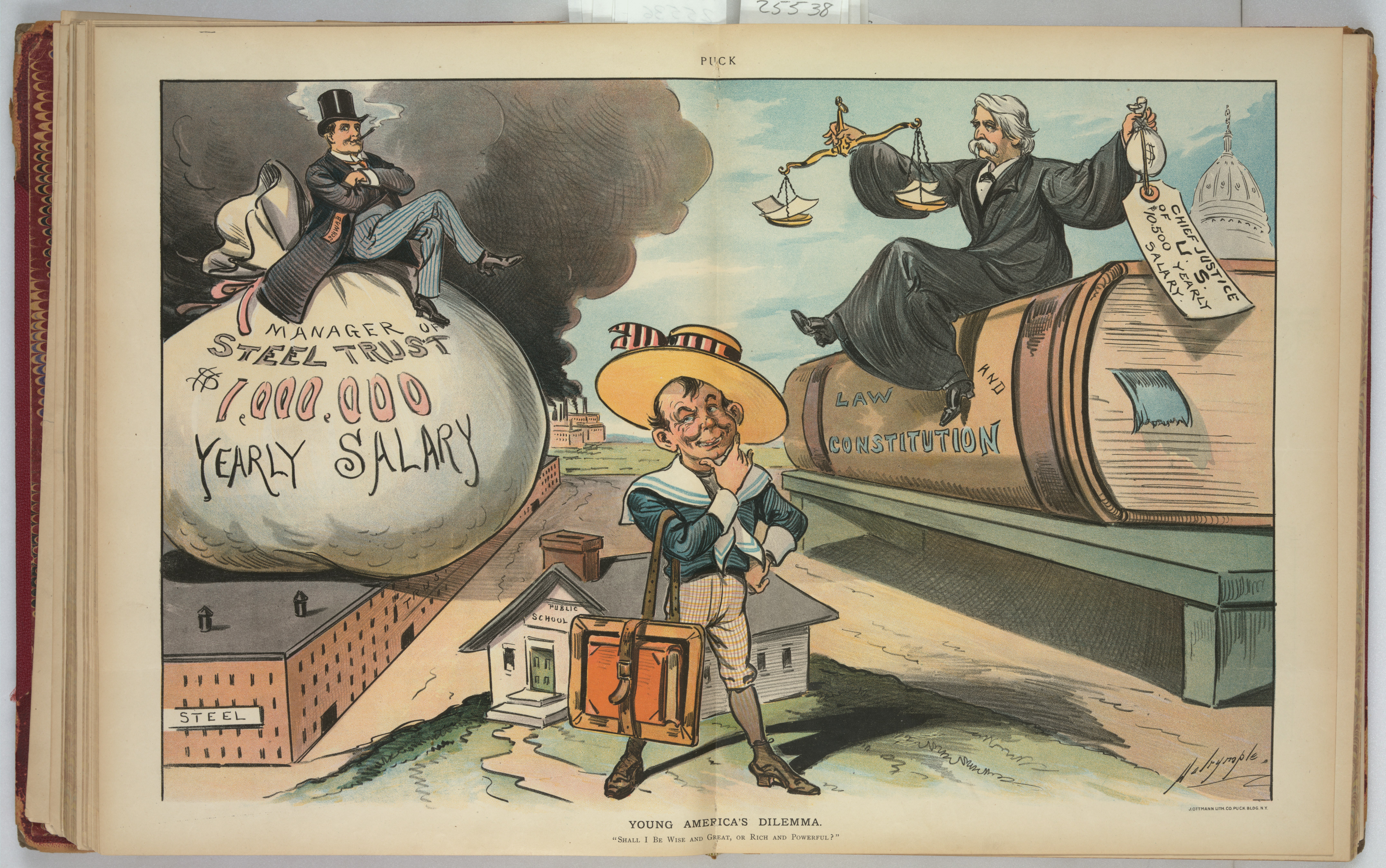
Real-World Application: An editorial is a common example of argumentative writing, as is an op-ed piece. Inside your classroom, a literary analysis essay is an argumentative text presenting a claim about a piece of literature. To prove its thesis, a literary analysis essay uses direct quotations from the primary text as evidence.
Compare this to its less objective counterpart. Persuasive writing relies heavily on emotional appeals to convince an audience. It prioritizes the author's personal credibility to convince an audience and, unlike argumentation, persuasive writing often ignores opposing viewpoints entirely.
Let’s turn our attention to exposition. Exposition is a traditional mode of discourse intended to inform or define a subject. At a macro level, the Common Core State Standards group informative and explanatory writing into a single category, yet they possess distinct micro-functions.
Informative writing aims to convey complex ideas clearly and to convey factual information accurately. Meanwhile, explanatory writing aims to clarify the mechanics of a concept or clarify the steps of a process. Critically, informative writing does not attempt to persuade the reader to adopt a specific viewpoint.
The anchor of this text is the thesis. A thesis statement in informative writing introduces the central idea of the text. Beneath this umbrella, paragraphs follow a strict anatomy: a topic sentence introduces the main idea of a specific paragraph within a larger text, supporting details provide specific evidence to back up a topic sentence, and a concluding sentence summarizes the main point of a paragraph.
The tone of informative writing is typically objective and unbiased. It requires the selection of concrete details to support the topic. Furthermore, transition words are used in informative writing to clarify relationships among concepts.
Writers select organizational structures based on the relationship between variables. Informative writing frequently utilizes cause-and-effect organizational structures, compare-and-contrast organizational structures, problem-and-solution organizational structures, and chronological organizational structures.
Visual architecture is also paramount. Informative texts frequently incorporate formatting elements like headings to organize information, utilize text features like bold print to emphasize key terms, provide glossaries to define domain-specific vocabulary, and include indexes to help readers locate specific information.
A scientific report is a common example of informative writing. A news article is an informative text reporting on current events, and an encyclopedia entry is an informative text providing a factual summary of a topic.
Subcategories of Informative Text
A distinct subcategory exists for actionable instruction: procedural writing is a subcategory of informative writing explaining how to complete a task. Because of its nature, procedural writing typically uses sequential organization and often uses the imperative mood to give direct commands. Think of your daily life: instruction manuals are common examples of procedural writing, and recipes are common examples of procedural writing.
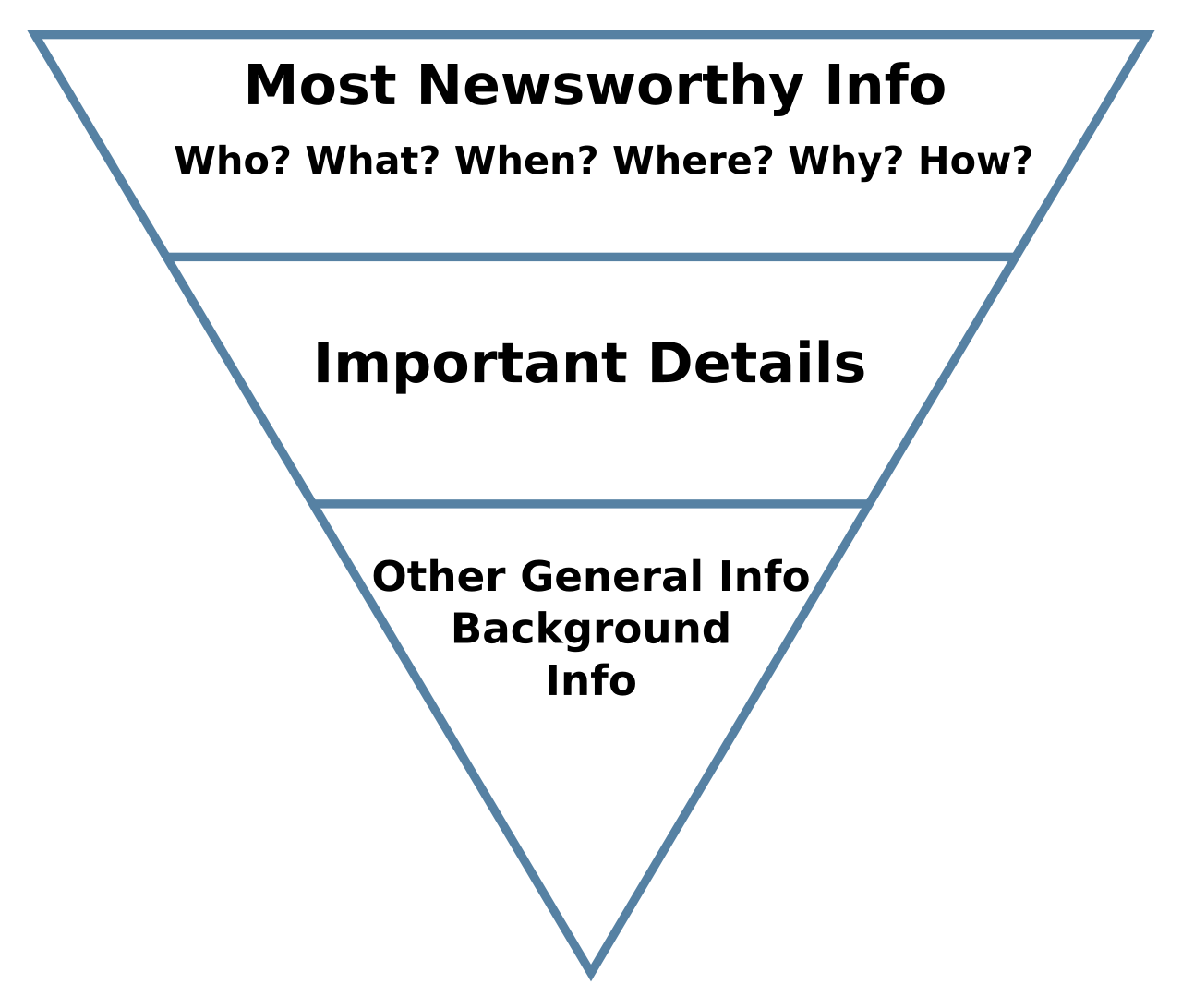
Likewise, journalistic writing aims to report news objectively, explicitly answering the questions who, what, when, where, why, and how. To do this efficiently, journalistic writing typically uses the inverted pyramid structure, which places the most important information at the very beginning of an article.
Narrative writing transports us. Whether exploring history or fantasy, narrative writing aims to develop real experiences or develop imagined experiences. To function, narrative writing relies on well-structured sequences of events. This skeleton is the plot. A plot is the sequence of events making up a narrative.
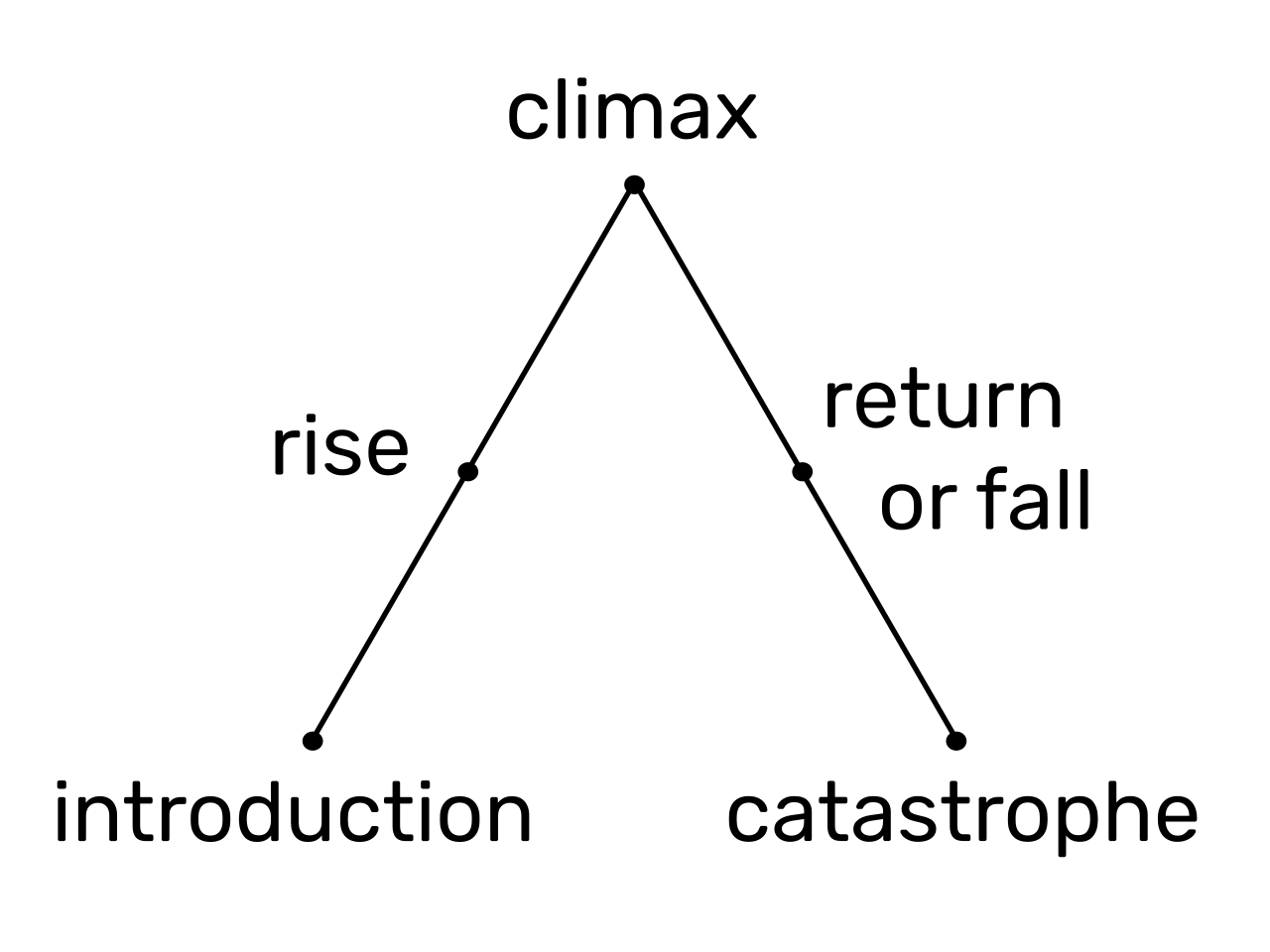
Within the plot, a conflict is a struggle between opposing forces driving the plot of a narrative. This struggle escalates in predictable stages: an inciting incident is a narrative plot element introducing the central conflict. The rising action pushes toward the pinnacle: the climax is the narrative plot element representing the point of highest tension, finally yielding to the end, where the resolution is the narrative plot element where the main conflict is resolved.
Who populates these stories? A protagonist is the primary character driving the action in a narrative, while an antagonist is the character or force opposing the protagonist in a narrative. Through action and words, we see them change. Characterization is the process by which an author reveals the personality of characters in a narrative. To this end, narrative writing frequently utilizes dialogue to advance the plot and utilizes dialogue to reveal character traits. Additionally, narrative writing uses reflection to provide insight into a character's internal thoughts.
Where and why does it happen? The setting of a narrative establishes the time period of the story's events and the physical location of the story's events. Woven through all of this is the meaning: the theme of a narrative is the underlying message of the story.
We must also consider the lens through which the story is told. Point of view is the perspective from which a narrative is told.
- First-person point of view uses the pronoun 'I' to narrate a story from a specific character's perspective.
- Second-person point of view addresses the reader directly using the pronoun 'you'. (Note that outside of narrative fiction, second-person point of view is frequently used in instructional explanatory writing).
- Third-person limited point of view reveals the internal thoughts of only one character.
- Third-person omniscient point of view reveals the internal thoughts of multiple characters.
Authors manipulate time to control the reader's heartbeat. Narrative pacing controls the speed at which a story unfolds for the reader. Like shifting gears, authors use short sentences to increase pacing during high-action narrative scenes and use long sentences to slow down pacing in narrative writing. They bend time further: foreshadowing is a narrative technique providing hints about future events in the story, and flashbacks are narrative techniques interrupting chronological order to describe past events. To fully immerse the reader, narrative writing relies heavily on sensory details to create vivid imagery.
Classifications of Narrative Writing
In the realm of reality: A personal narrative is a true story about a real-life experience written from the author's perspective. If exploring a whole life, a biography is a narrative account of a person's life written by someone else, while an autobiography is a narrative account of a person's life written by the subject of the account. A narrower lens yields a memoir: a memoir is a narrative account focusing on a specific thematic period in the author's life.
In the realm of imagination: A short story is a common example of fictional narrative writing, and a novel is a long-form example of fictional narrative writing. These branch into specific genres:
- Realistic fiction is a narrative genre featuring events that could happen in real life.
- Historical fiction is a narrative genre placing fictional characters in factual historical settings.
- Science fiction is a narrative genre exploring imagined futuristic concepts.
- Fantasy is a narrative genre featuring magical or supernatural elements.
- A fable is a brief narrative conveying a moral lesson, and fables frequently feature anthropomorphized animal characters.
- A myth is a traditional narrative explaining natural phenomena, and myths frequently feature gods or superhuman characters.
To make narratives and essays breathe, writers rely on description. Descriptive writing aims to paint a vivid mental picture of a specific subject. Because of its immersive power, descriptive writing is often incorporated into narrative writing to establish a vivid setting.
How does it work? Descriptive writing relies heavily on figurative language to create imagery. It frequently incorporates similes to compare dissimilar subjects and frequently incorporates metaphors to draw direct comparisons between subjects. At the mechanical level of speech, descriptive writing relies on precise nouns to create clear images and relies on vivid verbs to create clear images.
To organize this imagery seamlessly, spatial organization is a common structure used in descriptive writing. Spatial organization arranges descriptive information according to physical location (e.g., describing a room from ceiling to floor). A perfect real-world application is the travel journal: a travelogue frequently blends descriptive and narrative writing elements.
Let’s step outside standard paragraph constraints.
Poetry is a type of writing utilizing rhythmic qualities of language to evoke meaning. Instead of paragraphs, poetry organizes text into stanzas. Instead of standard punctuation governing the breath, poetry utilizes line breaks to control rhythm.
Drama is a type of writing intended for performance by actors. Bereft of internal reflection paragraphs, drama relies heavily on dialogue to communicate the plot to an audience. To direct the action, drama utilizes stage directions to provide instructions on character movement and provide instructions on stage lighting.
As students advance, they interact with complex academic modes:
- Analytical writing breaks down a complex topic into smaller parts for detailed examination. For ELA students, analytical writing frequently evaluates the effectiveness of an author's rhetorical choices.
- Synthesis in writing involves combining information from multiple distinct sources to form a new conclusion. In higher education, a literature review is a common example of writing that synthesizes multiple sources.
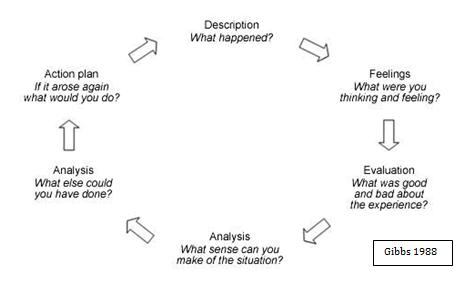
- Reflective writing explores the author's personal insights regarding a specific experience. A learning journal is a common example of reflective writing.
To teach these varied structures effectively, we must make the invisible visible. Before drafting begins, students need scaffolding. Graphic organizers help students visually structure ideas before drafting an essay. The organizer must match the text's purpose:
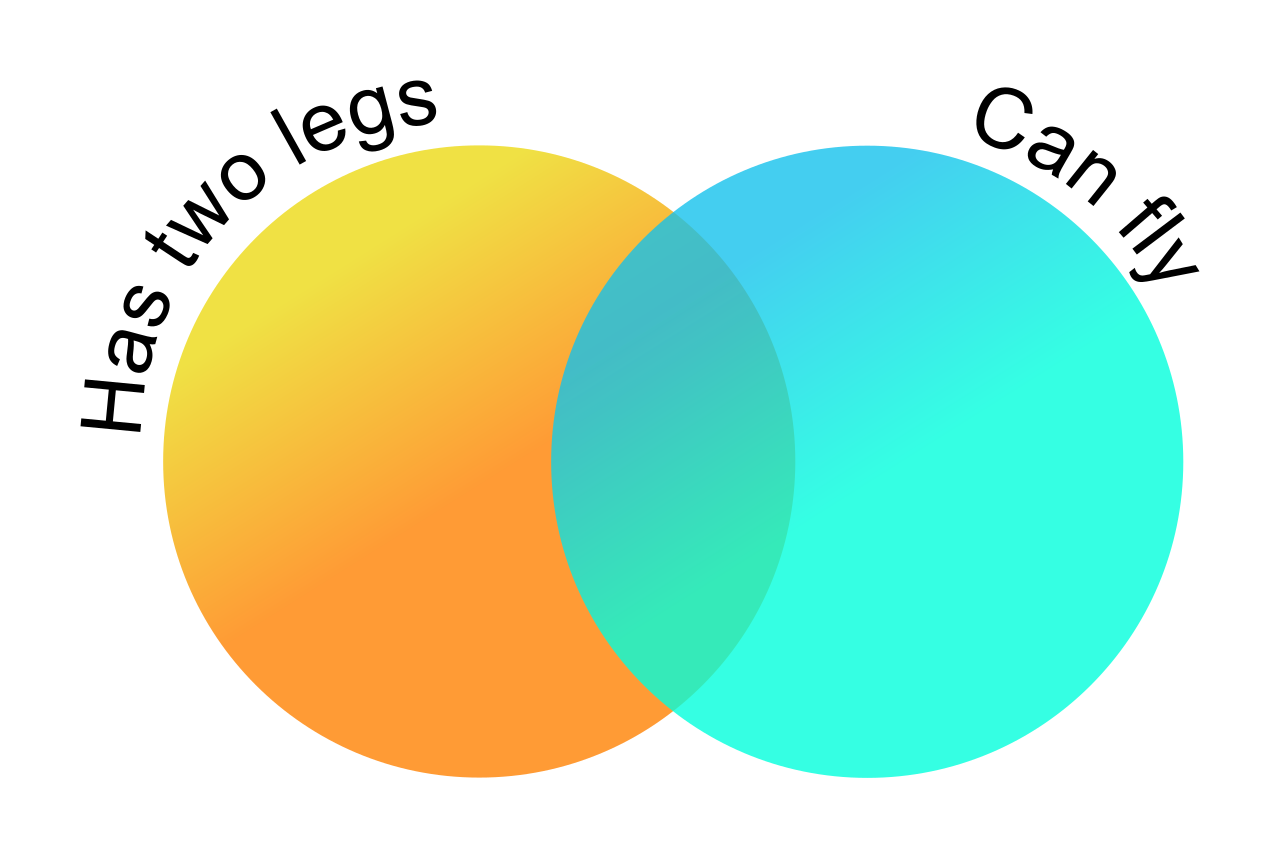
- A Venn diagram is a graphic organizer specifically suited for planning compare-and-contrast writing.
- A T-chart is a graphic organizer frequently used to outline claims and counterclaims for argumentative writing.
- Story maps are graphic organizers used to plan the setting, characters, and plot sequence of a narrative.
Students also need to see success in action. Mentor texts are published texts used to illustrate specific genre characteristics for students. By reverse-engineering published works, students uncover the architecture of strong writing.
Finally, expectations must be transparent. A writing rubric is an evaluation tool explicitly defining the criteria for grading a specific type of writing assignment, ensuring your students understand exactly what standard of architecture they are striving to build.