Instructing Collaborative Discussions and Digital Communication
Not sure you’re ready?
Take the ~3-minute readiness diagnostic and see where you stand.
A middle school English classroom is an intellectual laboratory. True literacy is not merely the silent consumption of text; it is the collision of ideas, the negotiation of meaning, and the public testing of arguments. When students speak to one another, they are not just sharing opinions—they are forging cognition. However, without deliberate architecture, a room full of young adolescents discussing literature quickly devolves into a cacophony of dominant voices and passive observers. To prevent this, an educator must engineer the environment. They must provide the structural scaffolding, the linguistic tools, and the digital frameworks necessary to transform isolated readers into a collaborative community of critical thinkers.
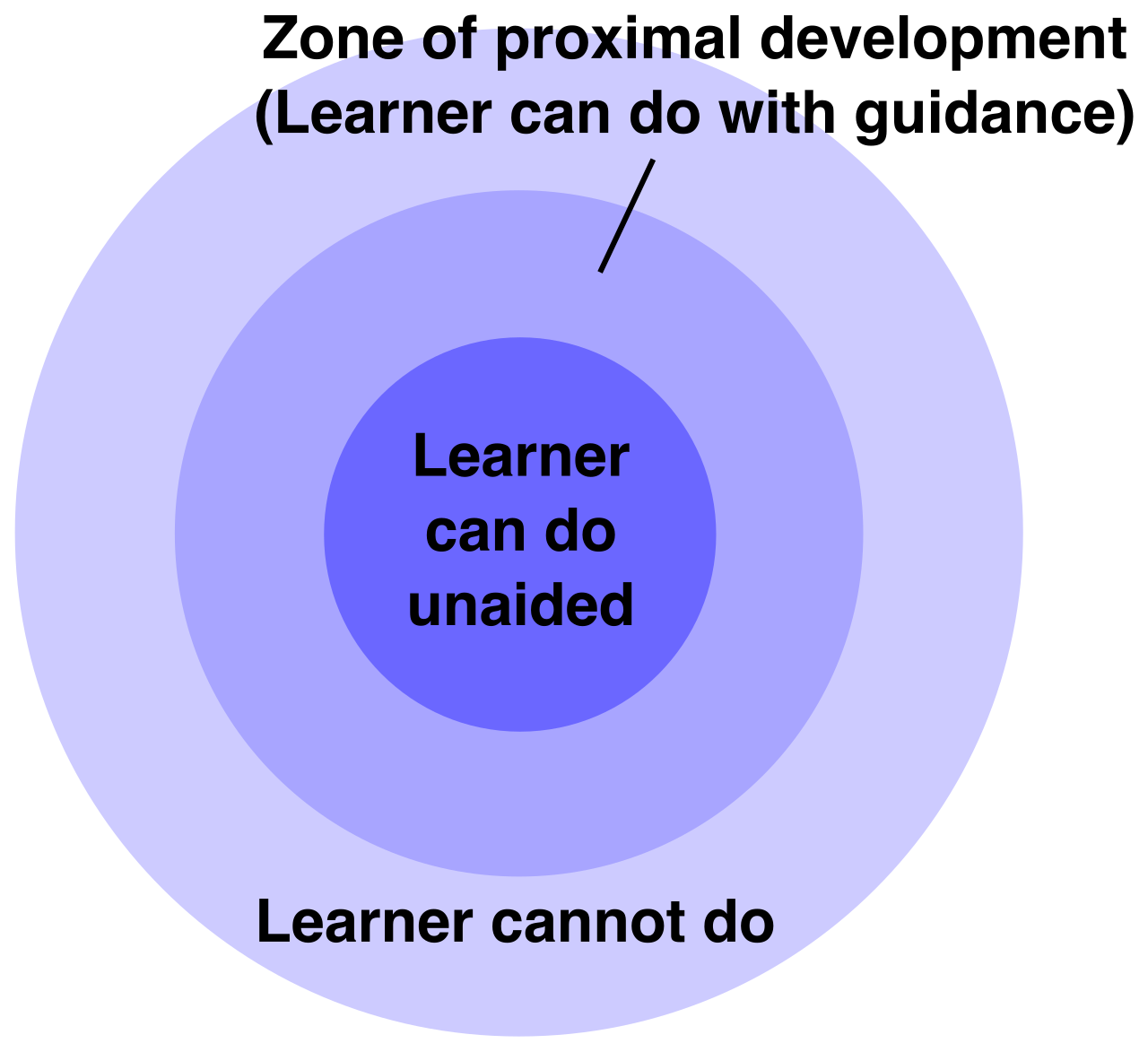
At its core, the primary objective of any collaborative discussion is to require students to synthesize multiple perspectives to build a shared understanding of a text. We are teaching them that a text is not a monolith with a single correct interpretation, but a landscape that looks different depending on where you stand.
Before a discussion begins, an educator must establish the specific goal of the interaction, as the objective dictates the format:
- Brainstorming discussions prioritize generating a high volume of ideas over immediate critical evaluation. The goal is lateral thinking—getting as many raw concepts onto the table as possible.
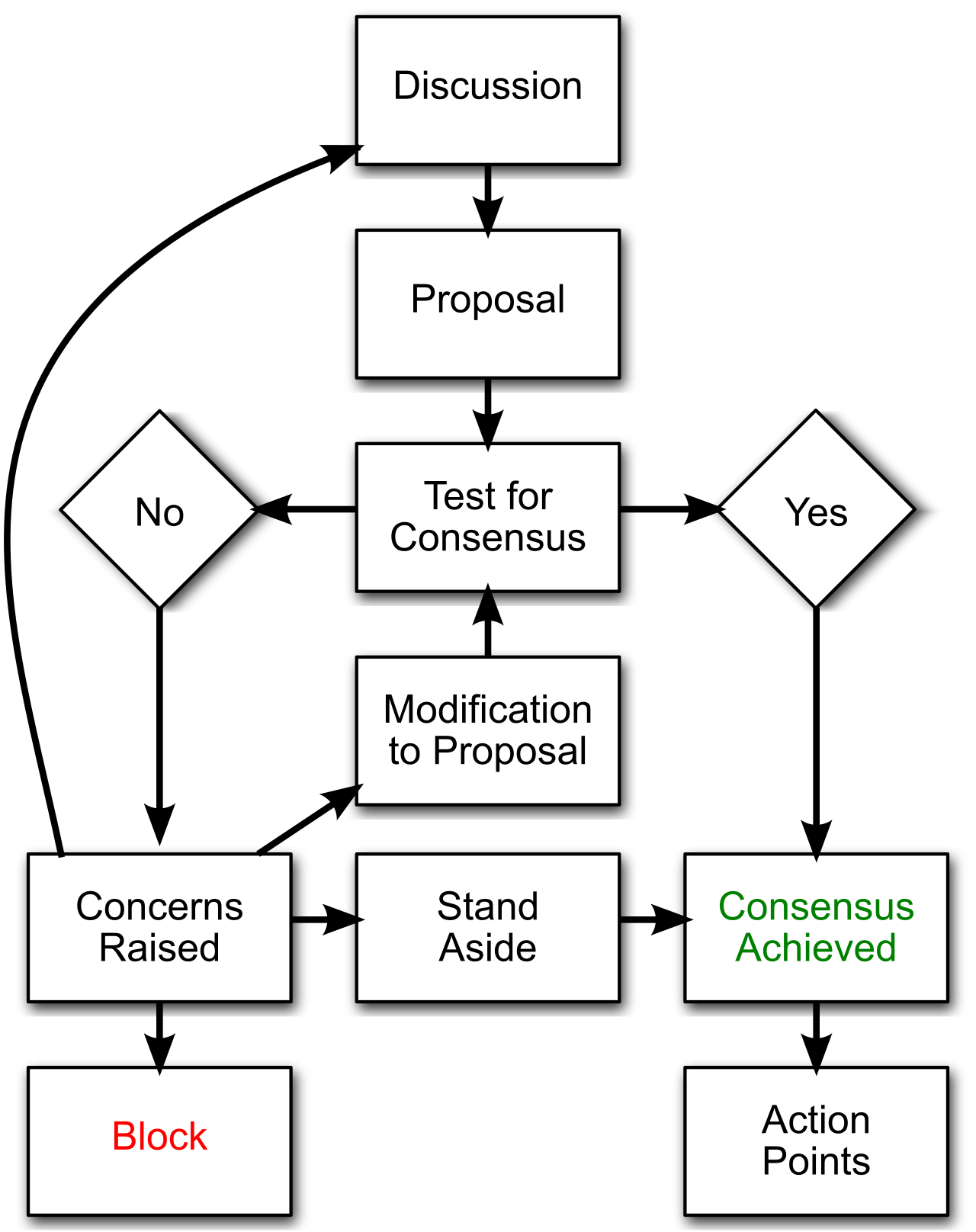
- Consensus-building discussions require students to negotiate differing viewpoints to reach a collective agreement. Here, compromise and synthesis are the primary cognitive tasks.
- Debate-style discussions demand rigor and defense; they require students to use textual evidence to defend a specific stance against opposing views.
Structuring the Interaction: Formats and Methods
Once the goal is set, the teacher must select the precise format to house the conversation. Effective formats dictate the flow of information and ensure equitable airtime.
| Method | Mechanics & Utility |
|---|---|
| Think-Pair-Share | A highly versatile collaborative learning strategy involving individual reflection followed by partner discussion. By allowing a student to test their idea on one peer first, the think-pair-share strategy increases overall student participation by lowering anxiety before whole-class sharing. |
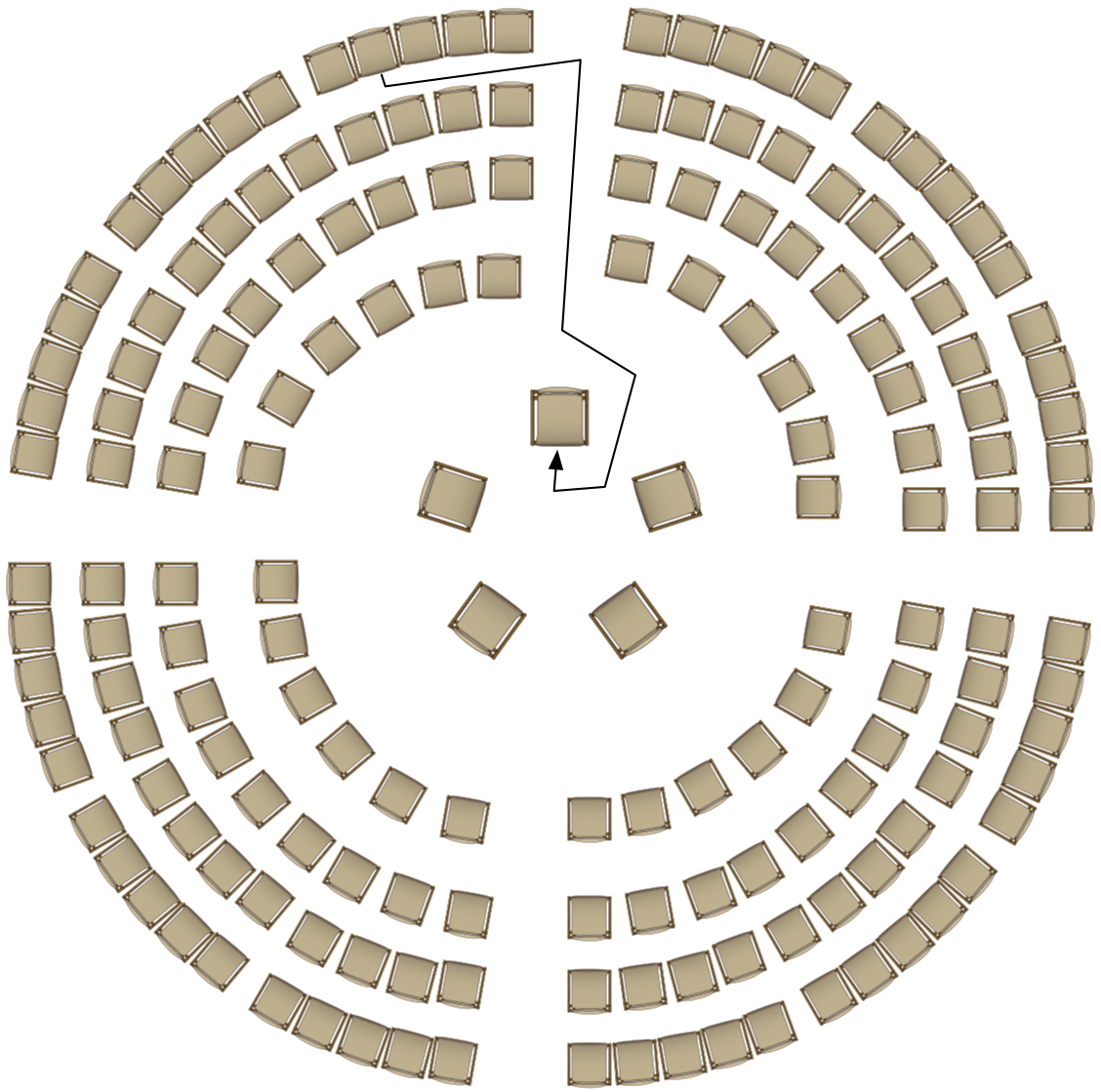
| Socratic Seminars | These seminars require students to formulate open-ended questions based on a shared text. Crucially, the geometry of the room shifts: in Socratic seminars, the classroom teacher acts as a facilitator rather than the primary source of knowledge. The students drive the inquiry. |
| Fishbowl Discussion | This format divides students into an inner circle of active speakers and an outer circle of silent observers. It is an exercise in metacognition. The fishbowl discussion method allows silent observer students to evaluate the specific discussion techniques of their actively speaking peers. |
| The Jigsaw Collaborative Method | An exercise in distributed expertise. This method assigns each student a specific text segment to master. Once mastered, students teach their mastered text segment to a small group of peers, ensuring that every student is essential to the group's overall comprehension. |
| Literature Circles | These function like autonomous book clubs, but they assign specific discussion roles to group members to ensure equitable participation. For example, the discussion director role involves generating open-ended questions to guide peer conversation, while the passage picker role involves selecting specific text excerpts for the group to analyze closely. |
A brilliant discussion format will still fail if the students lack the mechanical skills to engage with one another productively. Speaking academically is a learned behavior.
Preparation and Norms
Great discussions happen before a single word is spoken aloud. Effective discussion preparation requires students to annotate texts beforehand to locate relevant textual evidence. If they arrive empty-handed, the discussion collapses into baseless opinion.
Once in the room, establishing explicit discussion norms reduces conversational interruptions during collaborative classroom activities. Sometimes, physical enforcement is necessary; early in the year, a teacher might use a talking stick, a physical prop used in collaborative discussions to designate the sole authorized speaker.
To elevate the intellectual rigor of the room, a teacher can artificially inject friction by assigning a devil's advocate role, a strategy that forces students to critically examine the validity of their own arguments against a built-in skeptic.
The Language of Collaboration
We cannot assume students intuitively know how to disagree with respect. We must teach them the grammar of discourse.
Accountable Talk: An instructional framework that provides students with specific sentence stems to frame respectful agreements or disagreements (e.g., "I agree with Sarah's point, but I'd like to add..."). These strategies encourage students to directly reference peers' preceding comments, creating a linked chain of thought rather than isolated declarations.
For emerging bilingual students, providing sentence frames is a scaffolding technique used to support English Language Learners during collaborative discussions, ensuring they have the linguistic architecture to share their high-level cognitive insights.
Furthermore, true discourse requires reception, not just broadcasting. Active listening in academic discussions involves paraphrasing a peer's statement before offering a new perspective. Finally, when the conversation ends, the learning loop must close. Self-assessment rubrics prompt students to reflect on individual speaking contributions after a collaborative discussion, moving them toward independent self-regulation.
The modern ELA classroom extends far beyond its four physical walls. Digital tools do not merely digitize analog processes; they create entirely new avenues for collaboration and communication.
Synchronous vs. Asynchronous Engagement
Time is a variable we can manipulate using technology. Synchronous digital communication requires real-time student engagement, mirroring the immediate back-and-forth of a physical classroom. However, asynchronous discussion boards allow students extended time to compose evidence-based responses. This asynchronous delay is vital; it privileges the deep, slow thinker over the fast, loud talker. When implementing these boards, digital discussion forums require instruction on threaded replies to maintain organized topic conversations, preventing the board from dissolving into a chronological mess of unrelated thoughts.
Technology also allows for parallel conversations. Digital backchannels allow students to post written questions during a lesson without interrupting the primary speaker. Crucially, these digital backchannels encourage participation from introverted students who hesitate to speak aloud in class, granting them a low-stakes avenue into the intellectual life of the room.
Collaborative Writing and Presentation
When the time comes to produce a product, cloud-based collaborative writing tools allow multiple students to edit a single document simultaneously. To ensure accountability and prevent the classic "freeloader" problem in group work, these cloud-based tools enable teachers to track individual student contributions through document version history.
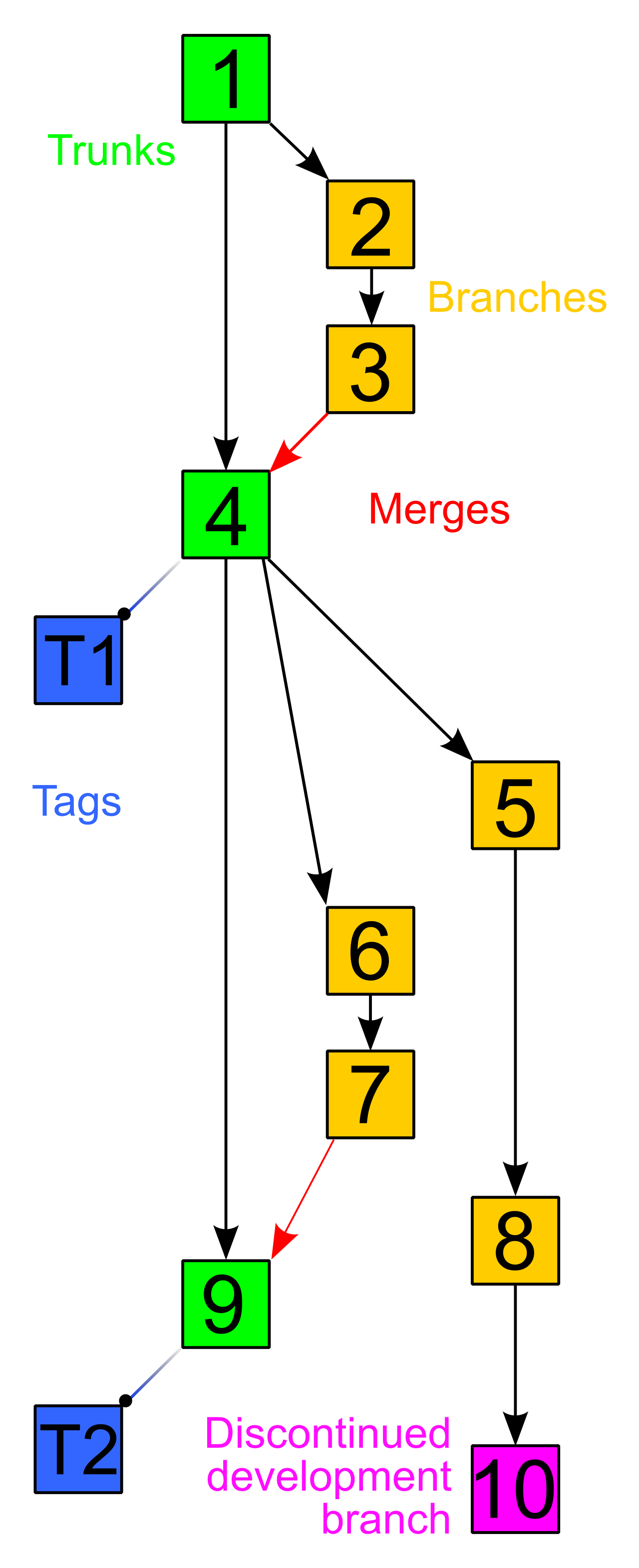
During the drafting process, instructing students to use digital comment features promotes peer review without permanently altering the original text, preserving the author's ownership while inviting critique. When sharing their final products, using multimedia presentation tools allows students to integrate visual aids into collaborative oral reports, marrying rhetorical delivery with visual design.
Access to the sum total of human knowledge via the internet is only a benefit if students know how to wield it responsibly and critically.
First, there is the matter of behavior. Digital citizenship instruction teaches students to maintain a respectful tone in online environments, while netiquette refers to the established rules of acceptable social behavior on the internet. Middle schoolers often mimic the toxic discourse they see online; an ELA teacher must counter this through deliberate instruction, including teacher modeling of digital communication, which involves demonstrating exactly how to write formal emails to academic audiences.
Second, there is the matter of truth. Teaching students to evaluate digital source credibility prevents the spread of misinformation in collaborative research.
The CRAAP Test A vital pedagogical heuristic used in digital research. It is an evaluation tool checking digital sources for:
- Currency (Is the information timely?)
- Relevance (Does it actually answer the question?)
- Authority (Who is the author, and what are their credentials?)
- Accuracy (Is the information supported by evidence?)
- Purpose (Is the author trying to inform, sell, or persuade?)
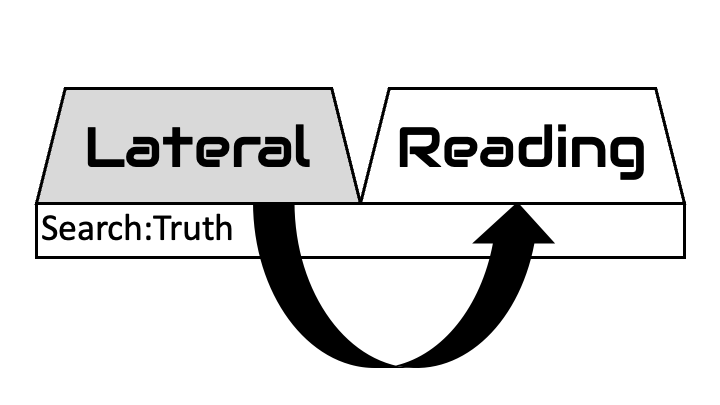
Once credible sources are found, effective digital communication instruction requires teaching students how to properly hyperlink academic sources, ensuring their digital arguments rest on an easily traceable foundation of evidence.
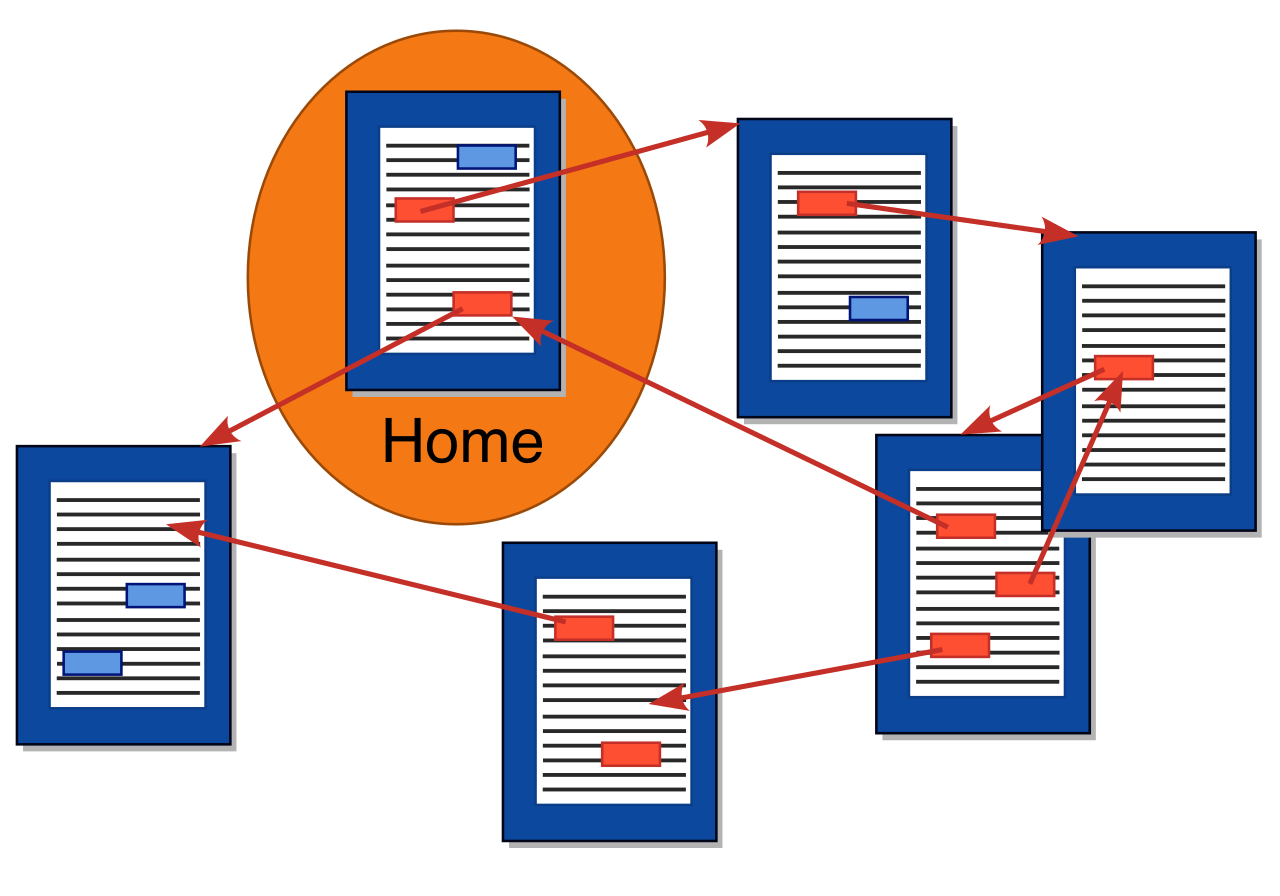
Finally, we must give their work a reason to exist. Publishing student writing on classroom blogs provides an authentic audience beyond the classroom teacher. When a student knows their collaborative research, their synthesized arguments, and their hyperlinked evidence will be seen by their peers, their parents, and the world, the work ceases to be an assignment. It becomes an act of genuine communication.