Differentiated Instruction and Choosing Texts
Not sure you’re ready?
Take the ~3-minute readiness diagnostic and see where you stand.
Imagine an optometrist attempting to correct the vision of thirty patients by prescribing the exact same pair of lenses to each. For a few, the visual world would snap into perfect focus. For the rest, the prescription would induce headaches, blur the environment, and ultimately discourage them from trying to see clearly at all. A middle school English classroom operates on identical principles. Providing a single text, a uniform instructional method, and identical assessment criteria to thirty adolescents guarantees that while a few will thrive, the majority will either coast unchallenged or struggle entirely unassisted. Effective English language arts instruction is not the mass distribution of a single prescription; it is the precise, dynamic calibration of texts and tasks to the individual cognitive optics of every student in the room.
Before we can manipulate the moving parts of a lesson, we must understand the physical laws governing how humans learn. The foundational principle of modern instruction was developed by developmental psychologist Lev Vygotsky. He observed that learning does not happen in the realm of the already-mastered, nor does it happen in the realm of the impossibly difficult.
It happens in the Zone of Proximal Development (ZPD).
The Zone of Proximal Development represents the distance between what a learner can do independently and what the learner can do with guidance.
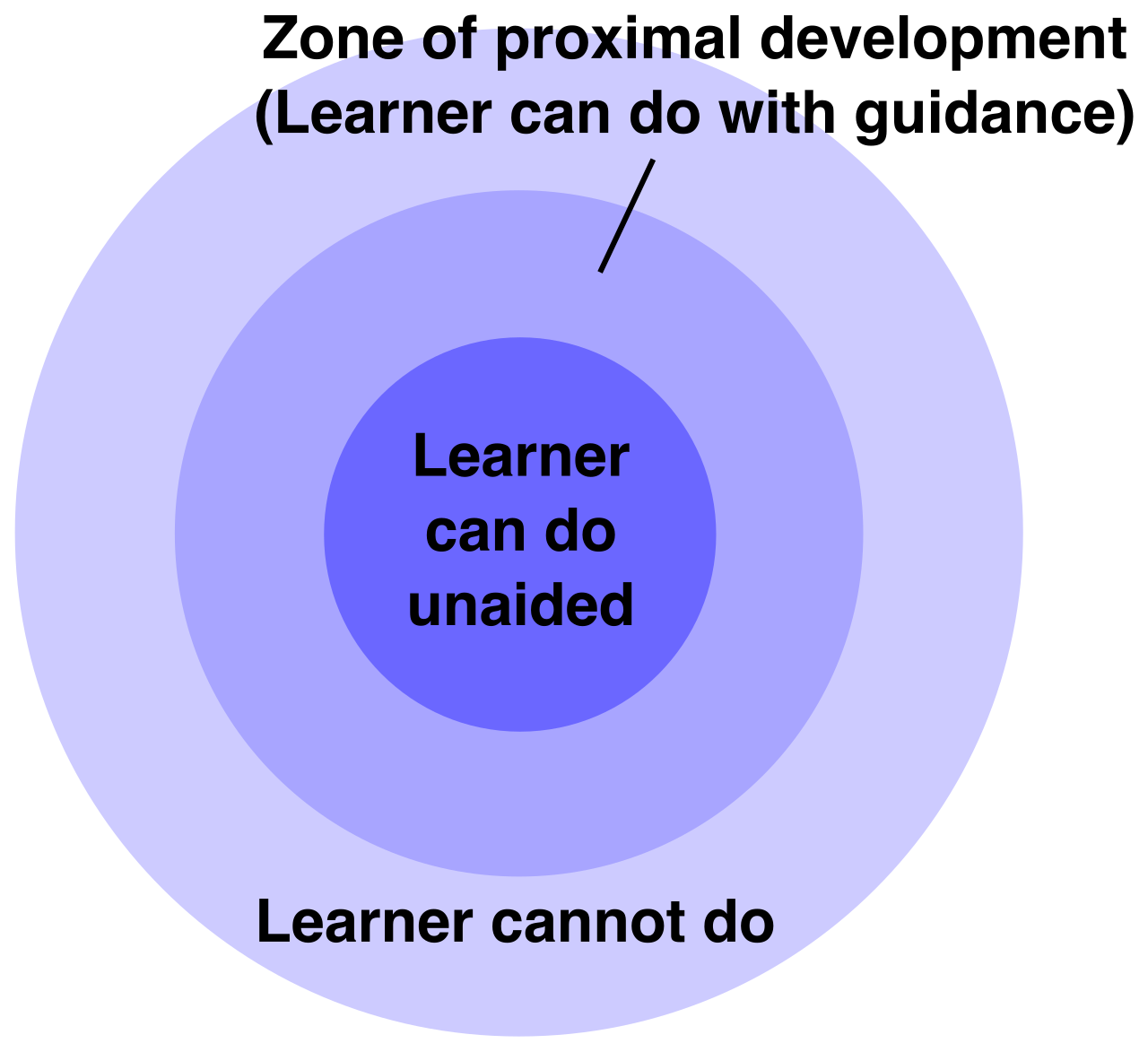
To help a student cross this zone, teachers use instructional scaffolding—providing temporary support to help a student master a task within their ZPD, just as physical scaffolding supports a building until its structural integrity is established.
We formalize this support through Universal Design for Learning (UDL). UDL principles advocate for providing multiple means of engagement, representation, and action and expression in instruction. You are engineering the classroom so that the barriers to learning are removed before the students even arrive.
- Representation: Providing multiple ways to consume the material. For instance, providing audiobooks alongside printed texts is a highly effective method of providing multiple means of representation in reading instruction.
- Action and Expression: Providing multiple ways for students to prove what they know. Allowing students to demonstrate comprehension through a podcast rather than a written essay is a brilliant method of providing multiple means of action and expression.
- Engagement: Tapping into learners' interests and offering appropriate challenges to increase motivation.
Differentiated instruction is not a single strategy; it is a philosophy. It involves tailoring the content, process, product, or learning environment to meet individual student needs. As an ELA teacher, you have four dials you can turn to adjust the frequency of your instruction for different learners:
- Content differentiation involves modifying what the student needs to learn based on individual readiness, or modifying how the student will access the required information. (e.g., Providing a summary of the Trojan War for a student who lacks background knowledge before reading The Odyssey).
- Process differentiation involves modifying the activities in which the student engages to make sense of the content. (e.g., Having one group map the plot visually while another group debates the protagonist's motives).
- Product differentiation involves modifying the culminating projects that ask the student to demonstrate what was learned.
- Learning environment differentiation involves modifying the physical or psychological climate of the classroom to optimize student learning. (e.g., Creating quiet reading nooks, or establishing strict norms for respectful peer dialogue).
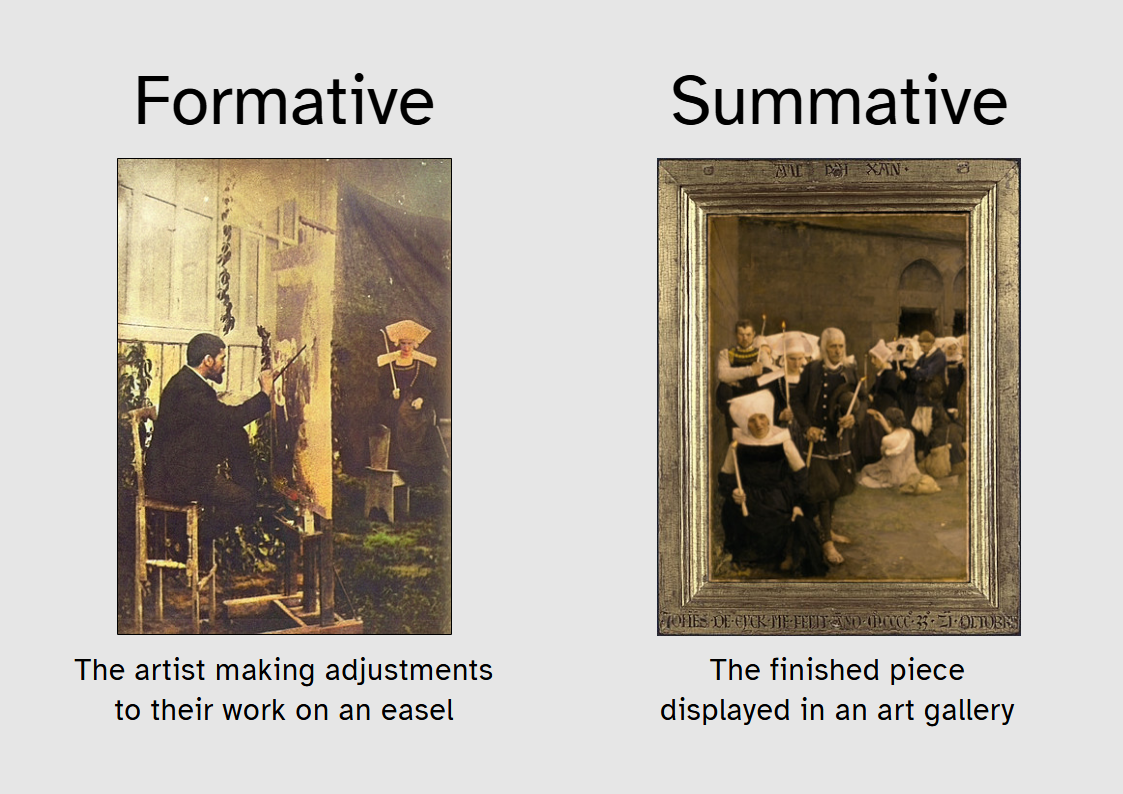
How you arrange the human beings in your room dictates the kind of energy the room produces. We use flexible grouping, an instructional strategy where students are temporarily placed into small groups based on specific learning needs. Flexible grouping allows group composition to change frequently based on ongoing formative assessment data. Students are not permanently "tracked"; they move fluidly.
When forming these groups, you must choose the right tool for the job:
Homogeneous vs. Heterogeneous Grouping
Homogeneous grouping places students with similar ability levels together.
- Why use it? It is highly effective for targeting specific skill deficits through direct teacher instruction. If five students are struggling with identifying dependent clauses, you pull them into a homogeneous group and teach that exact micro-skill directly.
Heterogeneous grouping mixes students of varying ability levels into the same working group.
- Why use it? It promotes peer modeling and peer tutoring among students. Furthermore, it exposes students to diverse perspectives during collaborative reading tasks, elevating the intellectual rigor for everyone.
The Jigsaw Method
For handling massive amounts of information efficiently, we use the Jigsaw method. This elegant strategy divides a learning task into segments where individual students become "experts" on one specific segment. Once they have mastered their piece, these expert students return to their "home groups" to teach their designated segment to their peers. It enforces accountability and guarantees that every student holds a vital piece of the cognitive puzzle.
Middle schoolers are profoundly social creatures. A masterful teacher harnesses that social energy and points it at academic texts.
Literature Circles
Literature circles are student-led, small-group discussions based on a shared text. To ensure buy-in, literature circles typically allow students to choose their reading material from a pre-selected list of texts.
To prevent the discussion from devolving into chaos, students in literature circles typically assume specific roles to guide their reading and discussion:
- The Discussion Director: Develops high-level questions to guide the group's conversation.
- The Summarizer: Provides a brief, accurate overview of the assigned reading.
- The Vocabulary Enricher: Identifies and defines unfamiliar, complex words found in the text.
Peer Conferencing
Writing is an iterative process, and peer conferencing involves students reading and providing feedback on each other's writing. However, middle schoolers do not intuitively know how to critique writing. If you simply tell them to "trade papers and edit," you will get unhelpful feedback like "It was good."
To fix this, providing students with structured rubrics improves the effectiveness and focus of peer conferencing. Furthermore, providing sentence stems (e.g., "I was confused by your argument when you wrote...", or "Your strongest piece of evidence was...") provides scaffolding during peer conferencing to help students give constructive and academic feedback.
Choosing a text for your students is not just about finding a good story; it is about calculating cognitive load. Text complexity is determined by a triangulation of three factors: quantitative measures, qualitative measures, and reader and task considerations.
| Dimension | Definition & Examples |
|---|---|
| Quantitative Measures | Evaluate objective readability factors that can be calculated by a computer. Examples include word frequency and sentence length. The Lexile framework is a widely used quantitative tool for measuring text complexity and student reading ability. |
| Qualitative Measures | Evaluate subjective factors requiring human judgment. Examples include the number of levels of meaning within a text (e.g., literal vs. allegorical), text structure complexity (e.g., chronological vs. flashing back), language conventionality and clarity, and background knowledge demands. |
| Reader and Task Considerations | Evaluate the specific match between the student, the chosen text, and the learning assignment. A student's personal reading motivation is a critical reader consideration in text selection. The cognitive demands of a specific assignment are task considerations. |
Analogy: Think of quantitative measures as the raw horsepower of a car (easily measured by a machine), qualitative measures as the handling and feel of the steering (requires a human driver to evaluate), and reader/task considerations as the specific weather conditions and destination for the road trip. You need all three to determine if the journey will be successful.
To match texts to students, we assess them using an Informal Reading Inventory (IRI). This is a diagnostic assessment used to determine a student's independent, instructional, and frustration reading levels based on word recognition and comprehension accuracy.
- Independent Reading Level (95–100% accuracy): At this level, cognitive friction is virtually zero. Students should read texts at their independent reading level for pleasure reading and fluency practice.
- Instructional Reading Level (90–94% accuracy): This is the "sweet spot" for learning—the Vygotskian ZPD. Texts at a student's instructional reading level require explicit teacher support for optimal comprehension.
- Frustration Reading Level (< 90% accuracy): At this level, the student is expanding so much working memory simply decoding words that comprehension halts entirely. Avoid forcing students into this level without massive scaffolding.
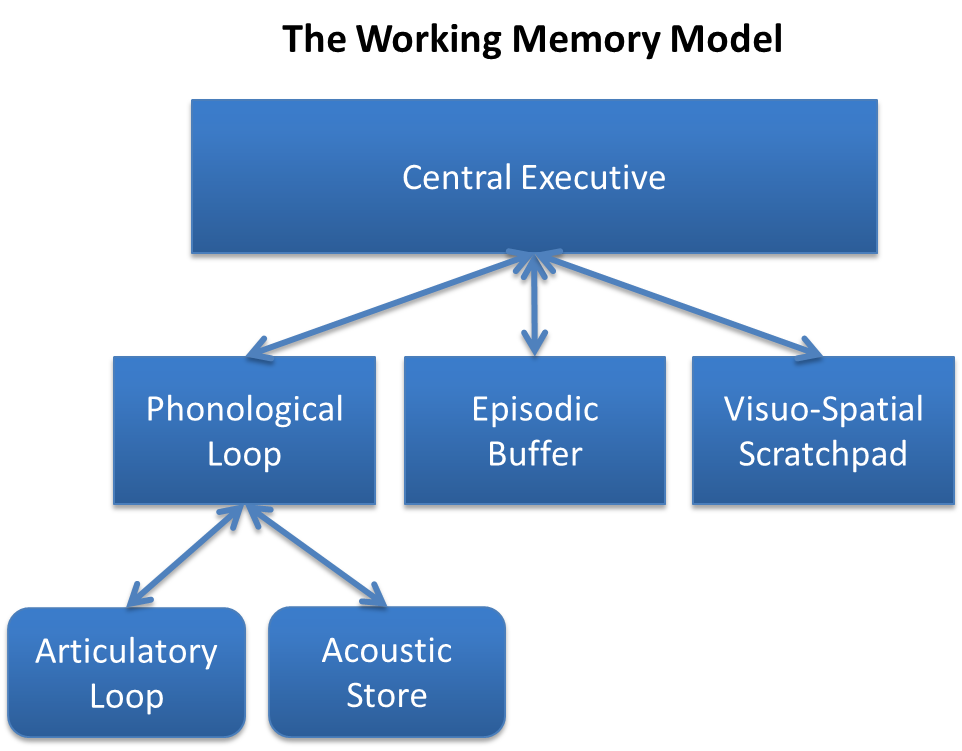
Beyond raw ability, we must measure desire. Reading interest inventories are surveys used to gather information about a student's hobbies, preferences, and attitudes toward reading. Why do we do this? Because incorporating student choice in text selection heavily increases reading motivation and engagement. A highly motivated student can often successfully navigate a text that quantitative measures suggest is slightly too difficult for them.
When you must teach a complex, grade-level text, how do you support the students whose instructional reading level is far below the text's demands? You build the bridge.
Tiered Assignments
Tiered assignments allow all students to focus on the same essential understanding while working at different levels of complexity. A specific application of this is tiered reading assignments, which provide different texts on the same topic based on individual student reading levels. Everyone discusses the American Revolution, but they are reading texts tailored to their specific decoding abilities.
Frontloading and Scaffolding Complex Texts
When everyone must read the same complex text, scaffolding becomes mandatory.
- Scaffolding complex texts involves pre-teaching essential vocabulary before reading begins, clearing the cognitive road of major obstacles.
- It involves intentionally building student background knowledge before engaging with the material (you cannot understand Animal Farm without a brief primer on the Russian Revolution).
- It involves providing graphic organizers to help students visually track textual information, shifting the cognitive load from their working memory to the paper.
Modeling and Output Support
Finally, you must show them what good reading looks like. Think-alouds are a brilliant differentiation strategy where teachers verbalize their internal thought processes while reading to model comprehension strategies (e.g., pausing and saying aloud, "Hmm, I notice the author used the word 'shattered' here instead of 'broken.' That makes me think...").
When it is time for students to produce their own thoughts, we use sentence frames (e.g., "Although the protagonist initially believes ______, the events of chapter three reveal ______.") as a differentiation strategy used to support struggling writers in structuring their academic responses.
Conclusion for the Classroom
Differentiated instruction is not about diluting the curriculum; it is about providing the exact right lens so that every student can see the brilliance of the text. By mastering grouping, understanding the deep mechanics of text complexity, and strategically deploying scaffolds, you transform your classroom from a room where students merely comply, into a laboratory where they genuinely comprehend.