Strategies for Teaching Adolescent Reading
Not sure you’re ready?
Take the ~3-minute readiness diagnostic and see where you stand.
Imagine handing a middle school student a complex informational text on the Industrial Revolution or a dense excerpt from a classic novel. If the student merely sweeps their eyes over the page, they are performing a visual exercise, not a cognitive one. Reading at the adolescent level is not a passive absorption of ink; it is an active, constructive process where meaning is negotiated, dismantled, and rebuilt in the mind. To teach adolescent reading is to teach the architecture of thought itself. Middle school students are navigating the critical transition from "learning to read" to "reading to learn," and the strategies we use in the English Language Arts classroom must be explicitly designed to bridge the gap between the words on the page and the structural networks in their brains.
To understand how to teach reading, we must first understand how learning happens. You do not build a skyscraper starting with the penthouse; you build a scaffold. Scaffolding provides temporary instructional support to help students master complex reading tasks.
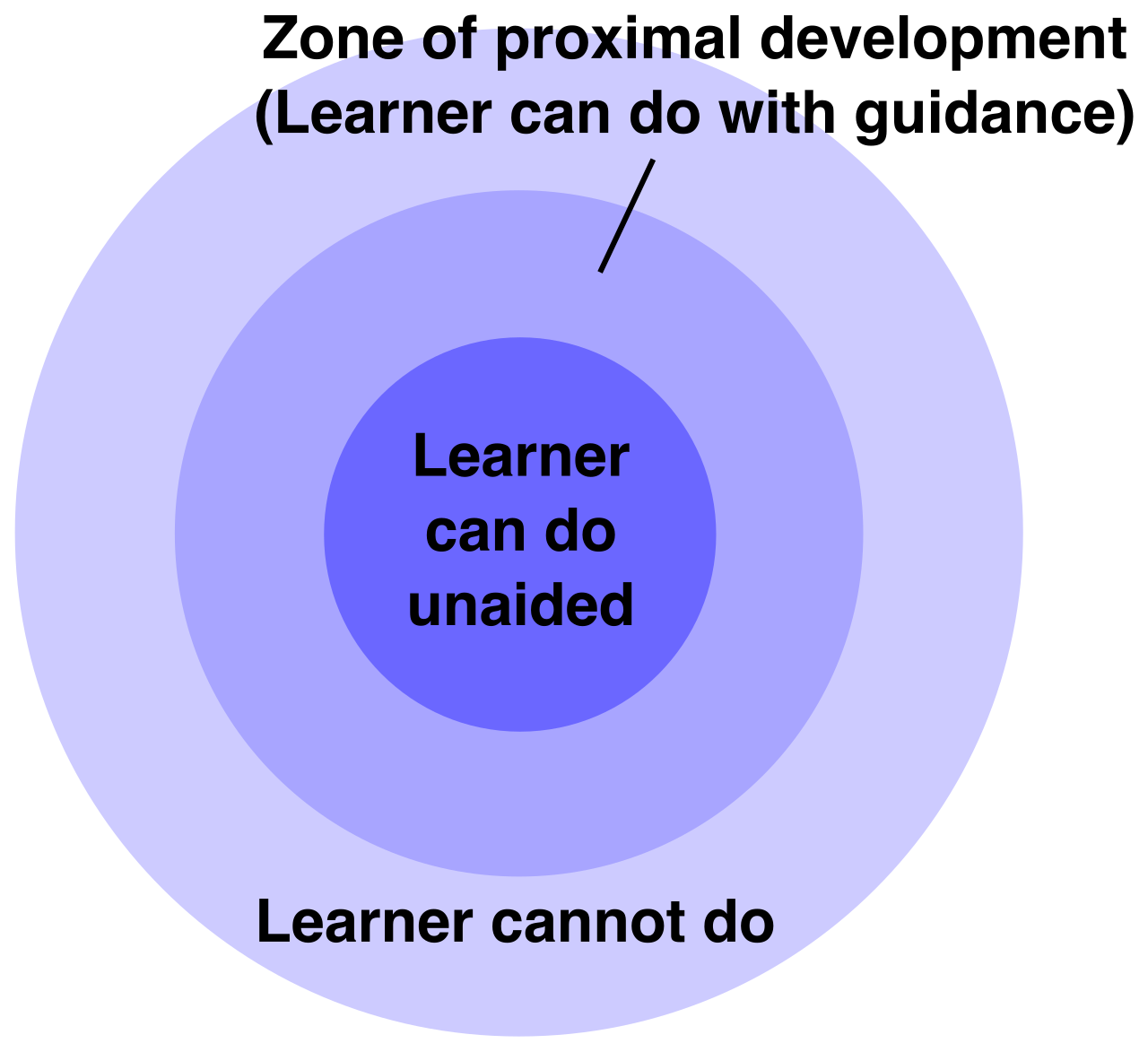
This mechanism is deeply rooted in cognitive psychology. Lev Vygotsky developed the concept of the Zone of Proximal Development, an idea that is fundamental to all instructional design. The Zone of Proximal Development represents the difference between what a learner can do independently and what a learner can do with guidance. It is the exact sweet spot of learning. Scaffolding is most effective when applied within a student's Zone of Proximal Development, stretching their capabilities without snapping their confidence.
In the classroom, this is operationalized through the gradual release of responsibility model, a framework that systematically shifts the cognitive load from the teacher to the student. It operates like a transfer of momentum in physics, following a strict instructional sequence:
- Explicit modeling (the teacher demonstrates the skill),
- Guided practice (the teacher and student practice together),
- Independent practice (the student applies the skill alone).
By moving through these stages, we ensure students do not just mimic our behavior, but internalize the cognitive processes required to navigate texts on their own.

When a proficient reader encounters a confusing paragraph, an alarm bell rings in their head. They stop, reread, or look for context clues. This is because proficient adolescent readers actively monitor their comprehension during reading. They possess something struggling readers often lack: metacognition.
Metacognition is the process of thinking about one's own thinking. The challenge for the ELA teacher is that thinking is invisible. How do you show a student the gears turning in your head? You have to bring the invisible out into the open. Teachers model metacognition by performing think-alouds during reading.
A think-aloud involves a teacher verbalizing internal thought processes while reading a text. When you read a passage to the class and suddenly stop to say, "Wait, the author just said the character was 'reluctant,' but in the last paragraph, they were excited. Why the sudden shift? Let me re-read that last sentence," you are making the invisible mechanics of reading visible. You are explicitly modeling the comprehension monitoring that proficient readers do automatically.
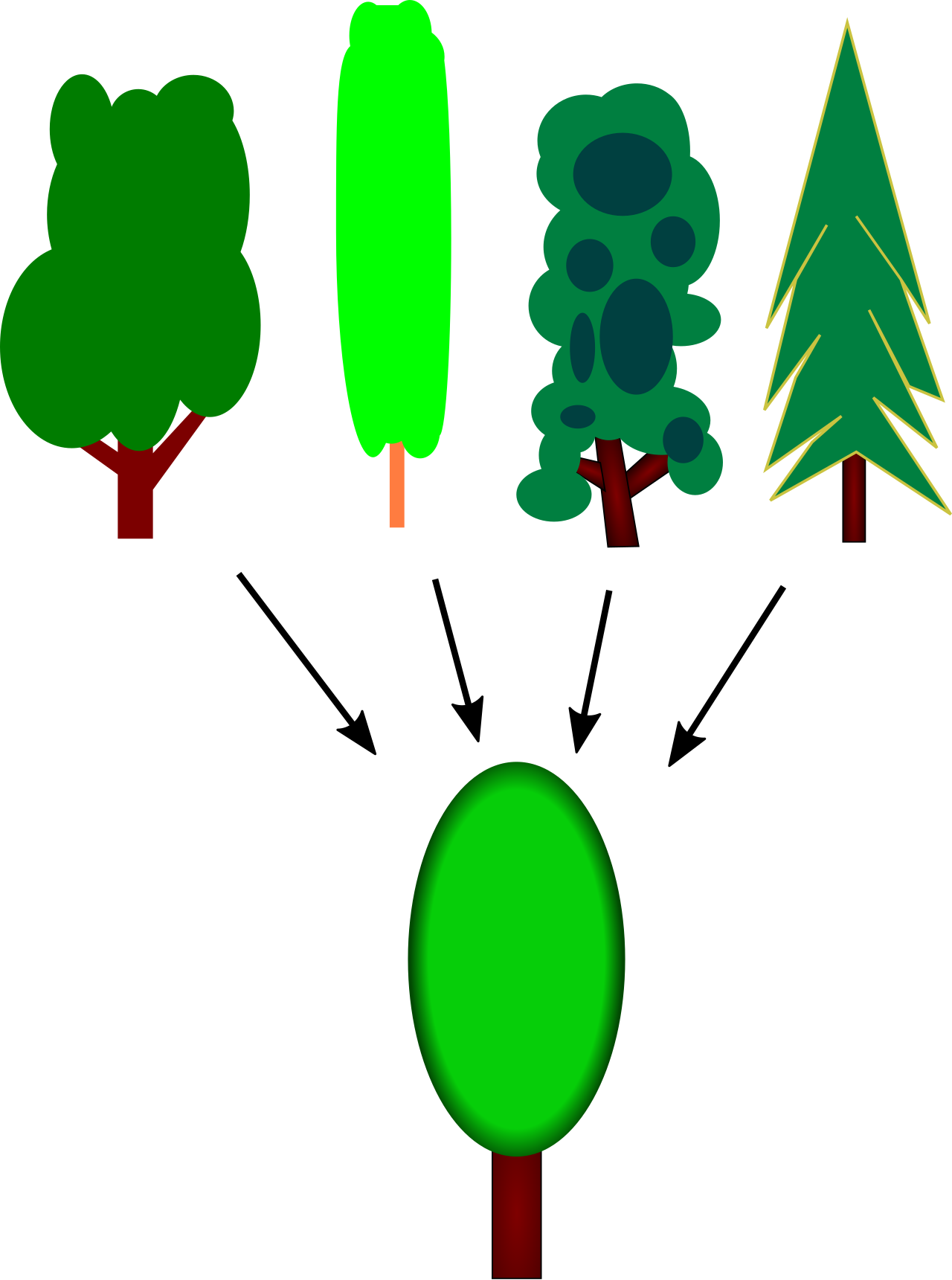
Human memory operates like a vast, interconnected web. Activating prior knowledge helps adolescent readers connect new textual information to existing mental schemas. If you drop a new fact into a student's brain without connecting it to something they already know, it simply bounces off. Furthermore, providing background knowledge is essential for reading comprehension when students lack the necessary cultural context for a text.
How do we activate this network before a student even opens a book? We use targeted pre-reading tools.
- Anticipation guides are pre-reading tools containing statements related to the central themes of a text. They require students to agree or disagree with thematic statements before reading the text. Why does this work? Because it forces the student to make a wager with themselves. Anticipation guides activate prior knowledge by prompting students to evaluate their existing beliefs, which inherently stimulate student interest in upcoming reading material.
- KWL charts are another powerful instructional tool for activating prior knowledge before reading. KWL charts require students to list what they know, what they want to know, and what they learned. It maps the intellectual journey from curiosity to mastery.
The Architecture of the Lexicon
You cannot comprehend a text if the individual building blocks—the words—are completely alien to you. However, not all vocabulary requires the same instructional energy. We focus heavily on Tier 2 vocabulary words, which are high-frequency academic words used across multiple subject areas (words like analyze, synthesize, fundamental). Research confirms that explicit instruction of Tier 2 vocabulary words significantly improves adolescent reading comprehension.
To teach these words effectively, we rely on spatial representation. Graphic organizers are visual representations of knowledge. They are particularly vital because graphic organizers assist English Language Learners in visualizing relationships between abstract textual concepts.
- Semantic mapping is a graphic organizer strategy used to visually connect a central concept to related words, helping students see the web of associations surrounding a topic.
- The Frayer Model is a graphic organizer specifically designed for vocabulary instruction. It is rigorous because it demands multifaceted understanding. The Frayer Model requires students to provide the definition of a vocabulary word, list characteristics of a vocabulary word, generate examples of a vocabulary word, and critically, generate non-examples of a vocabulary word. By forcing students to define what a concept is not, you crystallize their understanding of what it is.
Once the engine is primed, students must interact with the text. Reading must leave a footprint.
Annotating text requires readers to write notes, questions, and observations directly on a printed text. Holding a pencil changes the physical posture of a reader; it forces a slower, more deliberate pace. Consequently, annotating text promotes active cognitive engagement with the reading material.
For deeper interaction, we employ double-entry journals. Double-entry journals require students to record specific text excerpts in one column, and they require students to record personal reactions to text excerpts in a second column. This structure naturally encourages active reading by requiring continuous engagement with the text, and, crucially for middle school ELA standards, it prompts students to cite specific textual evidence to support their reflections.
When a text is particularly dense, we deploy close reading. Close reading involves multiple focused readings of a complex text. You do not read a Shakespearean sonnet or a pivotal historical document once to "get the gist." You read it layer by layer. Close reading directs student attention to textual details, the author's craft, and structural elements.
Learning is deeply social. When adolescents articulate their thoughts to peers, they refine their own understanding.
Reciprocal teaching was developed by researchers Annemarie Palincsar and Ann Brown as a way to structure this peer-to-peer cognitive work. Reciprocal teaching involves students taking turns leading a dialogue about a text. It is highly structured, because the reciprocal teaching method incorporates the four specific comprehension strategies of predicting, questioning, clarifying, and summarizing.
- Predicting: In reciprocal teaching, the predicting strategy involves students guessing upcoming text content based on available clues.
- Questioning: The questioning strategy involves students generating questions about the main ideas of the text.
- Clarifying: The clarifying strategy involves students resolving confusion about difficult vocabulary or concepts.
- Summarizing: The summarizing strategy involves students identifying the most important information in a text passage.
Another excellent collaborative method is jigsaw reading, which is a collaborative learning strategy used to tackle long or complex texts. It divides the labor. In a jigsaw reading activity, each student in a group becomes an expert on one assigned portion of a text. Then, the pieces are brought together: students teach their assigned text segment to their respective group members. This leverages peer accountability—you must understand your part because the group depends on you to learn it.
We often assume that by middle school, the physical mechanics of reading are settled. This is a dangerous assumption. Many comprehension issues are actually disguised decoding issues.
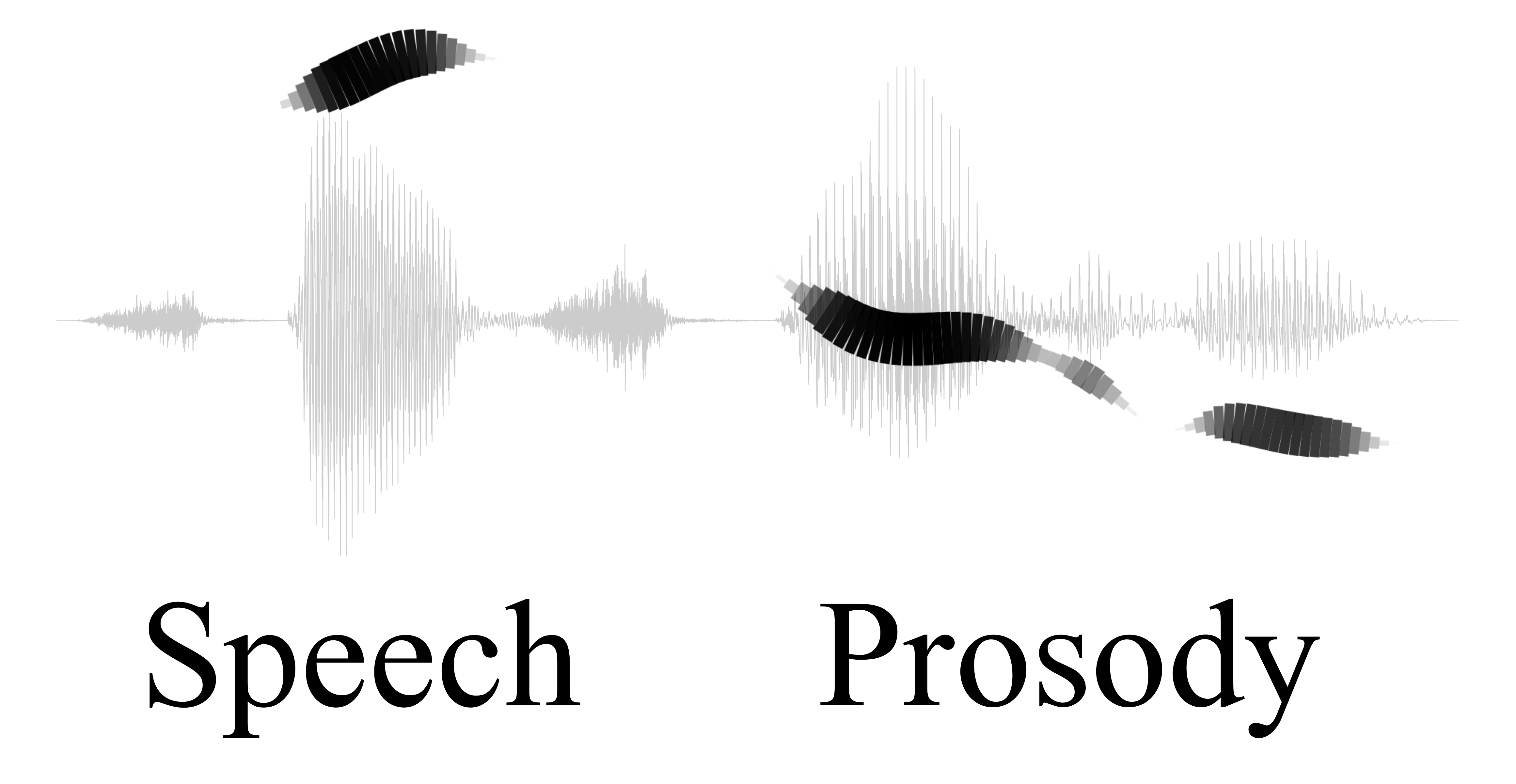
Reading fluency is the ability to read text accurately, at an appropriate rate, and with proper expression. The expression component is known as prosody, which refers to the rhythmic and intonational aspects of spoken language during oral reading.
Why does fluency matter for a middle schooler trying to analyze theme? Because cognitive bandwidth is finite. A lack of reading fluency impedes reading comprehension because cognitive resources are diverted to decoding individual words. If a student is spending all their mental energy sounding out the syllables in "authoritarian," they have zero memory left to consider what the author is saying about the government.
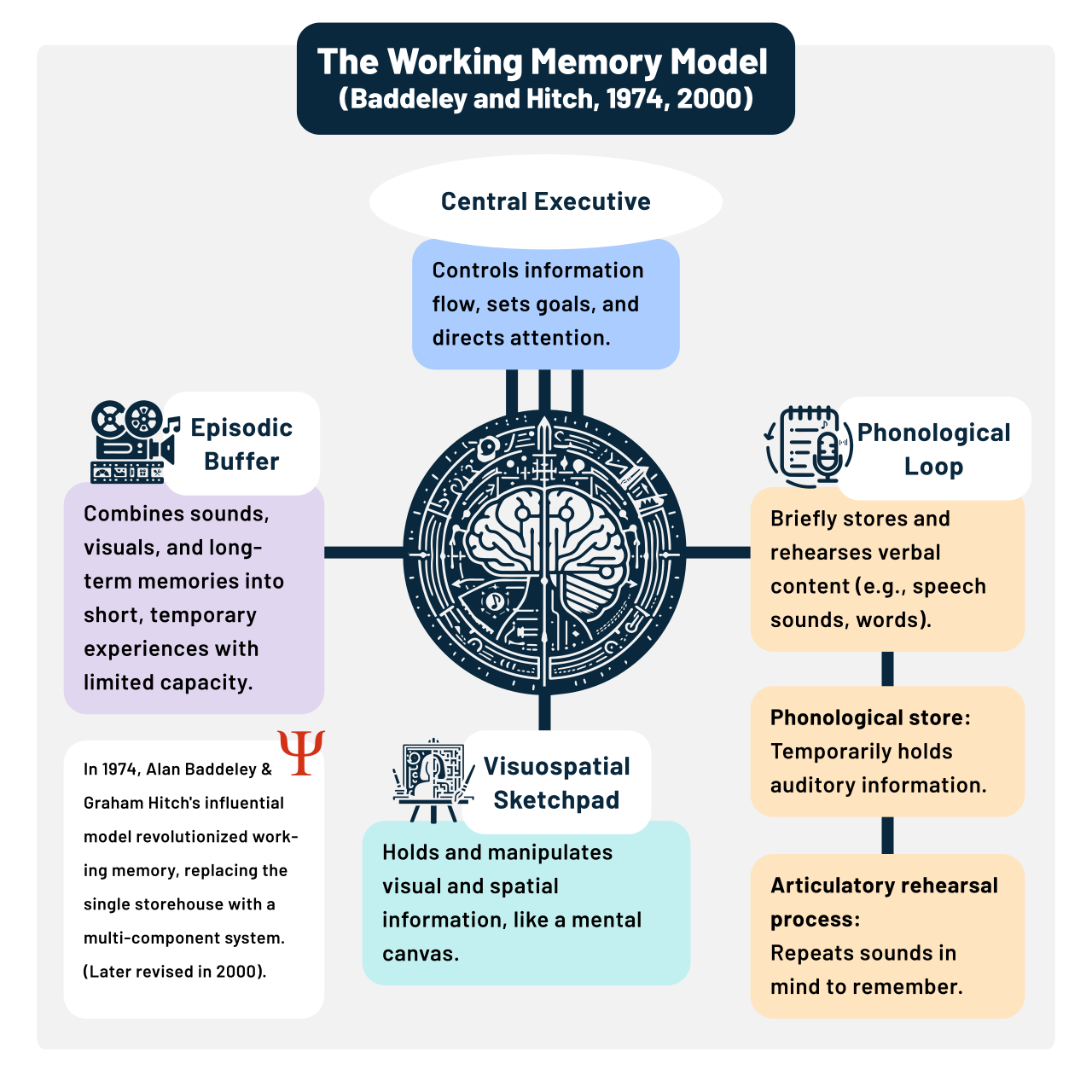
To fix this, we must sometimes return to the foundations. Explicit phonics instruction may be necessary for adolescent readers who lack foundational decoding skills. For those who need fluency practice, we use low-stakes repetition:
- Choral reading involves students reading a text aloud together in unison. Because individual voices are hidden in the crowd, choral reading provides a low-risk environment to help improve reading fluency for struggling adolescent readers.
- Repeated reading requires a student to read the same text passage multiple times. Just like practicing a scale on a piano, repeated reading improves a student's word recognition automaticity.
You cannot hand a student a text without calculating the variables. Differentiated reading instruction involves tailoring teaching methods and materials to accommodate diverse student learning needs. To do this, we must measure text complexity from three distinct angles:
| Measurement Type | What it evaluates |
|---|---|
| Quantitative Measures | Readability formulas measure text complexity using quantitative factors like average word length and average sentence length. This is the raw data of the text (e.g., Lexile levels). |
| Qualitative Measures | Qualitative measures of text complexity evaluate elements like levels of meaning, text structure, and language conventionality. A poem might have short words (low quantitative complexity) but intense metaphors and abstract themes (high qualitative complexity). |
| Reader and Task | A reader and task consideration assesses whether a specific text matches a student's cognitive capabilities and motivation levels. |
Motivation is the hidden variable in all reading instruction. We must cultivate a desire to read. Research shows unequivocally that providing adolescent readers with choices in independent reading materials increases student reading motivation. When students have agency, they read more; when they read more, they become better readers.
Ultimately, we measure reading comprehension by asking students to produce an output—to translate the author's thoughts into their own. We ask them to perform two distinct, highly specific tasks: summarizing and paraphrasing. Aspiring teachers must know the exact difference between these two cognitive exercises.
Summarizing requires students to view the text from ten thousand feet. Summarizing requires students to condense a text to its absolute main ideas without including personal opinions. It is a test of distillation and objective synthesis.
Paraphrasing, on the other hand, is a microscopic exercise. Paraphrasing requires students to restate a specific text passage using their own vocabulary and sentence structures. It proves that the student has dismantled the author's syntax, extracted the core meaning, and successfully rebuilt it in their own mind.
Teaching reading to middle schoolers is not a single act; it is the orchestration of all these systems. By activating schema, building vocabulary, modeling metacognition, and demanding active engagement, you give students the ultimate tool for navigating the world: the ability to critically dismantle the written word and construct their own understanding from the pieces.