Word Choice and Tone in Literature
Not sure you’re ready?
Take the ~3-minute readiness diagnostic and see where you stand.
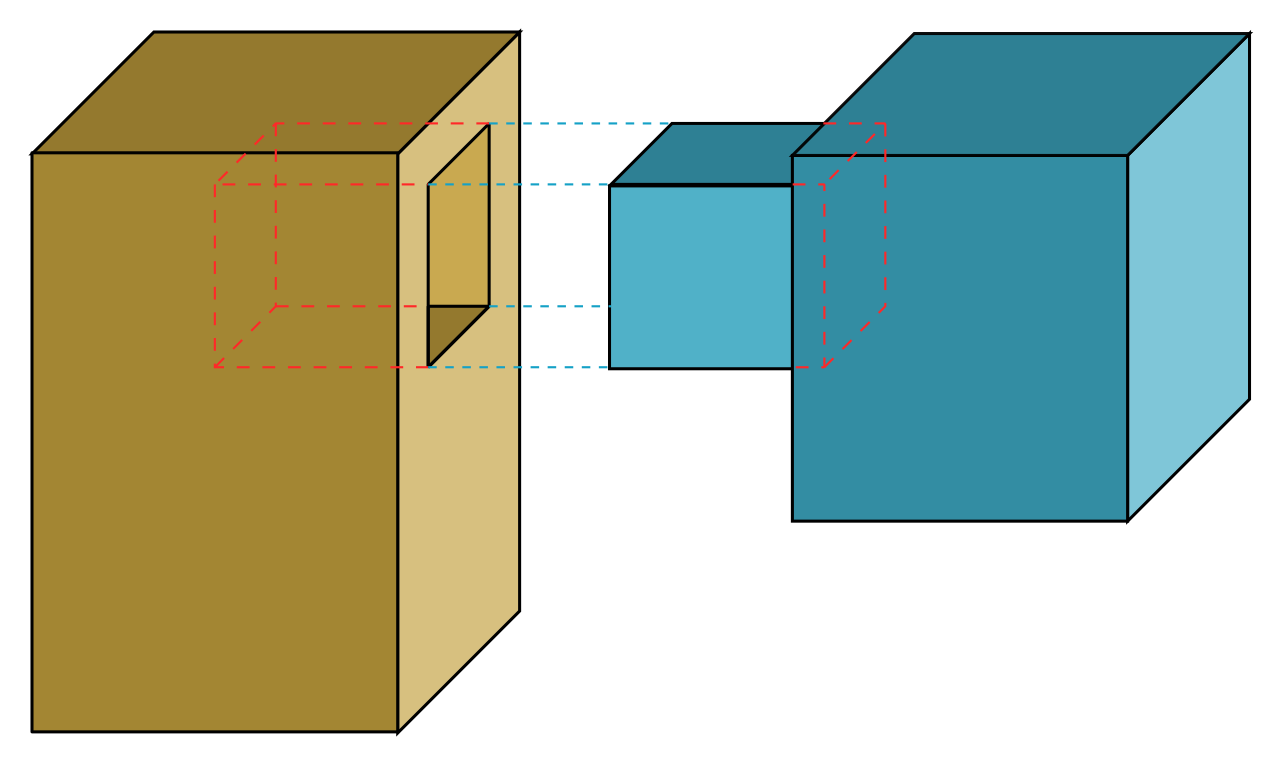
A master carpenter looks at a house and sees not just a dwelling, but the mortise and tenon joints, the load-bearing beams, and the precise angle of the pitch. As a middle school English Language Arts teacher, your task is to look at a literary text with that same structural X-ray vision. You are not merely asking students to tell you what a story says; you are training them to dismantle how it operates. When an author constructs a sentence, every noun, verb, and adjective is a deliberate choice—a specific tool pulled from a vast linguistic workshop to engineer a precise emotional reality. Understanding the mechanics of word choice, figurative language, and irony is what allows you to teach students how to read like writers, and writers how to build worlds.
To teach reading comprehension at a high level, you must train your students to see words as dual-layered entities. A word does not merely point to an object; it carries baggage, history, and emotion.
Denotation is the literal, dictionary definition of a word. Connotation refers to the emotional or cultural associations a word carries beyond the literal definition of the word.
Consider the words curious and nosy. Words with identical denotations can evoke entirely opposite connotations. If you tell a middle school student they are "curious," they feel validated; if you tell them they are "nosy," they feel insulted. Why? Because positive connotations evoke favorable emotional responses from the reader, while negative connotations evoke unfavorable emotional responses from the reader.
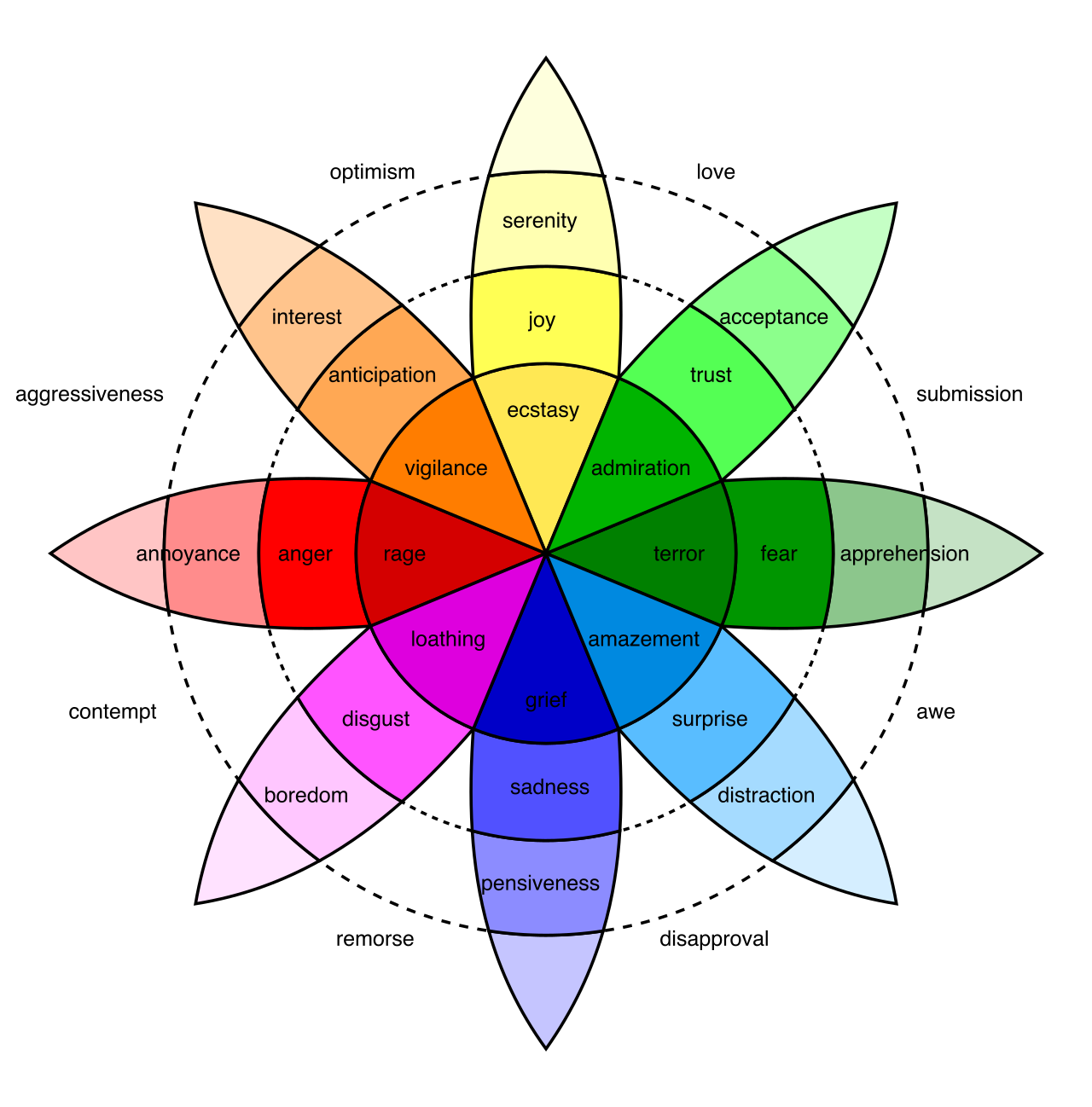
When students analyze passages on the Praxis exam, they are often asked why an author chose a specific word. The answer almost always lies in its connotation. The author is calibrating the reader's emotional response.
If a text is a room, diction and syntax are the building materials, tone is the thermostat, and mood is how the reader feels when they walk inside.
Diction is the specific selection of words an author utilizes in a text. Diction functions on a spectrum:
- Formal diction relies on elevated vocabulary and strict adherence to conventional grammatical rules. (e.g., "The sovereign addressed the assembly.")
- Informal diction incorporates conversational language, slang, and colloquialisms. (e.g., "The boss talked to the crew.")
- Concrete diction utilizes words to describe physical objects and measurable phenomena. (e.g., "The rough bark of the oak tree.")
- Abstract diction utilizes words to express ideas, emotions, or concepts that lack physical form. (e.g., "Justice," "freedom," "love.")
Authors also manipulate syntax, which refers to the arrangement of words and phrases to create well-formed sentences. Short, clipped syntax might build tension, while long, flowing syntax might evoke nostalgia.
Together, diction and syntax establish the attitude and atmosphere of the text:
- Tone is the author's or speaker's attitude toward the subject matter or the audience. (Is the author being cynical, affectionate, or objective?)
- Mood is the emotional atmosphere a text creates for the reader. (Does the text make the reader feel anxious, peaceful, or sorrowful?)
An author rarely maintains a static tone. An author shifts tone within a text by intentionally altering word choice, figurative language, or sentence structure. Recognizing these shifts is critical for middle school readers, as a shift usually signals a change in the narrator's perspective, a plot pivot, or a thematic revelation.
We perceive the physical world through our senses. To pull a reader into a text, a writer must bypass the intellect and directly stimulate the nervous system.
Sensory Engineering: Imagery
Imagery uses highly descriptive language to appeal to the physical senses of the reader. It is the closest a writer gets to virtual reality.
| Type of Imagery | Definition | Example for the Classroom |
|---|---|---|
| Visual imagery | Uses descriptive language to represent sights and visual elements. | "The crimson sun dipped below the jagged skyline." |
| Auditory imagery | Uses descriptive language to represent specific sounds. | "The metallic screech of the subway brakes." |
| Tactile imagery | Uses descriptive language to represent physical touch or texture. | "The coarse, scratching wool of the winter sweater." |
| Olfactory imagery | Uses descriptive language to represent scents and smells. | "The sharp, acidic sting of chlorine." |
| Gustatory imagery | Uses descriptive language to represent tastes and flavors. | "The sudden, bright tartness of the lemon drop." |
The Mechanics of Comparison: Figurative Language
Figurative language uses words or expressions with meanings that differ from the literal interpretation. It is an efficiency hack: by comparing a complex new idea to a familiar physical object, the author transfers the properties of the known to the unknown.
- A simile compares two distinct things using the explicit comparative words like or as. ("His anger was like a rising tide.")
- A metaphor asserts a direct comparison between two unrelated things without using the words like or as. ("His anger was a rising tide.")
- An extended metaphor develops a single comparison across multiple lines or throughout an entire literary text. (e.g., Langston Hughes comparing life to a "crystal stair" throughout the poem Mother to Son.)
- Personification attributes human qualities, emotions, or physical actions to non-human entities. ("The wind whispered through the pines.")
- Hyperbole is the use of deliberate and extreme exaggeration for rhetorical effect. ("I have a million papers to grade tonight.")
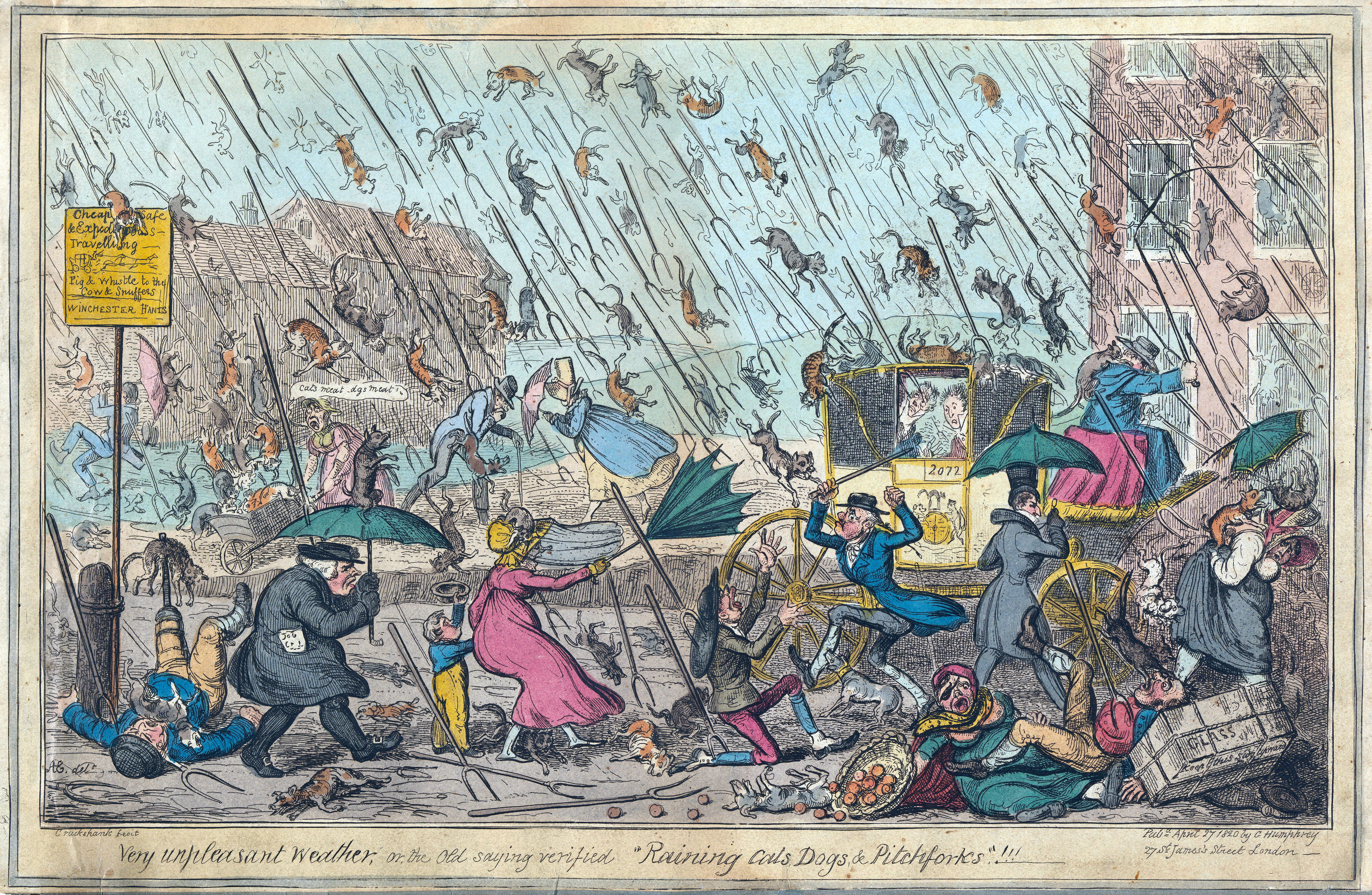
Language also contains cultural shorthand. Idioms are culturally established phrases. Crucially, the meaning of an idiom cannot be deduced from the literal definitions of the individual words in the phrase. When we say it is "raining cats and dogs," looking up the literal definitions of cats and dogs will not help an English Language Learner understand the weather.
Middle school students are practically native speakers of sarcasm. Your job is to help them translate that instinct into literary analysis. This requires distinguishing between what is directly stated on the page and the subtext the author intends.
Irony and Sarcasm
Irony is a discrepancy between expectation and reality. It forces the reader to look closer.
- Verbal irony occurs when a speaker's literal words express the exact opposite of the speaker's intended meaning. (Stepping into a hurricane and saying, "Lovely weather we're having.")
- Sarcasm is a bitter form of verbal irony intended to mock or convey contempt. (When a student fails a test and a peer says, "Wow, you're a real genius.")
- Situational irony occurs when the actual outcome of an event is the exact opposite of the expected outcome. (A fire station burning down.)
- Dramatic irony occurs when the audience possesses knowledge that the characters within the narrative lack. (We know Juliet is merely sleeping, but Romeo believes she is dead. The tension drives the tragedy.)

Satire and Understatement
When writers want to critique society, they rarely write a straightforward essay. They use a Trojan horse.
- Satire employs humor, exaggeration, or ridicule to expose and criticize human flaws or societal institutions. Think of Jonathan Swift or modern political cartoons.
- Understatement deliberately presents a situation as less significant or less serious than the situation actually is. (Saying "It's a bit breezy" during a Category 5 hurricane.) Understatement is powerful because the friction between the calm description and the intense reality amplifies the effect.

Paradox, Oxymoron, and Euphemism
Finally, authors play with contradictions and discomfort to manipulate tone.
- A paradox is a statement that initially appears logically self-contradictory. However, a paradox reveals a latent truth upon closer inspection. (e.g., "I must be cruel to be kind." The logic seems broken, but it points to the painful necessity of tough love.)
- An oxymoron combines two contradictory terms in immediate proximity to create a new meaning. (e.g., "Deafening silence," "jumbo shrimp.")
- Euphemism is the substitution of a mild or indirect expression for a word considered to be too harsh or blunt. (Saying someone "passed away" instead of "died.") Authors use euphemisms to establish a polite, delicate, or sometimes evasive tone.
As you prepare for the Praxis exam and your future classroom, remember that literary analysis is not about memorizing terms in a vacuum. It is about recognizing that every text is a machine made of words. When you know how the gears of connotation, diction, and irony turn together, you possess the power to take the machine apart—and the power to teach your students how to build their own.