Civil Liberties and Civil Rights
Not sure you’re ready?
Take the ~3-minute readiness diagnostic and see where you stand.
Imagine the United States Constitution as a vast, meticulously engineered fortress. Civil liberties are the impenetrable exterior walls of this fortress—they are constitutional protections against arbitrary government interference. They tell the state, “You may not cross this line.” Civil rights, on the other hand, are the rules governing the public courtyard inside the fortress. They are legal protections against discrimination based on characteristics like race or gender. Civil rights tell the state, “When you provide a resource, a protection, or a privilege, you must treat everyone standing in this courtyard identically.”
For an aspiring social studies teacher, mastering this machinery is not just about passing a licensure exam. You will stand in front of thirty young citizens every day. They will ask you if they can be suspended for wearing a protest shirt, or why the police need a warrant to search a phone, or how a single court decision can reshape the map of American society. You must be able to explain not just what the rules are, but how the constitutional engine actually works.
Here is how the American legal machinery of liberty and equality operates.
To diagnose any constitutional issue, you must first locate its source code.
Civil liberties are primarily derived from the Bill of Rights. When the framers drafted the first ten amendments, their goal was to explicitly limit the power of the new national government. Civil rights are primarily derived from the Equal Protection Clause of the Fourteenth Amendment. Drafted in the aftermath of the Civil War, this clause demanded that no state deny to any person within its jurisdiction the equal protection of the laws.
Professor's Tip: If a question asks about the government silencing a newspaper, you are dealing with a civil liberty (Bill of Rights). If a question asks about a state funding boys' sports programs while cutting girls' sports programs, you are dealing with a civil right (Fourteenth Amendment).
The First Amendment contains a cluster of civil liberties that fundamentally restrict the national government's ability to control the minds, voices, and gatherings of the public.
Religion
The First Amendment dictates two distinct rules regarding faith:
- The Establishment Clause: The First Amendment restricts the national government from establishing an official religion. You cannot have a "Church of the United States." The Supreme Court stress-tested this in Engel v. Vitale (1962), where it ruled that mandatory prayer in public schools violates the Establishment Clause, as public schools are agents of the state.
- The Free Exercise Clause: The First Amendment prohibits the national government from infringing on the free exercise of religion. In Wisconsin v. Yoder (1972), the Court ruled that compelling Amish students to attend school past the eighth grade violates the Free Exercise Clause, as it deeply interferes with their religious lifestyle and salvation.

Speech and Press
The First Amendment prohibits the national government from abridging the freedom of speech, but this right is not absolute. In Schenck v. United States (1919), the Court established the "clear and present danger" test for restricting freedom of speech—you cannot falsely shout "Fire!" in a crowded theater to cause a panic.
However, speech extends beyond the spoken word. In Texas v. Johnson (1989), the Court ruled that burning the American flag is protected symbolic speech under the First Amendment. Furthermore, speech rights do not vanish at the schoolhouse gate. In Tinker v. Des Moines (1969), the Court ruled that students retain First Amendment rights to freedom of speech while on public school property, provided the speech (in this case, wearing black armbands to protest the Vietnam War) does not cause a "material and substantial disruption."
Information must also flow freely. The First Amendment restricts the national government from censoring the press. In New York Times Co. v. United States (1971)—the famous Pentagon Papers case—the Court established a heavy presumption against government prior restraint of the press, making it exceedingly difficult for the government to block the publication of classified information.

Assembly and Petition
Finally, the First Amendment protects the right of individuals to peacefully assemble, and protects the right of individuals to petition the government for a redress of grievances. These liberties ensure that citizens can physically gather to protest and formally demand changes in policy without fear of arrest.
If the government is going to deprive a citizen of their ultimate liberties—putting them in a cage or taking their property—the Bill of Rights demands a meticulously fair process.
- The Fourth Amendment restricts the national government from conducting unreasonable searches and seizures.
- The Fifth Amendment prevents the national government from compelling individuals to testify against themselves in criminal cases (the right against self-incrimination). Furthermore, the Fifth Amendment prohibits the national government from subjecting a person to double jeopardy for the same offense.
- The Sixth Amendment requires the national government to provide criminal defendants with a speedy and public trial, and it guarantees criminal defendants the right to legal counsel.
- The Eighth Amendment restricts the national government from imposing cruel and unusual punishments.
Here is the grand constitutional plot twist: For over a century, the Bill of Rights only applied to the national government in Washington D.C.. If a state government wanted to censor your speech or search your house without a warrant, the federal Bill of Rights couldn't stop them.
This changed with the Fourteenth Amendment. The Supreme Court uses the Due Process Clause of the Fourteenth Amendment to selectively incorporate the Bill of Rights to the states.
Selective incorporation is the legal doctrine applying provisions of the Bill of Rights to state governments, case by case, fundamental right by fundamental right.
To understand this, we must distinguish between two types of due process:
- Procedural due process requires the government to follow fair legal procedures before depriving a person of life, liberty, or property. (e.g., Did you get a trial? Were you allowed to call witnesses?)
- Substantive due process protects certain fundamental individual rights from government interference regardless of the procedures used. Even if the government passes a law using perfect procedure, substantive due process says some areas of life are simply off-limits to state control.
Incorporation in Action
Through selective incorporation, the Supreme Court radically altered the balance of power between states and citizens:
- Second Amendment: Originally, the Second Amendment limits the national government by protecting an individual right to keep and bear arms. In McDonald v. Chicago (2010), the Court incorporated the Second Amendment right to keep and bear arms to the state governments, striking down a local handgun ban.
- Fourth Amendment: Mapp v. Ohio (1961) applied the exclusionary rule to state governments. The exclusionary rule prohibits the government from using illegally obtained evidence in a criminal trial. If the police search your home without a warrant, they cannot use what they find against you.
- Fifth Amendment: Miranda v. Arizona (1966) required police to inform criminal suspects of the right to remain silent and the right to an attorney before custodial interrogation.
- Sixth Amendment: Gideon v. Wainwright (1963) required state courts to provide legal counsel to indigent (poor) criminal defendants.
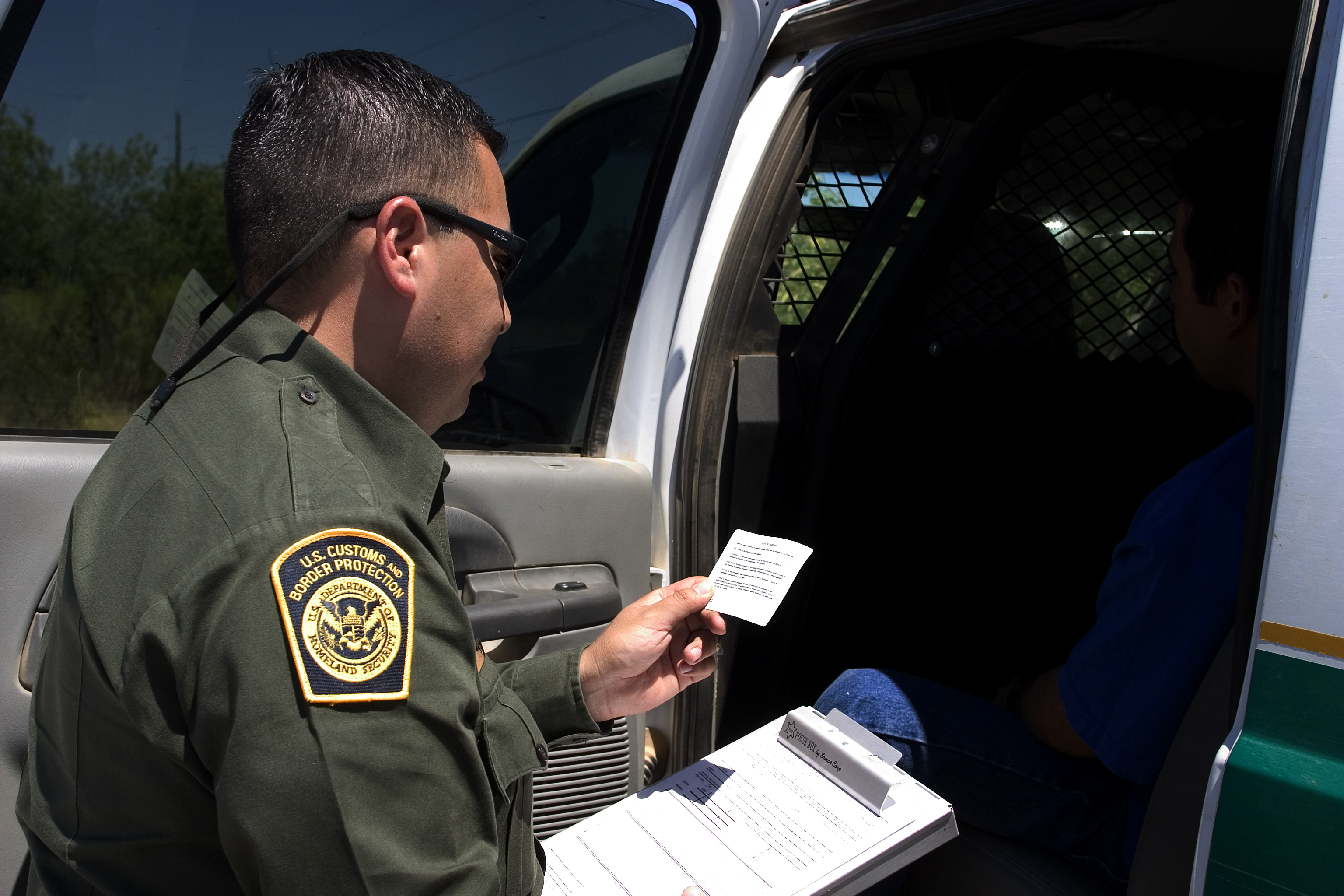
Does the Constitution protect rights that are not explicitly written down? Through substantive due process, the Court has said yes.
In Griswold v. Connecticut (1965), the Court struck down a state ban on contraceptives. The ruling established that the United States Constitution implies a fundamental right to privacy, created by the "penumbras" (shadows) of the First, Third, Fourth, Fifth, and Ninth Amendments.

This right to privacy laid the foundation for Roe v. Wade (1973), which extended the constitutional right to privacy to protect a woman's decision to have an abortion. Decades later, the Court reversed course in Dobbs v. Jackson Women's Health Organization (2022). Dobbs overturned Roe v. Wade by ruling that the Constitution does not confer a right to abortion, returning the authority to regulate abortion to the individual states.
If civil liberties are about keeping the government out, civil rights are about demanding equal treatment when the government steps in. How do courts decide if a government action is unconstitutionally discriminatory? They use tiers of judicial scrutiny.
| Test | What it Means | When Courts Apply It |
|---|---|---|
| Strict Scrutiny | The highest standard of judicial review used to evaluate the constitutionality of governmental discrimination. The government must prove a "compelling state interest" and use the least restrictive means. | Courts apply the strict scrutiny standard to evaluate government actions that classify individuals based on race or national origin. |
| Intermediate Scrutiny | The government must prove an "important" interest, and the law must be substantially related to that interest. | Courts apply intermediate scrutiny to evaluate government actions that classify individuals based on gender. |
| Rational Basis Test | The lowest level of judicial scrutiny used to evaluate laws involving non-suspect classifications. The law just needs a legitimate rational reason to exist. | Applied to non-suspect classifications like age or wealth. |
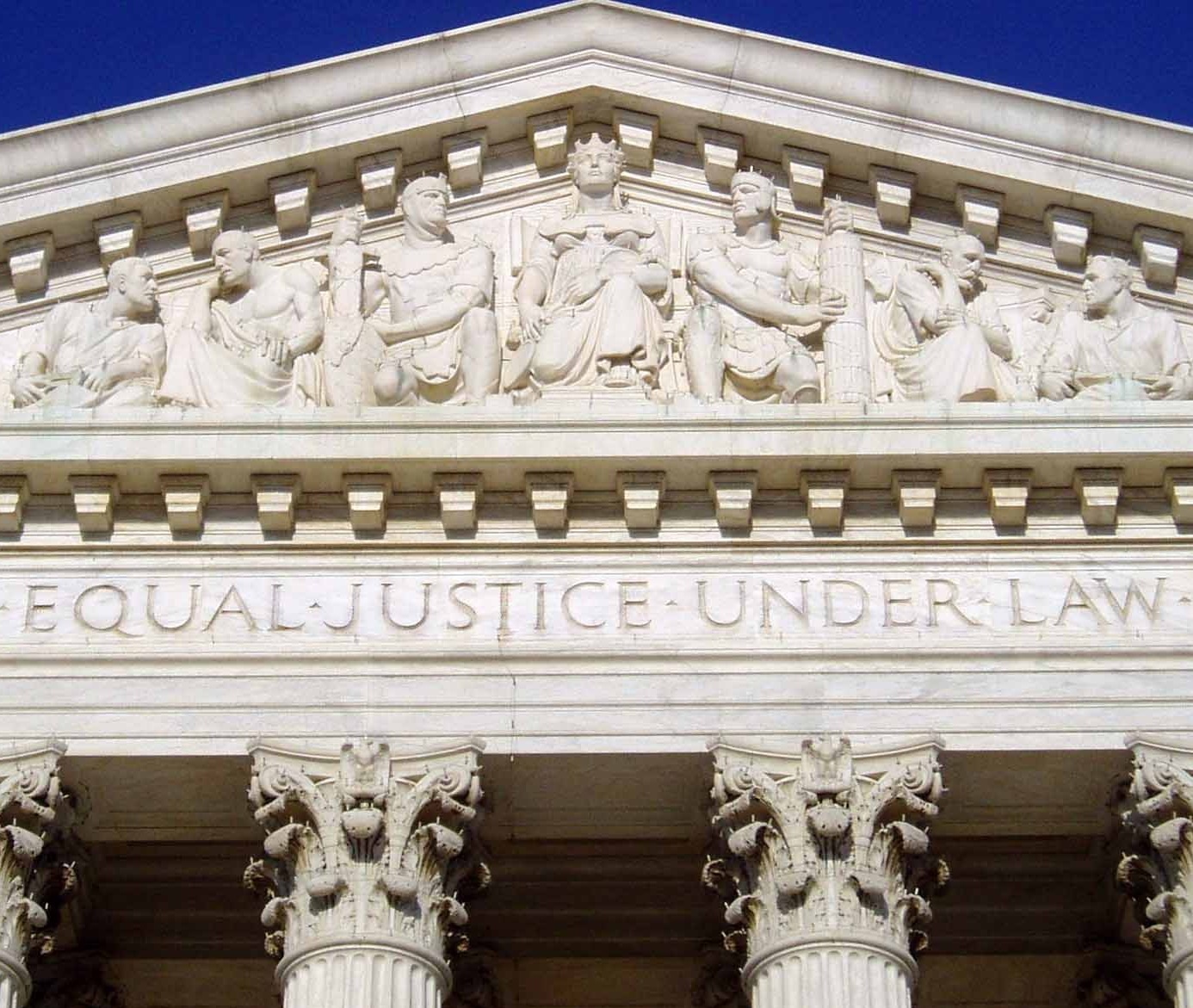
The path to civil rights in America has been marked by devastating failures and monumental triumphs in the Supreme Court.
The Dark Chapters
In Dred Scott v. Sandford (1857), the Court delivered what is widely considered its worst decision, ruling that enslaved people and descendants of enslaved people were not United States citizens, effectively stripping them of any legal standing.
Following the Civil War, despite the passage of the Fourteenth Amendment, the Court in Plessy v. Ferguson (1896) upheld the constitutionality of racial segregation under the "separate but equal" doctrine. Decades later, during World War II, the Court in Korematsu v. United States (1944) upheld the constitutionality of Japanese-American internment camps, applying strict scrutiny but concluding that "military necessity" justified the racial discrimination—a decision universally condemned today.
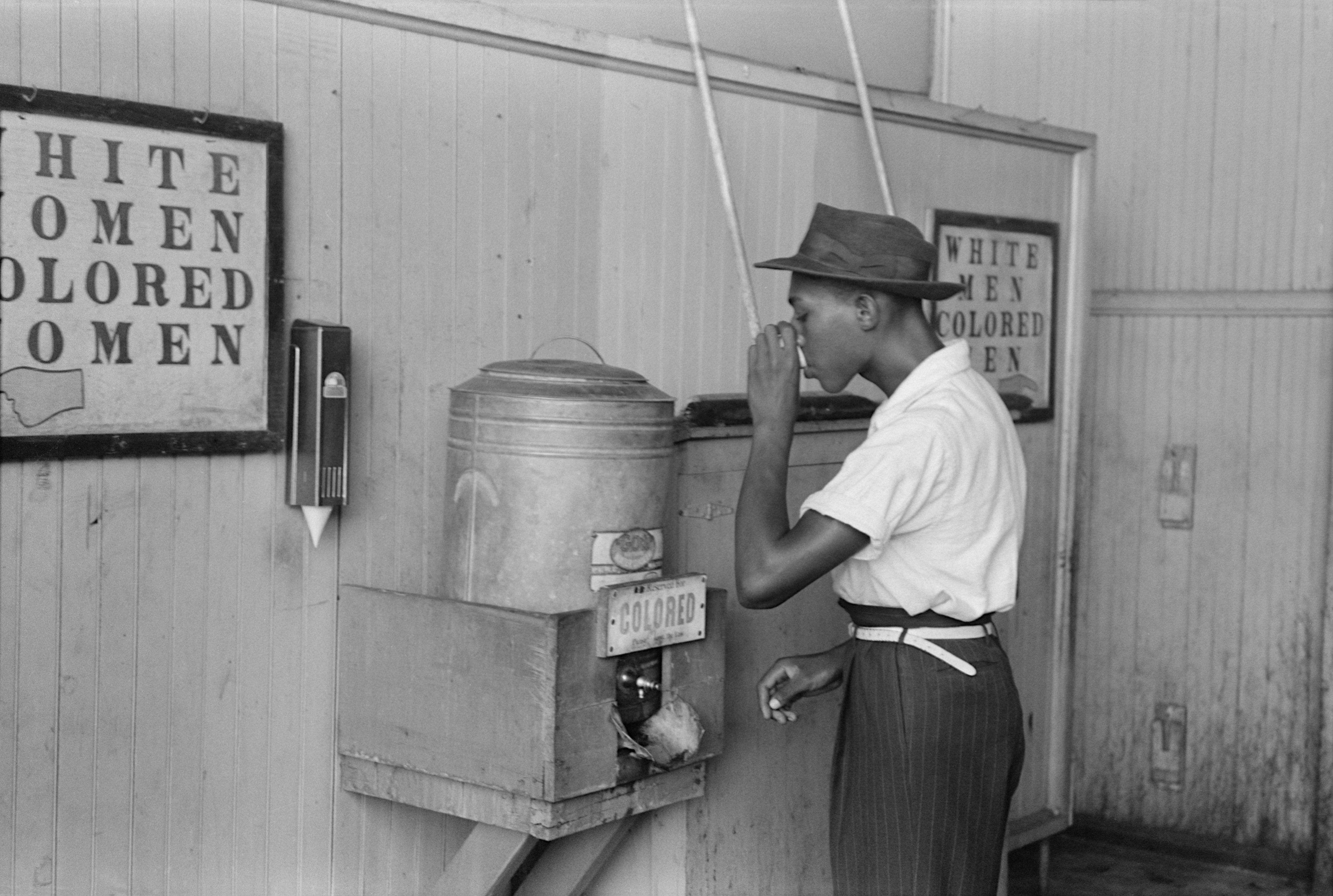
The Triumphs of Equal Protection
The dismantling of legal segregation began in earnest with Brown v. Board of Education (1954). The Court unanimously ruled that racial segregation in public schools violates the Equal Protection Clause of the Fourteenth Amendment, striking down Plessy and declaring that "separate educational facilities are inherently unequal."
The Equal Protection Clause was subsequently used to tear down other discriminatory state laws. Loving v. Virginia (1967) invalidated state laws prohibiting interracial marriage as violations of the Equal Protection Clause. Modern civil rights expansions followed a similar constitutional logic; Obergefell v. Hodges (2015) ruled that the Fourteenth Amendment guarantees the fundamental right to marry to same-sex couples.
Complex Applications: Affirmative Action and Redistricting
Equal Protection also governs how the state attempts to correct past injustices and manage political power.
- Affirmative Action: In Regents of the University of California v. Bakke (1978), the Court rendered a nuanced, two-part decision. First, it upheld the constitutionality of affirmative action programs in college admissions, arguing that educational diversity is a compelling state interest. However, in the very same case, the Court ruled that the use of strict racial quotas in college admissions is unconstitutional.
- Voting and Geography: How a state draws its voting maps is also subject to Equal Protection. Shaw v. Reno (1993) ruled that racial gerrymandering is subject to strict scrutiny under the Equal Protection Clause. If a voting district is drawn with race as the predominant factor, it must survive the highest level of constitutional review.
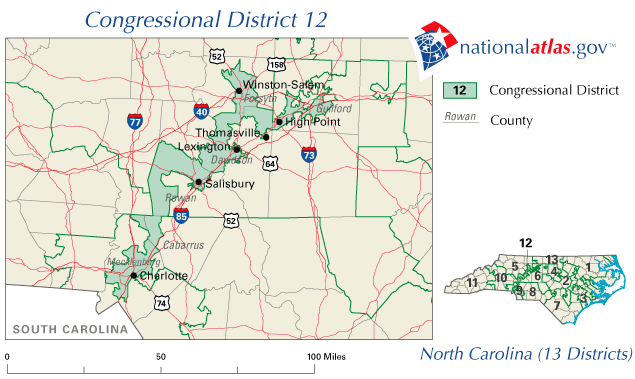
While the Supreme Court interprets the Constitution, Congress fundamentally reshaped American civil rights through legislation and constitutional amendments.
The Civil War Amendments
- The Thirteenth Amendment to the United States Constitution formally abolished slavery across the United States.
- The Fifteenth Amendment prohibited the denial of voting rights based on race, color, or previous condition of servitude.
Expanding the Franchise
- The Nineteenth Amendment granted women the constitutional right to vote in the United States.
- The Twenty-fourth Amendment prohibited the use of poll taxes in federal elections, removing a severe economic barrier designed to disenfranchise minority and poor voters.
The Landmark Legislation of the 1960s and 70s
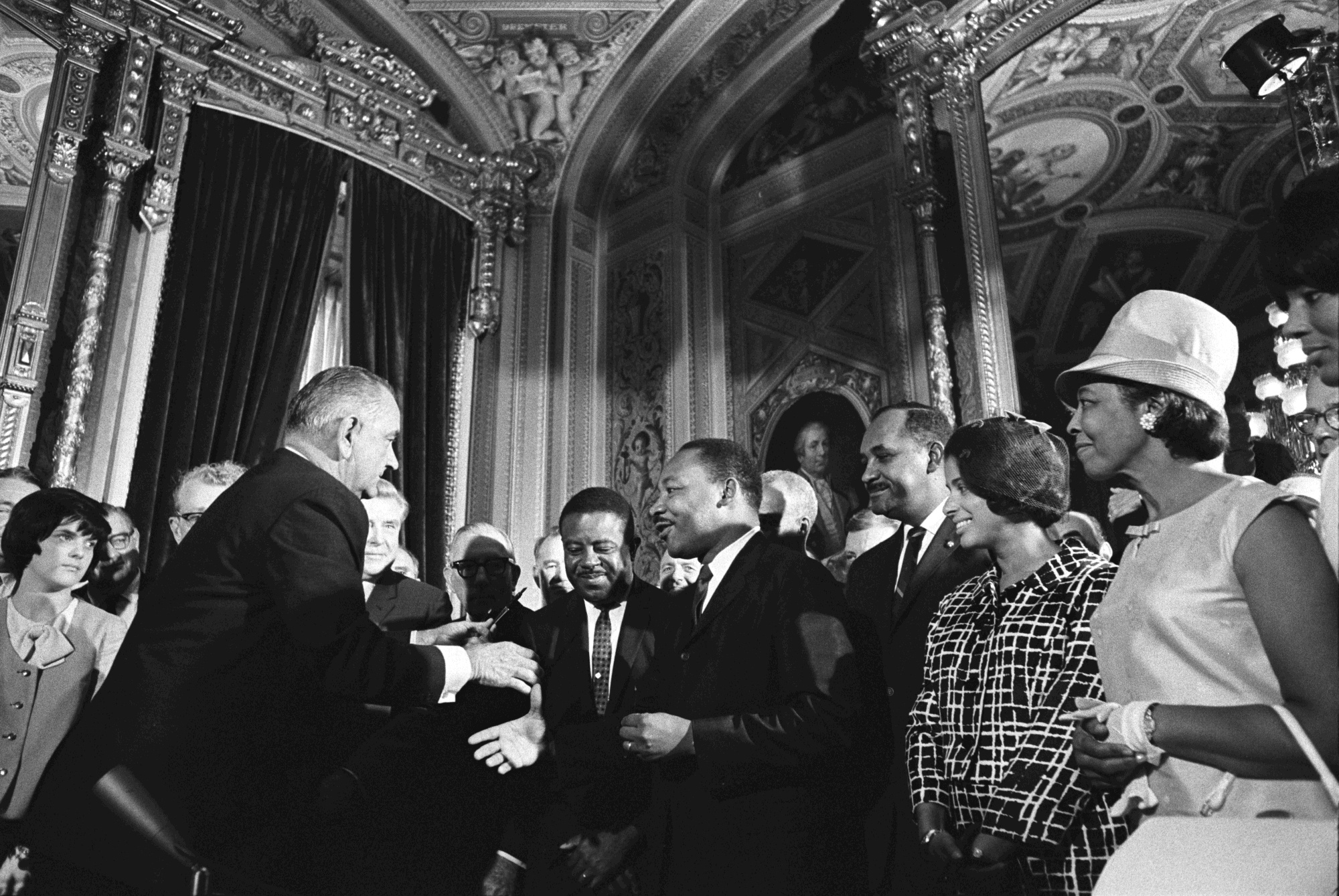
Even with constitutional amendments, states used loopholes—like literacy tests and private business discrimination—to enforce segregation. Congress responded with sweeping laws derived from their power to regulate interstate commerce and enforce the Fourteenth Amendment.
- The Civil Rights Act of 1964 prohibited discrimination based on race, color, religion, sex, or national origin in public accommodations (like hotels and restaurants).
- Title VII of the Civil Rights Act of 1964 prohibited employment discrimination based on race, color, religion, sex, or national origin, transforming the American workplace.
- The Voting Rights Act of 1965 banned the use of literacy tests as a requirement for voter registration and forced states with histories of discrimination to get federal clearance before changing voting laws.
- Title IX of the Education Amendments of 1972 prohibited sex-based discrimination in any education program receiving federal financial assistance. (This is the law that exponentially expanded women's collegiate and high school athletics across the country).
The Big Picture for Educators
As a future social studies teacher, you are the bridge between these historical abstractions and the lived reality of your students. When you teach Brown v. Board, you aren't just teaching a date in 1954; you are teaching the Equal Protection Clause at work. When you explain the exclusionary rule, you are showing them the practical, everyday weight of the Fourth Amendment.
Understand the machinery. Differentiate the fortress walls (civil liberties) from the rules of the courtyard (civil rights). Recognize the standard of scrutiny the Court applies when the government crosses a line. By mastering this, you master the core of American civic life.