Civil Rights and Social Change
Not sure you’re ready?
Take the ~3-minute readiness diagnostic and see where you stand.
The late twentieth century in the United States was not merely a sequence of political events; it was a profound renegotiation of the American social contract. The static promises of the Constitution were forced into dynamic reality by marginalized groups, while the very economic and demographic substrate of the nation shifted beneath them. To teach this era effectively, you cannot present it as a static timeline. You must teach it as an engine of kinetic social friction. Legislative milestones did not fall from the sky; they were forged in the heat of grassroots activism, televised brutality, and shifting global paradigms. As future educators, your task is to show students the underlying physics of this change—how local actions rippled into federal law, and how technological and demographic transformations permanently rewired the American experience.
To understand the Civil Rights Movement, you must understand the interplay between the federal government's legal authority and the relentless pressure of grassroots activism. The machinery of segregation was dismantled not by a single blow, but by a synchronized assault in the courtrooms, in the streets, and eventually in the halls of Congress.
The Institutional Cracks
The earliest structural fractures in systemic segregation began at the federal level. Recognizing the hypocrisy of fighting fascism abroad with a segregated military, President Harry Truman issued Executive Order 9981 in 1948 to desegregate the United States Armed Forces. This was a vital administrative precedent.
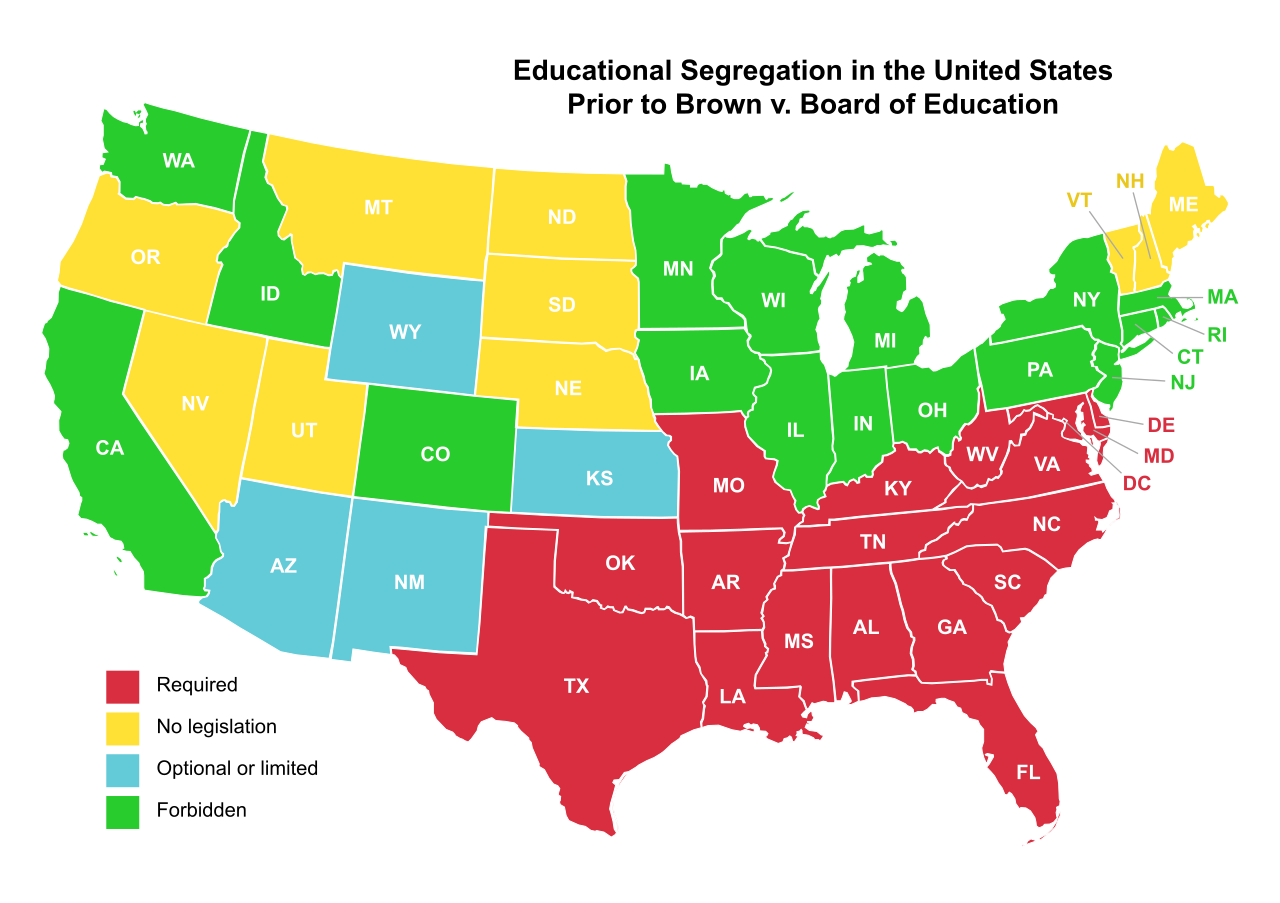
However, the definitive legal turning point arrived in the courts. In 1954, the Supreme Court ruled in Brown v. Board of Education that racial segregation in public schools was unconstitutional.
Why this matters for your students: Brown wasn't just about schools. The Brown v. Board of Education decision overturned the separate-but-equal doctrine established by Plessy v. Ferguson. It removed the legal scaffolding of Jim Crow, shifting the burden of enforcement onto a reluctant nation.
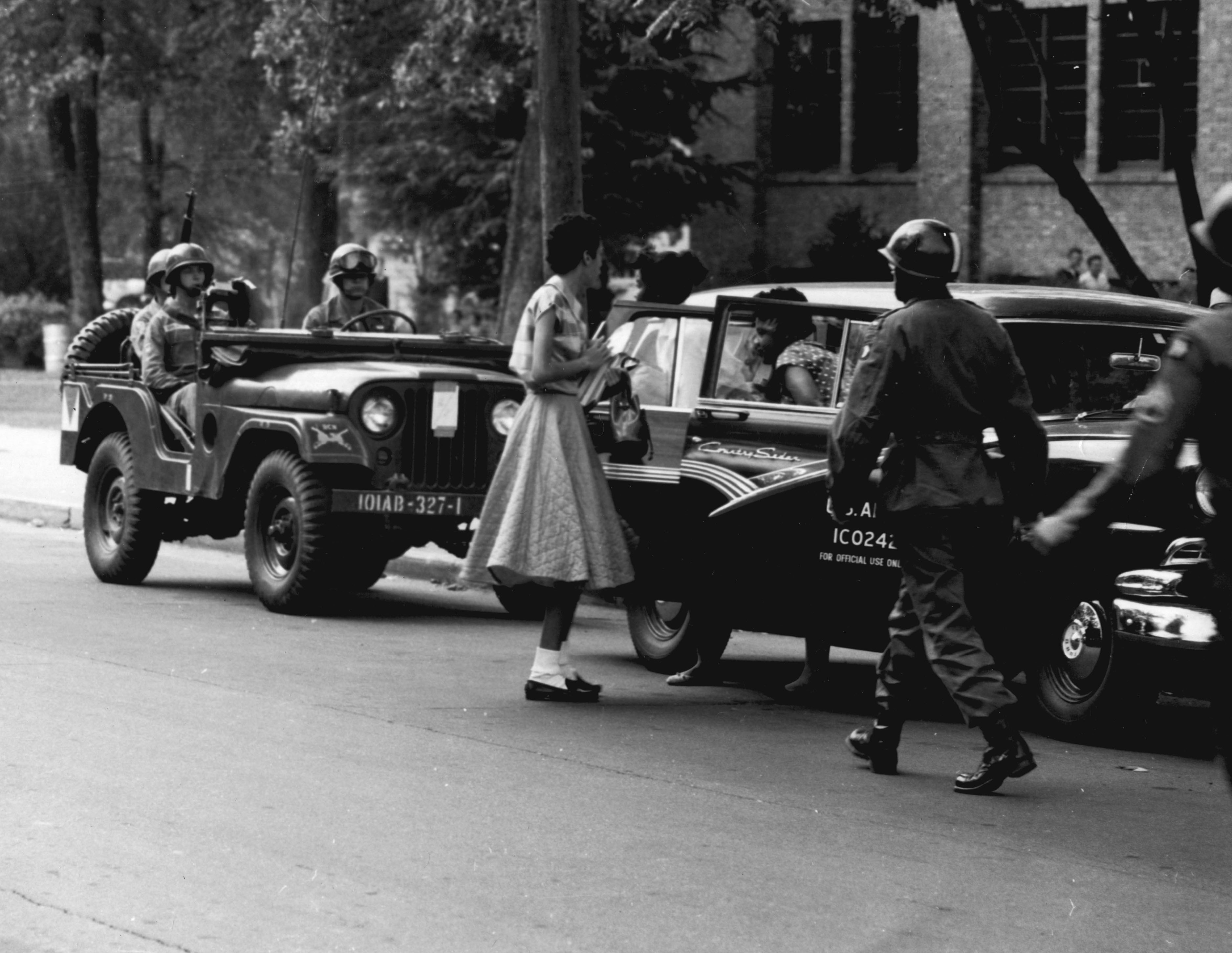
That reluctance required federal intervention. When the Little Rock Nine—a group of African American students—integrated Little Rock Central High School in 1957, they were met with mob violence. In a demonstration of federal supremacy, President Dwight D. Eisenhower deployed federal troops to enforce the integration.
The Grassroots Engine
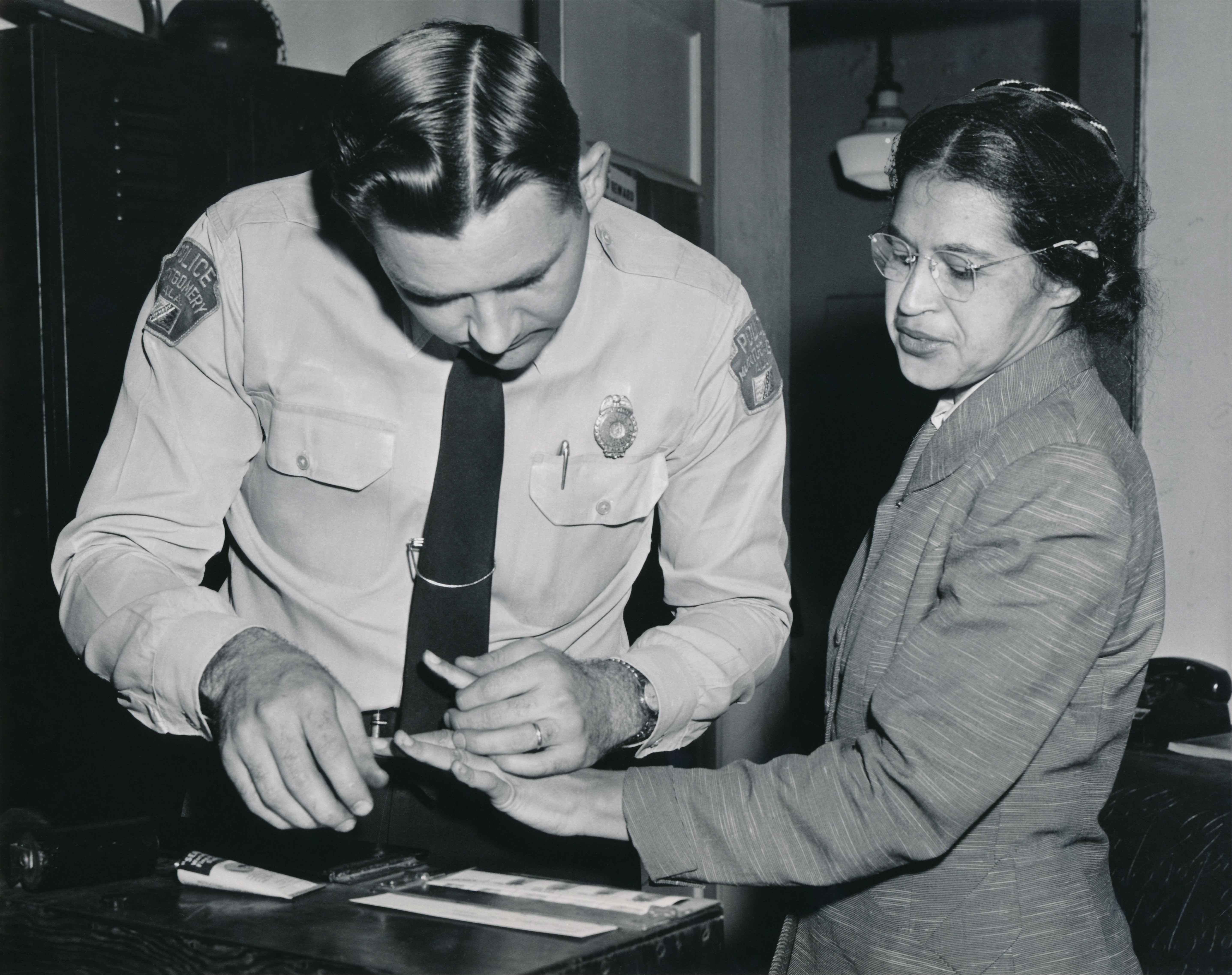
Legal victories without localized pressure are inert. The movement needed a catalyst, which arrived when Rosa Parks's refusal to give up a bus seat in 1955 sparked the Montgomery Bus Boycott. This event proved that collective economic pressure could break local segregation.
Following this success, Martin Luther King Jr. helped found the Southern Christian Leadership Conference (SCLC) in 1957. The Southern Christian Leadership Conference utilized nonviolent civil disobedience to protest racial segregation, organizing mass demonstrations that forced local authorities to expose the brutality of Jim Crow to the world.
A younger, more impatient generation of activists pushed the boundaries further:
- The Student Nonviolent Coordinating Committee (SNCC) organized sit-ins at segregated lunch counters starting in 1960.
- The 1961 Freedom Rides challenged the non-enforcement of Supreme Court decisions banning segregated public buses, forcing the Kennedy administration to protect interstate travelers.
- The 1964 Freedom Summer project aimed to register African American voters in Mississippi, a dangerous and often lethal undertaking that highlighted the severe disenfranchisement in the Deep South.
This phase of the movement culminated in mass mobilization. Martin Luther King Jr. delivered the "I Have a Dream" speech during the 1963 March on Washington for Jobs and Freedom, masterfully framing the civil rights struggle as the fulfillment of America’s founding documents.
The Legislative Cascade
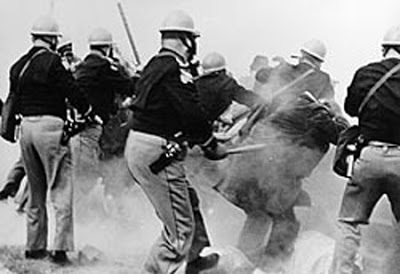
Show your students the cause-and-effect relationship between street-level activism and federal law. The televised police violence during the 1965 Selma to Montgomery marches increased national support for voting rights legislation. When the American public watched peaceful marchers beaten on the Edmund Pettus Bridge, the political capital for reform became undeniable.
| Legislative Milestone | Key Provisions & Impact |
|---|---|
| Civil Rights Act of 1964 | Outlawed discrimination based on race, color, religion, sex, or national origin.<br><br>Crucially, Title VII of the Civil Rights Act of 1964 established the Equal Employment Opportunity Commission (EEOC) to enforce workplace equality. |
| 24th Amendment (1964) | Prohibited the use of poll taxes in federal elections, removing a massive economic barrier for poor and minority voters. |
| Voting Rights Act of 1965 | Prohibited racial discrimination in voting practices and explicitly outlawed literacy tests for voter registration, federalizing the oversight of elections in historically discriminatory jurisdictions. |
| Civil Rights Act of 1968 | Often called the Fair Housing Act, it prohibited discrimination concerning the sale, rental, and financing of housing. |
By the mid-1960s, legal equality had been largely achieved on paper, but systemic poverty and de facto segregation persisted. The consensus of nonviolence fractured as activists sought more radical solutions to structural inequality.
The Black Power Movement
For many, the slow pace of integration was unacceptable. Malcolm X advocated for Black empowerment and self-defense outside the nonviolent mainstream of the Civil Rights Movement. His rhetoric resonated deeply in Northern and Western cities untouched by Southern voting rights victories.
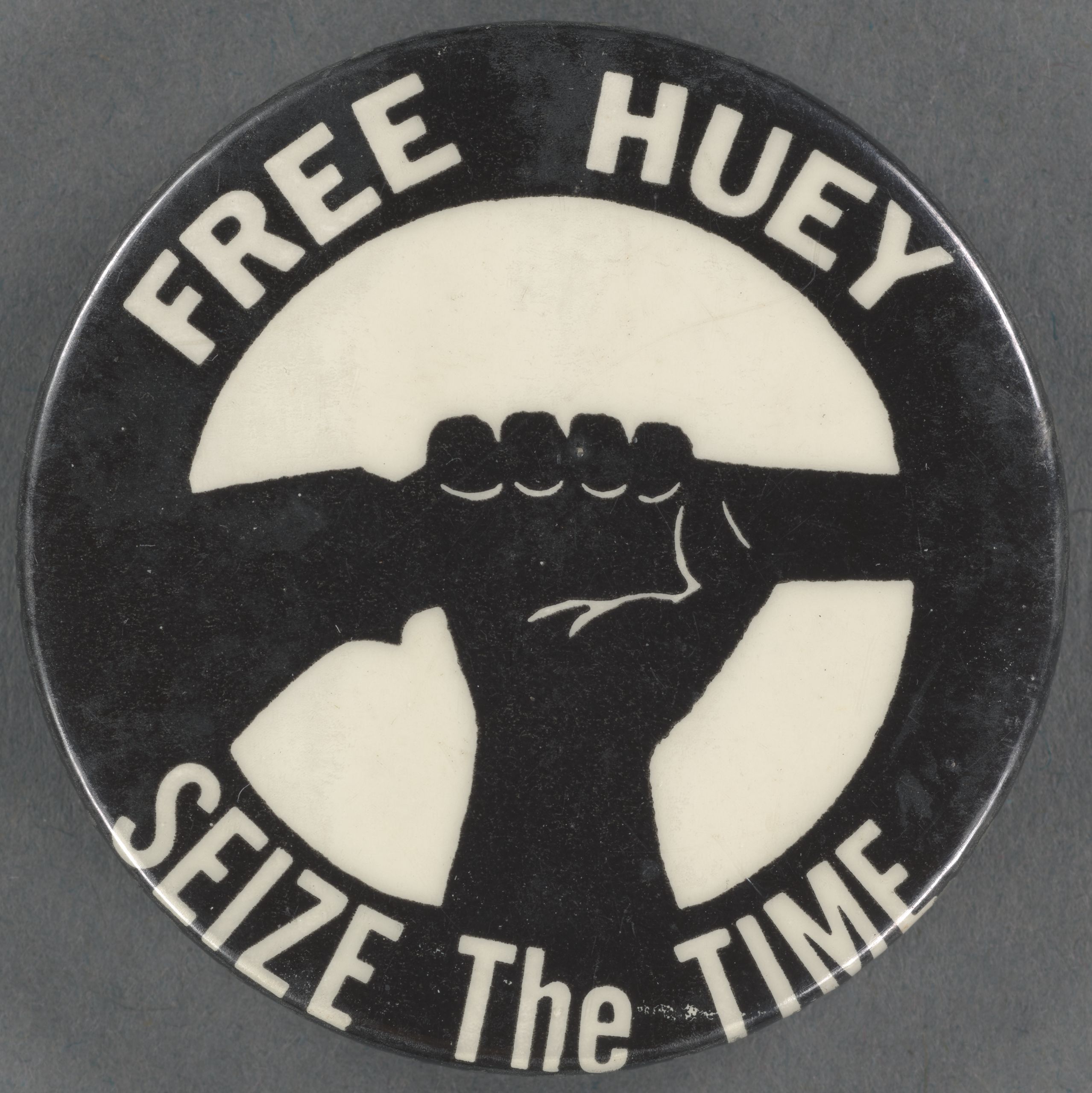
This ideological shift birthed a new organizational framework. Huey Newton and Bobby Seale founded the Black Panther Party in 1966. More broadly, the Black Power movement emphasized racial pride and the creation of Black political and cultural institutions. It was a pivot from asking for integration into white systems toward demanding autonomous power and defending Black communities from police brutality.
The New Left and Counterculture
Simultaneously, a youth-driven political awakening reshaped American liberalism. The Students for a Democratic Society (SDS) drafted the Port Huron Statement in 1962, a manifesto demanding participatory democracy.
Key Distinction: The New Left movement of the 1960s focused on anti-war protests and civil rights rather than traditional labor union issues (which had been the hallmark of the "Old Left" of the 1930s).
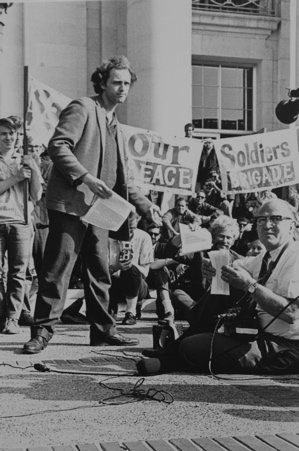
Colleges became epicenters of dissent. The Free Speech Movement emerged at the University of California, Berkeley in 1964, setting the template for student protests against the Vietnam War and university complicity in the military-industrial complex.
Culturally, the 1960s counterculture rejected traditional middle-class values in favor of alternative lifestyles and communal living. This was a generation seeking authenticity over conformity, vividly culminating when the Woodstock Music and Art Fair attracted nearly half a million attendees in 1969.
The tactics developed by Black civil rights leaders—civil disobedience, litigation, and media strategy—became the blueprint for a sweeping rights revolution across multiple demographics.
Second-Wave Feminism
The postwar ideal of the suburban housewife masked widespread dissatisfaction. Betty Friedan published The Feminine Mystique in 1963. The Feminine Mystique sparked second-wave feminism by questioning traditional gender roles and domesticity.
To institutionalize these demands, Betty Friedan helped found the National Organization for Women (NOW) in 1966. Significant victories followed:
- Title IX of the Education Amendments of 1972 prohibited sex-based discrimination in any school receiving federal money, revolutionizing women's access to higher education and athletics.
- In 1973, the Supreme Court ruled in Roe v. Wade that the Constitution protected a woman's liberty to choose to have an abortion.
However, feminism faced fierce resistance. Phyllis Schlafly organized the STOP ERA campaign to oppose the Equal Rights Amendment. By arguing that the ERA would strip women of privileges like draft exemption and alimony, she successfully mobilized conservatives. Consequently, the Equal Rights Amendment failed to receive the required state ratifications before the 1982 deadline.
Labor, Ethnicity, and Identity
Marginalized groups across the spectrum demanded visibility and equity:
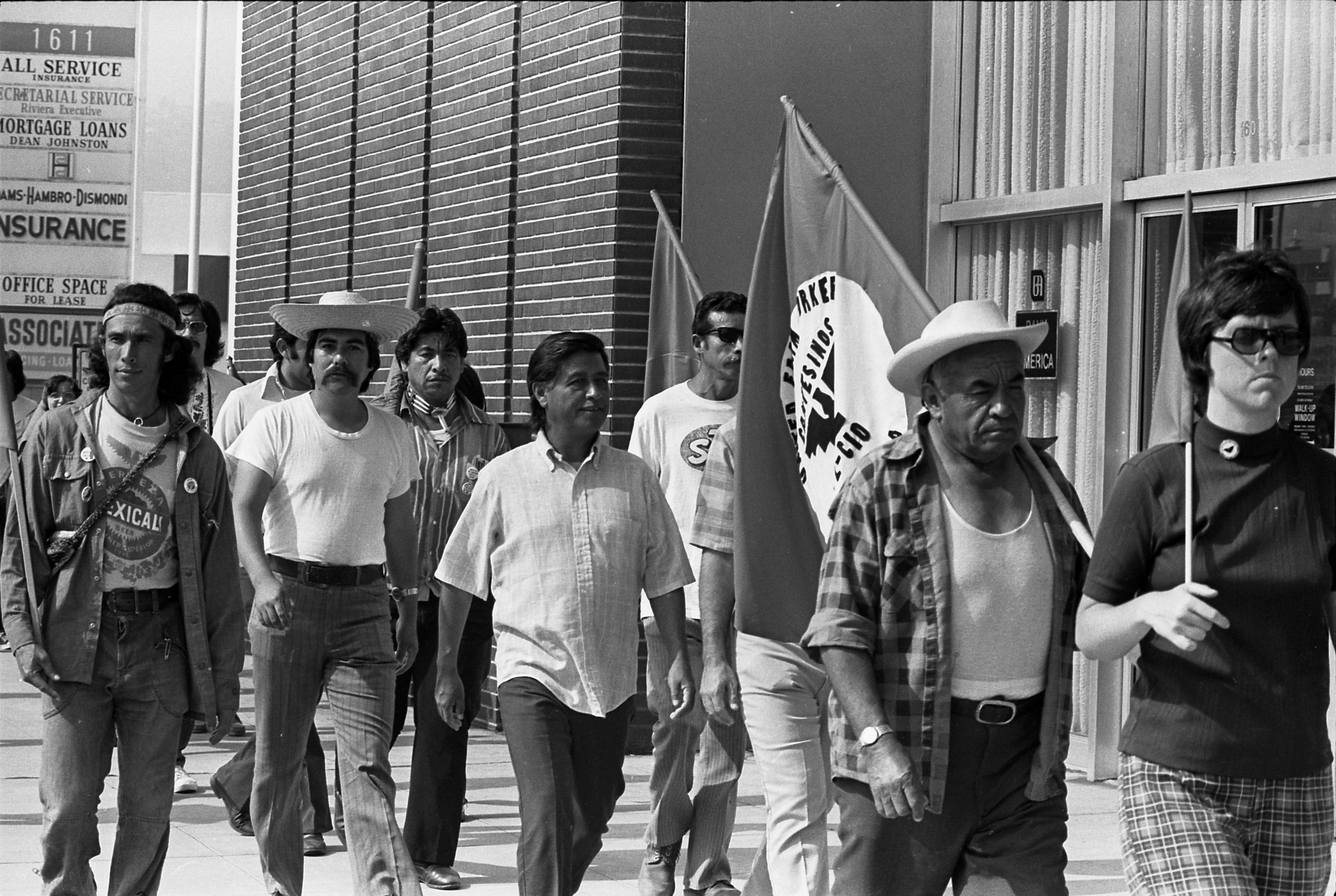
- Farm Workers: Cesar Chavez and Dolores Huerta co-founded the National Farm Workers Association in 1962. By 1965, the Delano grape strike led to the creation of the United Farm Workers (UFW) union. The United Farm Workers union utilized nonviolent strikes and consumer boycotts to improve working conditions for agricultural laborers.
- Mexican Americans: Running parallel to the UFW, the Chicano Movement of the 1960s advocated for Mexican American civil rights and cultural pride, demanding bilingual education and political representation.
- Native Americans: The American Indian Movement (AIM) was founded in 1968 to address systemic issues of poverty and police brutality. AIM employed high-profile occupations to force treaty negotiations. Native American activists occupied Alcatraz Island from 1969 to 1971 to demand the return of federal land, and later, members of the American Indian Movement occupied the town of Wounded Knee, South Dakota, for 71 days in 1973.
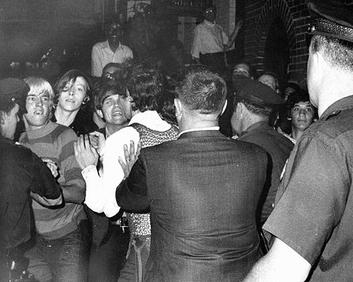
- LGBTQ+ Rights: The modern gay rights movement ignited when police raided a gay bar in Greenwich Village. The 1969 Stonewall Riots in New York City catalyzed the modern gay rights movement, transforming quiet homophile organizations into vocal liberation fronts.
As citizens began questioning the social costs of post-war prosperity, they also began questioning its ecological costs. Rachel Carson published Silent Spring in 1962. The publication of Silent Spring catalyzed the modern environmental movement by detailing the adverse ecological effects of pesticides, proving that human mastery over nature was a lethal illusion. Public pressure culminated when the Environmental Protection Agency (EPA) was established in 1970 under President Richard Nixon.
But every action in history has an equal and opposite reaction. The rapid social upheavals of the 1960s and early 70s—urban riots, counterculture, anti-war protests, and radical feminism—alienated many traditionalists. The rise of the New Right in the late 1970s was a conservative backlash against counterculture and liberal social policies. This coalition championed free-market economics, anti-communism, and traditional family values, eventually carrying Ronald Reagan to the presidency.
To teach the late 20th century accurately, you must weave social history with geography and economics. The very map of America, and its place in the world, was undergoing a radical rewrite.
The New Demographics
In 1965, the U.S. profoundly changed who was allowed to become American. The Immigration and Nationality Act of 1965 abolished the national origins quota system, which had heavily favored Northern Europeans. The Immigration and Nationality Act of 1965 significantly increased immigration from Asia and Latin America, permanently altering the demographic makeup and cultural fabric of the nation.
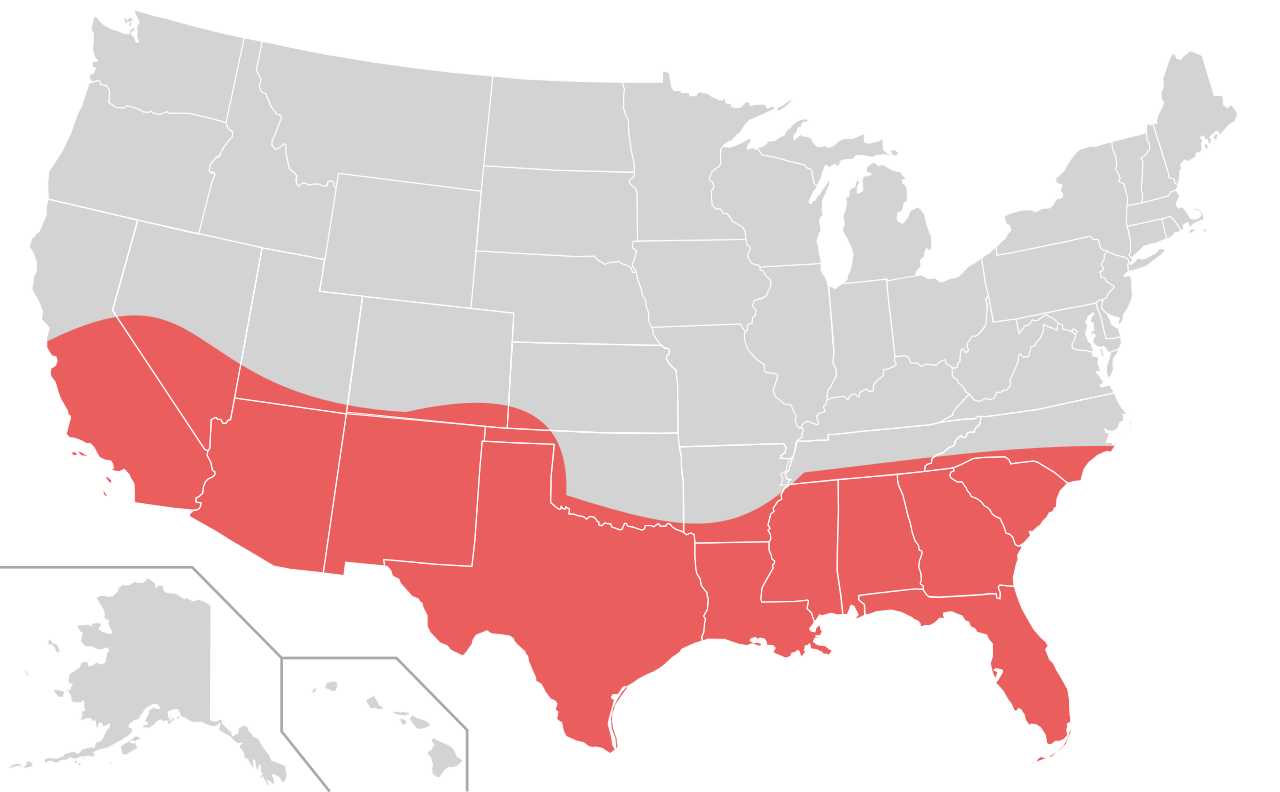
Internally, geography dictated political power. The demographic shift toward the Sunbelt increased the political and electoral power of southern and western states in the late 20th century. Driven by air conditioning, defense jobs, and lower taxes, populations fled the Rust Belt, pulling electoral college votes and congressional seats with them.
A New Economy and the Information Age
The American economy metamorphosed from making things to managing data. The United States transitioned from a manufacturing-based economy to a service-and-information-based economy in the late 20th century.
This was heavily influenced by the tearing down of economic borders. Late 20th-century globalization accelerated the outsourcing of American manufacturing jobs to developing nations. A key policy driver of this was when the North American Free Trade Agreement (NAFTA) went into effect in 1994. The North American Free Trade Agreement eliminated most tariffs on trade between the United States, Canada, and Mexico, reshaping supply chains across the continent.
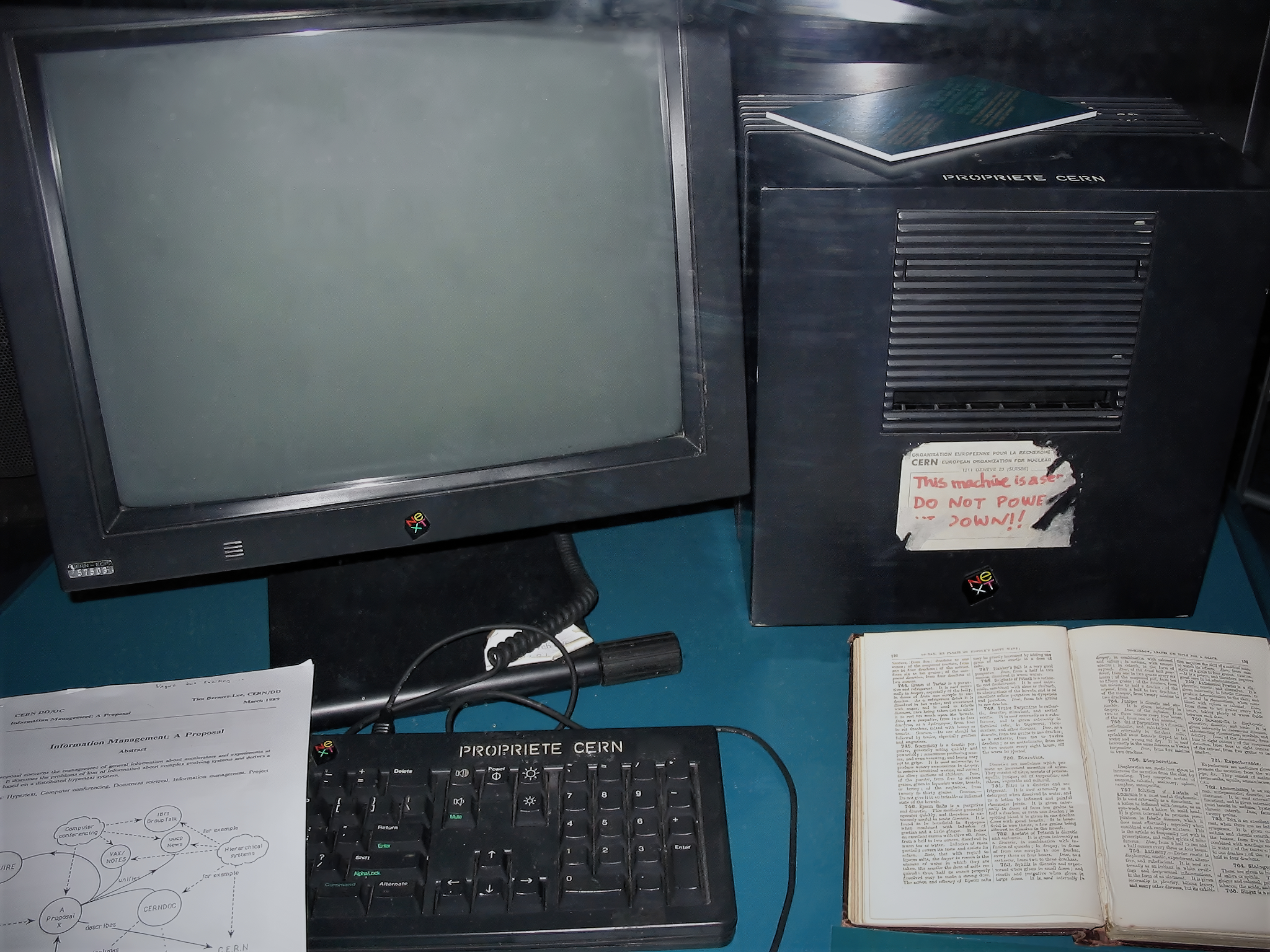
Finally, the tools of daily human existence were rewritten by silicon. The introduction of the Apple II and IBM PC popularized personal computing in the late 20th century, moving computers from massive corporate mainframes to living room desks. The connective tissue of this new era arrived soon after: The advent of the World Wide Web in the 1990s revolutionized global communication and commerce, laying the groundwork for the hyper-connected, fast-paced world your students inhabit today.
Teaching Takeaway for the 5081 Exam
When you encounter a multiple-choice question on this exam, look for the systems at play. If a question asks about the Voting Rights Act, connect it to the grassroots pressure of Selma. If a question asks about the New Right, recognize it as a reaction to the counterculture and New Left. If it asks about Sunbelt demographics, tie it to the loss of Rust Belt manufacturing and the rise of the service economy. History is not a list of distinct events; it is a continuously running engine, and in the late 20th century, it was running at maximum RPM.