The Cold War Era
Not sure you’re ready?
Take the ~3-minute readiness diagnostic and see where you stand.
Imagine two architects forced to inhabit the same planetary real estate, each holding a detonator to a bomb buried beneath the floorboards, fighting a decades-long battle over the structural foundation of the house. The Cold War was an era of intense geopolitical and ideological rivalry between the capitalist United States and the communist Soviet Union. It was not a single battlefield engagement, but a totalizing system of global tension that reshaped geography, dictated domestic culture, and nearly brought human civilization to an end. As social studies educators, you are tasked with making this invisible war visible to a generation born long after its conclusion. To teach the Cold War is to teach your students how to read the landscape of the modern world—from the political borders of the Korean peninsula to the national motto printed on the money in their pockets.
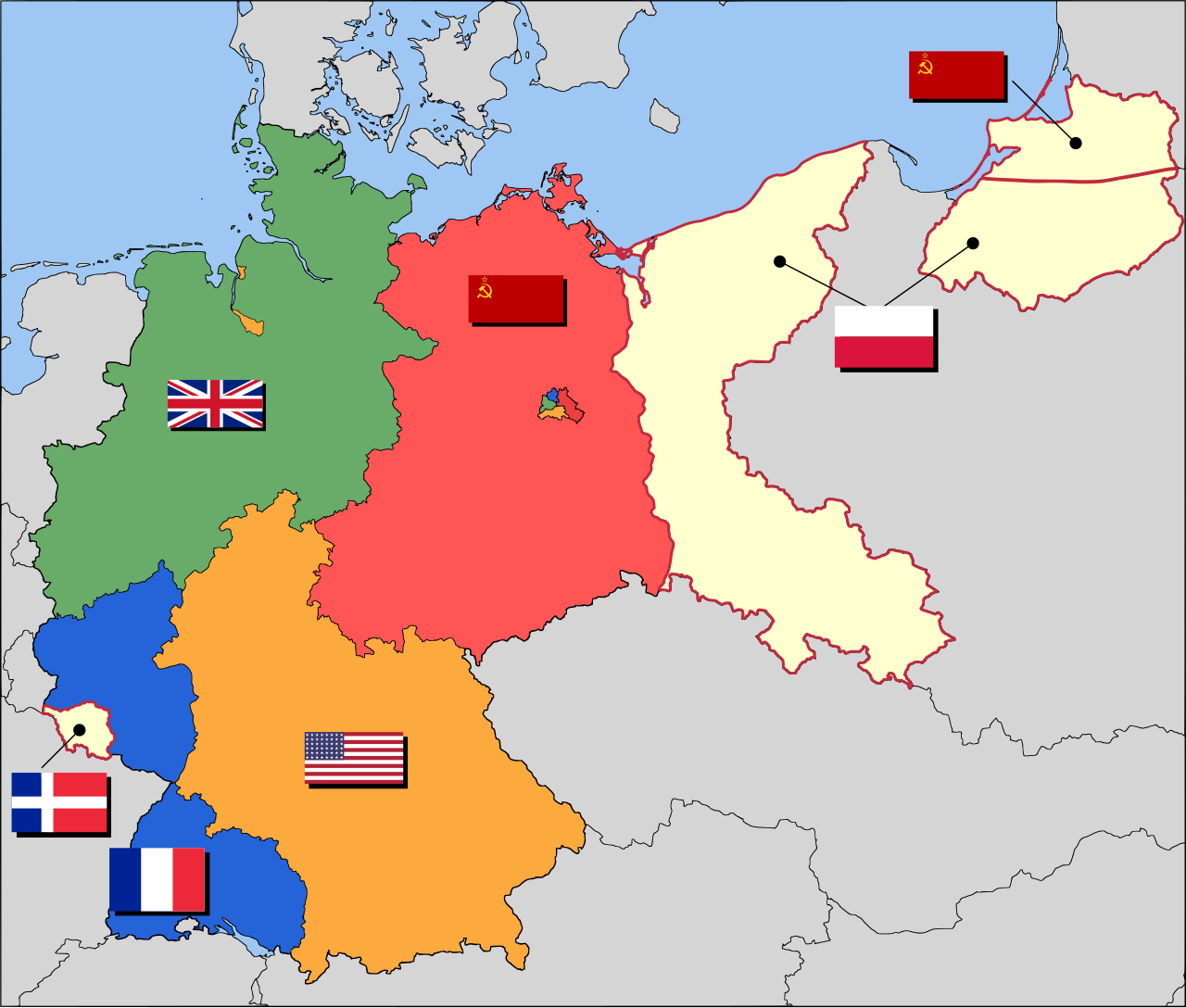
To understand the Cold War, you must first look at a map of a broken Europe in 1945. The geopolitical fault lines were drawn before the smoke of World War II had even cleared. The 1945 Yalta Conference resulted in an Allied agreement to divide postwar Germany into four separate occupation zones (American, British, French, and Soviet). This division was intended to be temporary administrative scaffolding, but it quickly hardened into permanent ideological borders.
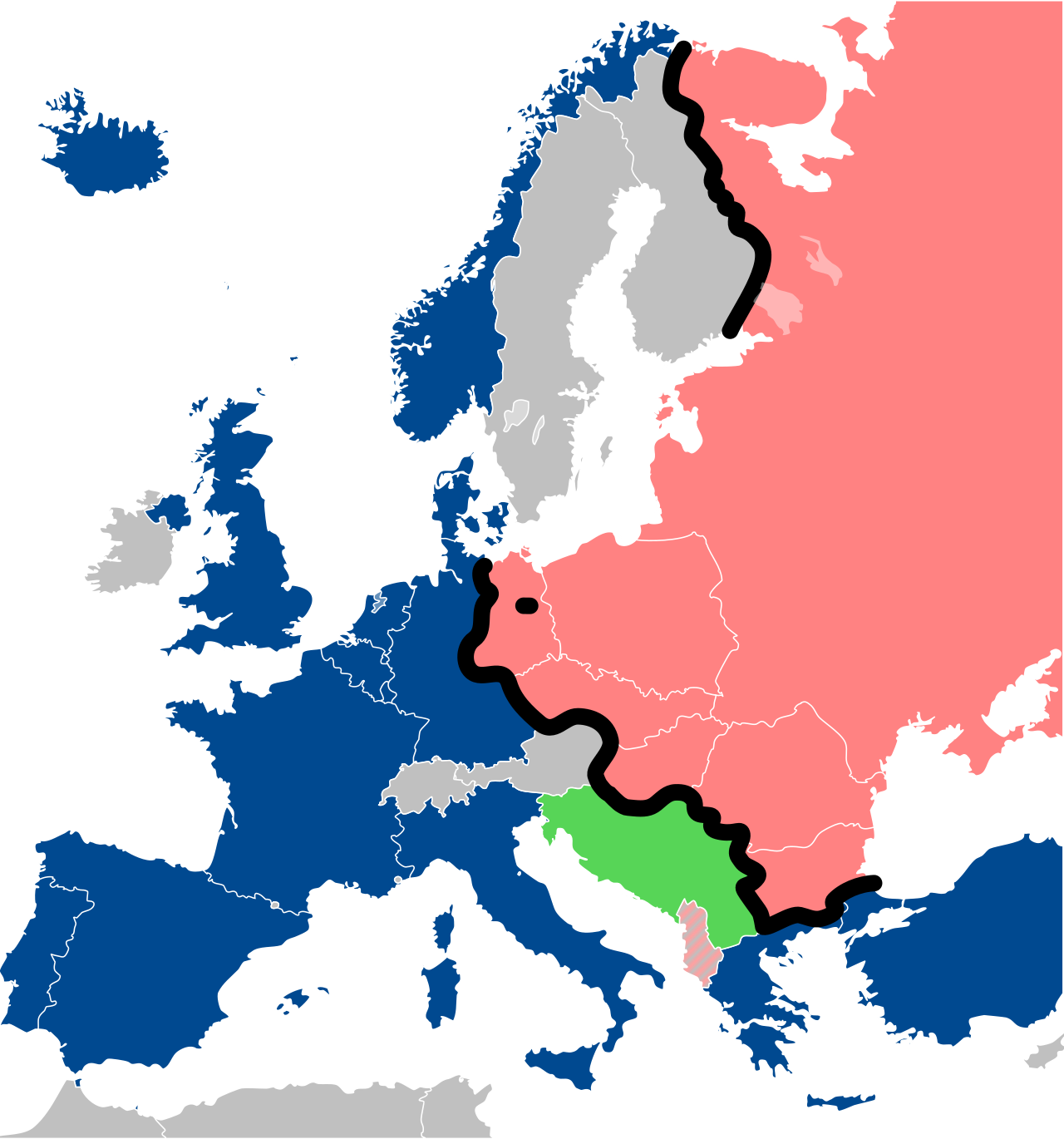
By the next year, the ideological friction was palpable. Winston Churchill popularized the term "Iron Curtain" in a 1946 speech to describe the ideological and physical boundary dividing Europe—separating the democratic, capitalist West from the authoritarian, communist East.
Containment: The United States foreign policy of containment aimed to prevent the spread of communism beyond territories where communism was already established.
Containment became the central operating system of American foreign policy. It operated on the premise that communism was a contagion; you might not cure the infected areas, but you could quarantine them. This policy manifested through massive financial and military commitments:
- The Truman Doctrine of 1947 pledged United States military and economic assistance to nations threatened by communist insurrection (specifically Greece and Turkey).
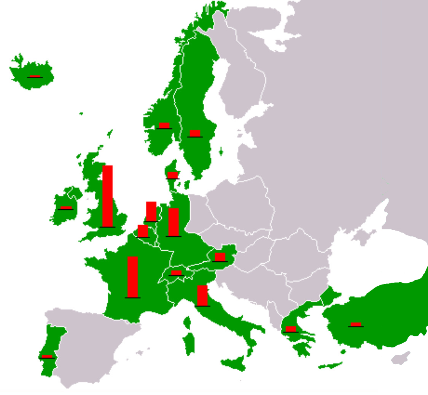
- The Marshall Plan provided over $13 billion in United States economic aid to help rebuild Western European economies after World War II, under the correct assumption that prosperous nations are highly resistant to communist revolutions.
The Berlin Crisis and the Alliance System
Nowhere was the friction more volatile than in Berlin. Geographically, Berlin sat entirely inside the Soviet occupation zone of Germany, yet the city itself was divided. In a bid to force the West out of the city, the Soviet Union blocked all Western Allied land access to West Berlin in 1948.
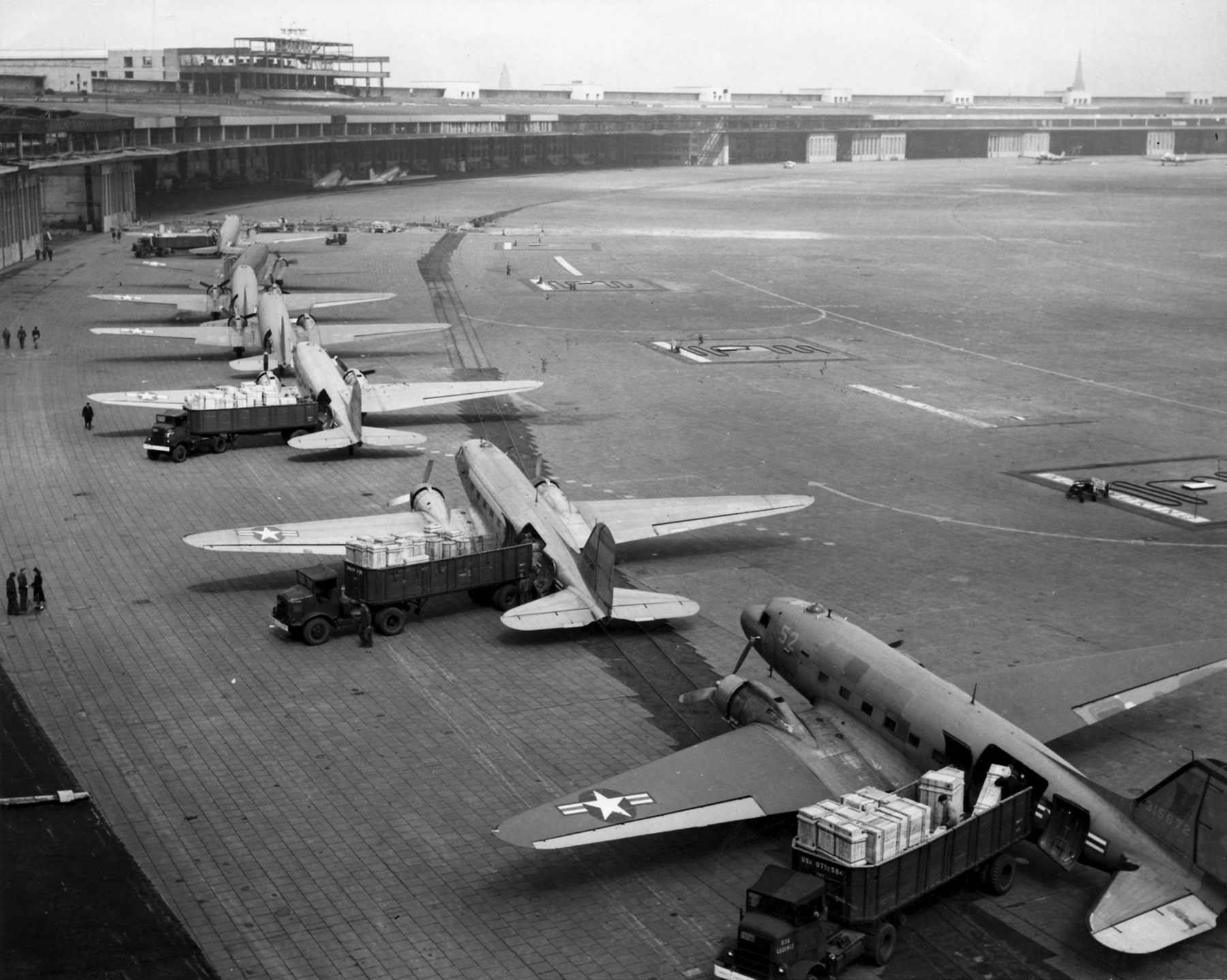
Instead of retreating or risking a ground war, the United States executed a logistical miracle. The United States and Western allies supplied West Berlin entirely by air drops during the Berlin Airlift from 1948 to 1949. Humiliated, the Soviets eventually lifted the blockade, but the event crystallized the need for formal military alliances.
In 1949, the North Atlantic Treaty Organization (NATO) was established as a mutual military defense alliance among North American and Western European nations. The geopolitical calculus shifted again a few years later. When West Germany was integrated into NATO, the East retaliated in kind: The Soviet Union and Eastern Bloc countries formed the Warsaw Pact in 1955. The Warsaw Pact was a collective defense treaty created in direct response to the integration of West Germany into NATO.
Years later, to staunch the embarrassing hemorrhage of their own citizens fleeing to the prosperous capitalist enclave of West Berlin, the East German government began construction of the Berlin Wall in 1961 to physically prevent citizens from fleeing to West Berlin.
The stakes of this rivalry changed forever in 1949. That year, the Soviet Union successfully detonated the first Soviet atomic bomb. The American monopoly on nuclear power was over.
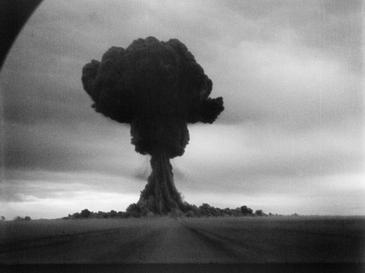
This initiated a grim new reality in military science. Both nations adopted the doctrine of Mutually Assured Destruction (MAD), a military doctrine wherein the full-scale use of nuclear weapons would result in the complete annihilation of both the attacker and the defender. Because direct warfare meant suicide, the superpowers utilized Brinkmanship, a diplomatic strategy involving the deliberate escalation of dangerous conflicts to the verge of war to force the opposition to concede.
Because the US and the USSR could not fight each other directly, they fought through surrogates. Proxy wars are armed conflicts in which rival superpowers support opposing third parties to fight each other indirectly.
In your classrooms, teaching the map of Asia during this era requires explaining the Domino Theory. This theory posited that a communist government takeover in one nation would inevitably lead to communist takeovers in neighboring nations. This fear seemed entirely justified in Washington when the Chinese Communist Party under Mao Zedong defeated Nationalist forces to establish the People's Republic of China in 1949.
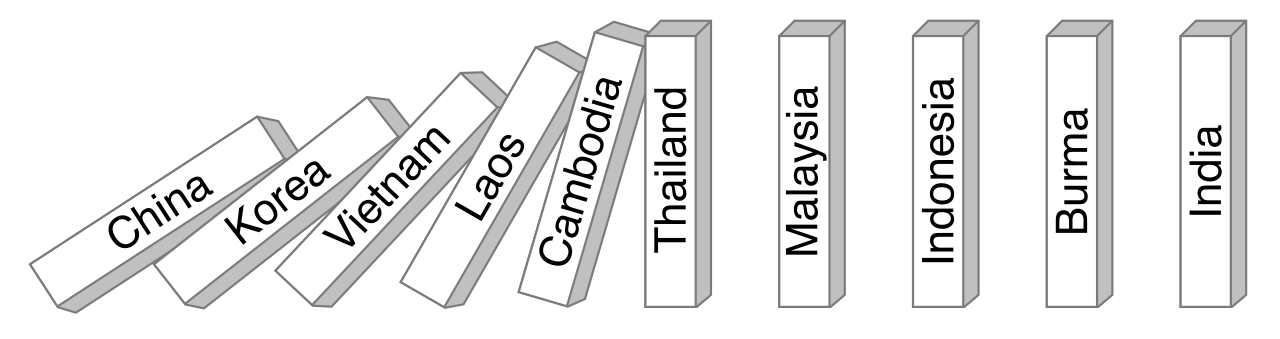
With the largest population on Earth now under communist rule, the United States drew a hard line on the Korean peninsula.
The Korean War (1950–1953)
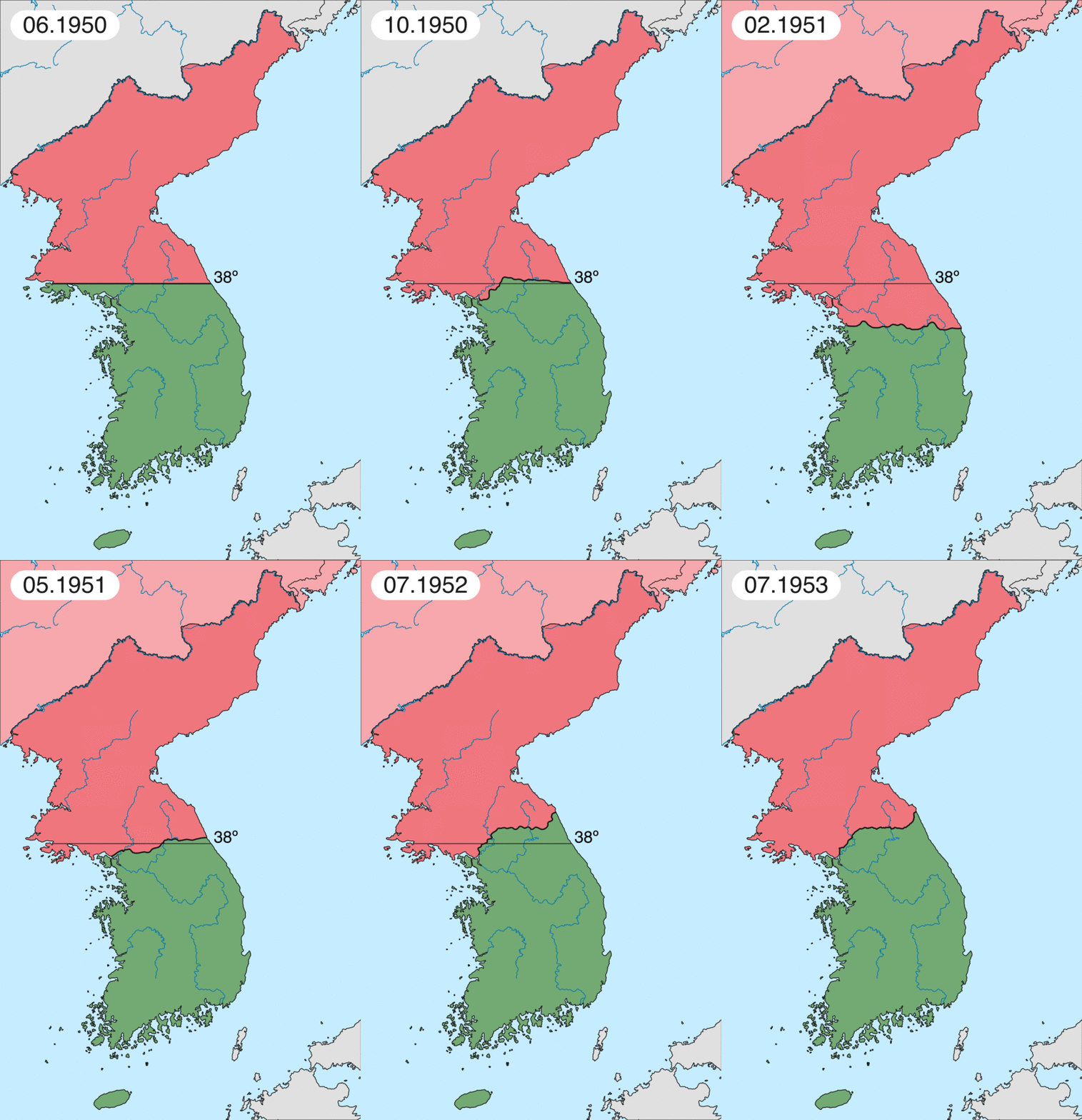
The Korean War began in 1950 when North Korean communist forces invaded South Korea by crossing the 38th parallel. The UN, led by the United States, intervened to push back the North Koreans.
The conflict demonstrated the limits of executive power and the dangers of military overreach. President Harry S. Truman relieved General Douglas MacArthur of command in 1951 for publicly contradicting United States military policy in Korea—a vital lesson in civilian control of the military. After years of brutal stalemate, the Korean War ended in a 1953 armistice. The borders barely moved; the 1953 armistice ending the Korean War established a Demilitarized Zone near the 38th parallel, exactly where the conflict had begun.
The Vietnam War (1964–1975)
The Domino Theory drove the United States into its most socially corrosive proxy conflict: Vietnam. Direct American escalation began in earnest when the United States Congress passed the Gulf of Tonkin Resolution in 1964, which authorized President Lyndon B. Johnson to use direct military force in Southeast Asia without a formal declaration of war.
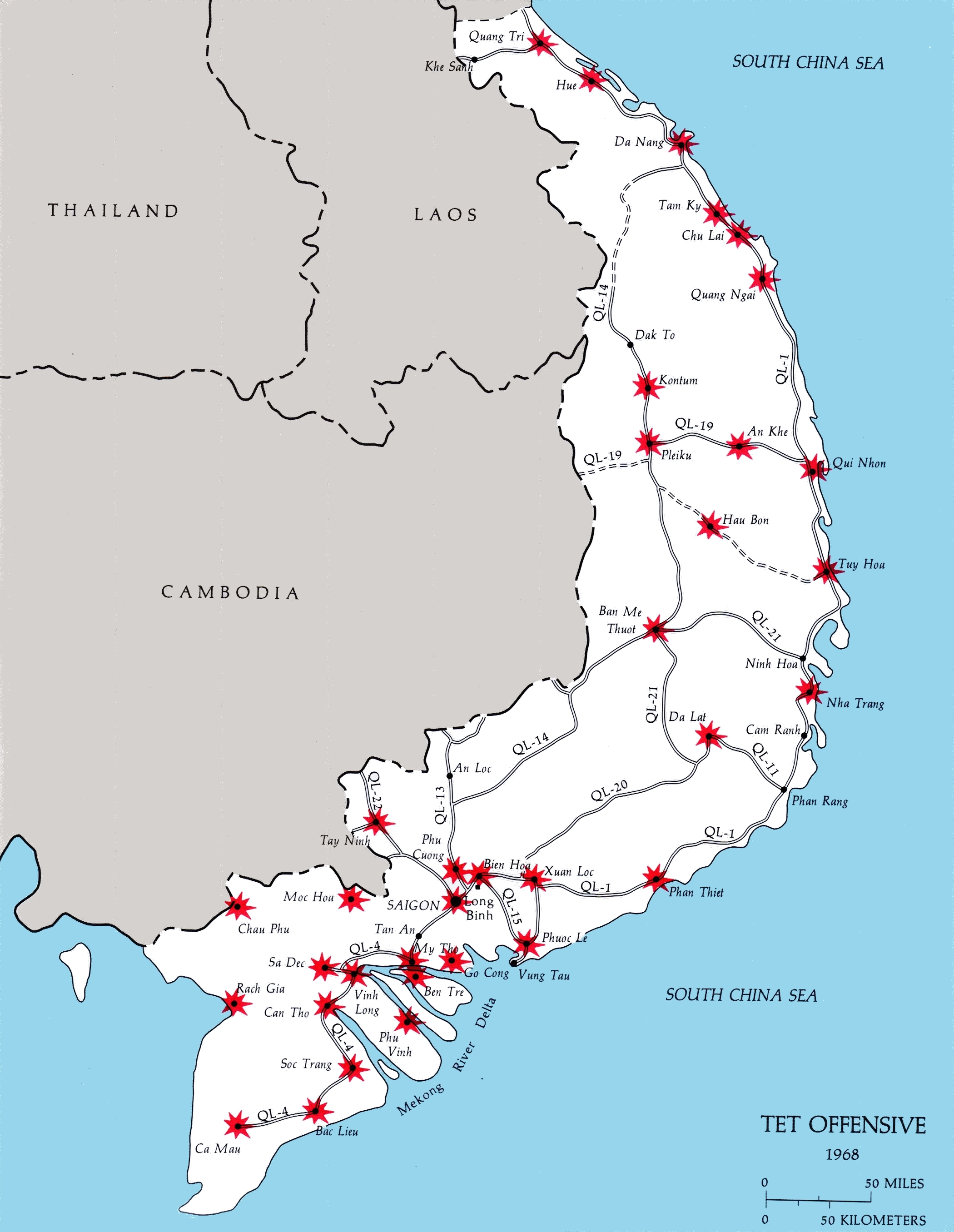
For years, the American public was told victory was imminent. That illusion shattered during the Tet Offensive of 1968, a massive coordinated surprise attack by the Viet Cong and North Vietnamese forces against South Vietnamese targets. Though technically a tactical failure for the communist forces, the heavy casualties of the Tet Offensive caused a severe decline in United States domestic public support for the Vietnam War.
The conflict fractured American society, ultimately leading to withdrawal. The Paris Peace Accords of 1973 officially ended direct United States military combat involvement in the Vietnam War. Without American support, the South collapsed. South Vietnam unconditionally surrendered to North Vietnamese forces following the Fall of Saigon in 1975.
While conflicts raged in Asia, the Cold War arrived roughly 90 miles off the coast of Florida. In 1959, Fidel Castro successfully overthrew the United States-backed Cuban government and his revolutionary government in Cuba formally aligned politically and economically with the Soviet Union.
The United States responded with disastrous incompetence. The 1961 Bay of Pigs Invasion was a failed military attempt by CIA-sponsored Cuban exiles to overthrow Fidel Castro. This embarrassing failure pushed Castro further into Soviet arms, setting the stage for the most dangerous moment in human history.
The Cuban Missile Crisis began in 1962 after United States reconnaissance photographs revealed Soviet nuclear missile sites under construction in Cuba.
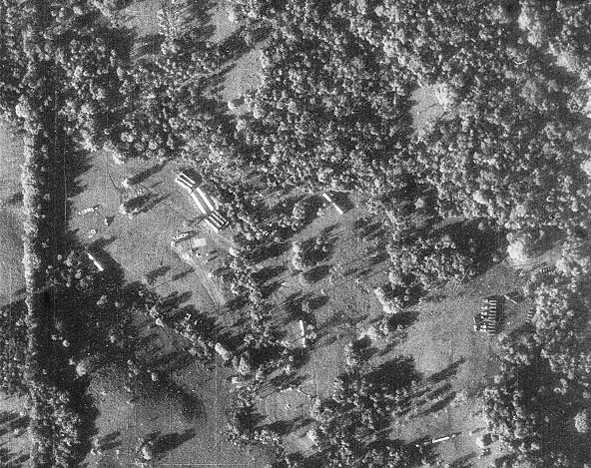
Rather than a preemptive strike, the United States instituted a strict naval blockade of Cuba in 1962 to intercept Soviet weapons shipments. For 13 days, the world stood at the precipice of Mutually Assured Destruction. Brinkmanship yielded a compromise: The Soviet Union agreed to remove Soviet nuclear missiles from Cuba to resolve the 1962 Cuban Missile Crisis, provided that the US publicly pledge never to invade Cuba. Behind closed doors, the United States secretly agreed to remove American Jupiter nuclear missiles from Turkey as part of the resolution to the Cuban Missile Crisis.
The Cold War was not confined to terrestrial borders; it extended into the exosphere and the American classroom. In 1957, the Soviet Union launched Sputnik 1, the first artificial Earth satellite, into orbit.
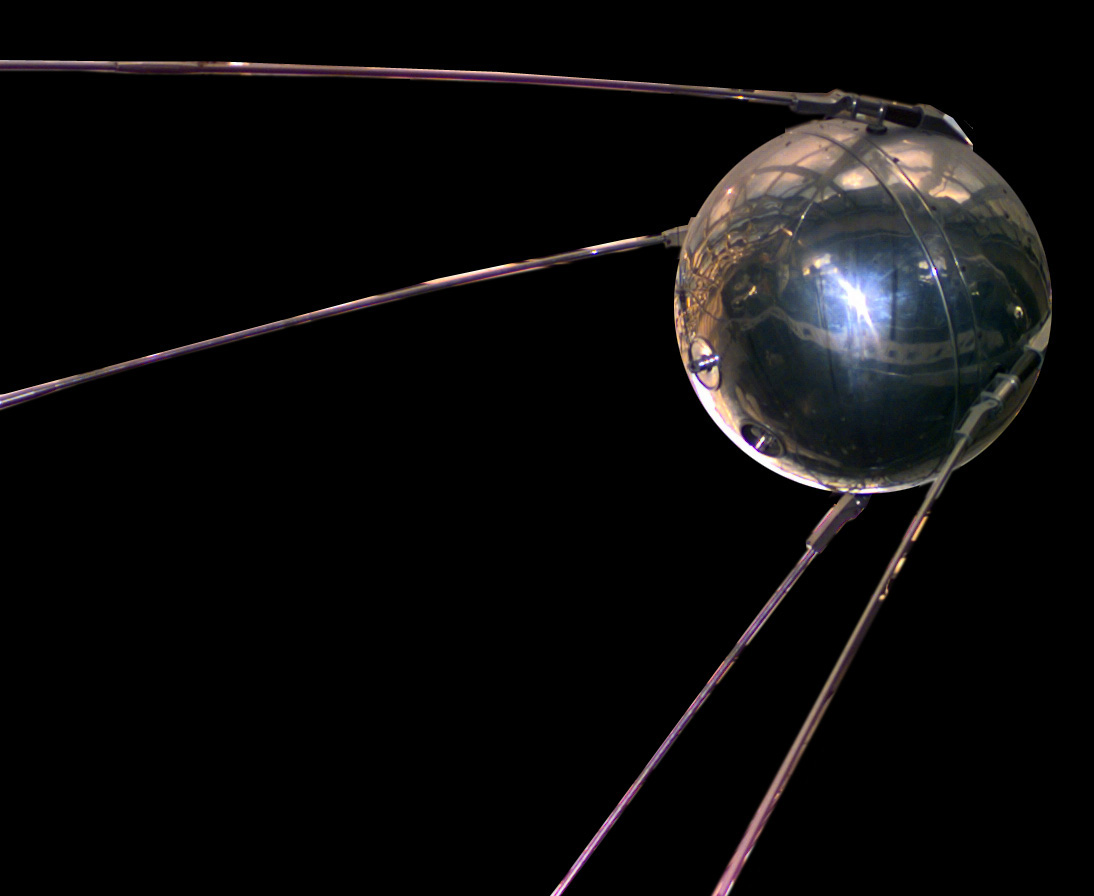
The successful Soviet launch of Sputnik 1 initiated the Space Race between the United States and the Soviet Union. It also triggered a profound domestic crisis in the US. If the Soviets could put a beeping metal sphere in orbit, they could theoretically drop a nuclear payload anywhere in America. The response fundamentally changed American education: The United States Congress passed the National Defense Education Act in 1958 to rapidly increase federal funding for science and math education.
Intelligence gathering evolved as well. High-altitude espionage became routine until the Soviet Air Defence Forces shot down a United States U-2 high-altitude spy plane in 1960, plunging US-Soviet relations back into a deep freeze. Ultimately, the United States achieved the crowning propaganda and technological victory of the Space Race when the United States Apollo 11 mission successfully landed the first humans on the Moon in 1969.

When teaching behavioral science and civics, the domestic impact of the Cold War serves as a masterclass in mass hysteria and civil liberties. The fear of nuclear annihilation spawned a potent domestic paranoia.
McCarthyism: The practice of making severe allegations of political subversion or treason without proper regard for evidence.
This era of suspicion had roots in genuine espionage. Former United States State Department official Alger Hiss was convicted of perjury in 1950 regarding his involvement with a Soviet espionage ring. Even more shockingly, Julius and Ethel Rosenberg were executed by the United States government in 1953 for committing espionage by transmitting atomic secrets to the Soviet Union.
These legitimate breaches of security were weaponized by politicians to ignite a domestic witch hunt. Congress took the lead: The House Un-American Activities Committee (HUAC) investigated alleged communist infiltration within the United States motion picture industry. This resulted in the blacklisting of the "Hollywood Ten", a group of screenwriters and directors cited for contempt of Congress in 1947 for refusing to testify before the House Un-American Activities Committee.
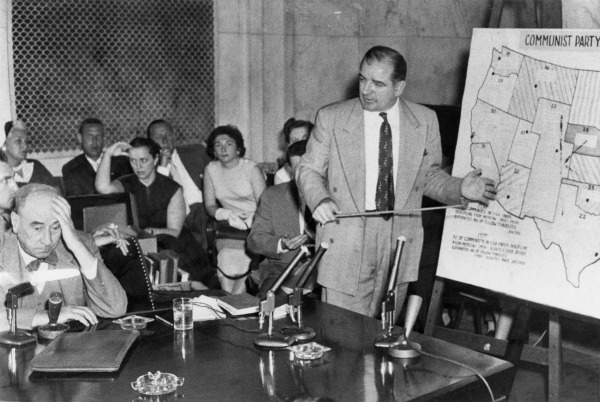
The paranoia peaked in the Senate. Senator Joseph McCarthy led a highly publicized series of aggressive investigations into alleged communist infiltration of the United States government during the early 1950s. His reign of terror only collapsed when he targeted the US Army. The televised Army-McCarthy hearings of 1954 exposed Senator Joseph McCarthy's abusive interrogation tactics to the public. His power broken, the United States Senate formally censured Senator Joseph McCarthy in 1954.
This culture of fear ruined countless lives beyond alleged political dissidents. The "Lavender Scare" was a systemic United States government campaign during the 1950s that targeted and terminated homosexual federal employees due to unfounded fears of blackmail by Soviet spies.
The Militarization of Everyday Life
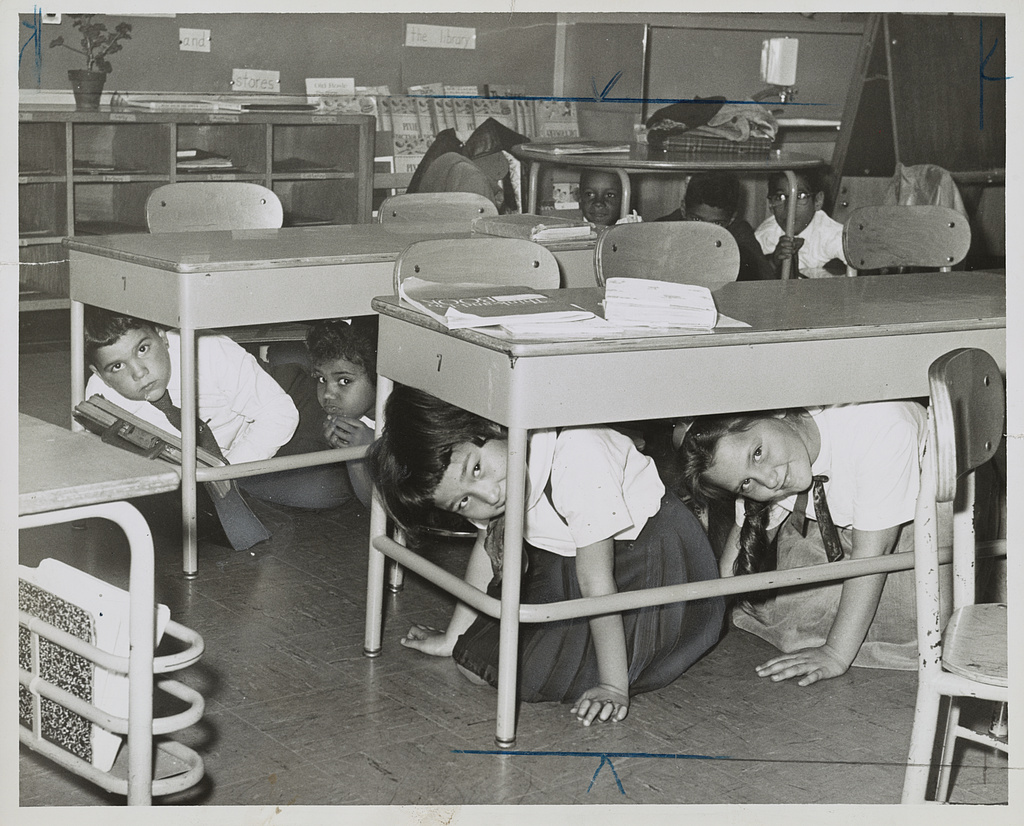
The psychological toll of the Cold War on children and civic culture was profound.
- The Federal Civil Defense Administration encouraged American schoolchildren to practice "duck and cover" drills to prepare for potential nuclear bomb detonations.
- To frame the ideological battle as a moral one, the United States Congress added the phrase "under God" to the Pledge of Allegiance in 1954 to rhetorically distinguish American society from state-sponsored Soviet atheism.
- Similarly, the United States Congress adopted "In God We Trust" as the official national motto in 1956.
- Even civic infrastructure was militarized. The United States Interstate Highway Act of 1956 was partially justified by the military necessity to rapidly transport troops and evacuate cities during a nuclear crisis.
After decades of Brinkmanship, the superpowers recognized the unsustainable economic and psychological cost of the standoff.
Détente: Refers to the deliberate easing of strained geopolitical relations between the United States and the Soviet Union during the 1970s.
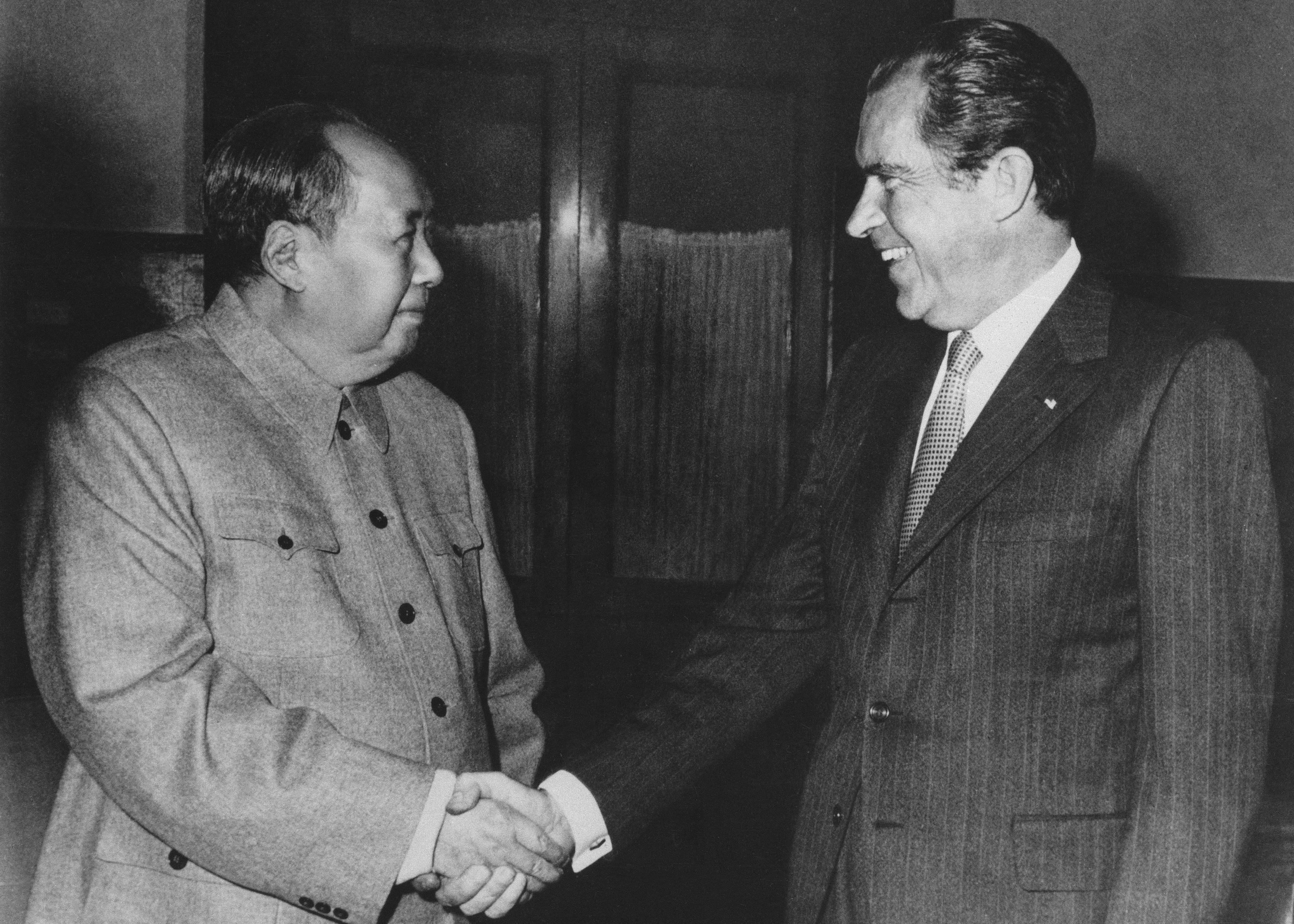
A master of realpolitik, President Richard Nixon visited the communist People's Republic of China in 1972 to normalize diplomatic relations, brilliantly exploiting a diplomatic rift between the Soviet Union and China. This pressure helped bring the Soviets to the negotiating table. That same year, the United States and the Soviet Union signed the Strategic Arms Limitation Talks (SALT I) agreement in 1972 to restrict the number of intercontinental ballistic missiles.
By bridging geopolitics, economics, and domestic culture, the Cold War provides an unparalleled framework for your future students. It demonstrates how a struggle between two distant capitals can build walls in Germany, shoot satellites into orbit, alter the curriculum taught in an American classroom, and shape the highways we still drive on today.