Comparative Politics and International Relations
Not sure you’re ready?
Take the ~3-minute readiness diagnostic and see where you stand.
Imagine trying to maintain order in a high school cafeteria where there is no principal, no supervising teachers, and no student code of conduct, yet every teenager is armed with a megaphone and a personal agenda. This is the fundamental condition of international relations: a system of independent entities operating in an environment completely devoid of a central, governing authority. To teach comparative politics and global affairs is to explain how human beings have engineered different mechanisms—sometimes cooperative, often coercive—to survive and thrive in this inherent chaos. As you prepare your students to understand both historical conflicts and tomorrow's headlines, you must map the internal wiring of different governments alongside the unwritten laws of their global interactions.
Before we can understand how states interact on the global stage, we must understand how they organize power at home. Comparative politics looks under the hood of different sovereign states. When analyzing democratic regimes, the defining question is the relationship between the people who make the laws (the legislature) and the people who execute them (the executive).
Democratic Frameworks
State Sovereignty The foundational concept of modern politics. State sovereignty is the fundamental legal principle that a state has absolute authority over its own territory and domestic affairs.
How a sovereign state structures its executive power typically falls into one of three democratic systems:
The Presidential System
In a presidential system of government, the executive and legislative branches operate as distinct and separate entities. Think of it like a corporation where the Board of Directors (legislature) and the CEO (president) are hired separately.
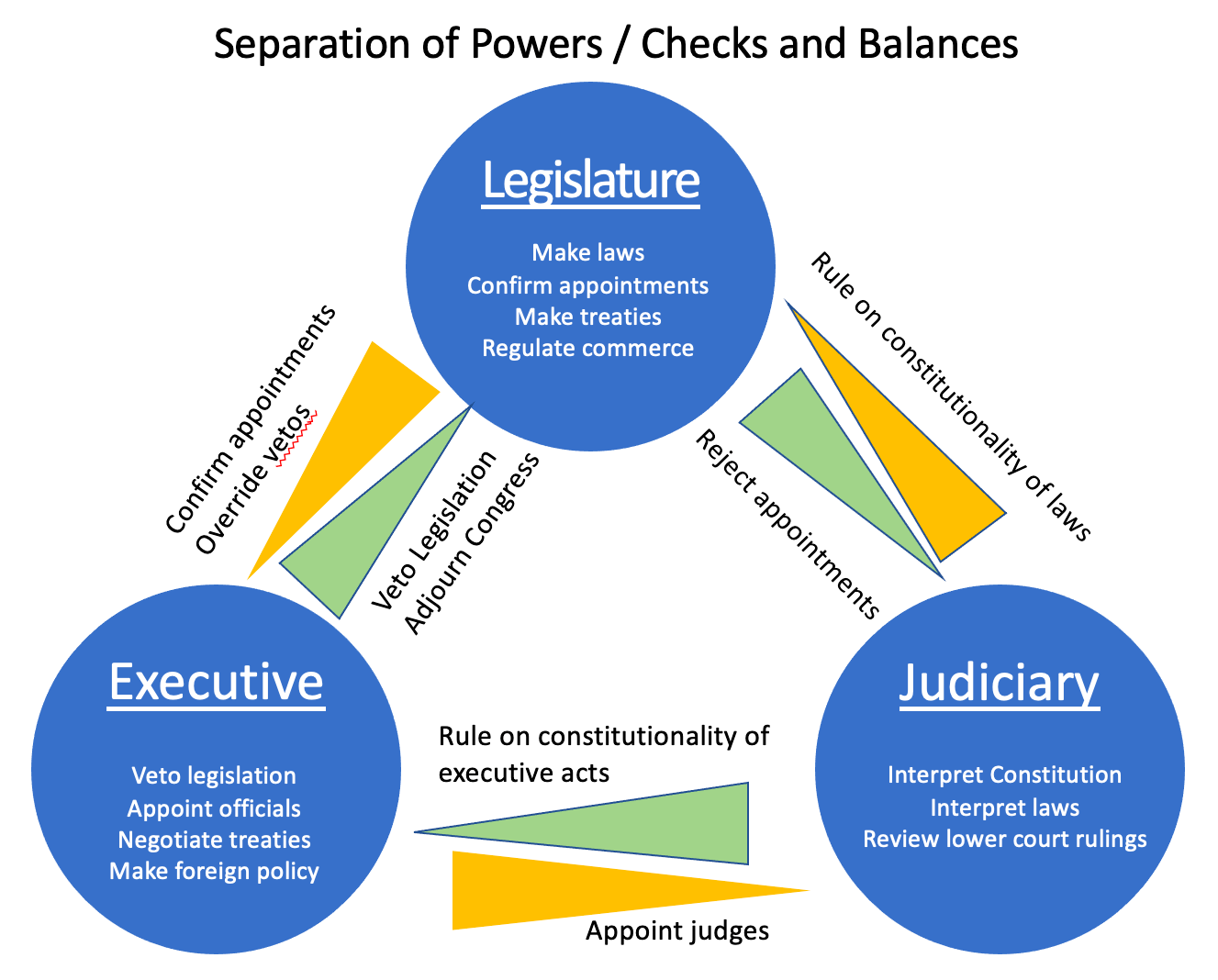
- Election: The chief executive is elected by the citizens independently of the legislature.
- Term Limits: Because their mandate comes directly from the people, the chief executive in a presidential system serves a fixed term in office.
- Dual Roles: In a presidential system, the president typically serves simultaneously as both the head of state (the symbolic, ceremonial representative of the country) and the head of government (the chief political executive running the state apparatus).
The Parliamentary System
In a parliamentary system of government, the executive branch derives its democratic legitimacy directly from the legislature. They are intertwined.
- Selection: The head of government is usually a prime minister selected by the majority party or coalition in the legislature.
- Separation of Roles: Unlike a president, in a parliamentary system, the head of state and the head of government are distinct roles filled by different individuals. You might have a monarch or a ceremonial president serving as the symbolic head of state, while the prime minister serves as head of government.
- Accountability: A prime minister in a parliamentary system can be removed from office before the end of a term through a legislative vote of no confidence. If the legislature loses faith in the executive, the executive is ousted immediately.
The Hybrid
A semi-presidential system features both a popularly elected president and a prime minister who is responsible to the legislature. France is the classic example, balancing a strong, independent president with a prime minister who manages the daily business of parliament.
| Feature | Presidential System | Parliamentary System |
|---|---|---|
| Origin of Executive Power | Independent citizen election | Derived directly from the legislature |
| Term Length | Fixed term | Subject to legislative confidence |
| Removal | Impeachment (difficult, rare) | Vote of no confidence (faster, common) |
| Head of State/Government | Usually the same person | Distinct, different individuals |
Non-Democratic Regimes
Not all systems rely on the consent of the governed. When power is detached from democratic accountability, regimes take several distinct forms:
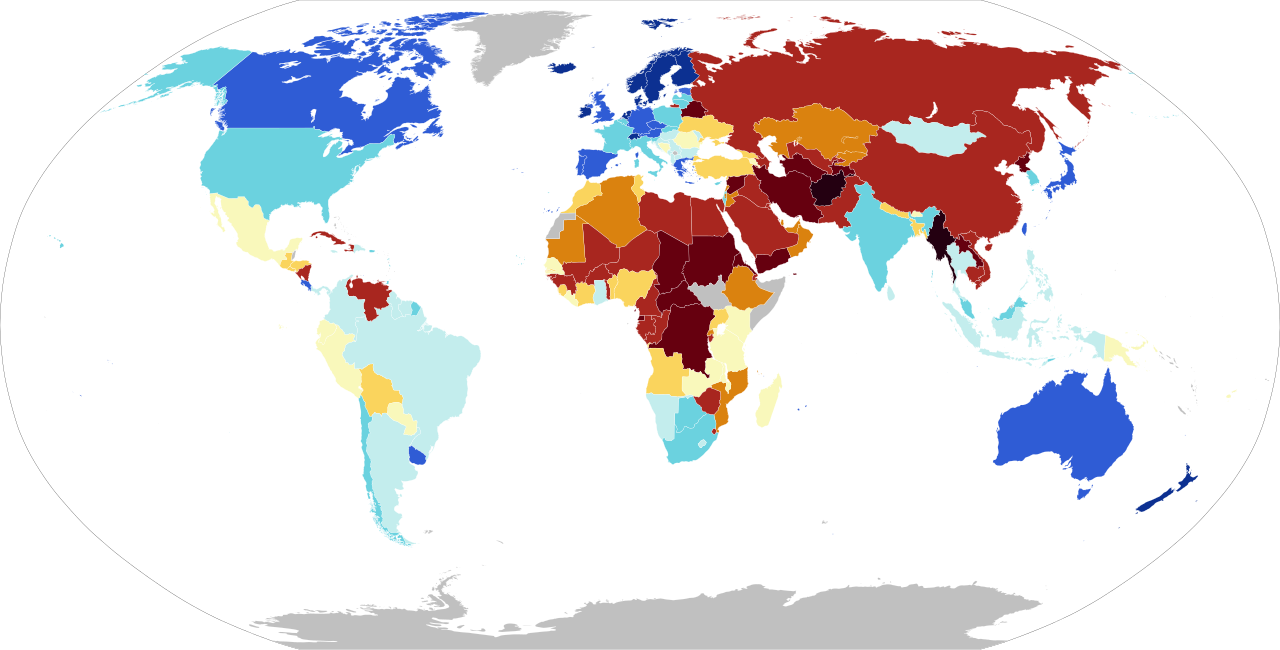
- Authoritarian regimes concentrate political power in a single leader or a small elite group not constitutionally accountable to the public. The state restricts political freedom but may leave some private or economic spheres alone.
- Totalitarian regimes attempt to control all aspects of public and private life through extreme state centralization and mass surveillance. There is no private sphere; the state demands active ideological submission.
- An oligarchy is a system of government where political power rests with a small, elite group of individuals, often based on wealth, military might, or corporate influence.
- A theocracy is a form of government in which religious leaders hold primary political power, blending divine law with civil law.
Once you zoom out from domestic governments, you encounter the global arena. Political scientists use distinct theoretical lenses to explain why states go to war, make peace, or trade.
Realism: The Struggle for Survival
Realism in international relations posits that states act primarily to maximize their own power and national security. For the realist, the world is a dangerous place.
Realists point out a structural reality: Realism views the international system as inherently anarchic due to the absence of a global governing authority. Because there is no "global 911" to call when under attack, in realist theory, the anarchic nature of international relations forces states to rely entirely on self-help for survival.
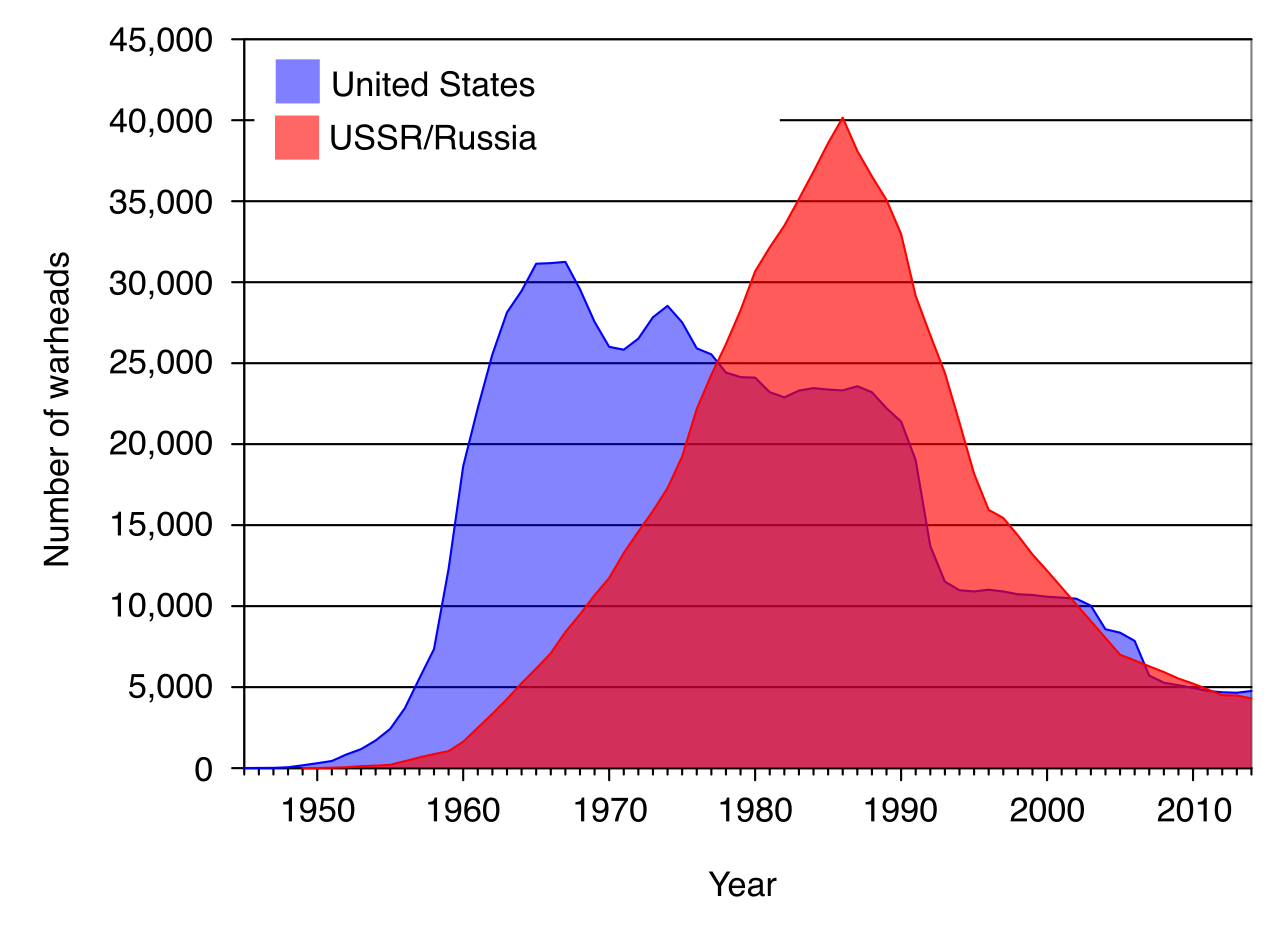
This creates a tragic paradox known as the security dilemma. The security dilemma occurs when a state's actions to increase its own security inadvertently cause other states to feel threatened. Imagine building a taller fence to keep your home safe; your neighbor sees the fence, assumes you are hiding something malicious, and buys a guard dog. You see the dog and buy a gun. Neither of you wanted conflict, but the anarchic system forced a spiral of militarization.
Liberalism: The Power of Cooperation
Liberalism in international relations emphasizes the potential for cooperation, absolute gains, and peace among states. While realists focus on relative gains (worrying if another country is getting richer than they are), liberals focus on absolute gains (believing that as long as everyone's wealth increases, cooperation is a success).
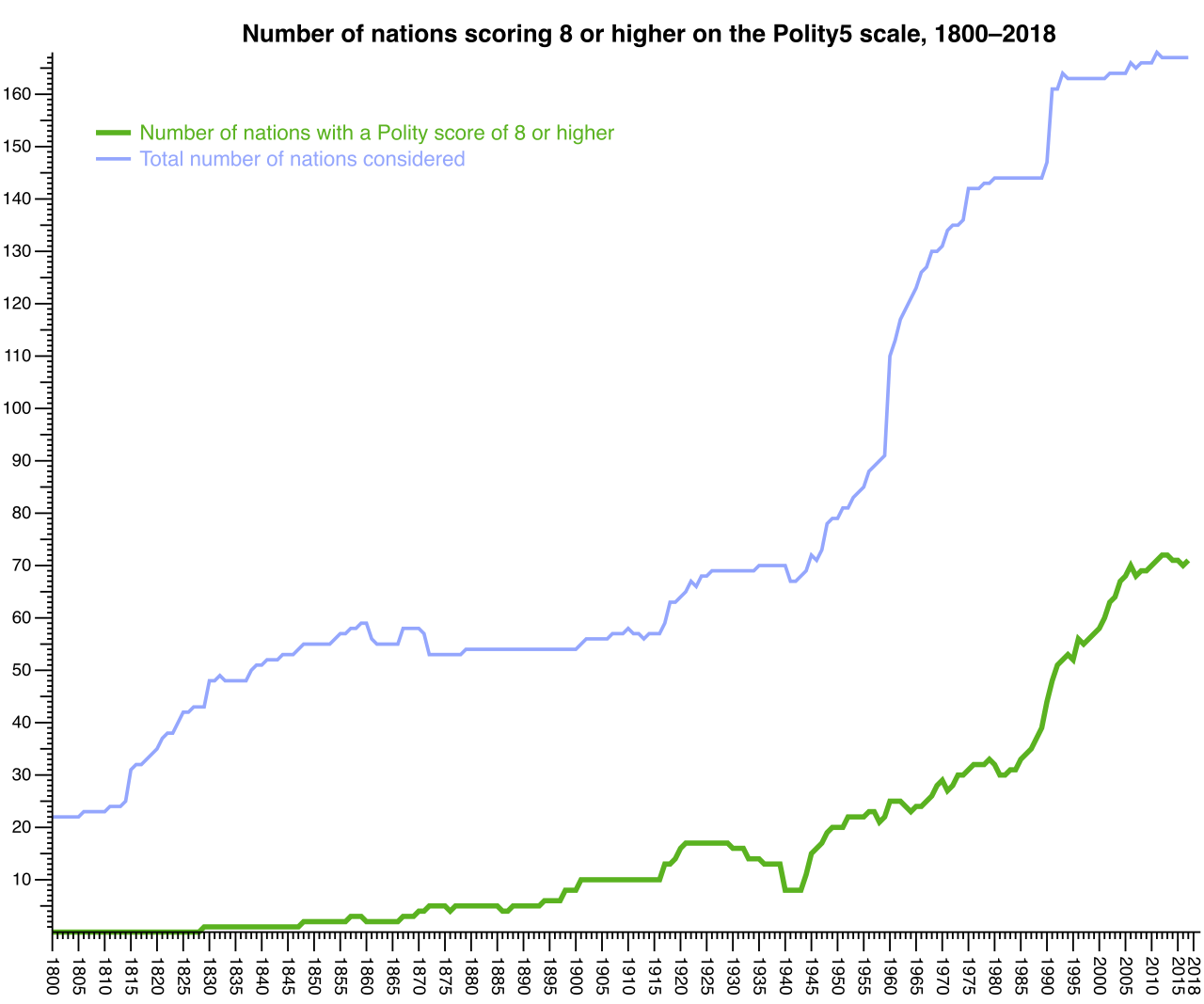
Liberal theory asserts that economic interdependence creates disincentives for war between states. If your nation's economic prosperity relies on exporting technology to a neighbor, bombing that neighbor will destroy your own economy. Furthermore, democratic peace theory claims that mature democratic states rarely engage in armed conflict with one another, suggesting that the spread of domestic democratic institutions inherently stabilizes the international system.
Constructivism: The Architecture of Ideas
If realism focuses on military power and liberalism on economic ties, constructivism focuses on the mind. Constructivism argues that international relations are primarily shaped by shared ideas, norms, and identities rather than material forces.
Why is the United States entirely unconcerned by the massive nuclear arsenal of the United Kingdom, but deeply threatened by a fraction of that number of weapons in North Korea? The physical missiles are the same. But constructivism claims that state interests are socially constructed over time rather than biologically or geographically fixed. History, identity, and shared norms dictate who is a friend and who is a foe.
Marxism: The Economic Hierarchy
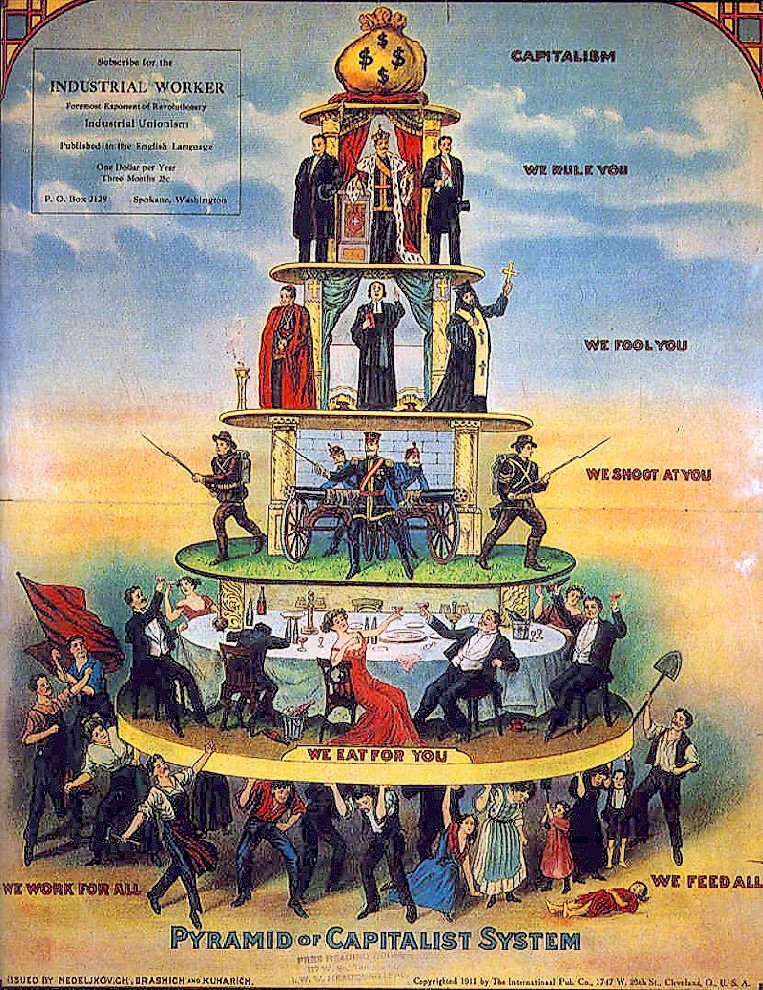
Finally, Marxist international relations theory focuses on global economic inequalities and the exploitation of developing nations by capitalist states. Instead of viewing the world as a clash of states, Marxism views it as a global class struggle, where wealthy nations extract resources and labor from the developing world to sustain their capitalist systems.
Equipped with these motives, how do states actually behave? The posture a state adopts toward the rest of the world is its foreign policy.
Strategic Postures
States choose how engaged they want to be. Isolationism is a foreign policy approach in which a state avoids entering into political and military alliances with other nations, seeking to insulate itself from foreign entanglements. On the opposite end of the spectrum, interventionism is a foreign policy approach where a state actively interferes in the domestic affairs or foreign conflicts of another state.
When taking action, states must also choose their method of collaboration. Multilateralism is a foreign policy strategy that involves three or more countries working together cooperatively on a common goal. Conversely, unilateralism occurs when a state acts independently in foreign affairs without seeking the support or agreement of other nations.
Instruments of Action
To enact policy, states rely on specific tools. The first resort is almost always dialogue. Diplomacy is the professional practice of conducting negotiations and managing relations between sovereign states.
When diplomacy fails but states wish to avoid kinetic war, they utilize financial leverage. Economic sanctions are commercial and financial penalties applied by one or more countries against a targeted sovereign state. By freezing bank accounts, banning exports, or blocking trade, the international community attempts to coerce a state into changing its behavior.
If the international arena is inherently anarchic, how do we have global commerce, postal systems, or war crime tribunals? States voluntarily create rules and institutions.
The Foundation of International Law
International law consists of a body of rules and principles that govern the relations and dealings of sovereign nations with each other. This law is generated primarily through two mechanisms:
- Treaties are formally concluded, written, and ratified binding agreements between sovereign states.
- Customary international law derives from the consistent and general practice of states followed out of a sense of legal obligation. (For example, treating foreign diplomats with immunity was customary long before it was written into a treaty).

However, international law has a massive Achilles' heel. A major functional limitation of international law is the lack of a centralized global executive authority to enforce compliance. If a state breaks a treaty, there is no global police force with a warrant. Because of this, the principle of state sovereignty inherently complicates the mandatory enforcement of international law and human rights treaties. You cannot compel a sovereign state to obey without violating its sovereignty.
The Role of Organizations
To manage this delicate balance, we rely on organizations. Intergovernmental organizations are entities created by formal treaty and composed primarily of sovereign member states (like NATO or the World Health Organization). These differ entirely from nongovernmental organizations, which are non-profit, voluntary citizens' groups operating independently of any national government (such as Amnesty International or Doctors Without Borders).
The United Nations
The most prominent intergovernmental organization is the UN. The United Nations was established in 1945 to promote international peace, security, and cooperation following the devastation of World War II. It operates through several key organs:
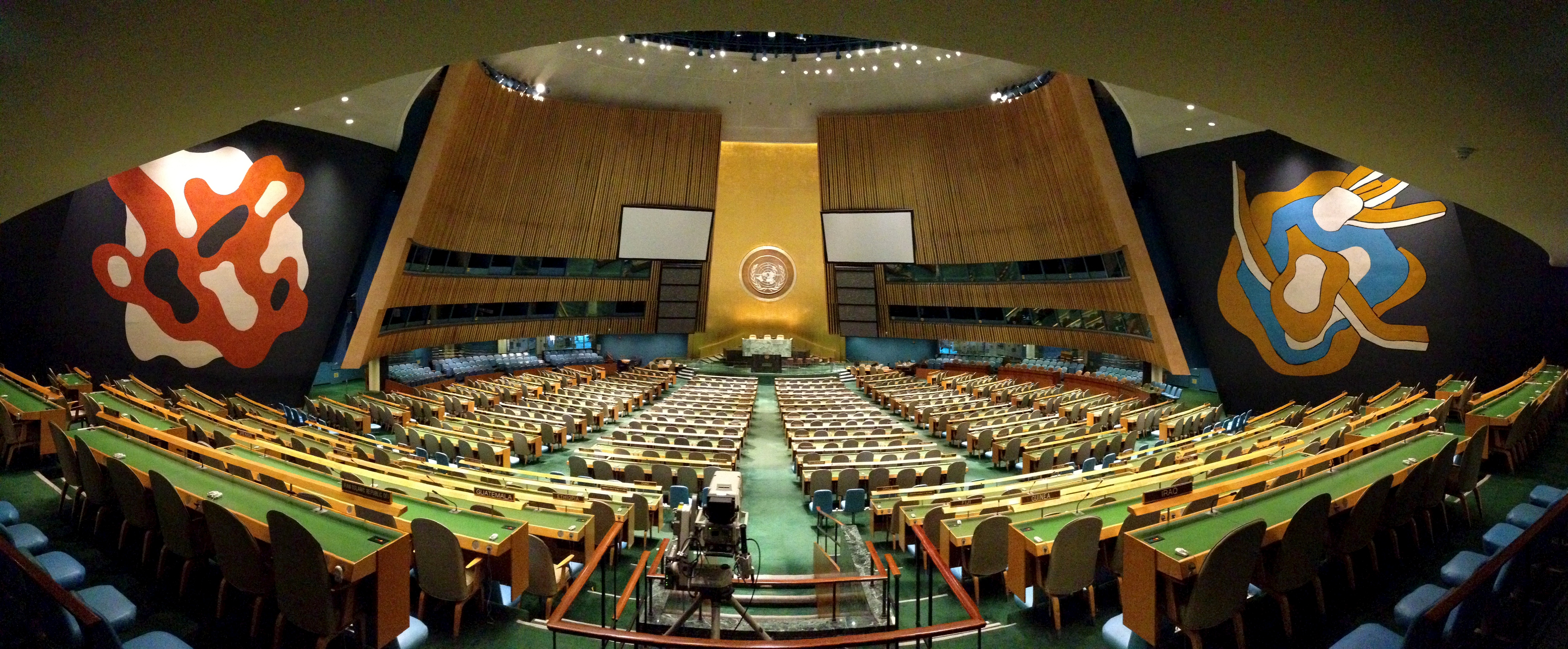
- The United Nations General Assembly provides a deliberative forum for all member states to debate international issues. It acts as the "town hall" of the world. Each member state in the United Nations General Assembly receives one equal vote on resolutions.
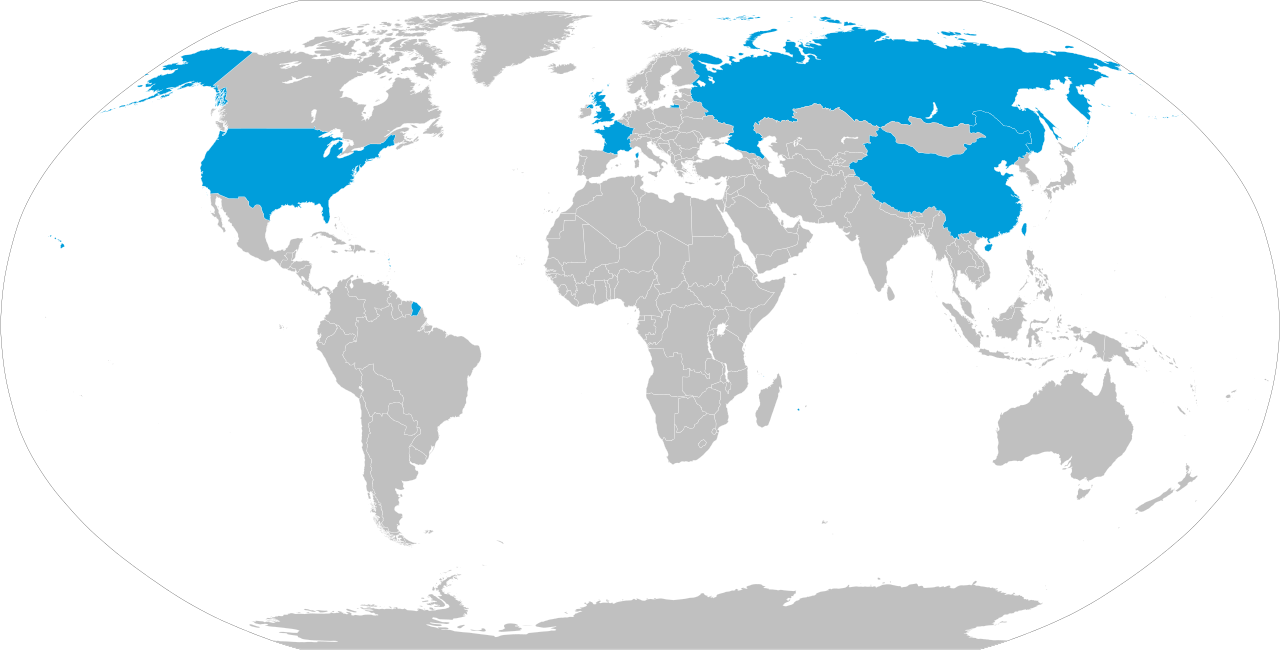
- The United Nations Security Council holds the primary responsibility for maintaining international peace and security. Because it can authorize the use of force, power here is not equal. The United Nations Security Council is composed of fifteen member states. Ten are elected to temporary terms, but the real power lies with the "P5." Five permanent members of the United Nations Security Council hold veto power over substantive resolutions. A single "no" vote from any of these five halts any action. The five permanent members of the United Nations Security Council are the United States, the United Kingdom, France, Russia, and China.
Global Courts
When disputes arise, international courts step in, though their jurisdictions differ crucially:
- The International Court of Justice serves as the principal judicial organ of the United Nations. Its mandate is state-level: The International Court of Justice settles legal disputes submitted by sovereign member states. (e.g., A border dispute between Costa Rica and Nicaragua).
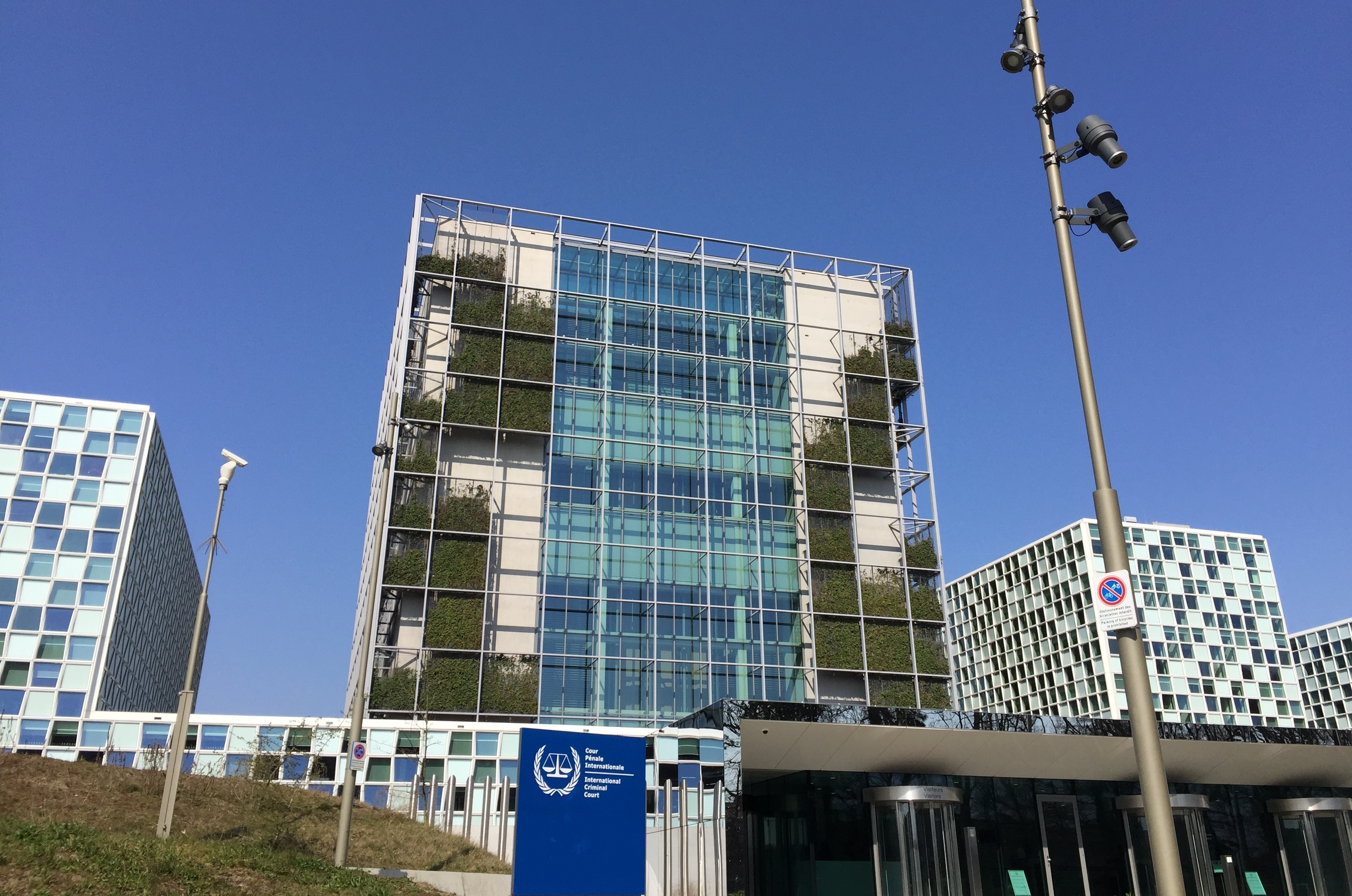
- The International Criminal Court is an intergovernmental organization that prosecutes individuals for genocide, crimes against humanity, and war crimes. It does not try states; it tries human beings who commit the most severe atrocities when their own domestic judicial systems cannot or will not act.