Culture and Anthropology
Not sure you’re ready?
Take the ~3-minute readiness diagnostic and see where you stand.
Consider the physical classroom where you will soon stand as an educator. The desks are arranged in a specific geometry facing the front, the students instinctively raise their hands before speaking, and the sharp ring of a bell dictates the precise moment when learning begins and ends. None of this is dictated by human biology or the laws of physics. It is an inherited architecture of the mind and environment. Culture is the complex system of meaning and behavior that defines the way of life for a given group or society. It functions as the invisible operating system of human existence, governing what we see, how we interpret it, and what we build.
For an aspiring social studies teacher, sociology and anthropology are not just textbook chapters to memorize; they are the exact disciplines that explain the minds of the thirty students sitting in front of you. To teach history or civics effectively, you must understand how human beings absorb, enforce, and alter the rules of their reality.
If culture is an operating system, how does it get installed? Crucially, culture is learned through social interaction rather than being biologically inherited. You are not born knowing how to queue in a line, nor are you born with a preference for a specific type of economic system. These are acquired codes.
Anthropologists divide this system into two distinct categories:
- Material culture consists of the tangible physical objects that members of a society create, use, and share. Think of artifacts you can touch: skyscrapers, smartphones, standardized test booklets, and the Constitution.
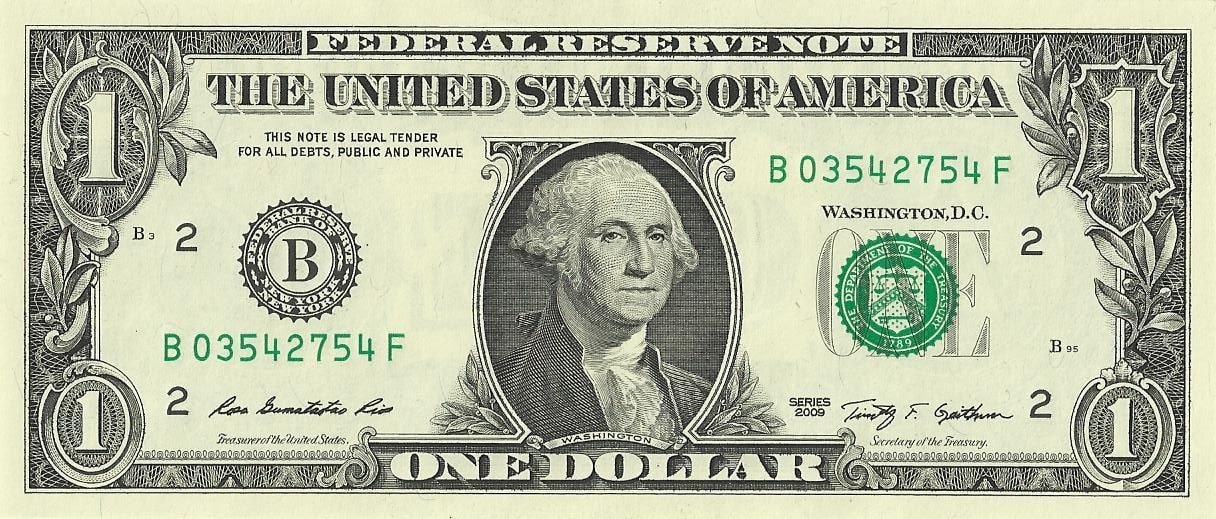
- Nonmaterial culture includes the abstract creations of society such as beliefs, values, rules, and language. This is the conceptual software that assigns meaning to the material hardware. A piece of green paper with a picture of George Washington is merely material culture; the belief that it holds value and can be exchanged for goods is nonmaterial culture.
At the very root of nonmaterial culture is the concept of a symbol. A symbol is anything that carries a specific culturally recognized meaning. It can be a gesture, like a nod, or an object, like a national flag. When symbols are organized systematically, we get language. Language is a set of symbols and rules that provides a complex communication system.
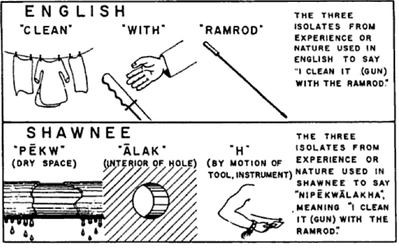
Language does much more than describe the world; it actively constructs it. In linguistic anthropology, this concept is framed as the Sapir-Whorf hypothesis, which states that the language a person speaks determines or heavily influences the speaker's perception of reality. (For your exam, remember that the Sapir-Whorf hypothesis is also known in linguistic anthropology as the principle of linguistic relativity.) If your language lacks a word for "past" or "future," your cognitive experience of time will be fundamentally different from someone speaking English.
Societies do not require a police officer on every corner to maintain order. They rely on shared conceptual guidelines.
Values are abstract standards in a society or group that define ideal principles of what is considered good, right, or desirable. Norms are the specific cultural expectations and rules that govern behavior in particular situations.
If a society values education, its norm might dictate that students attend school five days a week and quietly listen to their teachers.
Not all norms carry the same weight. Sociologist William Graham Sumner categorized cultural norms into folkways, mores, and laws, establishing a spectrum of societal rules based on their moral significance and the severity of their enforcement.
| Type of Norm | Definition & Severity | Classroom Example |
|---|---|---|
| Folkways | Folkways are informal norms that dictate everyday behavior and carry minor sanctions if violated. | Wearing pajamas to a school dance. It is strange, but you will not be arrested. |
| Mores | Mores are strict norms that control moral and ethical behavior and carry severe sanctions if violated. | A student plagiarizing an essay or shouting slurs. It violates core ethical standards. |
| Taboos | Taboos are the most strongly ingrained mores within a society. Violating a taboo causes extreme disgust or expulsion from the social group. | Incest or cannibalism. The mere thought of these acts generates visceral revulsion. |
| Laws | Laws are formal, standardized norms that have been enacted by a legislative body to regulate behavior. | Truancy or vandalism. The state codifies these rules and enforces them via institutions. |
How does society ensure compliance with these norms? Through a system of feedback. Sanctions are the social reactions of approval or disapproval used to enforce cultural norms.
- Positive sanctions are rewards given for conforming to cultural norms. (An "A" on a history exam, an approving smile from a peer, a promotion at work).
- Negative sanctions are punishments issued for violating cultural norms. (A detention slip, a fine, public shaming on social media).
Because culture is not biological, it must be relentlessly taught and learned. Socialization is the lifelong social experience by which individuals develop their human potential and learn culture.
When we zoom out to look at the society as a whole, we call this cultural transmission, which is the process by which one generation passes societal culture to the next generation. When anthropologists zoom in to look at the individual internalizing their own culture, they use the term enculturation, which is the specific anthropological term for the process of learning the traditional content and norms of one's own primary culture.
Socialization does not happen in a vacuum. It is executed by specific conduits. Agents of socialization are the individuals, groups, and institutions that create the social context in which socialization takes place. There are four primary agents you must know:
- The Family: This is typically the most significant agent of socialization during an individual's early childhood. It establishes the baseline for a child's worldview, language, and initial social class orientation.
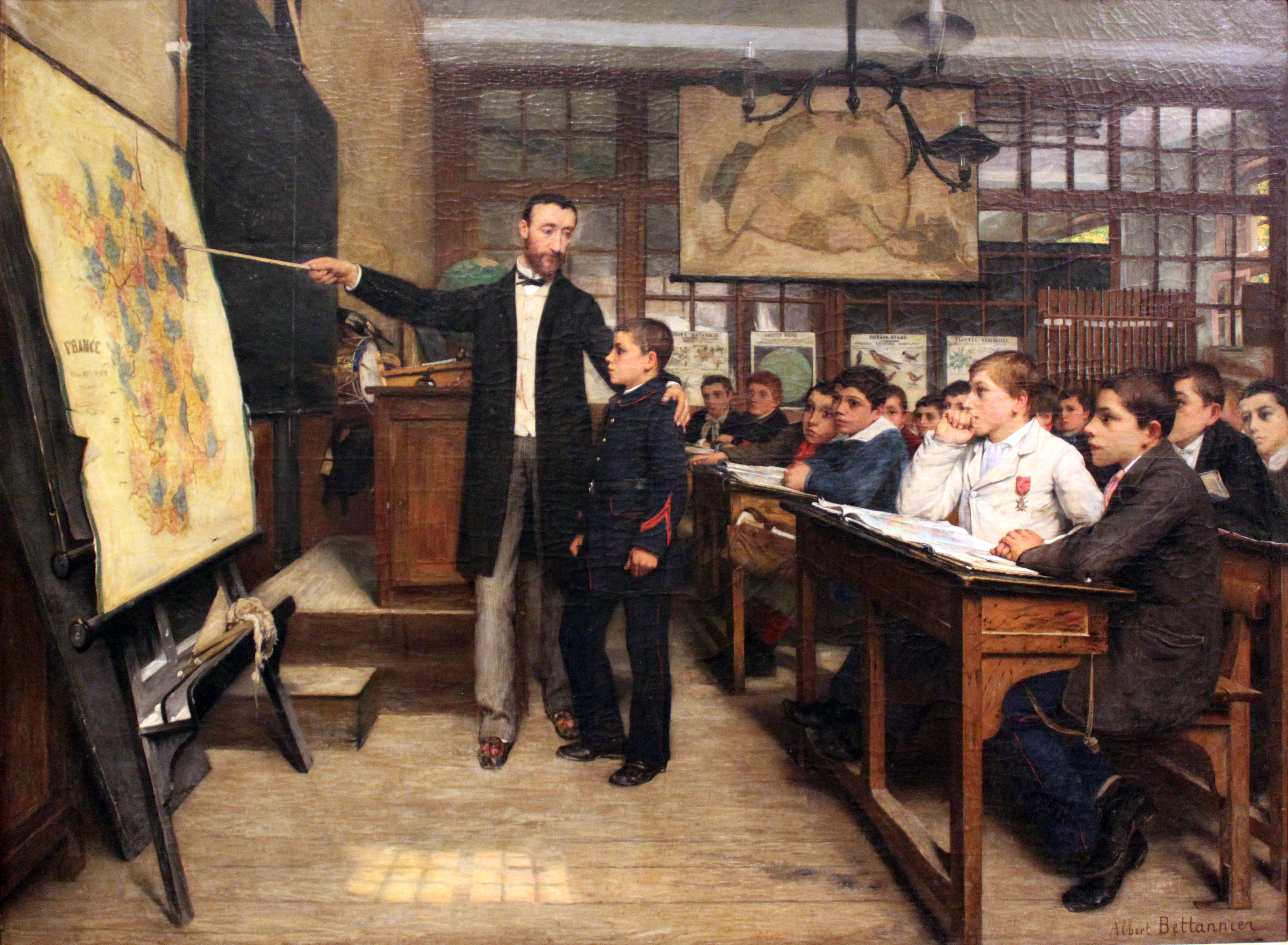
- Schools: Beyond reading and writing, schools act as an agent of socialization by teaching formal academic knowledge and the hidden curriculum of broader cultural values. The "hidden curriculum" includes teaching punctuality, respect for authority, and patriotism—the unwritten rules of functioning in a society.
- Peer Groups: As children age, peer groups act as an agent of socialization by allowing children to form relationships and escape the direct supervision of adults. This is where adolescents test boundaries and form subcultural identities.
- Mass Media: Modern culture is heavily mediated. Mass media acts as a major agent of socialization by transmitting standardized cultural messages and norms to a large, diverse audience.
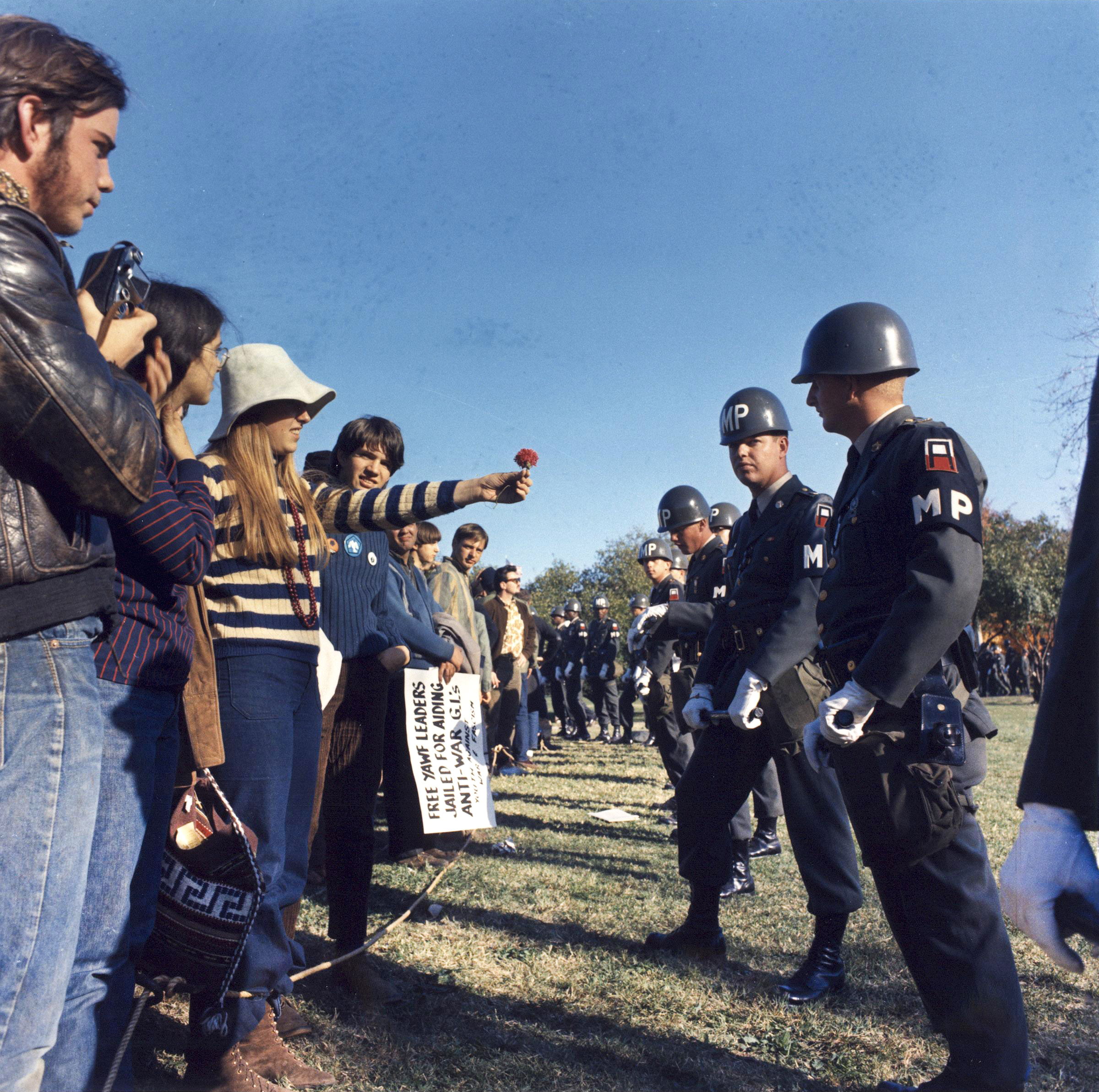
Any complex society contains internal diversity. When a group develops distinct behavioral patterns, a subculture forms. A subculture is a group of people whose values and norms of behavior differ to some degree from those of the dominant culture. The critical distinction for your exam is that members of a subculture still participate in and share the broader values of the dominant culture. (Think of high school theater kids, avid surfers, or military personnel).
Conversely, a counterculture is a subculture created as a direct reaction against the values of the dominant culture. Here, members of a counterculture actively reject and oppose the broader values of the dominant culture. The hippie movement of the 1960s, which rejected consumerism and the Vietnam War, is a classic historical example.
When humans encounter cultures different from their own, a cognitive friction occurs. Historically, humans default to ethnocentrism, which is the practice of judging another culture entirely by the standards and values of one's own culture. This naturally leads to bias, as ethnocentrism often involves the belief that one's own culture is superior to all other cultures.
To counter this in the social sciences, Anthropologist Franz Boas popularized the concept of cultural relativism in the early twentieth century. Cultural relativism is the practice of evaluating a culture by its own standards rather than through the lens of another culture. Boas taught that you cannot accurately study the rituals of an Indigenous tribe by measuring them against the Victorian etiquette of 19th-century Europe. You must judge the culture on its own internal logic.
Culture is never static. New technologies emerge, borders become porous, and ideas migrate. Cultural diffusion is the process by which a cultural item or idea spreads from one group or society to another. Today, this diffusion happens at lightning speed because of globalization, which refers to the worldwide integration of international trade, finance, and culture into a highly interconnected network.
By wiring the planet together, globalization accelerates cultural diffusion by drastically increasing contact between distinct, geographically separated societies. When a teenager in Japan watches an American superhero film on an iPhone built in China, they are participating in globalization.
This massive exchange leads to profound macro-level shifts:
- Cultural leveling is the process by which different cultures approach each other as a result of extensive travel and communication. (The phenomenon of finding a McDonald's in Paris, Cairo, and Tokyo).
- Cultural imperialism is the extensive infusion of one powerful nation's culture into other nations. This is a power dynamic where a dominant nation displaces indigenous cultures through media, corporate influence, or economic pressure.

When minority groups migrate into dominant cultures, the adaptation process takes three distinct forms. You must be able to differentiate these on the 5081 exam:
| Adaptation Process | Definition | Example |
|---|---|---|
| Assimilation | The process by which a minority individual or group takes on the characteristics of the dominant culture. | Immigrants abandoning their native tongue entirely to speak only English. |
| Acculturation | The process of adopting the cultural traits of another group while still retaining distinct elements of the original culture. | A family celebrating the 4th of July but still speaking Korean at home and observing Chuseok. |
| Syncretism | The blending of traits from two different cultures to form a new, original cultural trait or practice. | The creation of Voodoo in Louisiana (blending West African religions with French Catholicism) or Tex-Mex cuisine. |
The Speed of Change: Cultural Lag
Finally, change does not happen evenly, a reality that often sparks societal tension. Cultural lag occurs when a society's material culture changes faster than its nonmaterial culture. (For the exam: Sociologist William F. Ogburn coined the term cultural lag in his 1922 book Social Change.)
Why is Ogburn's concept vital today? Because cultural lag creates social disruption because technological advancements outpace the development of corresponding social norms and laws.
Think about the modern internet. The material culture (artificial intelligence, social media algorithms, deepfake technology) evolved exponentially in just a few years. However, our nonmaterial culture (copyright laws, privacy norms, ethical guidelines for AI use) is still struggling to catch up. The resulting chaos—the lack of clear rules or legal frameworks—is the exact "social disruption" Ogburn described over a century ago.

As a social studies teacher, you are the bridge across this lag. By teaching your students the mechanics of culture—how it forms, how it is transmitted, and how it changes—you empower them not just to survive the operating system, but to rewrite it.