Fiscal and Monetary Policy
Not sure you’re ready?
Take the ~3-minute readiness diagnostic and see where you stand.
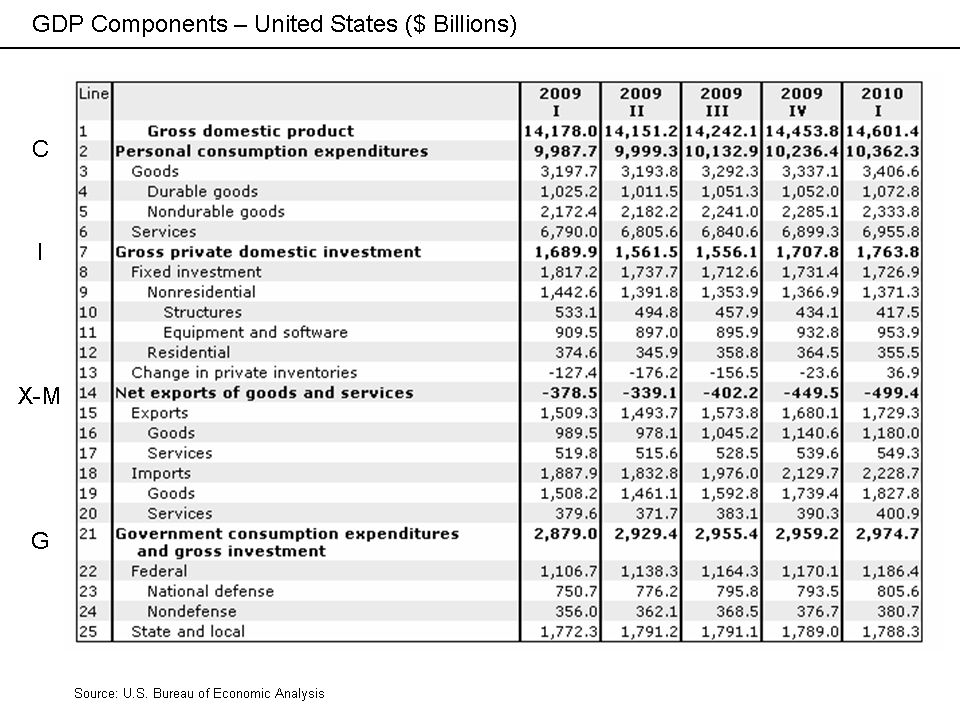
The modern macroeconomic system operates as a massive, continuous feedback loop of human behavior and institutional architecture. Imagine the United States economy as an immense hydraulic engine. The fluid driving this engine is human transaction—the buying and selling of everything from a tank of gas to a newly constructed factory. The total pressure of the fluid moving through this system is aggregate demand, which represents the total quantity of all goods and services demanded by the economy at different price levels.
As a future social studies teacher, you will soon find your students asking why finding a summer job is suddenly so difficult, or why a used car costs exponentially more than it did three years ago. To explain this to them, you must show them the hidden levers controlling this engine. Aggregate demand is not an abstract concept; it is the sum of four highly tangible components: consumer spending, investment spending, government spending, and net exports. When the engine runs too hot or too cold, the federal government and the central bank manipulate these variables through fiscal and monetary policy to restore equilibrium.
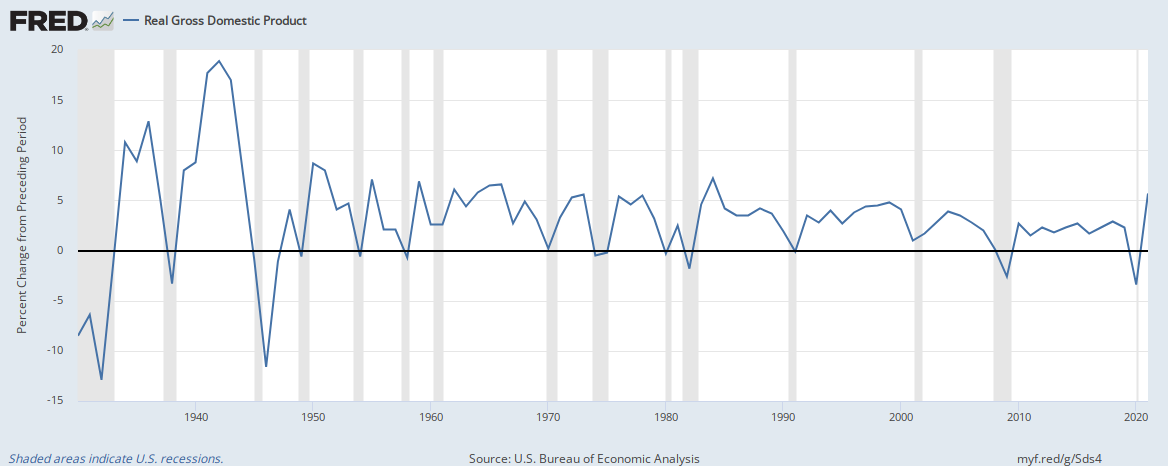
The economy does not grow in a perfectly straight line; it breathes. This rhythmic expansion and contraction of economic activity over time is known as the business cycle. The business cycle consists of four distinct sequential phases that govern the historical eras you will teach, from the Roaring Twenties to the Great Recession.
- Expansion: This is a phase of the business cycle characterized by increasing economic activity. Businesses are hiring, consumer confidence is high, and production is ramping up.
- Peak: Eventually, the expansion reaches its physical or psychological limit. A peak is the highest point of economic output before a contraction begins in the business cycle.
- Contraction: This is a phase of the business cycle characterized by decreasing economic activity. Consumer spending drops, businesses lay off workers, and production slows.
- Trough: Just as a peak precedes a fall, a trough is the lowest point of economic output before an expansion begins in the business cycle.
When a contraction is particularly severe, we enter a recession. Economists and historians look for a specific metric: a recession is typically defined as two consecutive quarters of negative gross domestic product (GDP) growth.
What Triggers a Recession? Economic Shocks
Recessions rarely happen without a catalyst. They are frequently triggered by sudden, severe disruptions known as economic shocks.
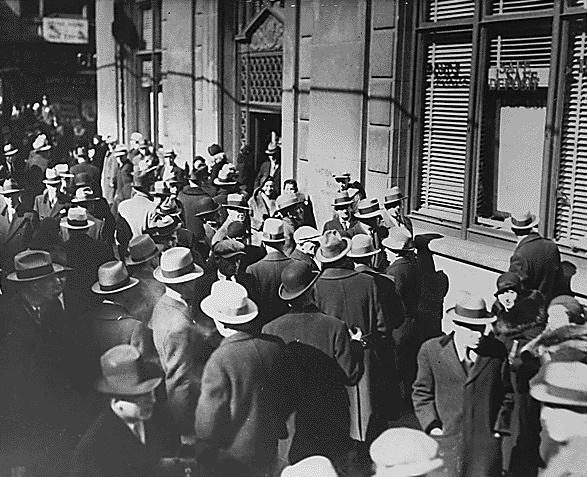
- Negative demand shocks cause sudden decreases in overall consumer spending. Imagine a sudden banking panic or a global pandemic that causes consumers to abruptly board up their wallets. Because aggregate demand plummets, negative demand shocks can trigger economic recessions.
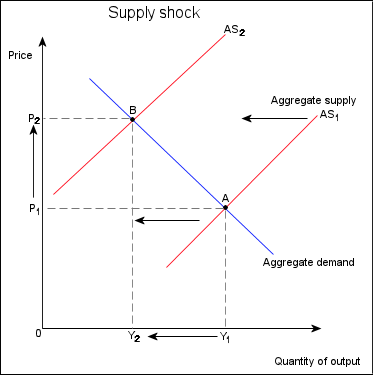
- Negative supply shocks cause sudden increases in aggregate production costs. The 1970s oil crises are perfect historical examples for your classroom. An embargo suddenly made the cost of energy skyrocket. Thus, negative supply shocks can trigger economic recessions by forcing businesses to drastically cut production and raise prices simultaneously.
To understand how the government mitigates these shocks, we must first understand the fundamental nature of the fluid in our engine: money. Money is not just green paper; it is a profound social technology that solves massive logistical problems.
Money serves three vital functions:
- It serves as a medium of exchange by facilitating transactions without the need for a highly inefficient barter system. (You do not need to trade three chickens for a textbook).
- It serves as a unit of account by providing a standard measure of value for goods and services. (It allows us to intuitively compare the value of a high school teacher's hour of labor against the cost of a cup of coffee).
- It serves as a store of value by retaining purchasing power over time. (You can earn a wage today and confidently spend it next year).
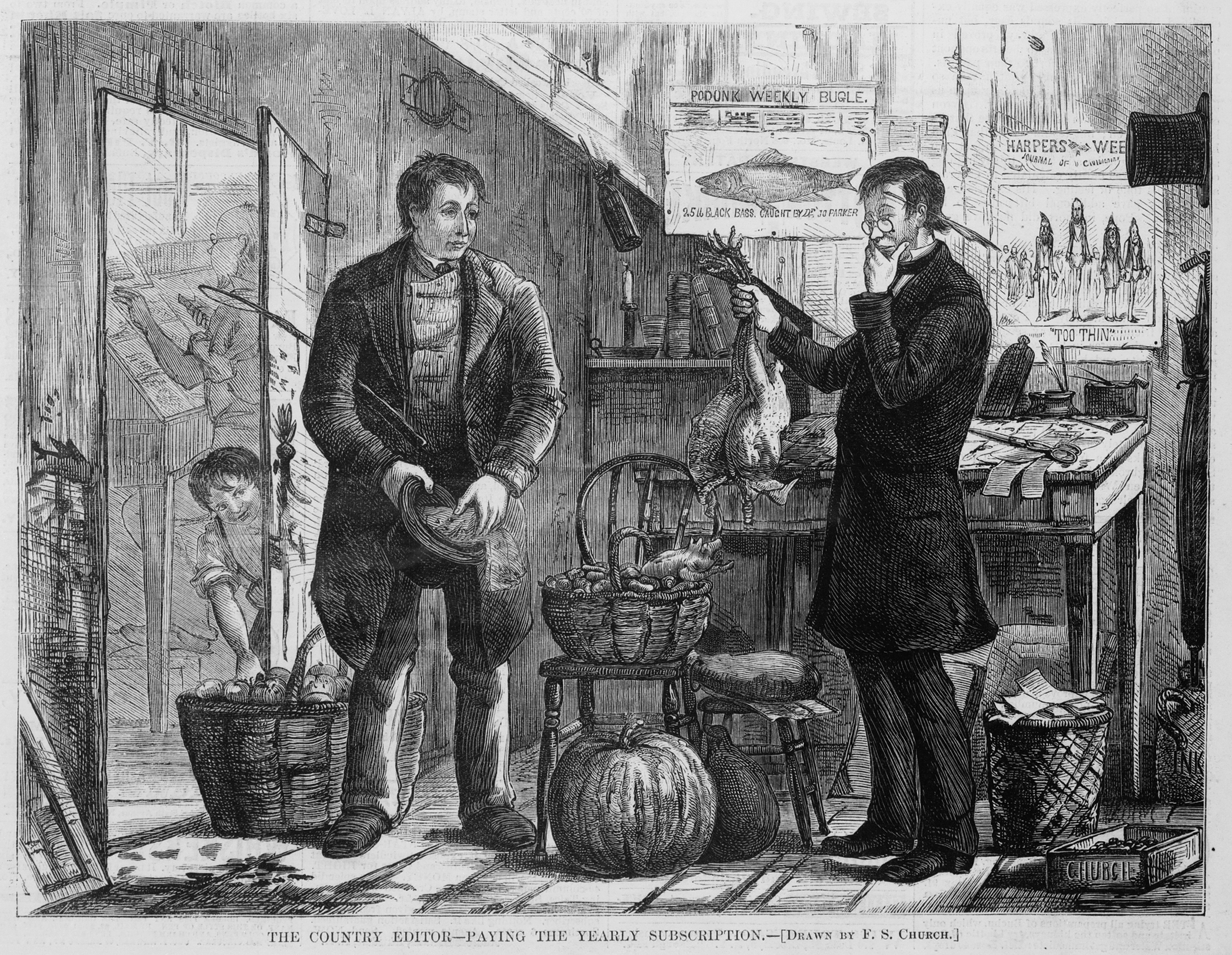
Historically, humanity relied on commodity money, which has intrinsic value derived from the physical material making up the currency—like gold or silver coins. Today, modern economies use fiat money. Fiat money has no intrinsic physical value; the paper it is printed on is essentially worthless. Instead, fiat money derives its value entirely from government decree and the collective trust of the people using it.
The Alchemy of the Banking System
One of the most mind-bending concepts you must teach your students is that the government is not the only entity that creates money. Commercial banks create money every single day.
They do this through fractional reserve banking. Under this system, banks do not keep every deposited dollar in the vault. Fractional reserve banking allows banks to keep only a specific percentage of their deposits in reserve, lending the rest out to borrowers.
If a student deposits $1,000 into a bank, the bank might hold $100 in reserve and lend out $900 to a local bakery. The bakery uses that $900 to buy ovens, and the oven manufacturer deposits that $900 into their bank, which then lends out $810. Through this cascading mathematical sequence, fractional reserve banking enables commercial banks to create new money through the lending process.
The theoretical limit of this creation is governed by the money multiplier, a formula that determines the maximum amount of new money a banking system can create from a single initial deposit.
To prevent the banking system from collapsing under its own weight, and to manage the wild swings of the business cycle, the United States relies on a central bank. The Federal Reserve is the central banking system of the United States. Following a series of devastating financial panics, the United States Congress established the Federal Reserve in 1913.
The Federal Reserve—often just called "the Fed"—does not exist merely to print currency. The Federal Reserve operates under a dual mandate established by Congress. This dual mandate requires the pursuit of maximum sustainable employment and the pursuit of stable prices (controlling inflation).
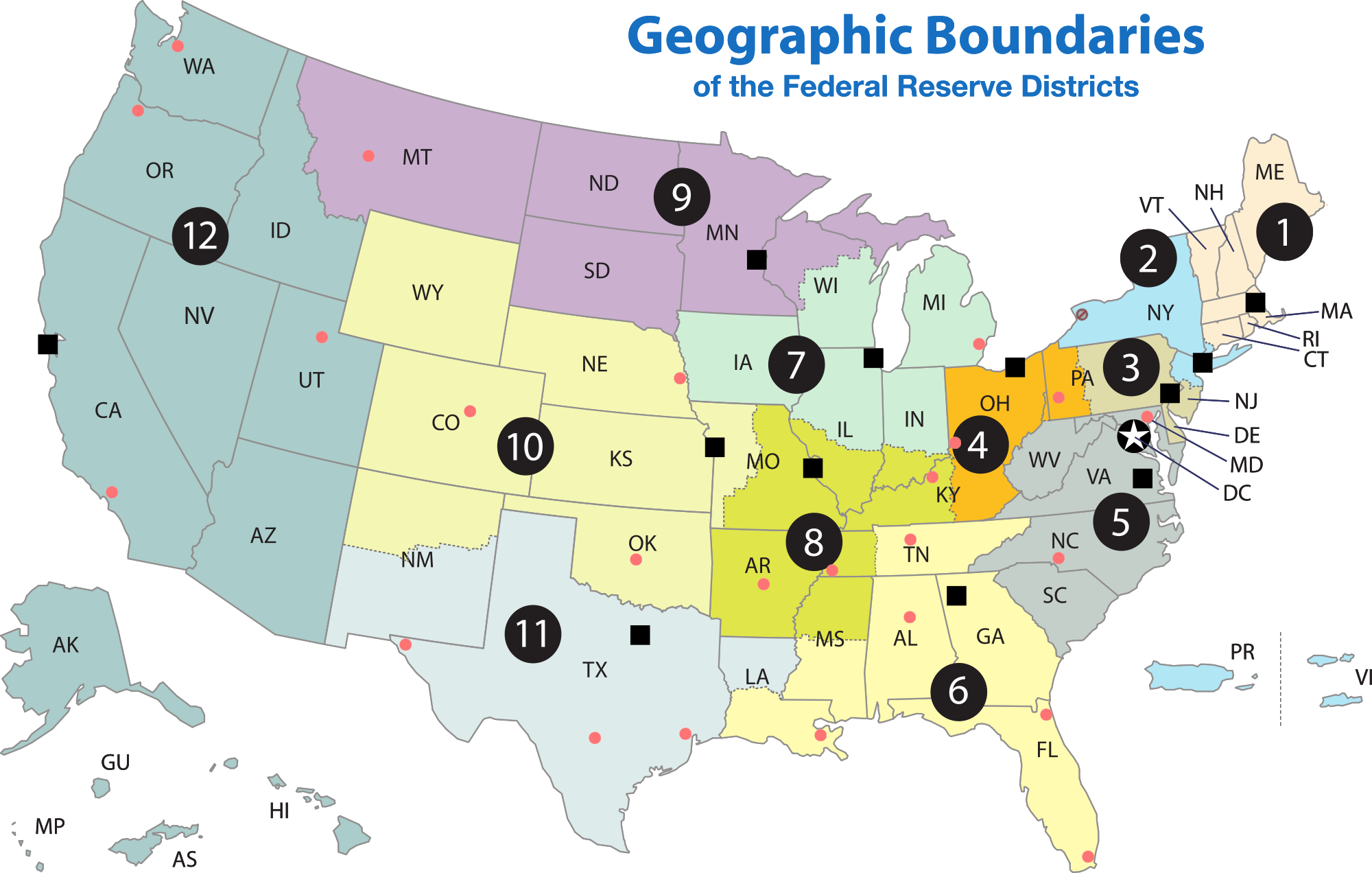
To achieve this dual mandate, the Fed relies on monetary policy. Monetary policy involves the management of the money supply and the management of interest rates to influence macroeconomic conditions.
Expansionary vs. Contractionary Monetary Policy
- Expansionary monetary policy lowers interest rates to stimulate borrowing by consumers and businesses. By making loans cheaper, it stimulates aggregate demand and helps pull the economy out of a trough.
- Contractionary monetary policy raises interest rates to reduce borrowing by consumers and businesses. By making loans expensive, it reduces aggregate demand, deliberately cooling off an economy that is growing too fast and causing inflation.
The Federal Funds Rate and Interest
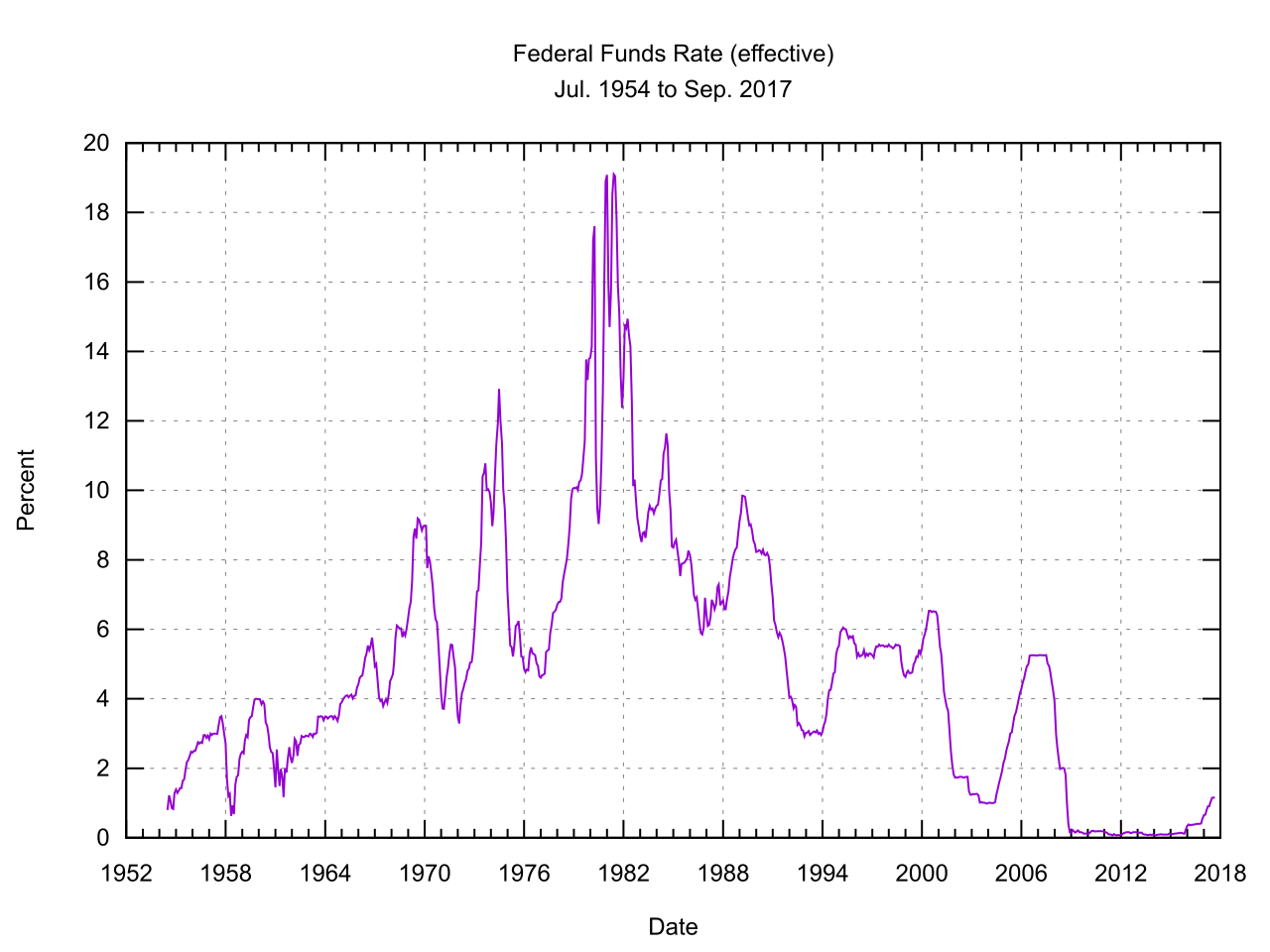
The primary heartbeat of the U.S. financial system is the federal funds rate. This is the interest rate at which depository institutions lend reserve balances to other depository institutions overnight. To ensure they meet daily regulatory requirements, banks constantly lend cash back and forth.
The Federal Reserve directly sets a target range for the federal funds rate. Why does an overnight lending rate between giant banks matter to a high school student buying a car? Because changes in the federal funds rate strongly influence other consumer and business interest rates throughout the economy. When the federal funds rate goes up, mortgage rates, credit card rates, and auto loan rates inevitably follow.
The Four Tools of the Federal Reserve
How does the Fed actually manipulate the money supply and interest rates to hit that target federal funds rate? It has four major mechanical levers:
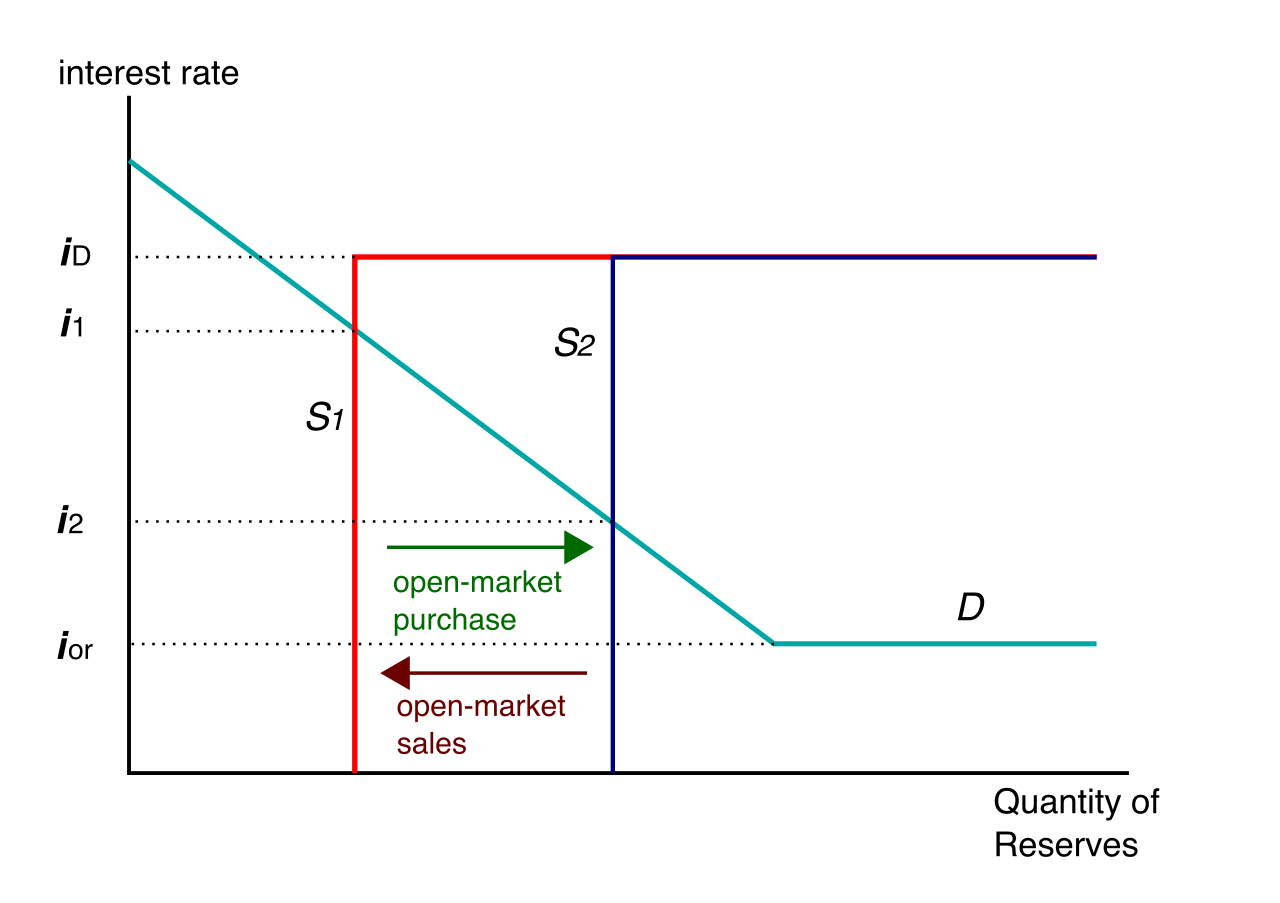
1. Open Market Operations (OMOs) This is the most frequently used tool. Open market operations involve the buying and selling of government securities (like Treasury bonds) by a central bank. The Federal Open Market Committee (FOMC) is responsible for directing open market operations in the United States.
- A central bank buying government securities directly increases the money supply. (The Fed takes bonds from banks and magically replaces them with newly created cash, giving banks more money to lend).
- A central bank selling government securities directly decreases the money supply. (The Fed gives bonds to banks and vacuums up their cash, leaving them with less to lend).
2. The Discount Rate While banks usually borrow from each other overnight, they can also borrow directly from the Fed. The discount rate is the interest rate charged to commercial banks for loans received directly from a central bank.
- Lowering the discount rate encourages commercial banks to borrow more reserve funds, which consequently increases the overall money supply.
- Raising the discount rate discourages commercial banks from borrowing reserve funds, which decreases the overall money supply.
3. The Reserve Requirement The Fed can simply change the rules of the fractional reserve banking system. The reserve requirement is the percentage of total deposits a bank must hold as cash or on deposit with a central bank.
- Lowering the reserve requirement allows commercial banks to lend a larger portion of their customer deposits, which dramatically increases the money supply.
- Raising the reserve requirement restricts the lending capacity of commercial banks, forcing them to pull back on loans, which decreases the money supply.
4. Interest on Reserve Balances (IORB) Since the 2008 financial crisis, the Fed has heavily relied on a modern tool. The interest on reserve balances is the rate paid by the Federal Reserve to commercial banks holding excess funds at the central bank.
- Raising the interest rate on reserve balances incentivizes commercial banks to hold more reserves instead of lending them out to the public, shrinking the money circulating in the economy.
- Lowering the interest rate on reserve balances disincentivizes holding cash at the Fed; it incentivizes commercial banks to lend more money to the public to seek higher returns.
While the unelected Federal Reserve manages monetary policy, elected politicians control the other half of the macroeconomic engine: fiscal policy.
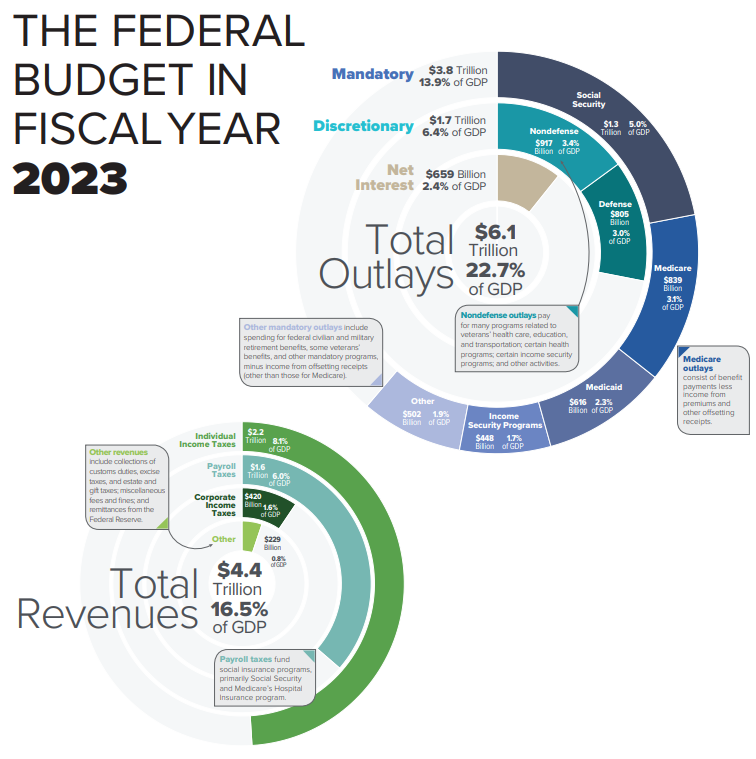
Fiscal policy involves the use of government spending and the use of government taxation to influence the economy. In the United States, fiscal policy is determined by the legislative and executive branches of the federal government (Congress passes the budget and tax laws; the President signs and executes them).
Just like monetary policy, fiscal policy can be used to either speed up or slow down the macroeconomic engine.
| Policy Type | Goals and Actions | Impact on the Government Ledger |
|---|---|---|
| Expansionary Fiscal Policy | Aims to stimulate economic growth during a recession. It intentionally increases aggregate demand. <br><br>Tools include: <br>1. Decreasing income taxes (giving consumers more disposable income).<br>2. Increasing government spending (directly buying goods/services, like funding infrastructure projects). | Because the government is slashing taxes while simultaneously spending more, expansionary fiscal policy often leads to a national budget deficit. A budget deficit occurs when government spending exceeds government revenue within a specific fiscal period. |
| Contractionary Fiscal Policy | Aims to slow down an overheating economy to fight rampant inflation. It intentionally decreases aggregate demand. <br><br>Tools include:<br>1. Increasing income taxes (pulling money out of consumers' pockets).<br>2. Decreasing government spending (halting federal projects and grants). | Because the government is collecting more in taxes while spending less, contractionary fiscal policy can lead to a national budget surplus. A budget surplus occurs when government revenue exceeds government spending within a specific fiscal period. |
Synthesis for the Exam
As you prepare for your Praxis 5081 exam, synthesize these two halves of the macroeconomic system. If a test scenario presents a nation suffering from a trough caused by a negative demand shock, look for a combination of expansionary tools. You should expect to see the Federal Reserve buying bonds, lowering the discount rate, and lowering reserve requirements, while Congress actively increases government spending and decreases taxes, readily accepting a budget deficit to jump-start aggregate demand.
Conversely, if the economy is overheating at a dangerous peak, look for contractionary measures: the FOMC selling securities, the Fed raising interest on reserve balances, and Congress increasing taxes.
By mastering the mechanical cause-and-effect of these levers, you will not only conquer your exam, but you will possess the ability to demystify the seemingly chaotic global economy for your future students, transforming them into economically literate citizens.