Sectionalism and the Civil War
Not sure you’re ready?
Take the ~3-minute readiness diagnostic and see where you stand.
Geological fault lines often sit silent for centuries before a sudden, devastating rupture. The American Civil War was not a spontaneous earthquake; it was the inevitable, violent release of tectonic pressures that had been grinding together since the nation’s founding. Two distinct societies shared a single constitutional landmass, and their incompatible systems of labor and economics ultimately broke the republic in two. For the aspiring social studies educator, understanding this era requires looking past the battlefield to the very machinery of the 19th-century American economy and political system. You cannot simply teach your students when the war happened; you must show them the inescapable physics of why it happened.
To help your future students grasp the buildup to the Civil War, you must first introduce them to the concept of sectionalism.
Sectionalism is loyalty to the interests of a specific region of the country rather than to the nation as a whole.
This was not merely a cultural preference; it was a matter of economic survival. By the early 19th century, the United States was effectively operating as two divergent economic systems.
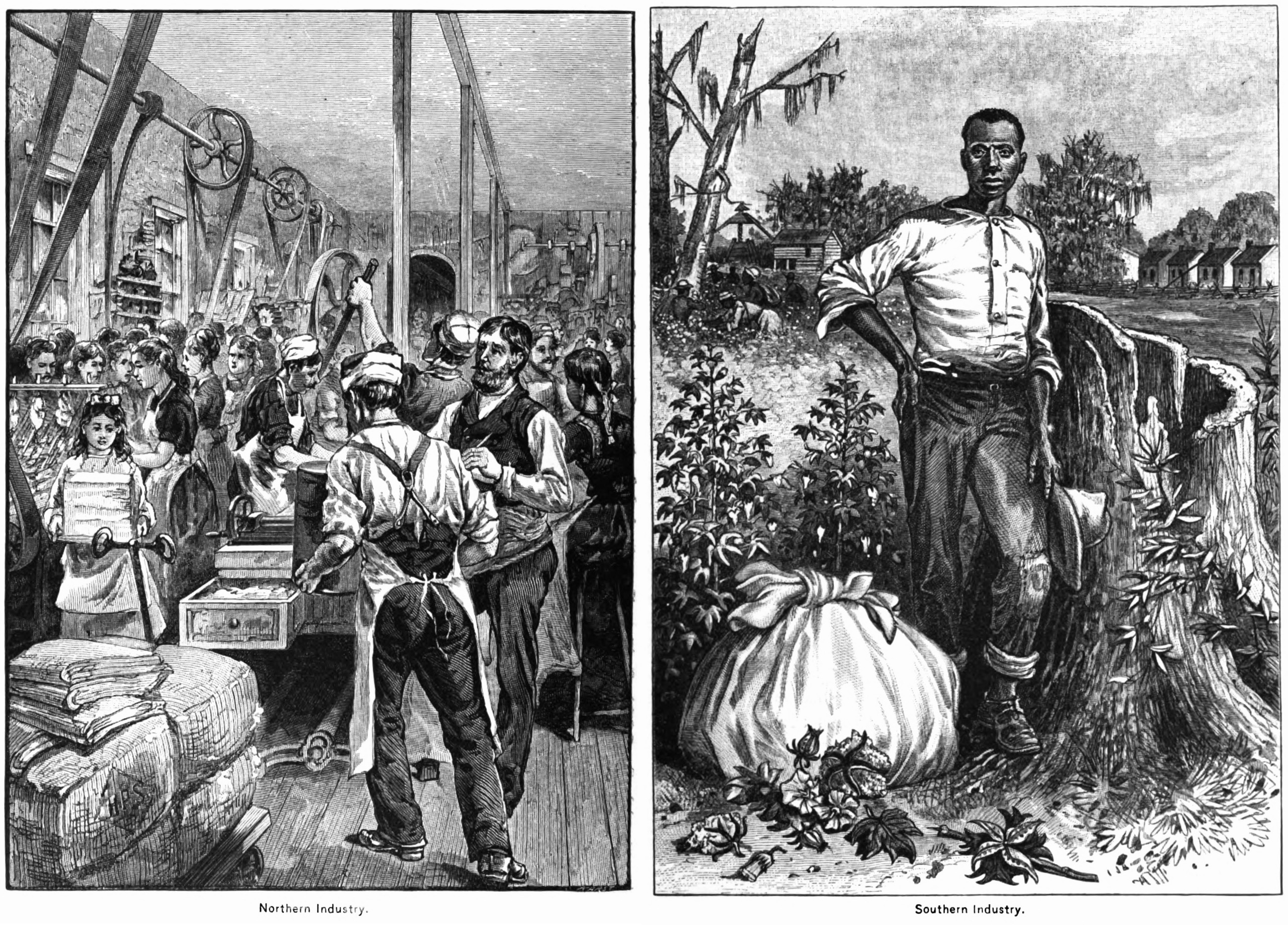
The Northern economy in the 19th century became increasingly industrialized. Factories, textile mills, and complex railroad networks defined the landscape. Crucially, the 19th-century Northern economy relied heavily on free wage labor. Conversely, the Southern economy in the 19th century remained predominantly agrarian. Its wealth was tied to the soil, and the 19th-century Southern economy was heavily dependent on enslaved labor.
The Invention That Altered History
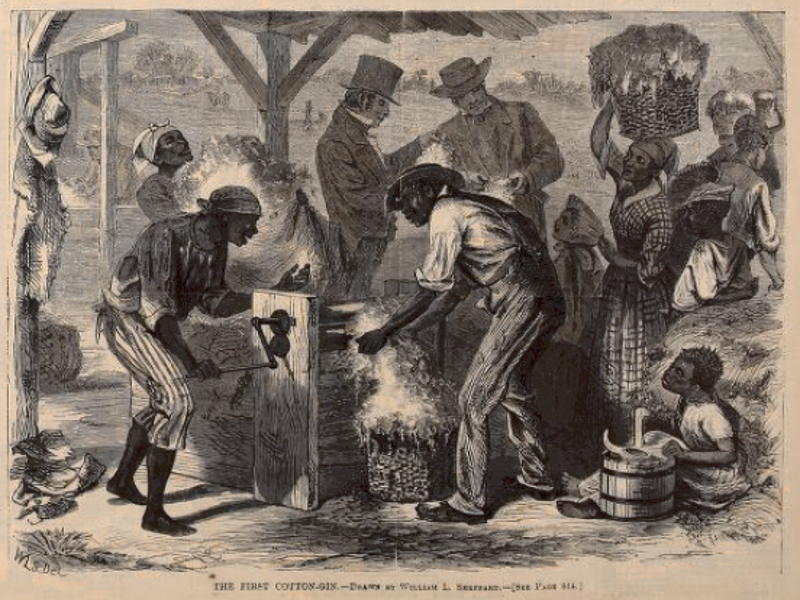
If you want to show your students how technology changes human destiny, look to 1793. That year, Eli Whitney invented the cotton gin. Before the cotton gin, separating cotton seeds from the fiber was so labor-intensive that cotton was barely profitable. The invention of the cotton gin dramatically increased the profitability of cotton cultivation.
But this technological leap had a dark consequence. Instead of reducing the need for labor, the invention of the cotton gin solidified the Southern reliance on slavery. The demand for enslaved labor skyrocketed as plantation owners rushed to cultivate more land to feed the global textile industry.
The Tariff Tug-of-War
When economies diverge, so do their political needs. A perfect example to illustrate this to your students is the debate over taxation.
Northern states generally supported protective tariffs to shield domestic manufacturing from foreign competition. They wanted imported goods to be expensive so Americans would buy Northern-made products. Southern states generally opposed protective tariffs because tariffs raised the cost of imported manufactured goods, which the agrarian South had to purchase.
This economic friction ignited a constitutional crisis. Feeling economically strangled, South Carolina passed the Ordinance of Nullification in 1832 to declare federal tariffs unconstitutional. Though military confrontation was narrowly avoided, the Nullification Crisis highlighted the ongoing tension between federal authority and the concept of states' rights. The fault line was visibly fracturing.
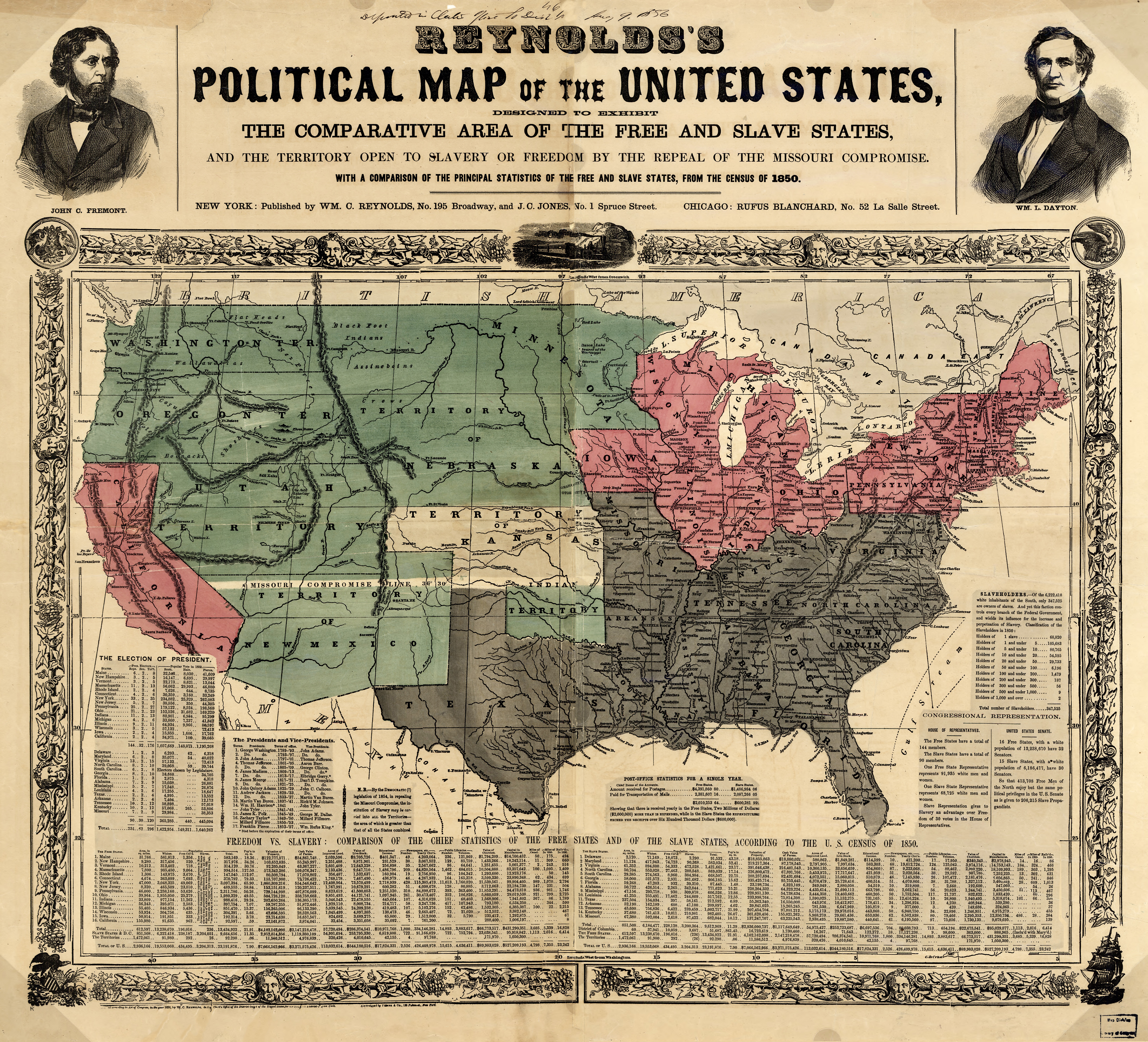
When you step into the classroom, you will encounter various myths about the cause of the Civil War. It is imperative to be historically precise: the primary political conflict leading to the Civil War was the debate over the expansion of slavery into newly acquired western territories. The South needed new slave states to maintain congressional power; the North wanted western lands reserved for free wage laborers.
Congress attempted to manage this through a series of increasingly fragile geographic compromises.
| Compromise | Key Provisions | Significance |
|---|---|---|
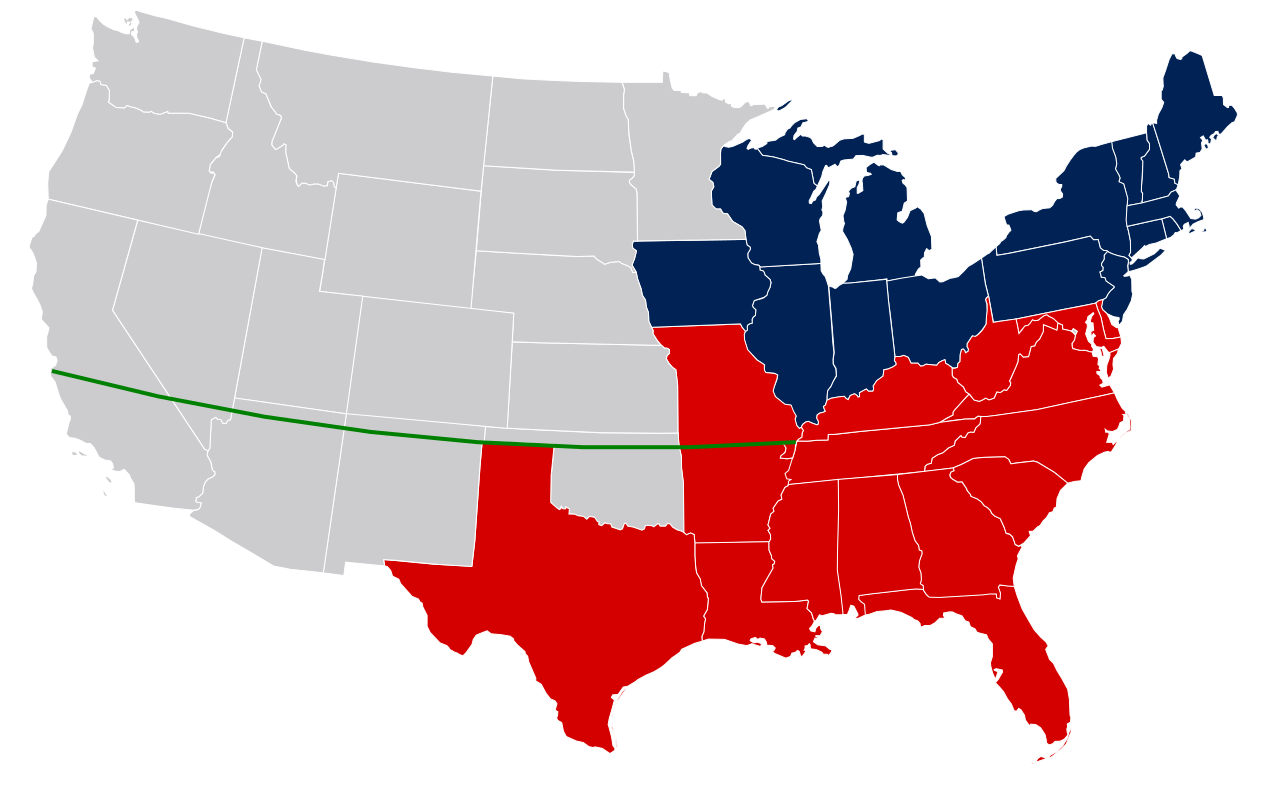
| The Missouri Compromise of 1820 | - Admitted Missouri to the Union as a slave state.<br>- Admitted Maine to the Union as a free state.<br>- Prohibited slavery in the Louisiana Territory north of the 36°30' parallel. | Maintained the balance of power in the Senate and temporarily pacified sectional tensions by drawing a literal line across the map. |
| The Wilmot Proviso (1846) | An unsuccessful proposal to ban slavery in territory acquired from Mexico. | The Wilmot Proviso deepened sectional divides by forcing national politicians to vote directly on the expansion of slavery. It proved the issue could no longer be ignored. |
| The Compromise of 1850 | - Admitted California to the Union as a free state.<br>- Included the passage of a strict federal Fugitive Slave Act. | Attempted to resolve the territorial spoils of the Mexican-American War but introduced laws that made the conflict deeply personal for ordinary citizens. |
The backlash to these policies birthed new political coalitions. Most notably, the Free Soil Party emerged in 1848 to oppose the expansion of slavery into western territories, laying the groundwork for the modern political landscape.
Economics and territorial maps explain the mechanics of the conflict, but you must also teach the moral dimension. As politicians debated lines on a map, a fierce abolitionist movement was taking root.
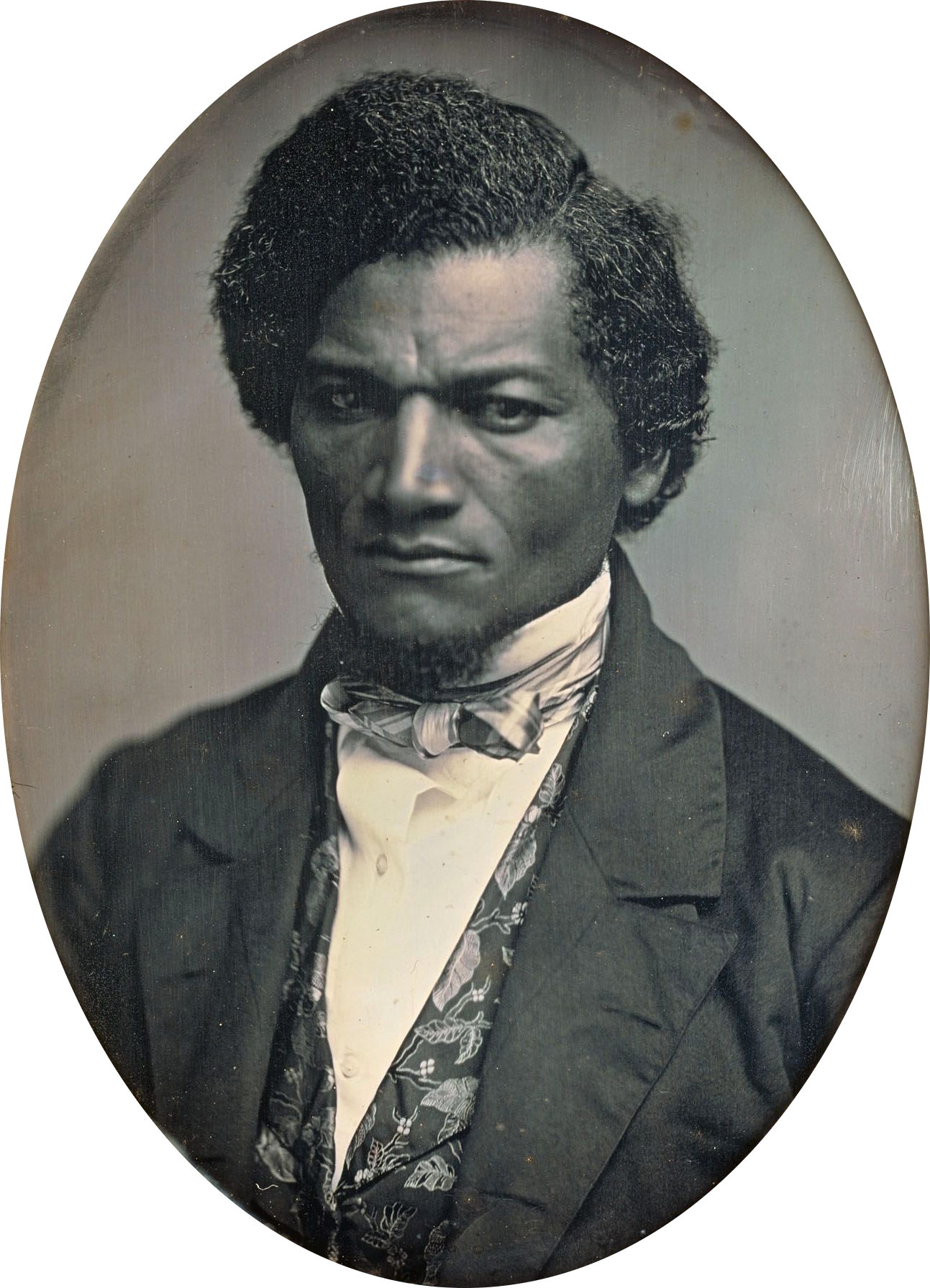
In 1831, William Lloyd Garrison founded the abolitionist newspaper "The Liberator". Unlike earlier moderates, "The Liberator" advocated for the immediate and uncompensated emancipation of all enslaved people. The movement found its most powerful voice in Frederick Douglass, an escaped enslaved man who became a prominent abolitionist orator and writer. Douglass’s brilliance dismantled the intellectual justifications for slavery.
Meanwhile, the legislative compromises were backfiring. The Fugitive Slave Act of 1850 radicalized many Northerners by legally requiring citizens to assist in capturing escaped enslaved people. It forced Northern citizens, who might have previously ignored the institution of slavery, to become complicit in its enforcement.
This radicalization was further fueled by literature. Harriet Beecher Stowe published the novel "Uncle Tom's Cabin" in 1852. The publication of "Uncle Tom's Cabin" significantly increased Northern abolitionist sentiment, transforming a political debate into an urgent moral crusade for millions of readers.
The final decade before the war reads like a chain reaction. Teach this era to your students as a series of dominoes falling.
1. The Kansas-Nebraska Act (1854): The federal government decided to abandon the geographic lines of the past. The Kansas-Nebraska Act of 1854 officially repealed the Missouri Compromise. Senator Stephen A. Douglas championed the doctrine of popular sovereignty during the 1850s. The Kansas-Nebraska Act instituted popular sovereignty to allow white male settlers to determine the slavery status of new territories.
2. Political Realignment & Guerrilla War: The outrage over the Kansas-Nebraska Act shattered old political alliances. The Republican Party was formed in 1854 primarily to stop the spread of slavery into the western territories. Meanwhile, out West, theory met bloody reality. "Bleeding Kansas" refers to the violent guerrilla warfare between pro-slavery and anti-slavery settlers in the Kansas Territory, acting as a grim preview of the impending national war.
3. The Supreme Court Weighs In (1857): The Supreme Court issued the Dred Scott v. Sandford decision in 1857, which poured gasoline on the fire. The Dred Scott decision ruled that Congress lacked the constitutional authority to ban slavery in federal territories. Shockingly, the Dred Scott decision also declared that Black people could not be citizens of the United States.
4. Harpers Ferry: The peaceful resolution window slammed shut when John Brown led an armed abolitionist raid on the federal armory at Harpers Ferry in 1859. Though the raid failed, John Brown's raid intensified Southern fears of Northern-backed slave rebellions. To the South, Brown was a terrorist; to many in the North, he was a martyr.
The final spark was democratic. Abraham Lincoln won the presidential election of 1860 without carrying a single Southern electoral vote. For the Southern elite, this signaled a total loss of national political power.
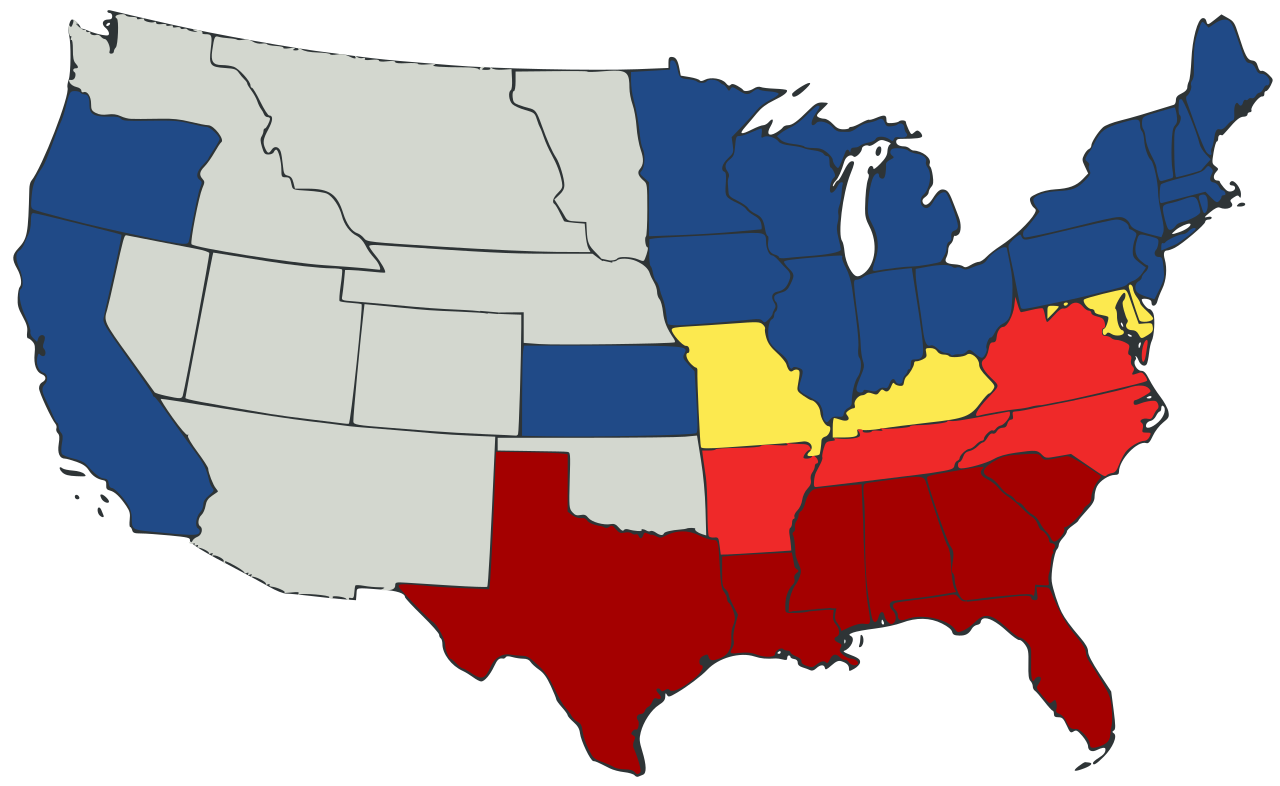
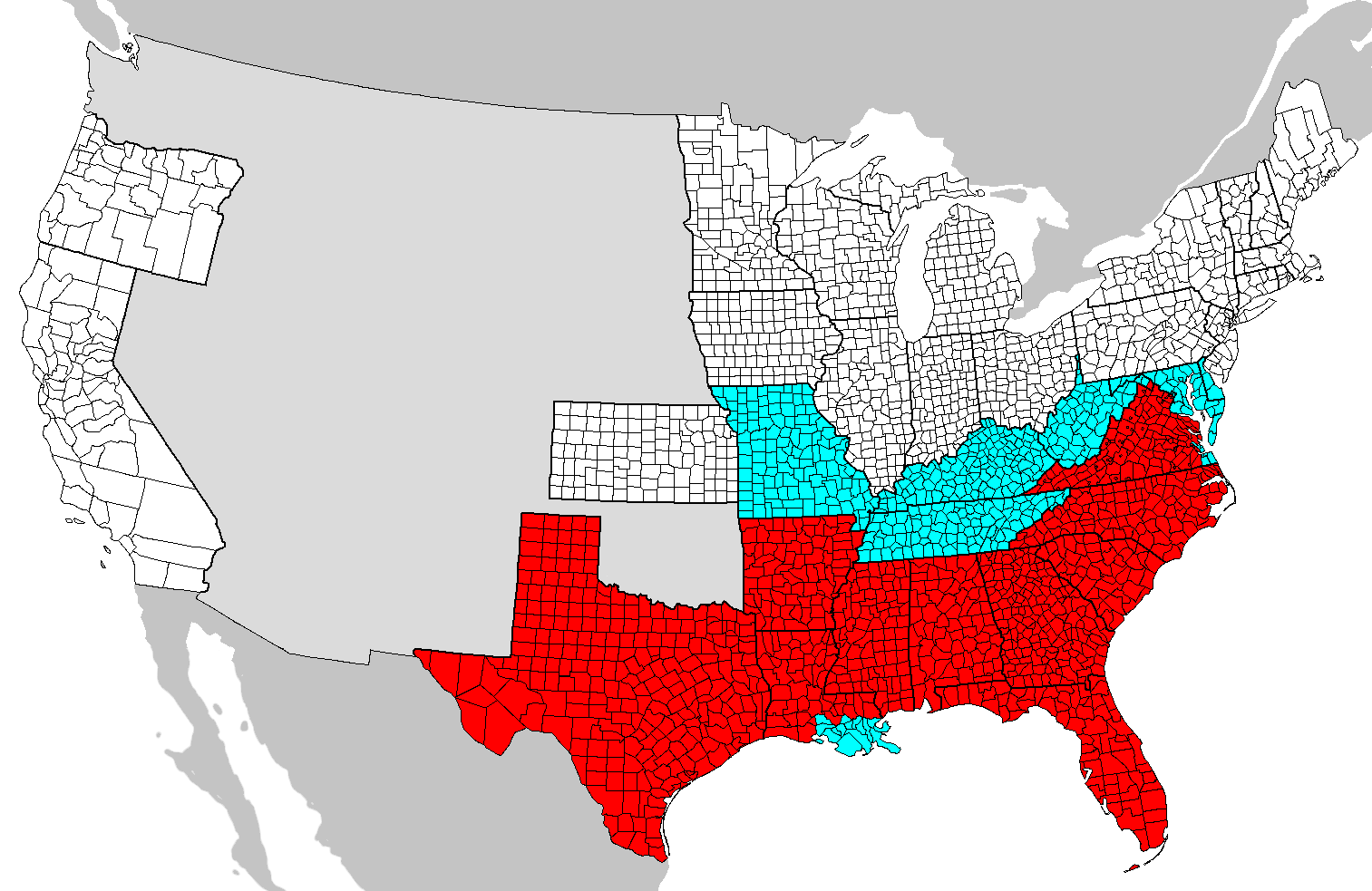
Believing their economic system was facing an existential threat, South Carolina became the first state to secede from the United States in December 1860. Others quickly followed, forming a new government. Jefferson Davis served as the President of the Confederate States of America.
The standoff exploded into violence when Confederate forces fired upon federal troops at Fort Sumter in South Carolina on April 12, 1861. The Confederate attack on Fort Sumter initiated the combat phase of the American Civil War.
Both sides initially believed the conflict would be a quick, glorious affair. That illusion died almost immediately. The First Battle of Bull Run in 1861 was the first major land battle of the American Civil War. The Union defeat at the First Battle of Bull Run demonstrated that the Civil War would be long and costly.
Competing Strategies
To secure victory, the North needed to conquer; the South only needed to survive.
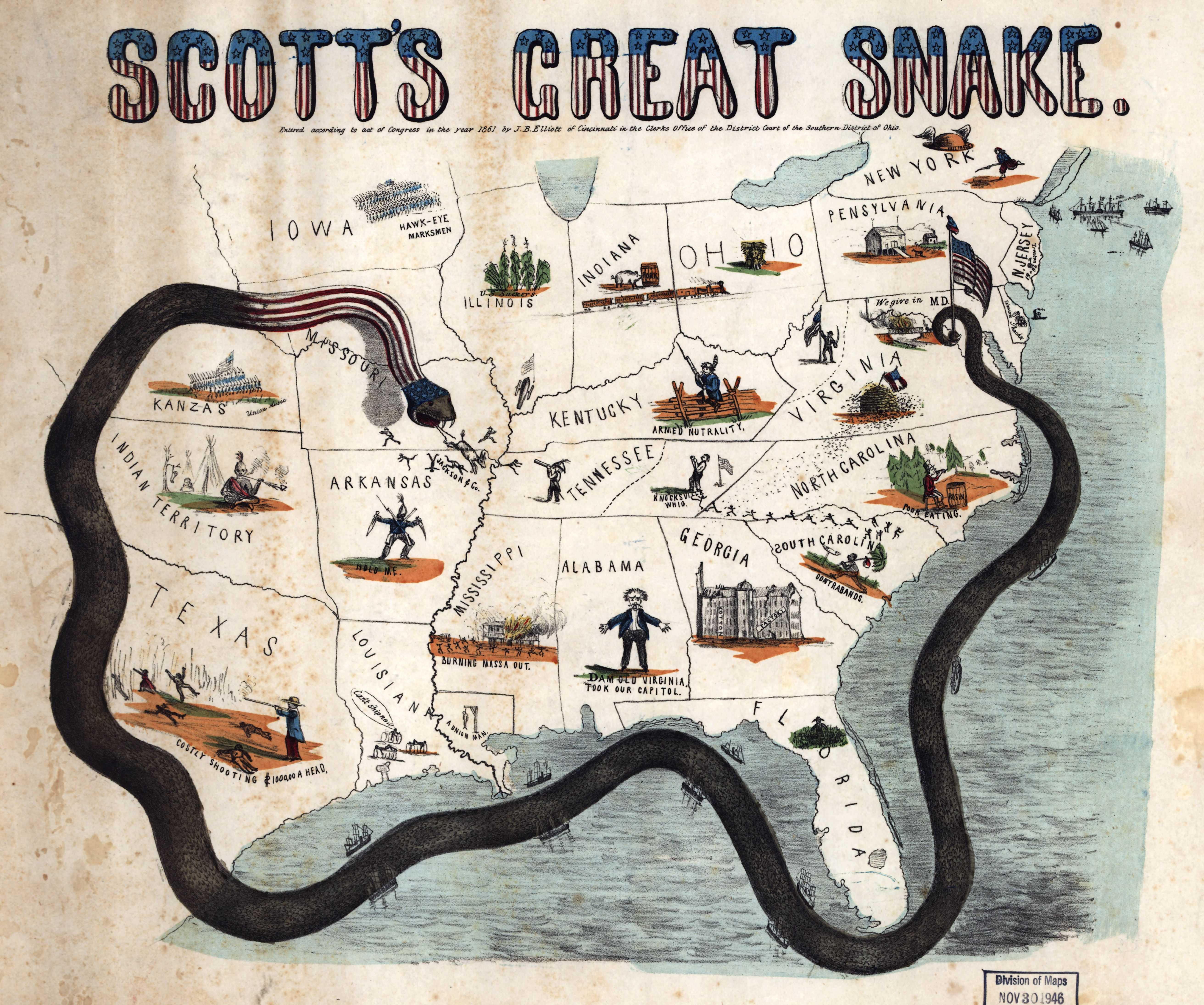
The Union implemented the Anaconda Plan, which was the initial Union strategy to defeat the Confederacy. Think of a constrictor snake slowly suffocating its prey.
- A key component of the Anaconda Plan involved establishing a naval blockade of Southern ports to choke off international trade (especially cotton exports).
- A key component of the Anaconda Plan involved gaining Union control of the Mississippi River to physically split the Confederacy in two.
The Confederate military relied on brilliant tactical leadership to overcome their numerical and industrial disadvantages. Robert E. Lee served as the commander of the Confederate Army of Northern Virginia. Beside him, Thomas "Stonewall" Jackson was a prominent Confederate general who played a crucial role in early Confederate victories.
Antietam and Emancipation
In the fall of 1862, Lee attempted an invasion of the North. The resulting clash, the Battle of Antietam in September 1862, remains the deadliest single-day battle in American military history.
Though tactically a draw, Lee's retreat made it a strategic win for the North. The Union strategic victory at Antietam provided Abraham Lincoln with the political capital to issue the Emancipation Proclamation.
Abraham Lincoln issued the final Emancipation Proclamation on January 1, 1863. This is a critical document to explain precisely to your students:
- The Emancipation Proclamation declared that all enslaved people in Confederate-held territory were legally free.
- It did not free enslaved people in the loyal border states.
- However, the Emancipation Proclamation officially transformed the objective of the Union war effort to include ending slavery, elevating the moral purpose of the war.
- Internationally, the Emancipation Proclamation discouraged European powers like Britain and France from formally recognizing the Confederacy, as their publics fiercely opposed slavery.
The summer of 1863 broke the back of the Confederacy. Two massive Union victories occurred almost simultaneously in July.
First, in the Eastern theater, Lee again invaded the North. The Battle of Gettysburg took place in Pennsylvania in July 1863. The Battle of Gettysburg is widely considered the military turning point of the Civil War due to the devastating losses suffered by the Confederate army, from which Lee's forces would never fully recover.
Simultaneously, in the Western theater, Union forces successfully captured the Confederate stronghold of Vicksburg on the Mississippi River in July 1863. The fall of Vicksburg successfully severed the Confederacy in two by securing Union control over the entire Mississippi River, fulfilling a vital objective of the Anaconda Plan.
The Era of Total War
Recognizing that the Confederacy needed to be destroyed materially as well as militarily, Ulysses S. Grant was appointed as the General-in-Chief of the Union Army in 1864. Grant understood the brutal math of attrition.
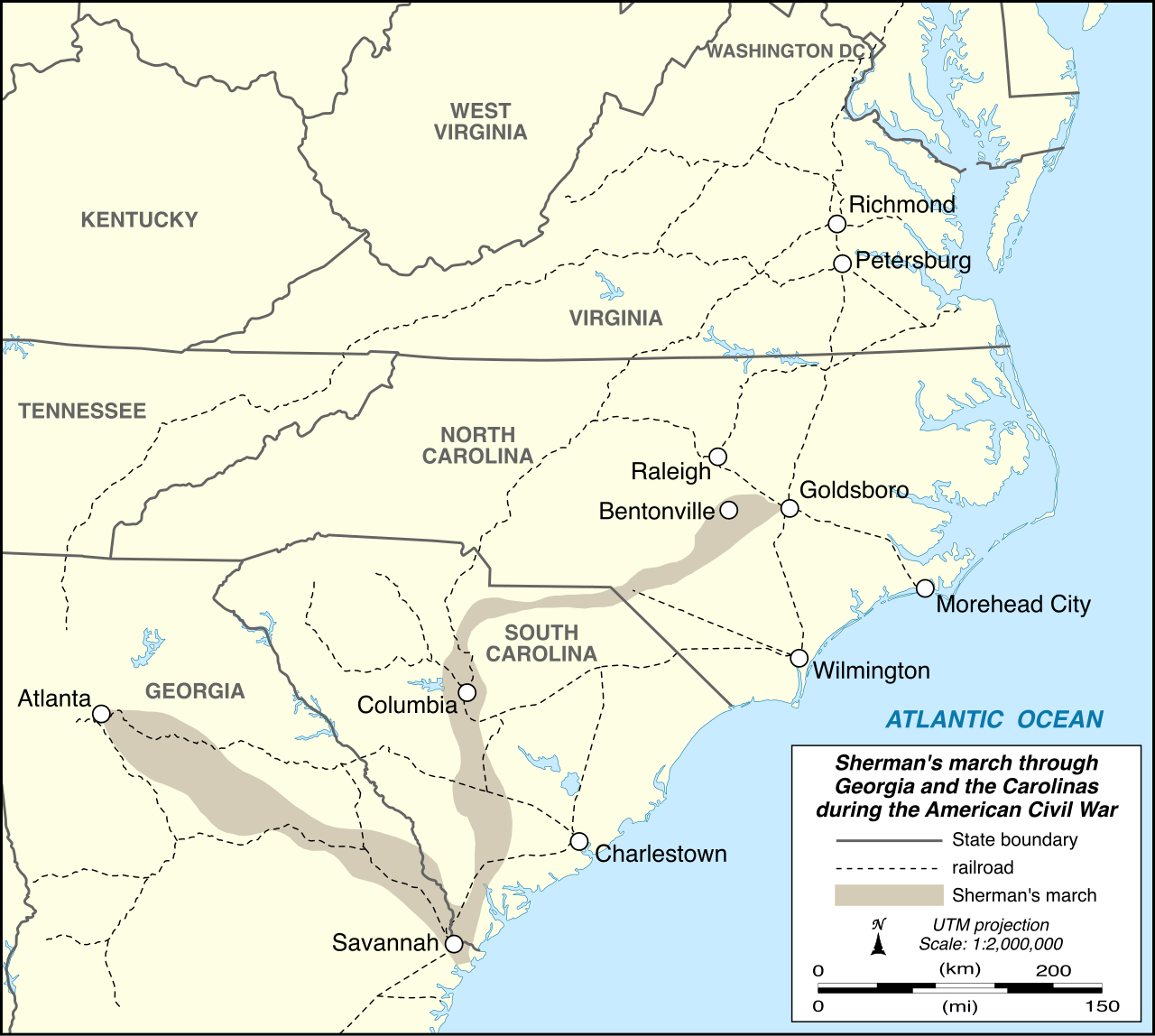
While Grant relentlessly pursued Lee in Virginia, he dispatched his trusted subordinate to the Deep South. General William T. Sherman's March to the Sea in 1864 involved a destructive military advance from Atlanta to Savannah. Sherman's March to the Sea utilized total war tactics to destroy Confederate infrastructure—tearing up railroads, burning crops, and destroying factories. Sherman's March to the Sea was designed to break the morale of the Southern civilian population, making it impossible for them to continue supporting the war effort.
Outmanned, outgunned, and starving, General Robert E. Lee surrendered to General Ulysses S. Grant at Appomattox Court House on April 9, 1865. The surrender at Appomattox Court House effectively marked the end of major Confederate military resistance.
The cost of resolving the nation's foundational contradictions was staggering. The American Civil War resulted in approximately 620,000 to 750,000 military deaths—representing roughly 2% of the entire American population at the time.
But from this immense bloodshed came a definitive constitutional rebirth. The Emancipation Proclamation was a wartime measure, but a permanent legal solution was required. The 13th Amendment to the United States Constitution was ratified in December 1865. The 13th Amendment formally abolished slavery throughout the entire United States, legally closing the darkest chapter of American history and setting the stage for the tumultuous era of Reconstruction.
When you teach this to your students, remind them: the Civil War was not a tragic accident. It was the brutal, necessary collision required to destroy an economic system built on human bondage, testing whether a nation conceived in liberty could long endure.