Territorial Expansion
Not sure you’re ready?
Take the ~3-minute readiness diagnostic and see where you stand.
The modern political map of the United States hanging in a secondary social studies classroom is not a static portrait; it is a dynamic ledger of aggressive ideological ambition, economic calculation, and systematic displacement. When we examine the continental borders from the Atlantic to the Pacific, we are observing the culmination of a century of feverish land acquisition. To understand U.S. territorial expansion is to understand a society acting as a thermodynamic engine—constantly requiring new fuel in the form of land to sustain its expanding population, its agricultural markets, and its foundational myths. For a social studies educator, teaching this era requires moving beyond the memorization of treaties; it demands tracing the profound cause-and-effect relationships connecting geography to economics, politics, and the human cost of empire-building.
Before the United States possessed the physical means to dominate the continent, it possessed the ideological framework to justify doing so.
In an 1845 essay, newspaper editor John L. O'Sullivan coined the term Manifest Destiny. This was not merely a catchy political slogan; Manifest Destiny asserted that the United States was divinely ordained to expand across the entire North American continent.
If you want to understand how a nation rationalizes rapid, often violent expansion, look at how it defines its purpose. Proponents of Manifest Destiny justified territorial expansion as a necessary mission to spread American democratic institutions. They framed the conquering of the West not as an act of imperialism, but as an act of enlightenment, bringing liberty to "dark" corners of the map. However, this democratic idealism was fundamentally exclusionary. Woven directly into its fabric, Manifest Destiny incorporated a widespread belief in Anglo-Saxon cultural and racial superiority. To the expansionists, the land was "wasted" on native populations and neighboring republics, and it required Anglo-Saxon stewardship to reach its full potential.
The Economic Appetite for Land
Ideology, however, rarely moves millions of people without an economic engine pushing from behind. Why did the average American care about the Pacific coast?
First, the agrarian ideal championed by Thomas Jefferson fueled the ideological drive for continuous territorial expansion to acquire cheap farming land. Jefferson envisioned a republic of independent yeoman farmers. But a farming republic has a mathematical problem: as the population grows, you run out of arable land.
Second, the southern economy was highly specialized and incredibly land-intensive. The economic expansion of the Cotton Kingdom directly drove the demand for new agricultural lands in the Deep South and Texas. Cotton rapidly depletes soil nutrients. To maintain astronomical profit margins, southern planters continually needed fresh, fertile dirt, driving the border ever westward.
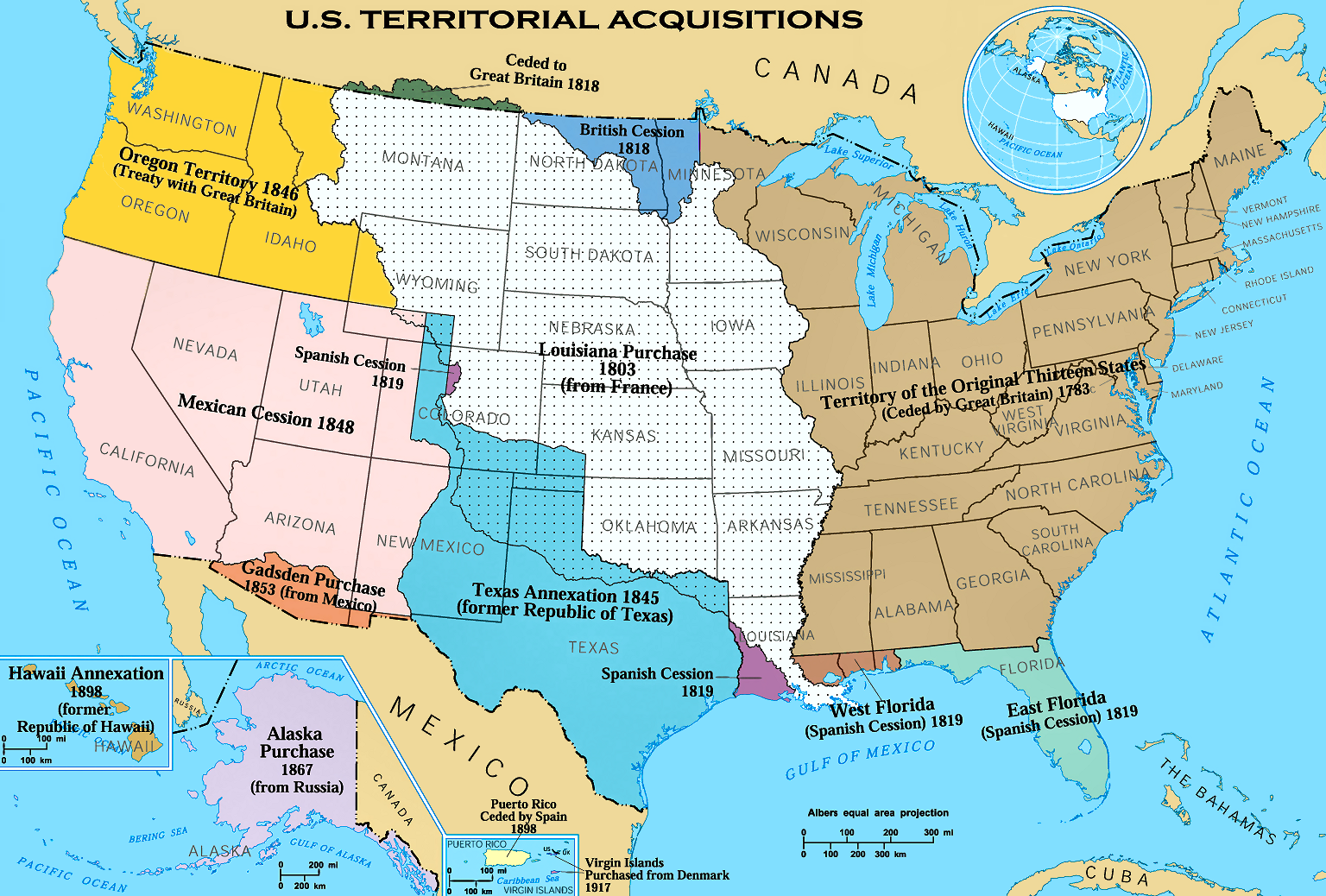
Territorial expansion occurred in distinct, massive waves. Understanding the geopolitical mechanics of these acquisitions is critical for any social studies curriculum.
| Acquisition / Treaty | Year | Mechanism & Strategic Value |
|---|---|---|
| Louisiana Purchase | 1803 | Purchased from France for $15 million. |
| Adams-Onís Treaty | 1819 | Formally transferred control of Florida from Spain to the United States. |
| Texas Annexation | 1845 | The United States annexed the Republic of Texas, absorbing an independent nation. |
| Oregon Treaty | 1846 | Established the official border between the United States and British North America at the 49th parallel. |
| Treaty of Guadalupe Hidalgo | 1848 | Ended the Mexican-American War and secured the Mexican Cession. |
| Gadsden Purchase | 1853 | Purchased from Mexico for $10 million specifically for railroad routing. |
The Louisiana Purchase: The Artery of the Continent
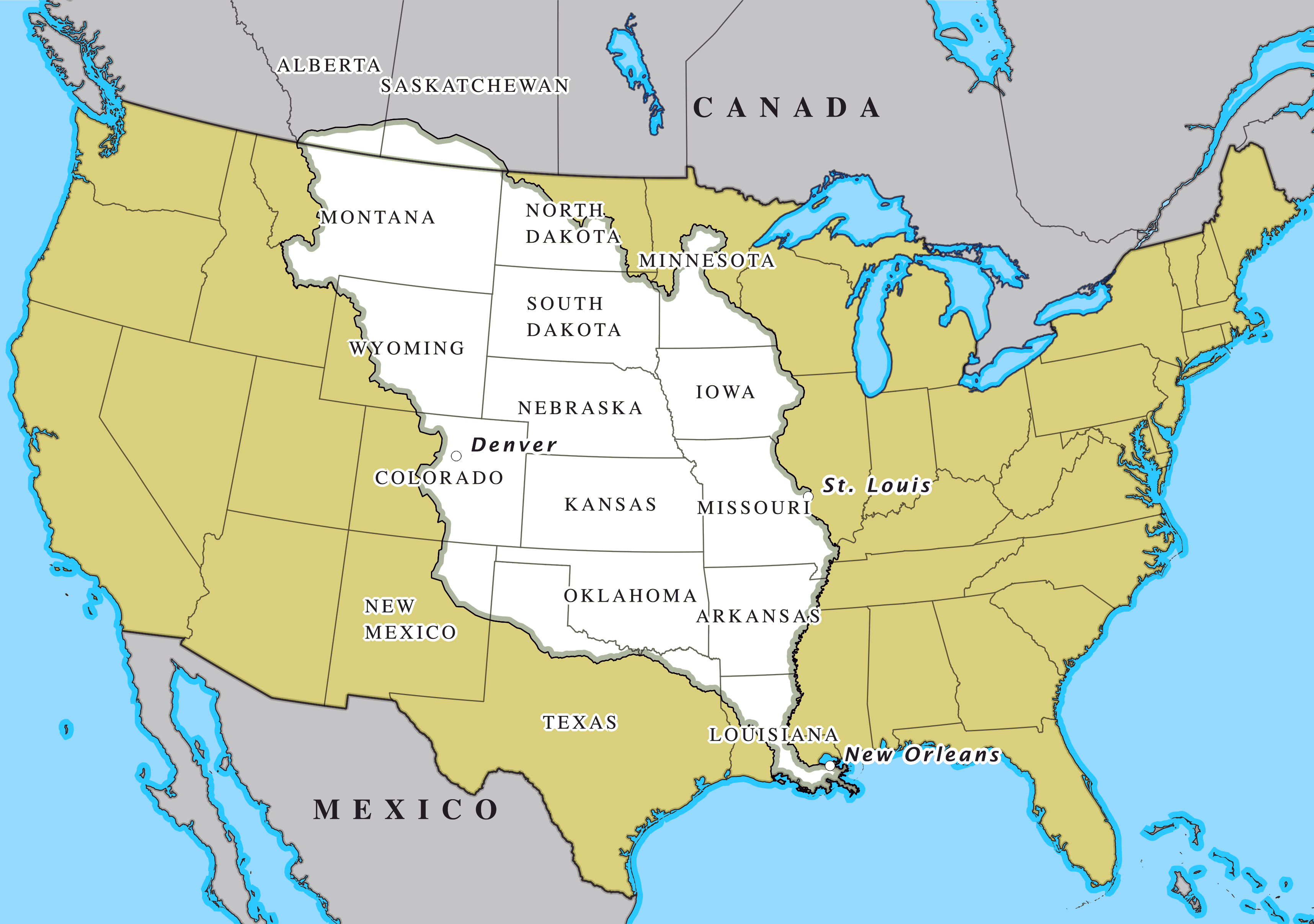
In 1803, the United States purchased the Louisiana Territory from France. The sheer scale of this transaction is staggering: the Louisiana Purchase doubled the geographic size of the United States overnight. But the square mileage wasn't the primary strategic victory.
Think of the Mississippi River not as a body of water, but as the 19th century’s premier interstate highway. If you were a farmer in the Ohio River Valley, you couldn't haul your crops over the Appalachian Mountains. You had to float them downriver. The Louisiana Purchase secured complete United States control over the Mississippi River and the vital trading port of New Orleans, guaranteeing economic access to the Gulf of Mexico and global markets.
The Mexican-American War: Borders and Blood
The annexation of Texas in 1845 was a geopolitical spark in a powder keg. The annexation of Texas provoked a violent border dispute with Mexico over the territory between the Nueces River and the Rio Grande. The U.S. claimed the Rio Grande as the southern border; Mexico claimed the Nueces River further north. President James K. Polk used a skirmish in this disputed zone to declare war.
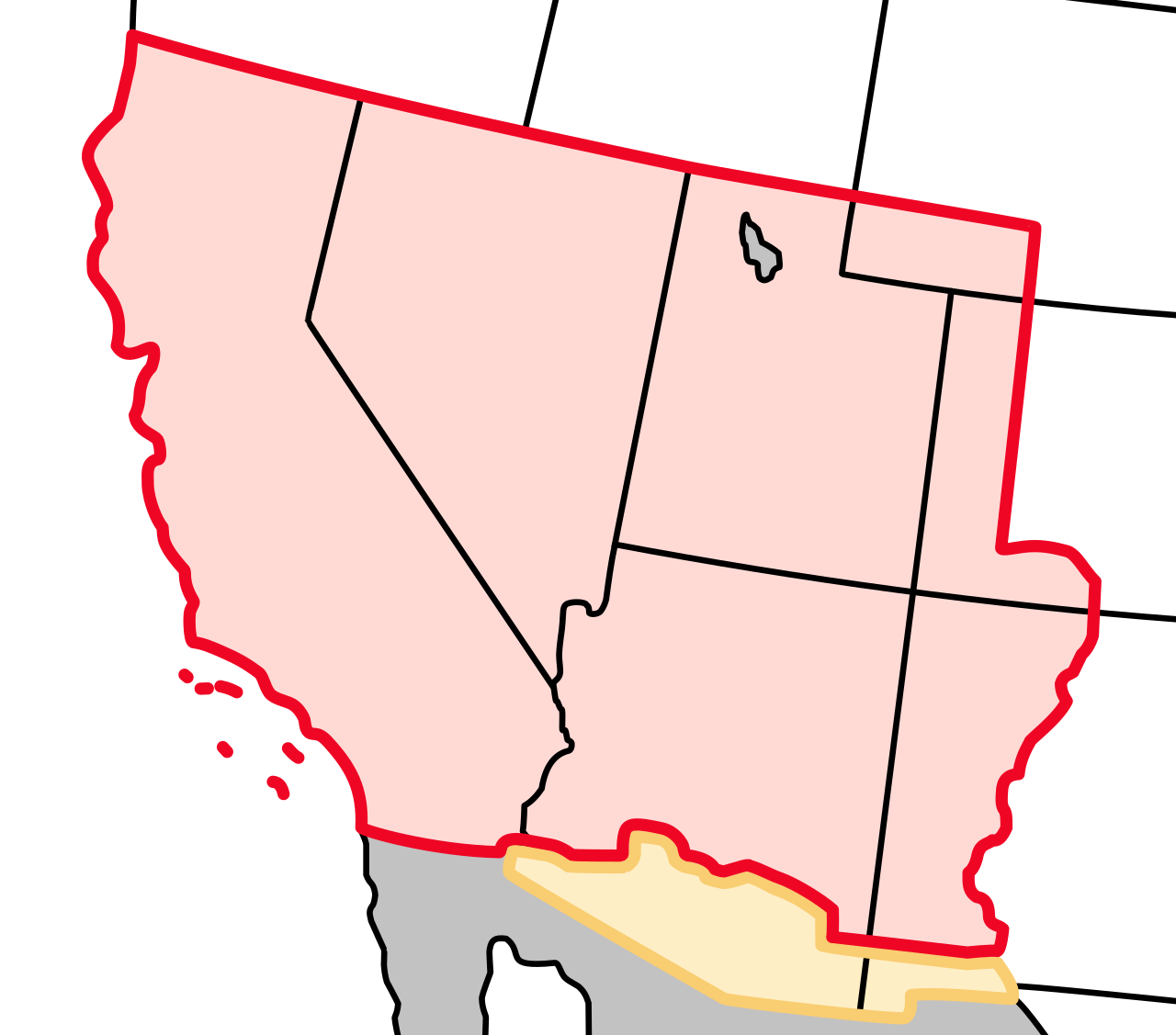
The 1848 Treaty of Guadalupe Hidalgo formally ended the Mexican-American War. The spoils of this war fundamentally reshaped the continent. The Mexican Cession transferred the territories of modern-day California, Nevada, Utah, and parts of four other states to the United States.
A few years later, logistics dictated one final adjustment. The United States acquired the Gadsden Purchase from Mexico in 1853. Why buy a seemingly random sliver of desert in present-day southern Arizona and New Mexico? Engineering. The United States pursued the Gadsden Purchase specifically to secure relatively flat land for a southern transcontinental railroad route. Bypassing the Rocky Mountains required this exact topography.
Possessing a map is one thing; occupying the territory is another. Three massive catalysts populated the newly acquired West.
- The Gold Rush: The discovery of gold at Sutter's Mill in 1848 triggered the California Gold Rush. This was an extraordinary demographic shock. The California Gold Rush rapidly accelerated western migration and population growth on the Pacific Coast, transforming San Francisco from a sleepy hamlet into a booming, cosmopolitan metropolis in mere months.
- The Homestead Act: To populate the Great Plains, Congress passed a monumental piece of legislation. The 1862 Homestead Act offered 160 acres of public land to settlers willing to improve and farm the property for five consecutive years. This essentially democratized land ownership, pulling hundreds of thousands of domestic migrants and European immigrants westward.
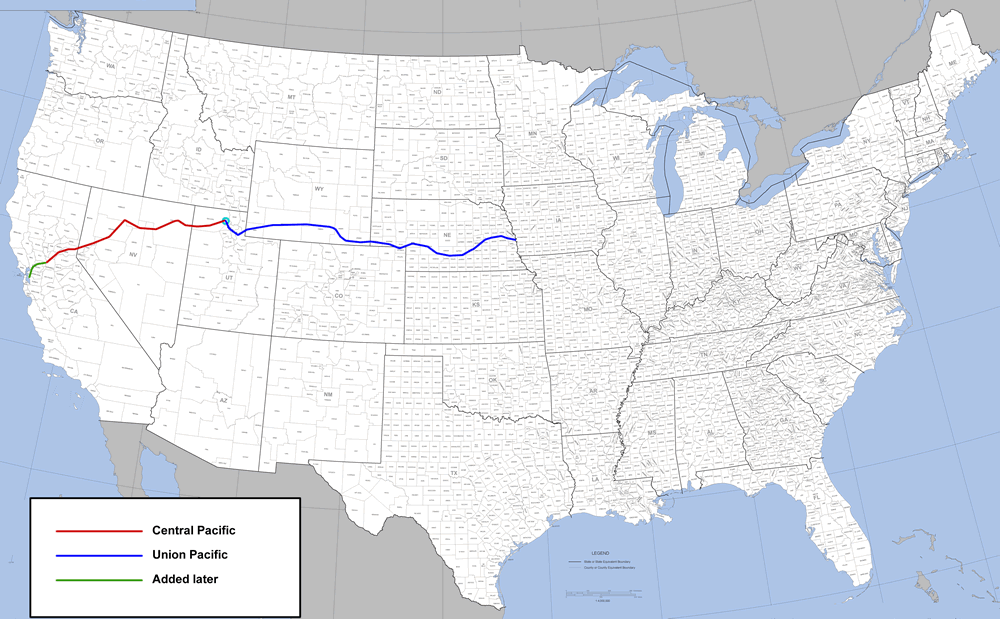
- The Railroad: The completion of the First Transcontinental Railroad in 1869 physically integrated western natural resources into eastern industrial markets. You no longer had to endure a six-month wagon trek; you could cross the country in a week.
Together, these forces fundamentally altered the American economy. Westward expansion facilitated the massive growth of large-scale commercial agriculture in the United States, transforming the Plains into the breadbasket of the world.
"The United States will conquer Mexico, but it will be as the man swallows the arsenic, which brings him down in turn. Mexico will poison us." — Ralph Waldo Emerson
Emerson’s prophecy was exact. Every time the United States acquired new land, a political earthquake followed. Territorial expansion intensified national political debates over the legal extension of slavery into newly acquired western territories.
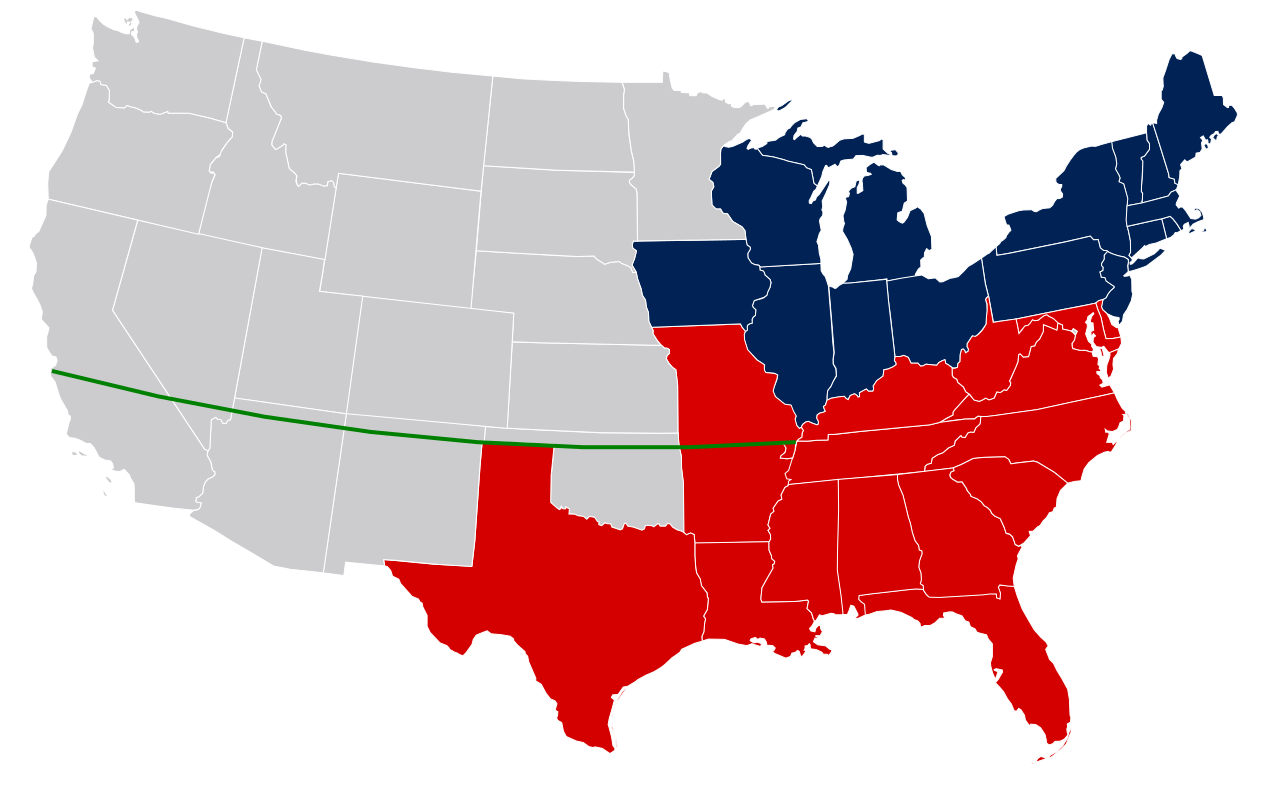
If a new state entered the Union as a "free" state, the North gained power in the Senate. If it entered as a "slave" state, the South gained power. Early on, lawmakers tried to manage this mathematically. The 1820 Missouri Compromise prohibited slavery in the unorganized Louisiana Territory north of the 36°30′ parallel. But the Mexican Cession blew this delicate mathematical truce apart, paving the direct road to the American Civil War.
We cannot teach the expansion of the United States as a victimless triumph of pioneering spirit. The map was already occupied. Consequently, westward expansion systematically displaced numerous Native American populations from their ancestral homelands.
The Policy of Removal
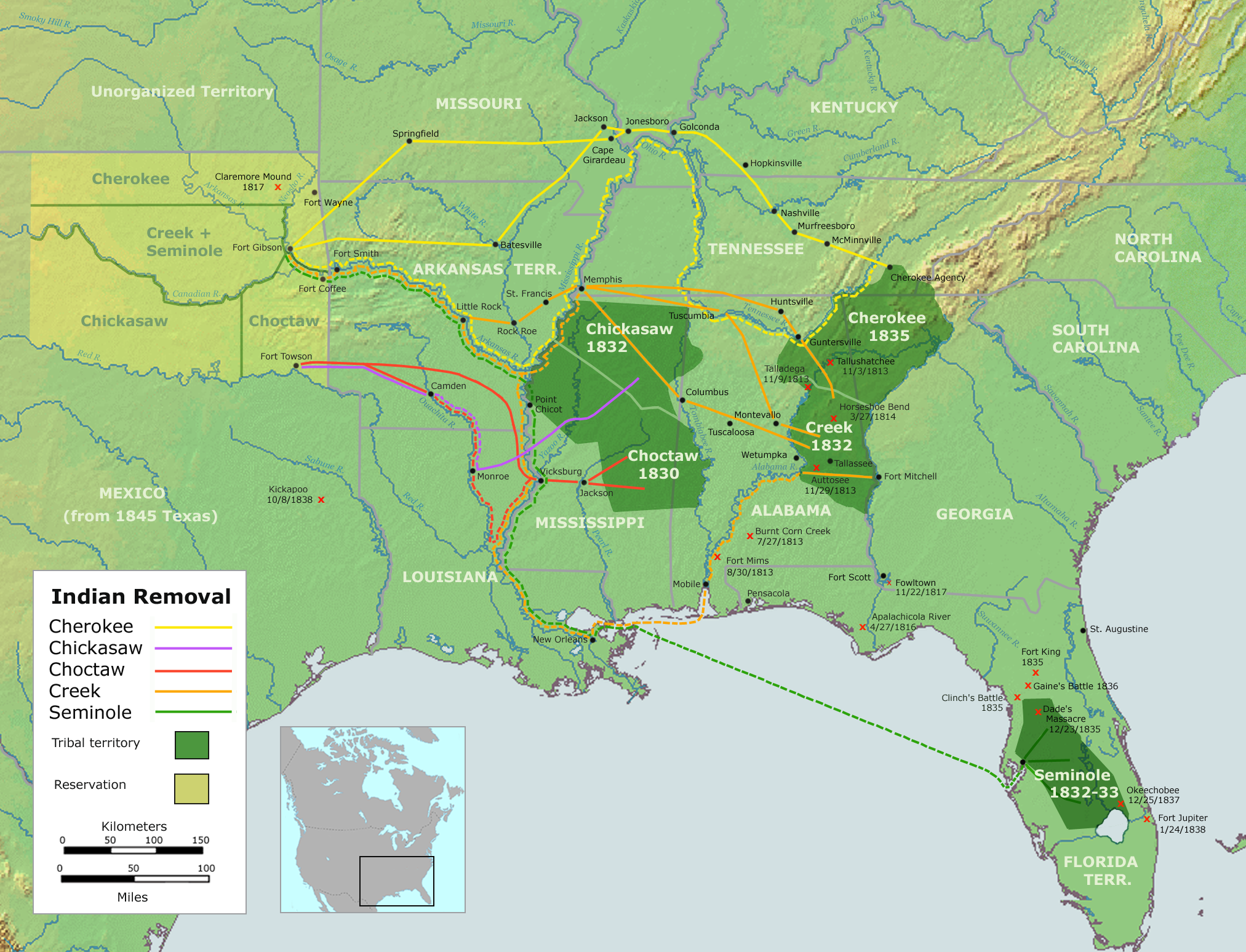
In the early 19th century, federal policy shifted from treating Native tribes as sovereign nations to actively removing them to clear land for the Cotton Kingdom. The United States Congress passed the Indian Removal Act in 1830, championed heavily by President Andrew Jackson. The Indian Removal Act authorized the federal government to forcibly relocate Native American tribes to designated lands west of the Mississippi River.
The Cherokee Nation attempted to fight this legally, taking their case all the way to the Supreme Court. They won. In the 1832 Worcester v. Georgia decision, the Supreme Court ruled that individual states did not have the legal right to impose regulations on Native American land.
However, the Supreme Court has no army to enforce its rulings. President Andrew Jackson famously ignored the Supreme Court ruling in Worcester v. Georgia, allegedly remarking, "John Marshall has made his decision; now let him enforce it." The horrific result was immediate. The Trail of Tears was the forced and deadly relocation of the Cherokee Nation to present-day Oklahoma in 1838 and 1839, resulting in the deaths of thousands from exposure, disease, and starvation.
The Plains and the Reservation System
As settlers later pushed into the Great Plains—the exact area where eastern tribes had been relocated—conflict erupted anew. To clear the path for railroads and homesteaders, the federal government established the reservation system to confine Native American tribes to specific restricted territories.
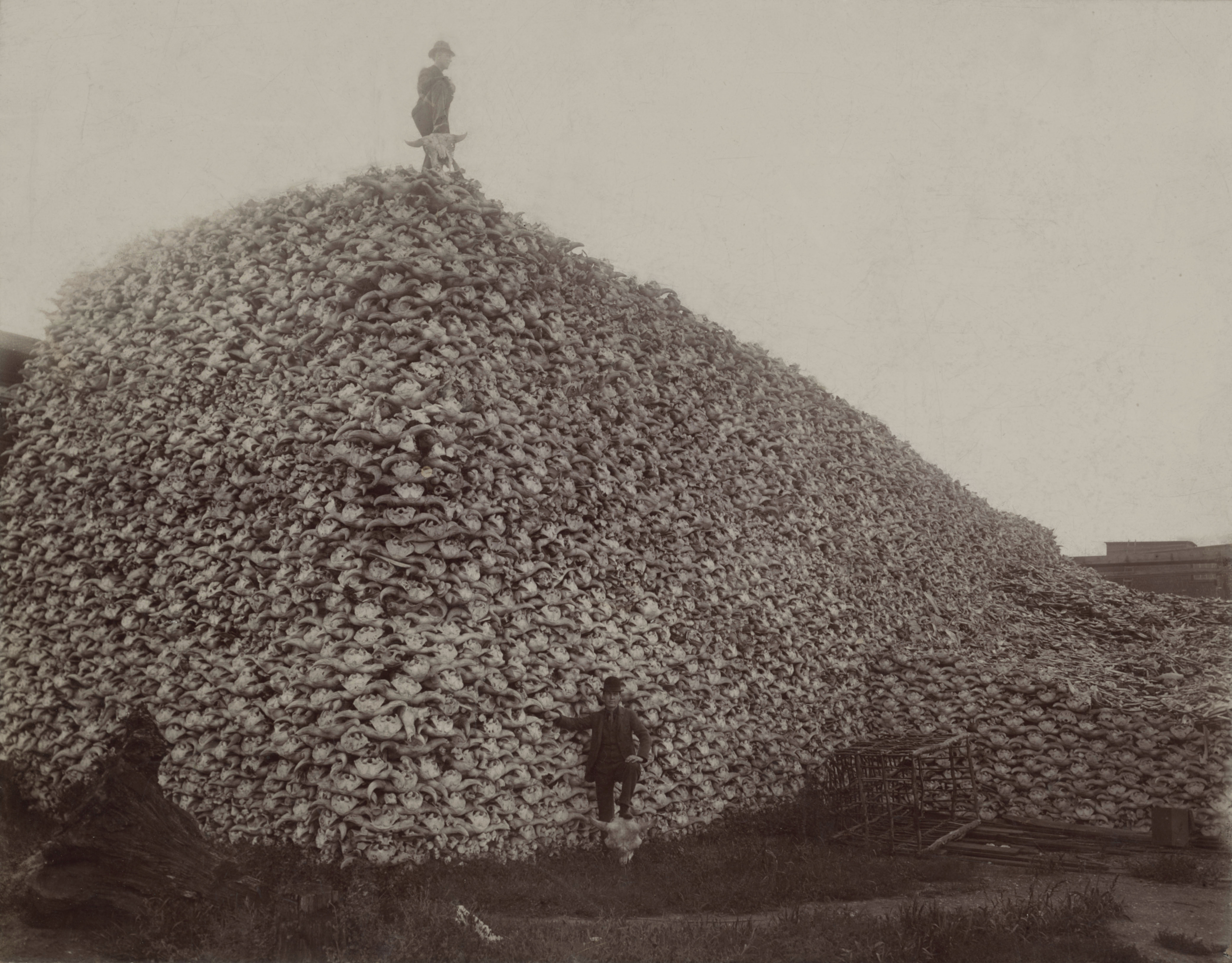
This physical confinement was paired with devastating ecological warfare. Settler expansion onto the Great Plains led to the near-extinction of the North American bison population. Millions of bison were slaughtered for sport, for their hides, and specifically to weaken Native resistance. The systematic destruction of the bison population devastated the traditional economies and primary food supplies of Plains Indian tribes, forcing many onto reservations to survive.
Forced Assimilation
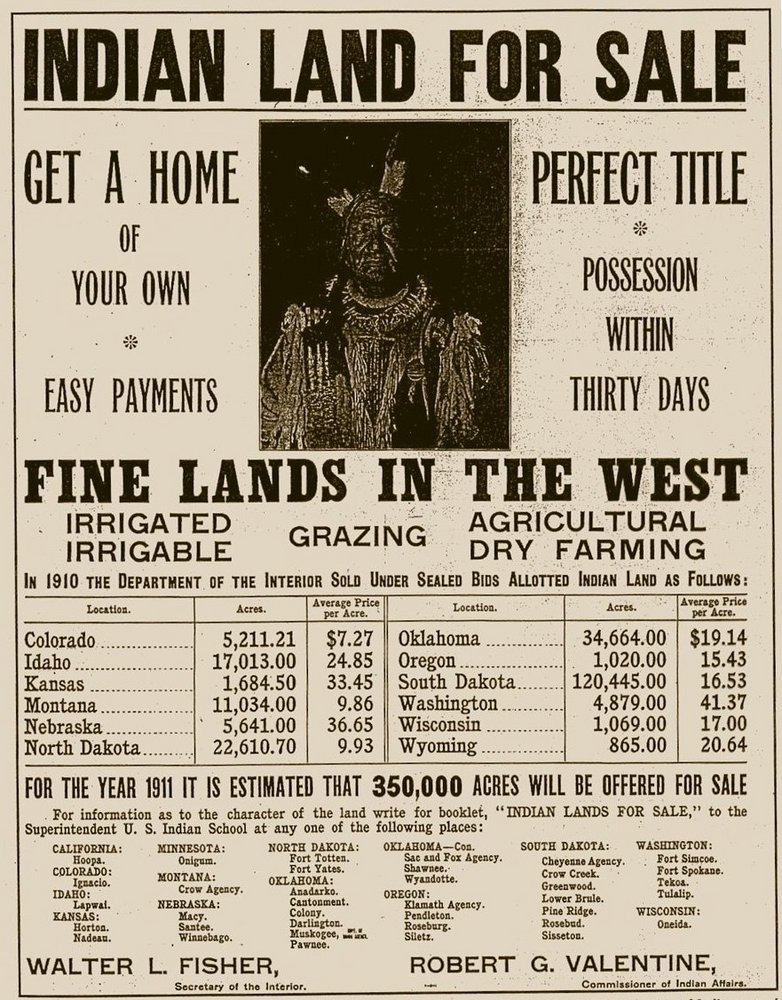
Physical confinement eventually transitioned into legal and cultural erasure. The 1887 Dawes Severalty Act authorized the federal government to break up communal tribal lands into individual private plots.
To understand the Dawes Act, you must understand its underlying philosophy. The primary objective of the Dawes Severalty Act was to force Native American cultural assimilation into mainstream American agricultural society. By destroying communal land ownership—the foundation of tribal social structure—the federal government hoped to turn Native Americans into individualistic, European-style farmers. Any "surplus" land left over after these individual allotments was sold to white settlers, further eroding Native territory.
For the 5081 Exam Candidate: When evaluating selected-response items on this topic, always look for the underlying motive and impact. The Gadsden Purchase wasn't just a land buy; it was a railroad logistics solution. The Mexican-American War wasn't an isolated conflict; it was the catalyst for the 1850s slavery crisis. The Dawes Act wasn't a real estate reform; it was a mechanism for cultural assimilation. By framing history as an interconnected web of geographic resources, economic incentives, and human actions, the timeline ceases to be a list of dates and becomes an intuitive, readable map.