Perimeter and Area of Polygons
Not sure you’re ready?
Take the ~3-minute readiness diagnostic and see where you stand.
When human beings first settled into agrarian societies, the very first mathematical questions they asked were of the earth itself: How much fencing do I need to enclose this plot? and How much crop will this soil yield? These two distinct questions birthed the concepts of perimeter and area—the foundational measurements of two-dimensional space. As a middle school mathematics teacher, you are the custodian of this geometric awakening. Your students are transitioning from counting physical square tiles on a desk to abstracting space into algebraic formulas. They must learn to decouple the boundary of a shape from the space it encloses, recognizing that a long, twisting fence does not guarantee a vast pasture. Mastering these concepts is not merely about memorizing equations; it is about providing your students with the spatial intuition to optimize materials, scale blueprints, and mathematically deconstruct the physical world around them.
To teach geometry effectively, we must first establish the dimensional rules of the universe we are measuring.
Perimeter is the continuous line forming the boundary of a closed geometric figure. Because it measures distance along a path, perimeter is always mathematically recorded and measured in one-dimensional linear units (e.g., centimeters, inches, miles).

To calculate it, the rule is simple: the perimeter of a polygon is the sum of the lengths of all sides of the polygon.
Area, on the other hand, is the mathematical quantity expressing the extent of a two-dimensional region in a plane. Because it measures the "surface" enclosed, area is always mathematically recorded and measured in square units (e.g., square centimeters, square miles).
A profound stumbling block for young learners is the false assumption that perimeter and area are permanently locked in a direct proportion. You must break this intuition early by demonstrating their independence:
- Same Boundary, Different Space: Two different polygons can possess the exact same perimeter measurement while enclosing completely different total areas. Imagine a 1-foot by 10-foot rectangle (Perimeter = 22 feet, Area = 10 square feet) versus a 4-foot by 7-foot rectangle (Perimeter = 22 feet, Area = 28 square feet).
- Same Space, Different Boundary: Conversely, two different polygons can enclose the exact same total area while possessing completely different perimeter measurements. A rectangle of 2 by 18 encloses 36 square units with a perimeter of 40, while a 6 by 6 square encloses the same 36 square units with a perimeter of only 24.
Your students will need to fluently classify quadrilaterals based on their rigid mathematical properties before they can reliably calculate their measurements.
Rectangles and Squares: The Rule of Right Angles
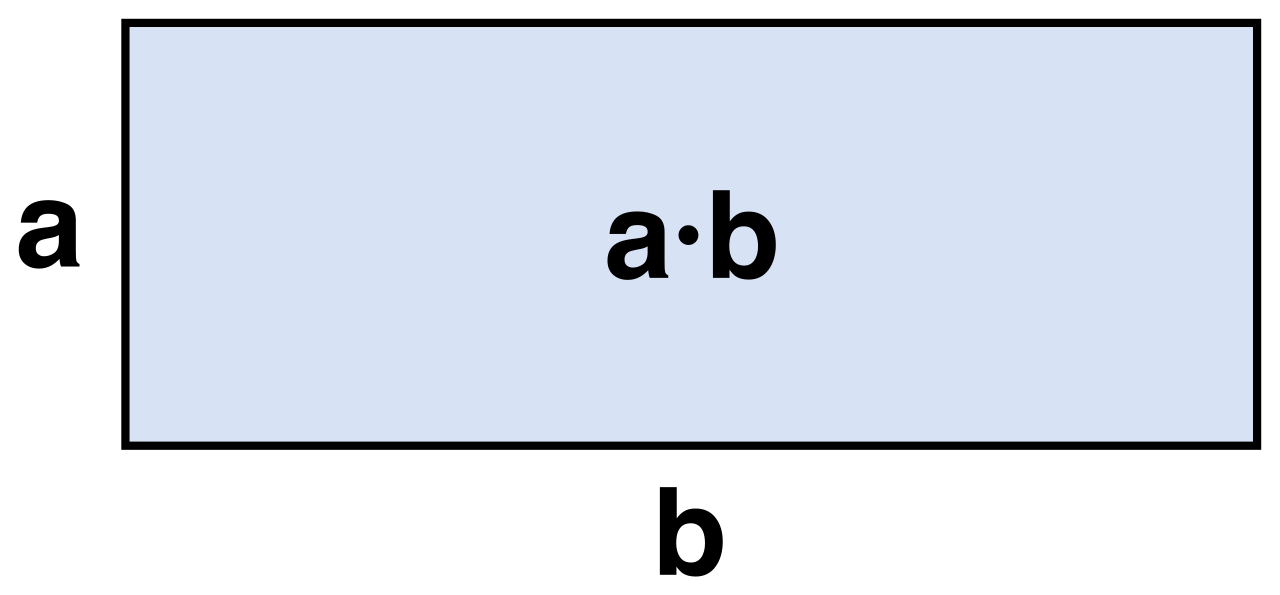
A rectangle is defined as a quadrilateral possessing exactly four right interior angles. Its measurements are beautifully straightforward:
- The area of a rectangle is the product of the rectangle's length and the rectangle's width (A=L×W).
- The perimeter of a rectangle is twice the sum of the rectangle's length and the rectangle's width (P=2(L+W)).
A rhombus is defined as a quadrilateral possessing exactly four sides of equal linear measure. But what happens when we force a rhombus to stand up perfectly straight? We get a square. A square is a special quadrilateral that simultaneously meets the mathematical definitions of both a rectangle and a rhombus.
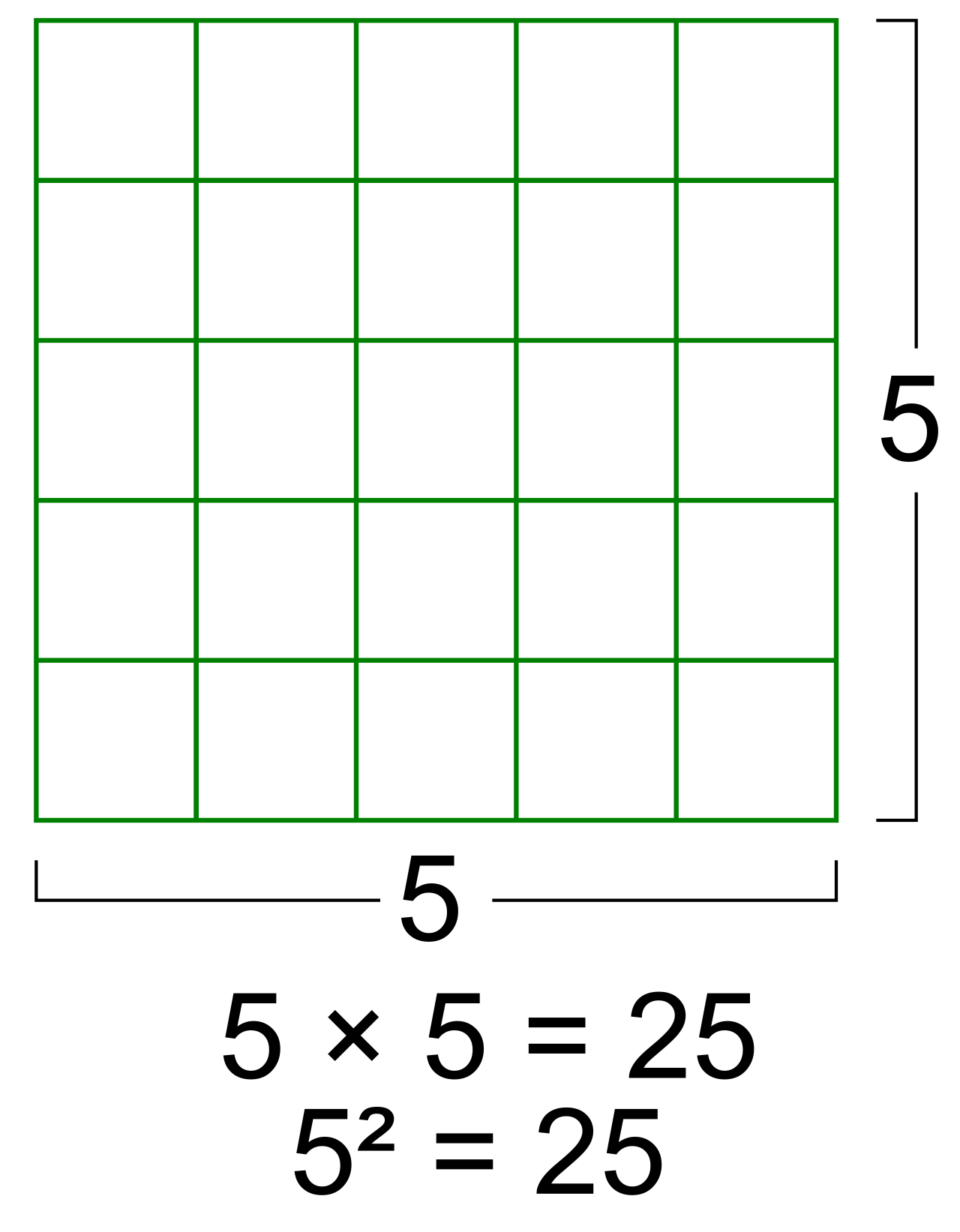
- The area of a square is the square of the square's side length (A=s2).
- The perimeter of a square is four times the square's side length (P=4s).
The Optimization Principle: Let's look under the hood of these shapes. Nature loves symmetry, and mathematics rewards it. If you ask a calculus student to maximize the area of a rectangle for a given fixed perimeter, the mathematics mathematically results in a perfect square. Similarly, minimizing the perimeter of a rectangle for a given fixed area mathematically results in a perfect square. When testing constraints, the square is always the champion of efficiency.
Parallelograms, Trapezoids, and Kites
Moving beyond right angles, we encounter shapes defined by parallel lines and diagonals.
| Polygon | Definition | Area Formula |
|---|---|---|
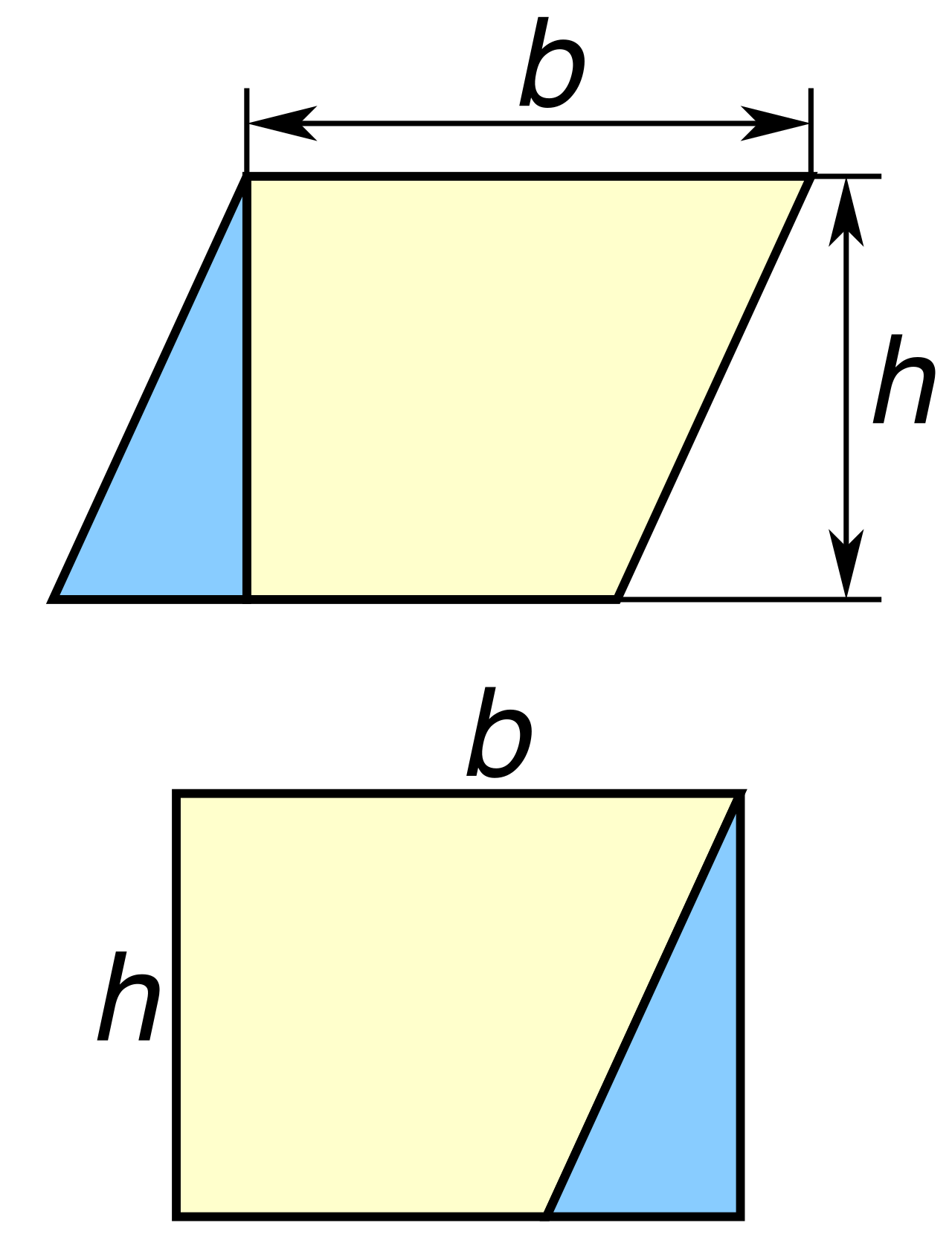
| Parallelogram | A quadrilateral possessing exactly two pairs of parallel opposite sides. | The area of a parallelogram is the product of the parallelogram's base and the parallelogram's corresponding perpendicular height (A=b×h). |
| Trapezoid | A quadrilateral possessing at least one pair of parallel straight sides. | The area of a trapezoid is half the product of the trapezoid's height and the sum of the lengths of the trapezoid's two parallel bases (A=21h(b1+b2)). |
| Rhombus | A quadrilateral possessing exactly four sides of equal linear measure. | The area of a rhombus is half the product of the lengths of the two diagonals of the rhombus (A=21d1×d2). |
| Kite | A quadrilateral possessing exactly two distinct pairs of equal-length adjacent sides. | The area of a kite is half the product of the lengths of the two diagonals of the kite (A=21d1×d2). |
Triangles: The Foundation of All Polygons
Every polygon can be shattered into triangles. Therefore, the triangle is the atomic unit of area.
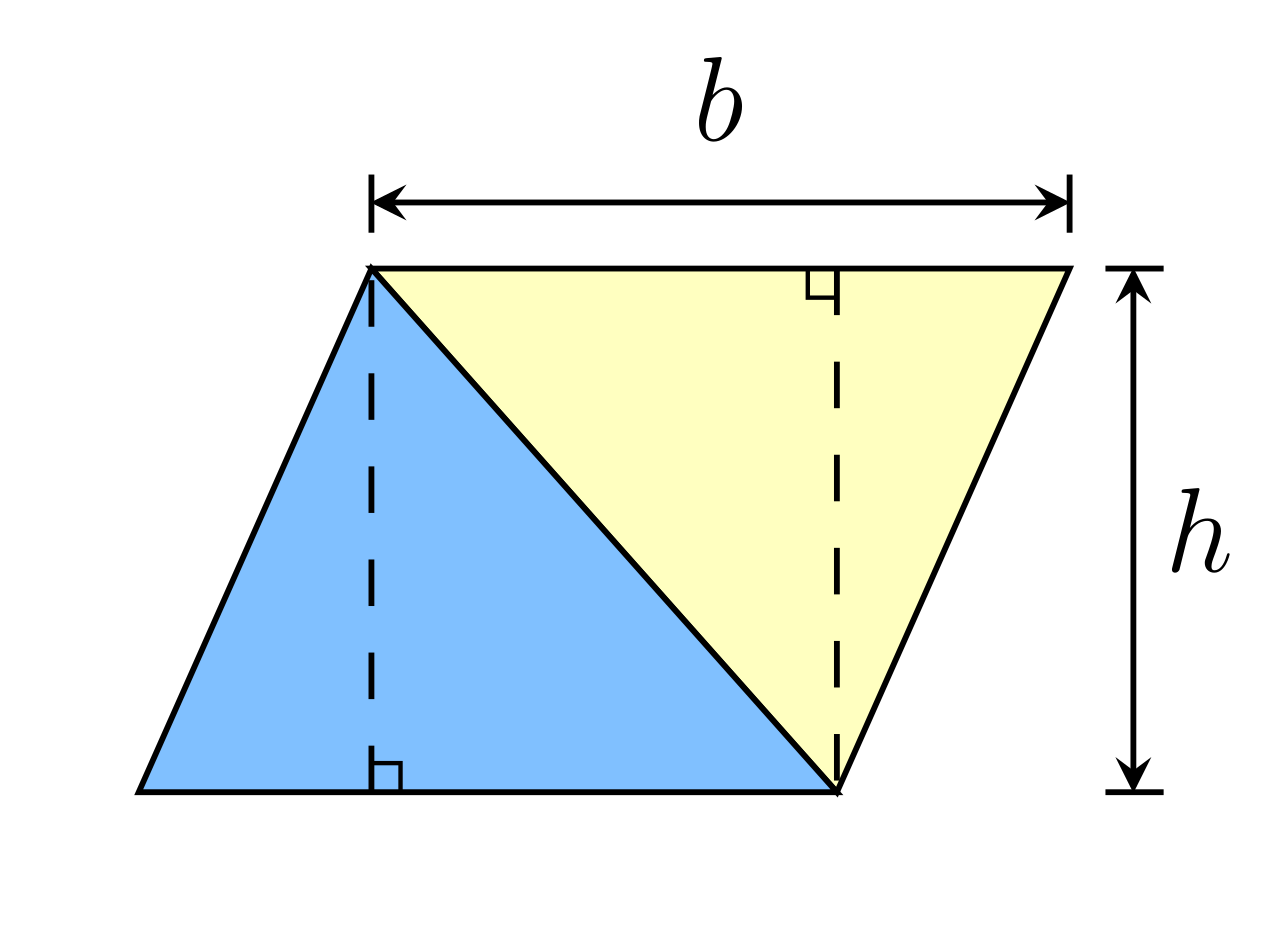
The area of a triangle is half the product of the triangle's base and the triangle's corresponding height (A=21bh). But here is where students stumble: they assume the "base" must be parallel to the floor. You must emphasize that the base of a triangle can be any of the three straight sides of the triangle. The height of a triangle is strictly the perpendicular line segment from a vertex to the line containing the opposite base of the triangle.
Test makers love to force students to work backward. You should train your students to understand that the height of a triangle can be calculated by dividing twice the triangle's area by the triangle's base length (h=b2A).
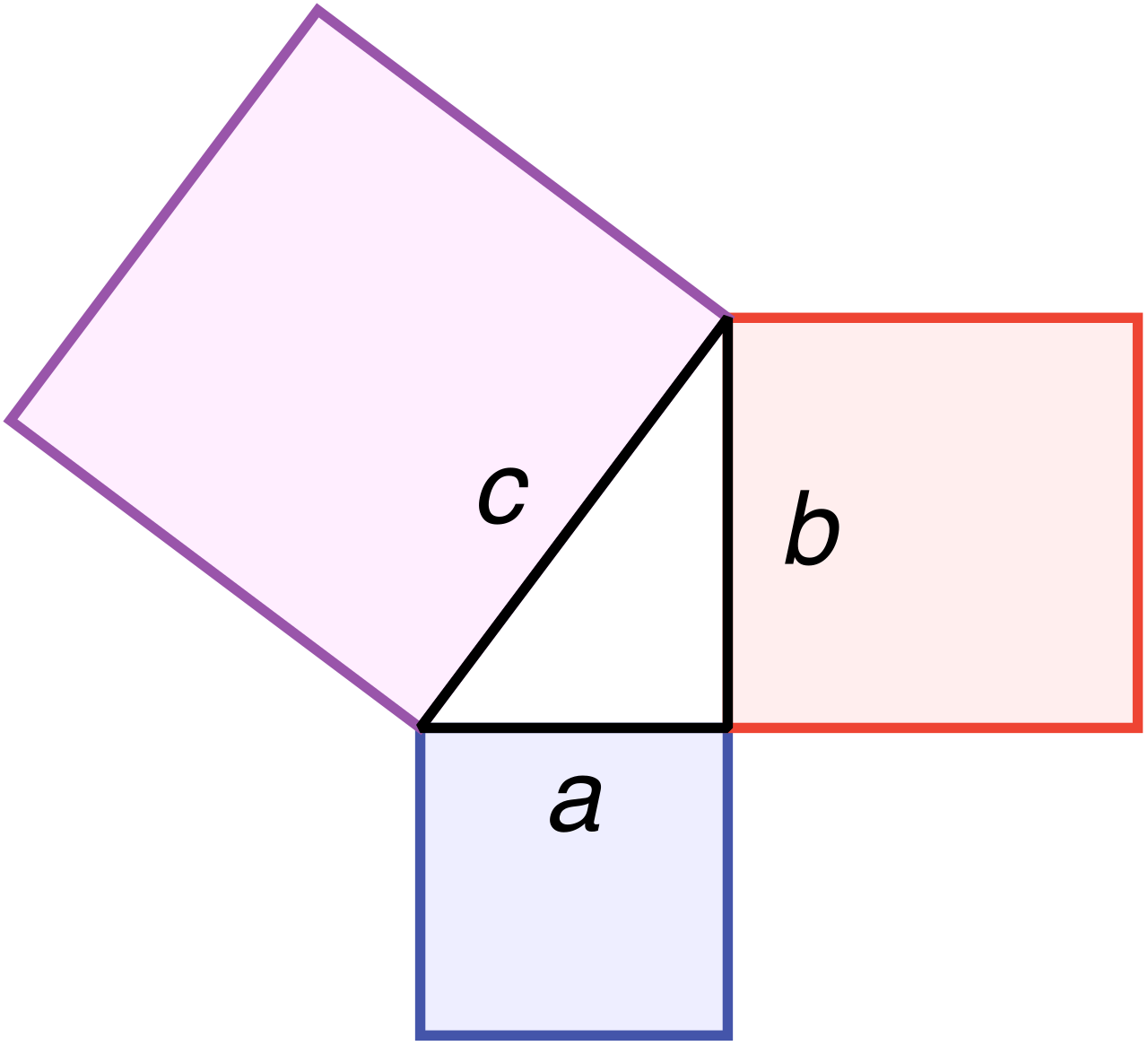
Furthermore, you will frequently encounter questions where perimeter is the goal, but a side length is missing. The Pythagorean theorem can be utilized to determine missing side lengths of right triangles in order to successfully calculate the total perimeter of polygons.
A regular polygon is a closed two-dimensional figure possessing all sides equal in length and all interior angles equal in measure. Think of a perfectly struck stop sign (a regular octagon).
To find the area of a regular polygon without breaking it into a dozen separate triangles manually, we use a specialized measurement called the apothem. The apothem of a regular polygon is a perpendicular line segment from the center of the polygon to the midpoint of one of the sides of the polygon.
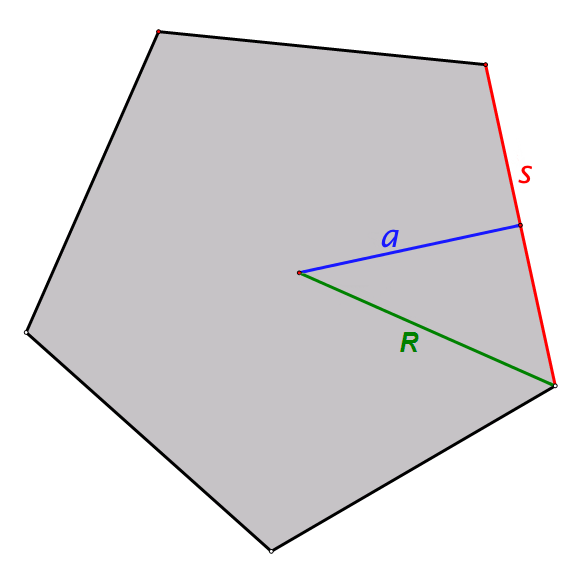
Because the apothem essentially acts as the height for the internal triangles that make up the polygon, the area of a regular polygon is half the product of the regular polygon's apothem and the regular polygon's overall perimeter (A=21aP).
In the real world, you rarely encounter a perfect trapezoid. You encounter an L-shaped kitchen, or a garden with a patio cut out of it.
A composite figure is a two-dimensional shape made up of basic geometric figures such as triangles and quadrilaterals. There are two primary ways to calculate their area:
- The Additive Method: The area of a composite figure is the sum of the areas of the non-overlapping basic figures that completely form the composite figure.
- The Subtractive Method: Alternatively, the area of a complex shape can be calculated by subtracting the area of unshaded or empty regions from the area of a larger bounding shape. Think of this like a sculptor carving away marble; sometimes it is easier to calculate the volume of the original block and subtract the pieces that were chiseled away.
A Critical Warning on Perimeter: When we break a composite figure into smaller, manageable shapes, we draw imaginary dashed lines. Your students will instinctively try to add the lengths of these dashed lines to the perimeter. You must aggressively correct this. The perimeter of a composite figure includes only the exterior boundary segments of the combined geometric shape. Internal line segments used to conceptually decompose a composite figure into smaller shapes do not contribute to the perimeter of the composite figure.
When polygons are placed onto an x-y coordinate grid, we synthesize geometry with algebra. Your on-screen graphing calculator becomes a powerful ally here.
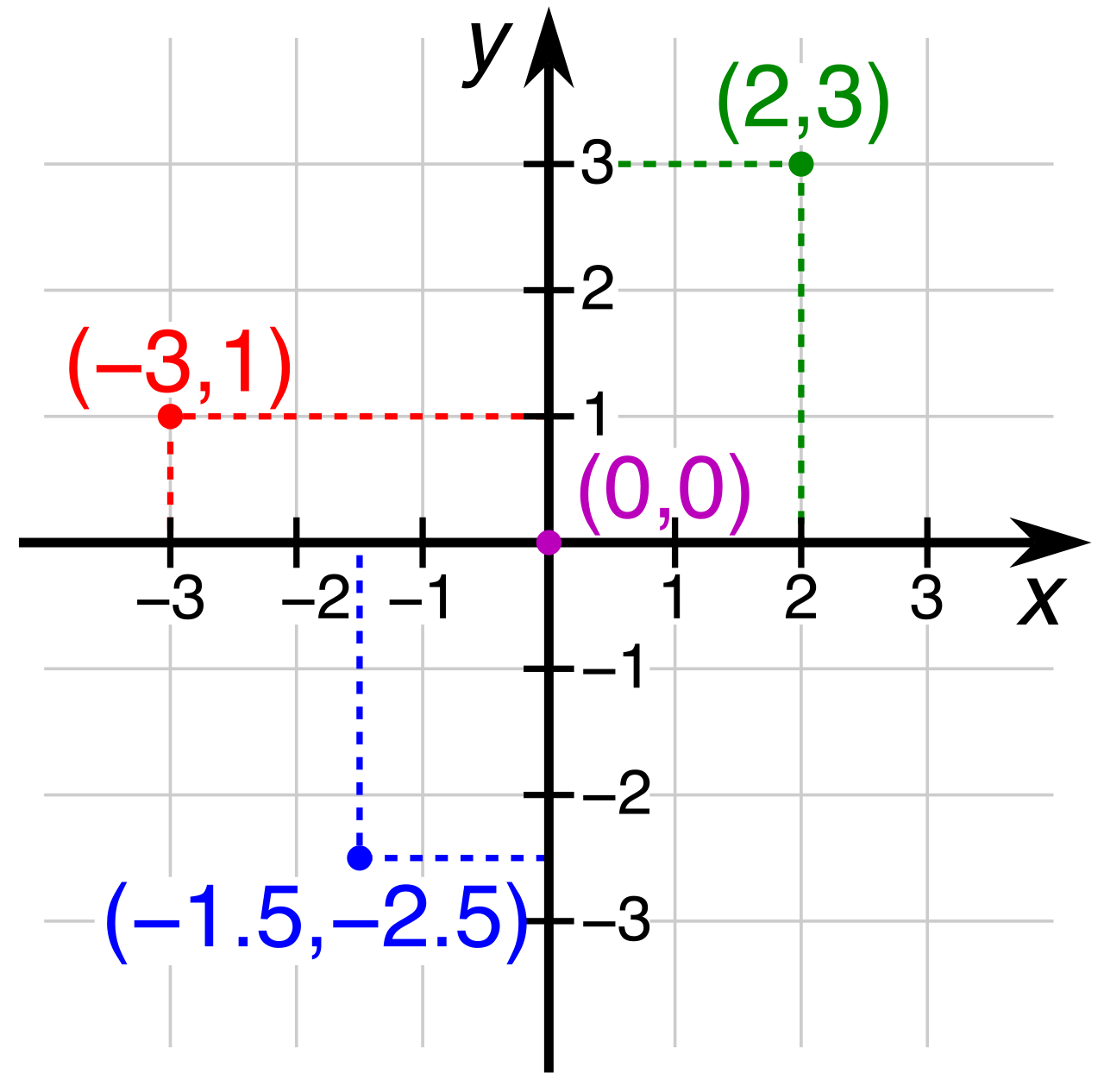
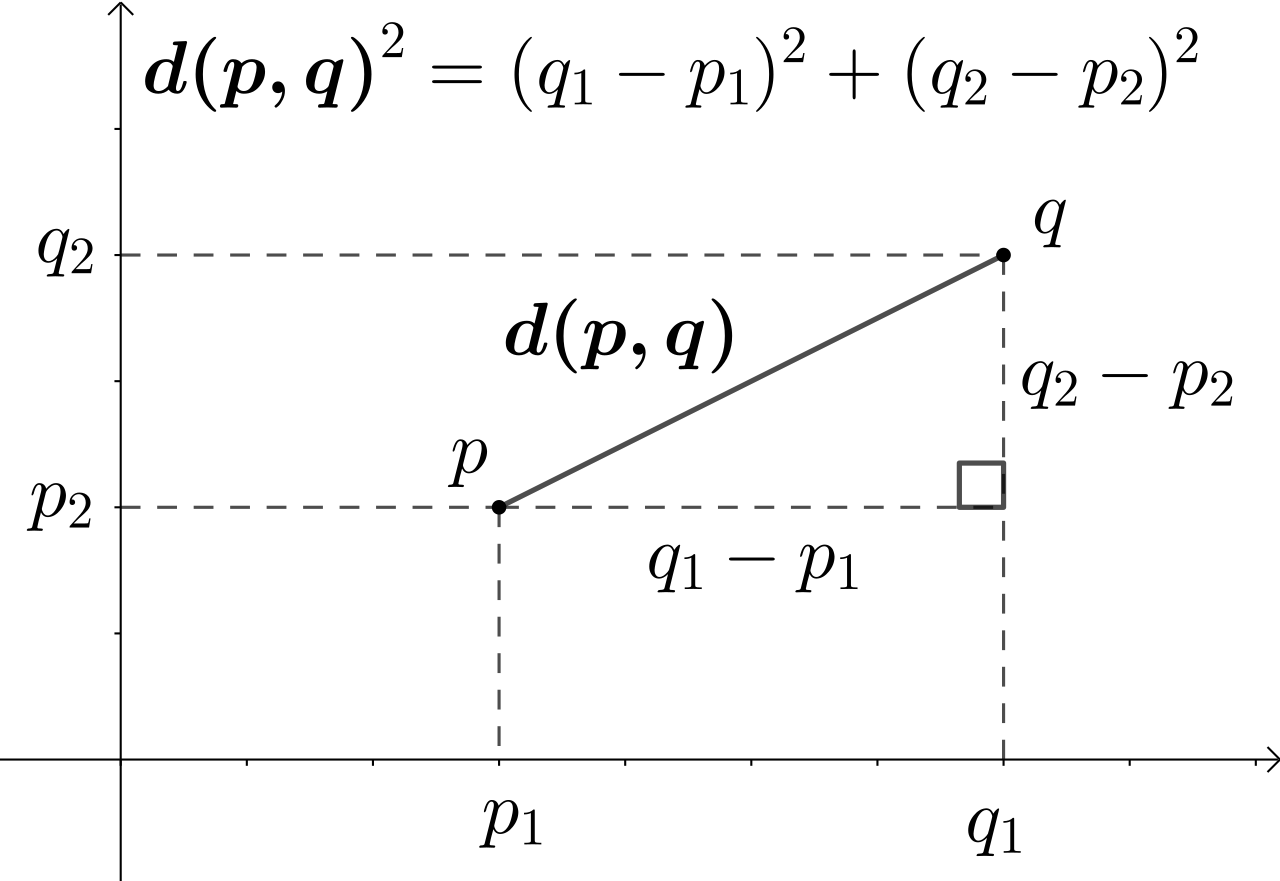
- Finding Perimeter: The perimeter of a polygon graphed on a coordinate plane can be determined by using the distance formula (d=(x2−x1)2+(y2−y1)2) to calculate the length of each individual side.
- Finding Area (The Bounding Box): Attempting to find the perpendicular height of a slanted triangle on a coordinate plane is a nightmare. Instead, use the subtractive method. The area of a polygon on a coordinate plane can be determined by drawing a bounding box (a rectangle with vertical and horizontal sides) around the polygon and subtracting the areas of the extra exterior right triangles formed in the corners.
- Pick's Theorem: For a brilliant shortcut when dealing with integer coordinates, introduce your students to Pick's Theorem. Pick's Theorem states that the area of a polygon with vertices on a regular grid equals the number of interior grid points (I) plus half the number of boundary grid points (B) minus one.
Formula: Area=I+2B−1
Finally, let us explore what happens when we resize these shapes. If you are drafting a blueprint and you double the size of the room, what happens to the perimeter? What happens to the area? Understanding scale factors is highly tested on the Praxis 5164 exam.
Let k represent our scale factor (the multiplier).
- One-Dimensional Scaling: If only one dimension of a rectangle is multiplied by a scale factor of k, the overall area of the rectangle scales by that exact same factor of k. (If you double the length but keep the width identical, the area doubles).
- Two-Dimensional Perimeter Scaling: If all linear dimensions of a polygon are multiplied by a scale factor of k, the new perimeter is k times the original perimeter. Because perimeter is a one-dimensional measurement, it scales in a linear, 1-to-1 relationship with the sides.
- Two-Dimensional Area Scaling: Here is the conceptual leap. If all linear dimensions of a polygon are multiplied by a scale factor of k, the new area is exactly k squared (k2) times the original area.
Why k2? Because area is the product of two dimensions. If you stretch a 2x3 rectangle by a scale factor of 4, the new length is 2×4 and the new width is 3×4. The new area calculation becomes (2×4)×(3×4)=(2×3)×(4×4)=Original Area×42.
As an educator, embedding this mechanical truth into your students' minds will save them countless errors. When they realize that area scales quadratically while perimeter scales linearly, they stop viewing geometry as a set of disconnected formulas and start seeing the underlying fabric of mathematics.