Recognizing Linear Relationships
Not sure you’re ready?
Take the ~3-minute readiness diagnostic and see where you stand.
When a smartphone drains exactly 2% of its battery every five minutes, the mathematical predictability of this decay is the physical manifestation of a constant rate of change. A linear relationship between two variables exhibits a constant rate of change across its entirely defined domain. Because the rate of change never wavers, the relationship forms a perfectly straight line when graphed. As a middle school mathematics educator preparing for the Praxis (5164): Middle School Mathematics exam, your task extends beyond teaching students to calculate variables; you must teach them to recognize that algebra is a descriptive language designed to encode these physical, predictable realities into symbols. To succeed on the exam—and in the classroom—you must fluidly translate between graphs, tables, and equations, recognizing how different forms of the exact same line expose different structural secrets.
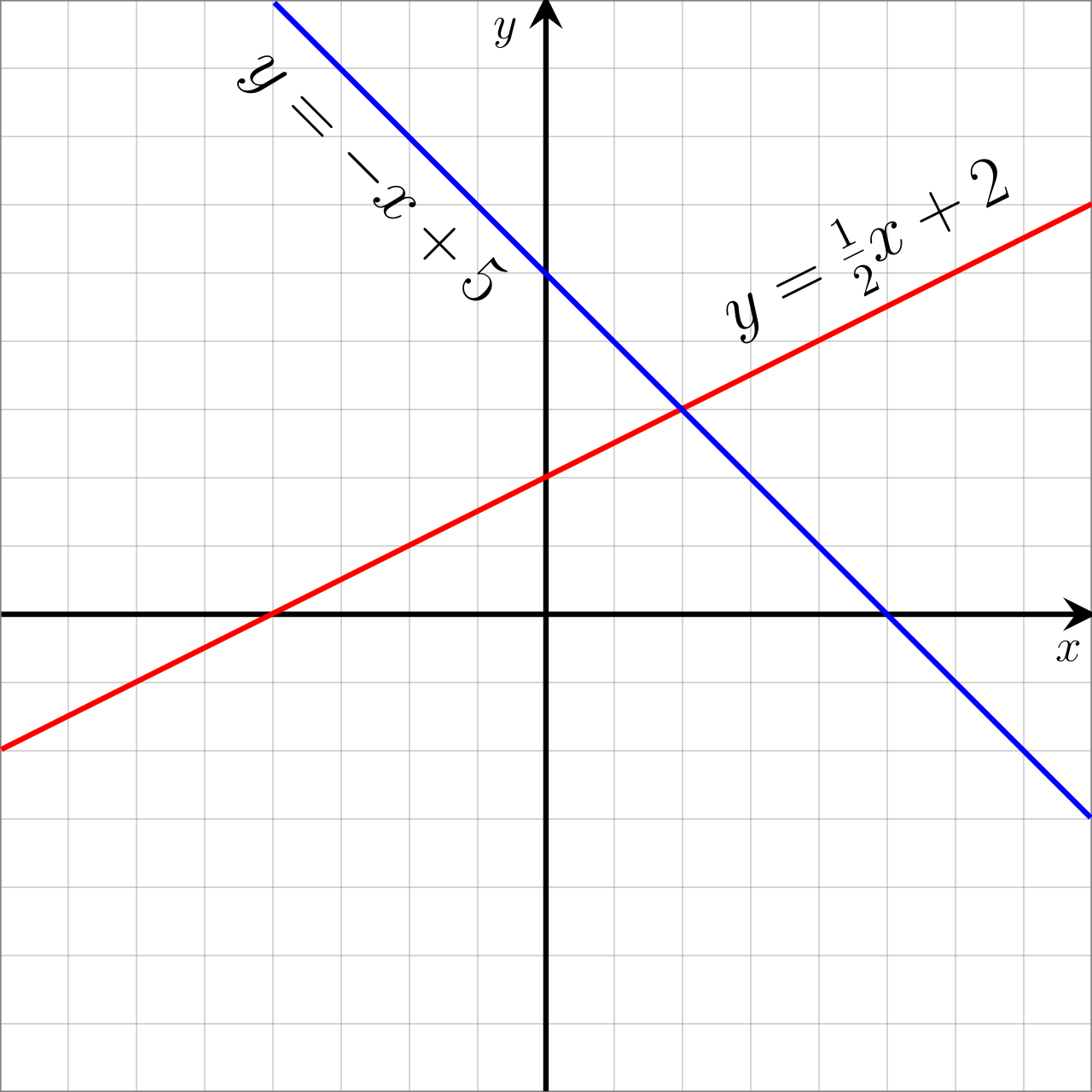
To deeply understand linear equations, we must first isolate the anatomical parts of a line. Every linear relationship is governed by two fundamental anchors: how it grows, and where it begins.
The Constant Rate of Change
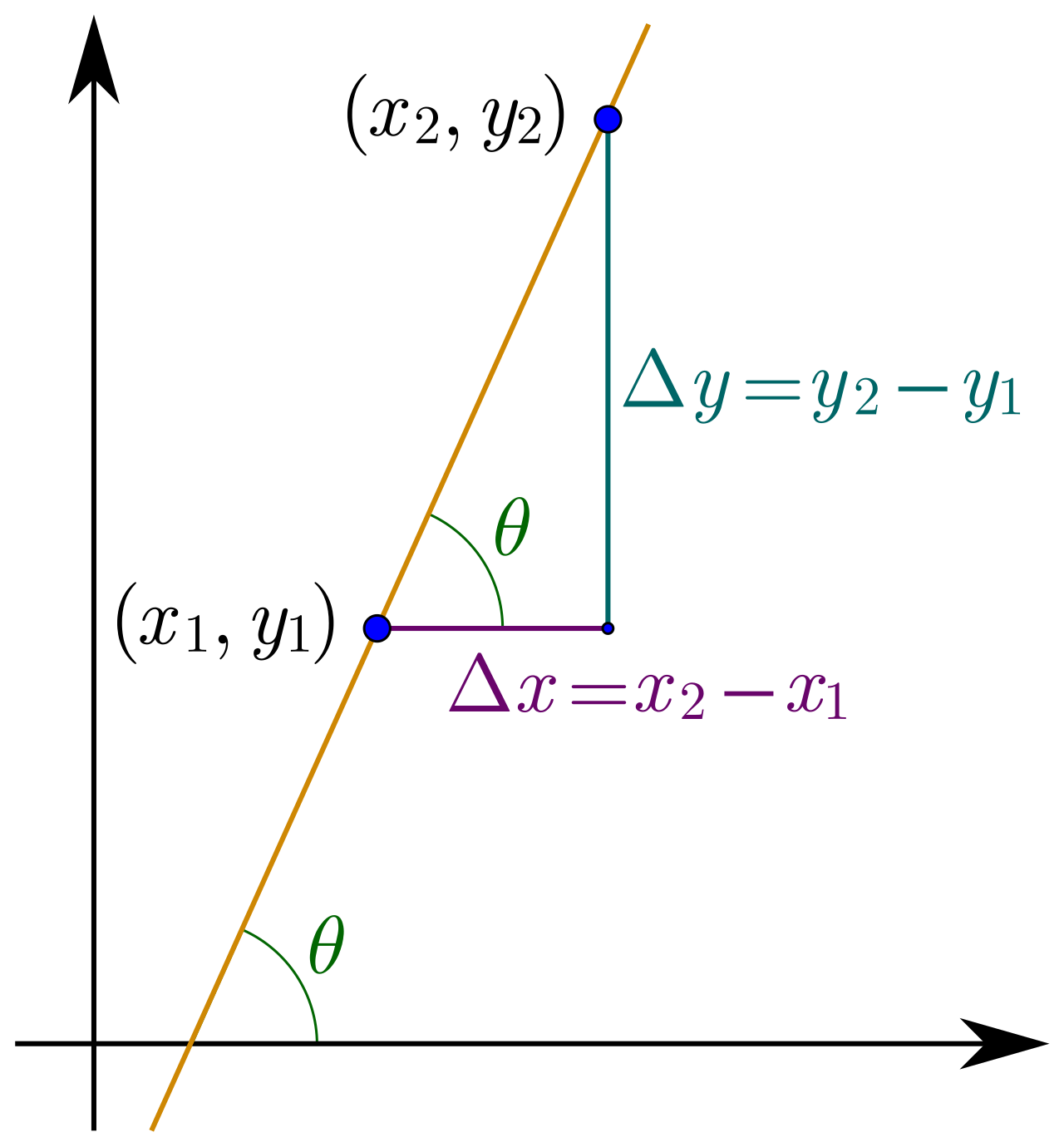
The constant rate of change in a linear relationship represents the slope of the line. The slope is the pulse of the relationship. Geometrically, the slope of a linear graph can be calculated by comparing the vertical change against the horizontal change between two distinct points on the graphed line.
Algebraically, we codify this with a precise mechanism. The slope formula for a line passing through points (x1,y1) and (x2,y2) is:
m=x2−x1y2−y1
This ratio guarantees that no matter which two points you select on a given line, the ratio of the change in y to the change in x remains perpetually constant.
The Anchor Points: Intercepts
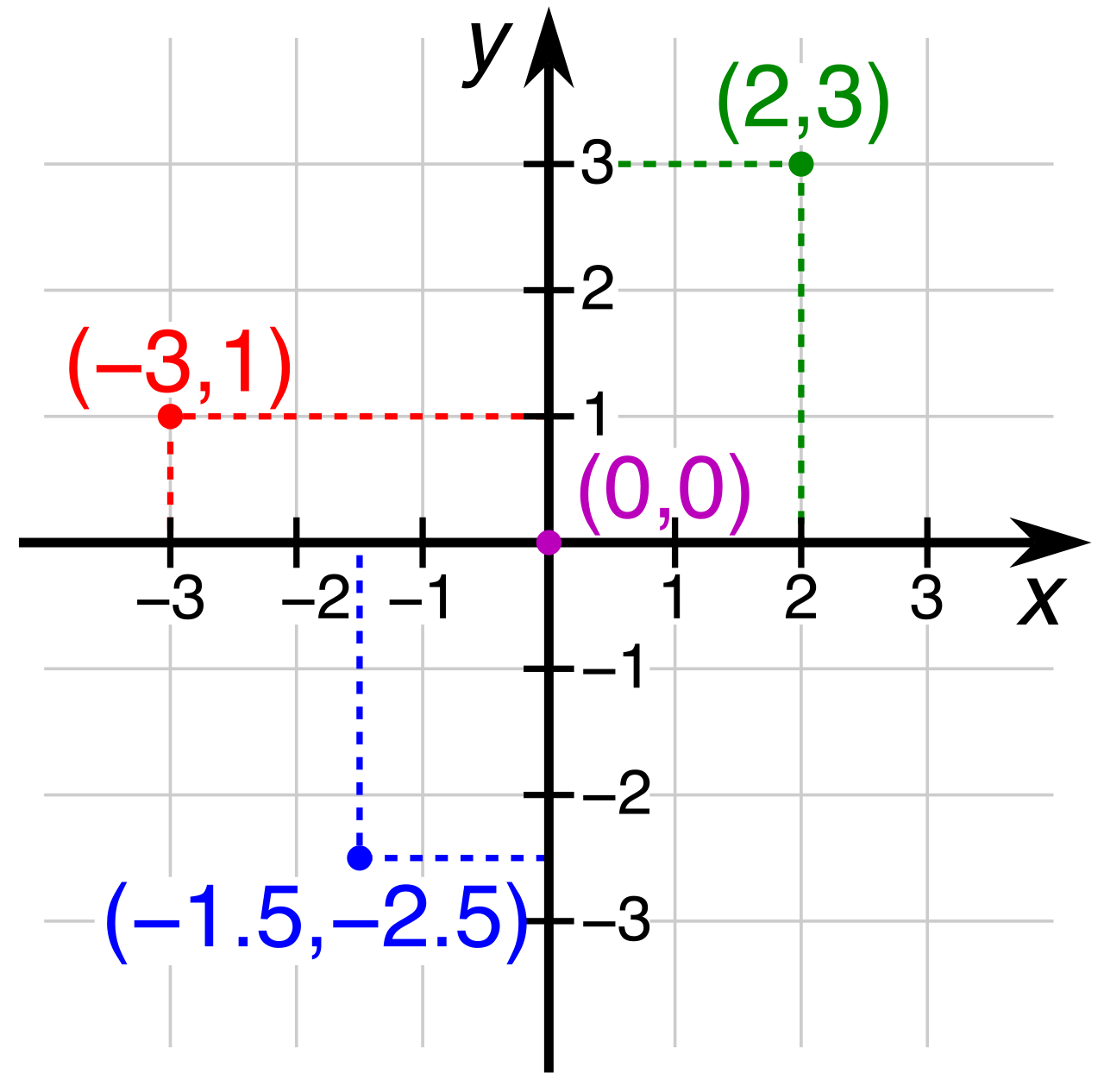
Lines inevitably cut through the axes of the Cartesian plane, creating vital points of reference called intercepts.
- The x-intercept: The x-intercept of a linear graph is the distinct point where the line crosses the x-axis. Because it rests flat on the horizontal axis, the y-coordinate of any x-intercept is always exactly zero.
- The y-intercept: Similarly, the y-intercept of a linear graph is the distinct point where the line crosses the y-axis. Symmetrically, the x-coordinate of any y-intercept is always exactly zero.
Your students will often think of intercepts merely as numbers, but you must train them to view intercepts as ordered pairs. An intercept is a physical location in two-dimensional space.
Depending on the information we have, we write linear equations in different forms. Think of these forms as dialects of the same underlying language. They all describe the exact same line, but they emphasize different traits.
1. Slope-Intercept Form: The Storyteller
The slope-intercept form of a linear equation is y=mx+b.
This is the form middle school students are most drawn to because it visually reads left-to-right like a story. It instantly hands you the starting position and the growth rate.
- In the slope-intercept form y=mx+b, the variable m represents the slope of the line.
- In the slope-intercept form y=mx+b, the variable b represents the y-coordinate of the y-intercept.
If a student has access to an on-screen graphing calculator, y=mx+b is typically the required input format.

2. Point-Slope Form: The Master Builder
The point-slope form of a linear equation is y−y1=m(x−x1).
While students prefer slope-intercept, point-slope is mathematically superior for constructing equations from scratch. It requires the absolute minimum amount of information.
- In the point-slope form y−y1=m(x−x1), the variable m represents the slope of the line.
- In the point-slope form y−y1=m(x−x1), the ordered pair (x1,y1) represents a specific point on the line.
Any point will do. You do not need to hunt for the y-intercept; you simply drop the coordinates of your known point directly into the formula alongside the slope.
3. Standard Form: The Organizer
The standard form of a linear equation is Ax+By=C.
Standard form moves all variables to one side, equating them to a constant. By definition, in the standard form Ax+By=C, the parameters A and B cannot both be equal to zero simultaneously (otherwise, the variables vanish entirely, and there is no line).
Furthermore, mathematicians abide by strict grammatical rules when writing in standard form:
- The standard form Ax+By=C conventionally uses integer values for the parameters A, B, and C. We clear away fractions to keep the equation clean.
- The standard form Ax+By=C conventionally ensures the parameter A is a non-negative integer.
Standard form is brilliant for rapidly extracting intercepts and the slope using the equation's coefficients:
- For a linear equation in the standard form Ax+By=C where A is non-zero, the x-intercept occurs at the x-coordinate C/A. (Imagine covering up the By term and solving Ax=C).
- For a linear equation in the standard form Ax+By=C where B is non-zero, the y-intercept occurs at the y-coordinate C/B.
- For a linear equation in the standard form Ax+By=C where B is non-zero, the slope of the line is equal to the ratio −A/B.
| Form | Equation | Primary Use Case in Teaching |
|---|---|---|
| Slope-Intercept | y=mx+b | Graphing effortlessly and identifying the baseline/starting value. |
| Point-Slope | y−y1=m(x−x1) | Building an equation when given a random data point and a rate of change. |
| Standard | Ax+By=C | Modeling scenarios with two constrained variables (e.g., buying \5adultticketsand$3childticketswith$30$). |
A substantial portion of the 5164 exam will require you to shift an equation from one form to another. This is an exercise in algebraic manipulation.
Converting Point-Slope to Slope-Intercept: If a student builds an equation in point-slope form but the exam requests the answer in y=mx+b format, two specific algebraic steps are required.
- Converting an equation from point-slope form to slope-intercept form requires distributing the slope value across the binomial term (multiplying m by both x and −x1).
- Converting an equation from point-slope form to slope-intercept form requires isolating the y variable on one side of the algebraic equation, usually by adding y1 to both sides.
Converting Standard Form to Slope-Intercept: An equation in standard form Ax+By=C is converted to slope-intercept form by solving the equation algebraically for the variable y. You subtract the Ax term to move it to the right side, and then divide the entire equation by B, yielding y=(−A/B)x+(C/B). Notice how this perfectly mirrors our shortcut rules for the slope and y-intercept!
Exam items will routinely present a linear relationship hidden within a real-world description, a data table, or a graph, and ask you to extract the equation.
From a Table of Values
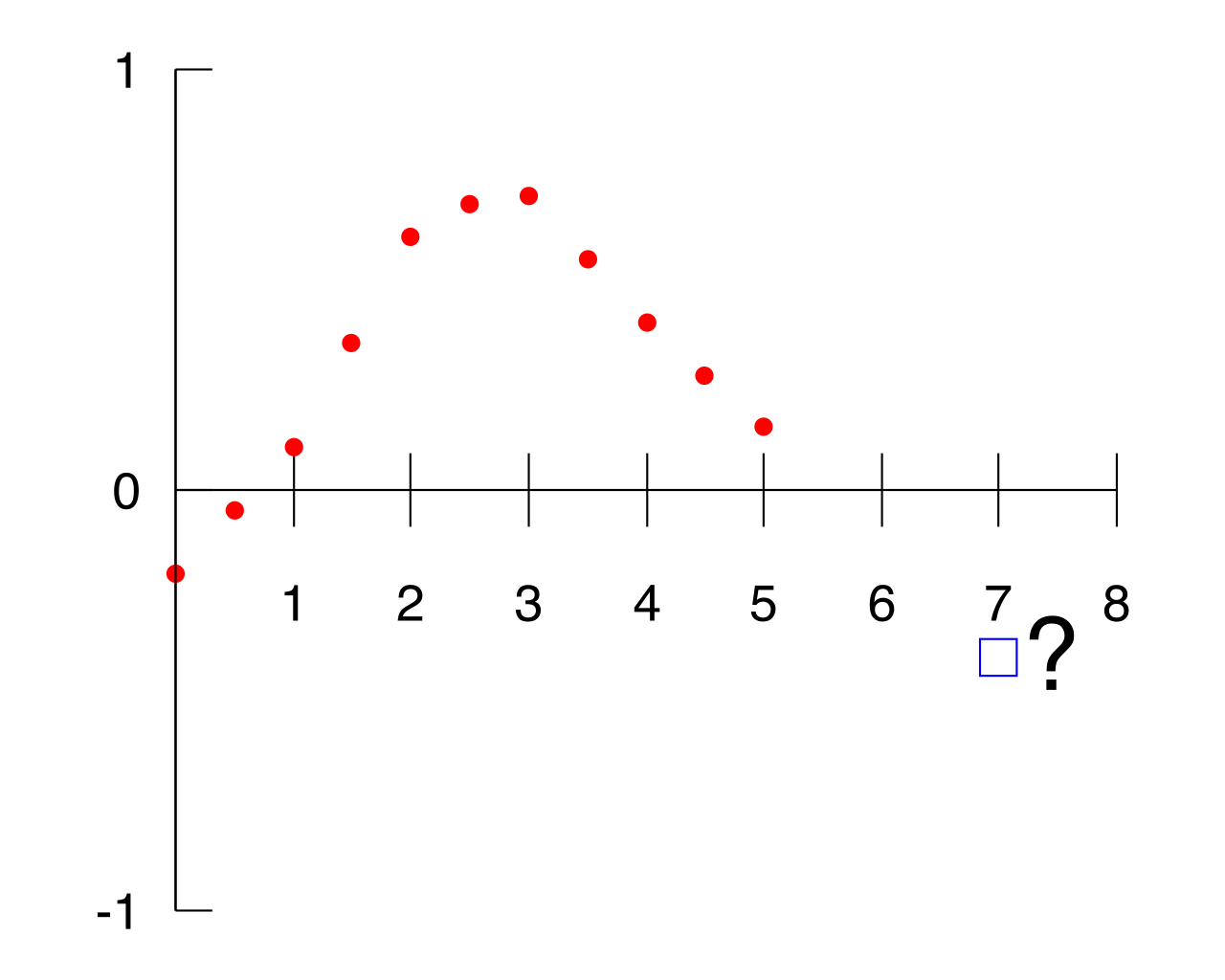
To determine the equation of a line from a table of values, a student must calculate the slope using two coordinate pairs from the table. It does not matter which two pairs are chosen, as the rate of change is constant. Once the slope is found, the y-intercept of a line can be identified from a table of values by finding the y-value that corresponds to an x-value of zero. If x=0 is not clearly listed in the table, you must extrapolate backward using the newly found slope, or use the point-slope form to build the equation and convert it.
From a Graph
The y-intercept of a linear graph can be found by locating the exact point where the graphed line crosses the y-axis. Verify this visual inspection mathematically if the line does not cross exactly at a clean integer grid intersection.
What happens when our lines stop behaving dynamically and become perfectly flat or perfectly upright? These are boundary cases, and they strictly test a student's conceptual grasp of slope.
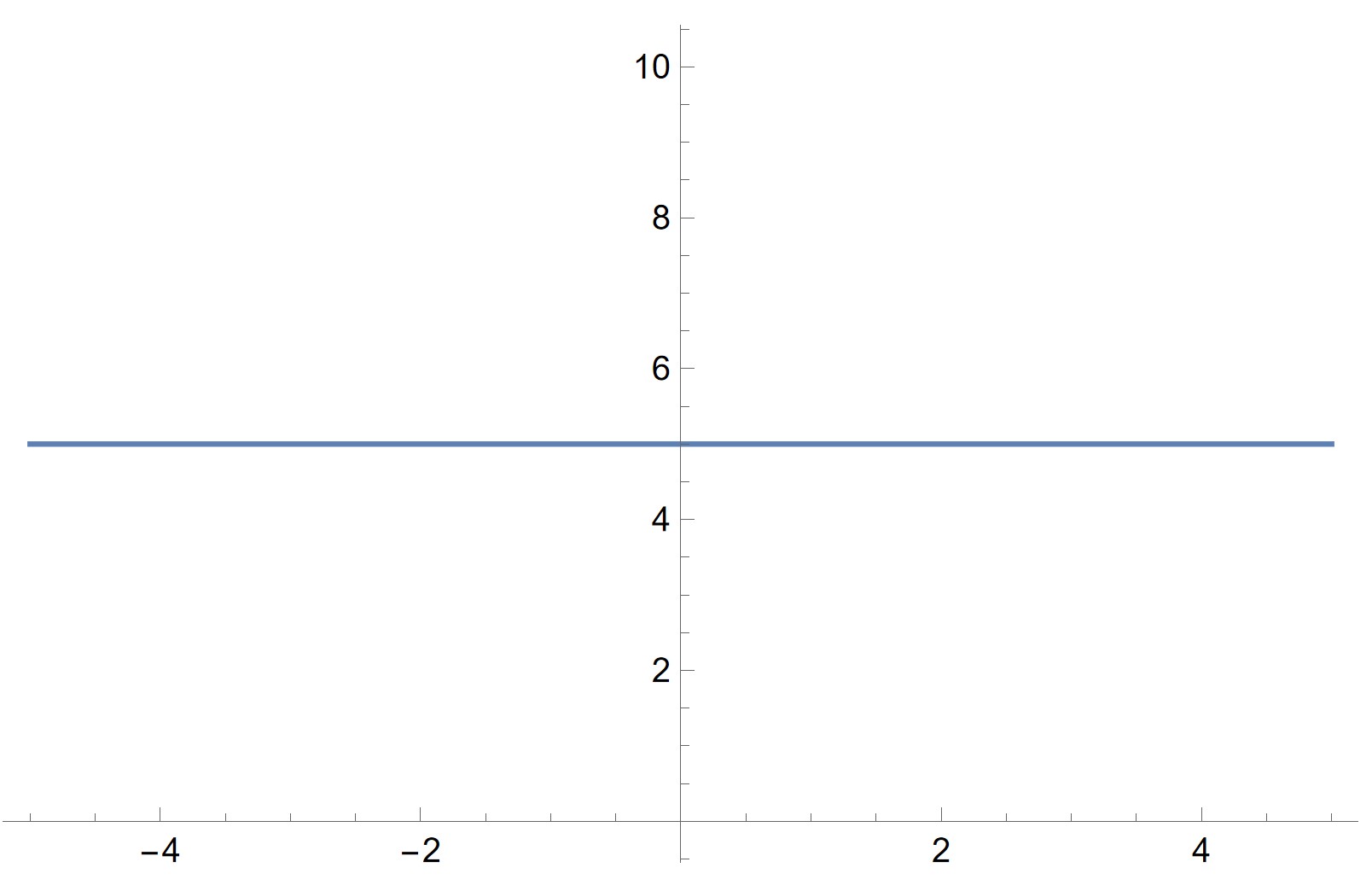
Horizontal Lines: Imagine walking across a perfectly flat floor. There is no steepness. Thus, a horizontal line always possesses a slope of exactly zero.
- The equation of a horizontal line takes the form y=c. (Since m=0, the x variable vanishes from y=0x+c).
- In the horizontal line equation y=c, the constant c represents the y-intercept. The line crosses the y-axis at (0,c) and stretches forever left and right, never rising or falling.
Vertical Lines: Now imagine walking up a perfectly vertical wall. You cannot. The steepness is incomprehensible. Therefore, a vertical line possesses an undefined slope. Because the change in x between any two points on a vertical line is zero, the slope formula necessitates dividing by zero, which is mathematically undefined.
- The equation of a vertical line takes the form x=c.
- In the vertical line equation x=c, the constant c represents the x-intercept. The line crosses the x-axis at (c,0) and shoots forever up and down, never moving left or right.
Lines do not merely exist in isolation; they interact.
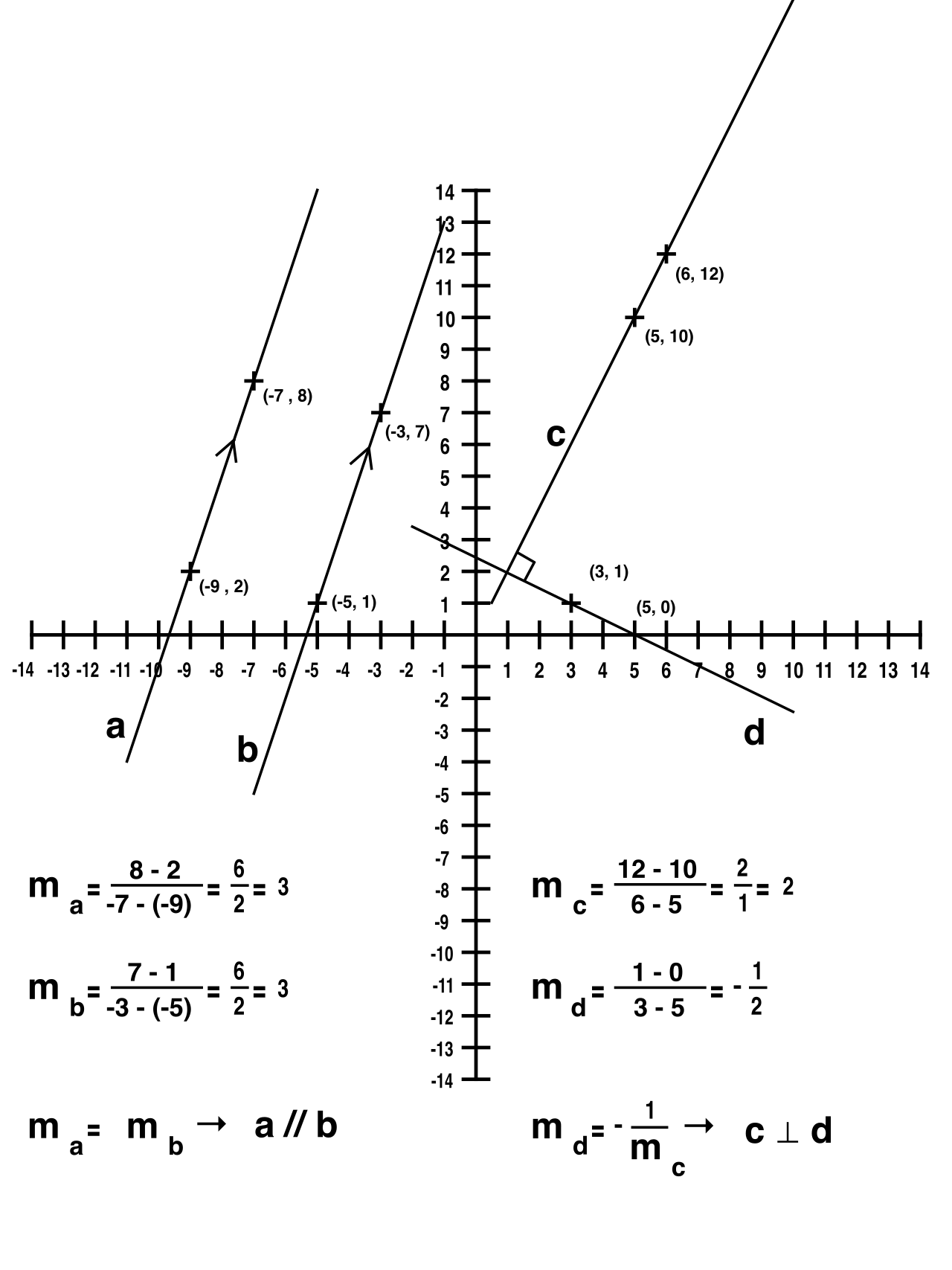
- Parallel lines always possess identical slopes. If two lines grow at the exact same rate, they will never intersect. The lines y=3x+4 and y=3x−9 are parallel because their slopes are identical, but their y-intercepts differ.
- Perpendicular lines possess slopes that are negative reciprocals of one another. If one line has a slope of A/B, the perpendicular line will cross it at a perfect 90-degree angle with a slope of −B/A. If a street runs at a slope of 2/3, the crosswalk painting intersects it perfectly at a slope of −3/2.
Finally, we look at the simplest and perhaps most crucial linear relationship modeled in middle school.
A proportional relationship is a specific type of linear relationship where the y-intercept is equal to zero. If you buy apples at \2a pound, zero pounds cost exactly zero dollars. The line originates at the [origin](https://en.wikipedia.org/wiki/Origin_%28mathematics%29)(0,0)$.
- The equation of a proportional relationship is typically written in the form y=kx. Notice the absence of a +b at the end.
- In the proportional relationship equation y=kx, the variable k represents the constant of proportionality.
- The constant of proportionality in a proportional relationship is mathematically equivalent to the slope of the linear graph.
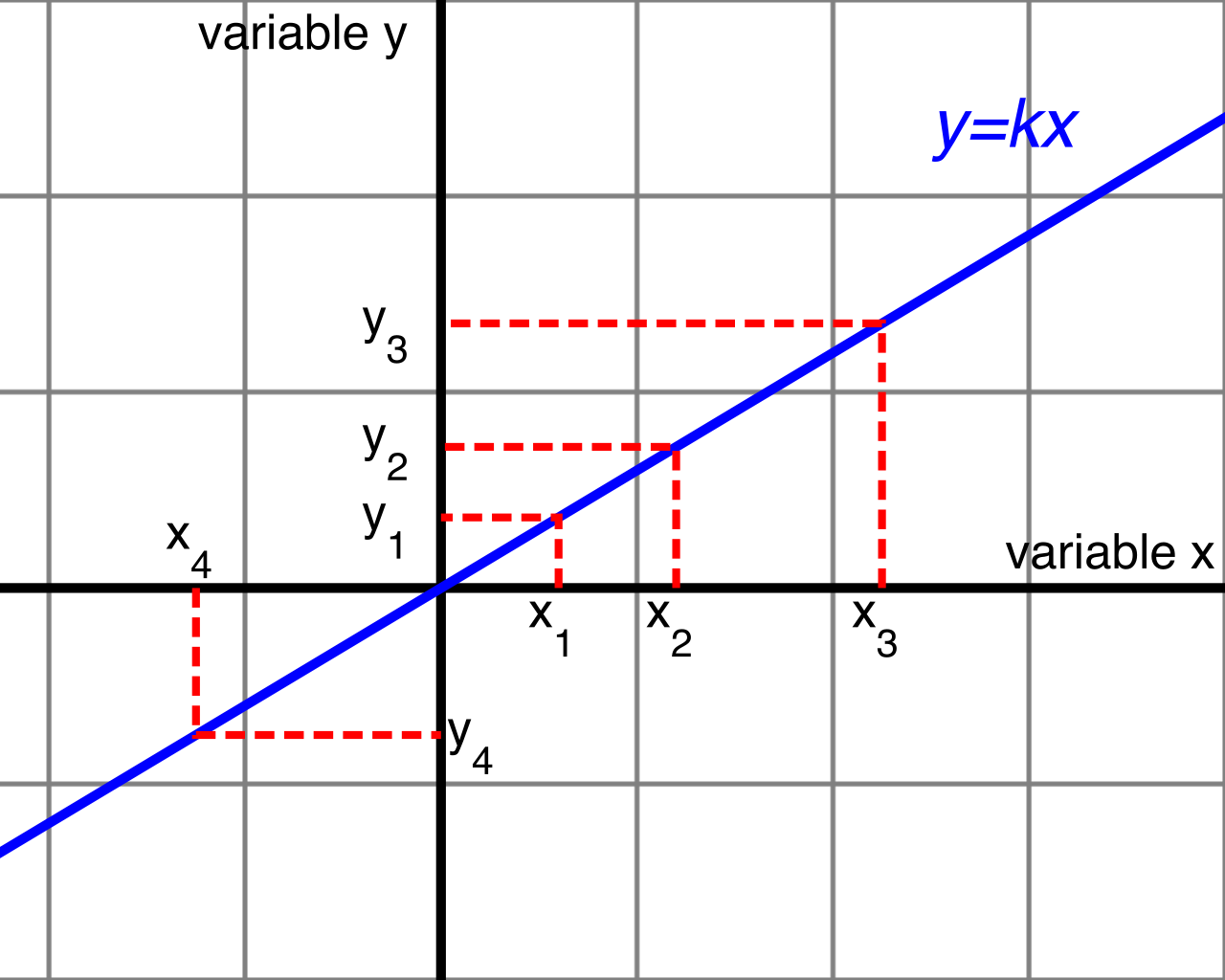
Teaching students to see that "k" in a proportional relationship is literally just the "m" in a linear relationship demystifies the curriculum. It shows them that mathematics is not a disjointed series of unrelated rules, but a beautifully consistent, interconnected machinery.
When you sit for the 5164 exam, approach each selected-response and numeric-entry item through this lens. Look at the algebraic forms not as random configurations of variables, but as intentional choices meant to highlight different truths about the line. Recognize the forms, execute the conversions rigorously, and confidently extract the structural blueprints of the line.