Function Notation and Relations
Not sure you’re ready?
Take the ~3-minute readiness diagnostic and see where you stand.
Imagine an automated assembly line designed to paint car doors. If you feed a steel door into the machine, it should consistently emerge painted red. If you feed the same door into the machine the next day, it must again emerge painted red. If, however, the machine occasionally paints the door blue or green without any change in the input, the process is unpredictable, defective, and practically useless.

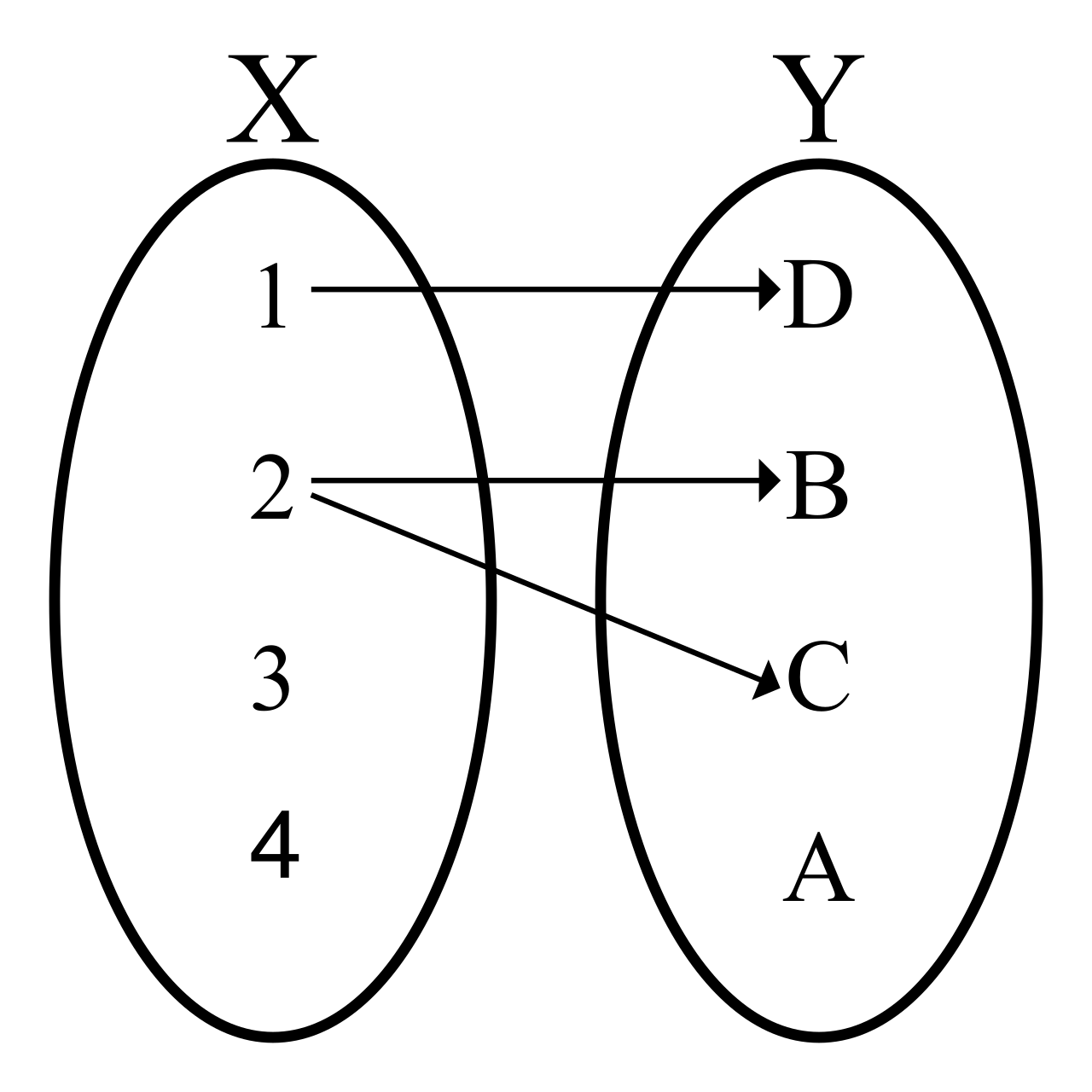
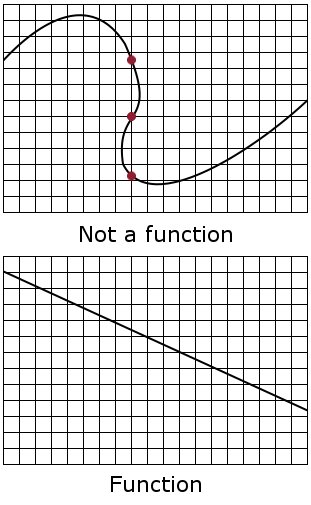
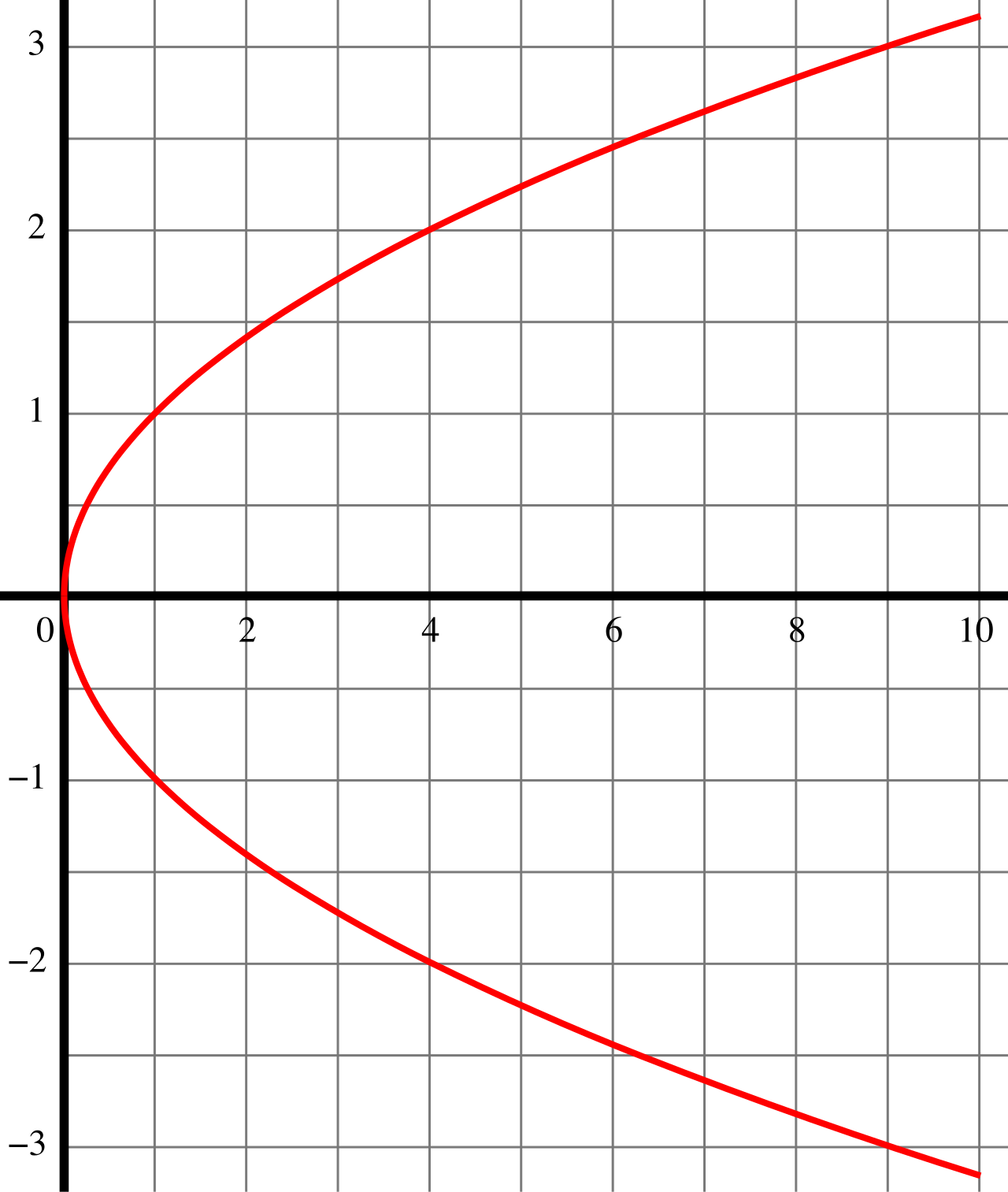
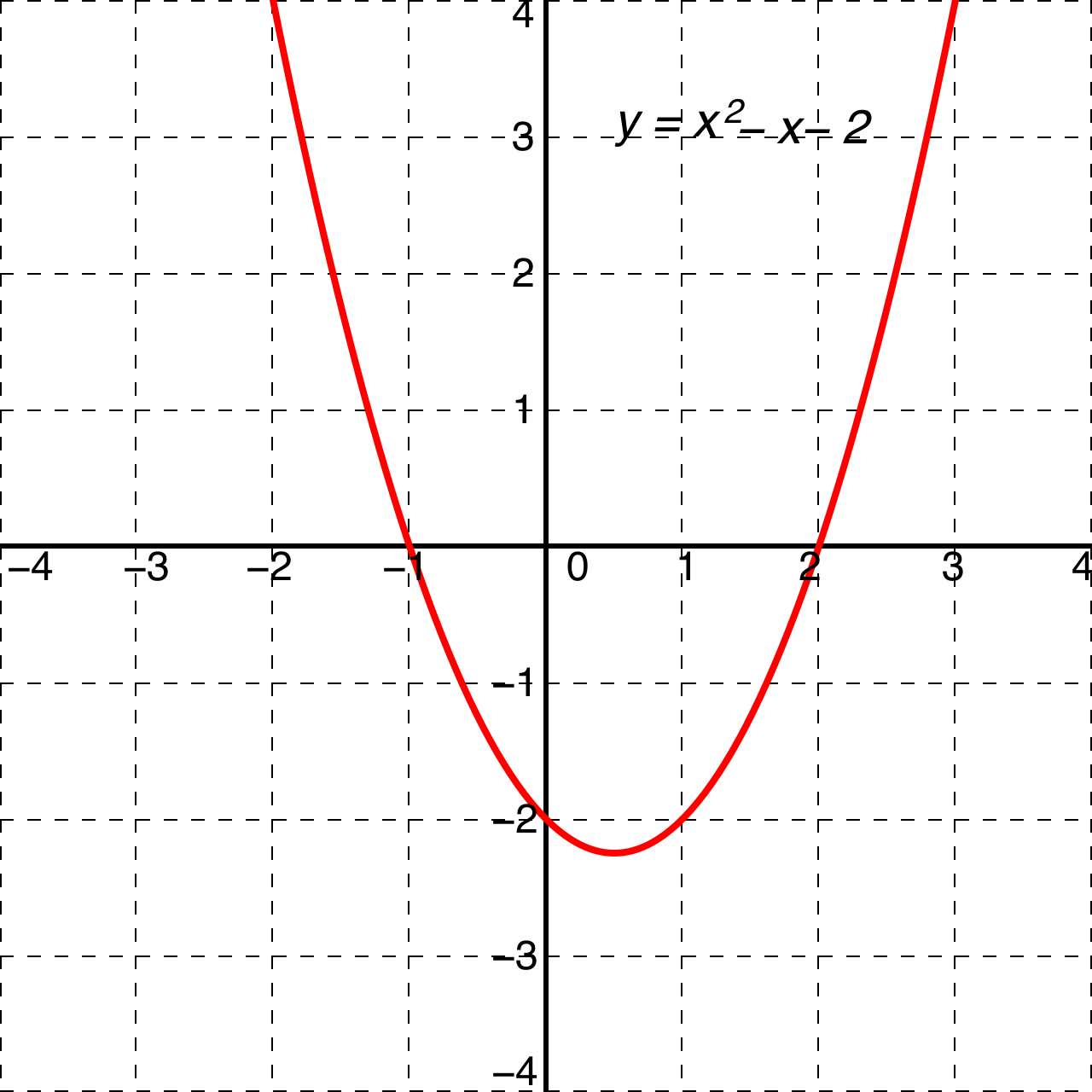
Mathematics demands the same predictability. We define a relation broadly as a set of ordered pairs mapping an input value to an output value. It is merely a set of linkages—a wiring diagram that shows what is connected to what. But a function is a specific type of relation where each input value maps to exactly one output value. This strict requirement guarantees determinism. When modeling physical phenomena, from planetary orbits to financial compound interest, we require mathematical machinery that behaves reliably. If an input of seconds yields an output of both meters and meters simultaneously, we no longer have a predictable model of a particle's position.
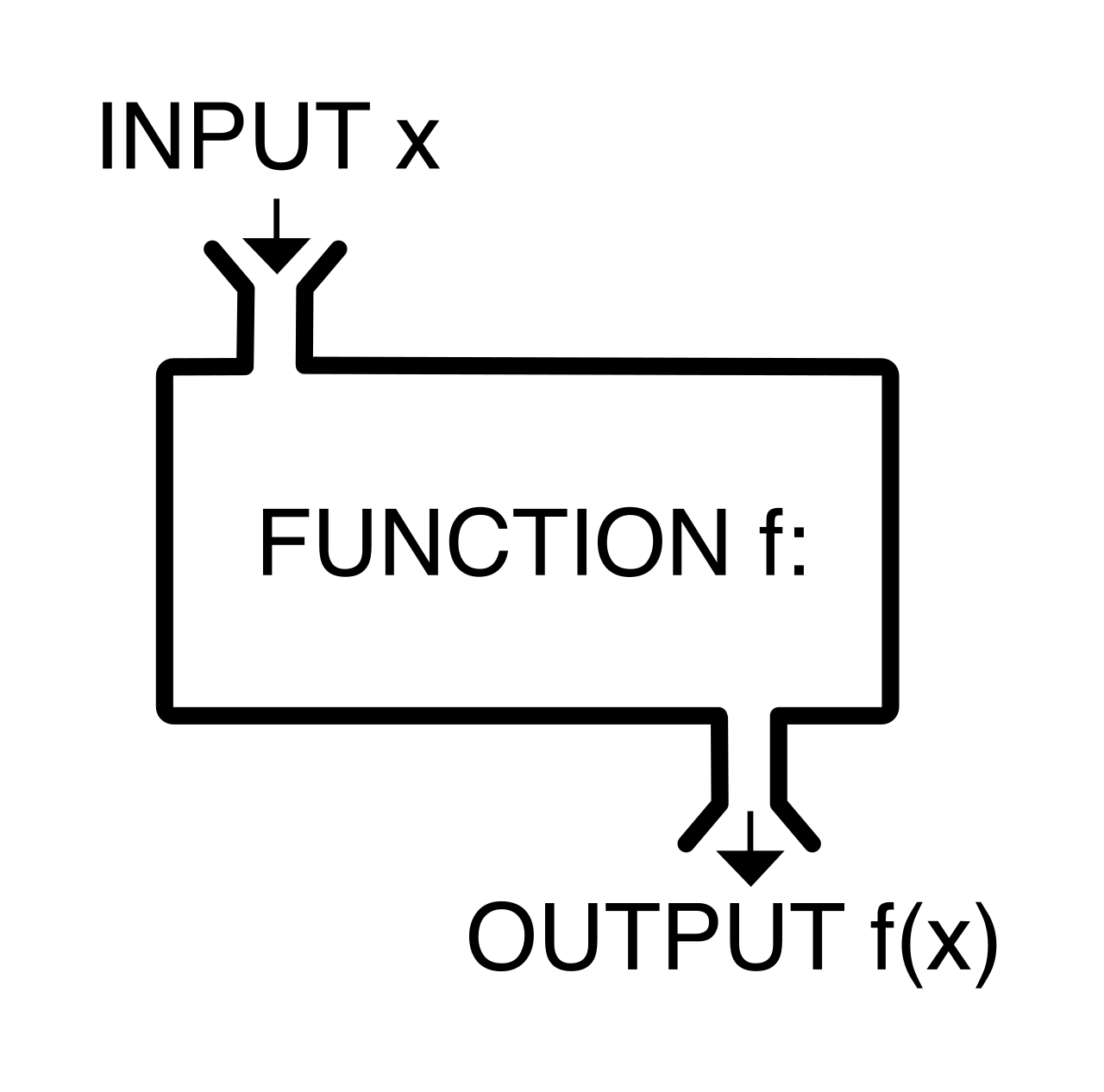
As an educator preparing for the mathematics classroom, your ability to dismantle, inspect, and explain these conceptual machines—their inputs, their outputs, and their rules of operation—is foundational to teaching secondary mathematics.