Animal Homeostasis and Behavior
Not sure you’re ready?
Take the ~3-minute readiness diagnostic and see where you stand.
An organism is a thermodynamic paradox. It exists in a universe that relentlessly drives toward entropy, yet it maintains strict internal order amidst wildly fluctuating external conditions. This biological imperative is the foundation of survival. As future biology educators, understanding how animals achieve this stability—and how that stability dictates their behavior—is not merely a curriculum standard to memorize. It is the core narrative of life itself, the lens through which every physiological process and ecological interaction makes sense. When your future students ask why they shiver in the cold, why they crave sugar, or why a bird risks its life to sing a warning call, you will not just give them vocabulary words. You will show them the elegant, unyielding mechanics of life preserving itself.
To understand animal physiology, we must begin with homeostasis, which is the maintenance of a relatively stable internal environment despite external changes. Think of it as a biological autopilot. Your body is constantly bombarded by changes in temperature, nutrient availability, and hydration, yet your internal chemistry remains remarkably constant.
How is this achieved? Through a continuous dialogue between three components:
- A receptor, which is a sensory structure that detects changes in the internal or external environment.
- A control center (often the brain or an endocrine gland), which processes this information.
- An effector, which is an organ or tissue that carries out a response directed by a homeostatic control center.
Most of these systems operate via a negative feedback loop. This mechanism dampens a stimulus to return a physiological system to a target set point. If your house gets too hot, the thermostat turns off the furnace. Similarly, if your blood pressure spikes, a negative feedback loop works to bring it back down.
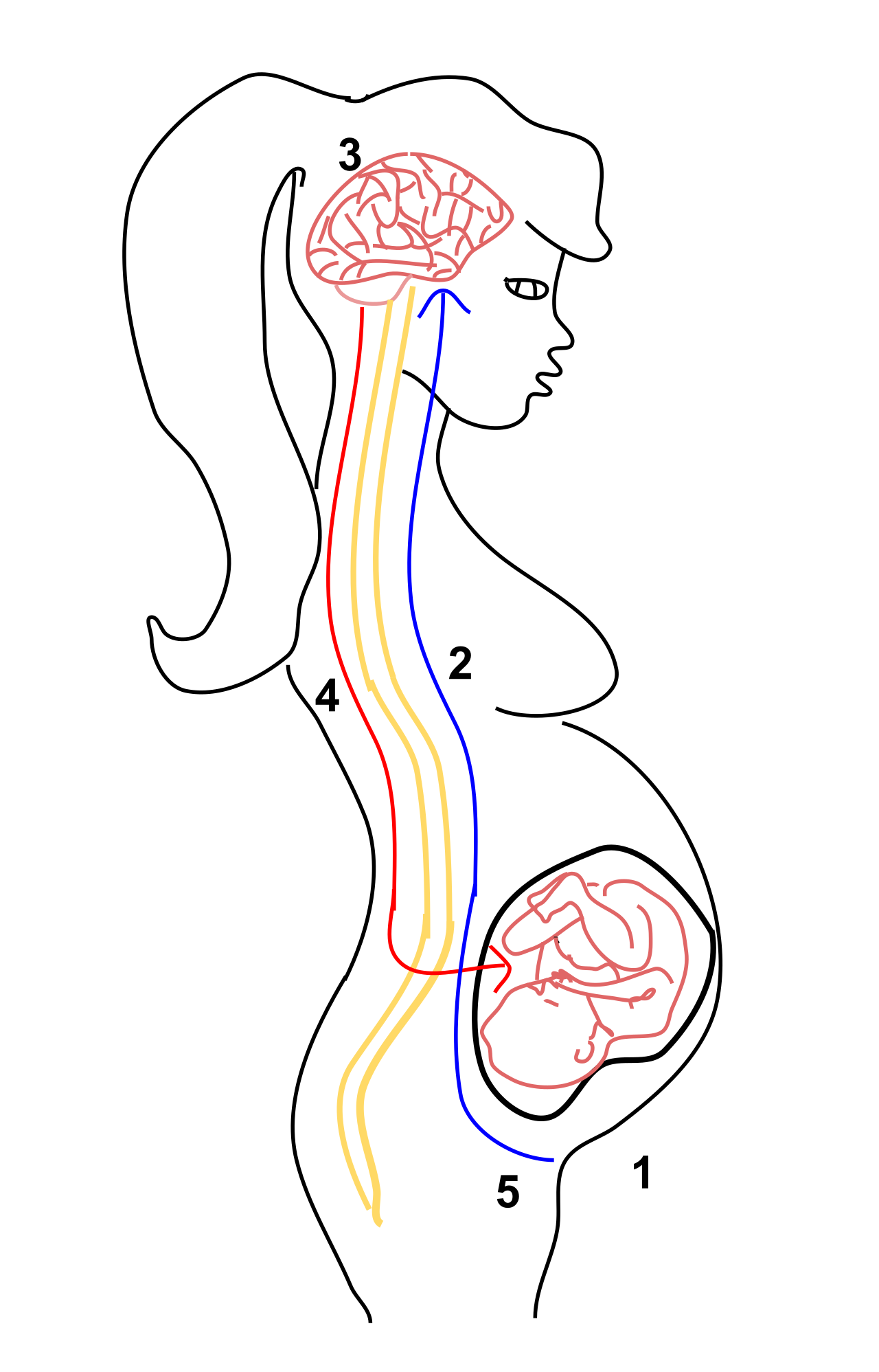
Occasionally, nature requires an explosive, cascading response. This is a positive feedback loop, which amplifies a stimulus to drive a physiological process to completion. Childbirth is the classic example: the stretching of the cervix triggers the release of oxytocin, which causes stronger contractions, which causes more stretching, driving the process forward until the baby is born. Positive feedback pushes a system to a climax; negative feedback pulls it back to baseline.
In your classroom, you will manage resources—time, attention, supplies. The animal body manages chemical resources with ruthless efficiency, relying primarily on endocrine glands acting as control centers.
Blood Glucose: The Energy Currency
When you eat a carbohydrate-heavy meal, blood sugar spikes. The pancreas secretes insulin to lower blood glucose levels, signaling cells to take up glucose and the liver to store it as glycogen. When you skip breakfast and your blood sugar drops, the pancreas secretes glucagon to raise blood glucose levels, commanding the liver to break down glycogen and release glucose back into the blood.

Calcium: The Structural and Cellular Signal
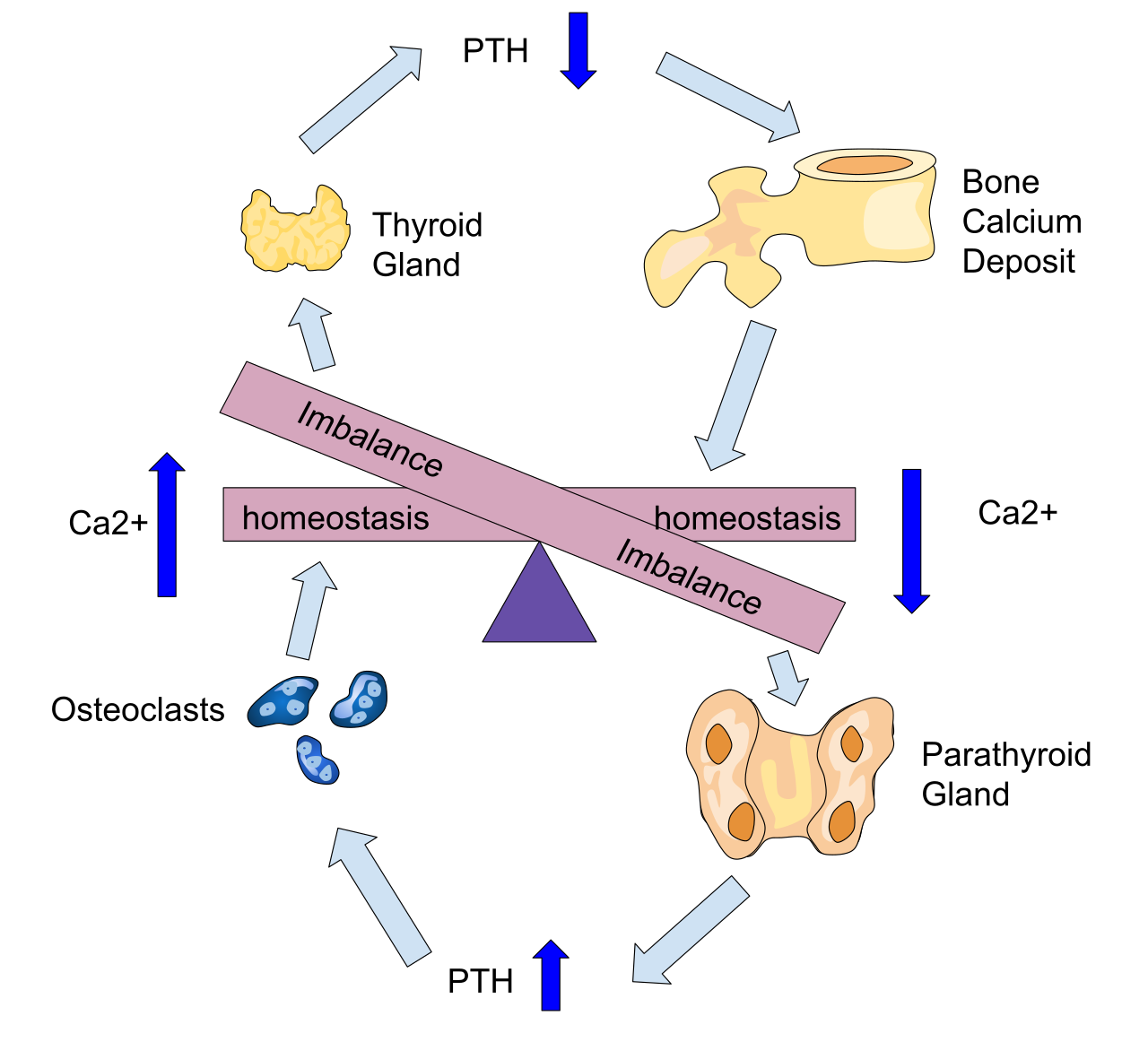
Calcium isn't just for bones; it is the trigger for muscle contraction and neurotransmitter release. Blood calcium must be kept in an incredibly tight range. When levels are too high, the thyroid gland releases calcitonin to decrease blood calcium levels (think: calcitonin "tones down" calcium by depositing it into bone). When levels are too low, the parathyroid glands release parathyroid hormone to increase blood calcium levels, leaching it from bones and increasing absorption in the gut.
Osmoregulation: The Water Balance
Life is an aqueous solution. The kidneys regulate blood osmolarity by controlling the excretion and reabsorption of water and dissolved solutes. If an animal is dehydrated, the pituitary gland releases a hormone that acts on the kidneys. Specifically, antidiuretic hormone increases water reabsorption in the collecting ducts of the kidneys, preventing water loss in urine and concentrating the blood back to its ideal osmolarity.
Temperature dictates the speed of every chemical reaction in the body. Thermoregulation is the process by which animals maintain an internal temperature within a tolerable range.
To teach this effectively, you must decouple the source of an animal's heat from the stability of its temperature.
| Heat Source | Definition |
|---|---|
| Endotherms | Generate most of their body heat through internal metabolic processes (e.g., mammals, birds). |
| Ectotherms | Gain most of their body heat from external environmental sources (e.g., reptiles, amphibians). |
| Temperature Stability | Definition |
|---|---|
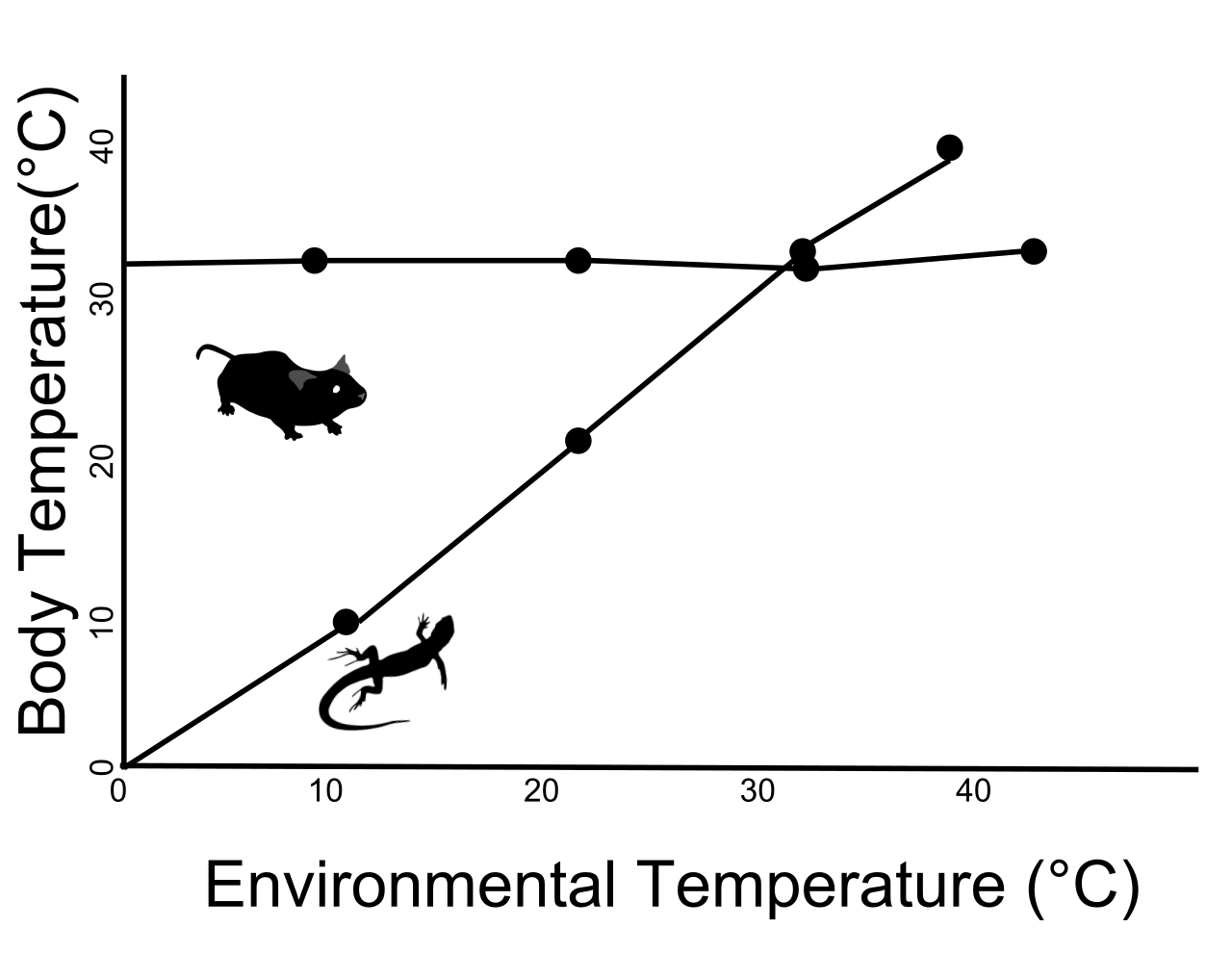
| Homeotherms | Maintain a relatively constant body temperature regardless of environmental temperature. |
| Poikilotherms | Possess body temperatures that fluctuate with environmental temperatures. |
Note for your exams: While most endotherms are homeotherms, there are exceptions! A hibernating mammal is an endotherm whose body temperature fluctuates, making it a poikilotherm during winter.
The Physics of Heat Exchange
Organisms are physical objects subjected to the laws of thermodynamics. They exchange heat with their environment in four ways:
- Conduction: The direct transfer of thermal motion between molecules of objects in direct physical contact. (A lizard sitting on a hot rock).
- Convection: The transfer of heat by the movement of air or liquid past a surface. (A breeze cooling a sweaty runner).
- Radiation: The emission of electromagnetic waves by all objects warmer than absolute zero. (The sun warming an animal without direct contact).
- Evaporation: The removal of heat from the surface of a liquid that is losing some of its molecules as gas. (Panting or sweating).
Mechanisms of Thermal Control
In mammals, the hypothalamus acts as the primary integration center for maintaining body temperature. It is the body's master thermostat. When it detects a shift from the set point, it orchestrates several physiological and anatomical effectors:
- Vasodilation: Widens superficial blood vessels to increase heat loss to the environment. (Why faces flush red during exercise).
- Vasoconstriction: Narrows superficial blood vessels to reduce heat loss to the environment. (Why fingers turn pale in the snow).
- Shivering thermogenesis: Generates heat through involuntary muscle contractions.
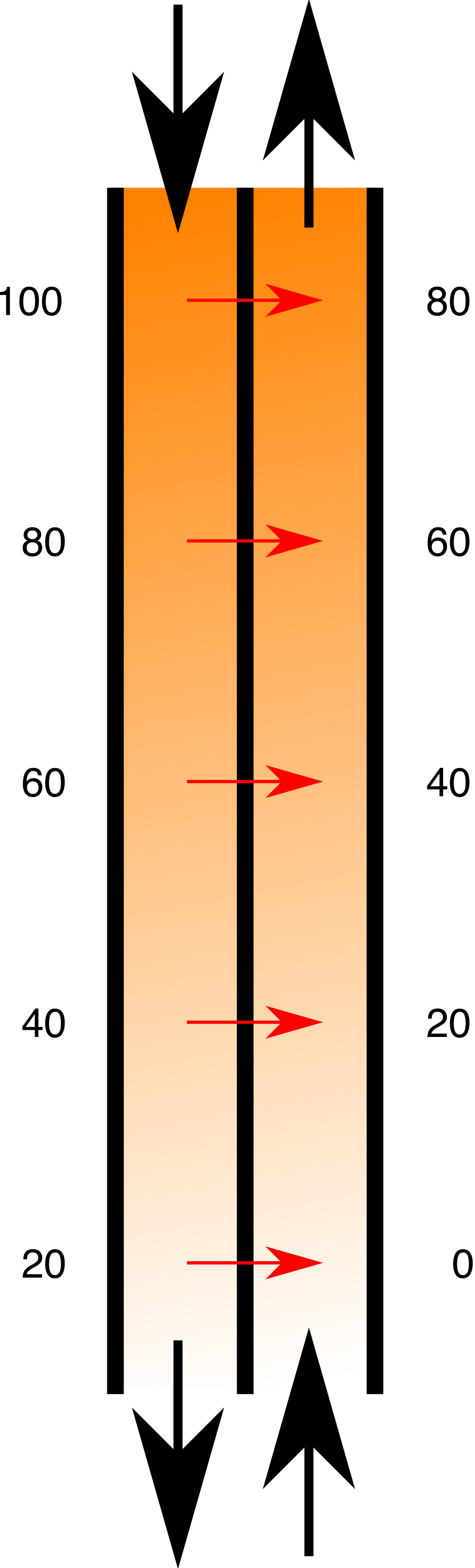
Animals also utilize brilliant anatomical engineering. Countercurrent heat exchange transfers heat between fluids flowing in opposite directions to reduce thermal loss. Imagine the leg of a goose standing on ice. The warm arterial blood flowing down the leg runs parallel to the cold venous blood returning to the body. Heat transfers from the artery to the vein, warming the returning blood and preventing the goose's core from chilling.
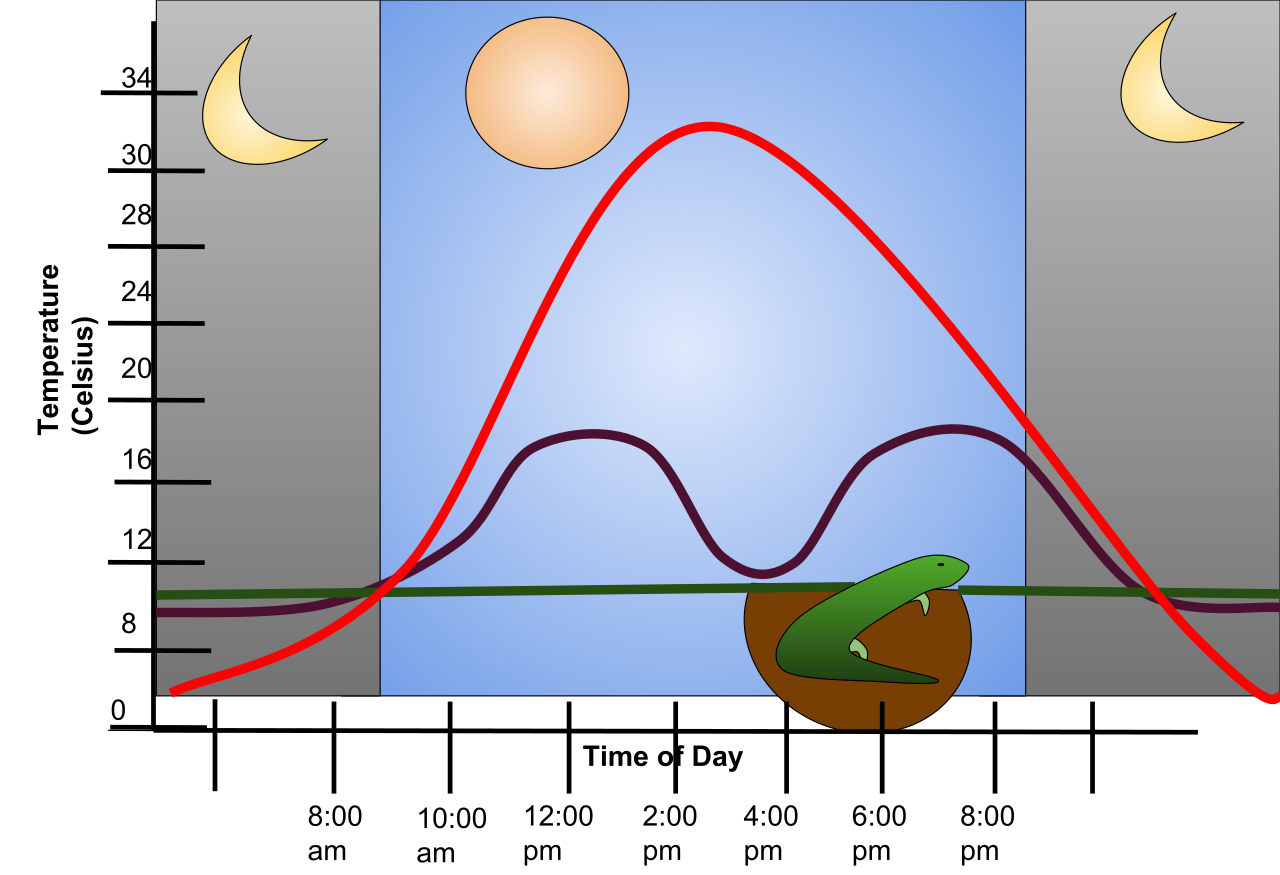
Ectotherms, lacking the metabolic furnace of endotherms, rely heavily on movement. Ectotherms utilize behavioral responses like basking in the sun to increase body temperature or retreating to burrows to cool down.
Behavior is the nervous system's response to a stimulus, and it is just as subject to evolutionary selection as a physical trait like a wing or a lung. We divide behaviors into two broad categories: innate and learned.
Innate Behaviors: Hardwired by Evolution
Innate behaviors are developmentally fixed and performed virtually the same way by all individuals in a population. They require no prior experience.
The most rigid of these is a fixed action pattern, which is a sequence of unlearned acts directly linked to a simple stimulus. Once initiated, the sequence must run to completion. The trigger for this is a sign stimulus, the external trigger that initiates a fixed action pattern. Example: A male stickleback fish will aggressively attack anything with a red underbelly (the sign stimulus), even a completely unrealistic wooden block, acting out a territorial fixed action pattern.
Simple movements are also hardwired.
- Kinesis is a random change in activity or turning rate in response to a stimulus. (Pillbugs scatter randomly when a log is lifted, moving fast until they happen to find a humid spot where they slow down).
- Taxis, on the other hand, is an oriented, directional movement toward or away from a specific stimulus. (A moth flying directly toward a light is exhibiting positive phototaxis).
Learned Behaviors: Sculpted by Experience
As animals navigate complex environments, hardwiring isn't enough. Learned behaviors are modified as a result of specific experiences.
- Habituation is a loss of responsiveness to stimuli that convey little or no new information. When you teach, your students initially notice the hum of the HVAC system, but soon stop hearing it. That is habituation—a vital way the brain filters out "noise."
- Imprinting is the establishment of a long-lasting behavioral response to a particular individual or object. Crucially, imprinting can only occur during a specific developmental time frame known as the sensitive period. (Ducklings following the first moving object they see after hatching).
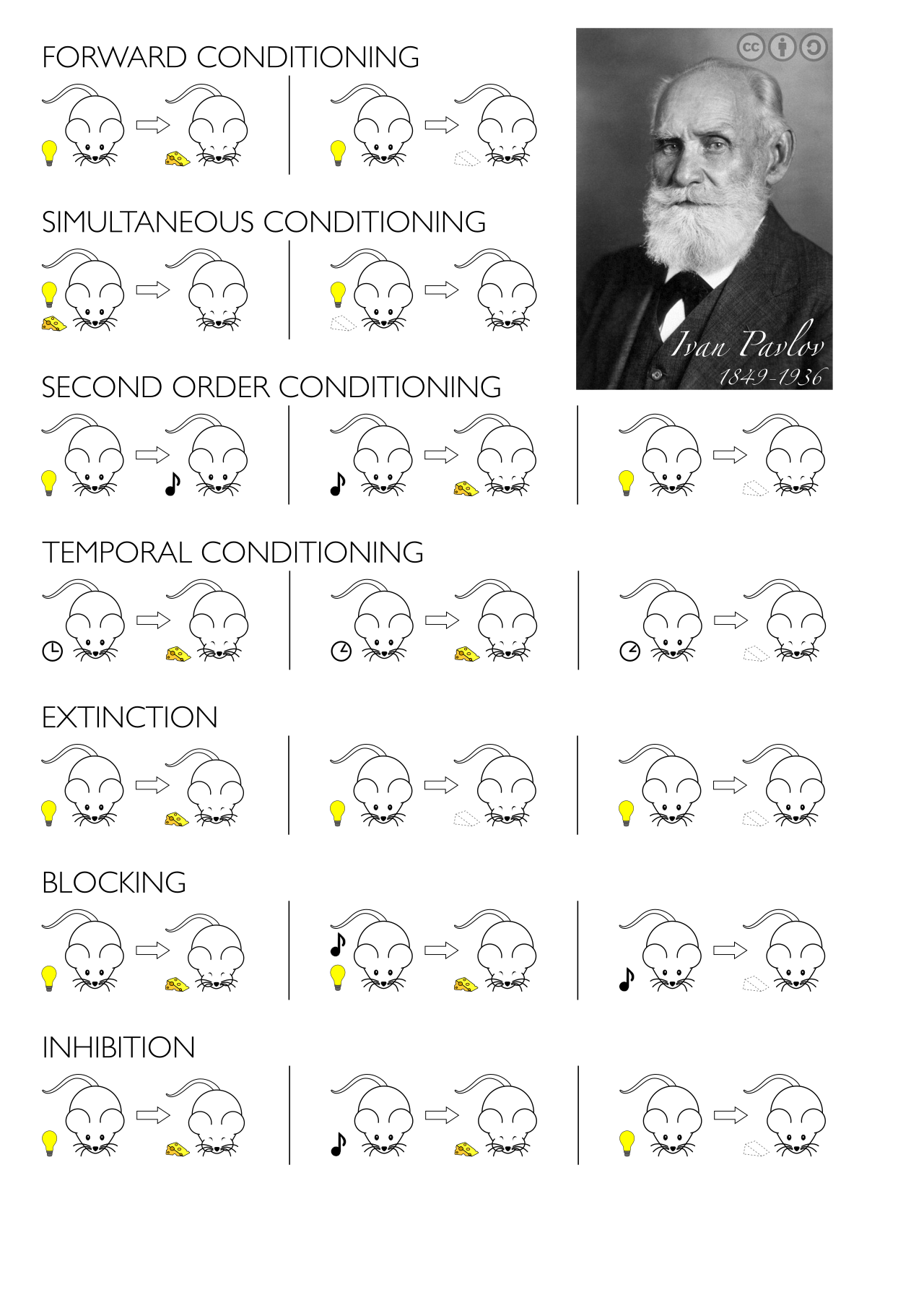
- Classical conditioning associates an arbitrary stimulus with a particular outcome. (Pavlov's dogs drooling at the sound of a bell).
- Operant conditioning associates an animal's own behavior with a reward or punishment. This is trial-and-error learning. (A rat learning to press a lever for food, or a student learning that studying yields a higher grade).
- Spatial learning establishes a memory that reflects the spatial structure of the environment. (A wasp memorizing the arrangement of pine cones around its nest to find its way home).
- Insight learning involves reasoning and problem-solving to overcome a novel obstacle, without prior trial and error. (A chimpanzee stacking boxes to reach a suspended banana).
When organisms live in proximity, behavior becomes exponentially more complex. Social behavior encompasses any interaction between two or more animals of the same species.
Because resources—food, mates, space—are finite, conflict is inevitable. Territoriality involves an individual defending a bounded physical space against encroaching conspecifics. When individuals clash over these resources, they often engage in agonistic behavior, which is an often ritualized contest that determines which competitor gains access to a resource. Rather than fighting to the death, wolves will bare teeth and posture, settling the dispute with minimal bloodshed. Over time, these interactions forge dominance hierarchies, which establish a linear social ranking within a group based on agonistic interactions (the classic "pecking order").
The Evolutionary Puzzle of Altruism
Darwin's theory of natural selection rests on individuals maximizing their own reproductive success. How, then, do we explain behaviors where animals risk their lives for others?
Altruism describes a behavior that reduces an individual's personal fitness while increasing the fitness of other individuals in the population. A Belding's ground squirrel will emit a high-pitched alarm call to warn the colony of an approaching hawk, drawing the hawk's attention to itself and likely dying in the process.
The mathematical genius of evolutionary biology solved this puzzle. It is driven by kin selection, which favors altruistic behavior by enhancing the reproductive success of relatives. Because relatives share copies of your genes, helping them survive helps your genes survive.
Hamilton's Rule Mathematically, Hamilton's rule states that altruism is favored when the benefit to the recipient multiplied by the coefficient of relatedness exceeds the cost to the altruist. Formula: rB>C (Where r = genetic relatedness, B = benefit in extra offspring, C = cost in lost offspring).
This leads us to the grand unifying concept of sociobiology: inclusive fitness. This is the total effect an individual has on proliferating its genes by producing offspring and helping close relatives produce offspring. An animal isn't just a vehicle for its own survival; it is a vehicle for its genetic lineage.
Communication: The Glue of Sociality
None of these complex social structures work without communication. Animals transmit information across various sensory modalities.
Chemically, animals rely on pheromones, which are chemical substances emitted by animals that communicate messages through odors or tastes. A female moth can release a pheromone that attracts a male from miles away.
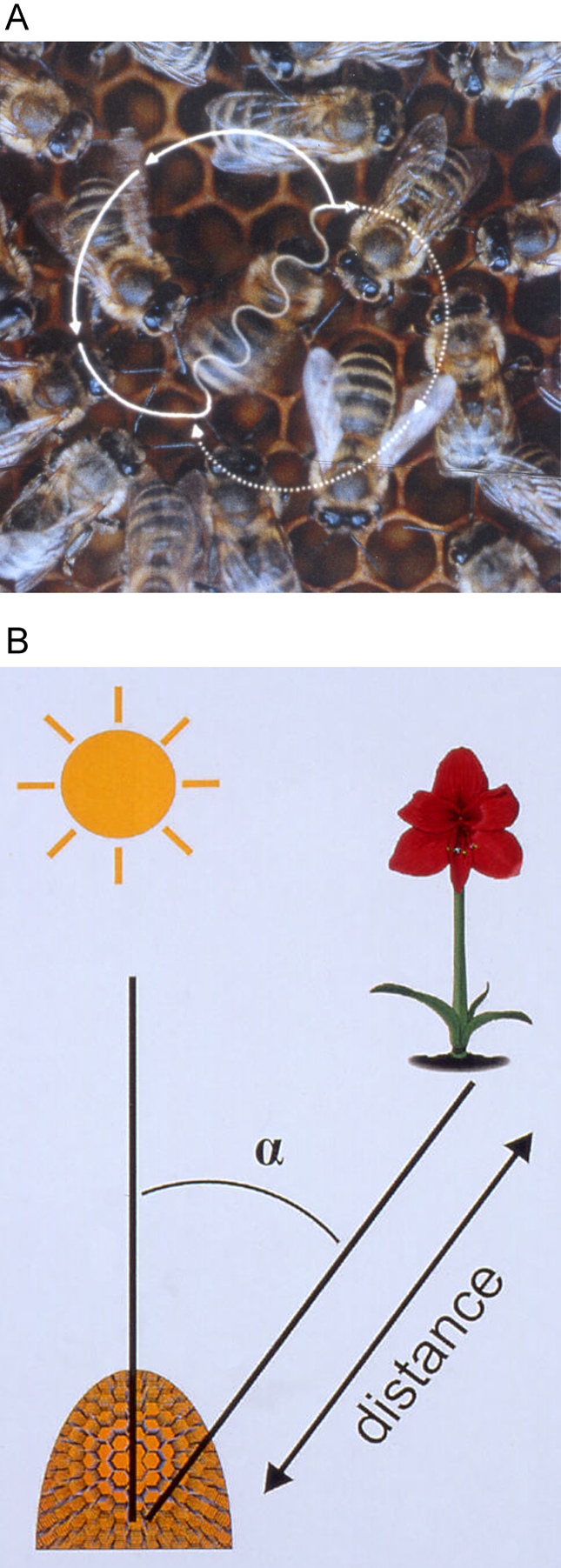
Visually and kinetically, communication can reach astonishing heights of sophistication. The most famous example in all of behavioral ecology is found in the hive. Honeybees use a complex waggle dance to communicate the distance and direction of a food source to hive mates. By observing the angle of the dance relative to gravity and the duration of the waggle, a bee sitting in pitch darkness knows exactly how far and in what direction to fly to find nectar.
As future biology teachers, this is the story you are tasked with telling. From the molecular opening of a calcium channel to the rhythmic dance of a honeybee, life is an unbroken chain of biological solutions to the problems of a hostile universe. Master these concepts, and you won't just pass your exam—you will illuminate the living world for the next generation.