Biological Molecules and Water
Not sure you’re ready?
Take the ~3-minute readiness diagnostic and see where you stand.
Drop a handful of elemental carbon, hydrogen, oxygen, and nitrogen onto a laboratory bench, and you have nothing but a quiet, inert pile of dust and gas. Yet, if you arrange those exact same atoms according to a specific set of rules governing electron sharing and electrostatic geometry, you construct a system capable of metabolizing, dividing, and eventually looking back at itself to investigate how it works. The leap from dead chemistry to living biology is entirely a function of molecular architecture. For an aspiring biology teacher preparing to illuminate this subject for secondary students, mastering these atomic relationships is not about memorizing trivia; it is about grasping the engineering principles of life. If you cannot explain the polarity of water or the folding of a protein, you cannot explain cellular respiration, genetics, or ecology. Every biological process you will ever teach is, at its core, a chemical event.
Before we can build a cell, we must understand how atoms stick together. The behavior of an atom is dictated by its electrons, specifically those in its outermost shell.
Covalent bonds form when two atoms share pairs of electrons to achieve a stable electron configuration.
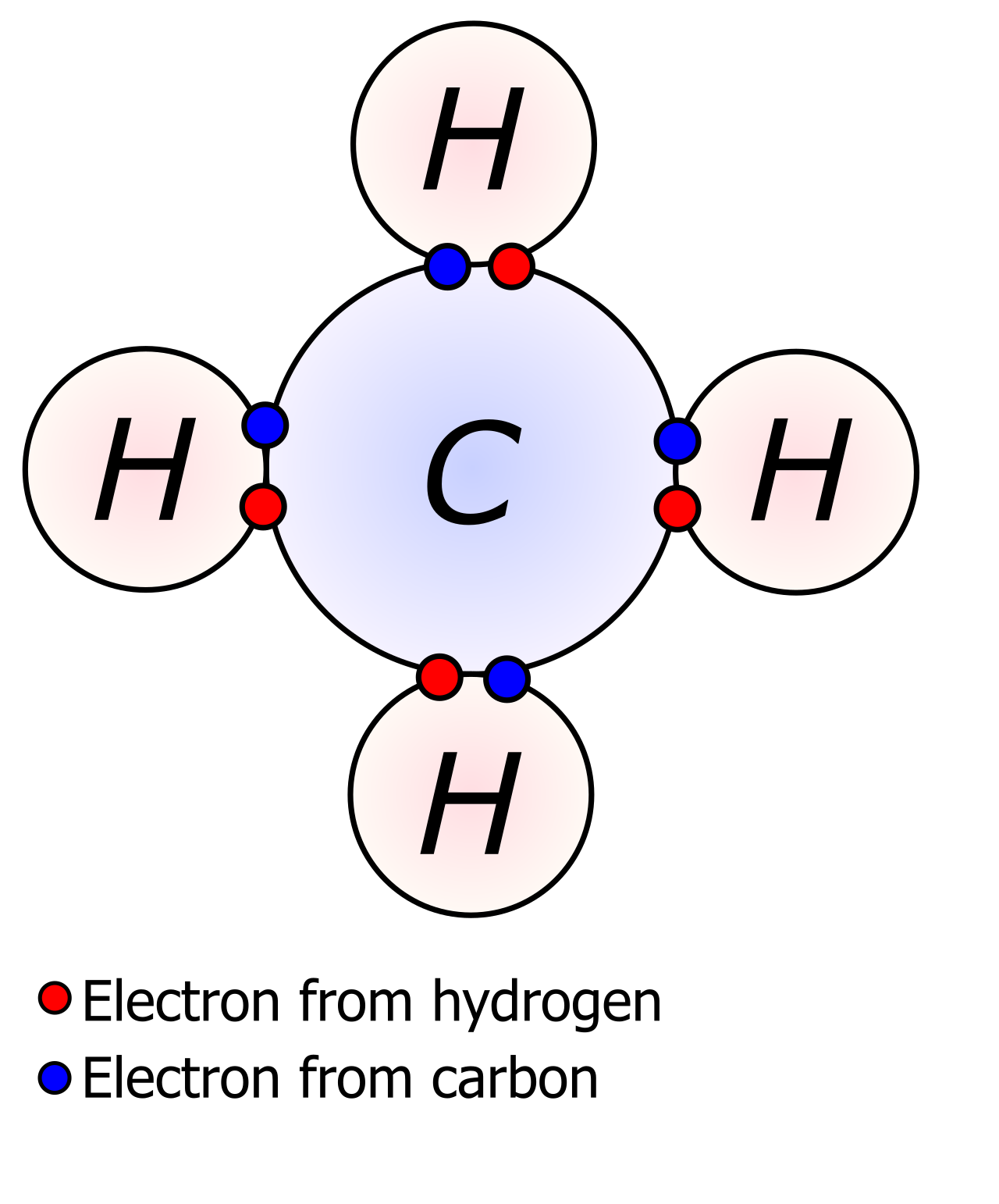
When your future students ask why some molecules are stable while others are reactive, point them to the symmetry of this sharing. Nonpolar covalent bonds involve the equal sharing of electrons between atoms. However, atoms are not all equally "greedy" for electrons. When atoms have different electronegativities—different inherent pulls on electrons—they form polar covalent bonds, which involve the unequal sharing of electrons due to differences in atomic electronegativity.
If the electronegativity difference is so severe that sharing is completely abandoned, one atom steals an electron entirely. The resulting ionic bonds result from the electrostatic attraction between oppositely charged ions.
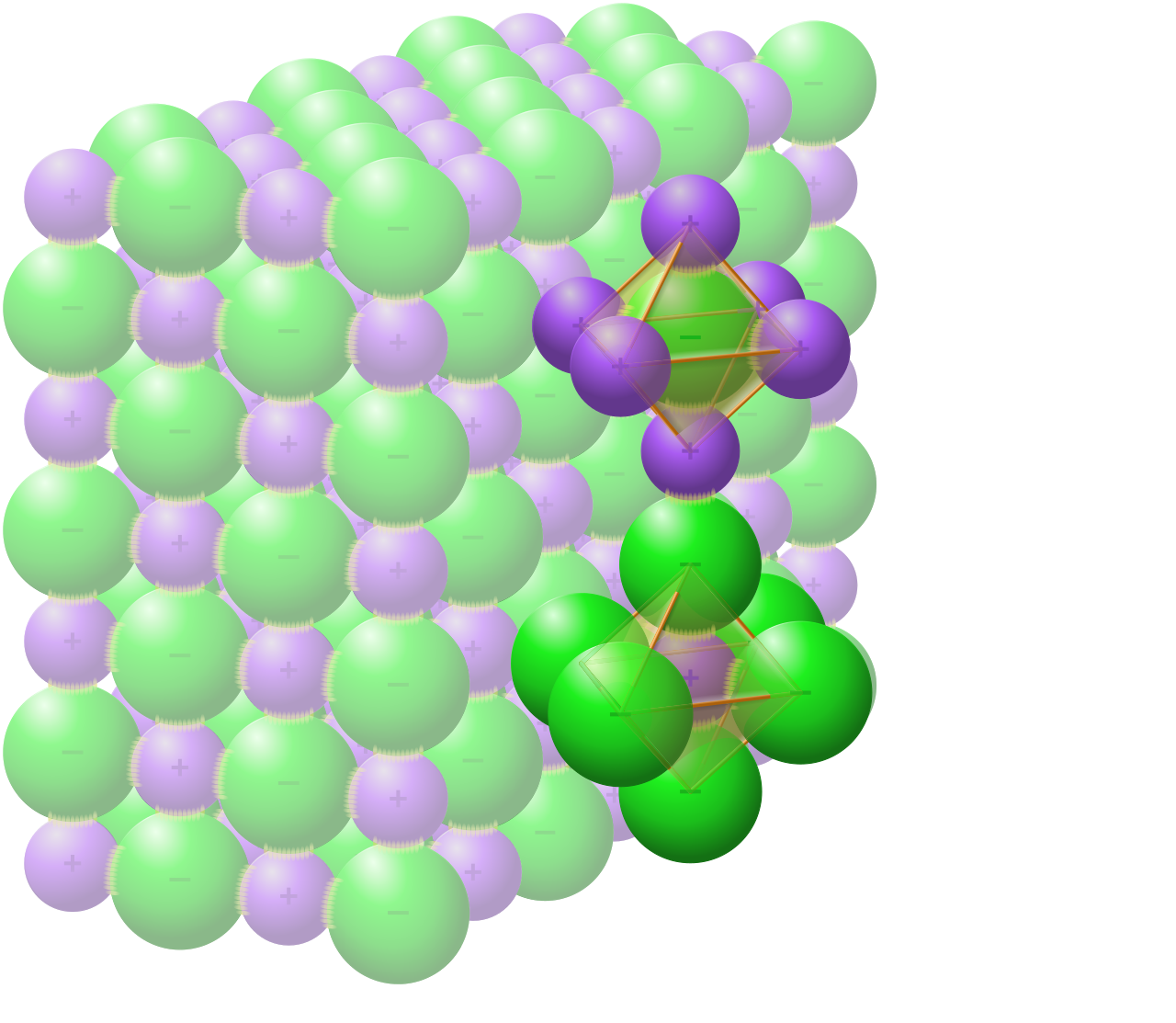
But the most important chemical division you must teach is the line between the organic and the inorganic. Inorganic molecules generally lack carbon-hydrogen bonds. Water, carbon dioxide, and sodium chloride fall into this category. Conversely, organic molecules are defined by the presence of carbon-hydrogen bonds.
Why carbon? Why is life carbon-based rather than silicon-based? Because a single carbon atom has four valence electrons. Consequently, carbon atoms can form up to four covalent bonds with other atoms. This allows carbon to act as the ultimate molecular intersection, forming long chains, branched structures, and complex rings. It is the Lego brick of the universe, offering infinite geometric possibilities.

When you look at a photograph of Earth from space, you are looking at a watery world. Life evolved in water, and every living cell is essentially a microscopic bag of water. To understand biology, you must understand the strange, counterintuitive physics of H2O.
A water molecule consists of two hydrogen atoms covalently bonded to one oxygen atom. However, oxygen is more electronegative than hydrogen. It hoards the shared electrons. This unequal sharing of electrons in a water molecule creates a polar molecule. Because electrons spend more of their time buzzing around the oxygen nucleus, the oxygen atom in a water molecule carries a partial negative charge, while the hydrogen atoms in a water molecule carry partial positive charges.
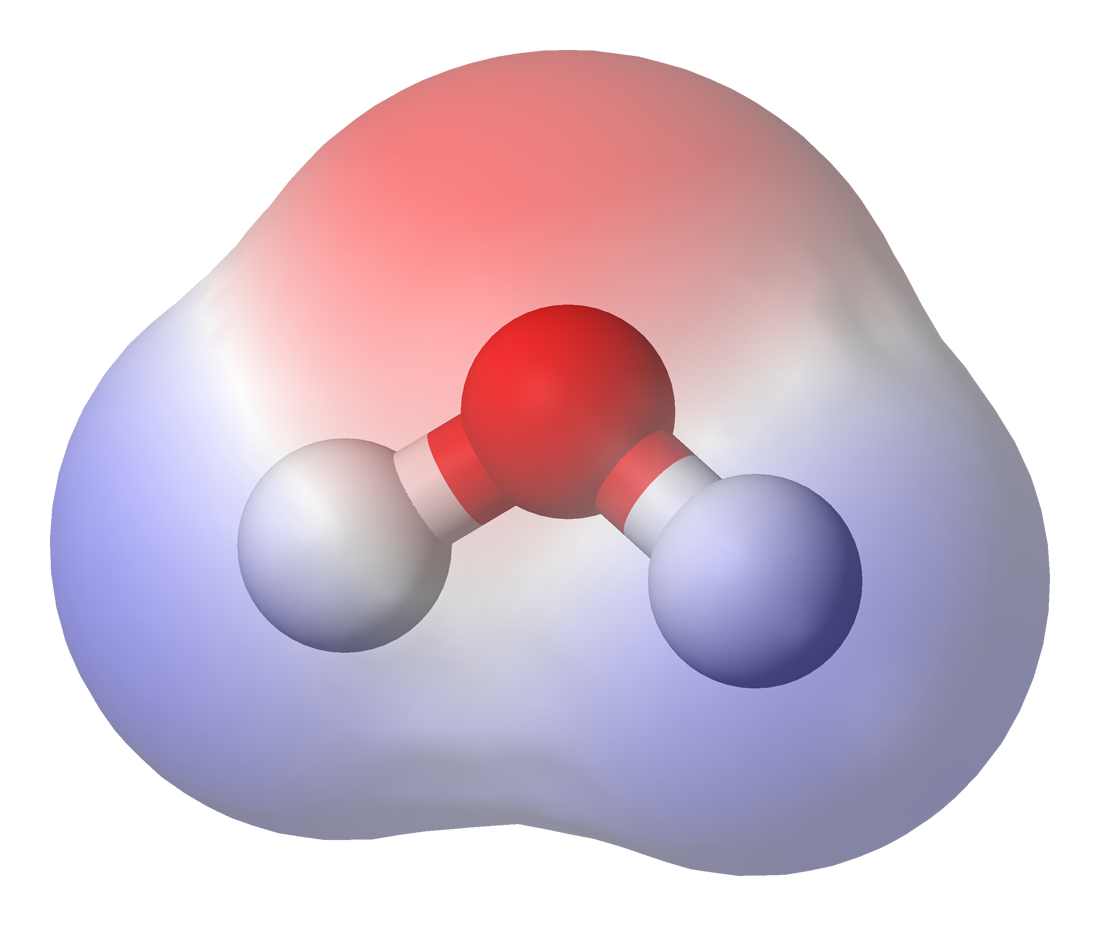
This polarity sets the stage for a critical phenomenon: the hydrogen bond.
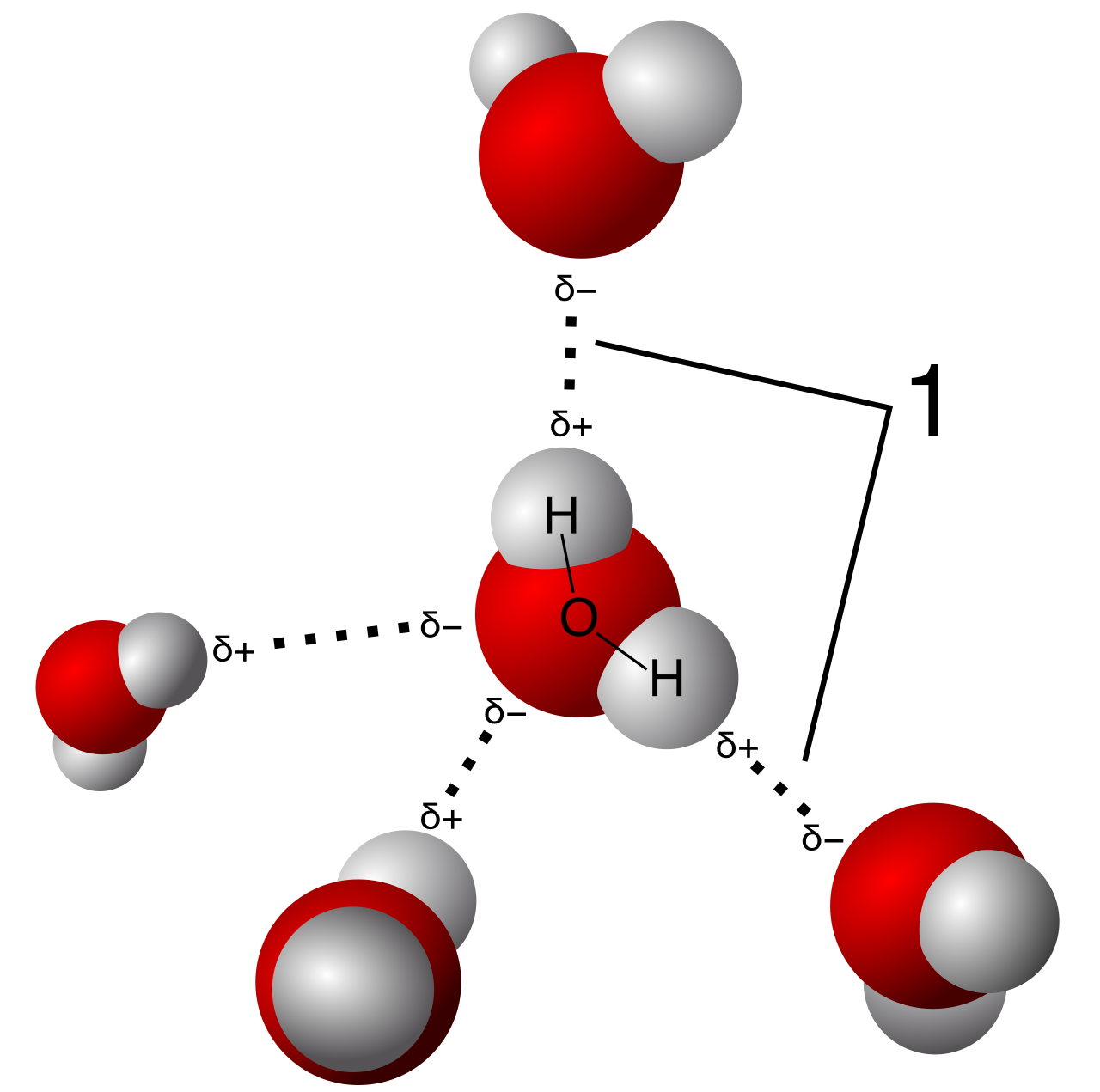
Hydrogen bonds are weak attractions between a highly electronegative atom and a hydrogen atom covalently bonded to another electronegative atom.
In liquid water, hydrogen bonds form between the partially positive hydrogen of one water molecule and the partially negative oxygen of an adjacent water molecule. Though individually weak, in their trillions, these bonds give water its almost magical emergent properties.
The Emergent Properties of Water
When you are at the whiteboard, you can group the consequences of water's hydrogen bonding into functional categories for your students:
1. Sticking Together (Cohesion and Adhesion)
- Cohesion is the attraction between individual water molecules due to hydrogen bonding. This is why water forms droplets rather than spreading into an infinitely thin film.
- Surface tension in water is caused by the cohesive forces of hydrogen bonds at the liquid surface, creating a "skin" strong enough to support a water strider insect.
- Adhesion is the attraction between water molecules and other polar or charged surfaces.
- Capillary action occurs when the adhesive forces between water and a surface are stronger than the cohesive forces between water molecules. This is the exact mechanism that allows 300-foot-tall redwood trees to pull water from their roots to their highest leaves without a mechanical pump.
2. Temperature Moderation
- Water has a remarkably high specific heat capacity compared to most other liquids. This high specific heat capacity of water allows aquatic environments to absorb significant heat energy without large changes in temperature. It is why coastal cities have milder climates and why ocean temperatures remain stable enough to sustain sensitive marine ecosystems.
- Water requires a large amount of energy to change from a liquid to a gas. When we sweat, we rely on evaporative cooling, which occurs because the highest-kinetic-energy water molecules transition to gas and leave the lower-energy molecules behind, lowering the overall temperature of the surface.
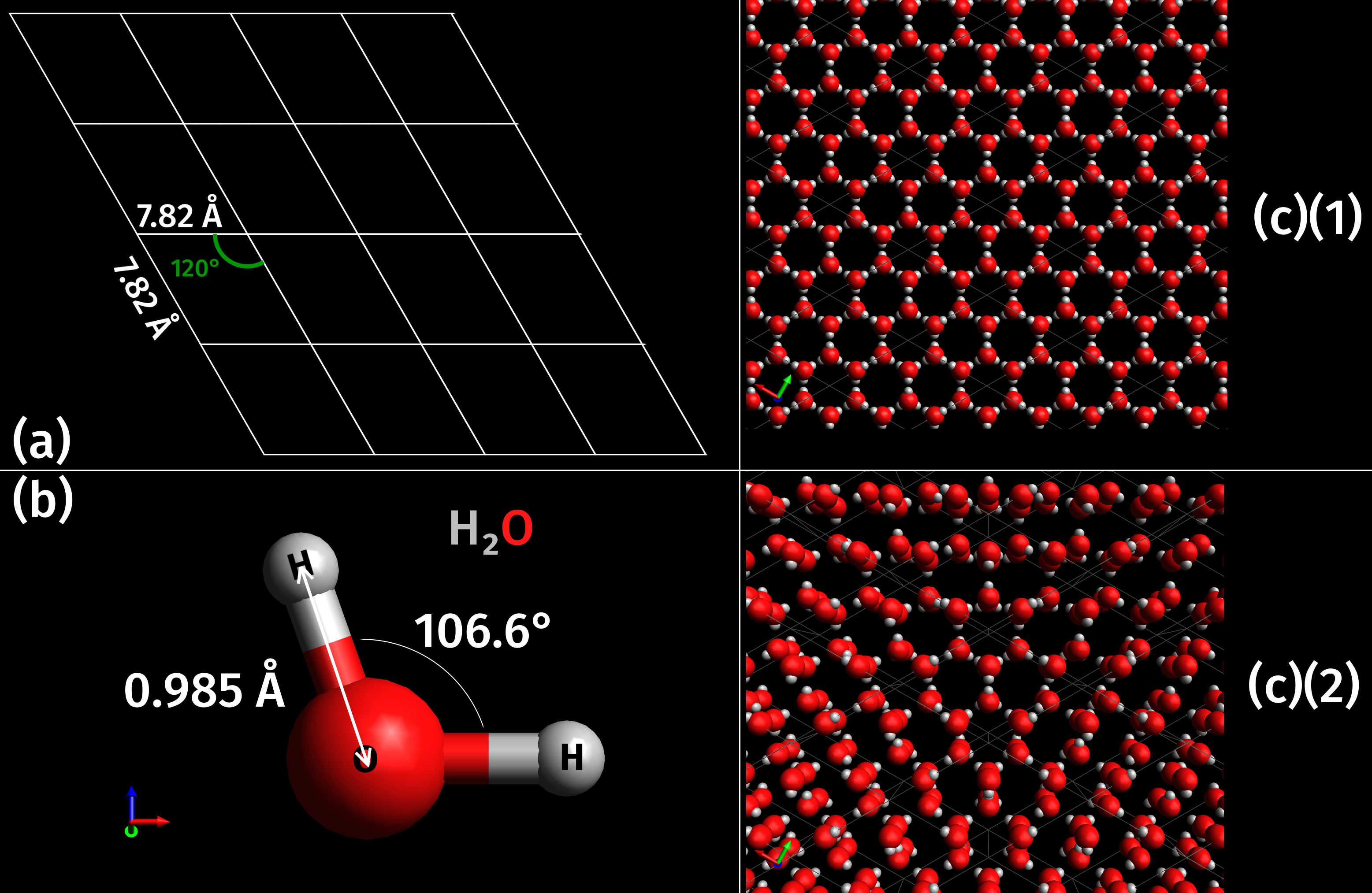
3. The Density Anomaly Almost every substance in the universe becomes denser as it freezes. Water is the exception. Solid water is less dense than liquid water. Why? Because as kinetic energy drops, hydrogen bonding arranges frozen water molecules into a rigid crystalline lattice that keeps them further apart than in liquid water. If ice sank, lakes and oceans would freeze from the bottom up, effectively killing all aquatic life on Earth.
4. The Universal Solvent Because of its polarity, water is an excellent solvent for ionic compounds and polar molecules.
- Hydrophilic substances are polar or ionic molecules that interact readily with water (they dissolve).
- Hydrophobic substances are nonpolar molecules that do not readily dissolve in water (like oil). This hydrophobic repulsion is exactly what forces lipid molecules to form cell membranes, literally defining the boundaries of life.
Cells build their massive structural and functional molecules (polymers) out of simpler, repeating subunits (monomers). To transition between these states, cells use two opposing chemical reactions. Teach these to your students as the universal construction and demolition crews of the cell:
- Dehydration synthesis reactions link monomers together into polymers by removing a water molecule.
- Hydrolysis reactions break polymers apart into individual monomers through the addition of a water molecule. (Think: hydro = water, lysis = to split).
Carbohydrates are macromolecules typically composed of carbon, hydrogen, and oxygen atoms in a 1:2:1 ratio. They are the primary biological fuels and vital structural components.
The simplest carbohydrate monomers are monosaccharides. The most famous of these is glucose, a six-carbon monosaccharide used as a primary energy source by cells. Through dehydration synthesis, monosaccharides are linked together by covalent bonds known as glycosidic linkages.
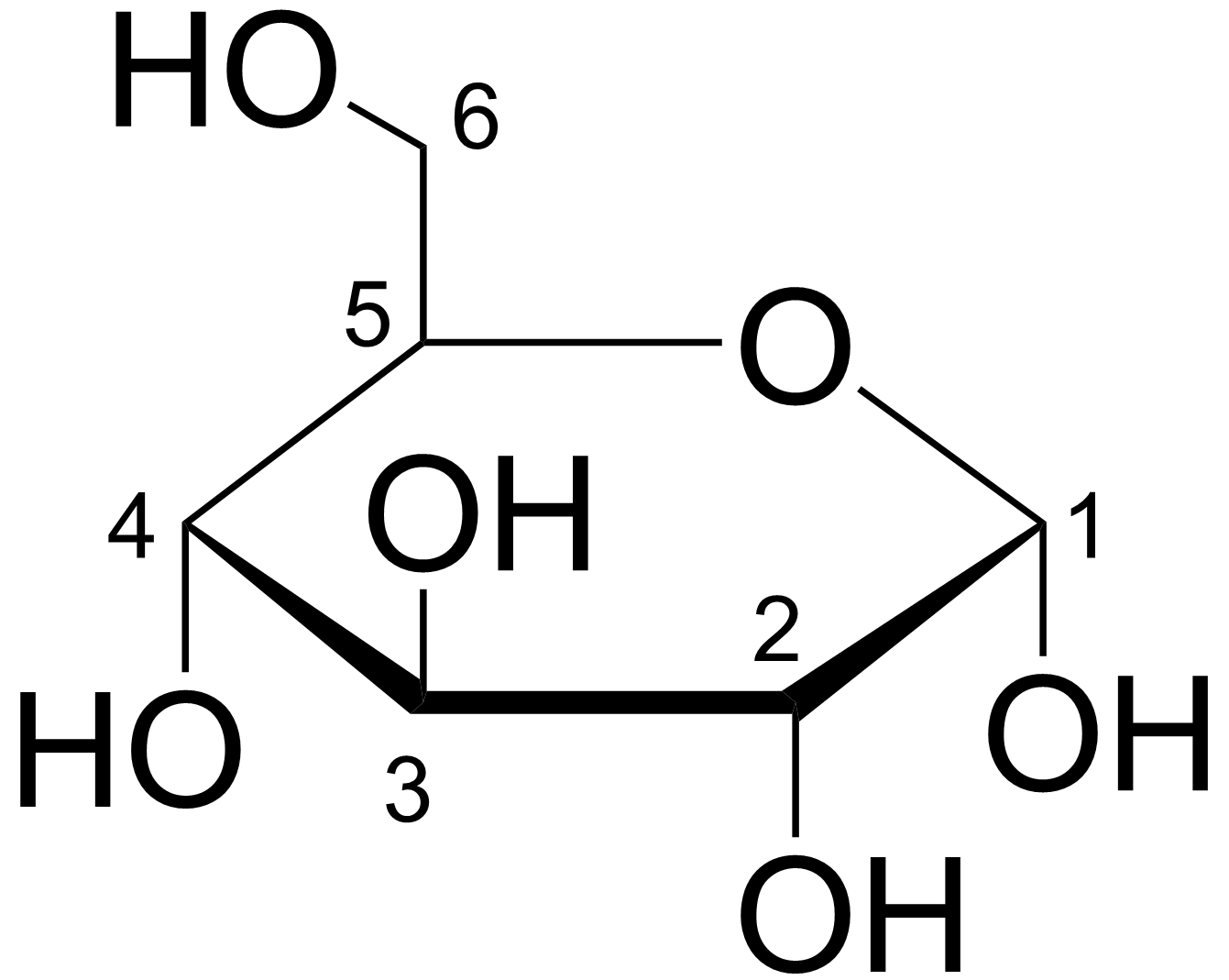
When you link exactly two monosaccharides joined by a glycosidic bond, you create a disaccharide (like sucrose or lactose). But when cells need to store energy for the long term or build rigid structures, they build polysaccharides, which are long polymer chains of monosaccharides linked by glycosidic bonds.
| Polysaccharide | Organism | Function / Structure |
|---|---|---|
| Starch | Plants | Used for energy storage in plants. |
| Glycogen | Animals | A highly branched polysaccharide used for energy storage in animals (stored primarily in the liver and muscles). |
| Cellulose | Plants | An unbranched structural polysaccharide found in plant cell walls. (The tough fiber humans cannot digest). |
| Chitin | Fungi & Animals | A structural polysaccharide found in fungal cell walls and arthropod exoskeletons. |
Unlike carbohydrates, lipids are not united by a single common monomer. Instead, lipids are a diverse group of nonpolar, hydrophobic macromolecules. Their unifying feature is that they fear water.
Triglycerides are lipids composed of one glycerol molecule bound to three fatty acid chains. The fatty acids are joined to a glycerol molecule via covalent ester linkages. This is the fat stored in our adipose tissue. The physical state of a triglyceride depends on the geometry of its fatty acid tails:
- Saturated fatty acids contain exclusively single bonds between the carbon atoms in their hydrocarbon chains. Because their tails are straight, they pack tightly. Therefore, triglycerides containing mostly saturated fatty acids are typically solid at room temperature (like butter).
- Unsaturated fatty acids contain at least one double bond between carbon atoms in their hydrocarbon chains. This double bond creates a rigid "kink" in the chain, preventing tight packing. Consequently, triglycerides containing mostly unsaturated fatty acids are typically liquid at room temperature (like olive oil).
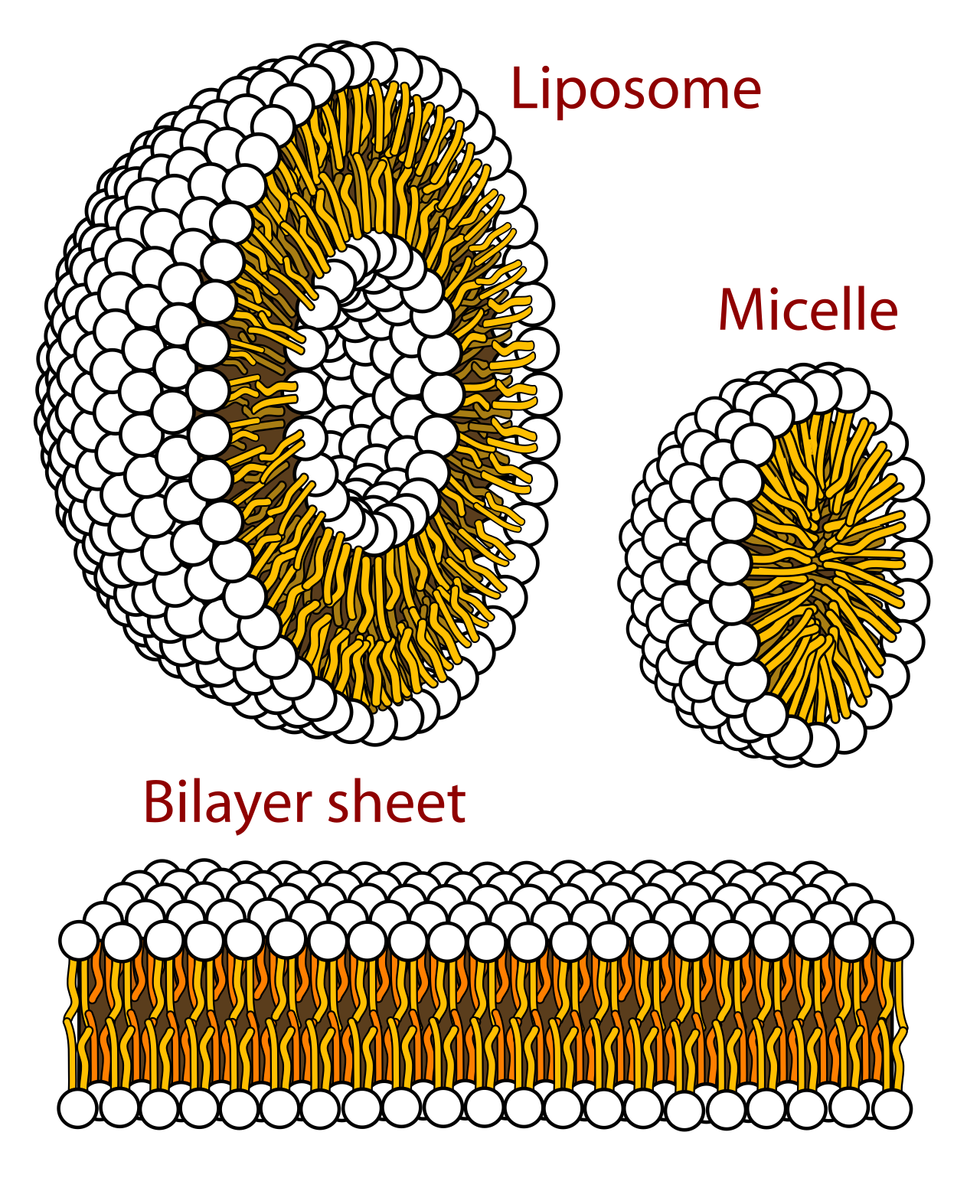
Phospholipids are the foundation of all cellular biology. They consist of a glycerol attached to two fatty acid chains and one phosphate-containing group. This structure makes phospholipids amphipathic molecules containing both a hydrophilic head (the phosphate group) and a hydrophobic tail (the fatty acids). Because of this split personality, phospholipids spontaneously arrange into bilayers in aqueous environments, with heads facing the water and tails hiding inside. This is the structural basis of every cell membrane.
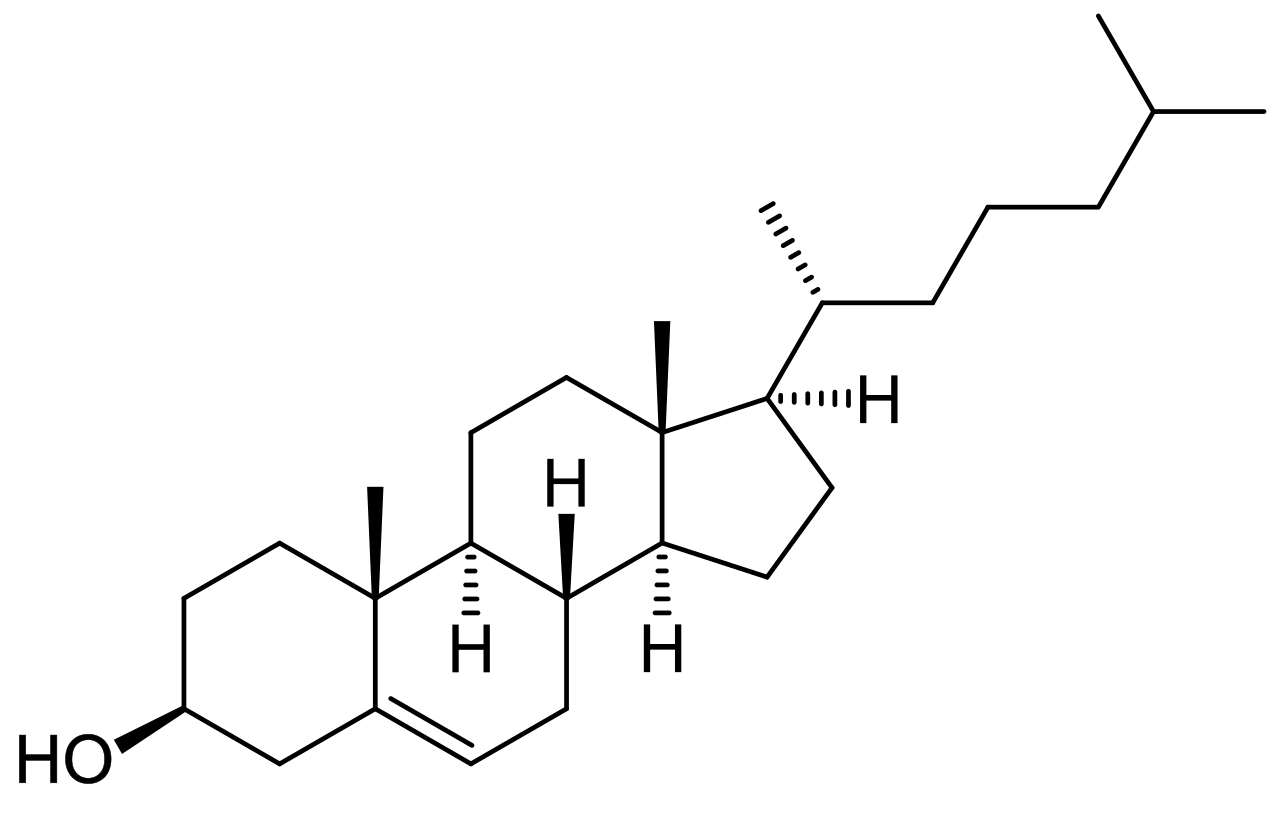
Steroids are a class of lipids characterized by a carbon skeleton consisting of four fused rings. Cholesterol is a steroid molecule. While the media demonizes cholesterol, it is absolutely essential to life; cholesterol regulates the membrane fluidity of animal cells across a range of temperatures, acting as a buffer that prevents membranes from freezing solid in the cold or melting in the heat.
If DNA is the blueprint, proteins are the bricklayers, the scaffolding, the engines, and the doors. Proteins are polymers composed of amino acid monomers.
An amino acid contains a central carbon atom bonded to an amino group, a carboxyl group, a hydrogen atom, and a variable R group. There are 20 standard amino acids used by living organisms to build functional proteins. Because the main backbone of every amino acid is identical, the specific chemical properties of each amino acid are determined solely by its unique R group. Some R groups are bulky, some are small, some are acidic, some are basic, some love water, and some hate it.
Amino acids are linked together into polypeptide chains by covalent peptide bonds. A peptide bond forms between the carboxyl group of one amino acid and the amino group of an adjacent amino acid.
The Four Levels of Protein Structure
A protein is not just a straight chain of amino acids; its function is entirely dependent on its three-dimensional origami folding.
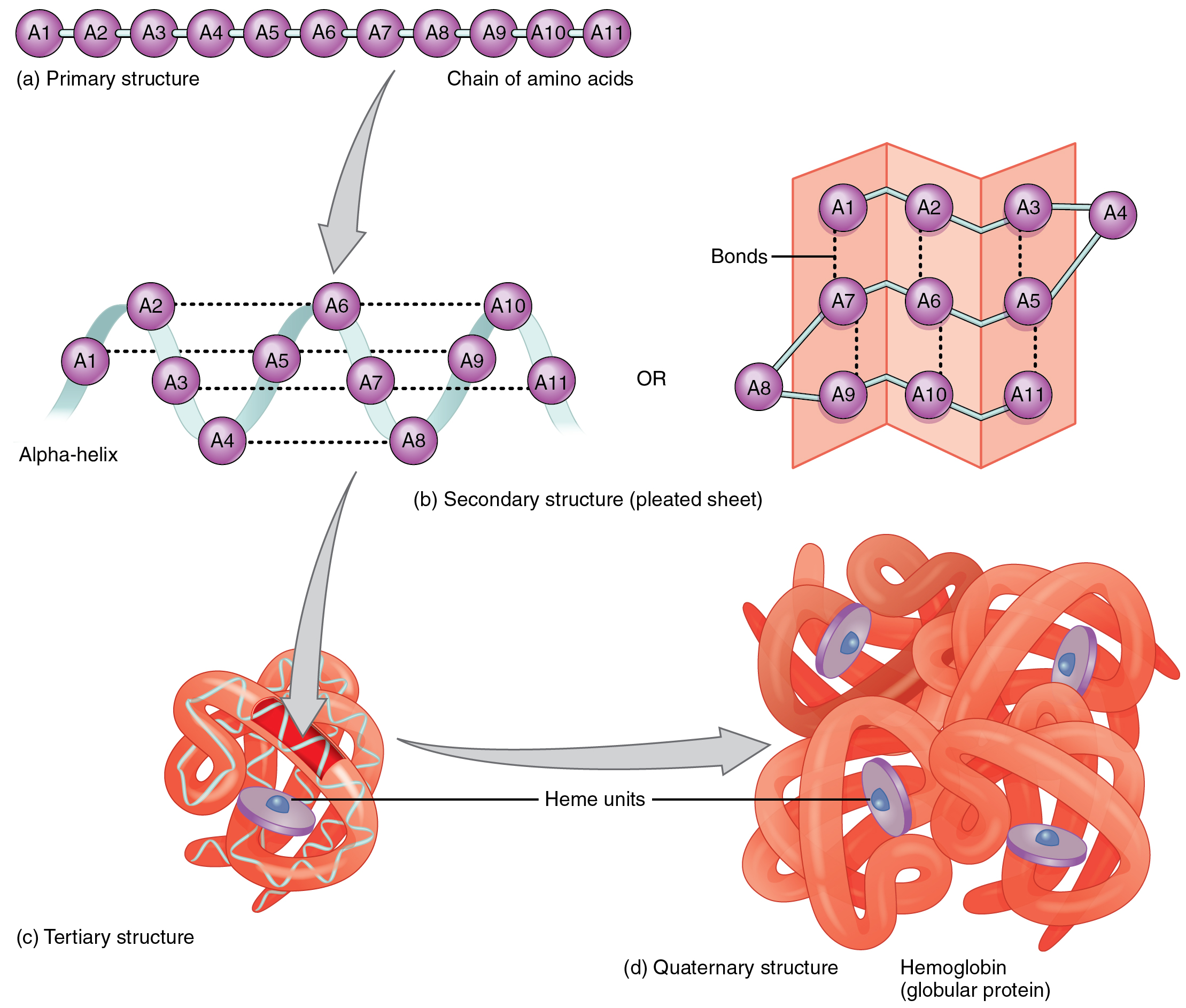
- Primary Structure: The primary structure of a protein refers to its exact linear sequence of amino acids.
- Secondary Structure: The secondary structure of a protein consists of localized folding patterns such as alpha-helices and beta-pleated sheets. Crucially, protein secondary structure is stabilized exclusively by hydrogen bonds between the backbone components of amino acids (ignoring the R groups entirely).
- Tertiary Structure: The tertiary structure of a protein refers to its overall three-dimensional functional shape. Protein tertiary structure is determined by complex chemical interactions among the diverse R groups of the amino acids (hydrophobic interactions, disulfide bridges, ionic bonds).
- Quaternary Structure: Not all proteins have this level. The quaternary structure of a protein arises from the assembly of multiple individual polypeptide chains into a single functional complex (like hemoglobin, which requires four separate chains to carry oxygen).
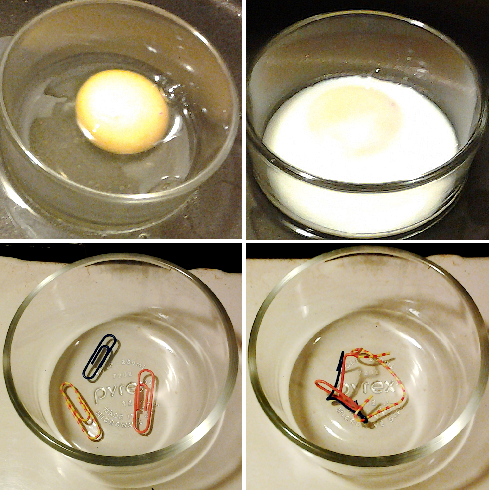
Because a protein's function relies on its exact shape, denaturation is a catastrophic event. Denaturation is the process by which a protein loses its native three-dimensional structure. Changes in environmental pH or temperature can disrupt stabilizing bonds and cause protein denaturation. When you explain to your students why a high fever of 106∘F is deadly, tell them this: heat shakes the molecular bonds apart. Protein denaturation typically results in the total loss of the protein's biological function.
Living systems must possess a way to store instructions and pass them to the next generation. This is the domain of nucleic acids, which are complex polymers composed of individual nucleotide monomers.
A single nucleotide consists of three parts: a nitrogenous base, a pentose sugar, and one or more phosphate groups. Nucleotides are linked together into nucleic acid strands by covalent phosphodiester bonds. A phosphodiester bond forms between the phosphate group of one nucleotide and the pentose sugar of the next nucleotide, creating a strong sugar-phosphate backbone.
There are two primary nucleic acids: Deoxyribonucleic acid (DNA) and Ribonucleic acid (RNA). They differ structurally in three distinct ways:
- The Sugar: Deoxyribonucleic acid contains the specific pentose sugar deoxyribose. Ribonucleic acid contains the specific pentose sugar ribose.
- The Shape: Deoxyribonucleic acid exists primarily in cells as a double-stranded helix. Ribonucleic acid exists primarily in cells as a single-stranded molecule.
- The Bases: Both utilize nitrogenous bases, which are split into two geometric families:
| Feature | DNA | RNA |
|---|---|---|
| Sugar | Deoxyribose | Ribose |
| Strands | Double-stranded | Single-stranded |
| Purines | Adenine (A), Guanine (G) | Adenine (A), Guanine (G) |
| Pyrimidines | Cytosine (C), Thymine (T) | Cytosine (C), Uracil (U) |
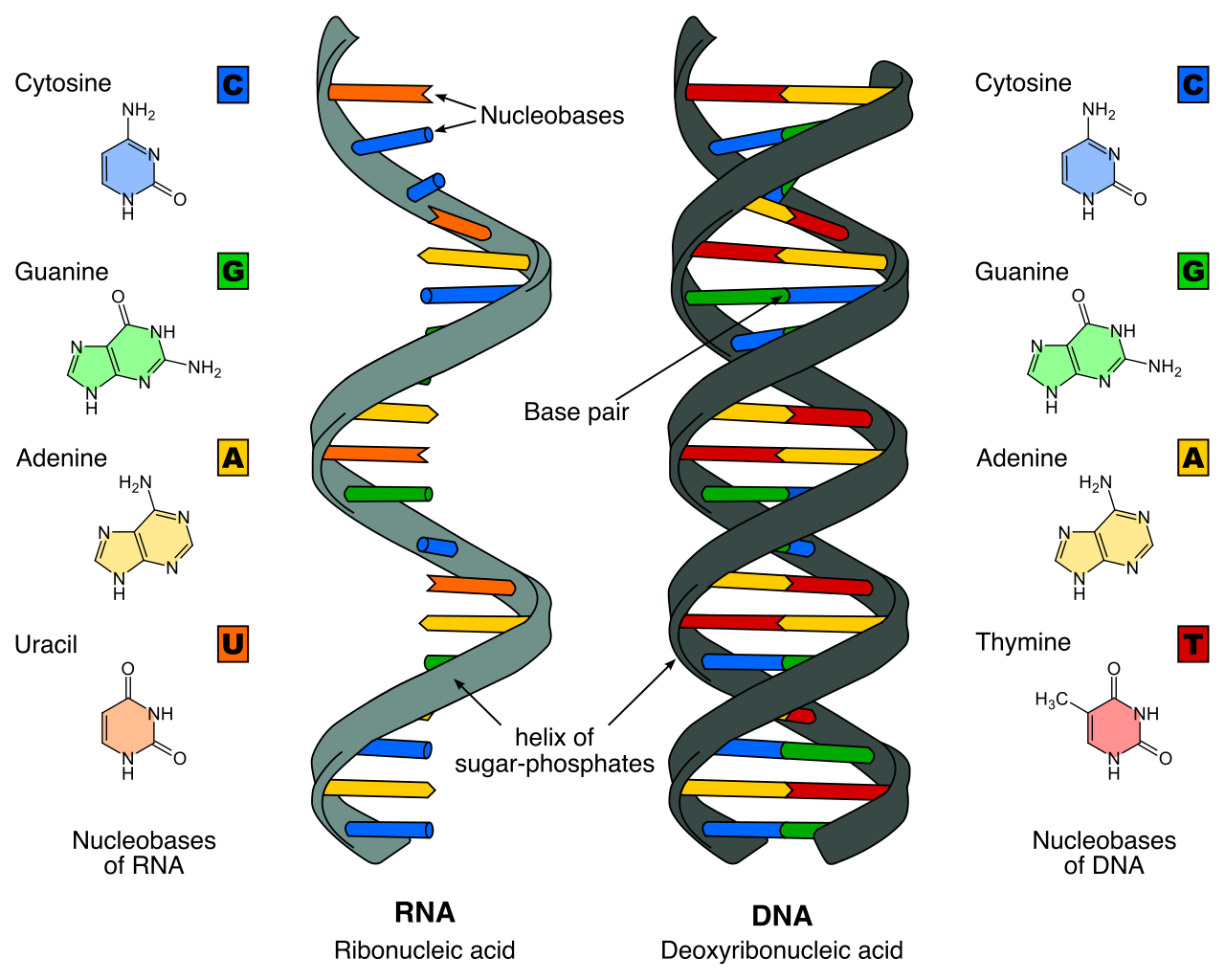
Notice the difference in pyrimidines: ribonucleic acid completely lacks thymine and instead utilizes the nitrogenous base uracil.
When DNA forms its double helix, the two strands are held together by hydrogen bonds between the nitrogenous bases, following strict complementary pairing rules based on width and bonding geometry. A purine must always pair with a pyrimidine to keep the helix a uniform width.
- In a DNA double helix, adenine pairs exclusively with thymine via two hydrogen bonds.
- In a DNA double helix, cytosine pairs exclusively with guanine via three hydrogen bonds.
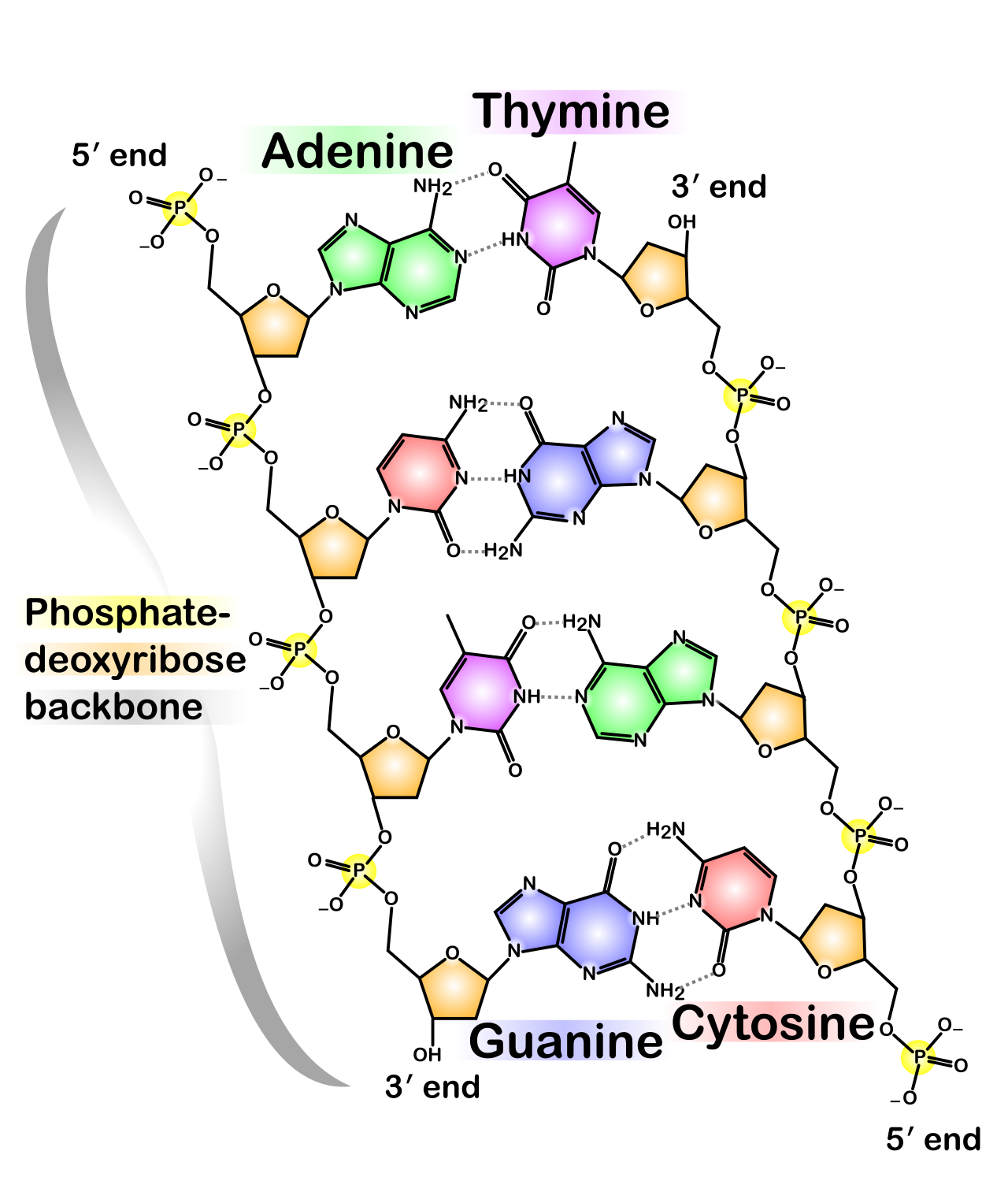
This exactness—this predictable geometry of hydrogen bonding—is the molecular basis for genetic replication. Because A only bonds with T, and C only bonds with G, one strand of DNA can serve as a perfect template to build the other.
As you prepare to pass this knowledge onward, remember that biology is not a collection of arbitrary facts. It is a continuous, logical narrative. The covalent bonds established in carbon dictate the shape of glucose. The hydrogen bonding of water dictates the folding of a protein's secondary structure. The hydrophobic interactions of lipids build the arena in which all this chemistry occurs. Understand the atoms, and the organism will make sense.