Science in Health and Agriculture
Not sure you’re ready?
Take the ~3-minute readiness diagnostic and see where you stand.
A map of a city is normally a tool for navigation, but in London in 1854, it became an instrument of survival. When the Soho district was devastated by a severe cholera outbreak, the prevailing scientific consensus blamed "miasma," or bad air. Physician John Snow mapped cholera cases in London in 1854, tracking the precise geographical distribution of the deceased. By plotting the fatalities, he noticed an undeniable cluster around the Broad Street public water pump. He had the pump handle removed, and the outbreak subsided. John Snow's 1854 cholera mapping demonstrated that cholera is a waterborne disease, achieving a monumental victory for public health.

Snow was not just stopping a localized outbreak; he was laying the groundwork for a new scientific discipline. For biology educators, tracing the journey from a 19th-century map to 21st-century genome editing is about understanding how humans observe, quantify, and ultimately manipulate the biological world.
Epidemiology is the study of the distribution and determinants of health-related states or events in specified populations. It is the science of understanding who gets sick, when, where, and most importantly, why.
To track diseases accurately, epidemiologists rely on two critical metrics that are frequently confused:
- Disease incidence measures the number of new disease cases in a specific population over a defined time period. Think of incidence as the water flowing from a faucet into a bathtub; it is the rate of new events.
- Disease prevalence measures the total number of existing disease cases in a specific population at a given point in time. This is the total volume of water currently sitting in the bathtub.
The geographic spread of a disease determines its classification. An endemic disease is constantly present at a baseline level within a specific geographic area or population, much like the common cold in a high school during winter. However, an epidemic occurs when there is a sudden increase in the number of disease cases above what is normally expected in a population. When an epidemic breaks its geographic boundaries, it scales up: a pandemic is an epidemic that has spread over several countries or continents.
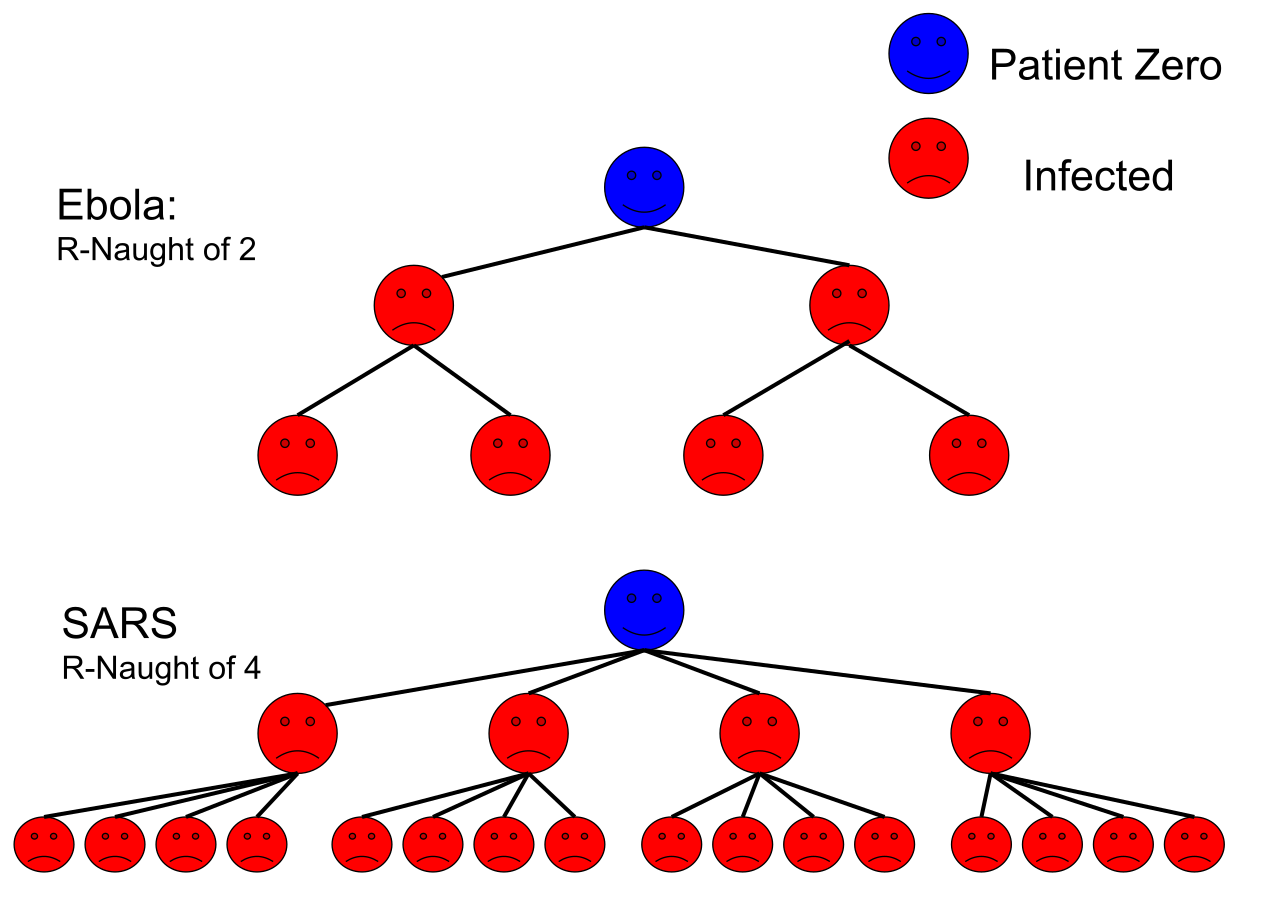
To predict whether an outbreak will fizzle out or explode, epidemiologists calculate a mathematical threshold. The basic reproduction number, R0, represents the average number of secondary infections produced by one infected individual in a fully susceptible population.
Reading the R0 Value:
- An R0 greater than 1 indicates that an infectious disease outbreak is actively spreading and growing in a population. (One person infects two, those two infect four—exponential growth).
- An R0 less than 1 indicates that an infectious disease outbreak is declining within a population. (The transmission chain is naturally breaking).
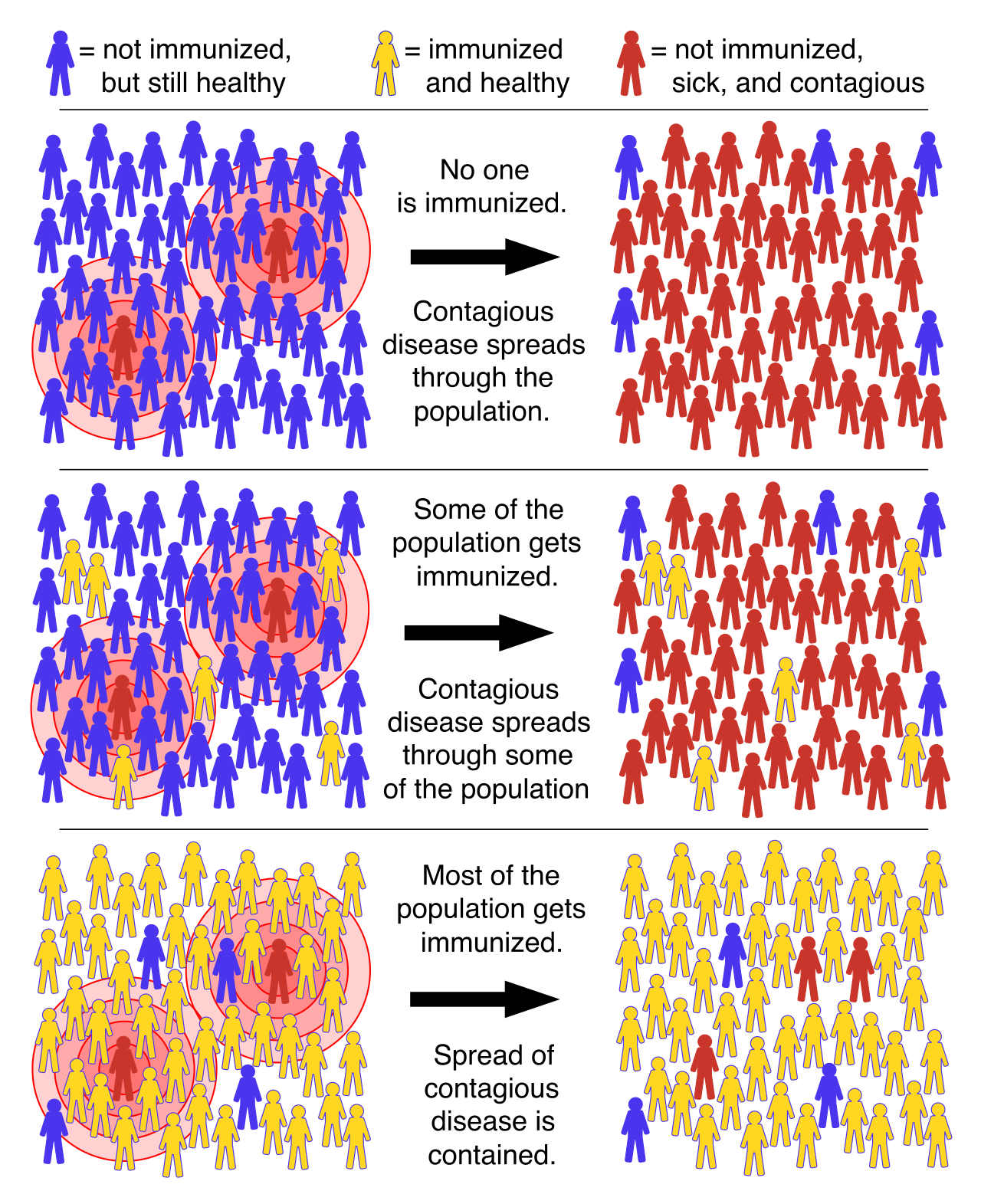
To push an R0 value below 1, we must reduce the number of susceptible individuals. This is achieved at a population scale when herd immunity occurs when a sufficiently high proportion of a population becomes immune to an infectious disease. The beauty of this phenomenon lies in its mathematical umbrella: herd immunity provides indirect protection to vulnerable individuals who are not immune to the infectious disease, such as infants, the elderly, or those who are immunocompromised.
Immunity is built upon cellular memory. Vaccines stimulate the adaptive immune system to produce memory B cells and memory T cells. Once generated, these memory B cells and memory T cells enable a rapid secondary immune response upon future exposure to a previously encountered pathogen. The body remembers the molecular signature of the invader and neutralize it before symptoms arise.
Historically, humans have designed various delivery vehicles to train the immune system safely:
- Live-attenuated vaccines contain a weakened form of the living pathogen. They are highly effective but pose risks to individuals with weakened immune systems.
- Inactivated vaccines contain a pathogen that has been killed using chemicals, heat, or radiation.
- Subunit vaccines include only specific, isolated antigens from a pathogen to stimulate an immune response.
- Toxoid vaccines use an inactivated toxin produced by a pathogen to elicit an immune response (e.g., the tetanus vaccine, which targets the bacterial toxin rather than the bacteria itself).
A revolutionary leap in this technology is the mRNA platform. Messenger RNA (mRNA) vaccines deliver a synthetic mRNA transcript enveloped in a lipid nanoparticle into host cells. The lipid acts as a delivery vehicle to fuse with the cell membrane. Once inside, host cells use vaccine-delivered mRNA to translate and display a specific viral antigen on the cell surface, effectively turning the patient's own cellular machinery into a temporary vaccine factory.
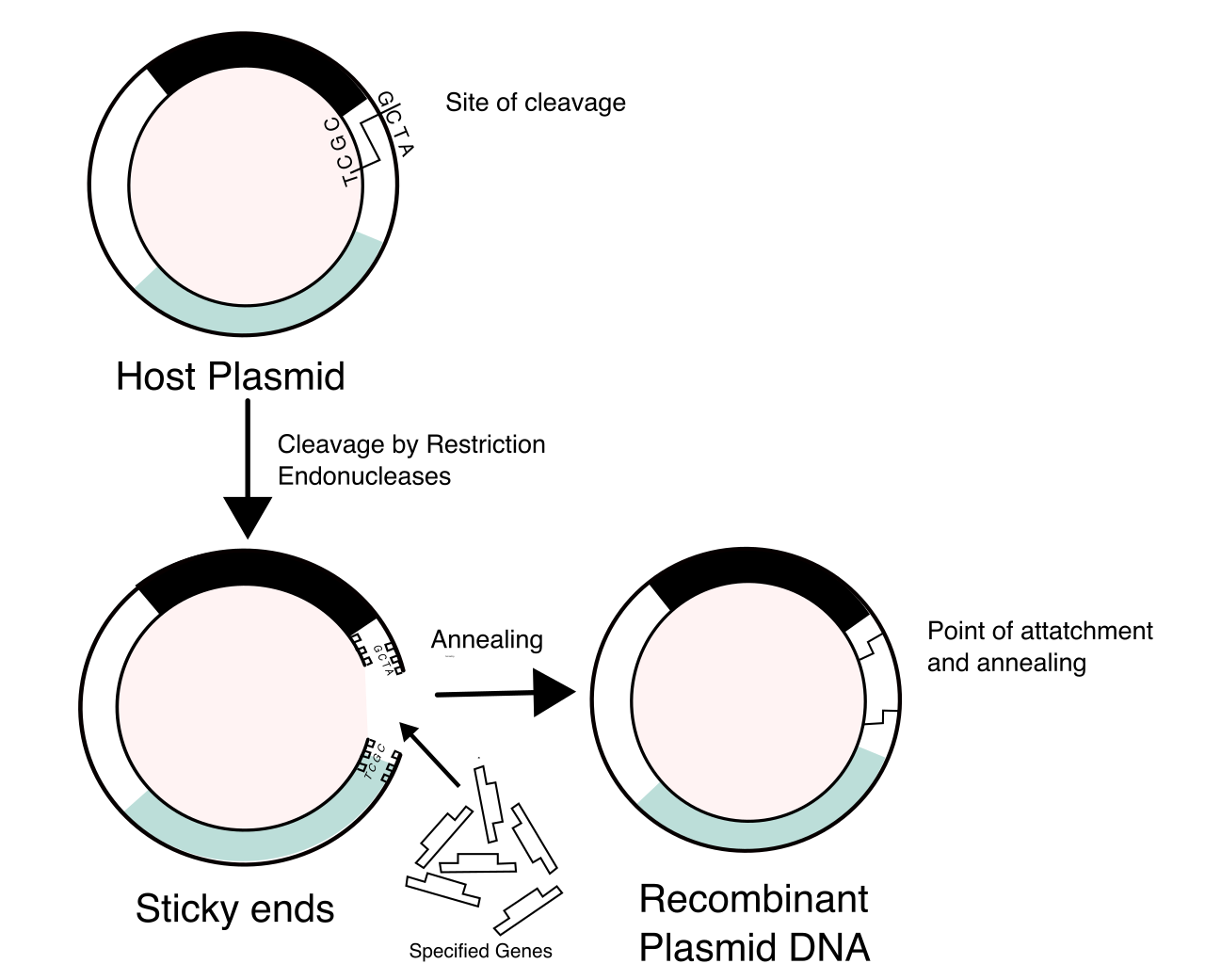
If epidemiology is the observation and mitigation of biology, biotechnology is its active engineering. Recombinant DNA technology involves combining DNA molecules from different species into a single hybrid molecule. By leveraging the universal language of DNA, scientists create transgenic organisms, which contain genetic material into which DNA from an unrelated organism has been artificially introduced.
Delivery Mechanisms in Plants
Plant cells possess rigid cell walls, requiring specialized tools to insert foreign DNA.
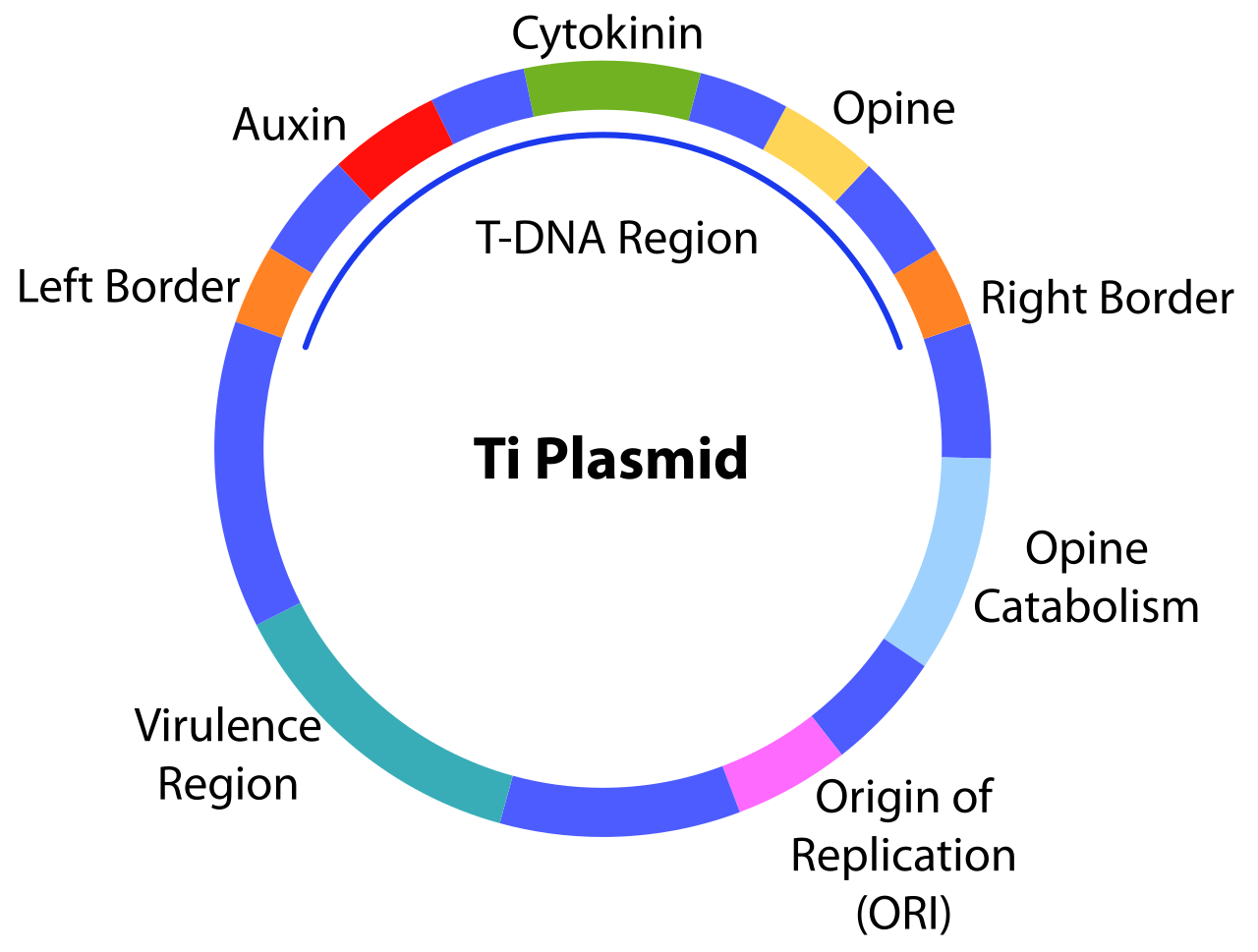
- Biological Vectors: Agrobacterium tumefaciens is a soil bacterium naturally capable of transferring genetic material into plant cells. In nature, it causes crown gall disease, but scientists harness it as a biological delivery truck. Agrobacterium tumefaciens transfers a portion of its Tumor-inducing (Ti) plasmid into the plant cell genome. By replacing the tumor-causing genes with beneficial traits, researchers safely rewrite the plant's DNA.
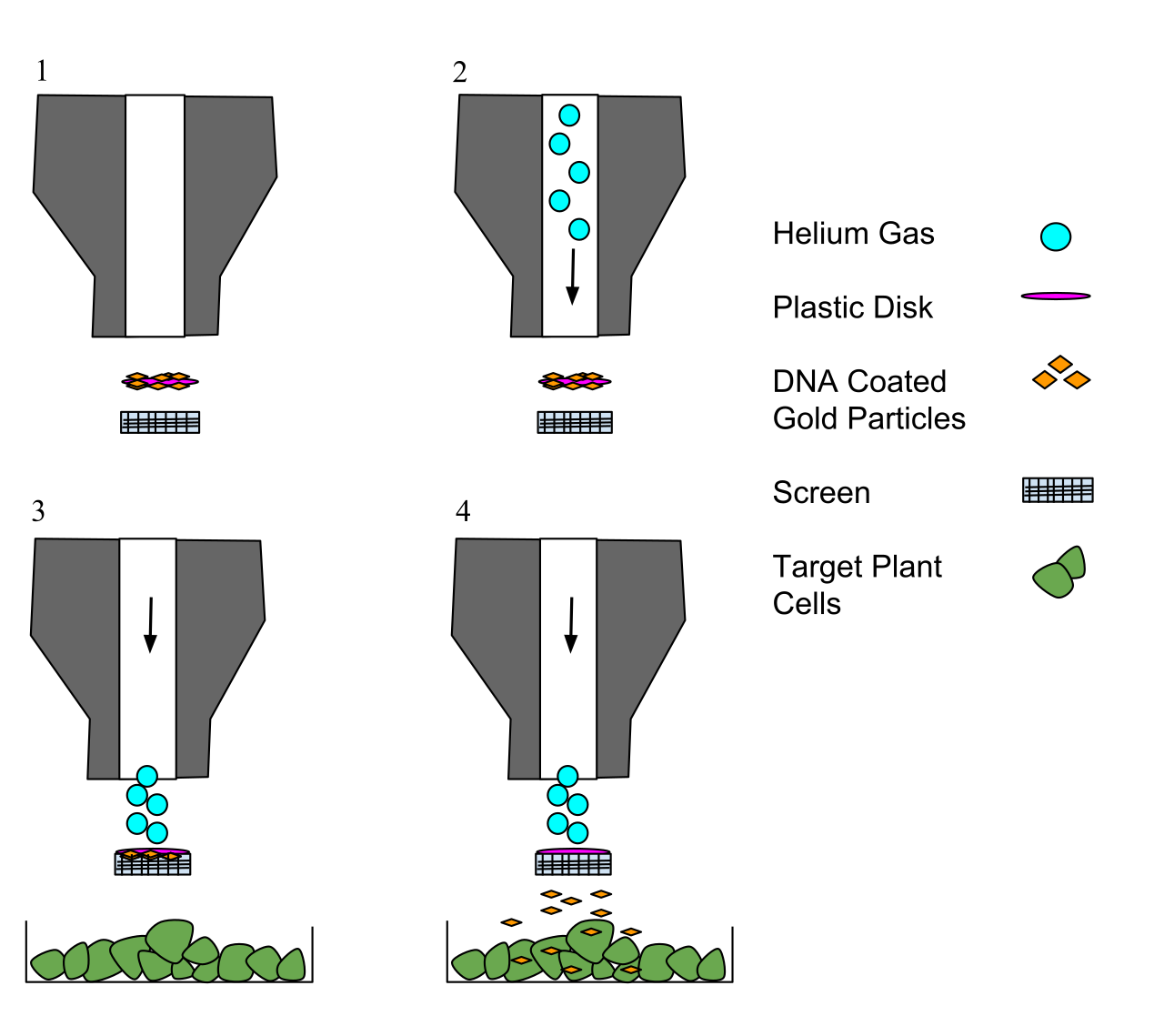
- Physical Delivery: When bacterial vectors fail, brute force succeeds. A gene gun uses microparticles of gold or tungsten coated with DNA to physically shoot genetic material into plant cells.
Trait Engineering
Agriculture relies on these methods to solve massive agronomic challenges:
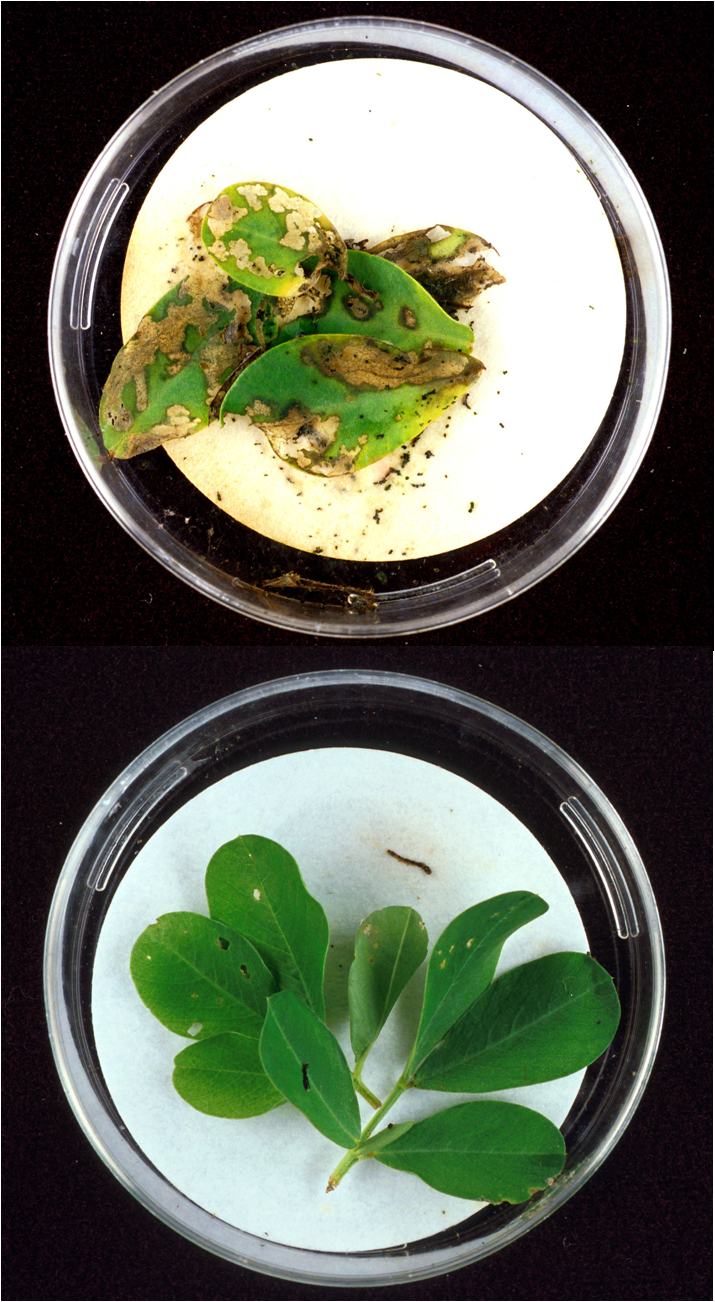
- Pest Resistance: Bacillus thuringiensis (Bt) is a soil bacterium that naturally produces crystalline proteins toxic to certain insect larvae. By isolating the gene responsible for this, scientists engineered Bt crops, which are genetically modified agricultural plants engineered to express the Bacillus thuringiensis toxin. When pests eat the plant, the expressed Bacillus thuringiensis toxin causes pore formation and cell lysis in the insect midgut, killing the pest without the need for external chemical pesticides.
- Herbicide Tolerance: Roundup Ready crops are genetically modified to express resistance to the broad-spectrum herbicide glyphosate. Because glyphosate inhibits an enzyme essential for the synthesis of aromatic amino acids in plants, it usually kills any foliage it touches. Roundup Ready crops possess a modified version of this enzyme, allowing farmers to spray entire fields, killing weeds but sparing the harvest.
- Nutritional Enhancement: Biotechnology can also tackle human malnutrition. Golden Rice is a genetically modified rice variety engineered to produce beta-carotene. Because beta-carotene is a metabolic precursor to Vitamin A, Golden Rice was developed to prevent childhood blindness in regions reliant on rice as a staple crop.

Ecological Consequences
However, biological systems are evolutionary arenas. The continuous use of specific herbicides on genetically modified crops acts as a selective pressure leading to herbicide-resistant weeds. Furthermore, widespread planting of identical genetically modified crops reduces overall agricultural genetic diversity. In ecology, uniformity is a vulnerability. Reduced agricultural genetic diversity increases crop vulnerability to novel pathogens and changing environmental conditions. A single new fungus or pest could wipe out an entire standardized crop.
The boundaries of biotechnology extend beyond plants and into vertebrate life, challenging our understanding of biological destiny.
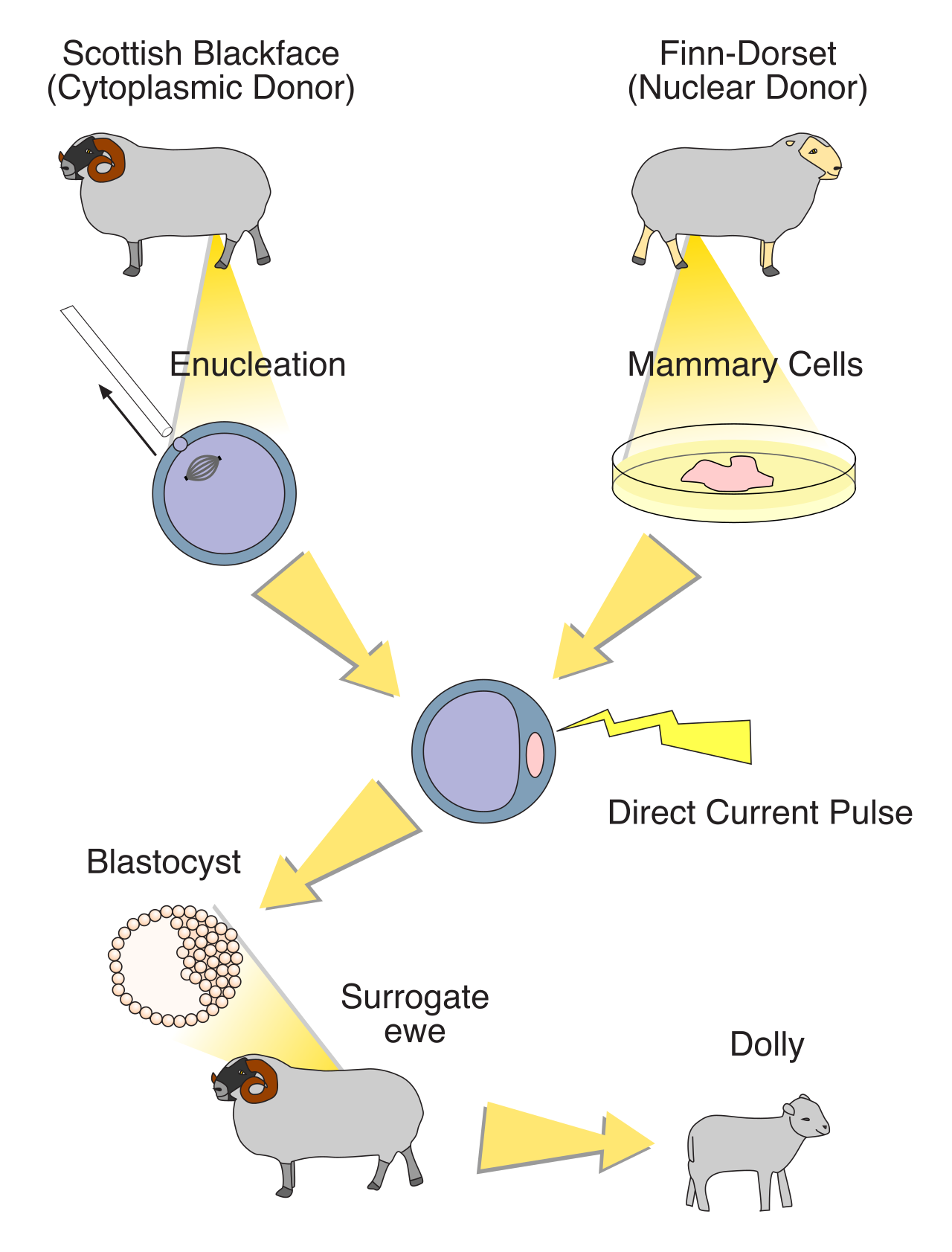
Reproductive cloning aims to produce an entire genetically identical living organism. The breakthrough in this field occurred when Dolly the sheep was the first mammal successfully cloned from an adult somatic cell. Dolly the sheep was cloned in 1996 using Somatic Cell Nuclear Transfer.
Somatic Cell Nuclear Transfer (SCNT) is a laboratory technique for creating an ovum with a donor nucleus. The protocol is mechanically demanding: in Somatic Cell Nuclear Transfer, the nucleus of a somatic cell is injected into an enucleated egg cell (an egg cell that has had its own nucleus removed).
While cloning whole organisms remains rare, the same technique holds immense medical potential. Therapeutic cloning aims to produce embryonic stem cells for medical treatments and physiological research.
The Stem Cell Spectrum
Stem cells are defined by their developmental plasticity:
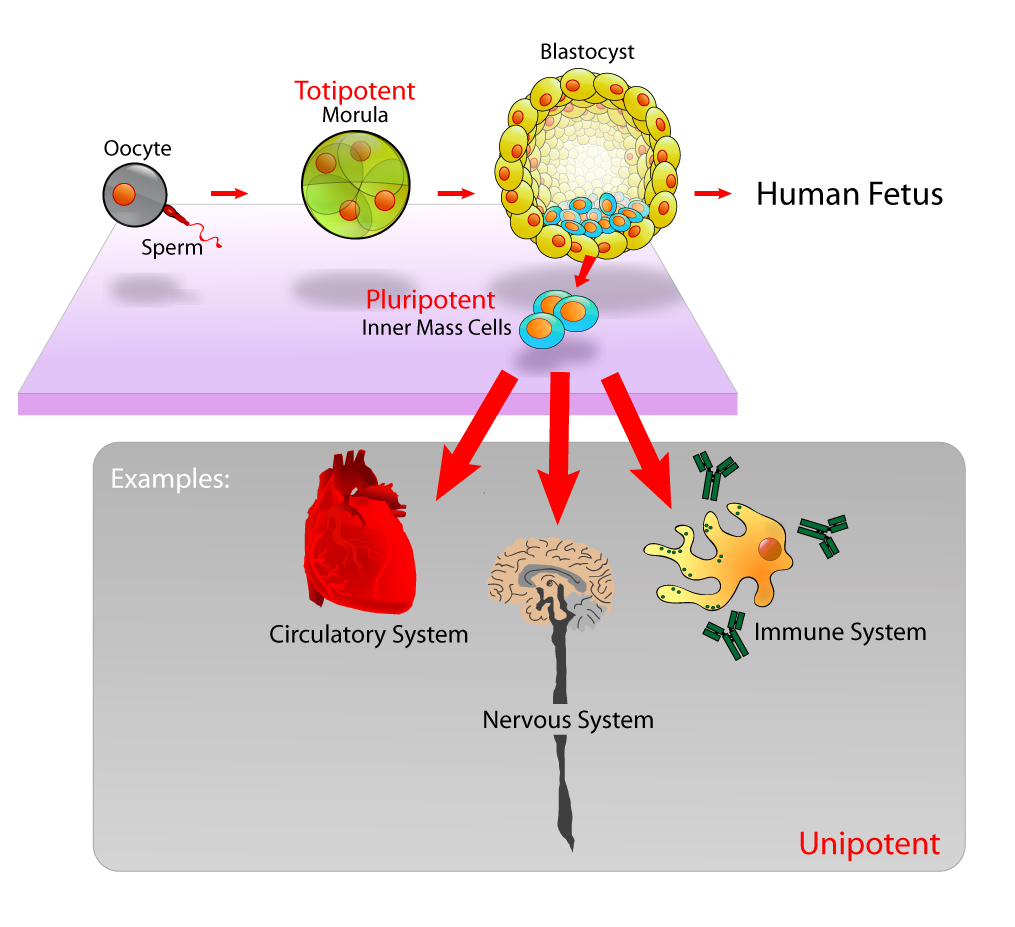
- Embryonic stem cells are pluripotent. The term pluripotent is absolute in developmental biology: pluripotent stem cells can differentiate into any cell type belonging to the three embryonic germ layers (ectoderm, mesoderm, endoderm).
- Adult stem cells are multipotent. They are developmentally restricted; multipotent stem cells can only differentiate into a limited number of cell types within a specific tissue or organ system (e.g., hematopoietic stem cells in bone marrow can become any blood cell, but not a neuron).
The Ethical Frontier
The promise of pluripotency is immense, yet fraught with debate. Deriving human embryonic stem cells traditionally requires the destruction of a human blastocyst. Consequently, the destruction of human embryos for stem cell derivation presents a major ethical controversy in medical research.
Science provided an elegant workaround. Induced pluripotent stem cells (iPSCs) are adult somatic cells genetically reprogrammed to an embryonic stem cell-like state. By forcing the expression of specific transcription factors, researchers can "rewind" the biological clock of a standard skin cell back to pluripotency. Crucially, induced pluripotent stem cells bypass the primary ethical concerns associated with destroying human embryos.
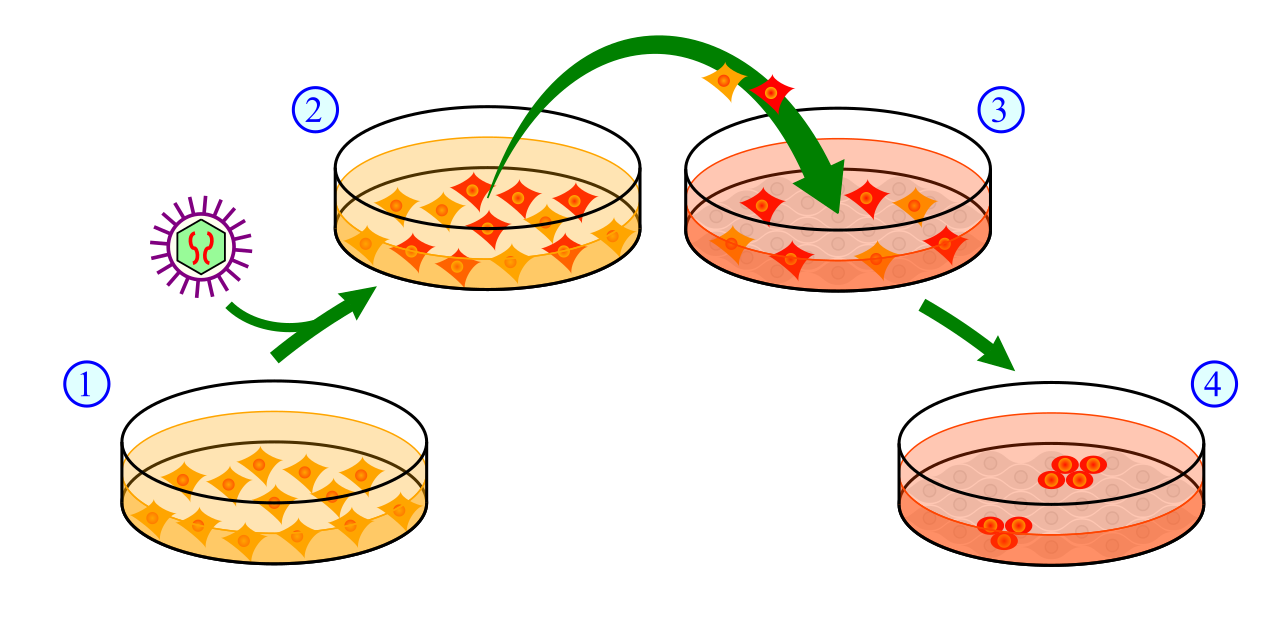
With the ability to read and rewrite the genetic code, medicine is shifting from symptom management to root-cause intervention. Gene therapy involves the introduction, removal, or alteration of a person's genetic code to treat or cure a disease.
The engine driving the modern gene therapy revolution is precise molecular machinery. CRISPR-Cas9 is a genome-editing tool adapted from a naturally occurring bacterial immune system. The Cas9 enzyme acts as molecular scissors to cut DNA at a specific location guided by a synthetic RNA molecule.
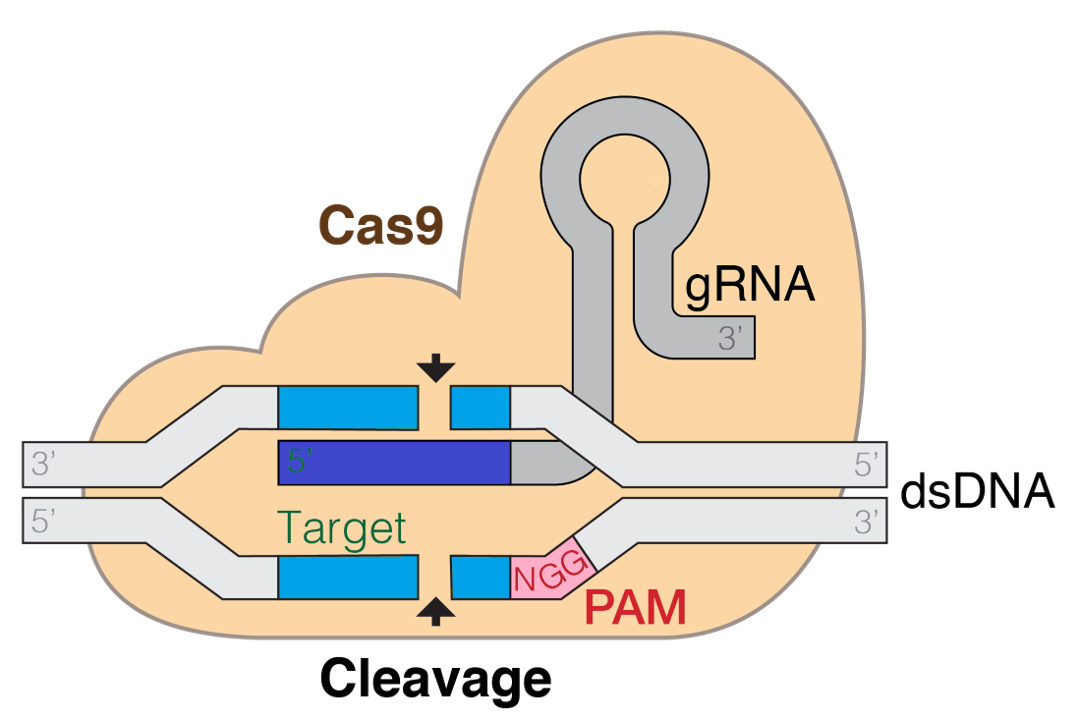
While revolutionary, CRISPR is not infallible. CRISPR-Cas9 off-target effects occur when the Cas9 enzyme introduces DNA cuts at unintended genomic locations. These errors are not trivial; off-target genetic edits in human patients can potentially cause cellular toxicity or induce cancer-causing mutations.
The Generational Divide: Somatic vs. Germline
The ethical weight of genetic editing hinges entirely on which cells are modified.
- Somatic gene editing introduces specific genetic changes into non-reproductive patient cells. Because these cells do not contribute to gametes, genetic modifications made through somatic gene editing are not passed on to the patient's offspring.
- Germline gene editing introduces direct genetic changes into human reproductive cells. The implications here are profound: genetic modifications made through germline gene editing are permanently heritable by all future offspring.
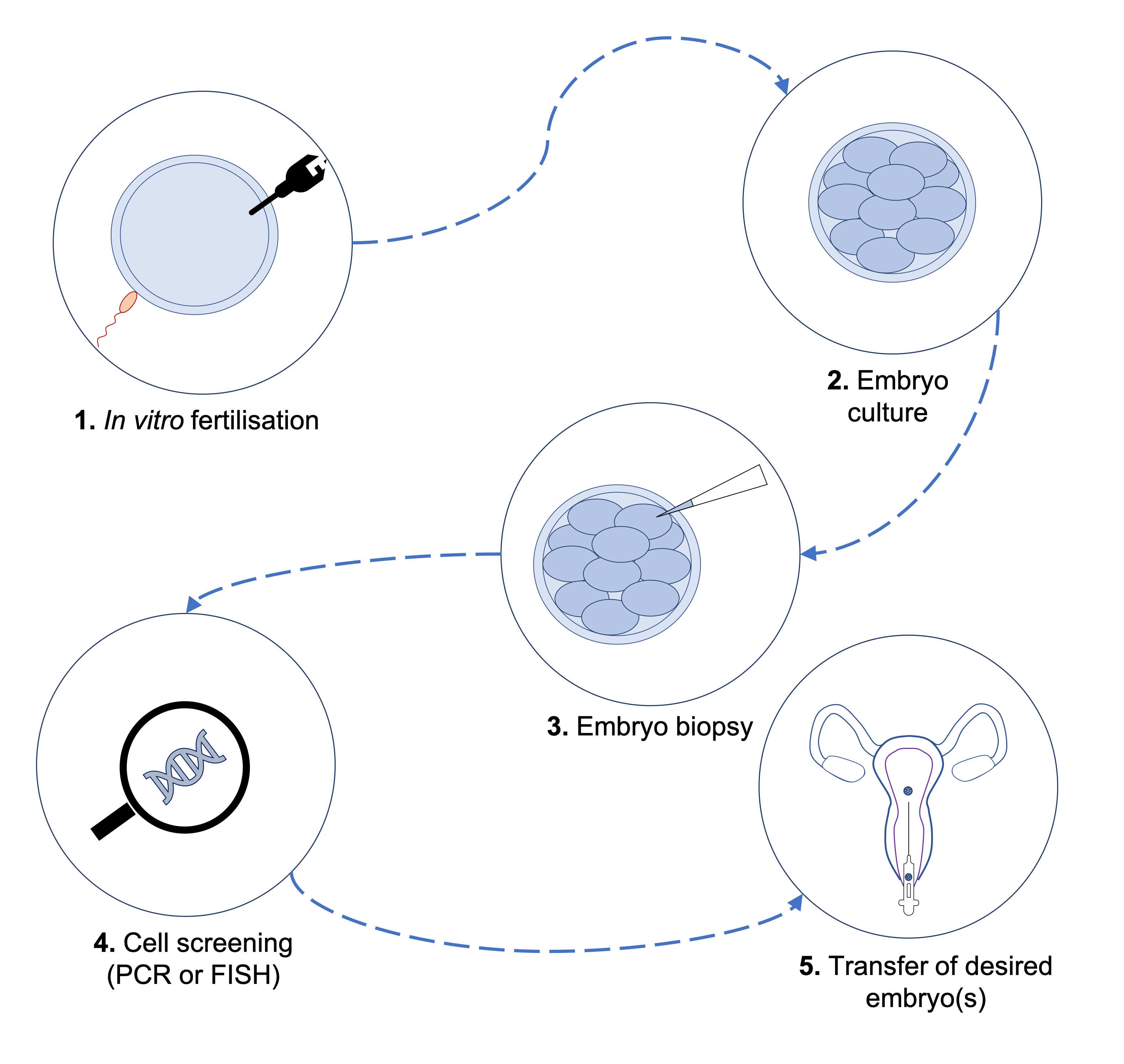
When we pair germline modifications with reproductive technologies, we enter deeply sensitive territory. Preimplantation genetic diagnosis (PGD) allows the screening of embryos for specific genetic disorders prior to in vitro fertilization implantation. While initially designed to prevent severe inherited diseases, the potential use of genetic engineering to select desirable non-medical traits in humans forms the basis of the designer baby ethical dilemma.
Legal Protections
The rapid acceleration of genomics requires robust legislative guardrails. As human genomes became cheaper and easier to sequence, a distinct fear arose: could you be fired, or denied insurance, because of your DNA?
To address this, the Genetic Information Nondiscrimination Act (GINA) is a United States federal law passed in 2008. The Genetic Information Nondiscrimination Act prevents health insurers and employers from discriminating against individuals based on their genetic information.
From John Snow’s map to CRISPR's molecular scissors, the trajectory of biological science is a testament to our ongoing quest to decipher the natural world. For the biology educator, teaching these concepts is not merely an exercise in transmitting facts. It is preparing the next generation of citizens to navigate a world where they will vote on, invest in, and physically embody the future of biotechnology.