Engineering Design Process
Not sure you’re ready?
Take the ~3-minute readiness diagnostic and see where you stand.
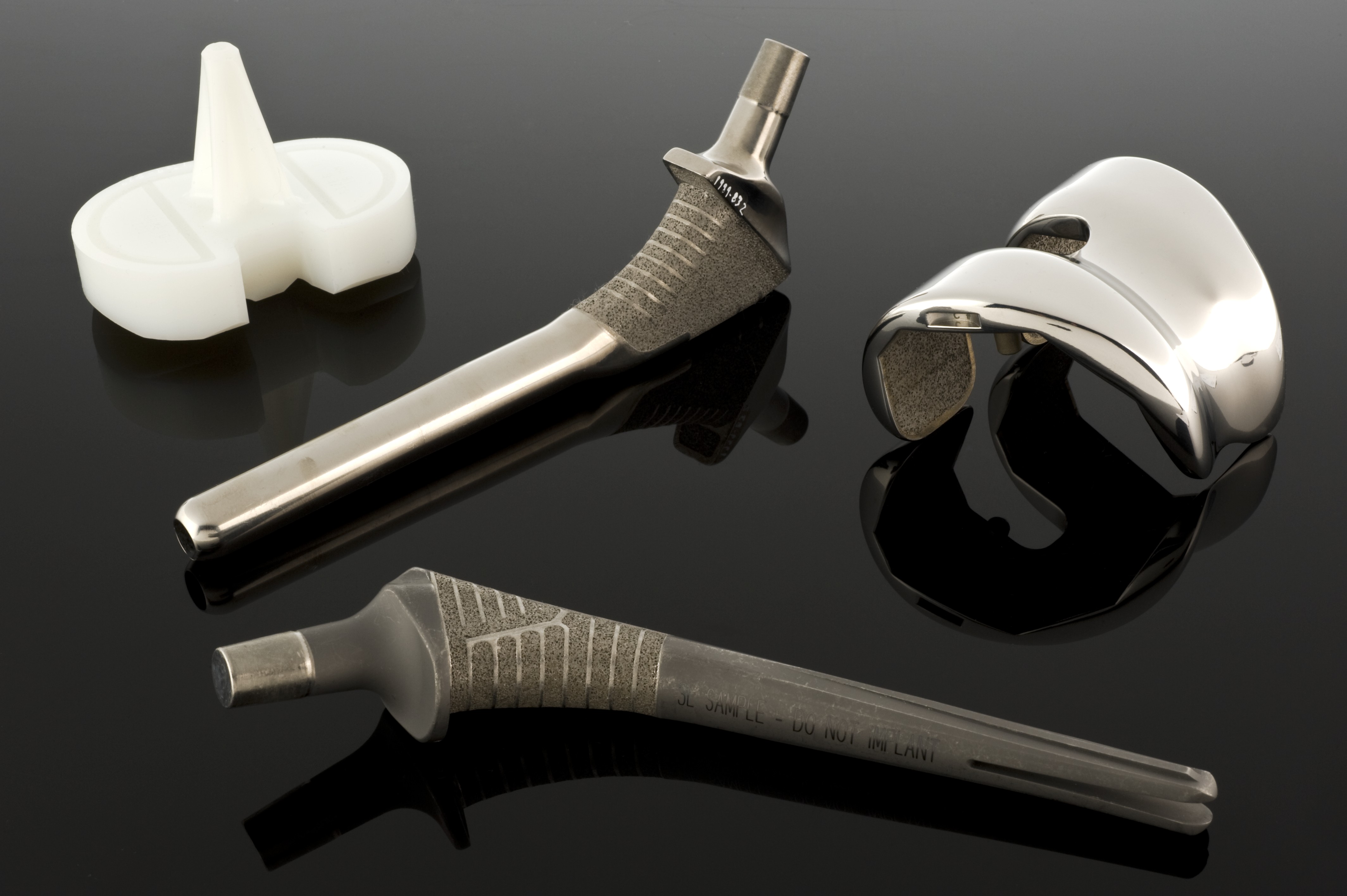
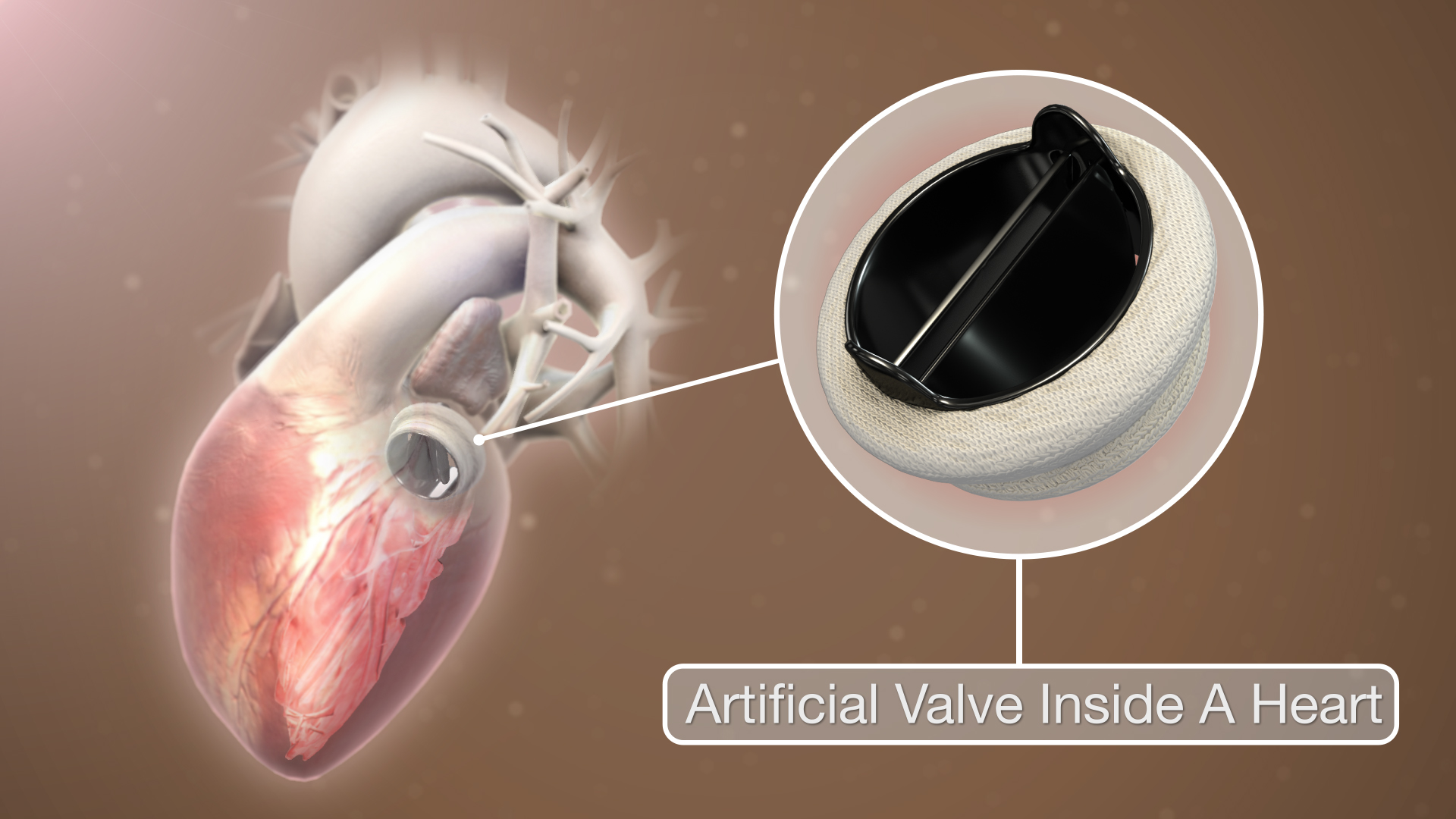
Consider the challenge of constructing an artificial heart valve. The natural world has already solved the problem of unidirectional fluid flow through millions of years of evolution, but replicating it artificially requires a rigorous, systematic approach. A biologist understands the fluid dynamics of blood and the tissue composition of the heart, but turning that theoretical knowledge into a functional, lifesaving device demands a different framework. As a future secondary biology educator, you will teach students not only how the natural world works, but how human beings apply that knowledge to solve complex challenges. The engineering design process provides this exact framework, transforming pure scientific understanding into tangible solutions through a structured cycle of problem definition, empirical testing, and continuous optimization.
Understanding how engineers think and operate is essential for mastering the nature of science and biology. Engineering is not just a collection of formulas; it is a profound biological tool. By examining the engineering design process, we can decode exactly how abstract discoveries become the very instruments that drive biological research forward.