Human Impacts on the Environment
Not sure you’re ready?
Take the ~3-minute readiness diagnostic and see where you stand.
Consider the biosphere not as a static backdrop, but as a vast, interconnected chemical and physical engine. Every atmospheric gas, every oceanic current, and every biological population represents a gear turning within a complex thermodynamic system. For the entirety of Earth's history, these gears have been turned by geological and evolutionary forces playing out over millions of years. However, in the blink of an evolutionary eye, human activity and technology have introduced entirely unprecedented variables into this engine.
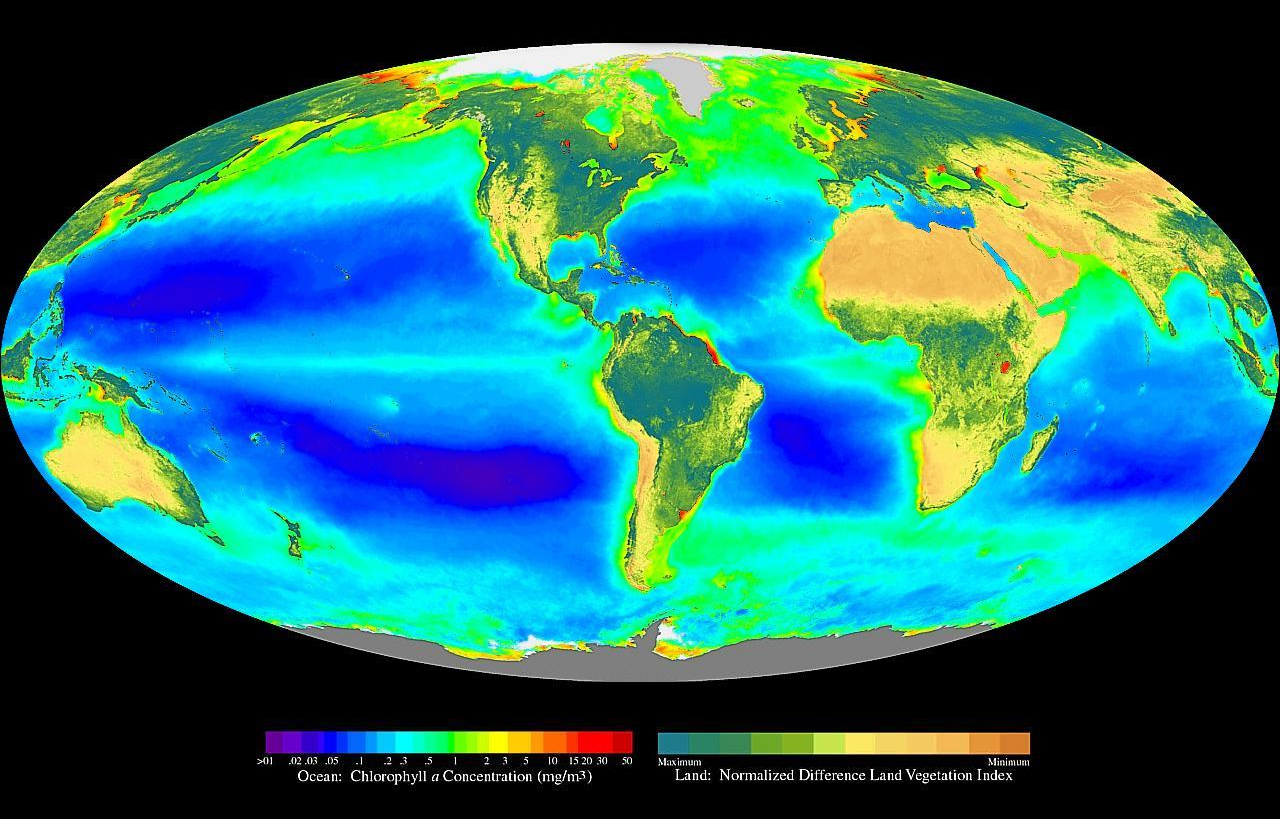
As an aspiring biology educator, your objective is not simply to list environmental disasters for your students. Your task is to teach them the underlying mechanics of these ecological shifts. You must show them how a molecule of carbon dioxide exhausted from a tailpipe alters the chemical equilibrium of an ocean, or how the geometry of a forest dictates the genetic survival of a species. Understanding human impacts on the environment is ultimately an exercise in tracing cause and effect through biological networks.
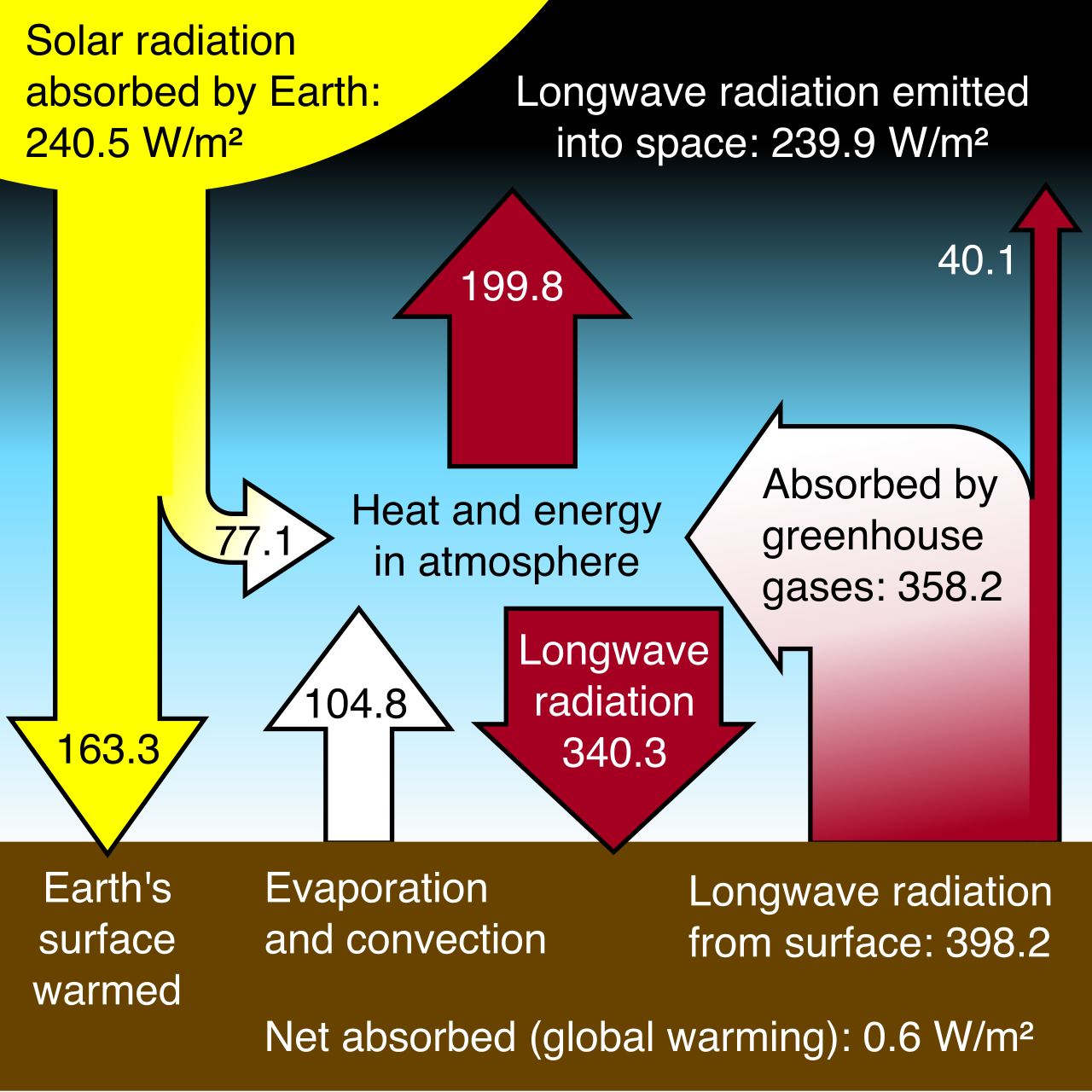
To understand human impacts on a planetary scale, we must begin with the atmosphere. The greenhouse effect traps solar radiation in the Earth's lower atmosphere, operating fundamentally like an insulating blanket. Solar energy enters as visible light, warms the Earth, and is re-radiated outward as infrared heat.
The heat-trapping capacity of this blanket is determined by the concentration of greenhouse gases. Major greenhouse gases include carbon dioxide, methane, nitrous oxide, and water vapor. Humans have altered this atmospheric chemistry through two primary mechanisms:
- Burning fossil fuels releases stored carbon dioxide into the atmosphere, taking carbon that was geologically sequestered for millions of years and injecting it directly into the modern carbon cycle.
- At the same time, deforestation reduces the number of trees available to absorb atmospheric carbon dioxide through photosynthesis. We are simultaneously turning up the faucet and plugging the drain.
Furthermore, methane is a highly potent greenhouse gas released by agricultural livestock and decaying organic matter, possessing a heat-trapping capacity exponentially greater than carbon dioxide over the short term.
The thermodynamic consequence of this energy imbalance is climate change. By pumping more energy into the atmospheric system, human-induced climate change statistically increases the frequency and severity of extreme natural disasters like hurricanes and droughts. The kinetic energy of warmer oceans translates directly into more violent storms, and severe hurricanes and coastal floods cause acute physical damage to fragile coastal habitats like estuaries and coral reefs.
Stratospheric Ozone and The Power of Treaties
Higher up, we find an atmospheric layer serving an entirely different function. The stratospheric ozone layer protects Earth's surface by absorbing harmful ultraviolet radiation from the sun. However, human invention introduced synthetic refrigerants and propellants that disrupted this shield. Chlorofluorocarbons (CFCs) chemically catalyze the destruction of ozone molecules in the stratosphere. A single chlorine atom from a CFC molecule can destroy over 100,000 ozone molecules before it is removed from the stratosphere.
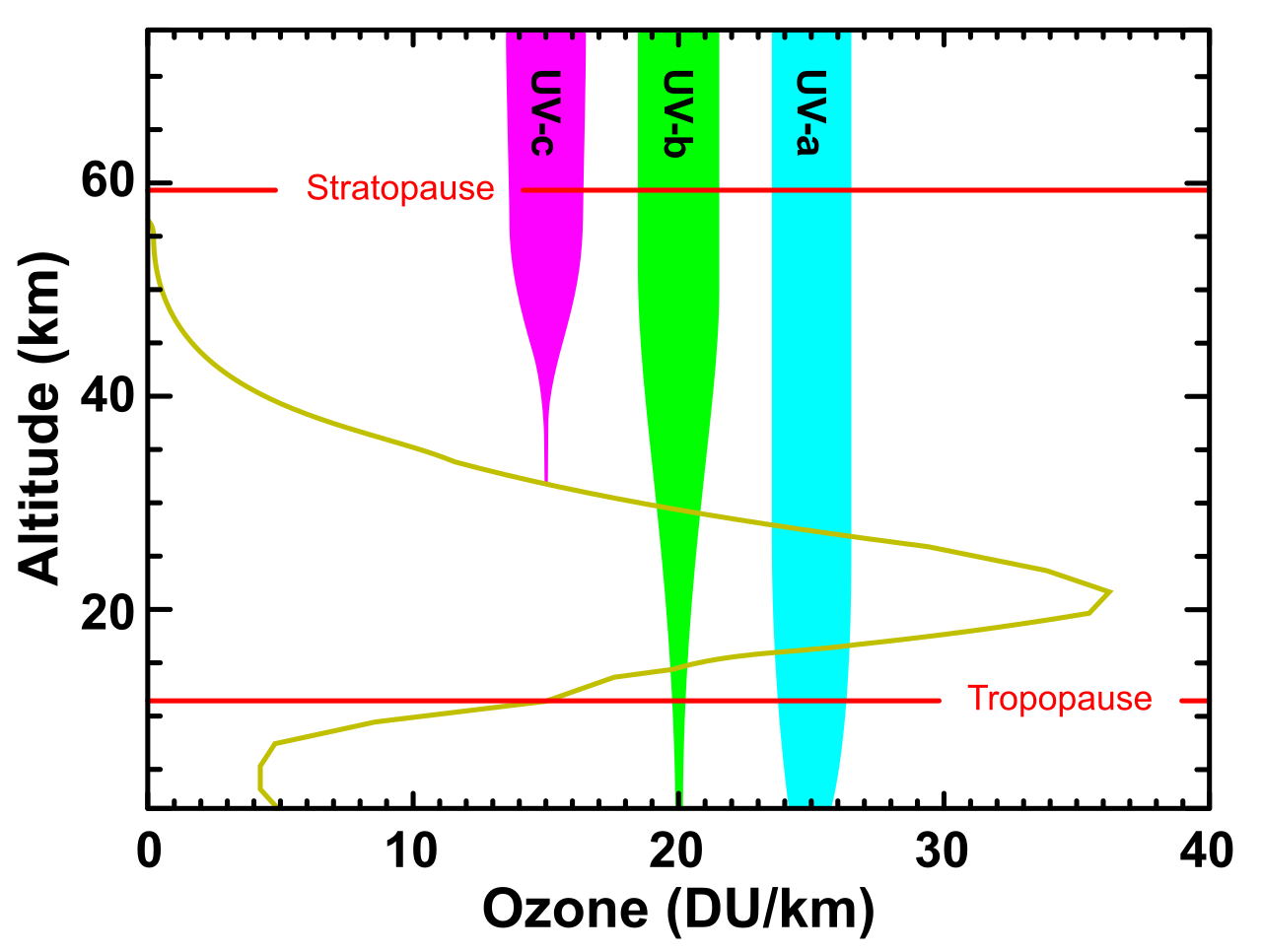
Why this matters for your classroom: The ozone hole is the ultimate success story of science and policy. You can point your students to the 1987 Montreal Protocol, which is an international environmental treaty that successfully phased out the global production of chlorofluorocarbons. It is living proof that global human cooperation can reverse catastrophic environmental degradation.
When we alter the atmosphere, we inevitably alter the ocean. The oceans are the planet's ultimate carbon sink. Ocean acidification occurs when seawater absorbs excess atmospheric carbon dioxide.
Teach this as a basic chemical reaction:
- Absorbed atmospheric carbon dioxide reacts with seawater to form carbonic acid.
- This acid readily releases hydrogen ions, which eagerly bond with available carbonate ions.
- Consequently, ocean acidification critically lowers the concentration of free carbonate ions in seawater.
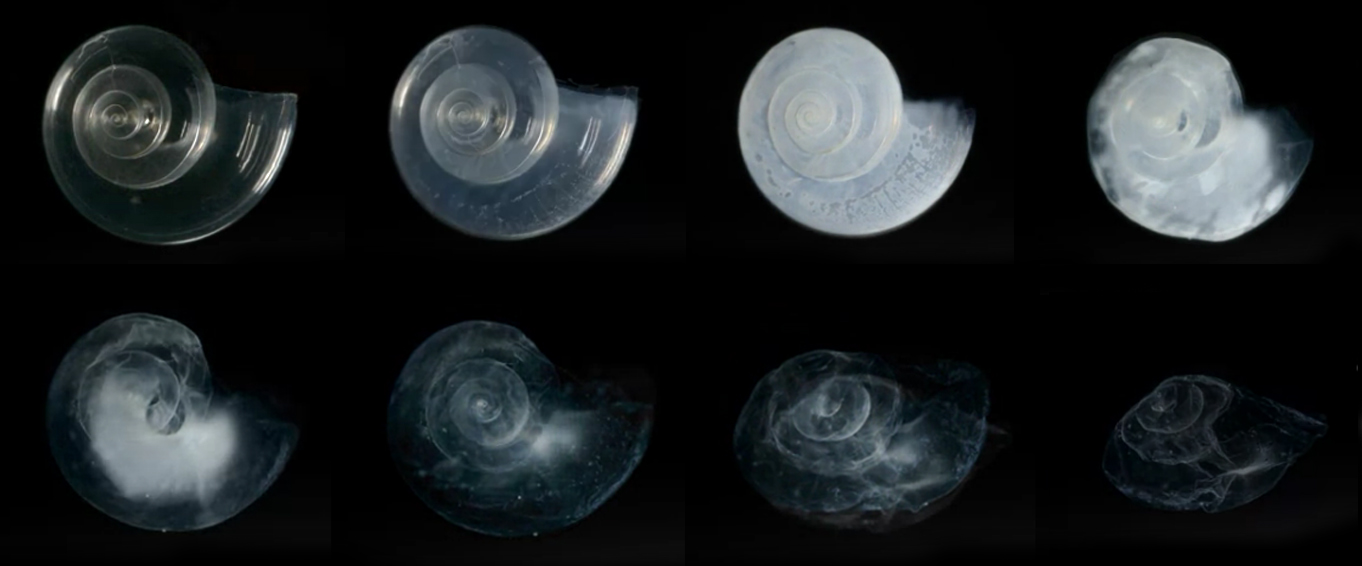
This is a biological disaster. Why? Because marine organisms require abundant carbonate ions to build and maintain calcium carbonate shells and exoskeletons. If the carbonate is bound up by excess hydrogen ions, corals, mollusks, and microscopic pteropods quite literally cannot build their skeletons.
Eutrophication: Death by Nutrient Overload
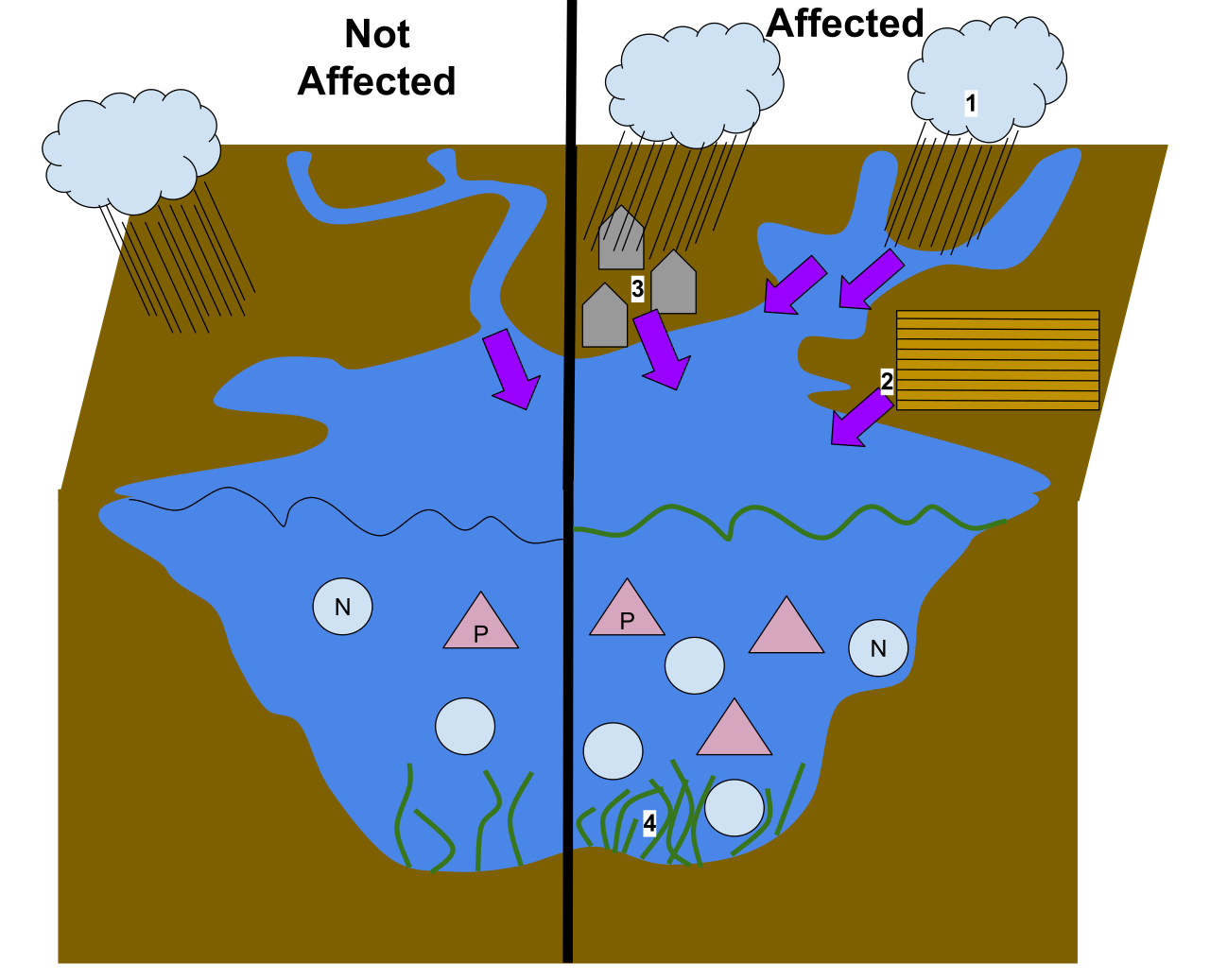
On a local scale, water chemistry is highly vulnerable to agricultural runoff. When farmers apply fertilizers, they are attempting to maximize crop growth. But when it rains, those nutrients don't stay put. Eutrophication occurs when excess agricultural nitrogen and phosphorus run off into an aquatic ecosystem.
This triggers a cascade:
- Excess nutrients in aquatic ecosystems cause rapid and massive algal blooms.
- The algae eventually die and sink.
- The bacterial decomposition of dead algal blooms severely depletes dissolved oxygen in the water.
- This hypoxia in aquatic ecosystems creates dead zones that lead to the mass death of fish and other oxygen-dependent organisms.
To regulate these impacts, ecologists categorize pollution by its origin. Point-source pollution originates from a single, identifiable source like an industrial discharge pipe. It is easy to find, measure, and penalize. Conversely, nonpoint-source pollution comes from widespread, diffuse sources like agricultural runoff or urban storm drains. Nonpoint sources are infinitely harder to regulate because the liability is distributed across millions of acres.
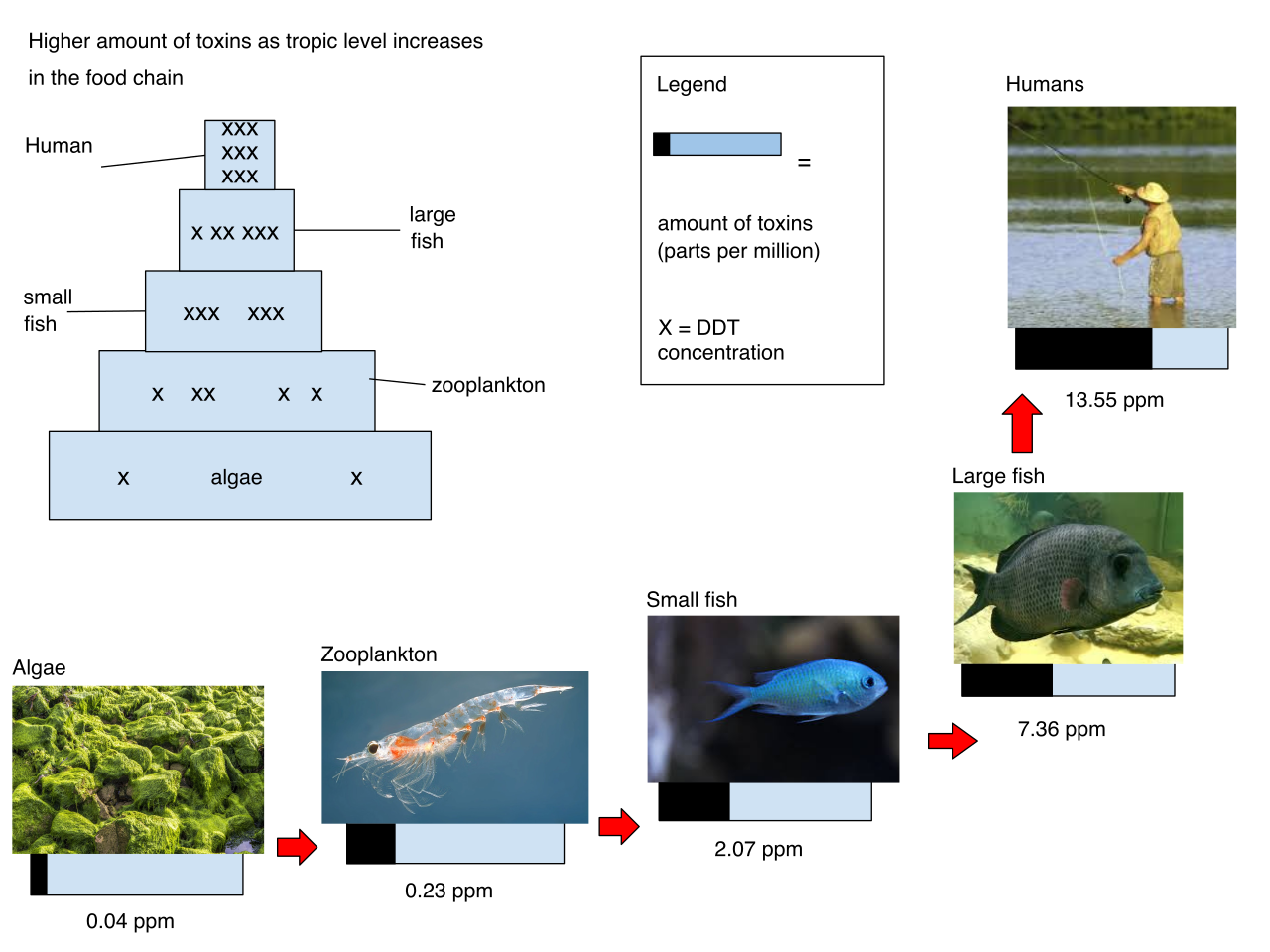
When synthetic chemicals enter an ecosystem, they do not simply dilute and disappear. They move through the food web. It is crucial to distinguish between two frequently confused terms:
- Bioaccumulation is the buildup of a toxic substance in the tissues of a single organism over its lifetime. (Think of an old fish that has spent ten years slowly absorbing heavy metals from its environment).
- Biomagnification is the increasing concentration of a persistent toxic substance at higher trophic levels in a food web. (Think of the biological funnel: a thousand contaminated plankton are eaten by a hundred small fish, which are eaten by ten large fish, which are eaten by one eagle. The eagle gets the entire toxic dose of the pyramid).
A historical touchstone for biomagnification is Dichlorodiphenyltrichloroethane (DDT). DDT is a synthetic pesticide that caused severe eggshell thinning in predatory birds through biomagnification. Bald eagles and osprey populations plummeted because their calcium metabolism was disrupted by the hyper-concentrated DDT in their tissues.
If you want to drive a species to extinction, you don't necessarily have to hunt it. You just have to destroy its home. Habitat destruction is the primary driving cause of global biodiversity loss.
Even when we don't pave over an entire forest, we slice roads and pipelines through it. Habitat fragmentation divides large, continuous ecosystems into smaller, isolated ecological patches. This creates a severe geometry problem: habitat fragmentation increases microclimate edge effects and drastically decreases core habitat area.
Edge Effects: The "edge" of a forest is windier, drier, and sunnier than the deep, dark "core." As a habitat patch gets smaller, its ratio of edge-to-core increases. Species that strictly require the deep core environment are squeezed out, even if a seemingly large amount of total green space remains.
Agriculture and Resource Extraction
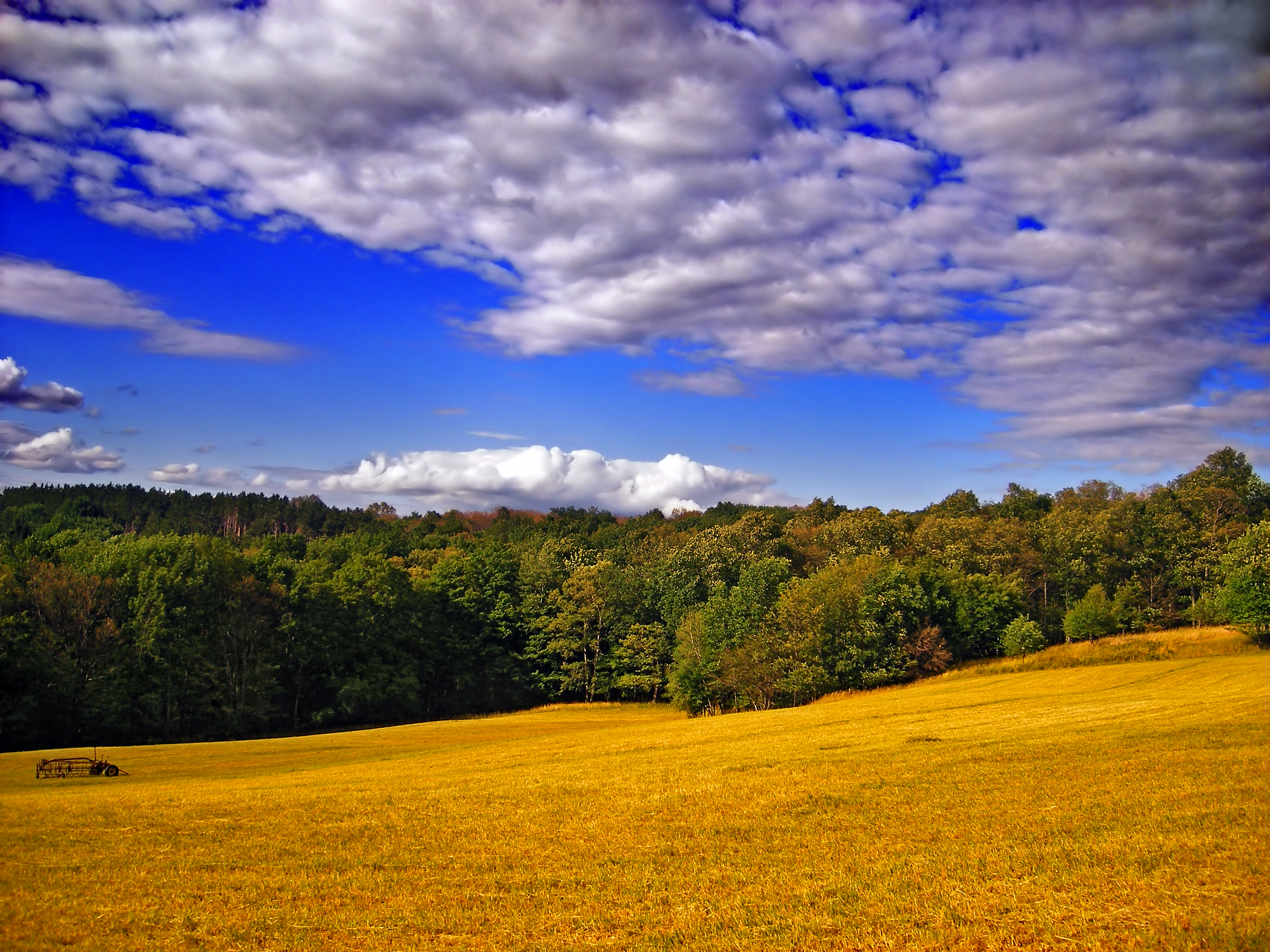
The way we grow food and extract materials fundamentally re-shapes the earth's surface. Monoculture agriculture is the practice of cultivating a single crop species over a very wide geographic area. While highly efficient for mechanized harvesting, monoculture agriculture drastically reduces the genetic diversity and ecological resilience of an ecosystem. A single pest or blight can wipe out millions of acres because the plants share identical genetic vulnerabilities.
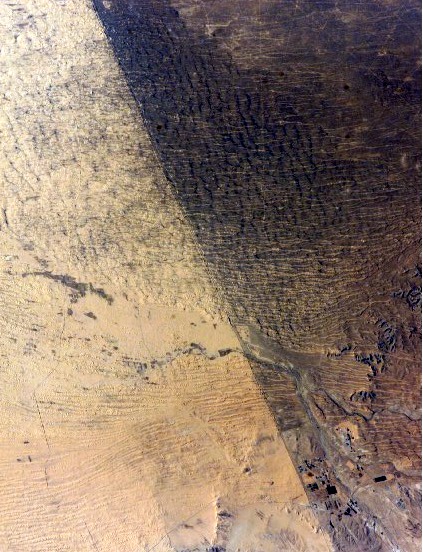
In drier regions, poor land management triggers another crisis. Desertification is the degradation of dryland ecosystems into non-productive barren deserts. Far from being a natural phenomenon, desertification is primarily driven by chronic overgrazing, deforestation, and unsustainable irrigation practices.
When we dig for minerals, the physical trauma to the landscape is absolute. Surface mining for resource extraction physically removes surface vegetation and vital topsoil. Consequently, surface mining leads to severe local soil erosion, toxic runoff, and complete habitat destruction.
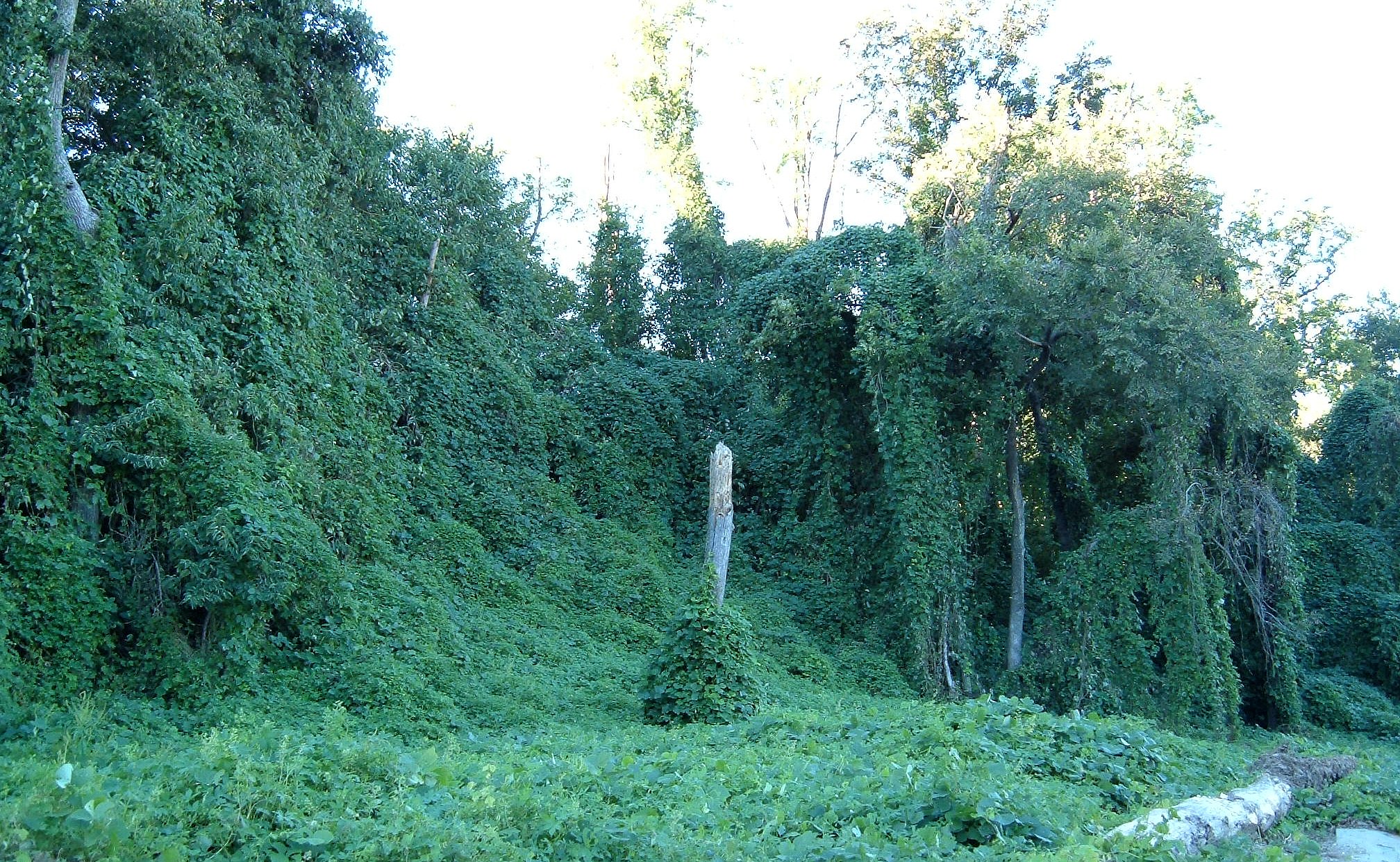
When human trade and travel connect historically isolated biomes, we often inadvertently introduce passengers. Invasive species are non-native organisms that cause significant ecological or economic harm to a newly introduced environment.
Why do they take over so rapidly? Invasive species almost always lack natural predators or diseases in their new geographic environments. With nothing to keep them in check, the absolute absence of natural population controls allows invasive species to grow exponentially. They become a biological wildfire, where invasive species aggressively outcompete established native species for limited local resources.
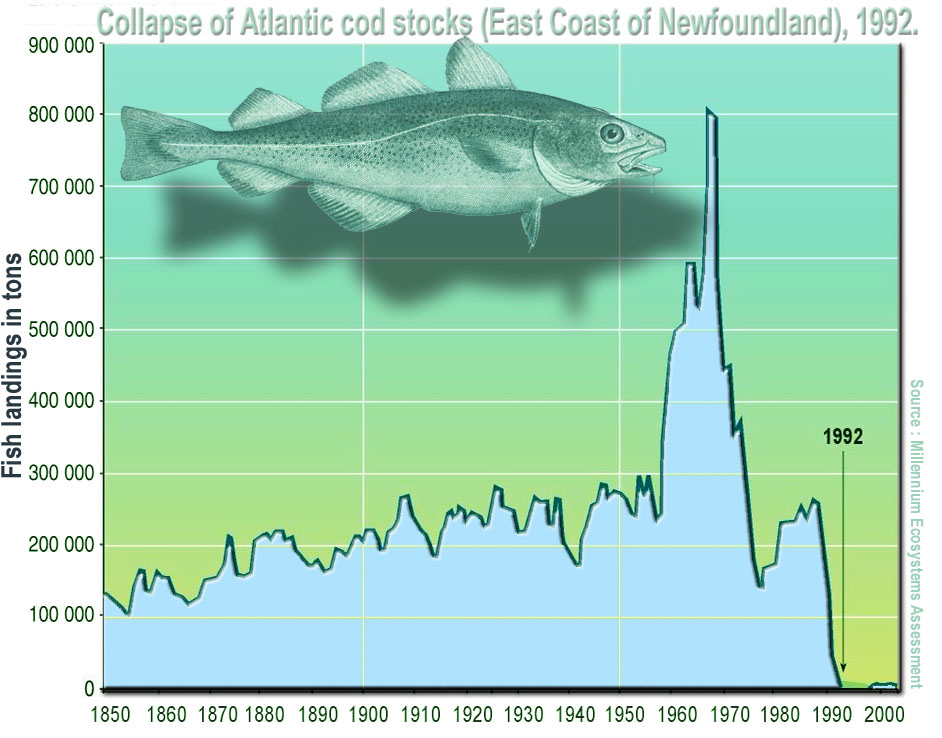
At the same time we introduce super-competitors, we frequently over-harvest native populations. Overexploitation is the harvesting of a renewable resource much faster than the resource can naturally replenish. Fishery collapses are a classic example. To manage this mathematically, ecologists try to calculate the maximum sustainable yield, which is the theoretical maximum harvest limit that can be extracted from a biological population without depleting the total population stock.
The goal of modern ecology is not simply to document the decline of the biosphere, but to engineer its recovery. This requires a fundamental shift in how we manage resources.
| Resource Type | Definition | Key Examples |
|---|---|---|
| Renewable | Renewable resources can be naturally replenished at a rate equal to or faster than their human consumption rate. | Solar, wind, hydroelectric, and geothermal energy are all classified as major forms of renewable energy. |
| Nonrenewable | Nonrenewable resources exist in strictly finite global quantities and take millions of years to form geologically. | Fossil fuels and radioactive nuclear fuels are classified as nonrenewable energy resources. |
The transition toward renewable energy is the cornerstone of sustainable development, a framework that aims to meet current human consumption needs without compromising the ability of future generations to meet their own needs.
Protecting and Repairing the Biosphere
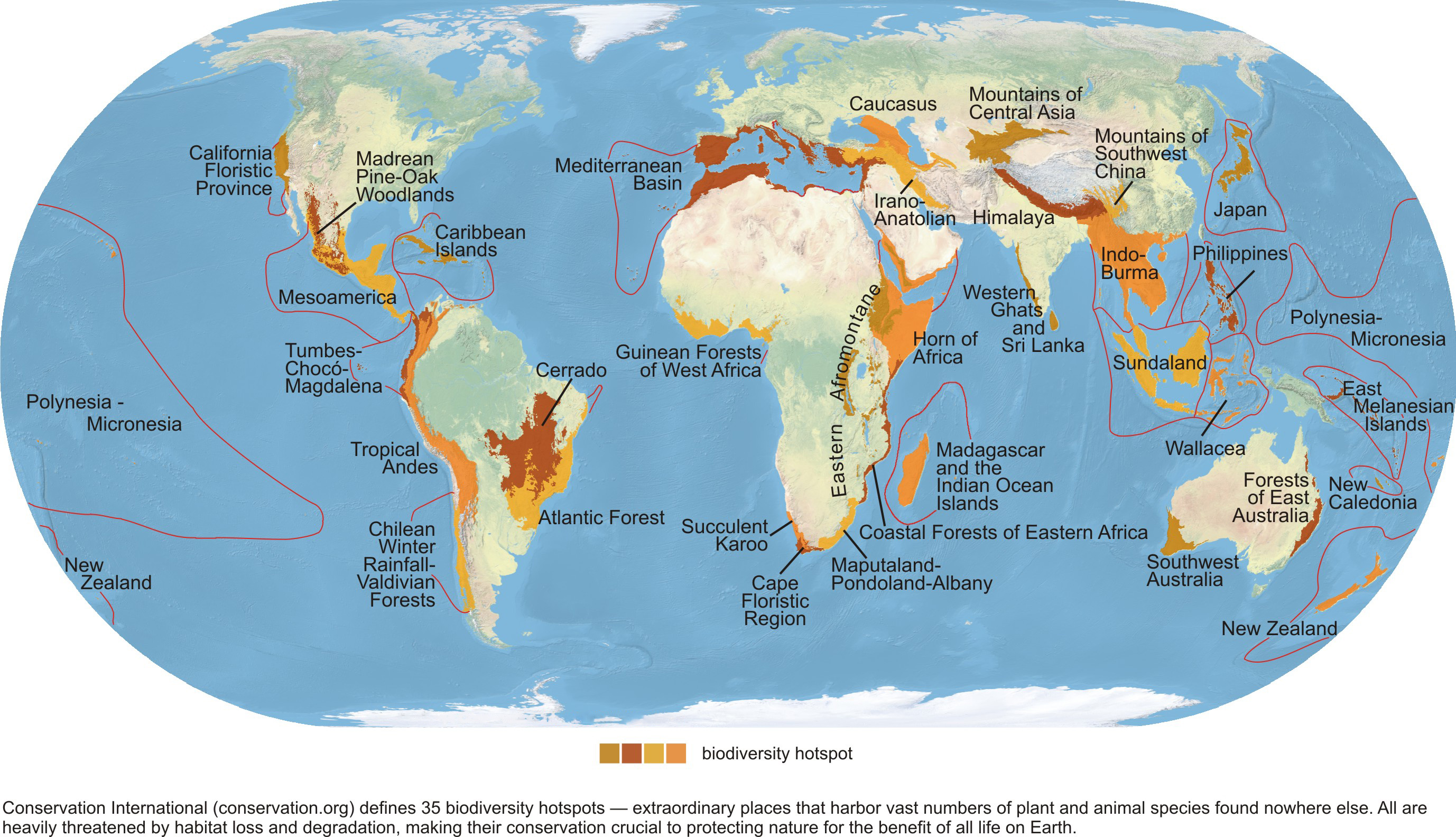
How do we save what is left? Conservationists prioritize regions that yield the highest return on investment. Biodiversity hotspots are specific biogeographic regions containing exceptionally high levels of biodiversity that face severe human threats. These hotspots are frequently filled with endemic species, which are uniquely native to a single defined geographic location and are found nowhere else on Earth.
In the United States, the Endangered Species Act of 1973 is a primary piece of United States environmental legislation designed to protect critically imperiled species from total extinction. This powerful legal framework forces agencies to evaluate how infrastructure and development impact vulnerable biology.
Legal protection translates physically into space. Protected areas like designated national parks legally restrict human activity to strictly conserve natural habitats and local biodiversity. To combat the edge effects of habitat fragmentation we discussed earlier, conservationists design wildlife corridors, which physically connect fragmented habitat patches to allow essential animal migration and maintain population genetic diversity.
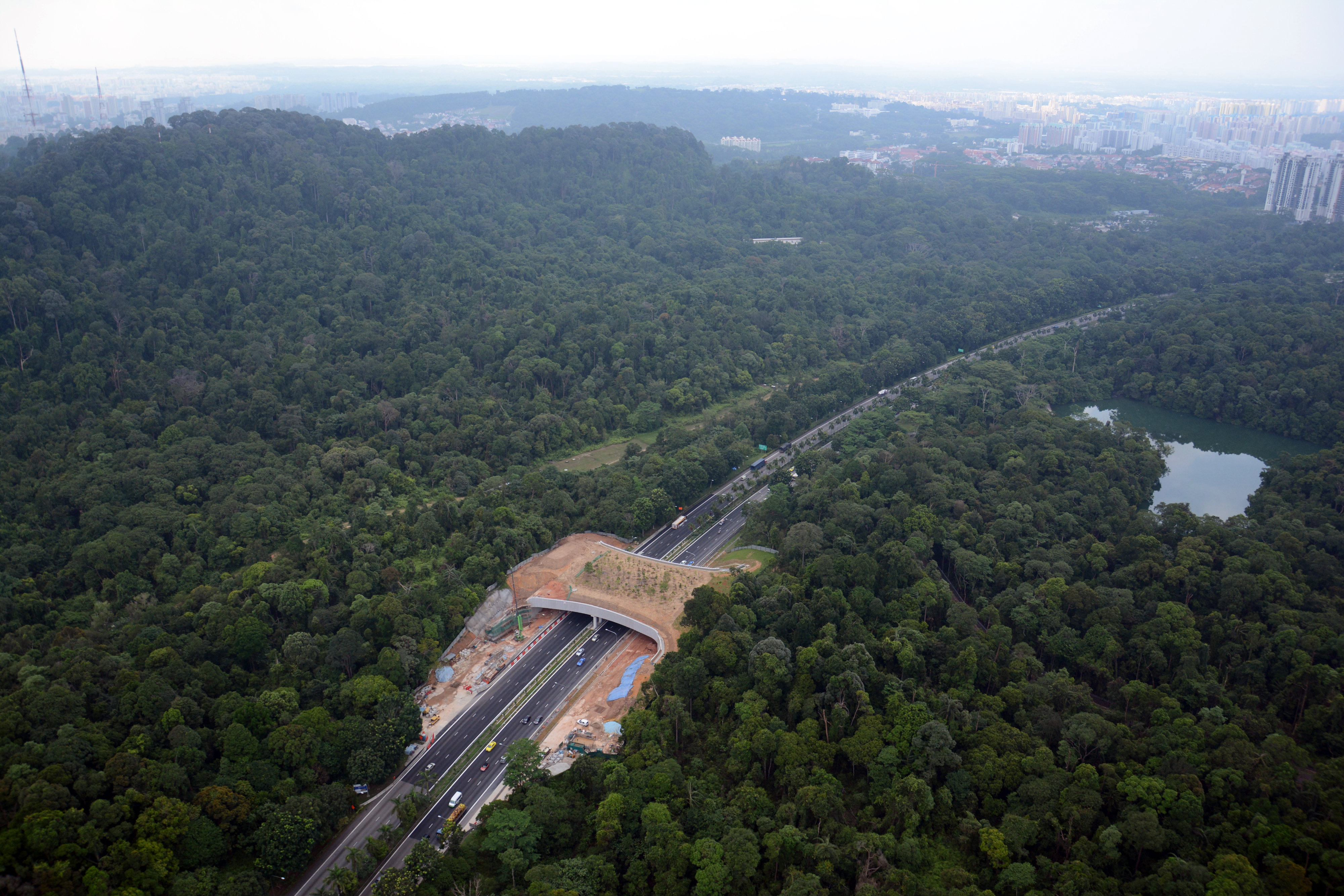
Finally, where the damage is already done, science steps in to rebuild. Restoration ecology is the scientific discipline focused on actively repairing heavily degraded, damaged, or completely destroyed ecosystems.
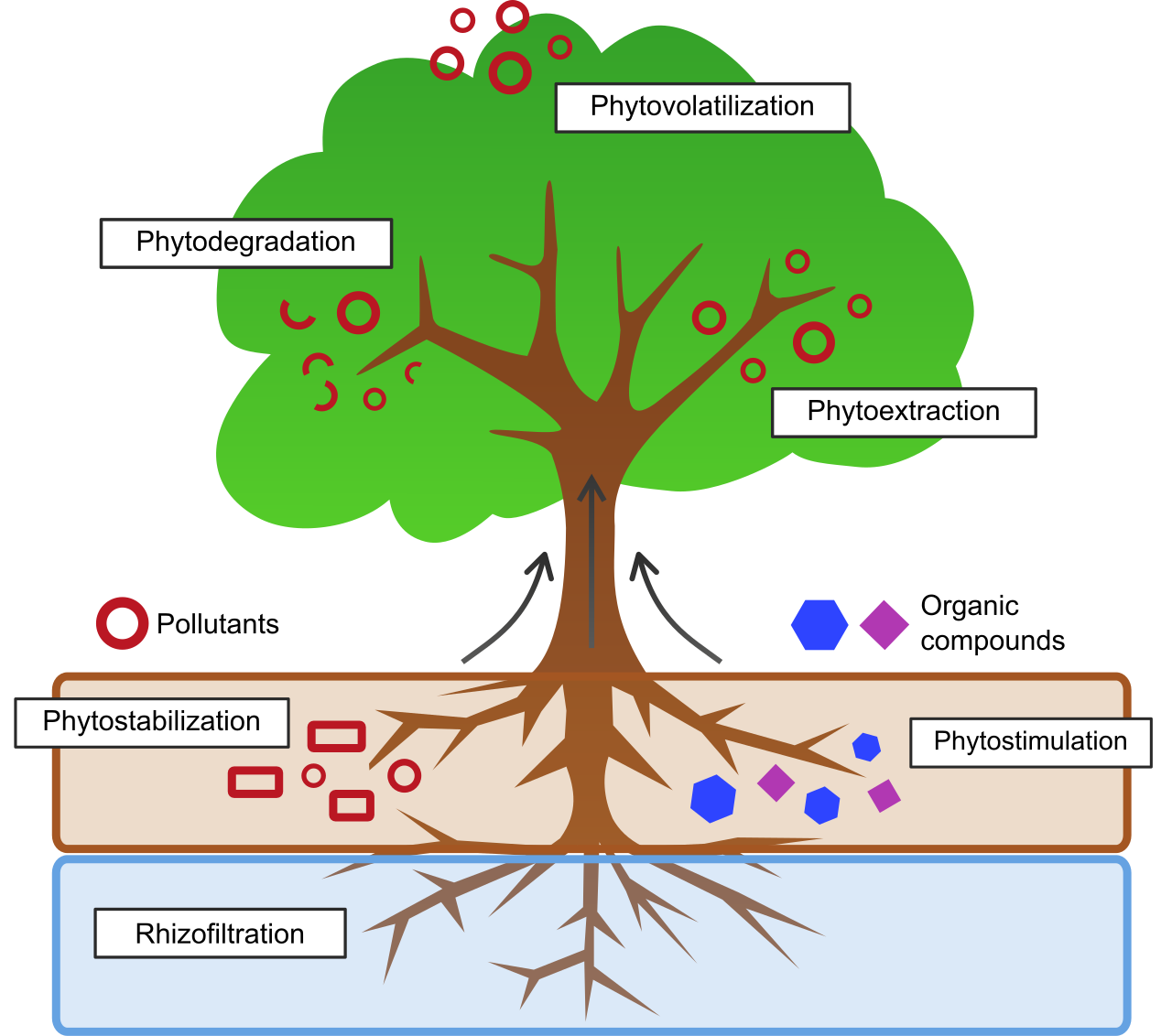
One of the most fascinating tools in restoration ecology is bioremediation, which uses living biological organisms like bacteria or fungi to actively detoxify polluted local environments. A powerful sub-category you should highlight for your students is phytoremediation, a specialized type of bioremediation that uses vascular plants to extract and concentrate heavy metals from contaminated soil. Sunflowers, for example, have been utilized to pull radioactive isotopes directly out of the soil at Chernobyl, proving that biology itself holds the key to repairing the very environmental damage human technology has wrought.