Laboratory Procedures and Safety
Not sure you’re ready?
Take the ~3-minute readiness diagnostic and see where you stand.
The science laboratory is an artificial environment deliberately constructed to bring the raw, reactive forces of nature into a confined space for human study. When you hand a sixteen-year-old a concentrated acid, a high-speed centrifuge, or a plate of multiplying bacteria, you are handing them the mechanisms that drive thermodynamics, physics, and infectious disease. As a biology teacher, your fundamental job is not merely to enforce a list of arbitrary rules, but to understand the physical reality of the materials in your room. Safety is not a bureaucratic checklist; it is applied physics and chemistry.
When you understand how molecules interact, how vapor pressures build, and how kinetic energy transfers, the rules of the laboratory stop being things you memorize and start being things you intuitively feel. Let us explore the mechanics of managing a biological laboratory, preparing materials, and containing the inevitable chaos of a high school science classroom.
If you look at an amateur's chemical stockroom, you will often find bottles arranged from A to Z. Storing chemicals strictly alphabetically can place incompatible reactive chemicals next to each other. Imagine placing Acetic Acid next to Ammonium Nitrate. You are effectively building a bomb. Instead, chemical storage systems must organize chemicals by compatibility families to prevent hazardous reactions. You store oxidizers with oxidizers, and inorganic acids with inorganic acids.
Within these families, the physical placement of the bottle matters tremendously. Corrosive chemicals should be stored on lower shelves to minimize the risk of dropping and splashing. If a glass jug of acid slips from your grasp, it is a matter of basic kinematics: a fall of two feet onto the floor is vastly preferable to a fall of five feet, which allows the liquid to splash directly into your eyes.
Certain chemicals demand total isolation. Nitric acid is a strong oxidizer, meaning it readily strips electrons from other molecules, generating heat and rapidly accelerating combustion. Therefore, nitric acid must be stored in an isolated compartment away from other acids and combustible materials.
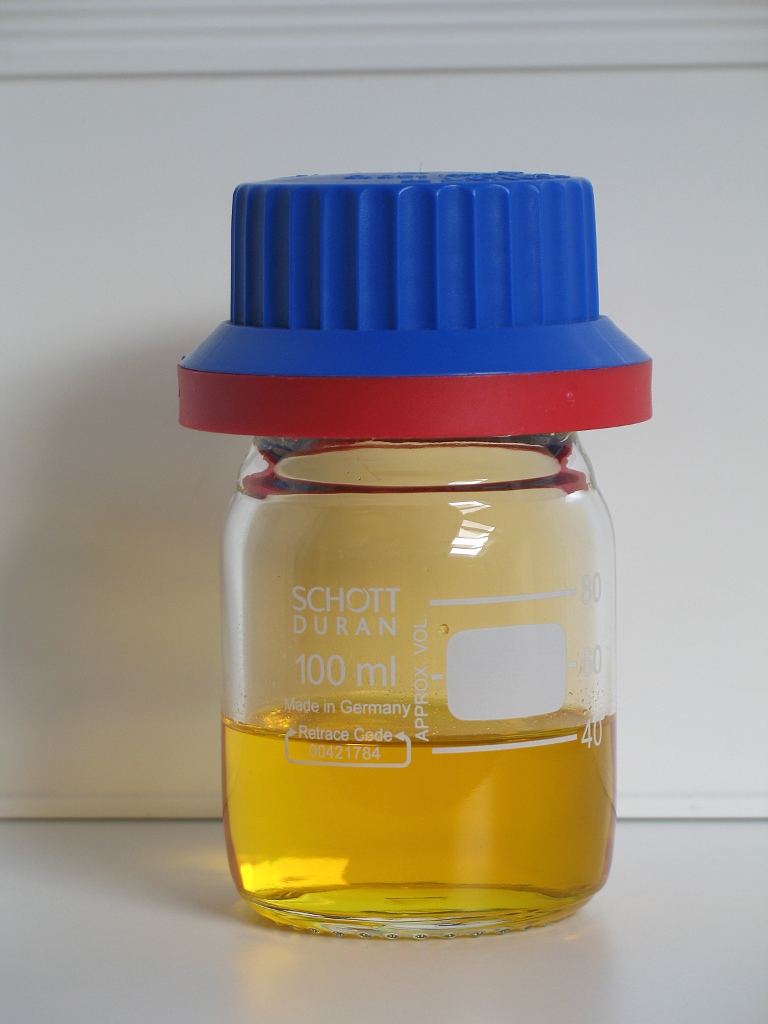
Similarly, flammable liquids must be stored in a dedicated and grounded flammables cabinet. The grounding is critical—it prevents the buildup of static electricity, which could provide the precise activation energy needed to ignite the concentrated vapors inside.
The Blueprint of Safety: The SDS
How do you know the precise hazards of every chemical in your inventory? You consult the literature. A Safety Data Sheet (SDS) provides comprehensive information about chemical hazards, handling, and emergency response. This document is not meant to be locked in a principal's office. A chemical Safety Data Sheet must be readily accessible to all laboratory personnel during working hours. If a student spills a mystery solvent on their arm, you do not have time to send an email; you need the SDS in your hand instantly.
When preparing solutions and media for your students, you are engaging in highly controlled chemical reactions.
The Thermodynamics of Acid Dilution
One of the most ironclad rules of the laboratory involves dilution. Always add acid to water when diluting concentrated acids to prevent boiling and splashing. Conversely, water must never be added directly to concentrated acid. Why? Because diluting a strong acid is a fiercely exothermic reaction. Concentrated acid has an immense thermodynamic affinity for water. If you drop a small amount of water into a large pool of acid, the water instantly absorbs that massive heat of solution, boils into steam in a fraction of a second, and violently propels concentrated acid directly back at your face. When you add acid to a large volume of water, the water acts as a massive heat sink, absorbing the thermal energy safely.
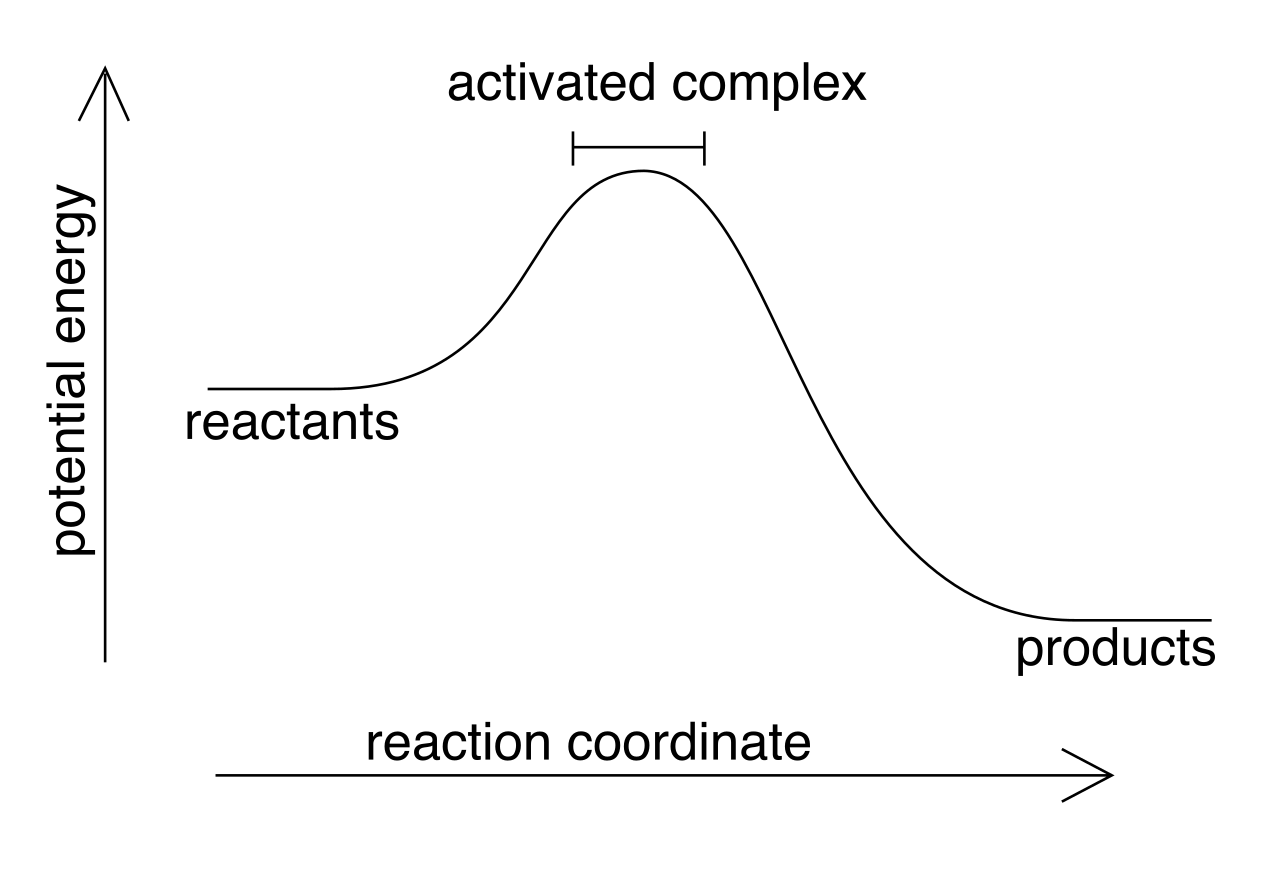
The Chemist's Rule: "Do as you oughta, add acid to water."
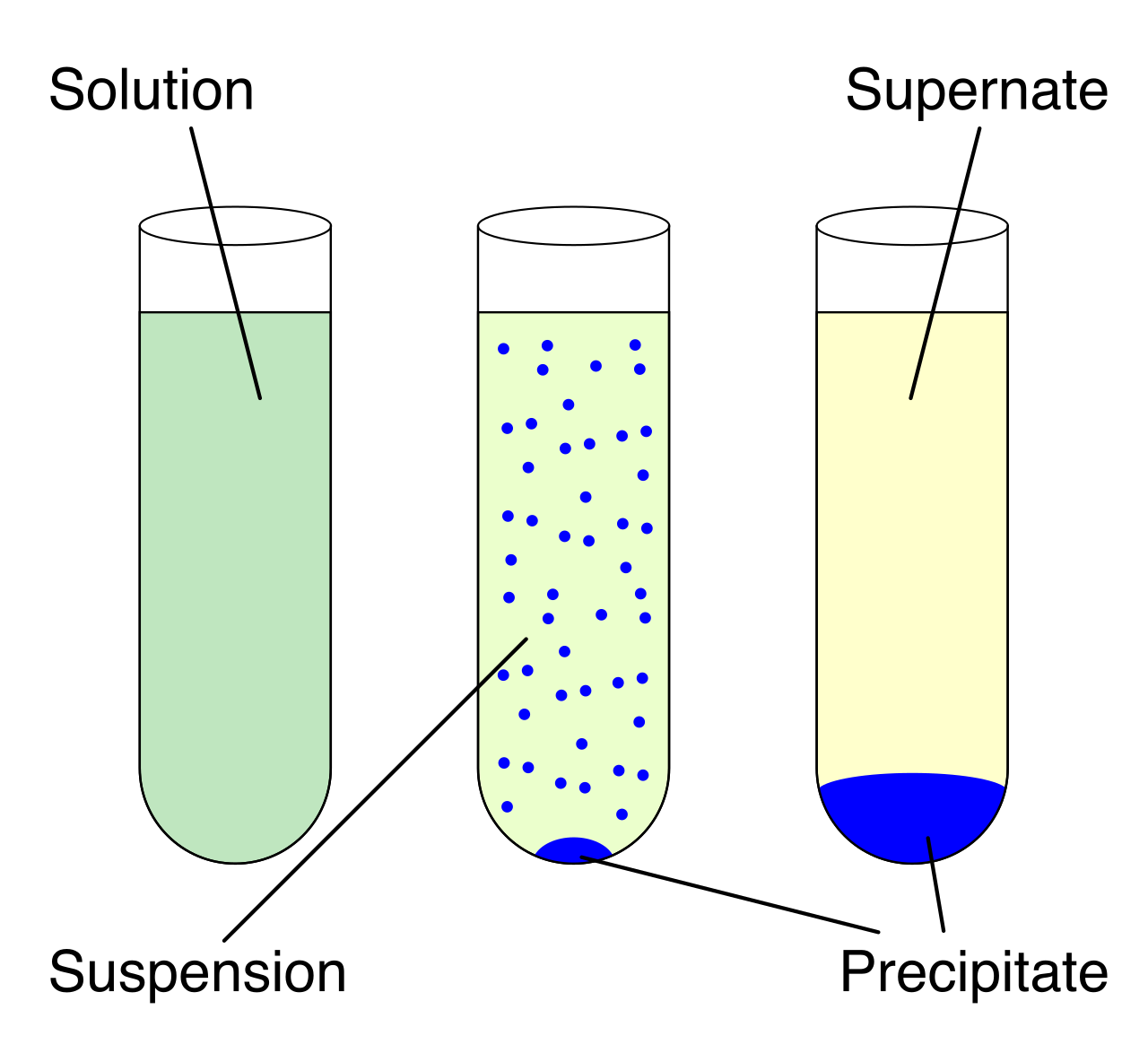
Whenever you are preparing these chemical solutions, distilled or deionized water must be used... to prevent unwanted ion interactions. Tap water is filled with calcium, magnesium, and chlorine. If you mix tap water with silver nitrate, you won't get a clear solution; you will instantly precipitate a cloudy mess of silver chloride.
Preparing Biological Media
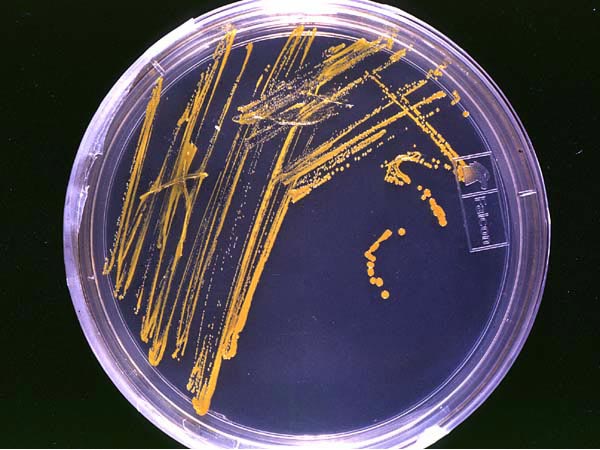
Growing bacteria requires creating an ideal, sterile environment. You will frequently prepare agar, a gelatinous substance derived from seaweed. To do this, agar powder must be heated to a rolling boil in water to dissolve completely. Once it is completely in solution, the melted agar is poured into sterile Petri dishes and allowed to cool until solidifying into a gel.
Once solidified, you face a battle with simple evaporation. Prepared agar plates are stored upside down to prevent lid condensation from dripping onto the agar surface. If water drips onto your bacterial colonies, it will wash them out into a smeared, unreadable lawn.
The Physics of Centrifugation
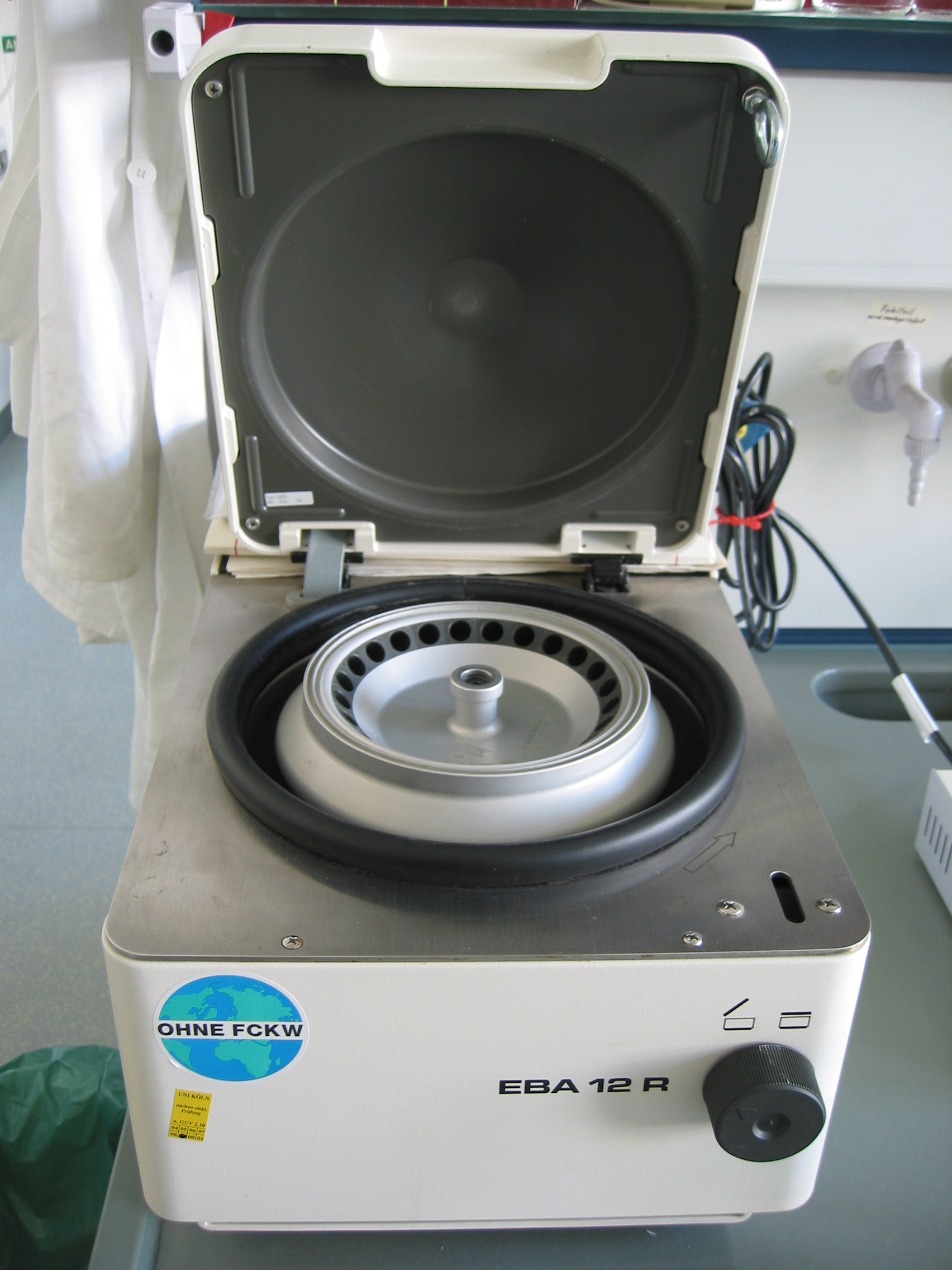
A centrifuge separates materials by density using incredible rotational speed. But a rotor spinning at 10,000 RPM possesses massive kinetic energy. A centrifuge must be symmetrically loaded with tubes of equal mass to maintain balance during high-speed rotation. If you fail to do this, unbalanced centrifuges vibrate violently and can cause severe mechanical damage or user injury. It is the equivalent of throwing a brick into a spinning washing machine, but moving fast enough to launch metal shrapnel across the room.
Basic Bench Techniques
When your students sit down to work, their techniques must be flawless.
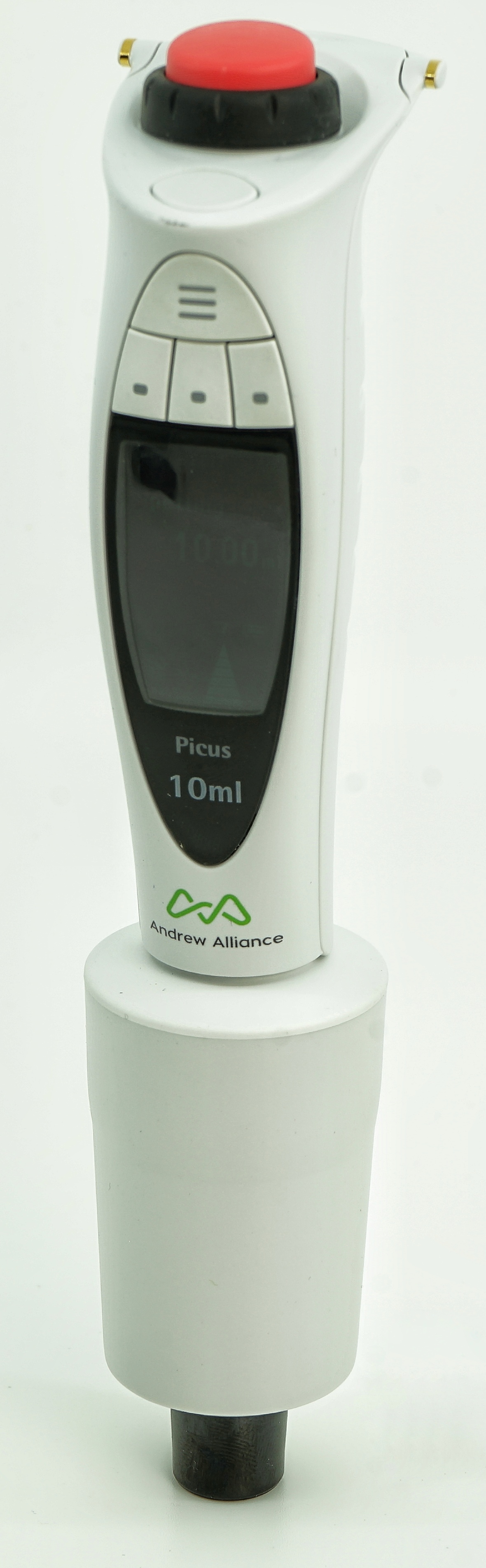
- Pipetting: Historically, scientists used their mouths to draw liquids into pipettes. Today, mouth pipetting is strictly prohibited under all laboratory circumstances. Instead, mechanical pipetting devices or rubber bulbs must be used to transfer liquids into a pipette.
- Microscopy: When preparing a wet mount slide, the coverslip is lowered at a 45-degree angle to minimize trapped air bubbles. Think of it like a squeegee pushing the air out ahead of the liquid.
- Sterilization at the Bench: Before transferring bacteria, inoculating loops are sterilized by passing the wire through a Bunsen burner flame until the wire glows red hot. This absolute incineration guarantees no foreign microbes contaminate your culture.
A biology lab handles the messy reality of life. Whether you are dealing with cheek swabs, blood typing, or bacterial cultures, you must assume everything is hostile.
Definition: Universal Precautions An infection control approach that requires treating all human blood and certain bodily fluids as if infectious for bloodborne pathogens (like HIV and Hepatitis B).
If you act as if everything is infectious, you will never be caught off guard. After any biological lab, laboratory work surfaces must be decontaminated with a suitable disinfectant after working with biological agents. In a school setting, a ten percent household bleach solution is a standard surface disinfectant for wiping down biological lab benches. It is cheap, highly effective, and oxidizes the cell membranes of residual pathogens.
Sterilization and Biological Toxins
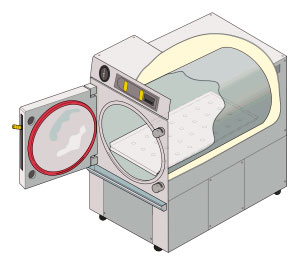
You cannot simply throw biological cultures into the classroom trash. You must break them down at a cellular level. To do this, we use the heavy artillery of microbiology. An autoclave uses pressurized steam to sterilize laboratory equipment and biological media. Because steam under pressure holds far more heat energy than boiling water, standard autoclave sterilization requires a temperature of 121 degrees Celsius at 15 psi for at least 15 minutes. This exact intersection of temperature, pressure, and time is required to obliterate resilient bacterial endospores.
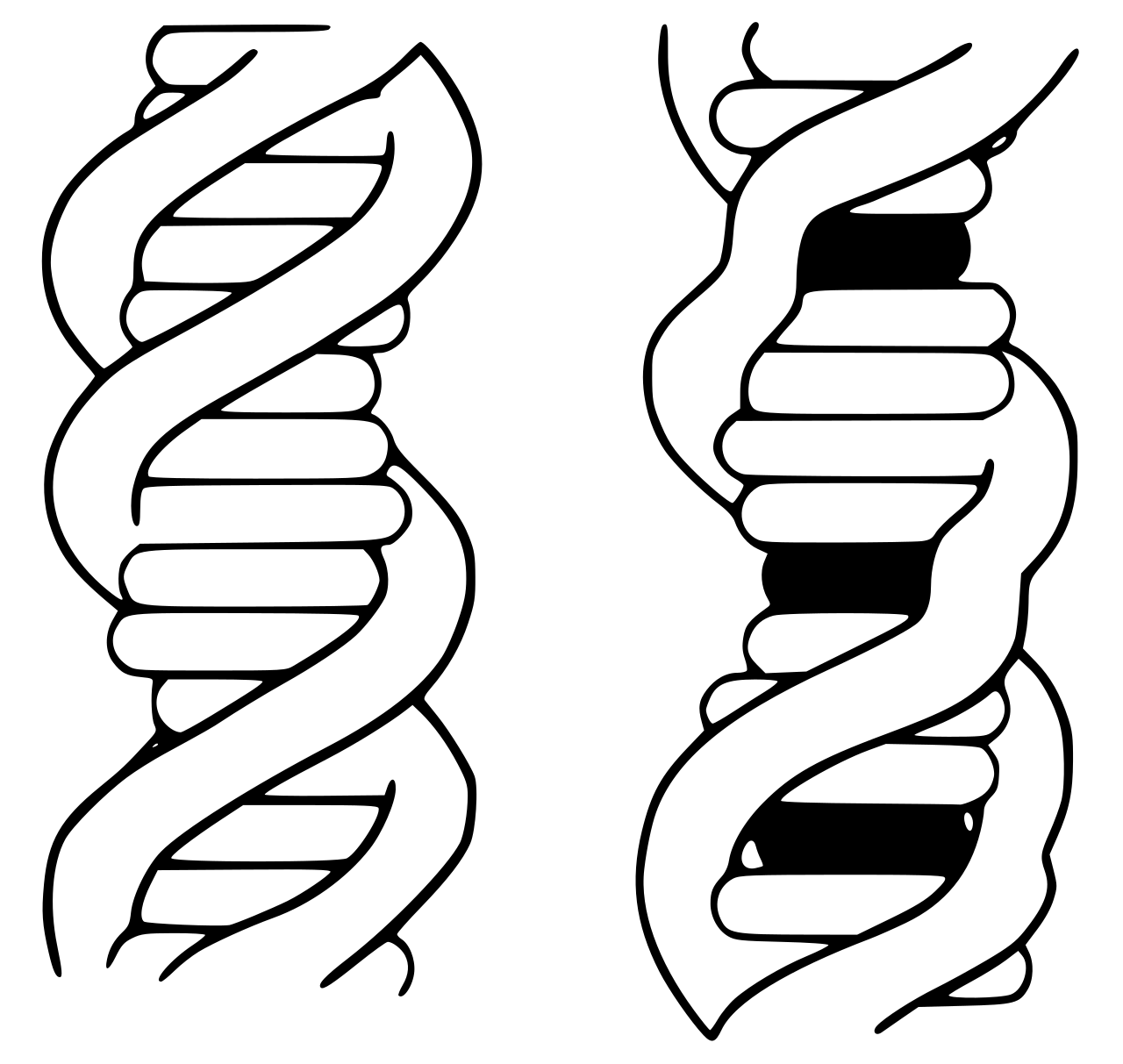
Not all threats are living organisms. In genetics labs, you may encounter specialized chemicals. Ethidium bromide is a mutagen commonly used in gel electrophoresis because it intercalates (slides directly into) the rungs of the DNA double helix to make it fluoresce under UV light. Because it treats human DNA the exact same way, ethidium bromide must be handled with gloves and disposed of as hazardous chemical waste.
In anatomy labs, preserved biological specimens must be stored in adequately ventilated areas to prevent the buildup of fixative vapors. The most common culprit, formaldehyde, is a toxic biological fixative and recognized carcinogen that requires handling in a fume hood.
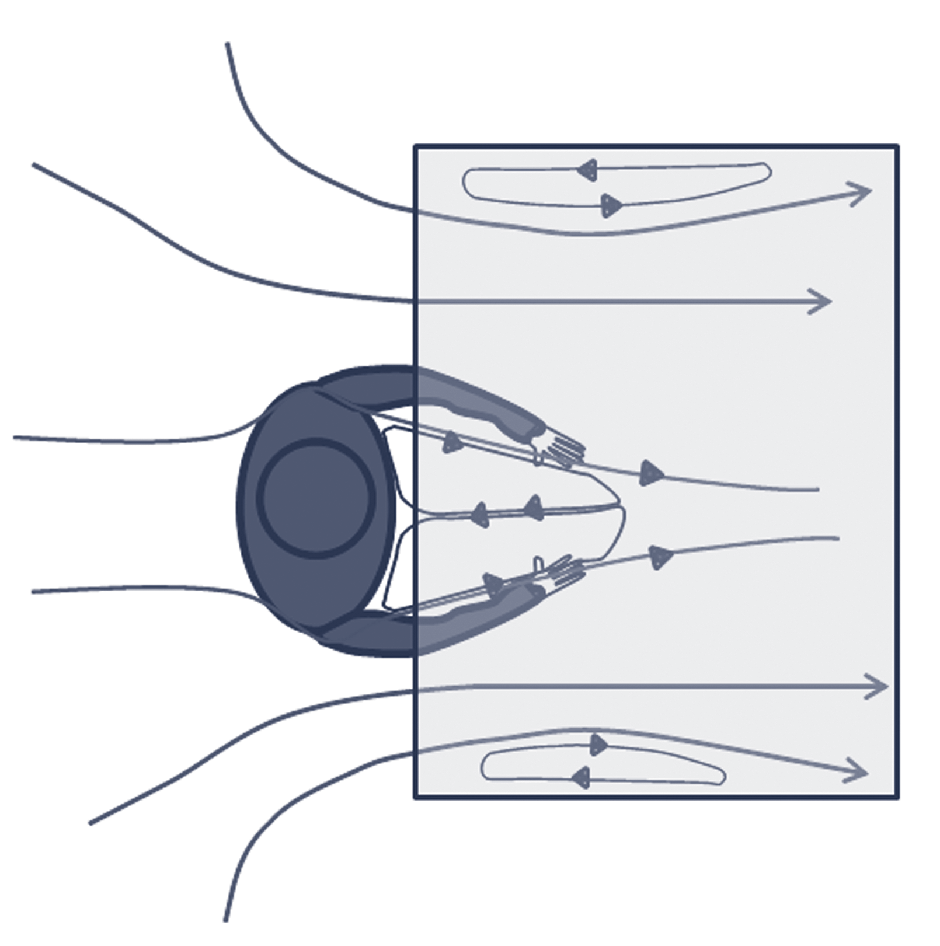
A fume hood provides targeted exhaust ventilation to limit human exposure to hazardous or toxic chemical vapors. By maintaining negative pressure, the hood constantly pulls air away from your face and vents it safely outside the building.
You can plan perfectly, but teenagers are inherently chaotic systems. When things go wrong, the response must be immediate and mechanical.
Personal Protective Equipment (PPE) & Dress Code
The first line of defense is what your students wear.
- Chemical splash goggles must be worn whenever chemicals, heat, or glassware are used in the laboratory. Standard safety glasses are not enough; splash goggles form a seal against the face to stop liquids creeping in from the sides.
- Open-toed shoes are prohibited in the laboratory to protect feet from chemical spills and dropped glassware.
- Long hair must be tied back in the laboratory to prevent catching fire or dipping into chemicals.
- Because the environment is fundamentally contaminated, consuming food, drinking beverages, and chewing gum are strictly prohibited in the science laboratory.
At the end of the period, students must wash hands thoroughly with soap and water immediately before leaving the laboratory. This breaks the chain of transmission between the lab bench and the cafeteria.
Neutralization and Spills
When a chemical hits the floor, you do not just mop it up—you alter its chemistry.
| Spill Type | Neutralization Strategy | Why it works |
|---|---|---|
| Acid Spills | Neutralized with a weak base like sodium bicarbonate before cleanup. | The weak base safely converts the acid into salt, water, and carbon dioxide gas (bubbling). |
| Base Spills | Neutralized with a weak acid like vinegar before cleanup. | Vinegar (dilute acetic acid) neutralizes the alkalinity without triggering a violently exothermic reaction. |
Extreme Emergencies: Washes and Fires
When chemicals contact a student's body, the clock starts ticking. The universal solvent—water—is your primary tool.
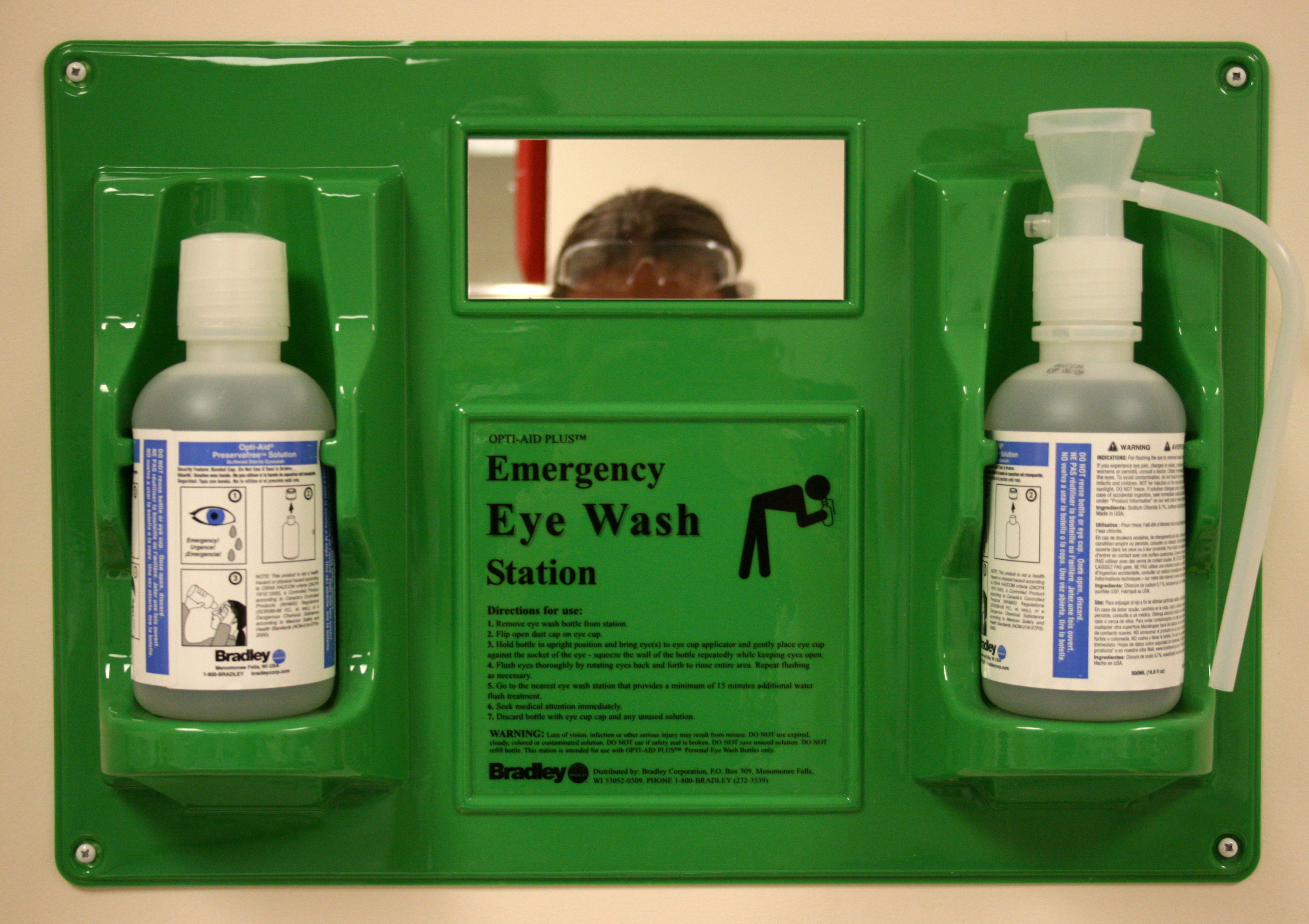
- Eyes: If a hazardous chemical splashes into the eyes, a person's eyes must be flushed for a minimum of fifteen minutes. Therefore, an eyewash station must be capable of delivering a continuous flow of water for at least fifteen minutes. You must manually hold the eyelids open, as the body's involuntary reflex is to squeeze them shut, trapping the chemical against the cornea.
- Body: A safety shower must be used immediately if a large volume of a hazardous chemical spills onto a person's clothing or body. Modesty goes out the window; the contaminated clothing must be removed while under the deluge of water.
Fires require an entirely different toolkit. In a school laboratory, fire extinguishers are typically type ABC. This is vital because Type ABC fire extinguishers can handle ordinary combustibles, flammable liquids, and electrical fires. You do not have time to decipher what kind of fire is burning; you need an extinguisher that handles everything.
Operating an extinguisher under panic requires muscle memory. The PASS acronym details the specific physical steps required for operating a fire extinguisher.
PASS stands for: Pull the pin. Aim the nozzle (at the base of the fire, not the flames). Squeeze the handle. Sweep from side to side.
However, if a student's clothing actually catches fire, do not spray them with the chemical dry powder of an extinguisher if it can be avoided. Instead, a laboratory fire blanket is designed to smother flames if a person's clothing catches on fire. Wrap the student, drop them to the floor, and roll to starve the fire of oxygen.
Science leaves behind a trail of hazardous byproducts. Disposing of them properly protects the custodial staff, the local watershed, and the public.
Liquid chemical waste is subject to strict environmental laws. Liquid chemical waste must never be poured down the drain unless specifically neutralized and permitted by local regulations. Heavy metals and toxic solvents must be collected in labeled waste jugs for professional disposal.
Physical waste requires specific armor:
- Broken laboratory glass must be disposed of in a designated, puncture-resistant broken glass container. Never place glass in the regular trash where a custodian could sever a tendon taking out the bag.
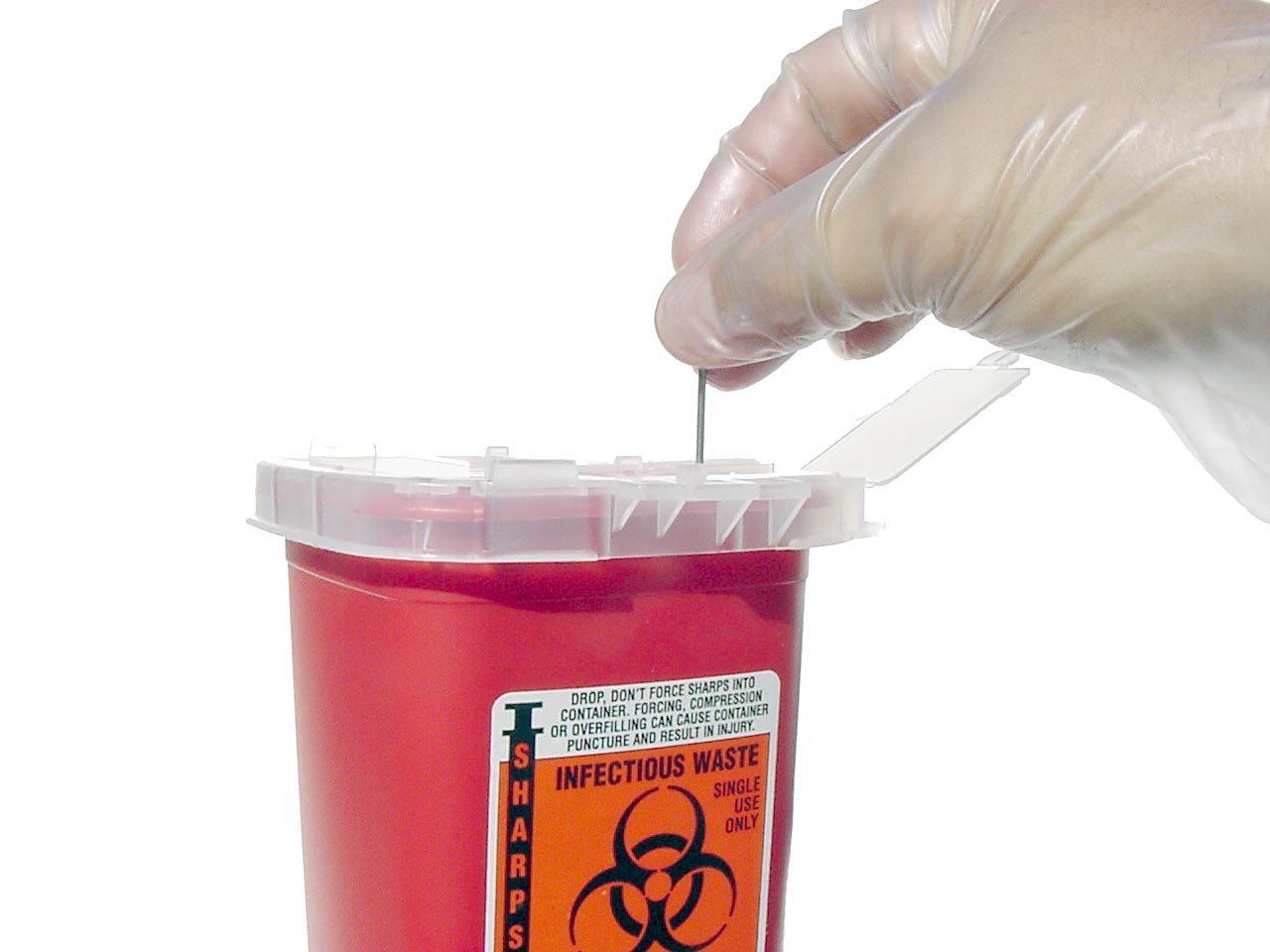
- Sharp objects like scalpel blades and syringe needles must be disposed of in an FDA-cleared sharps container.
- Biological waste must be placed in clearly marked biohazard bags. Crucially, these cannot go straight to the dumpster. Biological waste in biohazard bags must be autoclaved before standard disposal. Only after the autoclave's steam and pressure have sterilized the contents can the bag be safely transferred to the municipal waste stream.
As an educator, commanding a science laboratory means mastering these intersecting domains of physics, chemistry, and biology. When you organize your chemicals by compatibility, mandate goggles, and balance your centrifuge, you are not just preventing accidents; you are actively teaching your students how to respect the physical laws of the universe.