Mutations and Biotechnology
Not sure you’re ready?
Take the ~3-minute readiness diagnostic and see where you stand.
Imagine a vast, ancient library containing a three-billion-letter manuscript that must be perfectly hand-copied every time a new room is added to the building. This manuscript is the genome, the foundational blueprint of life. In the biological world, copying this manuscript is an astonishingly elegant process, yet it is fundamentally governed by the probabilistic laws of chemistry. Sometimes the scribe makes an error, substituting a single letter. Sometimes an entire page is ripped out or accidentally duplicated. As a biology educator, your task is not simply to teach your students that these errors occur, but to help them understand that these mistakes—genetic mutations—are the raw engine of evolution, the root of inherited disease, and the specific molecular targets of modern biotechnology.
To truly command the biology classroom, you must intimately understand both how the genetic code breaks and how we have learned to read, copy, and rewrite it.
A genetic mutation is a permanent alteration in the nucleotide sequence of an organism's genome. These alterations are not inherently "bad"; they are simply variations. But where do they come from?
Spontaneous mutations arise naturally from errors occurring during standard DNA replication. Despite the rigorous proofreading mechanisms of DNA polymerases, the sheer volume of copying guarantees mistakes. However, the environment also plays a tremendous role. Mutagens are physical or chemical environmental agents that induce permanent changes in a DNA sequence. Your students interact with mutagens daily.
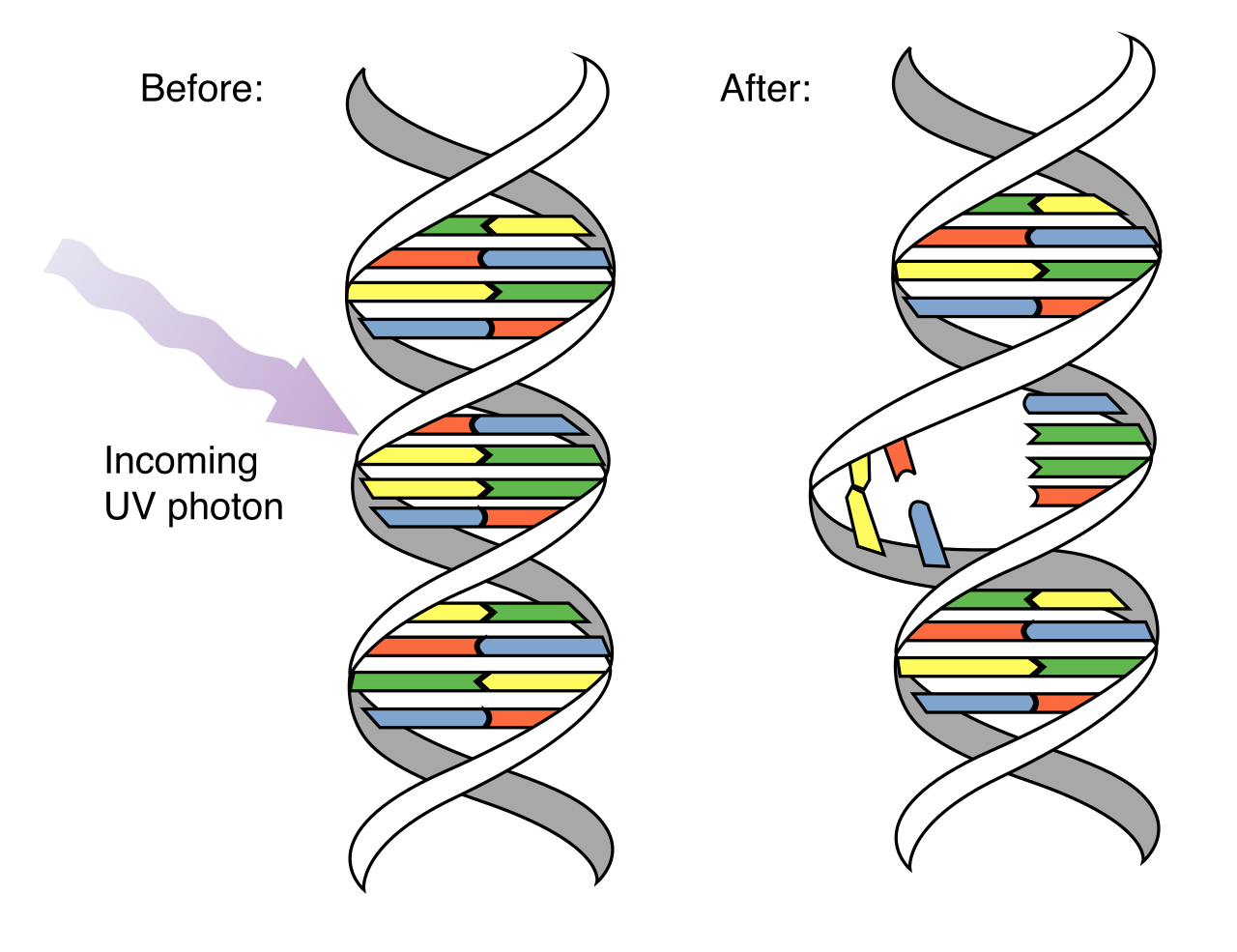
- Physical Mutagens: Consider a student forgetting to wear sunscreen. Exposure to ultraviolet (UV) light causes adjacent thymine bases in DNA strands to form abnormal covalent cross-links known as thymine dimers. This physically kinks the DNA double helix, halting cellular replication machinery. Higher-energy physical mutagens, such as X-rays, are a form of ionizing radiation capable of causing devastating double-strand breaks in DNA molecules.
- Chemical Mutagens: Other agents operate chemically. Intercalating agents are chemical mutagens that actually insert themselves between adjacent base pairs. By wedging into the stack of nucleotides, they physically distort the DNA double helix, confusing the replication enzymes and often leading to the insertion or deletion of bases.
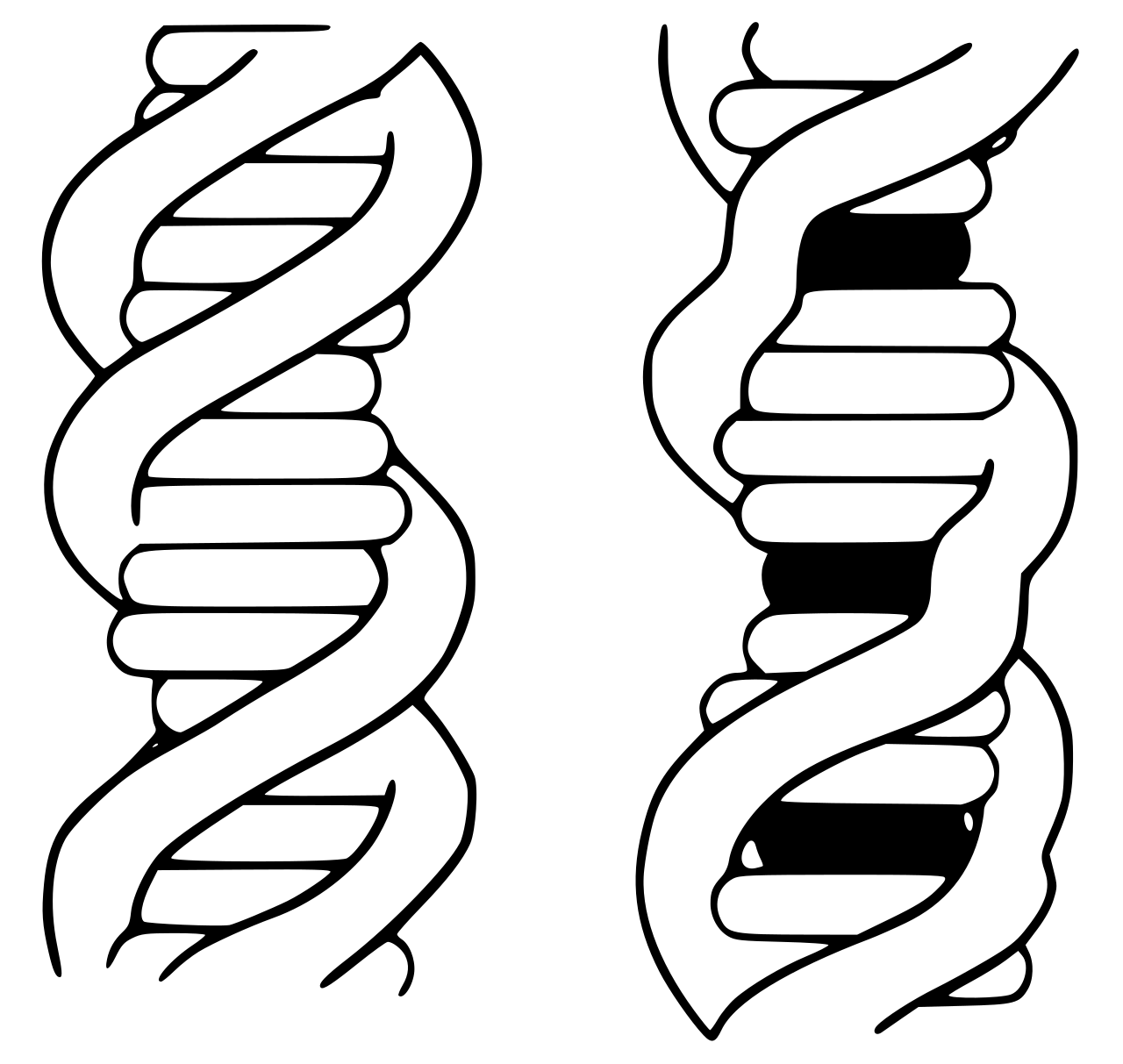
When examining mutations at the nucleotide level, we classify them by the nature of the change and the consequence to the resulting protein.
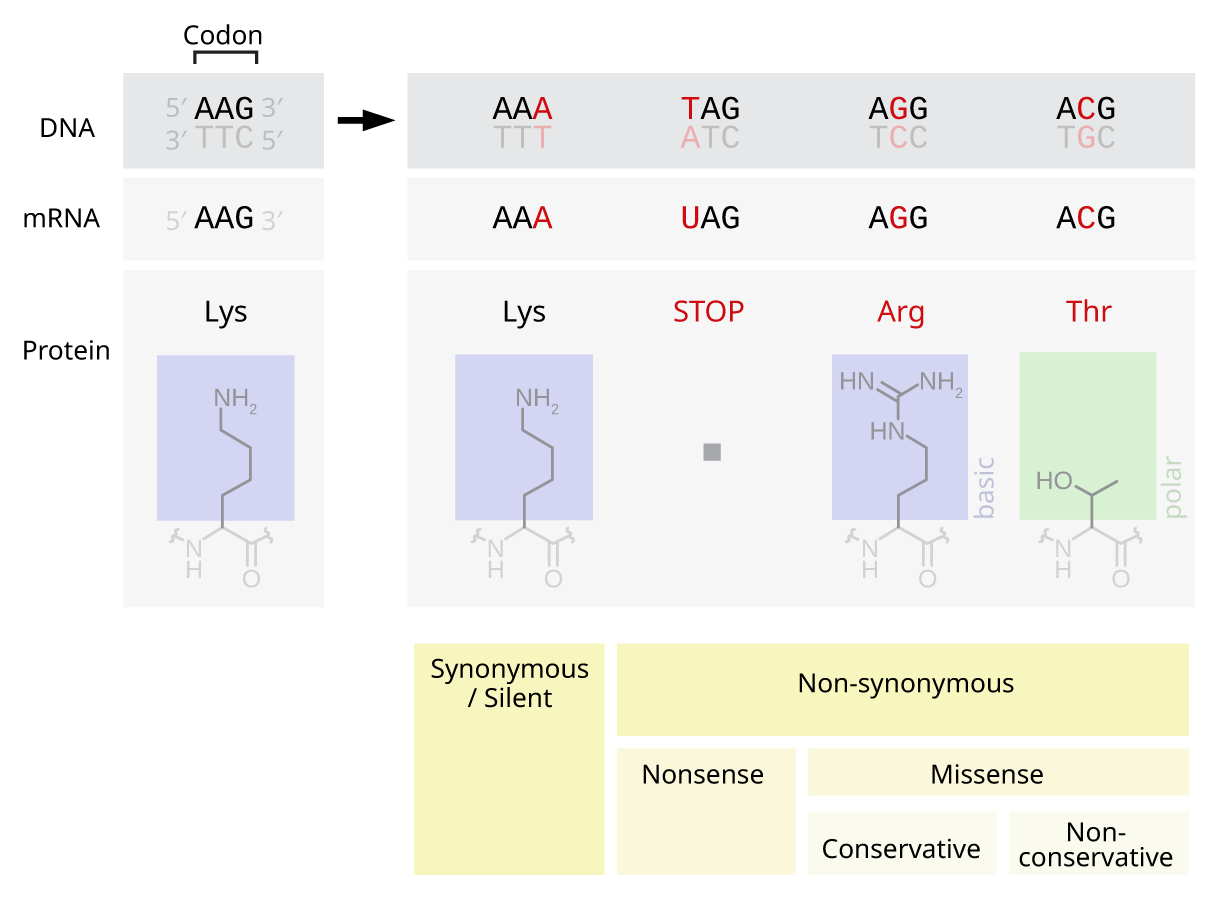
Point mutations involve a change in a single nucleotide base pair within a DNA sequence. Because the genetic code is redundant—meaning multiple three-letter codons can code for the same amino acid—a point mutation does not always alter the organism.
- A silent mutation alters a nucleotide codon without changing the specific amino acid incorporated into the resulting polypeptide. The protein folds perfectly; the organism never knows the mutation occurred.
- A missense mutation replaces one amino acid with a different amino acid in the synthesized protein. Depending on the chemical properties of the new amino acid, this can have a negligible effect, or it can fundamentally destroy the protein's function (as seen in sickle cell anemia).
- A nonsense mutation is uniquely destructive. It converts a standard amino acid codon into a premature stop codon. The ribosome ceases translation abruptly, and a nonsense mutation results in the production of a truncated and typically nonfunctional protein.
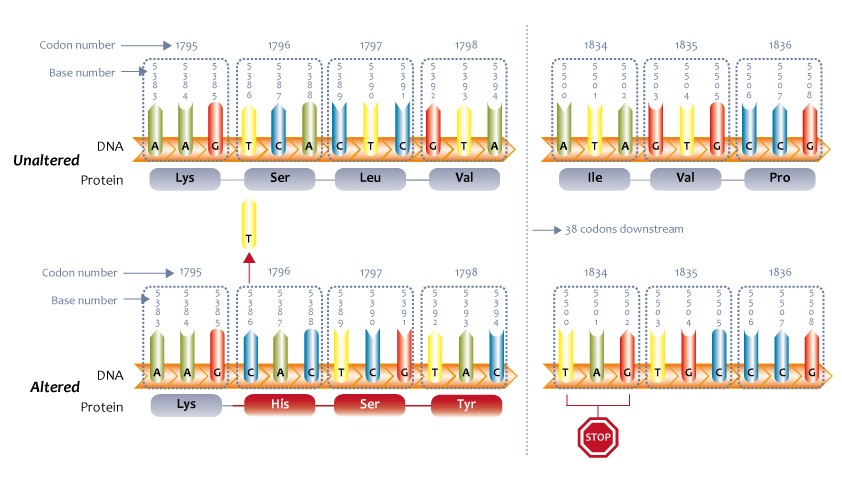
Teaching Tip: When explaining frameshifts, use an English sentence composed entirely of three-letter words, like "THE FAT CAT ATE THE RAT." If you delete the 'F' and shift everything over, it becomes "THE ATC ATA TET HER AT." The sentence becomes gibberish.
This illustrates frameshift mutations, which are caused by the insertion or deletion of nucleotides in quantities not evenly divisible by three. Because ribosomes read mRNA in rigid triplets (codons), frameshift mutations completely alter the entire reading frame of the gene downstream of the initial mutation site, usually resulting in immediate nonsense and a destroyed protein.
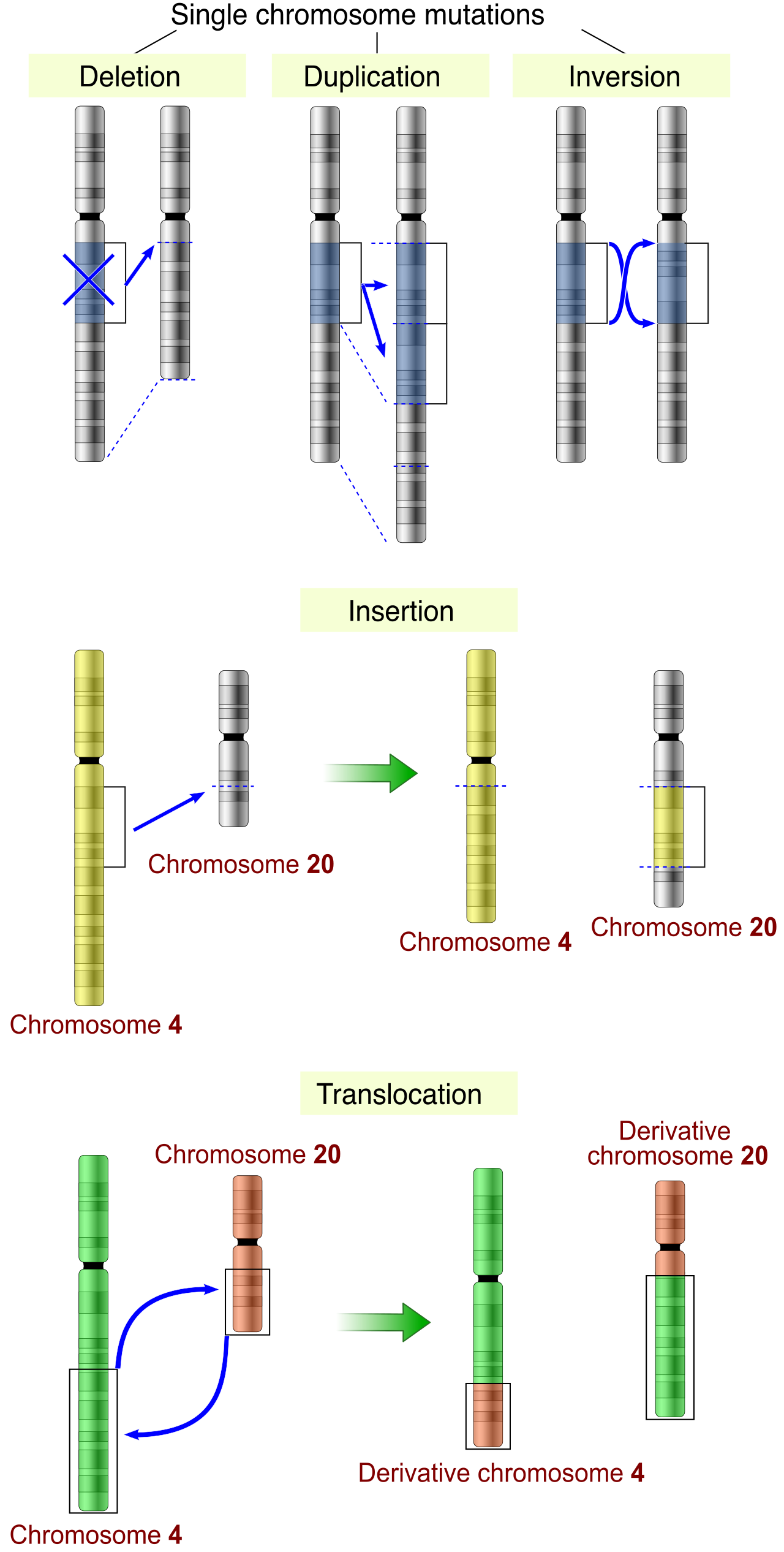
Sometimes mutations operate on a macro-scale, affecting vast swaths of DNA. These chromosomal mutations drastically alter gene dosage and cellular function.
- Chromosomal deletion involves the total loss of a segment of a chromosome, stripping away potentially hundreds of essential genes.
- Chromosomal duplication occurs when a segment of a chromosome is incorrectly copied and repeated.
- Chromosomal inversion occurs when a chromosomal segment breaks off and reattaches in the reverse structural orientation. While the genes are still present, their regulatory sequences may be disrupted.
- Chromosomal translocation involves the transfer of a chromosome segment to a non-homologous chromosome, sometimes fusing two unrelated genes together with disastrous consequences.
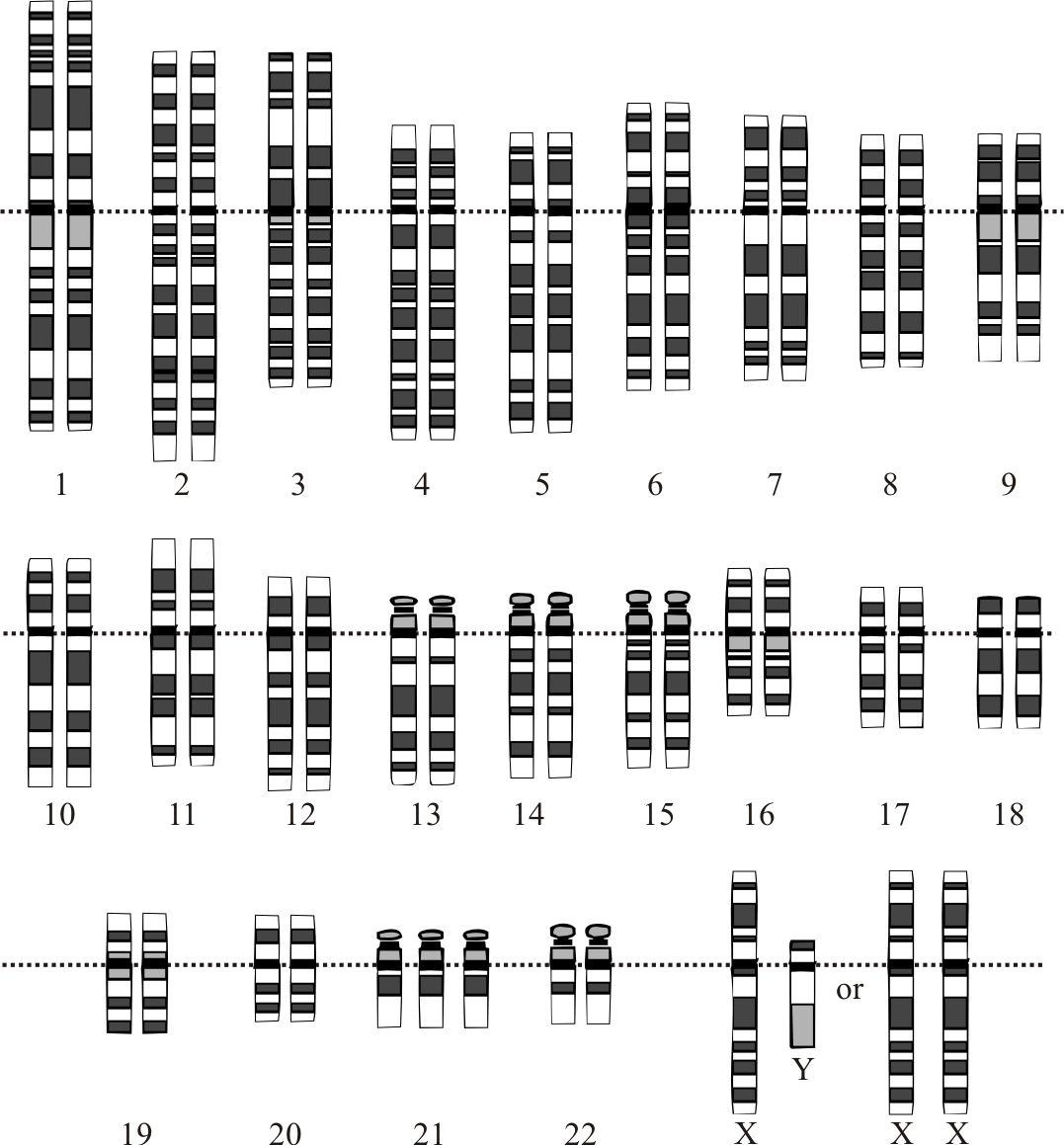
Whole chromosomes can also be misallocated during meiosis. Nondisjunction is the failure of homologous chromosomes or sister chromatids to separate properly during cell division. This mechanical failure leads to aneuploidy, a chromosomal condition involving an abnormal number of total chromosomes within a cell. The most widely recognized example you will teach is Down syndrome, a human genetic disorder resulting from the presence of a third copy of chromosome 21 (Trisomy 21).
To understand the consequence of a mutation, we must ask: Where did it happen?
Somatic mutations occur strictly in non-reproductive body cells (like skin, liver, or lung cells). Because these cells do not contribute to the next generation, somatic mutations cannot be biologically inherited by an organism's offspring. However, they are deeply relevant to the individual. The accumulation of multiple somatic mutations in cell cycle regulatory genes leads to the development of cancer, causing cells to divide uncontrollably.
Conversely, germ-line mutations occur exclusively in gametes (sperm and egg) or the precursor cells that divide to produce gametes. These mutations are profoundly significant to evolutionary biology because germ-line mutations are biologically heritable and are passed on to all cells of an organism's offspring.
- Cystic fibrosis is a classic inherited human disorder caused by a germ-line mutation in the CFTR gene, leading to the buildup of thick mucus in the lungs.
- Huntington's disease is a devastating neurological condition caused by an inherited germ-line mutation characterized by excessive CAG trinucleotide repeats, resulting in a toxic, misfolded protein.
Understanding mutations allows us to understand disease, but biotechnology allows us to intervene. Biotechnology is the purposeful manipulation of living organisms or biological components to produce useful products. Every tool in the modern biotech laboratory is essentially a protein or process stolen from nature and repurposed by human ingenuity.
Recombinant DNA: Cut and Paste
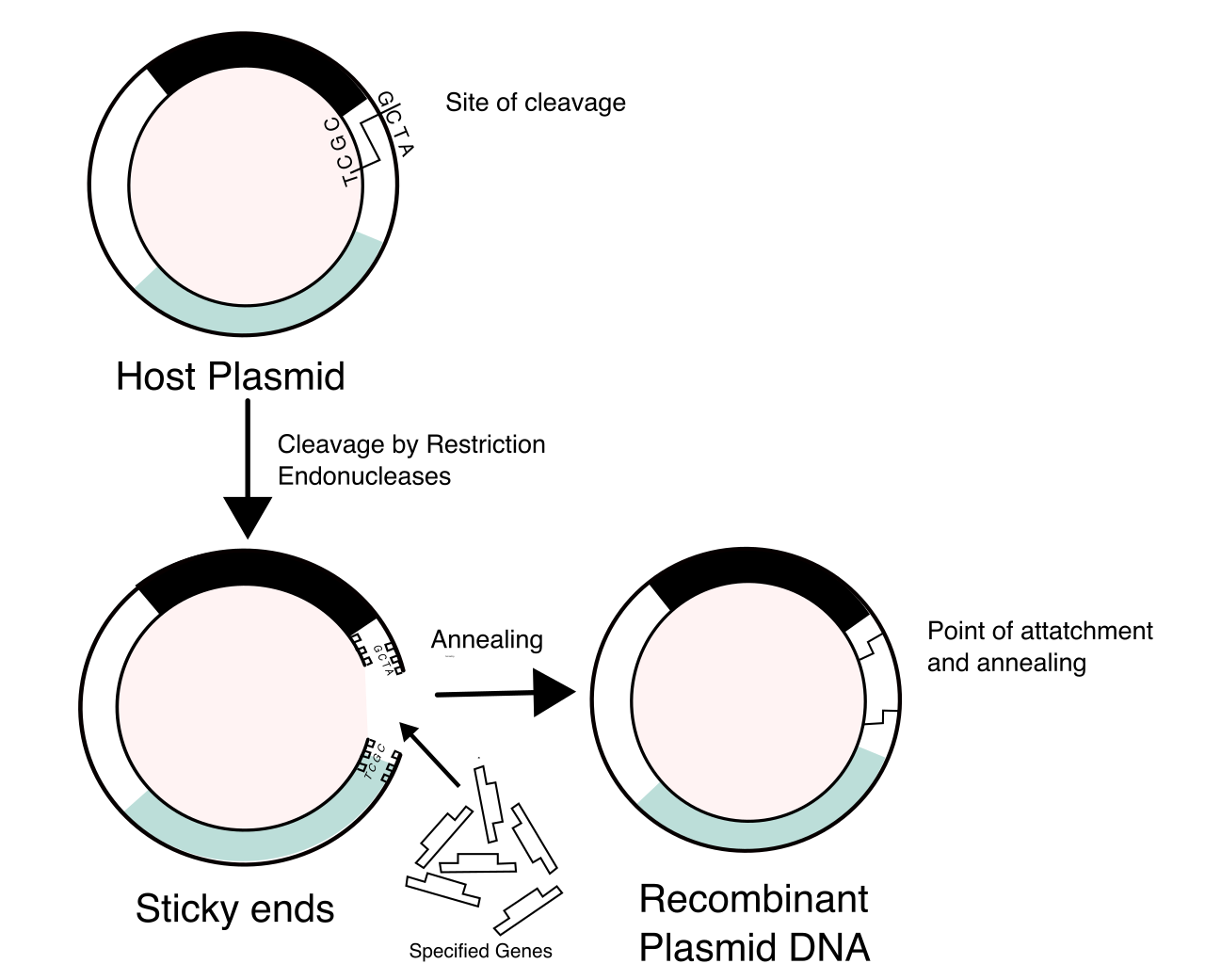
To engineer life, we must be able to move genes around. Recombinant DNA is an artificially constructed molecule created by combining genetic material extracted from multiple different biological sources.
How do we cut the DNA? We use restriction enzymes, specialized proteins that cleave double-stranded DNA molecules at specific palindromic recognition sequences. Originally evolved by bacteria to chop up invading viral DNA, these enzymes serve as molecular scissors. Once the DNA is cut, we use DNA ligase, an enzyme responsible for covalently joining the sugar-phosphate backbones of separated DNA fragments, essentially acting as molecular glue.
We need a delivery vehicle to move this newly glued DNA into a cell. Plasmids are small, circular, extrachromosomal DNA molecules found primarily within bacterial cells. Because they naturally replicate independently of the bacterial chromosome, bacterial plasmids are frequently isolated and utilized as standard cloning vectors in recombinant DNA technology. We insert our gene of interest into a plasmid, hand it back to a bacterium, and let the bacterium manufacture our protein (like human insulin).
Gel Electrophoresis: Sorting the Fragments
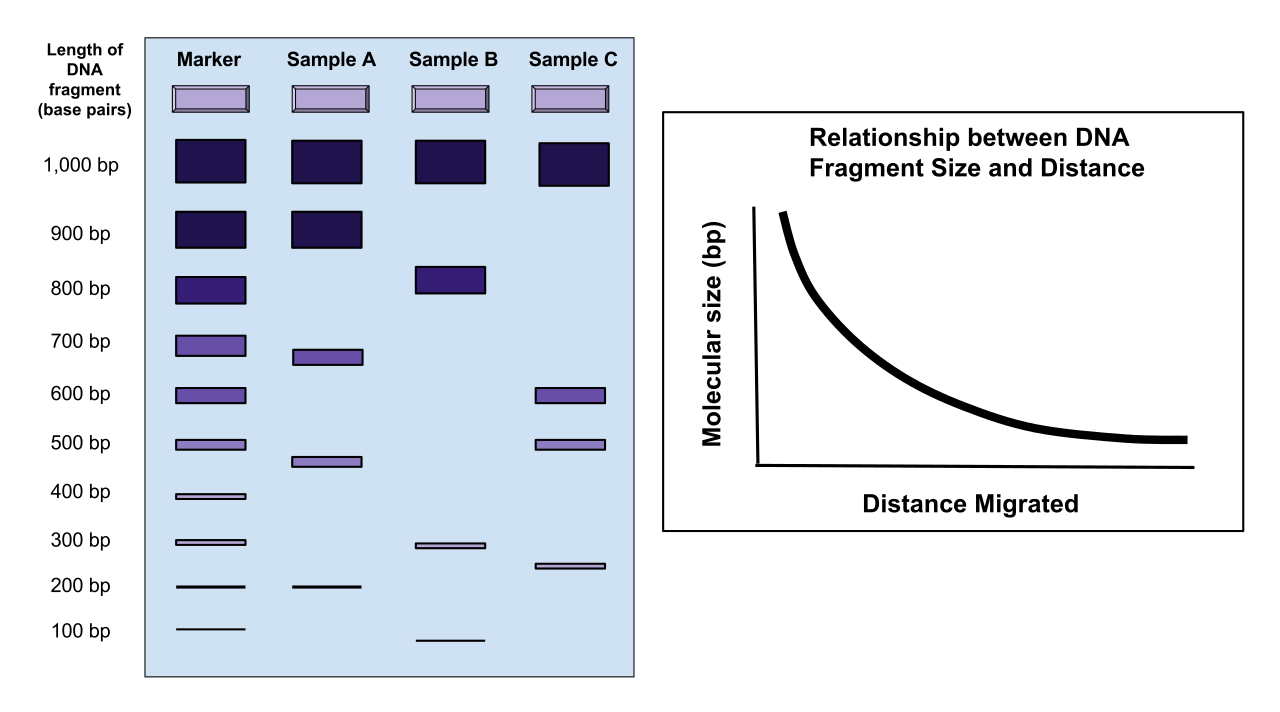
Once we cut DNA, we need a way to see and sort the pieces. Gel electrophoresis is a laboratory technique used to separate macromolecules based on molecular size and electrical charge.
Consider the molecular architecture of DNA: DNA molecules possess a net negative electrical charge derived from their constituent phosphate groups. During gel electrophoresis, we place the DNA into a porous agarose gel and apply an electric field. The negatively charged DNA molecules migrate through the gel matrix toward the positive electrode.
Imagine sending a group of people running through a dense forest. The children will navigate the tight trees easily and run far ahead, while the adults will struggle and get stuck. Similarly, smaller DNA fragments travel faster and further through an electrophoresis gel compared to larger DNA fragments. By staining the gel, we can visually read the sizes of the DNA fragments.
Polymerase Chain Reaction (PCR): The Molecular Photocopier
Often, we only have a microscopic trace of DNA—from a crime scene, a cheek swab, or a 40,000-year-old Neanderthal bone. Before we can sequence or manipulate it, we must copy it. The polymerase chain reaction (PCR) is a biochemical technique used to rapidly amplify millions of copies of a specific DNA segment.
PCR operates through a beautiful, repeating cycle of temperature changes:
- Denaturation: The reaction relies on high heat (around 95°C) to separate the DNA double helix into single strands, breaking the delicate hydrogen bonds without destroying the covalent backbone.
- Annealing: The reaction utilizes a lower temperature (around 50-65°C) to allow short DNA primers to bind securely to target sequences, framing the specific gene we want to copy.
- Extension: The reaction utilizes a DNA polymerase enzyme to synthesize a new complementary DNA strand (around 72°C).
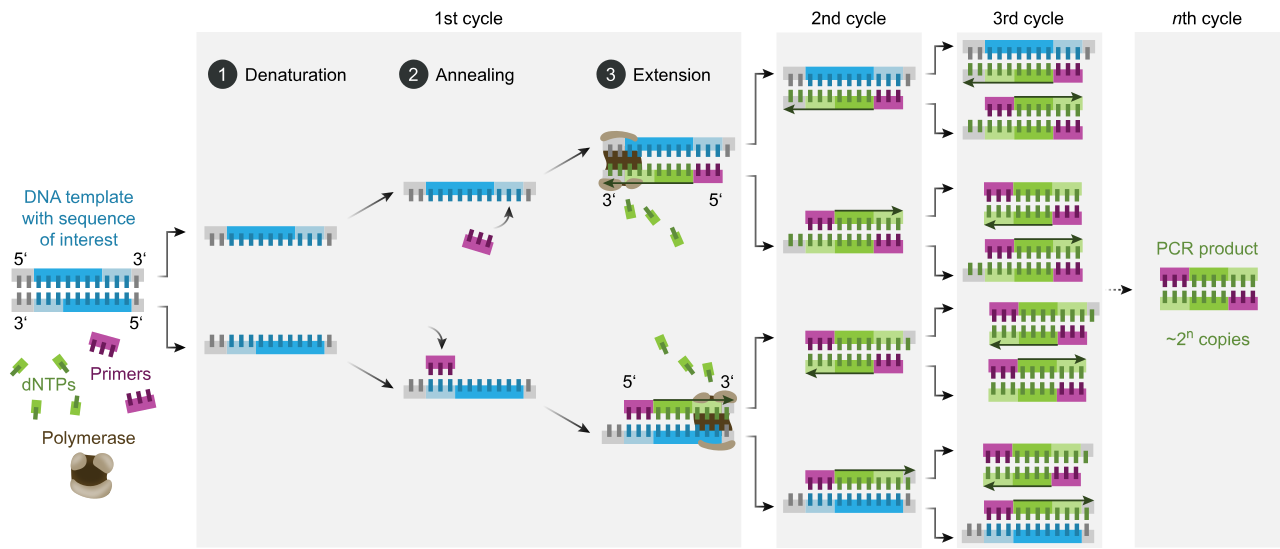
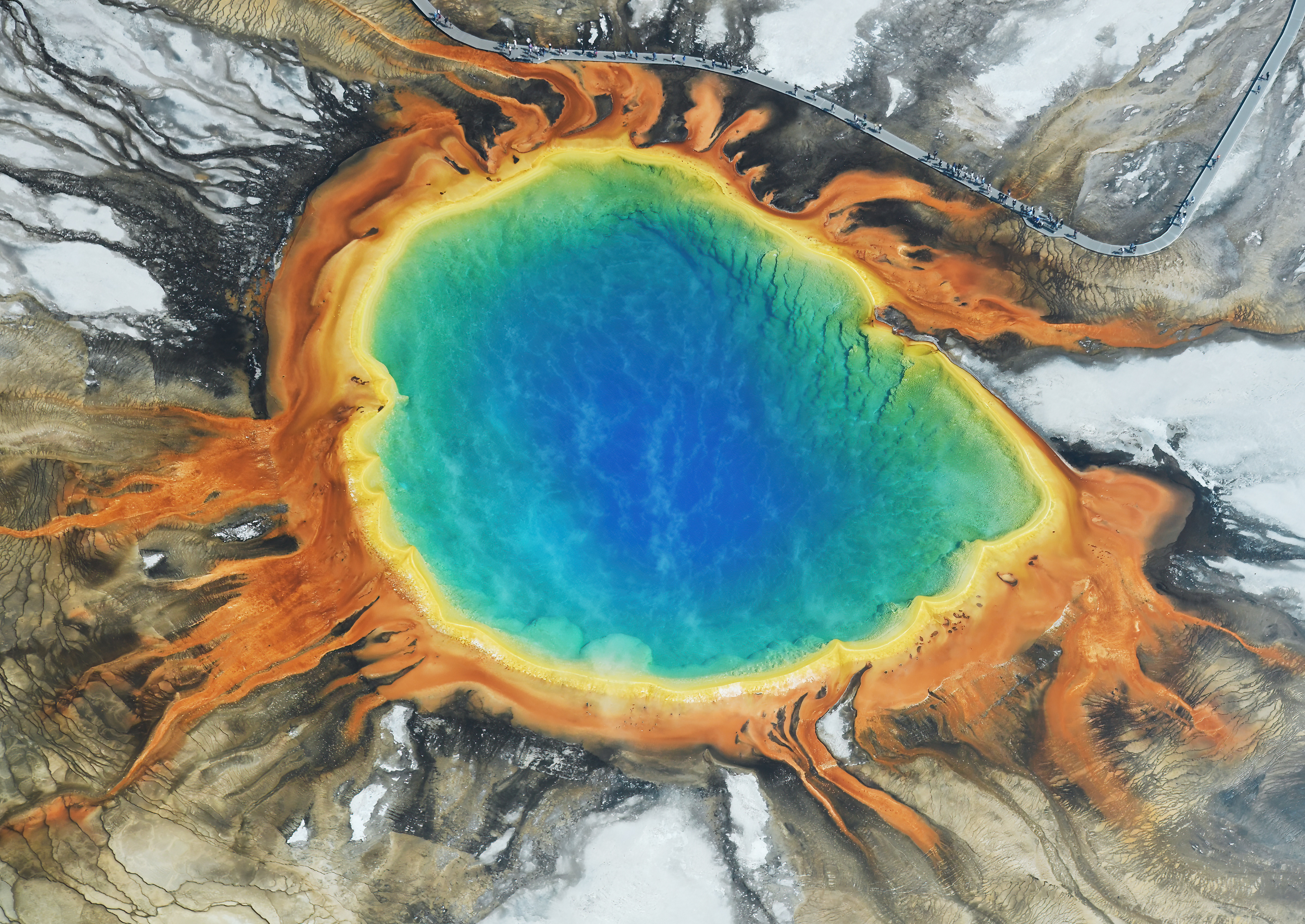
But there is an engineering problem here. Normal DNA polymerase, like the kind in your own body, denatures and cooks like a fried egg at 95°C. To solve this, scientists went to the boiling geysers of Yellowstone National Park and discovered Thermus aquaticus. Taq polymerase is an extremely heat-stable enzyme originally derived from this thermophilic bacterium. Taq polymerase is heavily utilized in the polymerase chain reaction to prevent enzyme denaturation during the high-temperature heating cycles, allowing the PCR machine to run continuously without humans having to manually add new enzymes every cycle.
Reading and Rewriting the Code
Genome sequencing is the laboratory process of determining the exact order of nucleotides within an entire DNA molecule. The foundational method for this, Sanger sequencing, relies on the incorporation of chain-terminating dideoxynucleotides to deduce the sequence of a DNA fragment. By starving the DNA building process of the oxygen atom required to attach the next letter, the copying stops. By measuring exactly where the copies stop, we can read the genetic sequence letter by letter.
Armed with the sequence, we can cure inherited disease. Gene therapy involves the introduction of functional genes into patient cells to replace or compensate for defective native genes. But getting DNA inside a living human cell is difficult. We rely on viral vectors—genetically engineered, non-pathogenic viruses used to deliver therapeutic genetic material into target cells during gene therapy. We hollow out a virus, remove its disease-causing genes, pack it with the therapeutic human gene, and let it "infect" the patient's tissue with the cure.
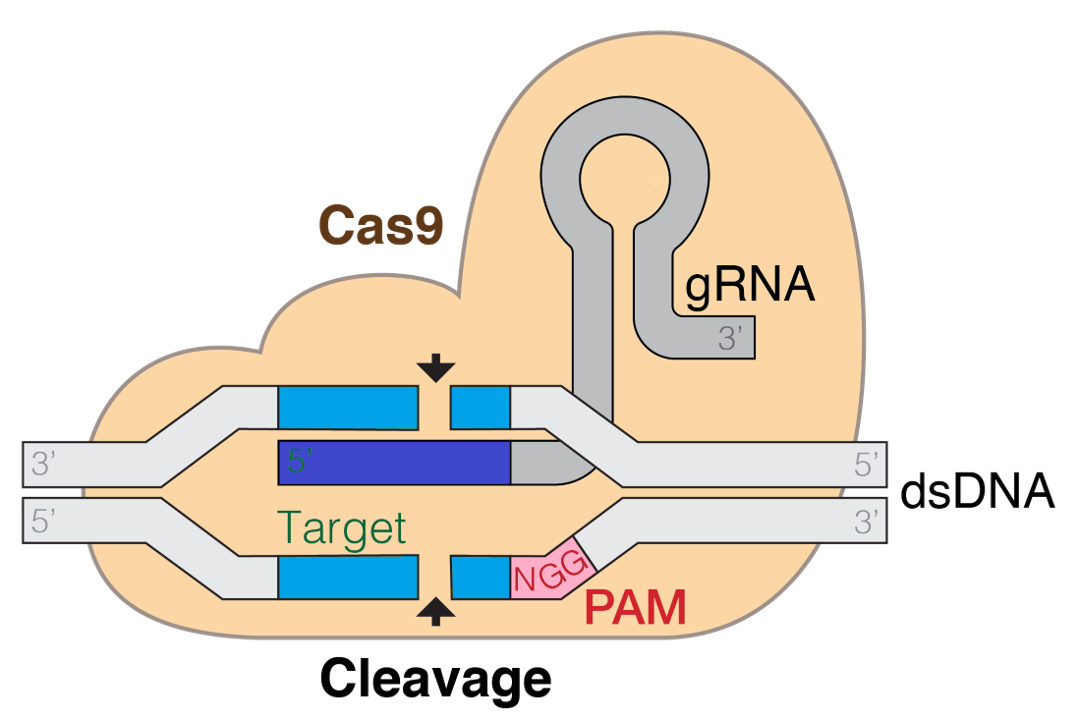
Finally, we arrive at the frontier of biology: CRISPR-Cas9, a programmable genome-editing technology that allows scientists to make highly precise structural cuts in a DNA strand. Unlike restriction enzymes, which only cut at hardwired, specific palindromes, CRISPR is customizable. Synthetic guide RNA is utilized in the CRISPR-Cas9 system to explicitly direct the Cas9 nuclease enzyme to the intended target DNA sequence. If you can write the 20-letter RNA guide, you can send the Cas9 molecular scalpel to absolutely any location in the three-billion-letter genome to edit, delete, or repair a gene.
As a biology teacher, your profound responsibility is to reveal the mechanics behind the curtain of life. By mastering the intricate realities of mutations and the elegant logic of biotechnology, you give your students the conceptual tools to understand the medical miracles and ethical dilemmas of the century they will inherit.