Origin of Life and Extinction
Not sure you’re ready?
Take the ~3-minute readiness diagnostic and see where you stand.
To understand the history of life on Earth is to grapple with a profound thermodynamic paradox: how did a chaotic, sterile sphere of cooling rock spontaneously organize itself into a thriving biosphere? As educators preparing to guide students through the grand narrative of biology, you must be equipped to explain not just the mechanics of cells and ecosystems, but their ultimate origins and their abrupt, sometimes violent, terminations. The story of life is characterized by two opposing forces: the relentless, creative drive of biochemical evolution, and the catastrophic pruning shears of extinction. By tracing the journey from the first abiotic synthesis of organic molecules to the human-driven ecological crises of the present day, we can provide students with a cohesive framework for understanding both the resilience and the extreme fragility of life.
Before we can teach biology, we must briefly teach prebiotic chemistry. When your students look at a living cell, they see an incredibly complex machine. The question they will inevitably ask is, how did the machine build itself?
The foundational concept here is abiotic synthesis, which is the formation of organic molecules from non-living inorganic precursors. We are looking for the bridge between geochemistry and biochemistry.
The Primordial Soup and the Reducing Atmosphere
In the 1920s, scientists A.I. Oparin and J.B.S. Haldane independently proposed what we now call the Oparin-Haldane hypothesis. This model proposes that life arose gradually from inorganic molecules in a "primordial soup." But this soup required a very specific kind of kitchen.
The hypothesized early Earth atmosphere lacked free oxygen. This is a critical point to emphasize in your classroom, as students often assume oxygen is a prerequisite for life. In reality, early free oxygen would have destroyed the fragile chemical bonds of developing organic molecules. Instead, scientists hypothesize that the early Earth possessed a reducing atmosphere, which facilitates the abiotic synthesis of organic molecules by providing high-energy electrons.
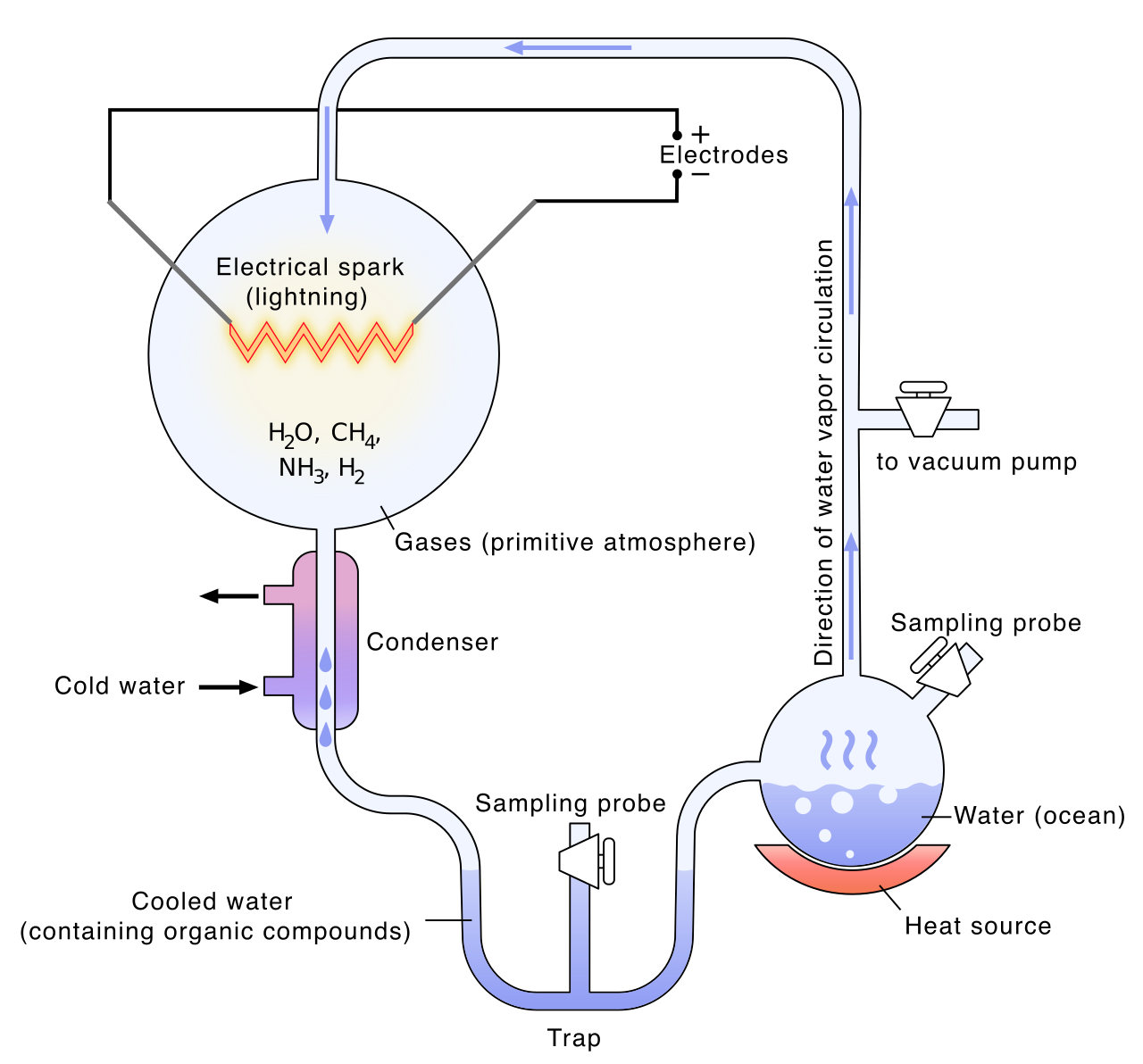
Geochemical modeling suggests that hypothesized early Earth atmospheric gases included water vapor, methane, ammonia, and hydrogen. It was a volatile, toxic environment by modern standards, but a perfect incubator for early chemistry.
The Miller-Urey Chemical Time Machine
In science, hypotheses demand empirical testing. Enter the 1953 Miller-Urey experiment, a landmark study that simulated hypothesized early Earth chemical conditions. Stanley Miller and Harold Urey constructed a closed glass apparatus containing the hypothesized gases. To provide activation energy, the Miller-Urey experiment utilized electrical sparks to simulate early Earth lightning.
The results were paradigm-shifting: the Miller-Urey experiment successfully produced amino acids from inorganic precursors. Within days, the water in their apparatus turned a murky brown, rich with the building blocks of proteins. This experiment gives your students a tangible anchor: complex organic chemistry can occur spontaneously under the right abiotic conditions.
Alternative Origins: The Deep Sea and Deep Space
While the primordial soup model is canonical, modern biology recognizes other plausible origins that you should introduce to your students:
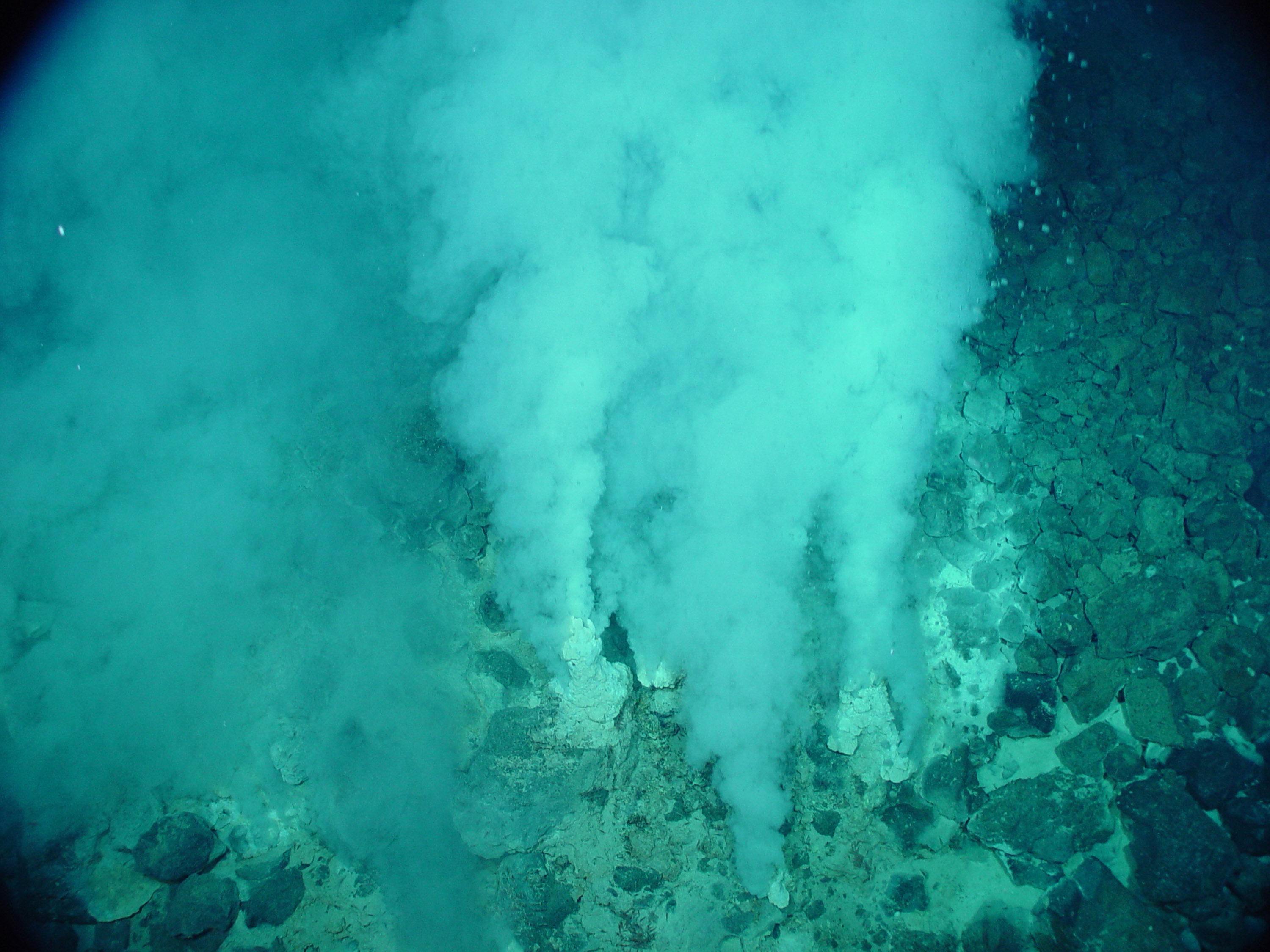
- The Hydrothermal Vent Hypothesis: This model posits that life originated deep in the ocean at alkaline vents. The natural thermal and chemical gradients found at these vents could have provided the sustained energy required to drive early metabolic reactions, far away from the chaotic surface of the early Earth.
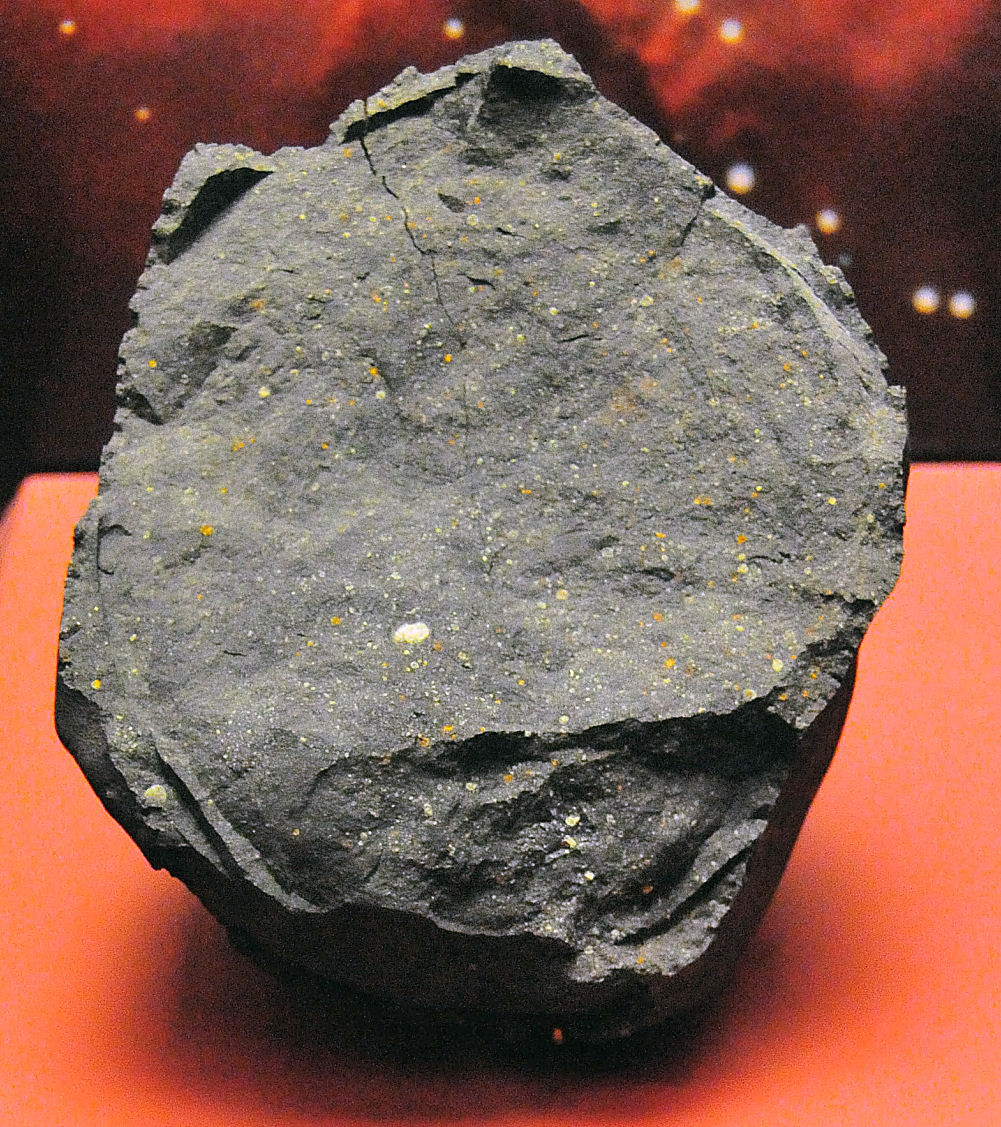
- Extraterrestrial Origins: We must also look to the stars. The Murchison meteorite, which fell in Australia in 1969, contains over eighty different naturally occurring amino acids. This remarkable fact demonstrates that the abiotic synthesis of organic compounds is not unique to Earth; it is a universal chemical phenomenon happening right now in the freezing vacuum of space.
Having organic building blocks is like having a pile of bricks; you still need a blueprint and a bricklayer. In modern cells, DNA stores the blueprint (genetic information), and proteins act as the bricklayers (catalysts/enzymes). But which came first? DNA needs proteins to replicate, and proteins need DNA for their assembly instructions.
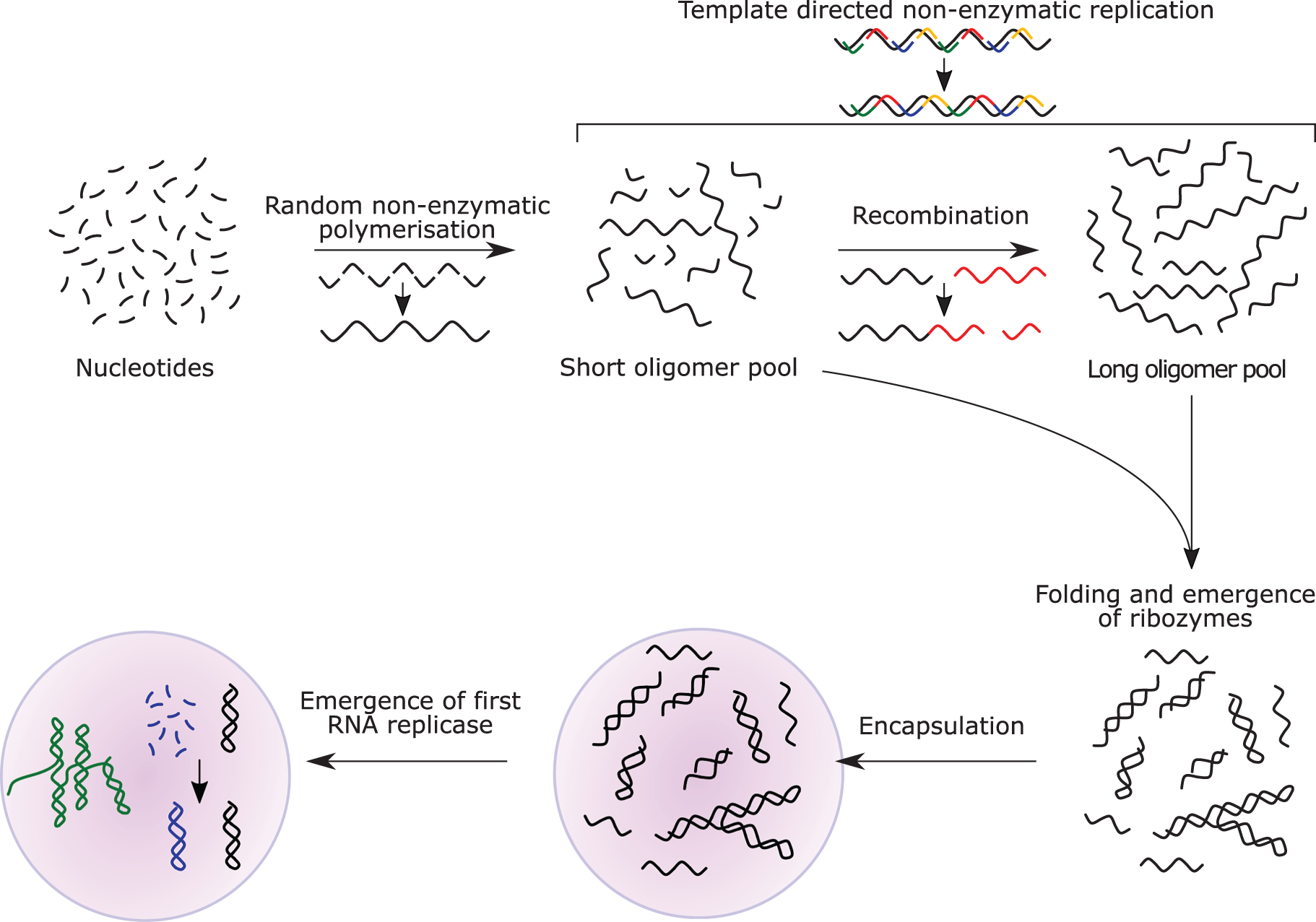
This chicken-and-egg paradox is neatly solved by the RNA world hypothesis, which proposes that ribonucleic acid was the first genetic material on Earth.
Unlike DNA, RNA is highly versatile. We see evidence of this today in ribozymes, which are RNA molecules capable of catalyzing specific biochemical reactions. Therefore, RNA possesses the dual ability to store genetic information and catalyze biochemical reactions.
Key Pedagogical Framing: Teach RNA as the ultimate biological "Swiss Army knife" of the early Earth. Because it could both hold the genetic code and perform the catalytic work to replicate that code, the dual functionality of RNA supports the RNA world hypothesis.
Eventually, this highly versatile molecule specialized. As life evolved, a division of labor proved far more efficient:
- DNA later replaced RNA as the primary genetic material due to the greater chemical stability of DNA. (Its double-helix structure protects the nucleotide bases).
- Proteins later replaced RNA as primary biological catalysts due to the greater structural diversity of proteins. (Twenty amino acids fold into vastly more complex shapes than four RNA nucleotides).
| Function | Early Earth (RNA World) | Modern Life | Evolutionary Reason for Shift |
|---|---|---|---|
| Information Storage | RNA | DNA | DNA offers greater chemical stability. |
| Catalysis / Machinery | RNA (Ribozymes) | Proteins | Proteins offer greater structural diversity. |
Once life was established, it began to change the planet. Earth's earliest life forms were anaerobic prokaryotes, existing solely in environments without oxygen.
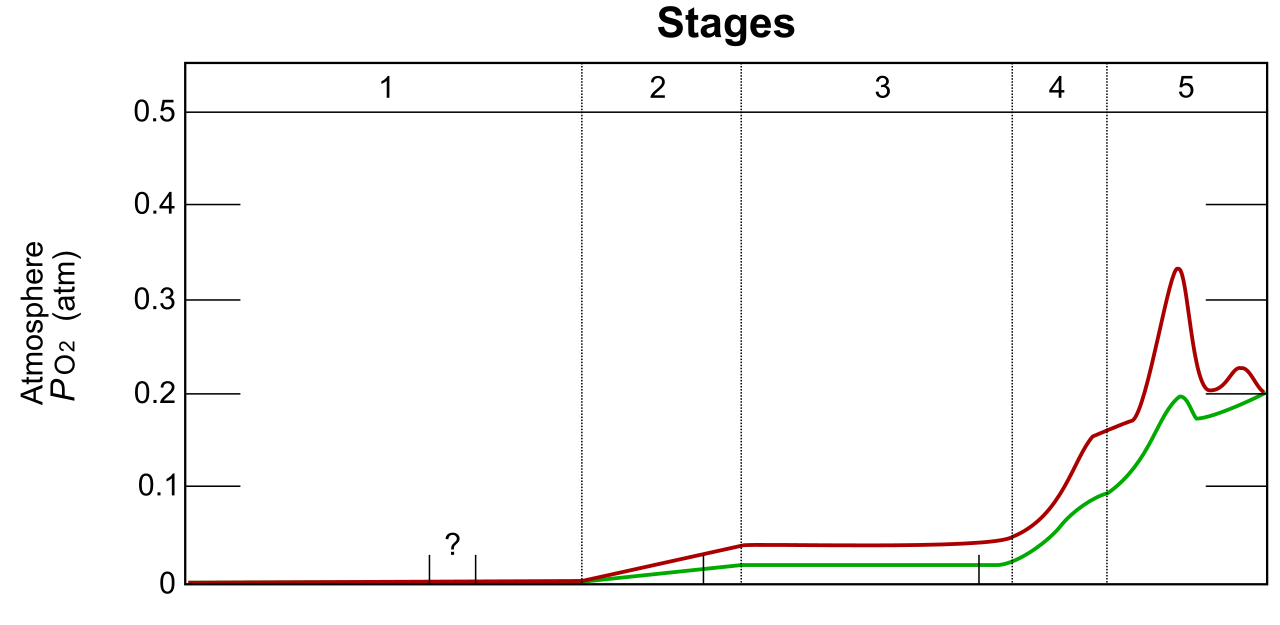
The most profound environmental shift in Earth's history was biologically driven. Cyanobacteria were the first organisms to evolve the ability to perform oxygenic photosynthesis. By splitting water molecules to capture electrons, they released oxygen gas as a waste product.
Over millions of years, the proliferation of early cyanobacteria caused a massive global increase in atmospheric oxygen, an episode known as the Great Oxygenation Event, which occurred approximately 2.4 billion years ago.
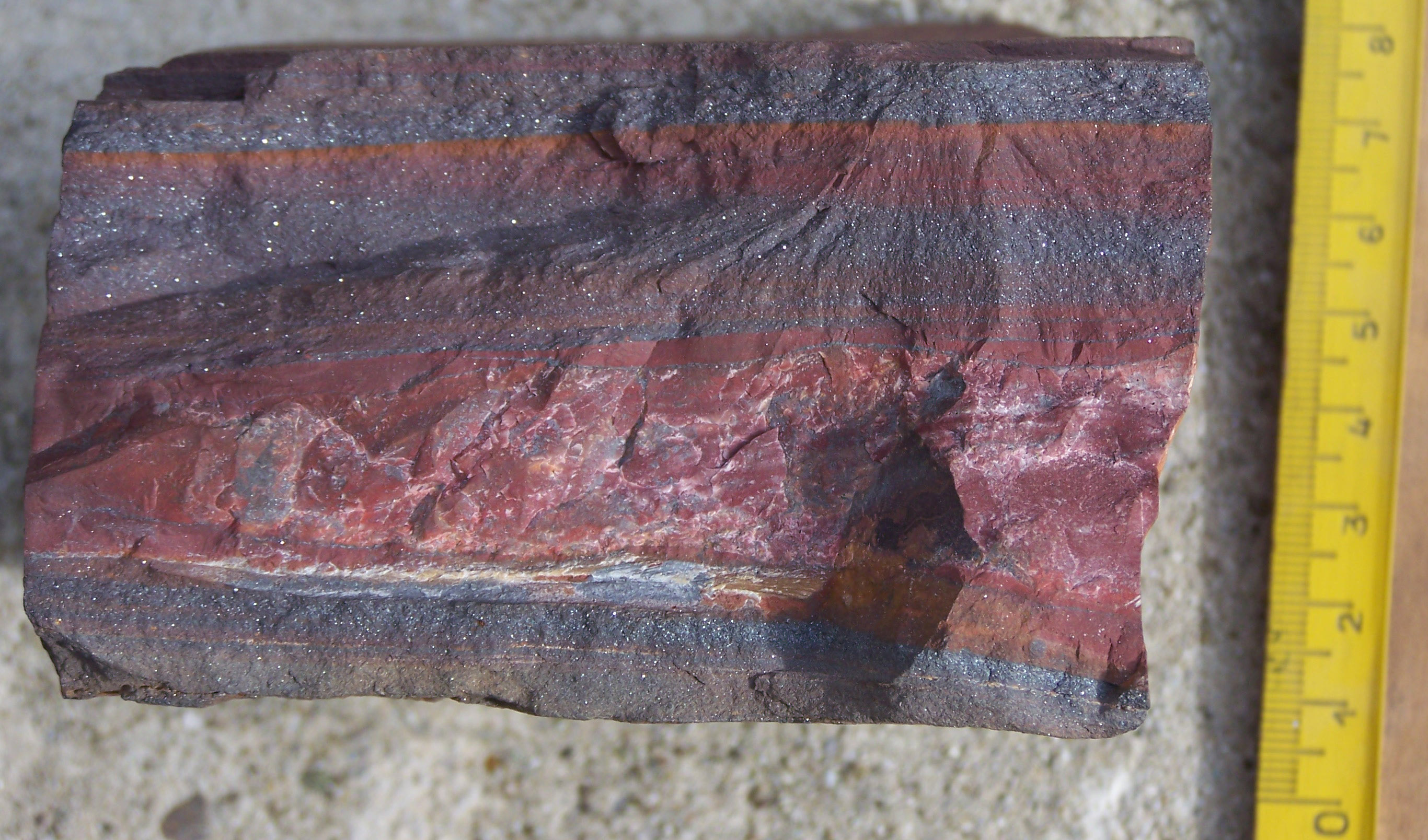
How do we know this? We can read the rocks. Banded iron formations in sedimentary rocks provide geological evidence of early biological oxygen production. As oxygen dissolved in the oceans, it reacted with dissolved iron, causing it to precipitate out as iron oxide (rust) and settle on the seafloor. The Earth essentially rusted.
The Consequences of Oxygen
Oxygen is highly reactive. For the organisms of the time, the rapid accumulation of atmospheric oxygen was toxic to many early anaerobic organisms, causing what was likely Earth's first mass extinction.
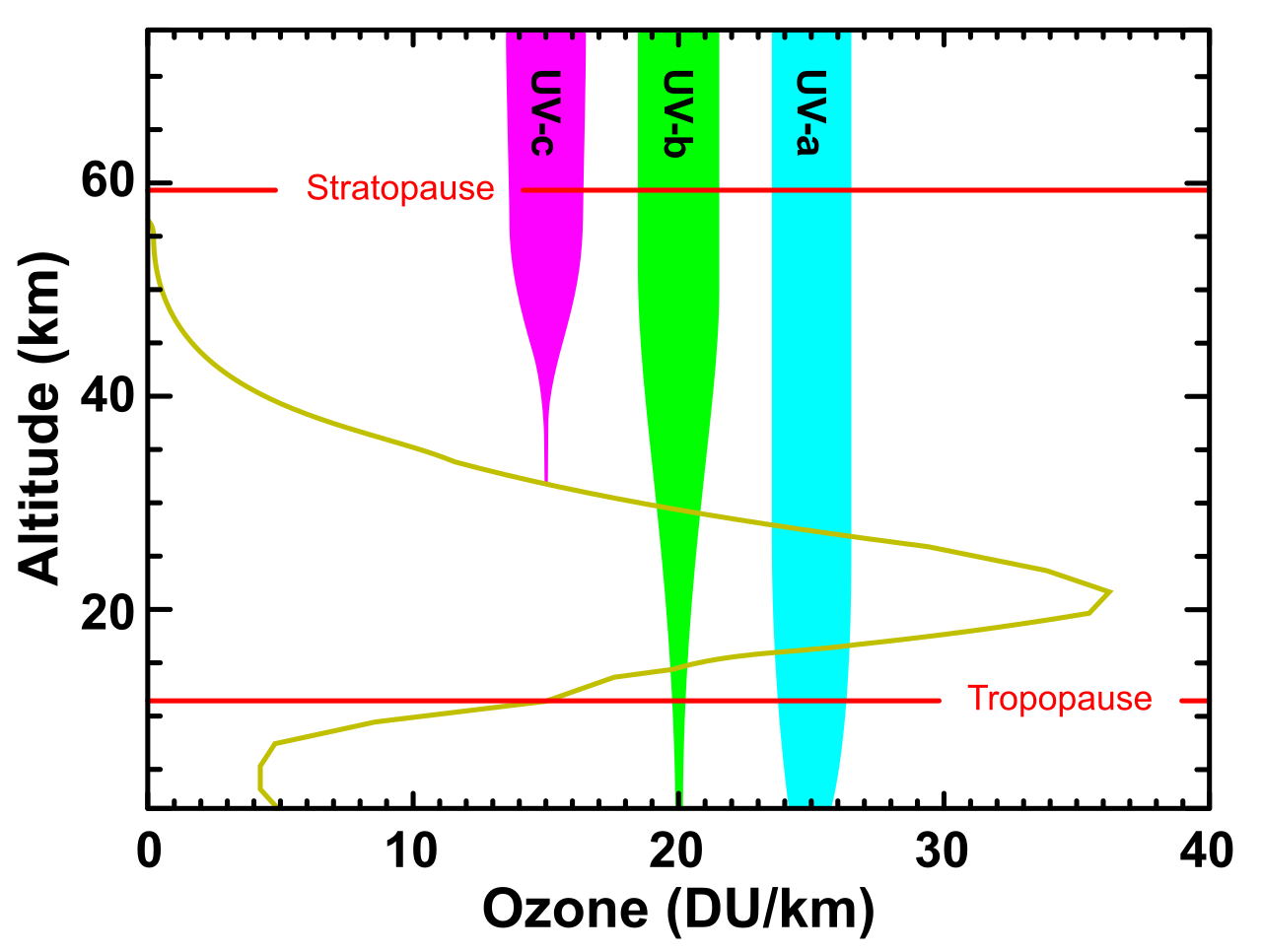
However, this oxygen crisis had a silver lining that made our existence possible. As oxygen gas (O₂) floated into the upper atmosphere, UV light split it, allowing it to recombine as ozone (O₃). Therefore, the accumulation of atmospheric oxygen directly led to the formation of the stratospheric ozone layer.
Before the ozone layer, the land was blasted by lethal radiation. The newly formed ozone layer protected Earth's surface from lethal ultraviolet solar radiation. Ultimately, the protection provided by the ozone layer allowed early life forms to safely colonize terrestrial environments.
Having explored how life took hold, we must explore how it is lost. In biology, extinction is the complete permanent disappearance of a biological species from Earth. It is a certainty for most lineages; it is estimated that 99% of all species that have ever lived are now extinct.
When teaching this, it is crucial to distinguish between the two tempos of extinction:
- Background extinction is the standard ongoing rate of extinction that occurs gradually over geological time as species fail to adapt to normal environmental changes.
- A mass extinction is a rapid widespread decrease in the biodiversity on Earth.
Natural Drivers and The "Big Five"
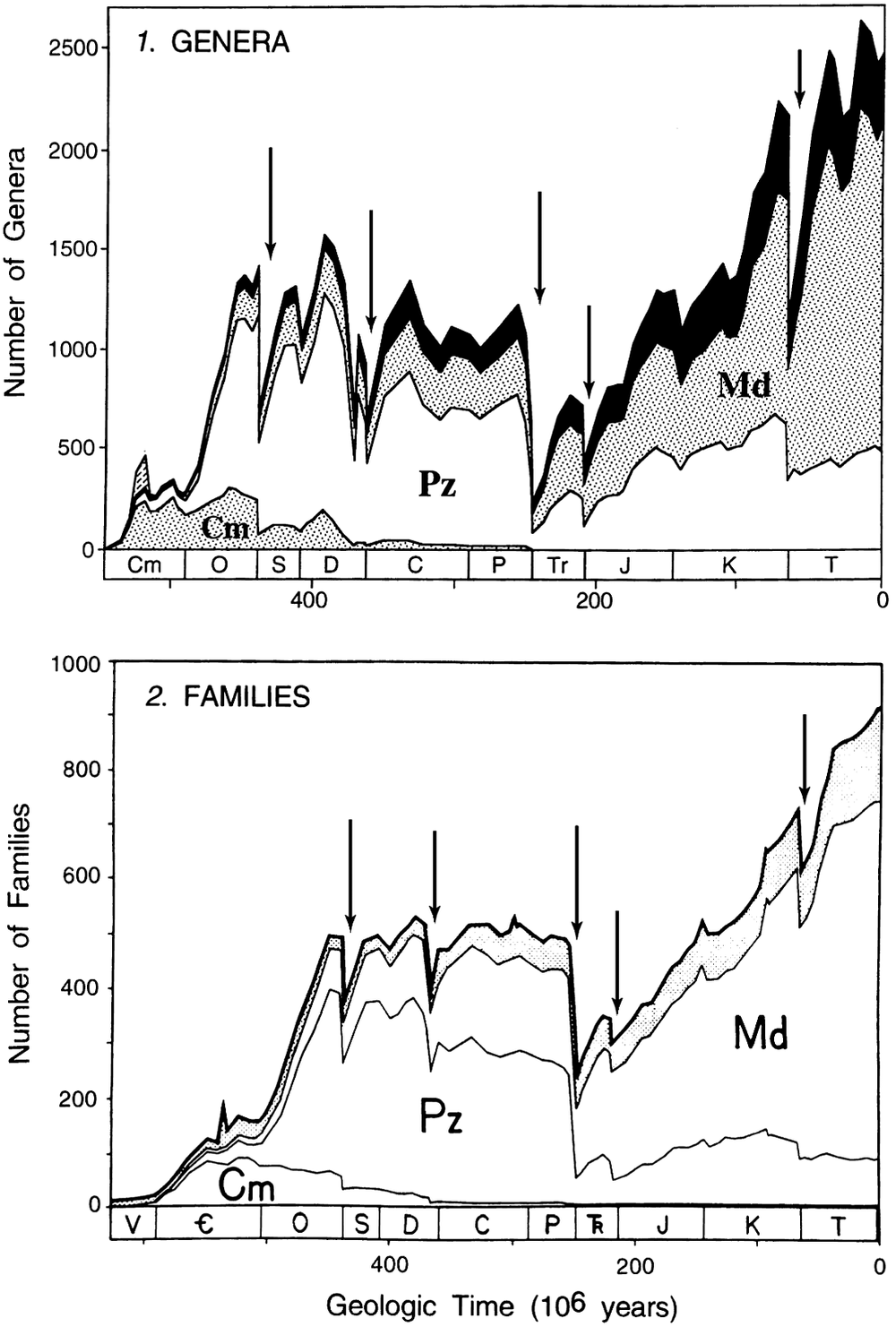
The geological record identifies five major natural mass extinction events in Earth's history. These events are the great reset buttons of ecology, clearing away dominant lineages and opening ecological niches for new evolutionary radiations.
When probing the causes, sudden global climate change is a primary natural driver of mass extinction events. When the climate shifts faster than populations can adapt or migrate, food webs collapse. Additionally, geological shifts causing extreme sea-level drops can lead to the extinction of shallow marine species by eliminating coastal habitats—the highly productive continental shelves.
Two of the "Big Five" are essential case studies for your students:
1. The Permian Mass Extinction (The Great Dying)
Occurring roughly 252 million years ago, this was life's closest brush with total annihilation. The Permian mass extinction eliminated approximately 96 percent of all marine species on Earth.
- The Cause: Massive volcanic eruptions in the Siberian Traps are the leading hypothesized cause of the Permian mass extinction. These eruptions pumped monumental quantities of carbon dioxide into the atmosphere, leading to extreme global warming and ocean acidification.
2. The Cretaceous-Paleogene (K-Pg) Extinction Event
Occurring roughly 66 million years ago, the Cretaceous-Paleogene extinction event resulted in the complete loss of all non-avian dinosaurs.
- The Cause: A massive asteroid impact is the widely accepted primary cause of the Cretaceous-Paleogene extinction event.
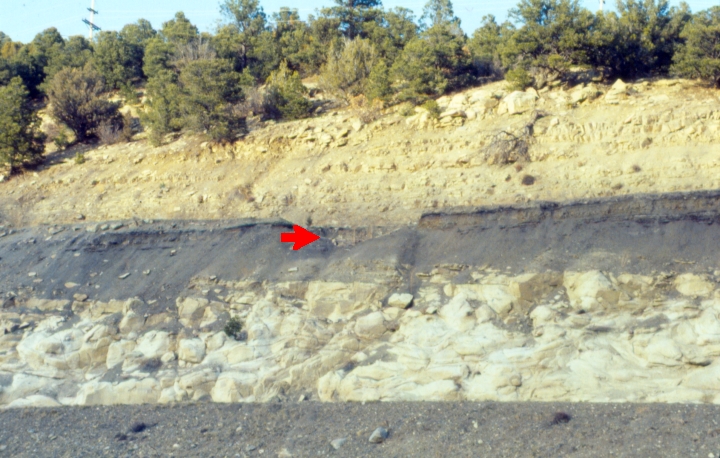
- The Evidence: How do we prove a rock hit the Earth 66 million years ago? An anomalous global geological layer of iridium provides physical evidence for the Cretaceous-Paleogene asteroid impact. Iridium is rare on Earth's crust but common in meteorites. The "iridium anomaly" in the K-Pg boundary layer is the unmistakable signature of extraterrestrial impact dust settling over the globe.
Biology is not just the study of the deep past; it is the study of the urgent present. The currently elevated rate of global species extinction is scientifically referred to as the Holocene extinction. Unlike the previous five, which were driven by volcanism or asteroids, the sixth mass extinction is being driven by a single biological species: Homo sapiens.
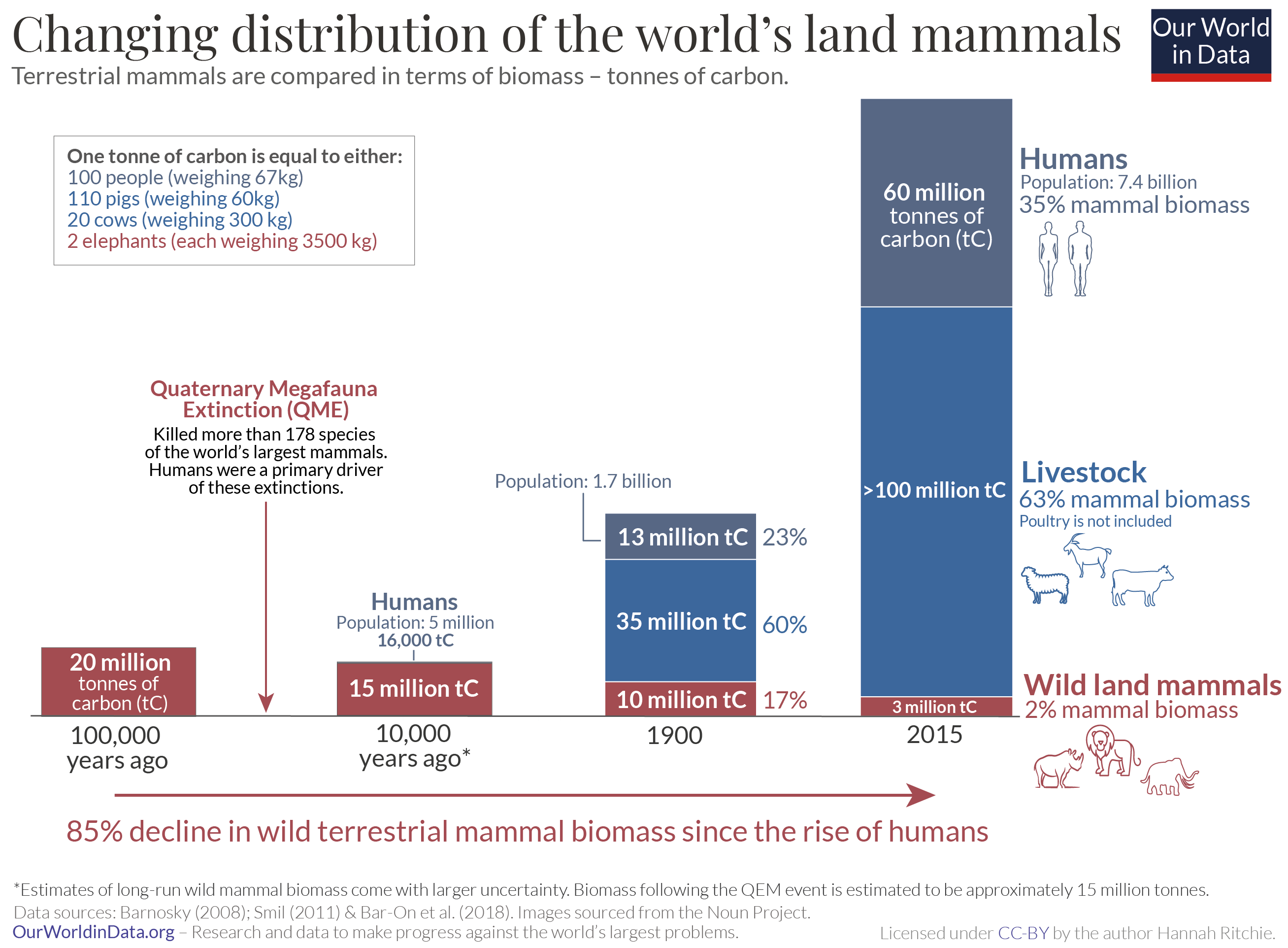
To help students conceptualize anthropogenic extinction drivers, frame them around specific ecological disruptions:
- Habitat Destruction: This is the most critical factor. Habitat destruction is the primary human-caused driver of modern species extinctions. Deforestation, urbanization, and agricultural expansion physically erase the ecosystems species rely upon.
- Invasive Species: When human global trade transports organisms across oceans, invasive species drive native extinctions by outcompeting endemic species for limited biological resources, or by introducing novel predators and diseases to naive populations.
- Overharvesting: Whether it is industrial fishing, poaching, or logging, overharvesting directly reduces species population sizes to unsustainably low levels, pushing them below the minimum viable population needed to recover.
- Rapid Global Climate Change: Unlike natural climate fluctuations, human-induced global climate change causes rapid habitat shifts that outpace the adaptation capabilities of many species. Animals cannot evolve new thermal tolerances or migrate to higher latitudes fast enough to survive the warming trend.
- Pollution: From microplastics to agricultural runoff creating oceanic dead zones, anthropogenic pollution introduces toxic substances that directly reduce the survivability and reproductive success of wildlife populations.
Synthesizing Origin and Extinction for the Classroom
As you prepare to lead your biology classrooms, remember that the origin of life and the extinction of life are fundamentally connected through the environment. Early microbes engineered our atmosphere, creating the ozone shield that allowed us to exist. Today, humans are rapidly engineering the atmosphere and the biosphere in ways that are driving unprecedented ecological collapse. By teaching the deep history of abiotic synthesis, the RNA world, and mass extinctions, you give your students the exact perspective they need to understand their own place in Earth's ongoing biological history.