Characteristics of Good Lesson Plans
Not sure you’re ready?
Take the ~3-minute readiness diagnostic and see where you stand.
An architectural blueprint for a bridge does not merely suggest a vague path across a river. It accounts for the tensile strength of specific materials, the unpredictable force of crosswinds, and the diverse, heavy loads the structure will bear daily. An effective special education lesson plan functions in precisely the same way. It is not a sequential list of activities to occupy a Tuesday morning; it is a meticulously engineered structure designed to withstand the realities of diverse cognitive loads, behavioral shifts, and varying developmental baselines. To teach effectively in special education is to master the physics of learning—calculating exactly how much support to provide, when to remove it, and how to guarantee that the bridge holds firm for every single student crossing it.
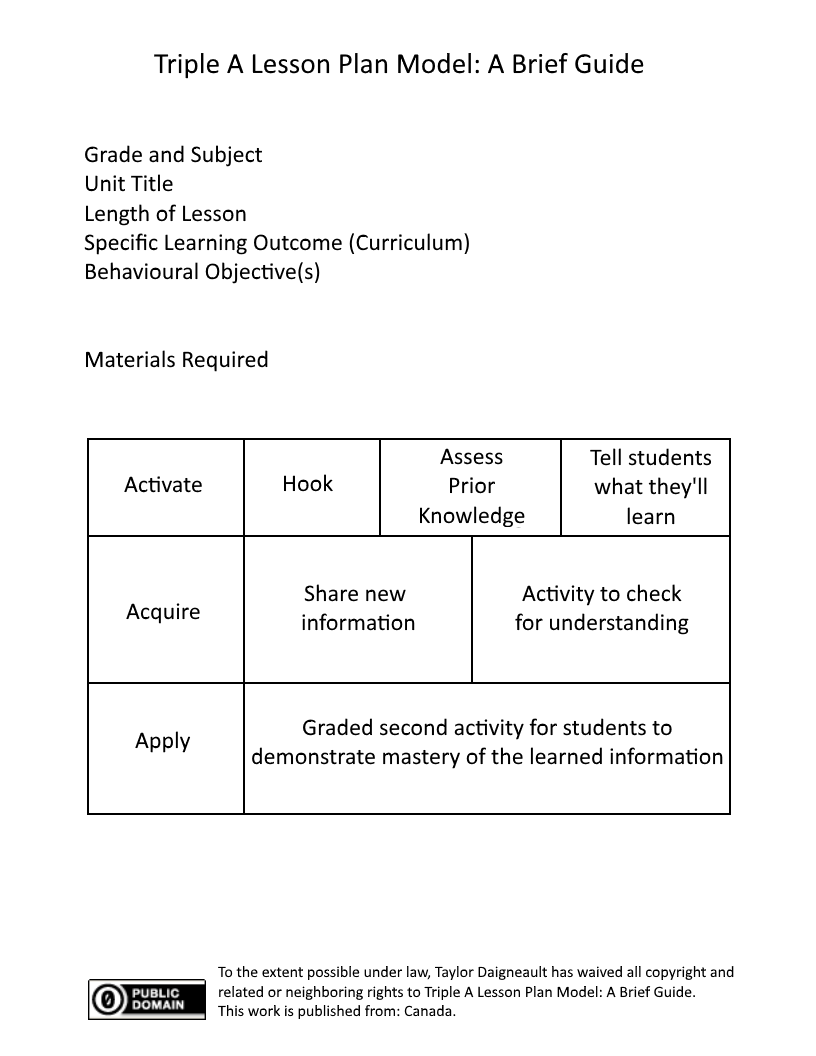
Special education teachers often feel caught between two distinct gravitational pulls: the rigid demands of the general curriculum and the highly individualized needs of their students. But these forces do not have to cancel each other out. An effective special education lesson plan clearly aligns with both state academic standards and individual student Individualized Education Program (IEP) goals.
If the lesson is a vehicle, your objectives are the steering wheel and your outcomes are the speedometer. You must know exactly where you are going and how to measure when you have arrived.
- Clear learning objectives state the specific observable behavior a student will demonstrate by the end of an instructional period. "Understanding fractions" is not observable—it is a hidden cognitive state. "Sorting visual fraction cards into groups of equivalent values" is an observable behavior.
- Measurable learning outcomes include specific criteria for evaluating student success on a targeted academic or behavioral skill. If the objective is the what, the outcome provides the how much. You must define success (e.g., "with 80% accuracy across three consecutive trials").
Without these twin pillars, instruction drifts. When you know precisely what observable behavior you expect and exactly how you will measure it, every subsequent instructional decision falls neatly into place.
Imagine trying to retrofit a building with wheelchair ramps and elevators after the concrete has already poured. It is expensive, clunky, and often inadequate. This is what happens when we write a "traditional" lesson plan and attempt to tack on special education supports at the end. Instead, we must design for the margins from the very beginning.
Universal Design for Learning (UDL) is an educational framework based on providing multiple means of engagement, representation, and action and expression.
Incorporating UDL principles into a lesson plan proactively removes barriers to learning for diverse student populations. When you provide a text in both print and audio formats (representation), allow students to demonstrate knowledge via a written paragraph or a recorded video (action and expression), and connect the topic to their personal interests (engagement), you are pouring a foundation that naturally accommodates everyone.
However, UDL represents the broad architecture. Once the students are in the room, you must adjust the furniture. This is differentiation. Differentiated instruction involves tailoring the content, process, product, or learning environment to meet the diverse needs of students. It is the real-time adjustment to the learner.
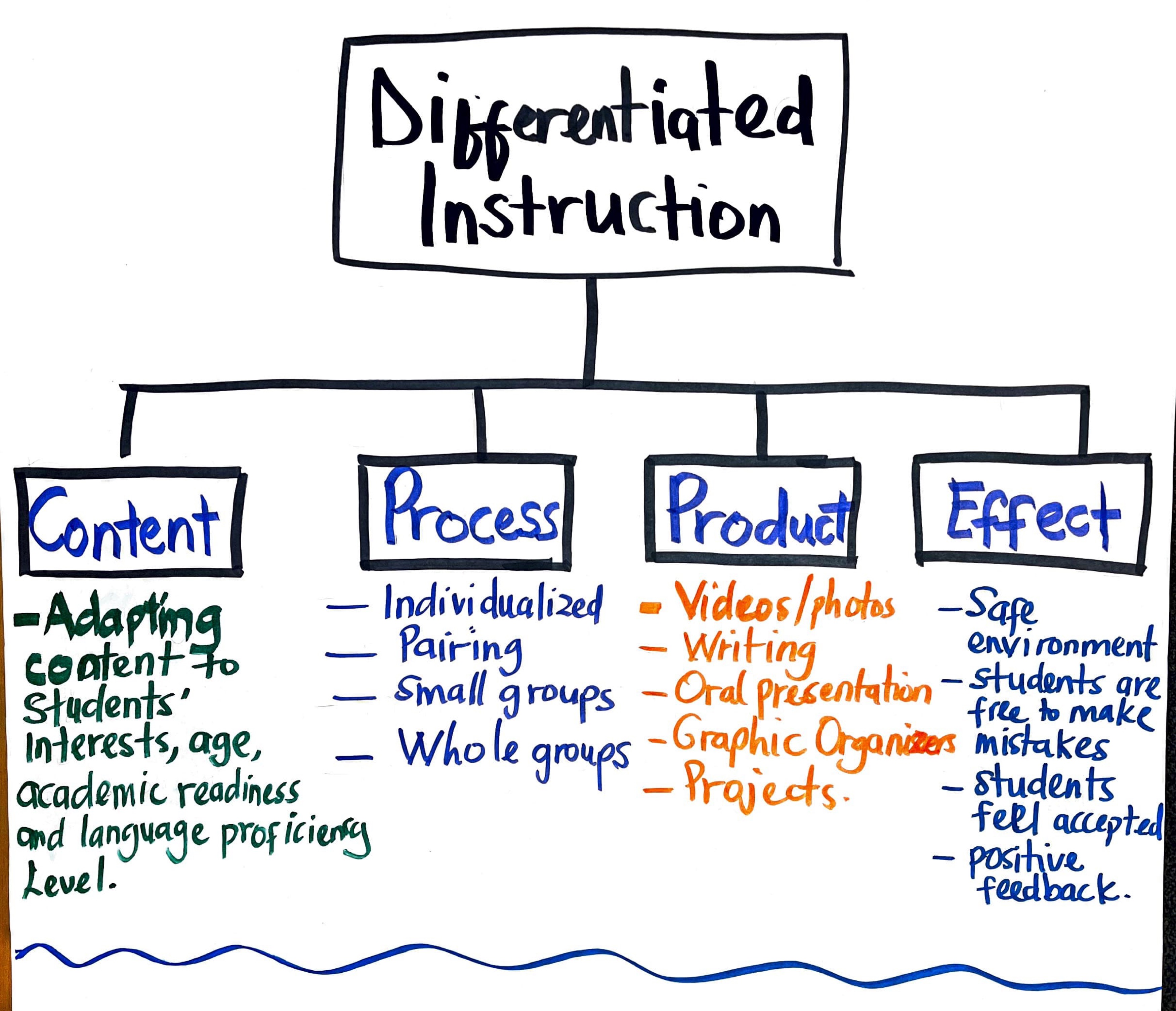
Furthermore, true inclusivity extends beyond cognitive access to cultural validation. Inclusive lesson planning requires culturally responsive materials reflecting the diverse backgrounds of the student population. If the examples in your math word problems or reading comprehension texts alienate your students' lived experiences, their cognitive load is wasted on deciphering unfamiliar cultural contexts rather than mastering the academic skill.
When writing a robust lesson plan, the distinction between accommodations and modifications must be absolute. Confusing the two in practice can lead to legal compliance issues and unintentionally deny a student access to the general curriculum.
| Concept | Definition | Example | Impact on Curriculum |
|---|---|---|---|
| Accommodation | Accommodations alter how a student learns material without fundamentally changing the curriculum standards. | Providing a text-to-speech reader for a 7th-grade history textbook. | The student is still expected to master 7th-grade history facts. The bar remains at the same height; we just provided a ladder. |
| Modification | Modifications alter what a student is expected to learn by changing the core curriculum standards. | Requiring a student to learn three basic historical vocabulary words instead of the full 7th-grade history unit. | The standard itself is changed or simplified. The bar is lowered to an accessible height. |
A robust lesson plan explicitly details the specific accommodations required for individual students with disabilities. You do not write "provide accommodations as needed." You write, "Provide Marcus with a graphic organizer for the brainstorming phase, and allow Sarah to use noise-canceling headphones during independent reading."
Setting the Stage
Instruction cannot begin in a vacuum. Before introducing complex new material, you must prime the cognitive pump.
- Pre-assessment strategies determine a student's baseline knowledge before the introduction of new instructional material. You cannot build a bridge if you don't know where the shoreline begins.
- Anticipatory sets are brief activities at the beginning of a lesson designed to focus student attention and activate prior knowledge. This could be a fascinating image, a provocative question, or a brief physical activity that conceptually links to the day's objective.
The Engine of Learning: Explicit Instruction
For students with learning disabilities, "discovery learning" often leads to frustration rather than enlightenment. They require a systemic, transparent approach.
Explicit instruction is a systematic instructional approach featuring clear teacher models, guided practice, and independent practice. Its underlying architecture relies on a predictable progression. The 'I do, we do, you do' model is a foundational structure of explicit instruction lesson planning.
- I do: You demonstrate the skill while thinking aloud, making invisible cognitive processes visible.
- We do: You and the students practice the skill together, sharing the cognitive load.
- You do: The student practices independently.
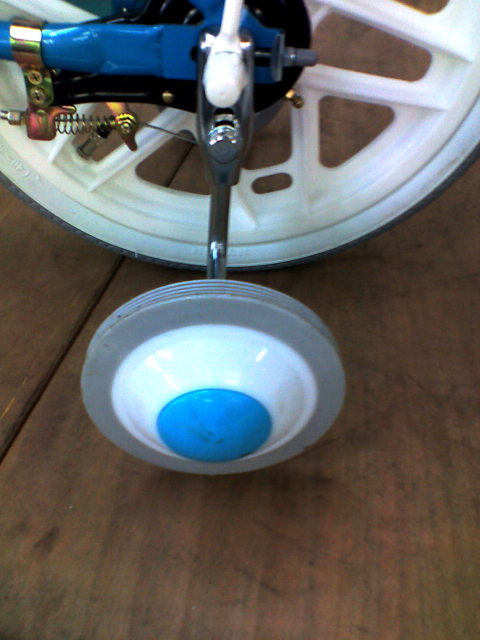
Within this model, we utilize structural supports. Scaffolding provides temporary structural support to a student learning a new complex task. Think of teaching a child to ride a bicycle. You begin with training wheels and a hand on the seat. But if you never let go, the child never truly learns to balance. A responsive lesson plan gradually removes instructional scaffolding as student competence with the new skill increases.
Severe Disabilities and Complex Tasks
For students with severe disabilities, even seemingly simple tasks can present an overwhelming cognitive or motor barrier. Here, we must break the skill down to its atomic level.
A task analysis breaks down a complex skill into a sequence of smaller and more manageable instructional steps. Effective lesson plans for students with severe disabilities frequently utilize task analysis to teach functional life skills, such as washing hands, organizing a backpack, or utilizing public transit. "Wash hands" becomes: turn on water, wet hands, apply soap, rub palms for 20 seconds, rinse, turn off water, dry hands.
Managing Time and Space
Instructional momentum is fragile. Lesson plan pacing dictates the speed of instruction and the duration of specific activities to maintain student engagement. Move too fast, and you lose their comprehension; move too slow, and you invite behavioral disruptions.
Disruptions most frequently occur in the margins of a lesson—the transitions between activities. To combat this, clear lesson plans provide scripted or highly explicit directions to prevent ambiguity during task transitions. Do not assume students know how to move from whole-group instruction to small-group centers. Script the exact behavioral expectations: "In 30 seconds, you will stand up, push in your chair, and walk silently to the blue table."
No lesson survives first contact with the students exactly as written. The master teacher does not panic; they pivot.
A responsive lesson plan includes predetermined alternative instructional strategies to deploy if students struggle to grasp the primary instruction. If the visual model for fractions fails, what is your Plan B? Having physical manipulatives ready is the hallmark of a professional who anticipates friction.
During the lesson, how do you know if they are grasping the material? You do not wait for the final exam. Formative assessment is an ongoing evaluation process embedded directly within a lesson plan to monitor student comprehension. When a chef tastes a soup while it is cooking, that is formative assessment; they can still add salt. When the customer tastes it, that is summative assessment; it is too late to change the dish.
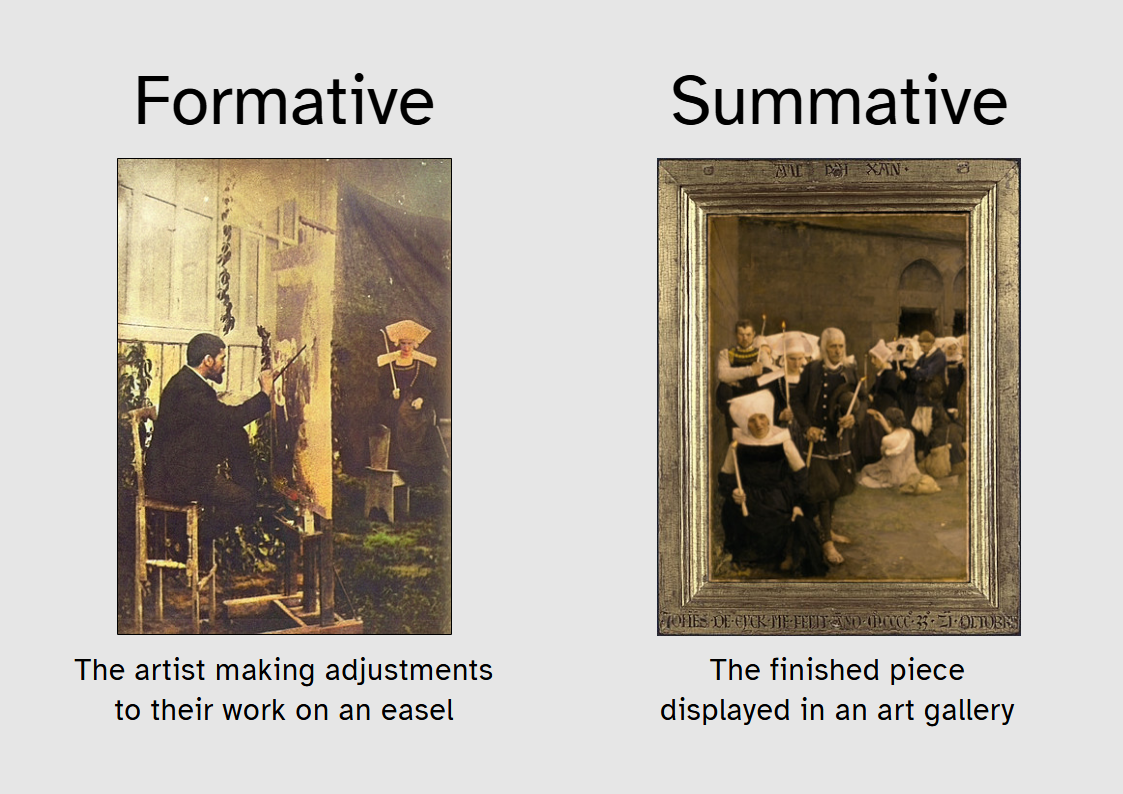
Crucially, in special education, formative assessment serves a dual legal and educational purpose. Effective special education lesson plans designate specific data collection methods to track progress toward IEP objectives during the lesson. Whether you are using frequency tallies, duration recording, or a structured rubric, your lesson plan must state exactly who is collecting the data and how.
The Power of Peers
You are not the only teacher in the room. Flexible grouping strategies in a lesson plan allow students to work in varying peer combinations based on skill level or specific interests. Sometimes heterogeneous (mixed-skill) groups foster diverse thinking; other times, homogeneous (similar-skill) groups allow you to provide targeted, intensive support.
Furthermore, peer tutoring is an evidence-based instructional strategy utilizing classmates to practice and reinforce academic skills. Explaining a concept to a peer solidifies the tutor's understanding while providing the tutee with a highly accessible, low-stakes model.
The final minutes of a lesson are the most frequently squandered. Packing up backpacks should not be your concluding activity. Closure is a dedicated component at the end of a lesson plan designed to summarize learning and verify student understanding. It is the moment you ask students to explicitly state what they learned, locking the new information into their working memory before they walk out the door.
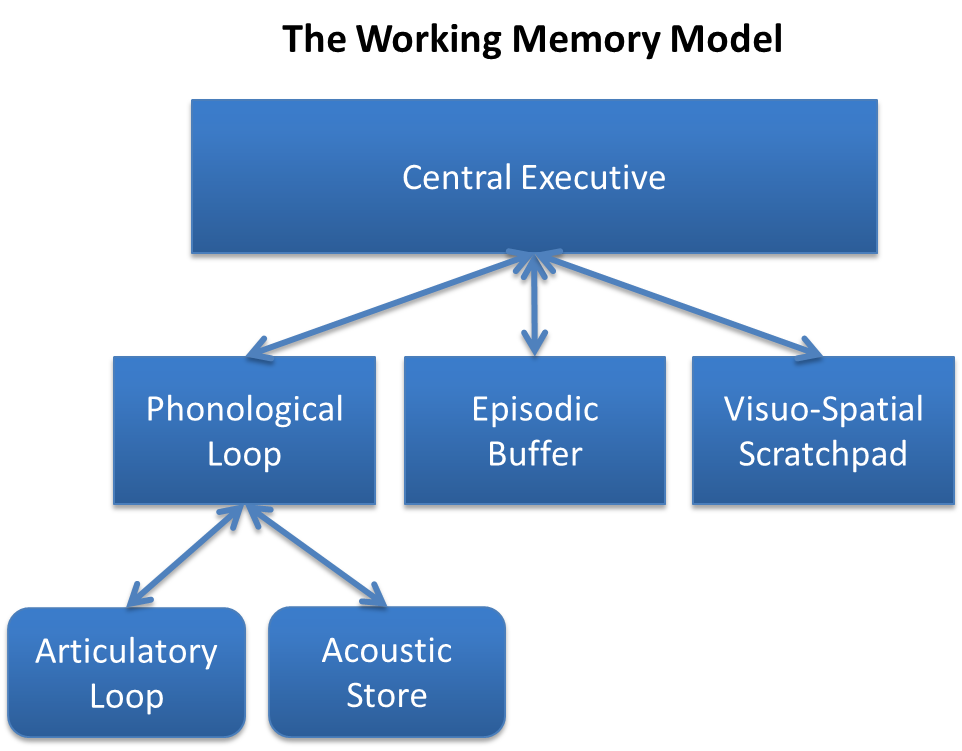
But our job does not end when the bell rings. A skill demonstrated only in the highly structured, quiet resource room is a fragile skill.
- Generalization strategies embedded in a lesson plan teach students to apply learned skills across different settings and contexts. If a student learns to count money using paper coins in your classroom, your lesson plan should include a phase where they use real coins at the school store.
- Maintenance strategies ensure a student retains a learned skill over time after the initial instruction concludes. This involves systematically reintroducing and practicing previously mastered skills in future lessons so the neural pathways remain robust.
When you architect a lesson plan with this level of rigor—aligning objectives, anticipating barriers through UDL, scaffolding explicit instruction, embedding data collection, and planning for long-term generalization—you are no longer merely "managing" a classroom. You are engineering the exact conditions under which every individual mind can thrive.