Basic Elements of Effective Lesson Plans
Not sure you’re ready?
Take the ~3-minute readiness diagnostic and see where you stand.
A lesson plan is not a bureaucratic artifact; it is a load-bearing structure. If you are building a bridge over a river, you do not simply throw wood at the water and hope a path forms. You calculate the weight, the span, and the specific tension required. In special education, the river is the gap between a student’s current ability and their potential. The bridge is the lesson plan. For students with disabilities, this bridge must be engineered with absolute precision. A generalized approach will collapse under the weight of specific cognitive, behavioral, and processing deficits. Therefore, an effective lesson plan for special education requires explicit alignment with a student's Individualized Education Program (IEP) goals, ensuring that every minute of instruction is deliberately constructed to address their specific needs.
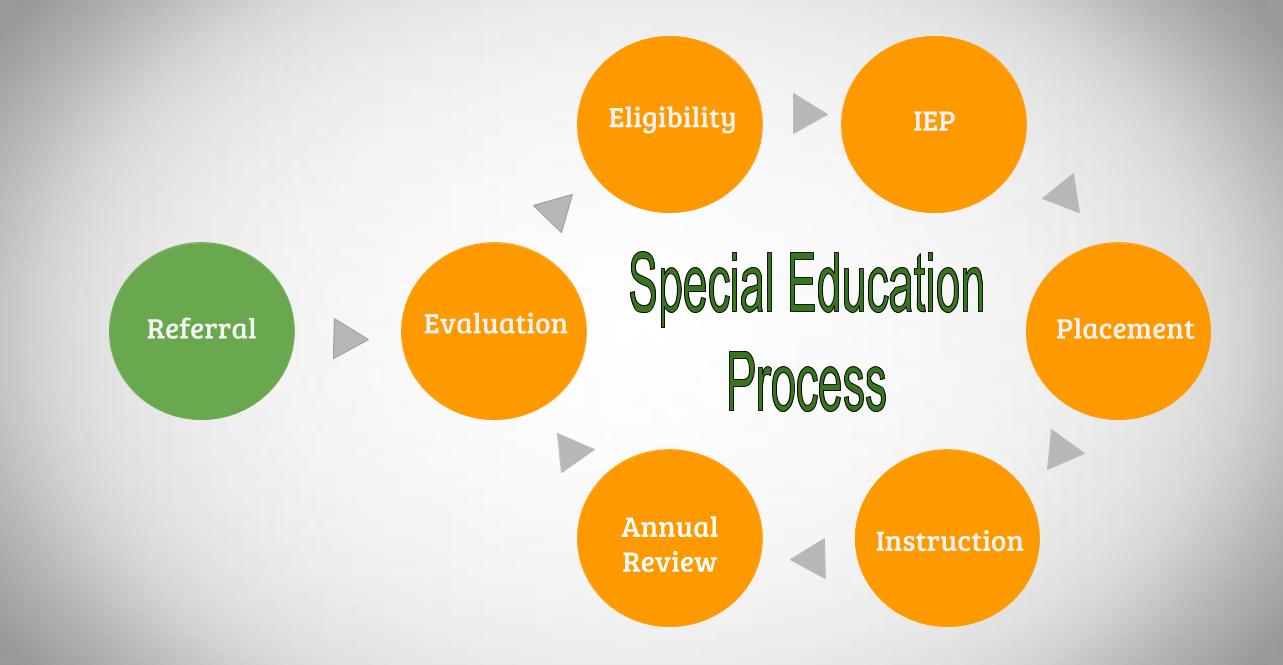
To master the architecture of these lesson plans, we must break down the foundational frameworks, the mechanics of explicit delivery, and the precise sequencing required to make complex skills accessible.
Before you can teach a skill, you must define exactly what mastery looks like. To do this, we rely on the ABCD model for writing instructional objectives, which stands for Audience, Behavior, Condition, and Degree.
If a goal is vague, the instruction will be aimless. The ABCD model forces you to be ruthlessly specific.
| Component | Definition & Purpose | Example |
|---|---|---|
| Audience | Identifies the specific student or group of students expected to learn the skill. | "Marcus..." |
| Behavior | Must state a specific, observable, and measurable action. Internal states like "will understand" cannot be measured. | "...will orally read 50 words correct per minute..." |
| Condition | Describes the setting, prompts, or materials provided to the student during the final assessment. | "...when presented with a second-grade level reading passage..." |
| Degree | Specifies the mastery criterion required to consider the skill learned. | "...across three consecutive data collection sessions." |
Once the objective is defined, how do we deliver it? The Madeline Hunter instructional model includes seven essential lesson plan components. We can view these components through the lens of explicit instruction, a highly structured teaching methodology often summarized by the sequence "I do, We do, You do."
The Hook: Anticipatory Set
You cannot teach a mind that is somewhere else. The anticipatory set is an introductory activity designed to focus student attention on the upcoming learning objective. More importantly, the anticipatory set activates students' prior knowledge before the teacher introduces new material. By anchoring new, unfamiliar concepts to familiar territory, you create cognitive hooks for the student to hang the new information on.
"I Do": Teacher Modeling
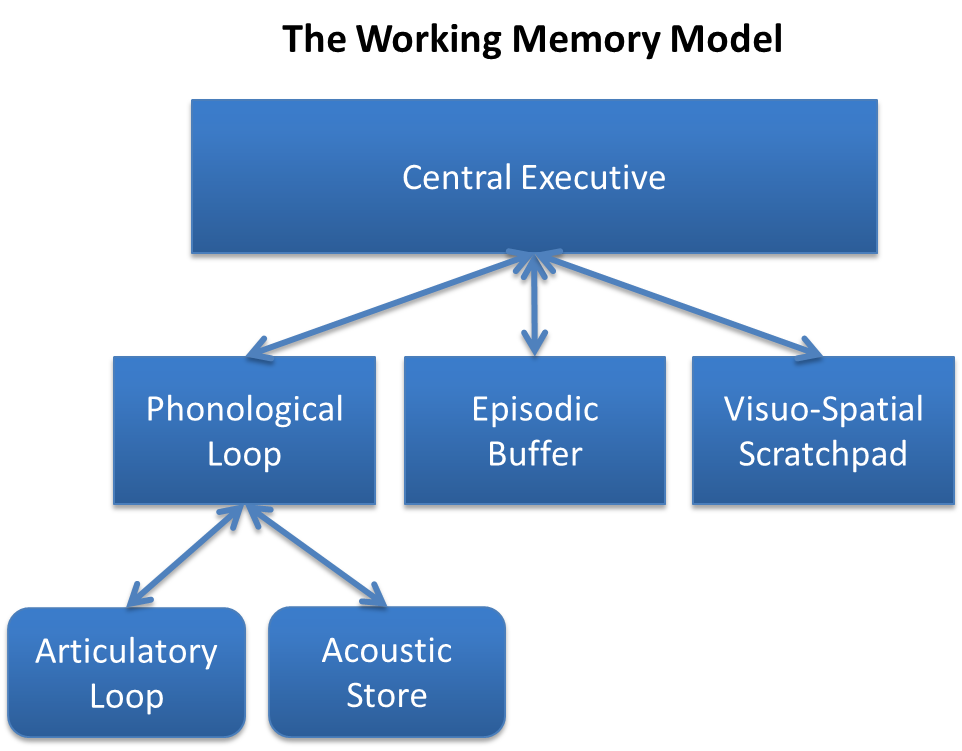
The 'I do' phase of explicit instruction corresponds to direct teacher modeling. However, for special education students, simply watching you solve a math problem or decode a word is not enough. Effective teacher modeling requires the instructor to demonstrate the target skill while vocalizing their internal thought process.
Why this matters: Cognitive processes are invisible. A student with a learning disability cannot "see" you retrieve a phonics rule from your working memory. By talking aloud—"I see an 'e' at the end of this word, so I know the vowel makes a long sound"—you make the invisible mechanics of thinking audible and observable.
"We Do": Guided Practice
The 'We do' phase of explicit instruction corresponds to guided practice. In this phase, you share the cognitive load. Guided practice involves the student performing the target skill alongside direct teacher support and immediate feedback.
Crucially, this phase is dynamic. During guided practice, the teacher gradually fades instructional prompts as the student demonstrates increased competence. You act as the training wheels, stepping back as they find their balance, but stepping in immediately if they begin to wobble.
The Pivot point: Checking for Understanding
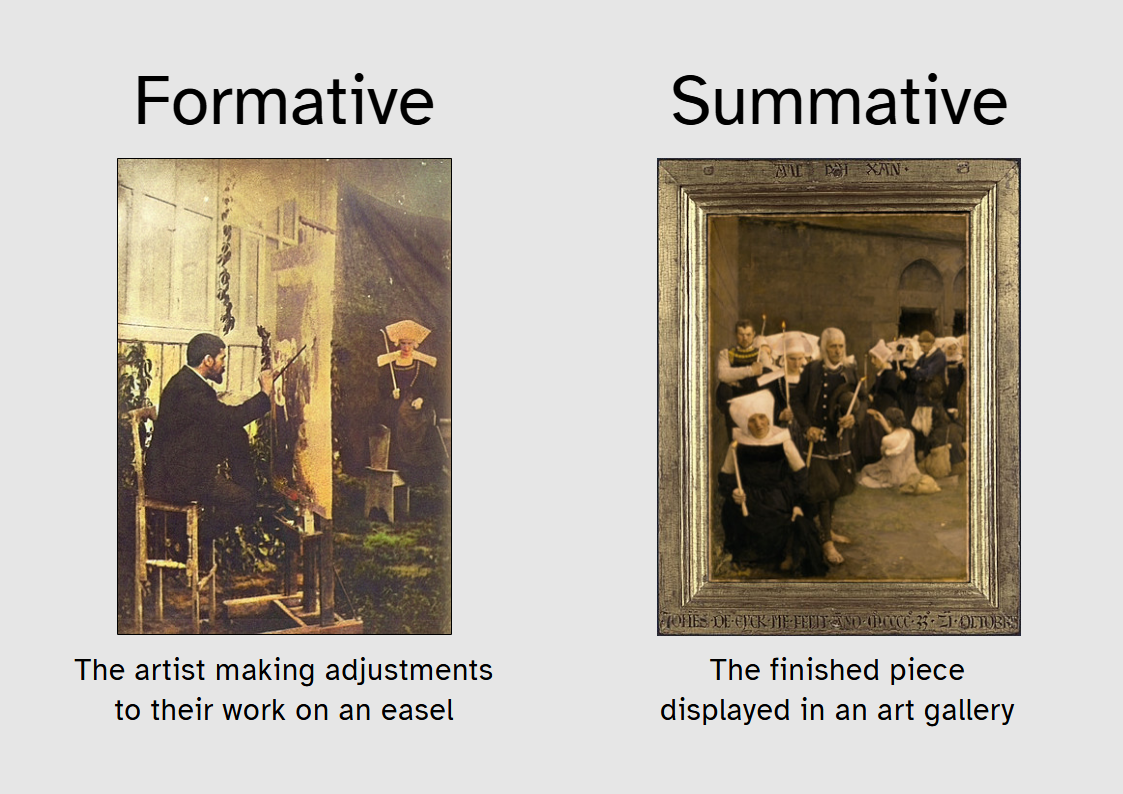
How do you know when to take the training wheels off entirely? Checking for understanding involves using formative assessment strategies to verify student comprehension during the delivery of a lesson. Formative assessment data collected during a lesson dictates whether a teacher should transition to independent practice or reteach the concept. If the data shows confusion, you loop back to the "I do" or "We do" phase.
"You Do": Independent Practice
If the formative data confirms comprehension, you transition to the 'You do' phase of explicit instruction, which corresponds to independent practice.
Independent practice requires the student to perform the target skill without direct teacher assistance. The purpose here is twofold. First, independent practice is designed to build fluency in a newly acquired skill. Second, independent practice activities promote the generalization of a newly acquired skill to different materials or contexts. A student has not truly mastered addition if they can only add apples; they must also be able to add blocks, dollars, and abstract numbers.
The Anchor: Lesson Closure
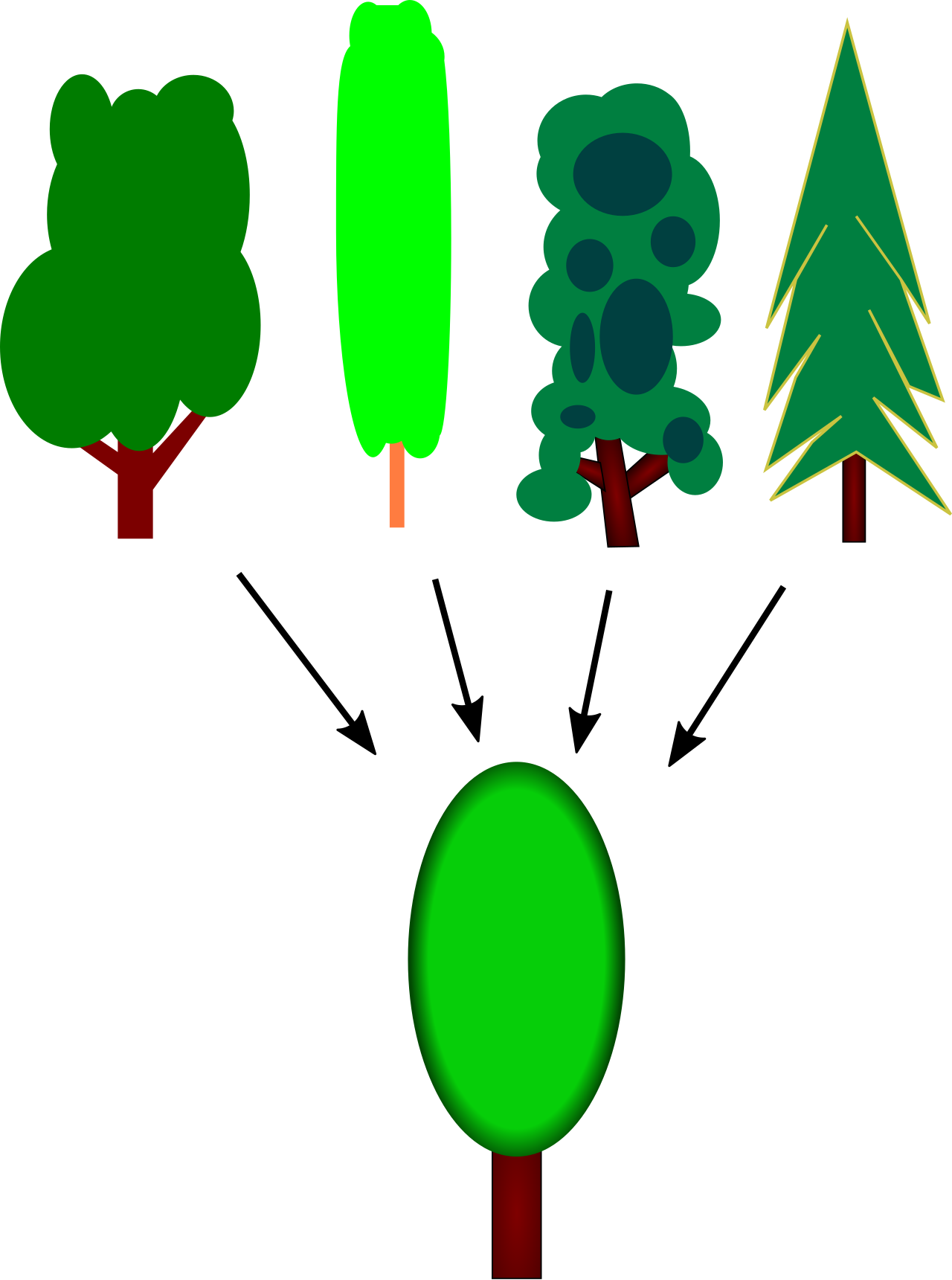
Finally, do not let the lesson fizzle out when the bell rings. Lesson closure involves explicitly reviewing the learning objective with the students and summarizing the key instructional points at the end of a lesson. This reinforces the memory trace before the student transitions to a new subject.
In special education lesson planning, teachers must assess a student's prerequisite skills before introducing a new target skill. You cannot teach a student to write a paragraph if they cannot formulate a sentence.
Furthermore, effective sequencing for students with learning disabilities typically moves from highly structured, teacher-directed activities to less structured, student-directed activities. But what happens when the leap between the current skill and the target skill is too vast?
Task Analysis and Chaining
For students with profound cognitive barriers, standard modeling is insufficiently granular. Here, special education teachers use task analysis to sequence learning activities for students with significant cognitive or developmental disabilities. Task analysis is the process of breaking a complex or multi-step skill into smaller, sequential components.
Once a task is broken down (e.g., washing hands broken into 10 micro-steps), we teach it using a process called chaining:
- Forward chaining sequences instruction by requiring the student to master the first step of a task analysis before the teacher introduces subsequent steps. (e.g., Step 1: Turn on water. Once mastered, teach Step 2: Get soap).
- Backward chaining sequences instruction by requiring the student to master the final step of a task analysis first.
Why use backward chaining? Imagine teaching a student to tie their shoes. It is a highly frustrating, abstract fine-motor sequence. By doing all the steps for them except the final pull of the bows, the student experiences the immediate natural reinforcement of a completed task. Once they master that final pull, you require them to do the last two steps, and so on, building momentum backward.
The CRA Sequence
When sequencing instruction for conceptual math or abstract logic, we use the Concrete-Representational-Abstract sequence. This is a lesson structuring method that guides students from physical manipulatives (blocks, counters) to visual models (drawings, tally marks) and finally to symbolic concepts (numbers, equations).

The overarching goal of a special education lesson plan is to construct an environment where the student cannot fail to learn. We do this by managing cognitive load and utilizing precise behavioral strategies.
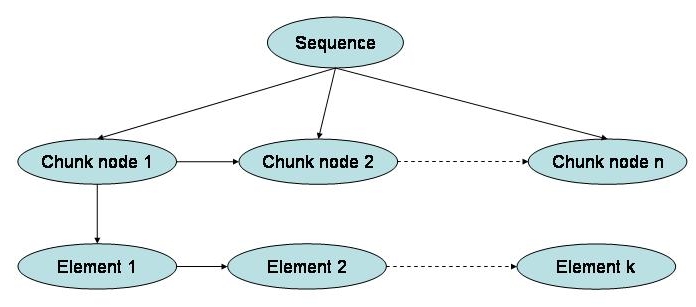
- Chunking involves organizing large amounts of instructional information into smaller, manageable units to reduce a student's cognitive load.
- Scaffolding provides temporary instructional supports that allow a student to complete a task they could not complete independently (much like scaffolding supports a building while it is being constructed, only to be removed once the building is stable).
Managing Acquisition: Errorless Learning and Shaping
When a student is just beginning to learn a complex skill, we want to avoid them practicing the wrong pathways. Errorless learning is an instructional sequence designed to prevent students from making mistakes during the initial acquisition phase of a new skill. You provide immediate, intrusive prompts so the student gets it right 100% of the time, guaranteeing access to reinforcement.
For behaviors that cannot be forced or perfectly prompted (like speaking a specific word or holding a pencil correctly), we use shaping. Shaping is a lesson sequence technique involving the reinforcement of successive approximations of a target behavior until the final skill is achieved. If a non-verbal student says "buh" when looking at a ball, you reinforce it heavily. Over time, you require "ba," then eventually "ball," raising the criterion for reinforcement as they get closer to the final behavior.
Time Delay Strategies
As a student learns a skill, we must fade our prompts to avoid prompt dependency. Time delay is an instructional sequencing strategy that introduces a brief pause between a discriminative stimulus (the instruction) and a prompt to encourage independent responding.
- Constant time delay involves providing a fixed, unchanging amount of time (e.g., 3 seconds) between an instruction and a prompt across all learning trials.
- Progressive time delay involves gradually increasing the amount of time (e.g., 0 seconds, then 2 seconds, then 4 seconds) between an instruction and a prompt across successive learning trials, giving the student a progressively wider window to demonstrate independence.
A special education lesson plan is a legal and structural document. It must explicitly document the specific accommodations required for individual students during instruction and assessment (e.g., providing a scribe, extended time, or a quiet room). Furthermore, special education lesson plans must explicitly document any modifications made to the curriculum content for individual students (e.g., changing the learning standard entirely so a 6th grader is working on 2nd-grade reading objectives).
To proactively minimize barriers, lesson plans must incorporate Universal Design for Learning (UDL) principles from their inception. UDL assumes that learner variability is the rule, not the exception.
| UDL Principle | Lesson Plan Application |
|---|---|
| Representation | Universal Design for Learning principles require teachers to embed multiple means of representation into the initial lesson plan. (Presenting information via text, audio, video, and hands-on manipulatives). |
| Action & Expression | Universal Design for Learning principles require teachers to embed multiple means of action and expression into the initial lesson plan. (Allowing students to demonstrate knowledge by writing, speaking, or building a model). |
| Engagement | Universal Design for Learning principles require teachers to embed multiple means of engagement into the initial lesson plan. (Tying lessons to student interests, offering choices, and fostering collaboration). |
The Long Game: Maintenance
Finally, a skill learned on Tuesday and forgotten by Friday was never truly learned. Effective lesson planning looks beyond the immediate week. Maintenance activities are included in lesson plans to ensure students retain previously mastered skills over extended periods of time. By intentionally weaving brief reviews of older skills into current anticipatory sets or independent practice sessions, you ensure that the bridge you built for your student remains structurally sound for a lifetime.