Environmental and Societal Influences
Not sure you’re ready?
Take the ~3-minute readiness diagnostic and see where you stand.
A biological organism's development is inextricably bound to the physical and chemical realities of its environment. If you plant a seed in nutrient-depleted soil, expose it to heavy metals, and deprive it of water, the resulting plant will not merely be smaller; its cellular architecture will be fundamentally altered.
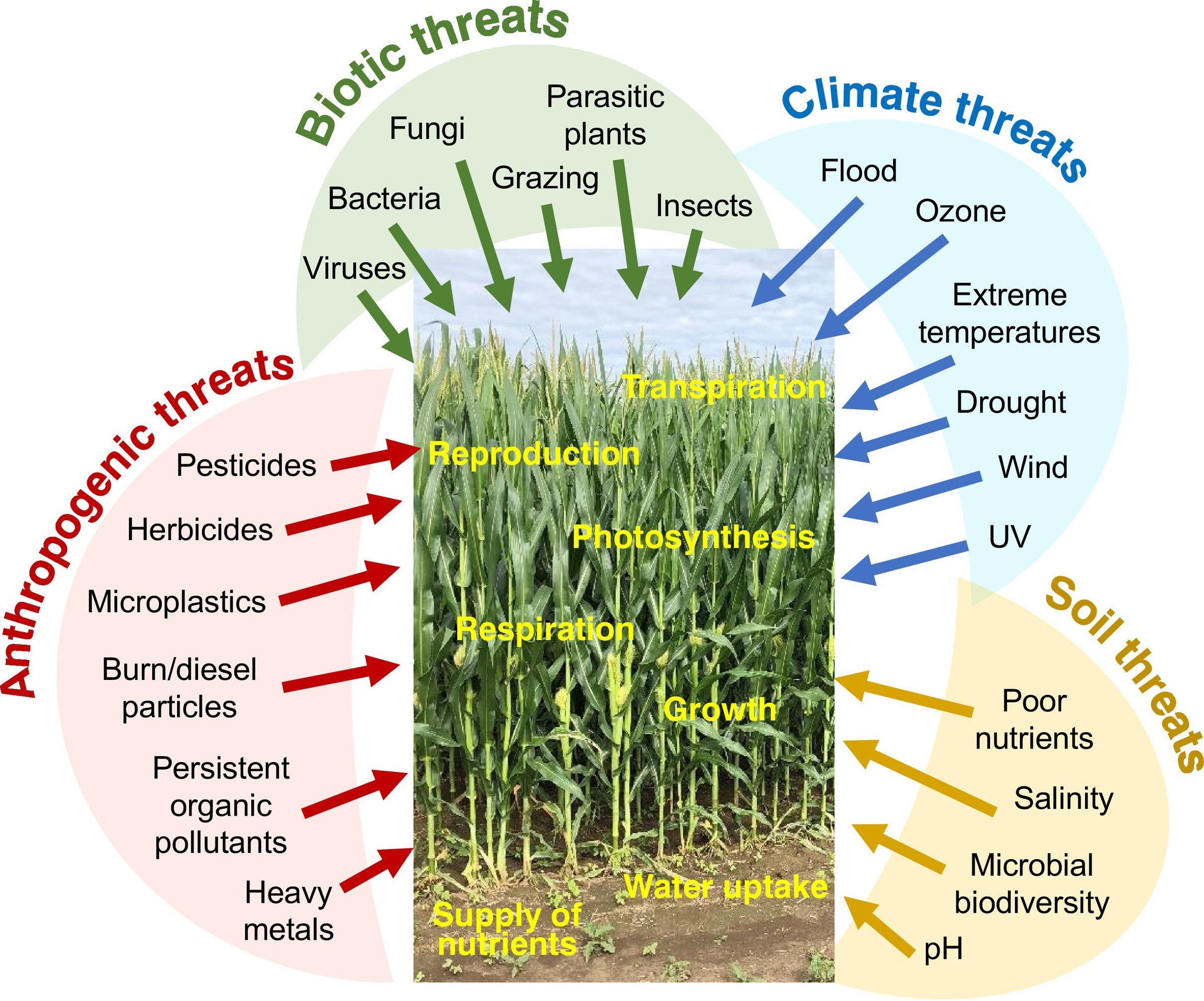
Human cognitive and social development operates under the exact same biological and environmental constraints. When we evaluate a student in the special education classroom, we are never looking at an isolated brain. We are looking at a living record of their ecosystem. The broader environment—from the trace elements in a child’s drinking water to the prevailing prejudices of their society—dictates the structural foundation upon which all learning is built.
To understand learning, we must first look at the material conditions that build the brain. In education, we observe that socioeconomic status directly correlates with a student's academic achievement trajectory. This is not a matter of innate potential; it is a matter of resource allocation and biological stress.
Children from low-income families experience higher rates of cognitive and developmental delays compared to peers from higher-income families. The mechanism here is physical. Chronic poverty acts as an environmental stressor that can negatively alter childhood brain development. When a child lives in persistent poverty, the constant release of stress hormones like cortisol can physically impede the development of neural pathways in the prefrontal cortex and hippocampus—areas critical for learning, memory, and self-regulation.
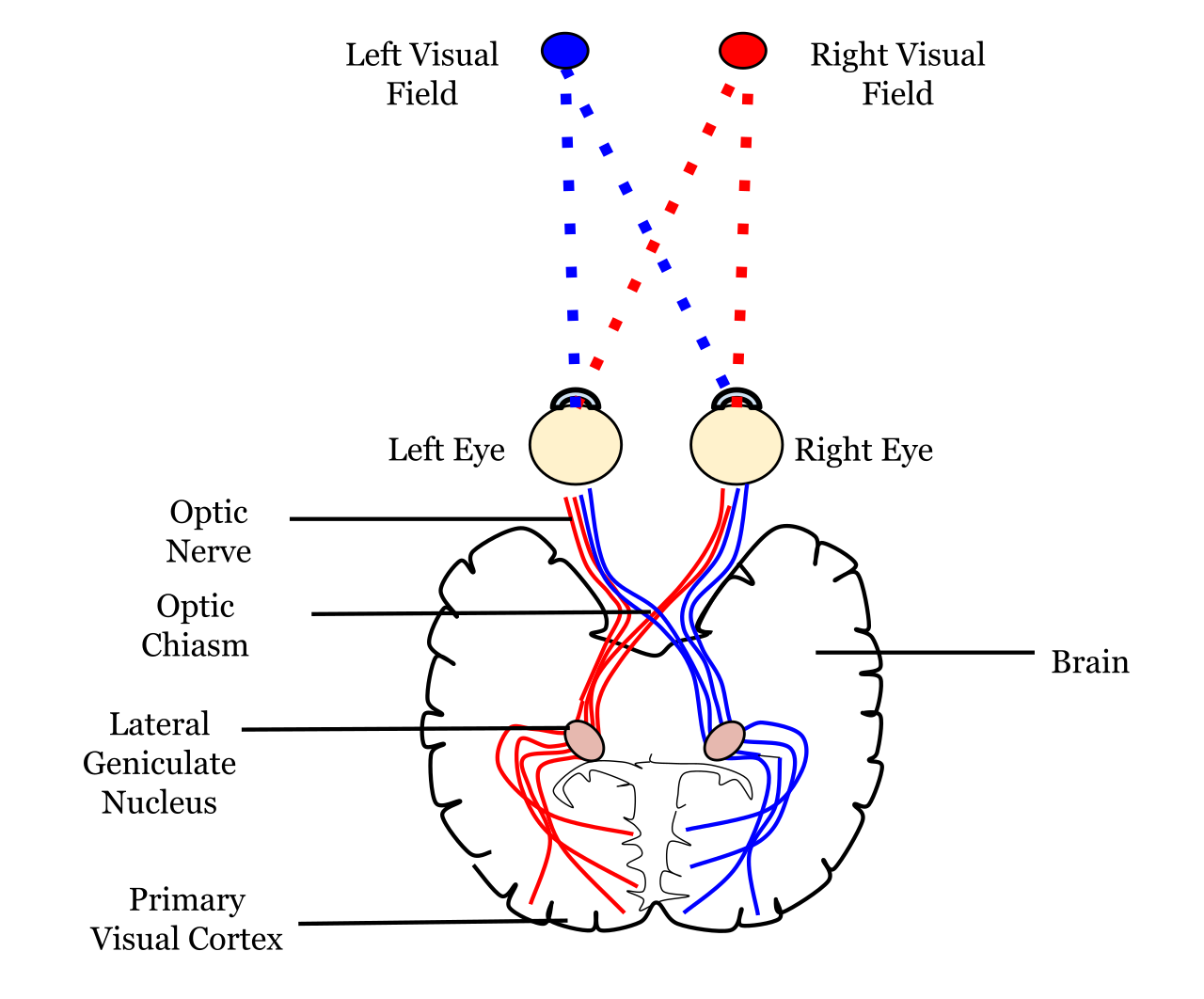
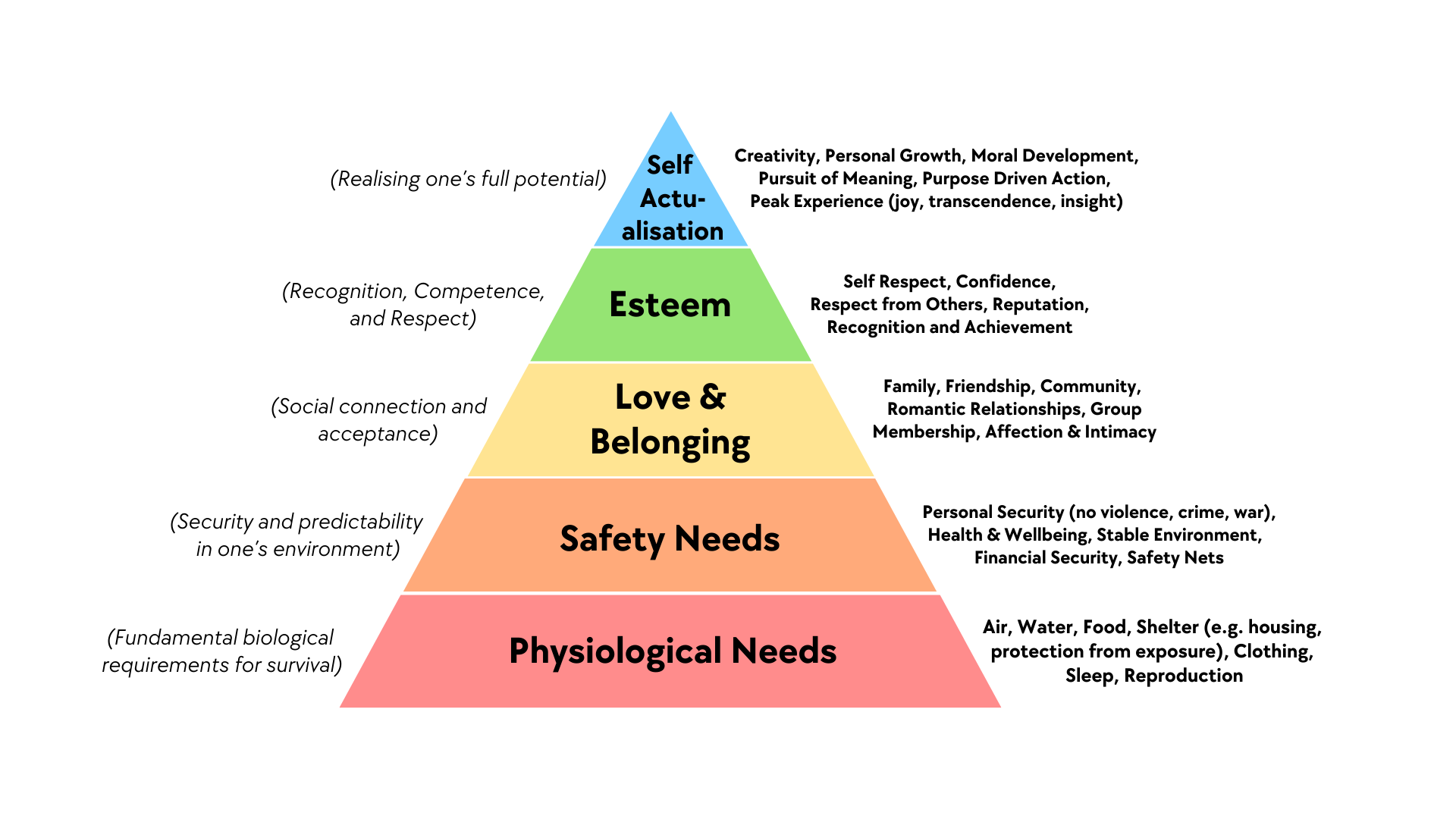
Consider a student who chronically struggles to pay attention or remember multi-step instructions before lunch. Before assuming a processing deficit, we must consider basic physiological needs. Food insecurity negatively impacts a student's attention, memory, and overall cognitive function in the classroom. The brain consumes roughly 20% of the body’s energy; without adequate caloric and nutritional fuel, the machinery simply cannot run.
The Chemical Environment
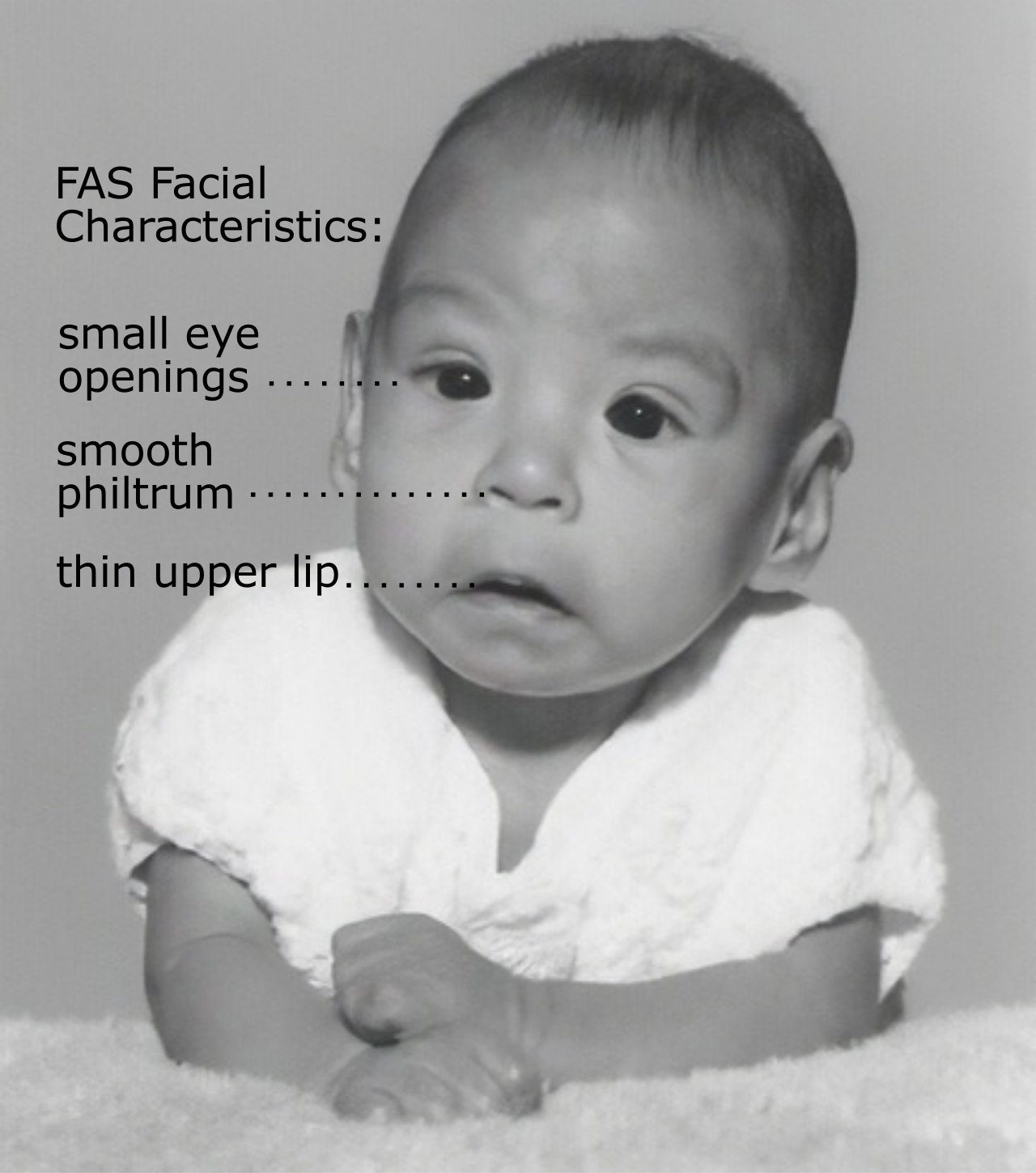
The environment begins shaping a student long before they enter a classroom, or even the world. Teratogens are environmental agents that cause damage during embryonic or fetal development. These can include alcohol, illicit drugs, certain prescription medications, or environmental toxins. Consequently, prenatal exposure to teratogens increases the risk of developmental disabilities in children.
Postnatally, the physical environment of poverty often carries hidden chemical dangers. Lead exposure in childhood is directly linked to lower IQ scores and increased learning disabilities. A student living in older, poorly maintained housing with lead paint or aging municipal water pipes is ingesting a neurotoxin that actively degrades neural connectivity. When you read a psychoeducational report detailing unexplained drops in cognitive processing scores, environmental toxins must be considered part of the broader ecological picture.
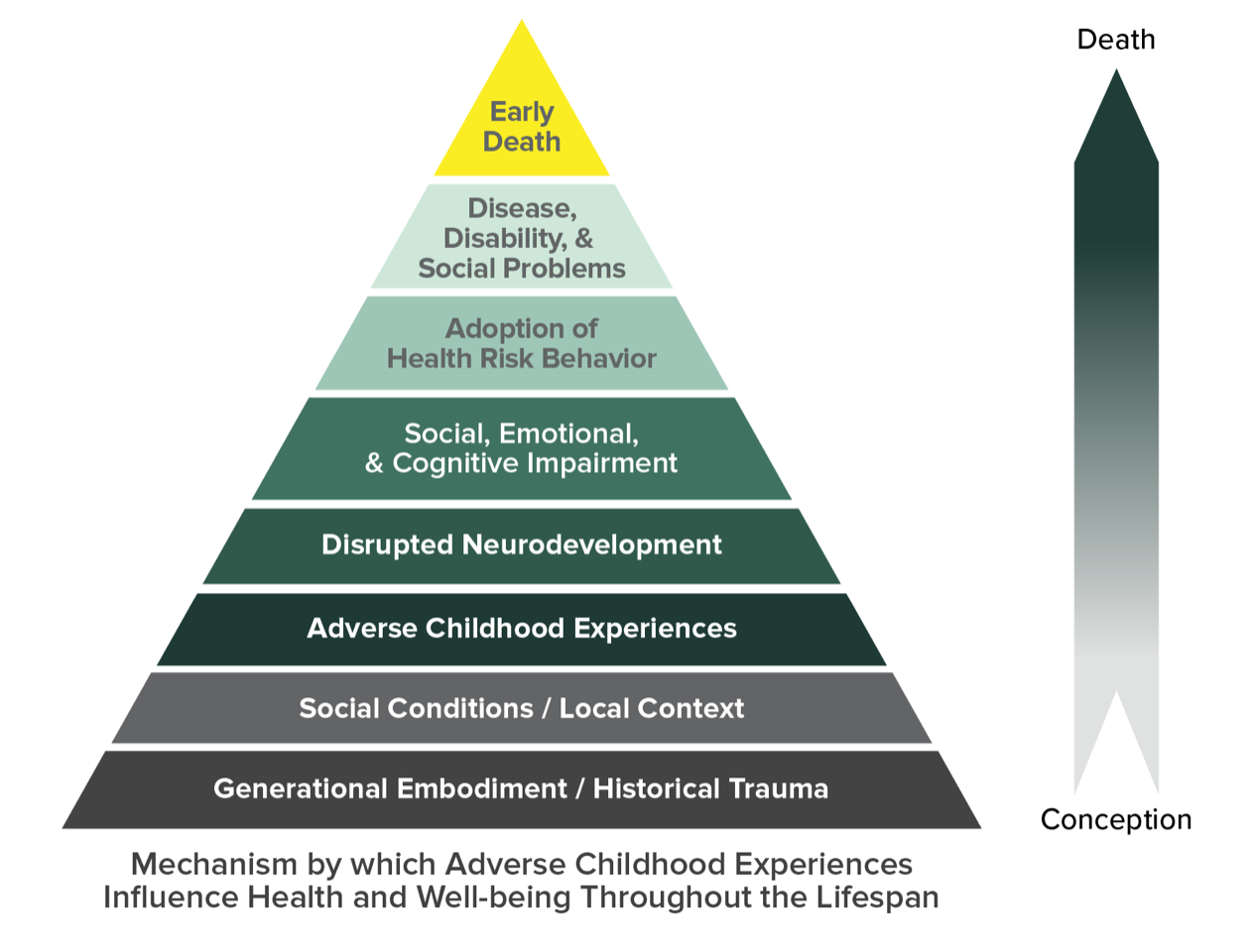
The experiences a child accumulates in their first few years of life form the blueprint for their academic future. When those experiences are overwhelmingly negative, the blueprint is compromised.
Adverse Childhood Experiences (ACEs) Potentially traumatic events occurring in childhood (0-17 years), such as experiencing violence, abuse, or neglect; witnessing violence in the home or community; or having a family member attempt or die by suicide.
Adverse Childhood Experiences (ACEs) can severely impair a student's executive functioning skills. Executive functioning is the brain's air traffic control system—it manages focus, emotional regulation, and working memory. When trauma continuously overloads this system, it breaks down. As a direct result, students with high numbers of Adverse Childhood Experiences (ACEs) are more likely to require special education services under categories like Emotional Disturbance (ED) or Specific Learning Disability (SLD).
Access to Care and Intervention
Early intervention is the most powerful tool we have in special education, but access to it is deeply stratified by class. Low socioeconomic status correlates with reduced access to comprehensive prenatal and postnatal healthcare. When a family cannot easily access pediatric checkups, developmental milestones are missed by professionals. This reduced access to early pediatric healthcare increases the likelihood of undiagnosed early childhood developmental delays.

Furthermore, a family's ability to advocate for their child is bounded by their knowledge of the system. Family health literacy directly impacts a family's ability to navigate special education systems and advocate for necessary services. If a parent cannot decode the dense medical and legal jargon of an Individualized Education Program (IEP) or a diagnostic report, the child may not receive the full spectrum of support they legally deserve.
Geography also plays a crucial role. Students living in rural areas often face environmental barriers such as a severe shortage of specialized instructional support personnel. A child in a rural district might wait months to see an occupational therapist or a speech-language pathologist, losing critical windows for neurological plasticity.
The Language Environment
Language is not inherently downloaded; it is absorbed from the environment. Environmental deprivation in early childhood hinders the acquisition of foundational expressive and receptive language skills. A stark illustration of this is the vocabulary gap: children from high-income families typically hear significantly more vocabulary words by age three than children from low-income families.
This linguistic deficit is compounded when institutional support is lacking. Limited access to high-quality early childhood education exacerbates the academic achievement gap for low-income students. By the time these students reach kindergarten, they are already navigating a steeper path than their wealthier peers.
Beyond the physical environment, we must examine the societal environment. How society views a student heavily influences how that student learns and functions. In special education, we often contrast two primary frameworks for understanding disability.
| The Medical Model of Disability | The Social Model of Disability |
|---|---|
| Views a disability as a personal deficit requiring a physiological cure. | Posits that societal and environmental barriers disable individuals rather than the impairment itself. |
| Focuses on what is "wrong" with the individual and how to fix or normalize them. | Focuses on changing the environment (e.g., adding ramps, providing text-to-speech) to accommodate human diversity. |
| The "problem" belongs to the student. | The "problem" belongs to the inaccessible society. |
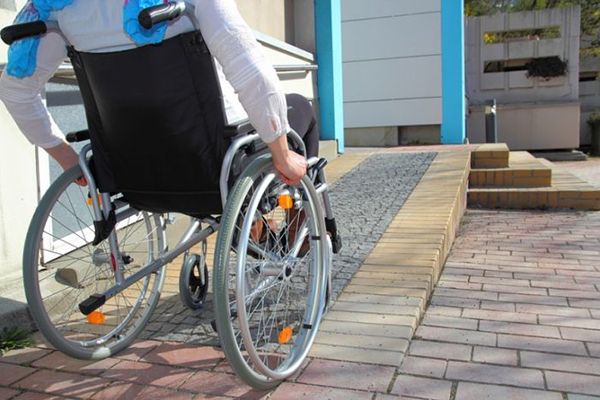
The social model forces us to recognize how our built environment and societal attitudes create the disability. For instance, architectural and physical barriers in the community restrict the independent mobility of individuals with physical disabilities. A student who uses a wheelchair is not disabled by the wheelchair; they are disabled by a building that only has stairs.
Ableism and Stigma
The prevailing societal attitude toward disability is often prejudiced. Ableism is a societal prejudice that discriminates against individuals with disabilities, treating them as inferior or less capable. This is not just a theoretical concept; it has severe, practical consequences for your students. Societal stigma surrounding mental health or cognitive disabilities often delays families from seeking early intervention services. Parents may resist a label of Autism or Emotional Disturbance out of fear that society will permanently ostracize their child, inadvertently denying the child vital early support.
In schools, ableism often manifests subtly. Microaggressions are subtle, everyday societal slights or insults directed toward marginalized groups, including individuals with disabilities. This might sound like a teacher acting surprised that an autistic student gave an insightful answer, or speaking to a student with a physical disability as if they were an infant. Furthermore, a lack of inclusive representation in school curricula reinforces societal marginalization of individuals with disabilities. When students never see historical figures, scientists, or authors who share their neurodivergence or physical differences, they internalize the idea that they do not belong in those spaces.
As a special educator, your classroom is a microcosm of the broader society. The biases of the outside world routinely filter through the classroom door, affecting both instruction and assessment.
Systemic Bias and Disproportionality
Special education is meant to be an objective system of supports, but the data tells a different story. Systemic bias contributes to the disproportionate representation of culturally and linguistically diverse students in special education.
This is not a statistical anomaly; it is a well-documented failure of assessment and interpretation. For example, African American students are statistically overrepresented in special education categories such as emotional disturbance and intellectual disability. This often stems from culturally biased standardized testing and the misinterpretation of cultural behaviors as defiance or cognitive deficit.
When a student’s home culture operates on different behavioral norms than the school's dominant culture, friction occurs. Cultural dissonance between a student's home environment and the school environment can impede academic engagement. A student who is taught at home that making direct eye contact with an authority figure is disrespectful might be disciplined by a teacher who interprets a lack of eye contact as "avoidance" or "inattention."
Intersectional Marginalization
Students do not exist as single data points. They exist at the intersection of multiple identities.
Intersectional Marginalization Occurs when a student experiences compounding systemic barriers due to multiple identities, such as race, poverty, and disability.
A wealthy, white student with dyslexia faces hurdles, but a low-income, African American student with dyslexia faces a profoundly different, compounding set of systemic barriers. Understanding intersectionality allows you to anticipate the multilayered advocacy your students will require.

The Physics of Expectations
In quantum mechanics, the mere act of observing a particle changes its behavior. In education, we have a similar phenomenon. The Pygmalion effect occurs when a teacher's high or low expectations directly influence a student's educational performance.
If you look at an IEP, see a low IQ score or a history of behavioral issues, and internally decide the student is incapable of higher-order thinking, the student will sense it. You will ask them fewer challenging questions, give them less wait-time, and accept substandard work. Consequently, low teacher expectations for students with disabilities can result in a self-fulfilling prophecy of lowered academic achievement. As a special educator, you must fiercely guard your own expectations; they are the invisible scaffolding upon which your students build their self-concept.
The ultimate goal of special education is not merely to get a student through the 12th grade; it is to prepare them to survive and thrive in a society that was not designed for them.
The economic reality for adults with disabilities is stark. Individuals with disabilities experience significantly higher rates of unemployment compared to individuals without disabilities. This is the culmination of ableism, architectural barriers, and educational achievement gaps.
To combat this, special education law intervenes structurally. The Individuals with Disabilities Education Act (IDEA) mandates transition planning to help mitigate societal barriers to post-secondary employment. Beginning no later than age 16 (and often earlier depending on state law), IEP teams must develop specific, measurable post-secondary goals related to training, education, employment, and independent living skills. We use transition planning to build a bridge over the societal chasms of ableism and inaccessible environments.
Understanding the environmental and societal influences on your students transforms you from a mere technician of instruction into an architect of equity. When you recognize that a student's reading deficit may be intertwined with food insecurity, neighborhood lead levels, and systemic bias, you stop blaming the student for the symptoms of their environment. You begin, instead, to manipulate that environment to give the seed a chance to grow.