Theory and Practice of Effective Classroom Management
Not sure you’re ready?
Take the ~3-minute readiness diagnostic and see where you stand.
An effective special education classroom operates much like a fluid dynamics simulation. To the untrained eye, a sudden behavioral outburst, a wandering student, or a beautifully orchestrated transition appears entirely random. Yet, beneath the surface of every flipped desk, every perfectly executed reading group, and every quiet moment of focus, there are distinct, observable laws of human behavior at play. Our task as educators is not to suppress the inherent energy of our students, but to understand the underlying mechanics of their actions and engineer an environment where learning is the path of least resistance.
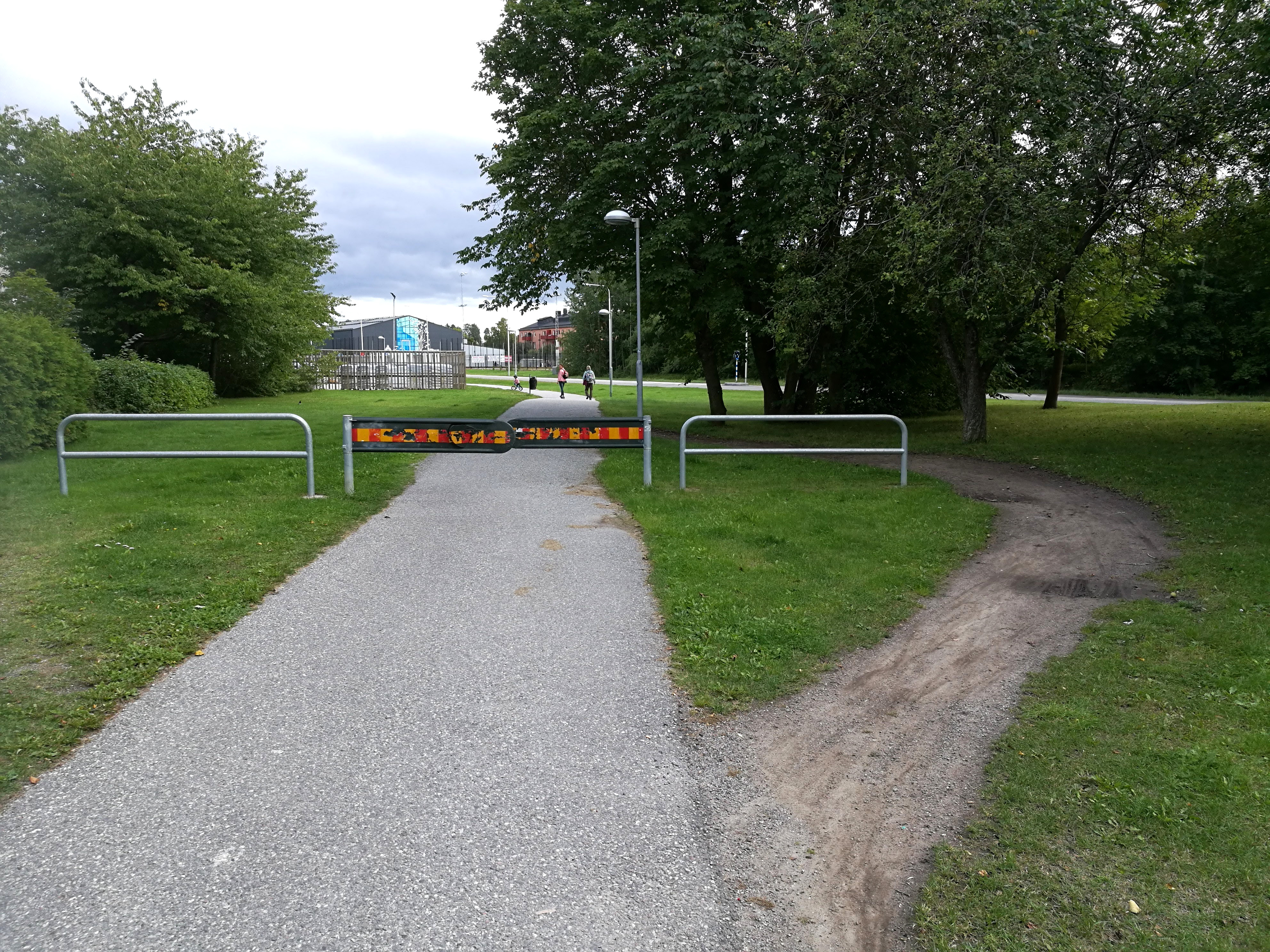
To master classroom management, we must first master the theoretical physics of human behavior, and then translate those theories into the concrete architecture of a comprehensive daily plan.
When a student continuously interrupts your phonics lesson, your response depends entirely on the theoretical lens through which you view the interruption. Over the past century, researchers have provided us with several robust frameworks to interpret and manage these classroom dynamics.
The Mechanics of Consequence: Behaviorism
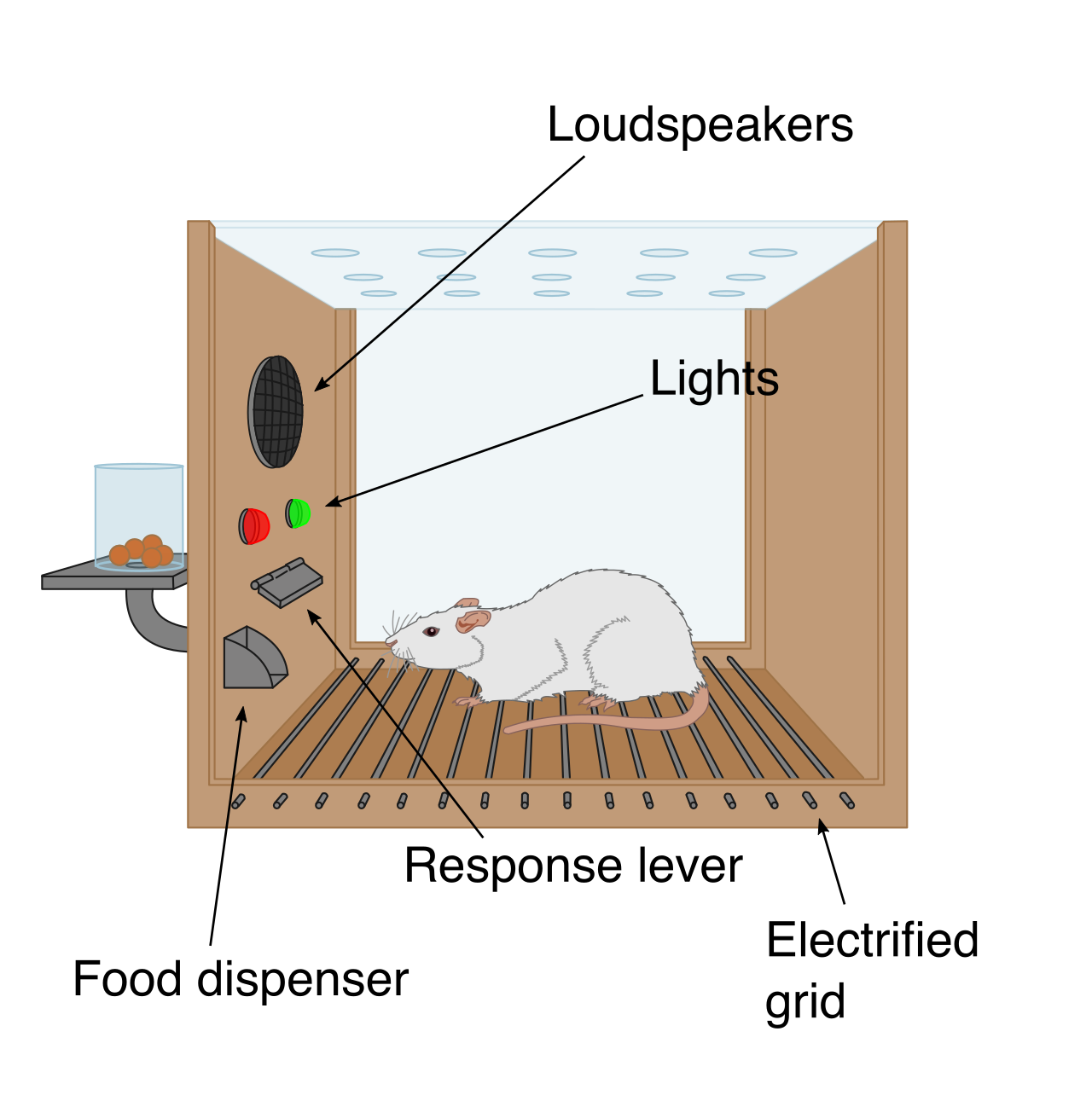
At the foundation of behavioral science is B.F. Skinner's behaviorism theory, which posits that human behavior is shaped and maintained by its consequences. In this model, behavior is not a mysterious internal flaw; it is a learned response to the environment.
Skinner identified three primary levers you can pull to shape behavior:
- Positive reinforcement involves adding a desirable stimulus immediately following a behavior to increase the future frequency of that behavior. (Example: Handing a student a preferred sticker the moment they raise their hand instead of shouting out.)
- Negative reinforcement involves removing an aversive stimulus immediately following a behavior to increase the future frequency of that behavior. (Example: Removing the requirement to complete the final three math problems because the student stayed focused for 15 solid minutes.)
- Punishment is any consequence presented immediately following a behavior that decreases the future frequency of that behavior.
In special education, we operationalize Skinner's principles through Applied Behavior Analysis (ABA), which applies behaviorist principles to systematically change socially significant behaviors in educational settings. A classic ABA classroom tool is the token economy—a behavior management system where students earn symbolic tokens for desired behaviors. Just like earning wages to spend on the weekend, students exchange tokens earned in a token economy for preferred backup reinforcers (such as computer time or a tangible prize).
The Internal Engine: Motivation and Belonging
Behaviorism explains the how of habit formation, but what drives the why?
William Glasser's Choice Theory asserts that all human behavior is driven by the internal desire to satisfy five basic psychological needs.
The Five Basic Needs (Choice Theory)
- Survival
- Love and belonging
- Power
- Freedom
- Fun
If a student with ADHD feels powerless during a difficult reading task, they may rip up the paper—a maladaptive attempt to regain power and freedom. Teachers applying Choice Theory do not just punish the ripped paper; they create learning environments that help students fulfill their basic psychological needs in positive ways (e.g., offering the student a choice between two different reading passages).
Similarly, Rudolf Dreikurs proposed that all misbehavior is the result of a child's mistaken belief about how to gain a sense of belonging. When a student disrupts your class, they are essentially saying, "I only matter if I control this room." Dreikurs identified four specific mistaken goals of misbehavior: attention-getting, power-seeking, revenge, and displaying inadequacy.
To correct these mistaken beliefs, Dreikurs emphasized consequence over punishment:
- Logical consequences are disciplinary measures directly and rationally related to the student's misbehavior (e.g., a student writes on the desk, so they must scrub the desk clean).
- Natural consequences occur without adult intervention as a direct result of a child's action (e.g., a student refuses to wear a coat to recess, so they feel cold).
The Architecture of Authority and Communication
How you communicate your boundaries dictates the culture of your classroom. Lee and Marlene Canter developed the Assertive Discipline model, which operates on a fundamental premise: the model emphasizes the teacher's right to teach and the student's right to learn without disruption. In this framework, assertive teachers clearly communicate expectations and consistently follow through with established consequences for student choices. There is no arguing; there is only the rule and the reality.
However, assertiveness must not strip a student of their dignity. Haim Ginott's theory of Congruent Communication emphasizes addressing the specific situation rather than criticizing the student's character. (You say, "Books belong on the desk," instead of, "You are being so disrespectful.") Building on this relational approach, Thomas Gordon's Teacher Effectiveness Training focuses on active listening and using "I-messages" to resolve classroom conflicts without damaging relationships (e.g., "When there is talking during silent reading, I feel frustrated because it breaks our concentration").
The Physics of the Classroom: Jacob Kounin
While Skinner and Glasser help us react to behavior, Jacob Kounin identified specific proactive teacher behaviors that prevent classroom management problems before they occur. Kounin realized that master teachers possess a sort of classroom radar.
- Withitness is a teacher's ability to remain continuously aware of all student activity in the classroom. You have "eyes in the back of your head."
- Overlapping is a teacher's ability to attend to multiple classroom events and student needs simultaneously (e.g., handing a pencil to a wandering student while continuing to read aloud to the group).
- Momentum in classroom management refers to keeping lessons moving at a brisk pace without interruptions or slowdowns. Boredom is the enemy of behavior.
- The ripple effect occurs when a teacher corrects one student and the surrounding students change their behavior accordingly.
Today, we synthesize these theories into a macro-structure known as Positive Behavioral Interventions and Supports (PBIS). PBIS is a multi-tiered framework for establishing a positive school culture. Think of it as a public health model for behavior.
| PBIS Tier | Scope & Definition | Example |
|---|---|---|
| Tier 1 | Includes universal behavioral expectations explicitly taught to all students. | School-wide "Be Safe, Be Respectful" assemblies and classroom matrices. |
| Tier 2 | Provides targeted, small-group interventions for at-risk students. | "Check-In/Check-Out" mentoring groups for students who struggle with morning transitions. |
| Tier 3 | Offers intensive, individualized interventions for students with severe behavioral needs. | A highly customized, daily behavioral contract and one-on-one paraprofessional support. |
Theoretical knowledge is useless without operational design. As a special educator, your most powerful proactive tool is a comprehensive classroom management plan, which defines the behavioral expectations, routines, and consequences for the learning environment.
1. Spatial and Procedural Foundation
Before a single student enters your room, you must engineer the physical space. The physical arrangement of a classroom must allow the teacher to see all students from any location in the room. This is the prerequisite for Kounin's withitness. Furthermore, high-traffic areas in the classroom must be kept free of physical congestion to prevent peer conflicts and behavioral incidents. The pencil sharpener, the turn-in bin, and the door should not be choke points.
Next, you establish rules and procedures:
- Classroom rules must be stated in positive terms to tell students exactly what behavior is expected of them. (Instead of "No running," write "Walk safely inside.")
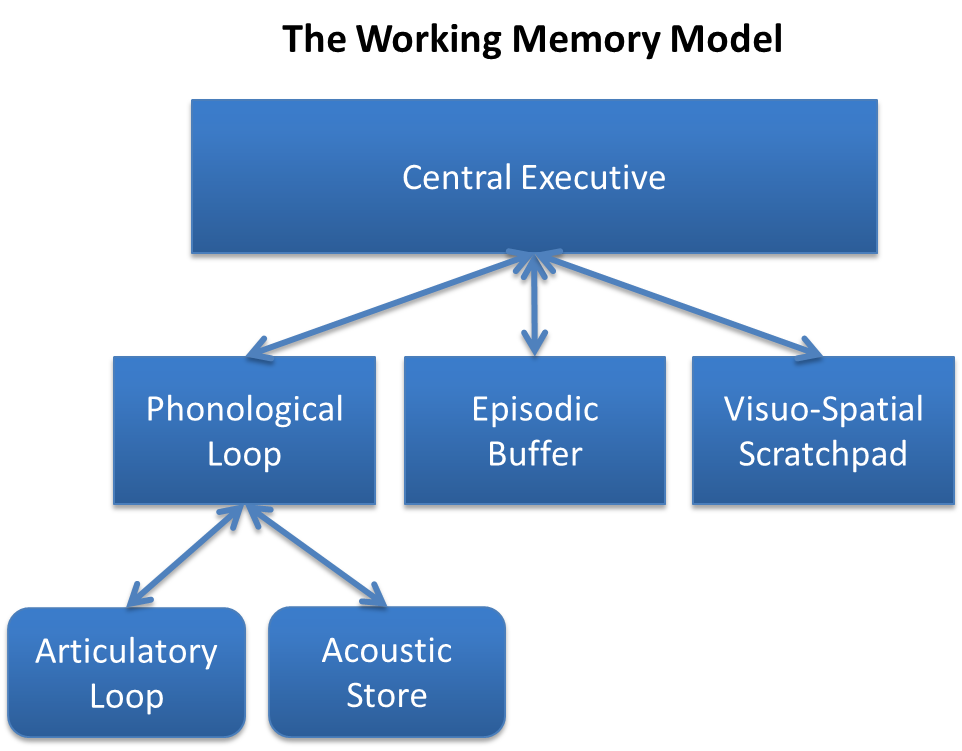
- Effective classroom management plans limit the number of overarching classroom rules to between three and five. Working memory is limited; a 20-rule list is impossible for a student with cognitive delays to internalize.
- These classroom rules must be explicitly taught, modeled, and practiced at the beginning of the school year to ensure student understanding.
- While rules govern general behavior, classroom procedures outline the specific steps students must take to successfully complete recurring daily tasks (like asking for the restroom or transitioning to math centers).
- Establishing clear routines minimizes downtime during transitions between instructional activities. As Kounin noted regarding momentum, dead time in a classroom is a behavioral vacuum that misbehavior will instantly fill.
2. Instructional Dynamics
The greatest classroom management strategy ever invented is highly engaging instruction. Increased academic engagement directly correlates with a significant decrease in disruptive classroom behaviors.
To maintain this engagement, providing frequent opportunities to respond increases student engagement during whole-group instruction. If you are lecturing for 10 minutes without asking students to hold up a whiteboard, give a thumbs-up, or turn-and-talk, you are losing them.
While students are working, you must deploy active supervision, which requires teachers to constantly monitor the classroom through moving, scanning, and interacting with students. You are not glued to your desk; you are navigating the room, catching students doing the right thing.
3. The Feedback Loop
Inevitably, rules will be broken. Your response must be predictable, not emotional.
- A hierarchy of consequences details a graduated progression of teacher responses to minor rule violations. (e.g., 1. Proximity control, 2. Verbal redirection, 3. Loss of preferred activity time). Predictability creates safety for students with trauma or anxiety.
- To ensure the classroom does not become a punitive environment, teachers must deliver positive feedback more frequently than corrective feedback to maintain a supportive classroom climate. The golden ratio is typically 4:1—four positive interactions for every one correction.
Despite a flawless Tier 1 classroom management plan, some students in special education will exhibit severe, persistent behaviors. When a car's check-engine light comes on, a mechanic doesn't just smash the light; they run a diagnostic to figure out why the light is on.
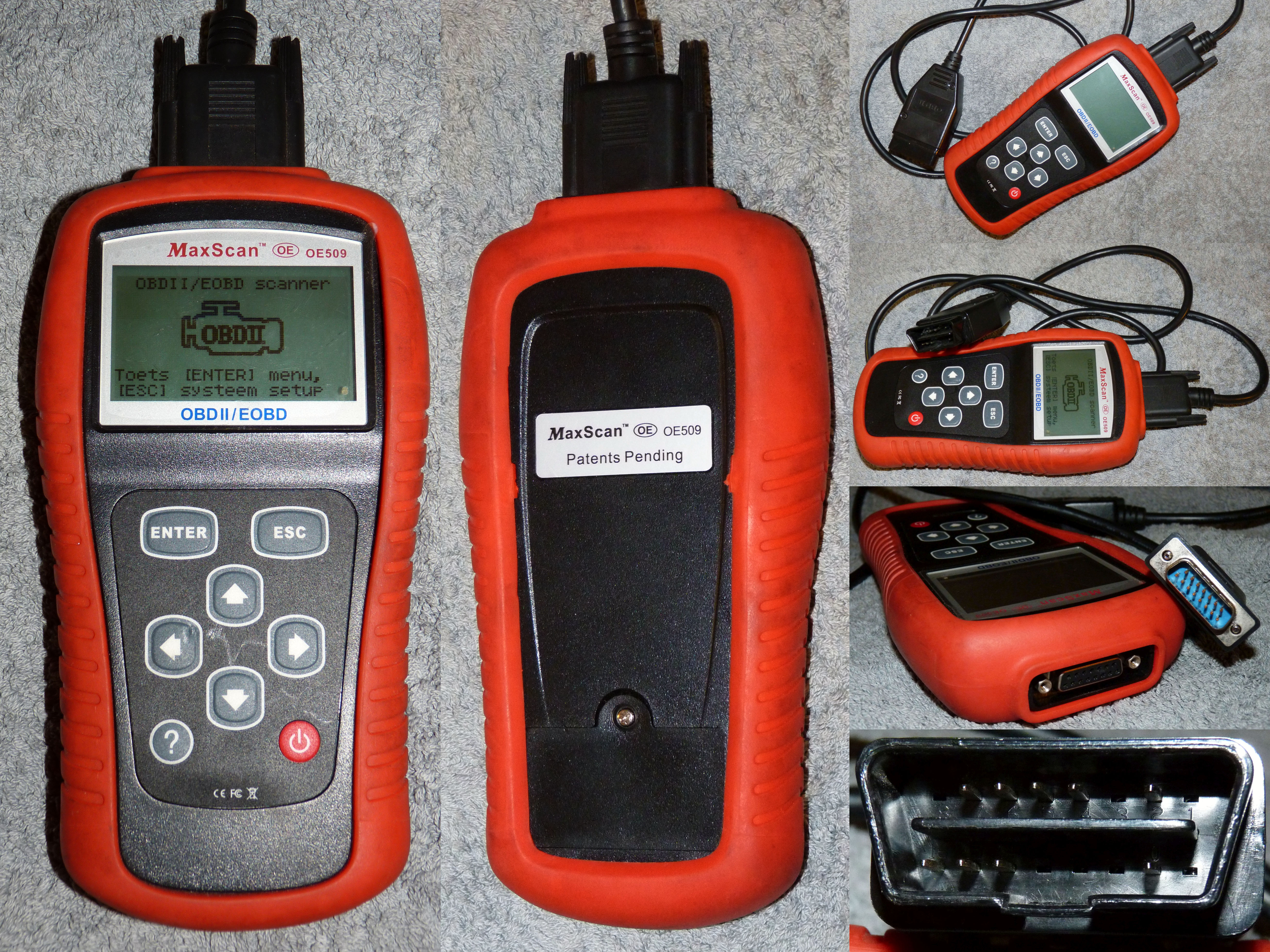
In special education, this diagnostic is a Functional Behavior Assessment (FBA), which identifies the underlying purpose of a student's persistent problem behavior. Are they throwing chairs to escape a difficult math task (negative reinforcement), or to gain peer attention (positive reinforcement)?
Once we know the why, we draft the blueprint for change: a Behavior Intervention Plan (BIP). The BIP uses data from a Functional Behavior Assessment to teach positive replacement behaviors. If the FBA reveals the student throws chairs to escape difficult work, the BIP does not simply state "punish chair throwing." It explicitly teaches the student to raise a "Break Card" when overwhelmed, safely satisfying their need for escape without disrupting the classroom ecosystem.
Mastering classroom management is not about achieving absolute silence or demanding rigid compliance. It is about deeply understanding the theories of human behavior—the reinforcement mechanics of Skinner, the internal drives of Glasser, the systemic flow of Kounin—and engineering an environment where your students feel so secure, so engaged, and so understood, that their natural drive to learn simply takes over.