Understand How to Manage Student Behavior
Not sure you’re ready?
Take the ~3-minute readiness diagnostic and see where you stand.
Behavior is not a random phenomenon. It is governed by a set of observable, predictable rules, much like the laws of physics. When a student sweeps their materials off a desk or repeatedly taps a pencil, they are not acting out of a spontaneous glitch in the universe. They are executing a calculated, albeit often subconscious, equation designed to alter their environment. To manage a special education classroom effectively, we must stop reacting emotionally to the symptoms of behavior and begin rigorously dissecting its anatomy.
In this text, we will dismantle the machinery of student behavior. By understanding the levers and pulleys that drive human action, you can design an environment where appropriate behavior becomes the path of least resistance.
To change a behavior, we first have to agree on how to define and measure it. In behavioral science, we rely on a deceptively simple framework. The ABC model of behavior stands for Antecedent, Behavior, and Consequence.
Think of the ABC model as a chronological timeline of an event:
- Antecedent: An antecedent is the event or stimulus that occurs immediately before a behavior. It is the trigger. It could be a teacher handing out a math worksheet, a loud noise in the hallway, or a peer rolling their eyes.
- Behavior: A behavior in the ABC model must be an observable and measurable action. We cannot measure a student "being frustrated" or "acting out." We can measure a student "tearing a paper into pieces" or "screaming for 45 seconds." If a dead man can do it (e.g., "sitting quietly," "not swearing"), it is not an active behavior we are targeting.
- Consequence: A consequence is the event or stimulus that occurs immediately after a behavior. In everyday language, we treat "consequence" as a synonym for "punishment." In science, it is entirely neutral. A consequence might be being sent to the principal, but it could equally be a teacher sighing, a peer laughing, or a headache disappearing. Crucially, the consequence in the ABC model determines the likelihood of the behavior recurring in the future.
Why do students do what they do? All human behavior serves a specific function or purpose for the individual. It is a tool they are using to get something they want or avoid something they do not want.
Behavior analysts have categorized these purposes into four buckets. The four primary functions of behavior are sensory stimulation, escape, access to attention, and access to tangibles. You can remember this with the acronym SEAT.
| Function | Definition | Classroom Example |
|---|---|---|
| Sensory | Sensory-maintained behavior occurs because the physical sensation of the behavior is inherently reinforcing. It feels good to the nervous system. | A student rocking back and forth in their chair or humming quietly to themselves. |
| Escape | Escape-maintained behavior occurs to avoid a demand or undesirable situation. | A student throws a pencil when handed a difficult reading passage, resulting in removal from the lesson. |
| Attention | Attention-maintained behavior occurs to gain social interaction from peers or adults. | A student tells a loud joke during independent work to make peers laugh or to get the teacher to scold them. |
| Tangible | Tangible-maintained behavior occurs to obtain a specific item or activity. | A student grabs an iPad out of another student's hands to play a game. |
When a behavior becomes chronic or dangerous, we must launch a formal investigation to determine its function. We cannot guess; we must gather data.
A Functional Behavioral Assessment is a process used to identify the underlying function of a specific behavior. An FBA is the scientific method applied to human action. It consists of two main types of data collection:
- Indirect assessments in a Functional Behavioral Assessment include interviews and rating scales. We talk to parents, teachers, and the student to gather historical context.
- Direct observations in a Functional Behavioral Assessment involve recording data on the behavior in the natural environment. We sit in the classroom with a stopwatch and tally counter, objectively noting the antecedents and consequences as they unfold in real time.
Legal Imperative: Under federal law, an FBA is not just a good idea—it is sometimes a civil rights mandate. The Individuals with Disabilities Education Act requires a Functional Behavioral Assessment when a student's behavior results in a disciplinary change of placement (such as suspensions accumulating to more than 10 days).
Once we know why the behavior is happening, we must build a system to address it. A Behavior Intervention Plan is a written document detailing specific strategies to reduce problem behaviors.
Because behavior is logical, a Behavior Intervention Plan must be based on the results of a Functional Behavioral Assessment. If you do not know the function, your intervention will fail. (For example, if you put a student in "time-out" for an escape-maintained behavior, you have accidentally rewarded them!)
A robust BIP does not just tell a student what not to do. It engineers the environment for success. Therefore:
- A Behavior Intervention Plan includes antecedent strategies to prevent the problem behavior from occurring. (e.g., If the antecedent is a 20-problem math worksheet, we cut the worksheet in half).
- A Behavior Intervention Plan must include strategies to teach and reinforce replacement behaviors.
- A replacement behavior is a socially acceptable action that serves the exact same function as the problem behavior. If a student flips a desk to escape a task, the replacement behavior must also grant them escape—such as teaching them to hand the teacher a "break card."
To shape behavior over time, we use operant conditioning. The terminology here is strict. "Positive" means adding something to the environment. "Negative" means removing something from the environment. "Reinforcement" means the behavior will increase. "Punishment" means the behavior will decrease.
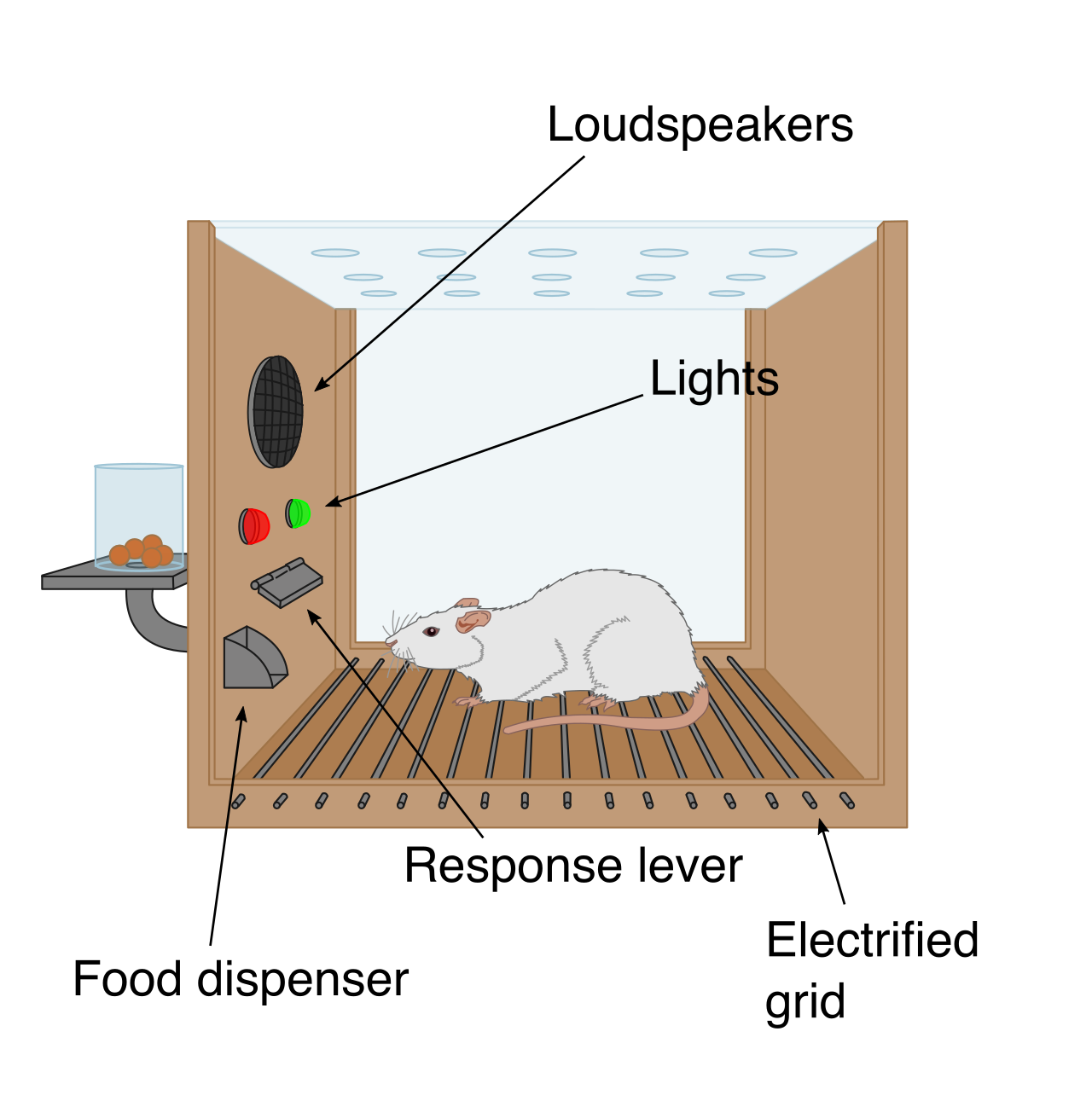
- Positive reinforcement involves adding a desirable stimulus after a behavior to increase the future frequency of that behavior. (A student finishes their work, so you give them five minutes of free time).
- Negative reinforcement involves removing an aversive stimulus after a behavior to increase the future frequency of that behavior. (A student is overwhelmed by classroom noise, so you allow them to put on noise-canceling headphones, removing the loud noise and increasing the likelihood they will ask for headphones tomorrow).
- Positive punishment involves adding an aversive stimulus after a behavior to decrease the future frequency of that behavior. (A student runs in the hall, so they are assigned extra homework).
- Negative punishment involves removing a desirable stimulus after a behavior to decrease the future frequency of that behavior. (A student talks during a movie, so you turn off the movie).
A Critical Distinction: Do not confuse negative reinforcement with punishment! Negative reinforcement increases a behavior (by taking away something annoying). Punishment decreases a behavior.
Schedules of Reinforcement and Economies
How often should you reinforce a behavior? It depends on the student's mastery of the skill.
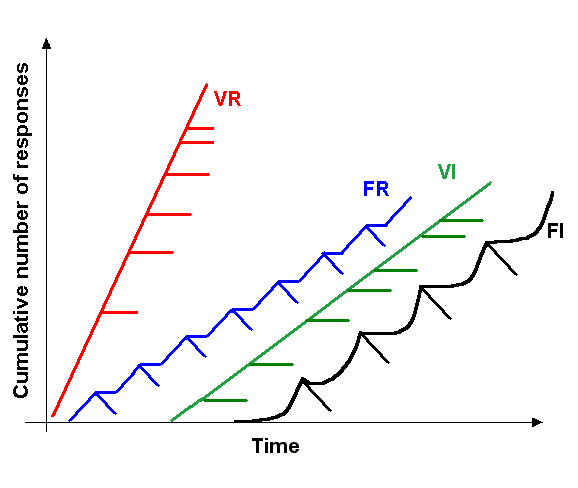
- Continuous reinforcement provides a reinforcer every single time the target behavior occurs. Because of its density, continuous reinforcement is most effective when teaching a completely new skill or behavior.
- Intermittent reinforcement provides a reinforcer only some of the times the target behavior occurs. Once the student knows the skill, we fade the reward. Intermittent reinforcement is most effective for maintaining an already learned behavior over time.
For complex classrooms, we often systematize this using a localized currency. A token economy is a behavior modification system where students earn tokens for appropriate behaviors. These tokens are meaningless on their own, but tokens earned in a token economy can be exchanged for backup reinforcers (like stickers, computer time, or snacks).
Sometimes, we need to stop reinforcing a behavior that has inadvertently been rewarded. Extinction is the process of completely withholding reinforcement for a previously reinforced behavior. If a student previously got attention by blurting out answers, extinction means the teacher completely ignores the blurting. Naturally, the goal of extinction is to decrease the frequency of a target behavior.
But be warned: human nature fights back. An extinction burst is a temporary increase in the intensity of a behavior immediately following the implementation of extinction. Analogy: Imagine a vending machine. You put your money in, press the button, and nothing happens. Do you immediately walk away? No. You press the button harder. You hit the machine. You shake it. That is an extinction burst. If you hold your ground and do not dispense the reinforcer, the behavior will eventually die out.
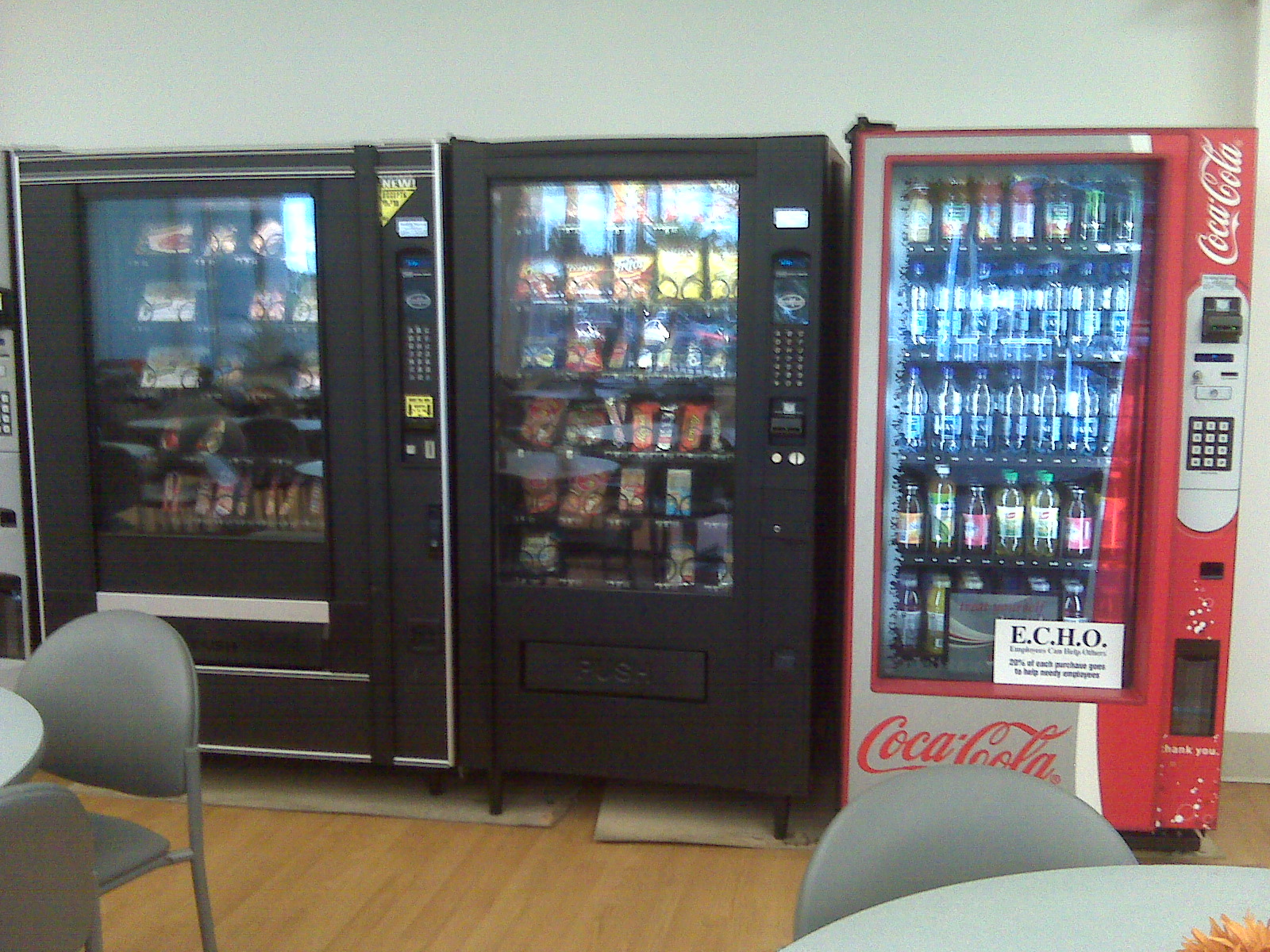
A common application of this is planned ignoring, an extinction strategy used specifically for behaviors maintained by adult attention.
However, extinction should rarely be used in isolation. We pair it with differential reinforcement, which involves reinforcing a desired behavior while simultaneously withholding reinforcement for an undesired behavior. You ignore the student when they blurt out (extinction), but the millisecond they raise their hand quietly, you praise them enthusiastically (reinforcement).
The best teachers do not wait for behavior problems to occur.
- Reactive behavior management involves responding to challenging behaviors after the challenging behaviors have already occurred. (This is necessary, but exhausting).
- Proactive behavior management focuses on altering the learning environment to prevent challenging behaviors from occurring.
Positive Behavioral Interventions and Supports (PBIS)
Schools organize proactive management into a hierarchy. Positive Behavioral Interventions and Supports is a multi-tiered framework for establishing school-wide social culture and behavioral supports. It operates like public health:
- Tier 1 of Positive Behavioral Interventions and Supports provides universal behavioral expectations for all students. This is the baseline: school-wide rules ("Be Safe, Be Respectful"), assemblies, and consistent routines applied to 100% of the building.
- Tier 2 of Positive Behavioral Interventions and Supports provides targeted interventions for small groups of students exhibiting at-risk behaviors. These students need a little extra help. For example, Check-In Check-Out is a Tier 2 behavioral intervention involving daily feedback from a mentor regarding specific behavioral goals. The student checks in with a preferred adult in the morning to set goals, and checks out in the afternoon to review points earned.
- Tier 3 of Positive Behavioral Interventions and Supports provides intensive interventions for students with the most severe behavioral challenges. This includes highly individualized FBAs and BIPs for the 1-5% of students whose behaviors are dangerous or deeply disruptive.
Finally, never forget that excellent pedagogy is the ultimate behavior management tool. When students are engaged, they do not have time to be disruptive.
To optimize the classroom environment:
- Establishing clear classroom routines reduces transition times. When students know exactly how to enter the room, turn in homework, and gather materials, they operate on autopilot. Consequently, establishing clear classroom routines minimizes opportunities for disruptive behaviors.
- Ensure instructional pacing is brisk. High rates of opportunities to respond during instruction are correlated with increased academic engagement. Whether it is choral responding, whiteboards, or turn-and-talks, keeping brains busy prevents mischief. Predictably, high rates of opportunities to respond during instruction are correlated with decreased disruptive behavior.
- Praise effectively. "Good job" is weak. Behavior-specific praise explicitly names the desired behavior a student has performed ("Thank you, Sarah, for opening your book to page 42 so quickly"). Because it provides clear feedback, behavior-specific praise increases the likelihood of a desired behavior recurring.
When teaching complex or difficult skills, frustration often triggers escape-maintained behavior. To prevent this, structure the learning meticulously:
- Task analysis involves breaking a complex behavioral skill into smaller executable steps. (e.g., Instead of "wash your hands," we teach: turn on water, get soap, rub palms for 20 seconds, rinse, get towel).
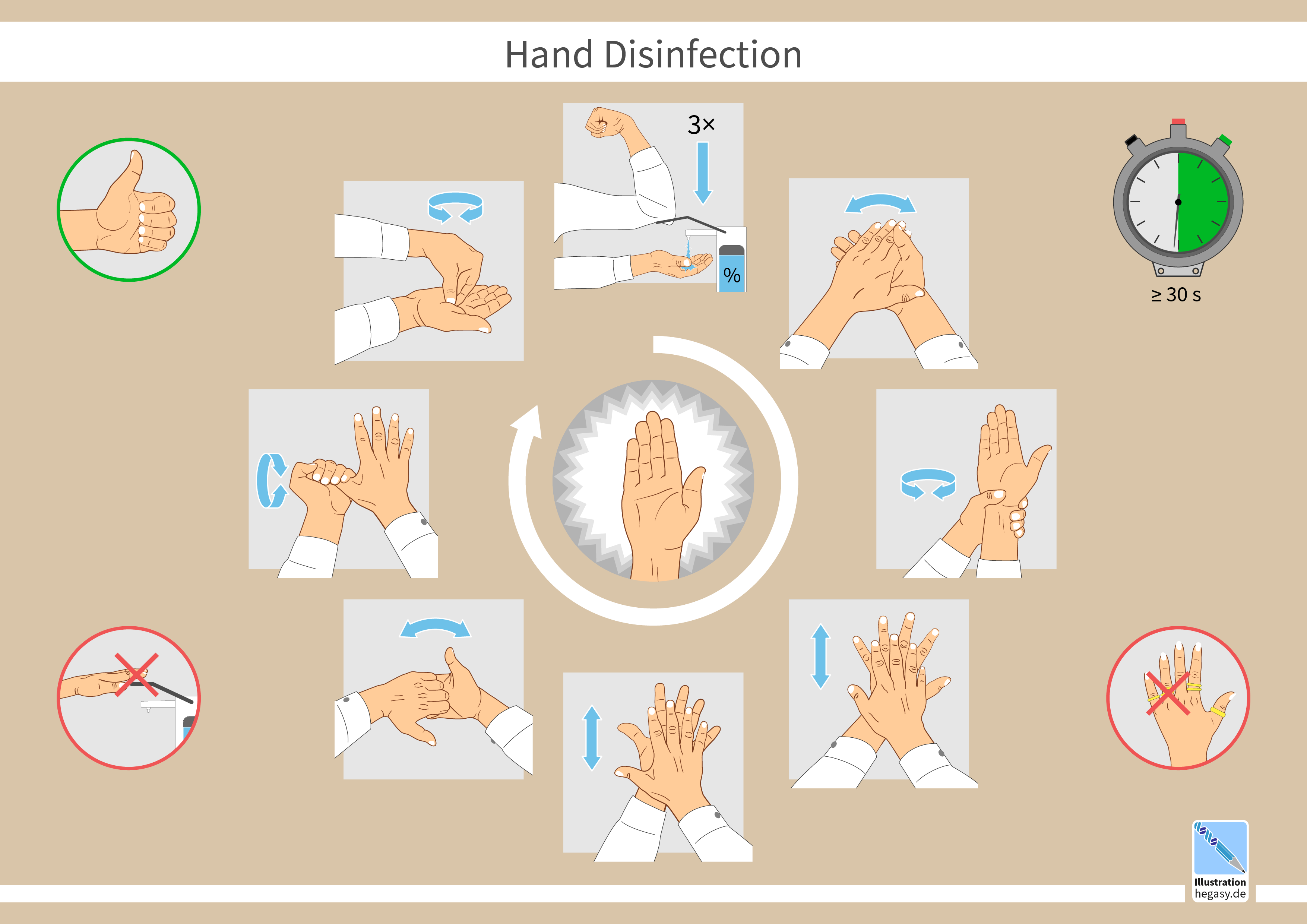
- To ensure success at each step, a prompting hierarchy outlines the sequence of assistance provided to help a student perform a correct behavior (ranging from visual cues, to verbal reminders, to physical hand-over-hand guidance).
- As the student achieves mastery, we use fading, which involves the gradual removal of prompts to encourage a student's independent execution of a behavior.
Behavior is not magic; it is a science. By understanding antecedents, mastering the delivery of consequences, and building a proactive, responsive environment, you shift from simply surviving your classroom to engineering it for profound student success.