Design and Maintenance of a Safe and Supportive Classroom
Not sure you’re ready?
Take the ~3-minute readiness diagnostic and see where you stand.
Consider the construction of a suspension bridge. The visible roadway—the academic curriculum and your daily lesson plans—is entirely dependent on the structural integrity of an unseen foundation. In a special education classroom, that foundation is physical and emotional safety. If a student's brain is continuously scanning the environment for physical barriers, sensory threats, or social hostility, the cognitive energy required to process a math equation simply does not exist. Learning is not a default state; it is an environment-dependent luxury.

To understand classroom design, we must first look at the machinery of a student's mind. Why do we obsess over making a student feel "safe"? It is not simply to be compassionate; it is basic cognitive physics.
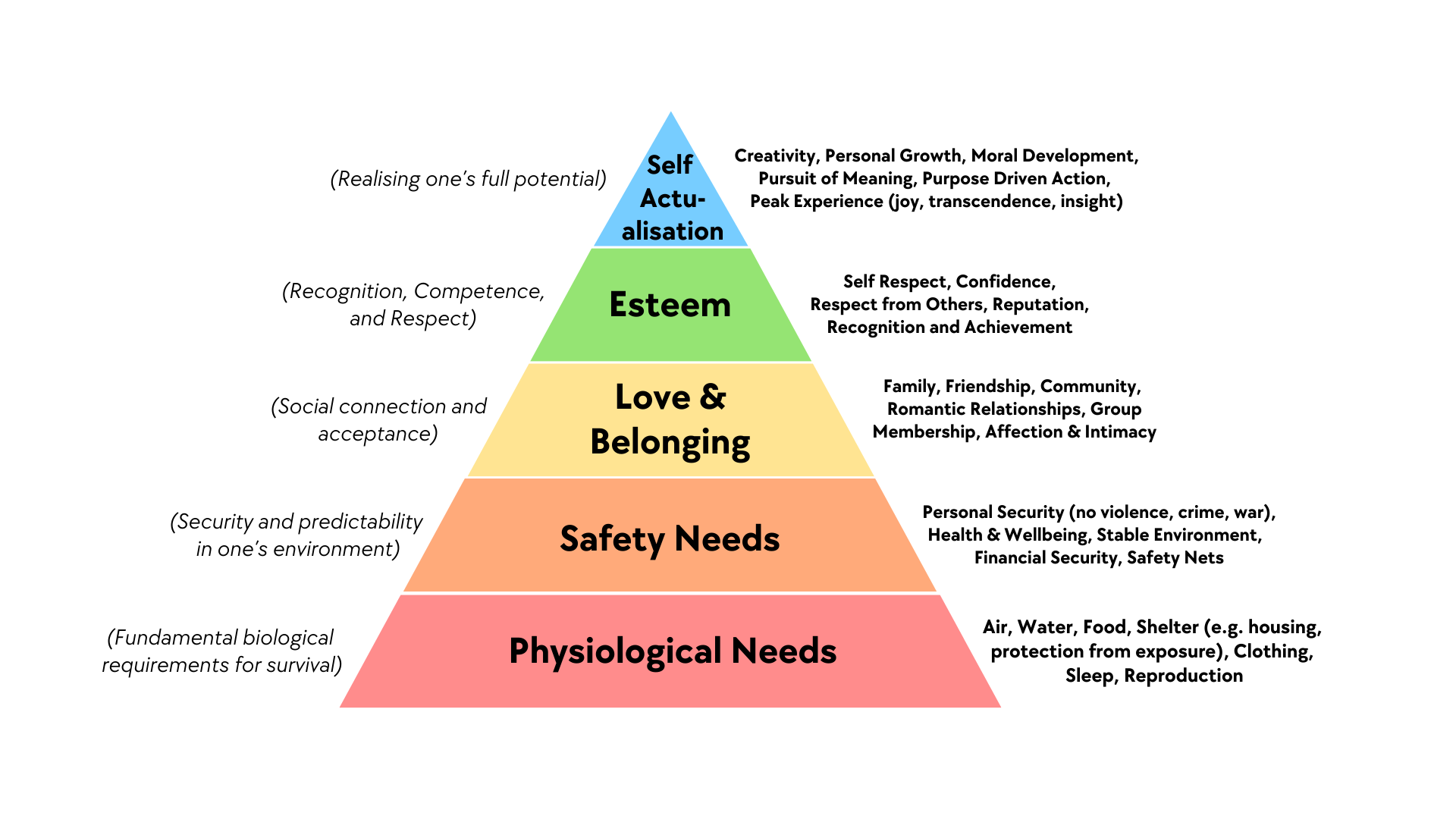
Maslow's Hierarchy of Needs establishes a rigid biological rule: emotional safety needs must be met before cognitive learning occurs. When a student feels threatened or anxious, their amygdala hijacks their brain, running survival algorithms rather than processing academic content.
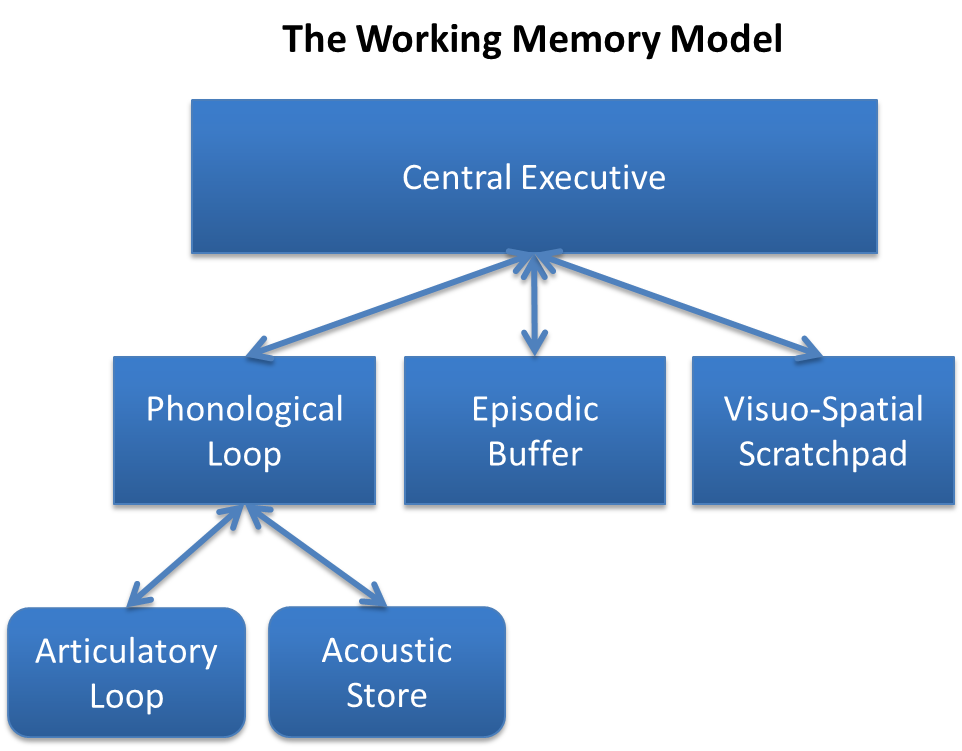
By actively designing for comfort and security, emotional safety directly reduces a student's cognitive load. When a student doesn't have to worry about whether a peer will mock them or if a sudden loud noise will occur, their working memory is freed. This reduced cognitive load allows more mental resources for academic learning.
The Affective Filter: Think of the affective filter as an emotional shield. Emotional safety lowers a student's affective filter. When this neurological defense mechanism drops, a lowered affective filter increases a student's receptivity to new academic information.
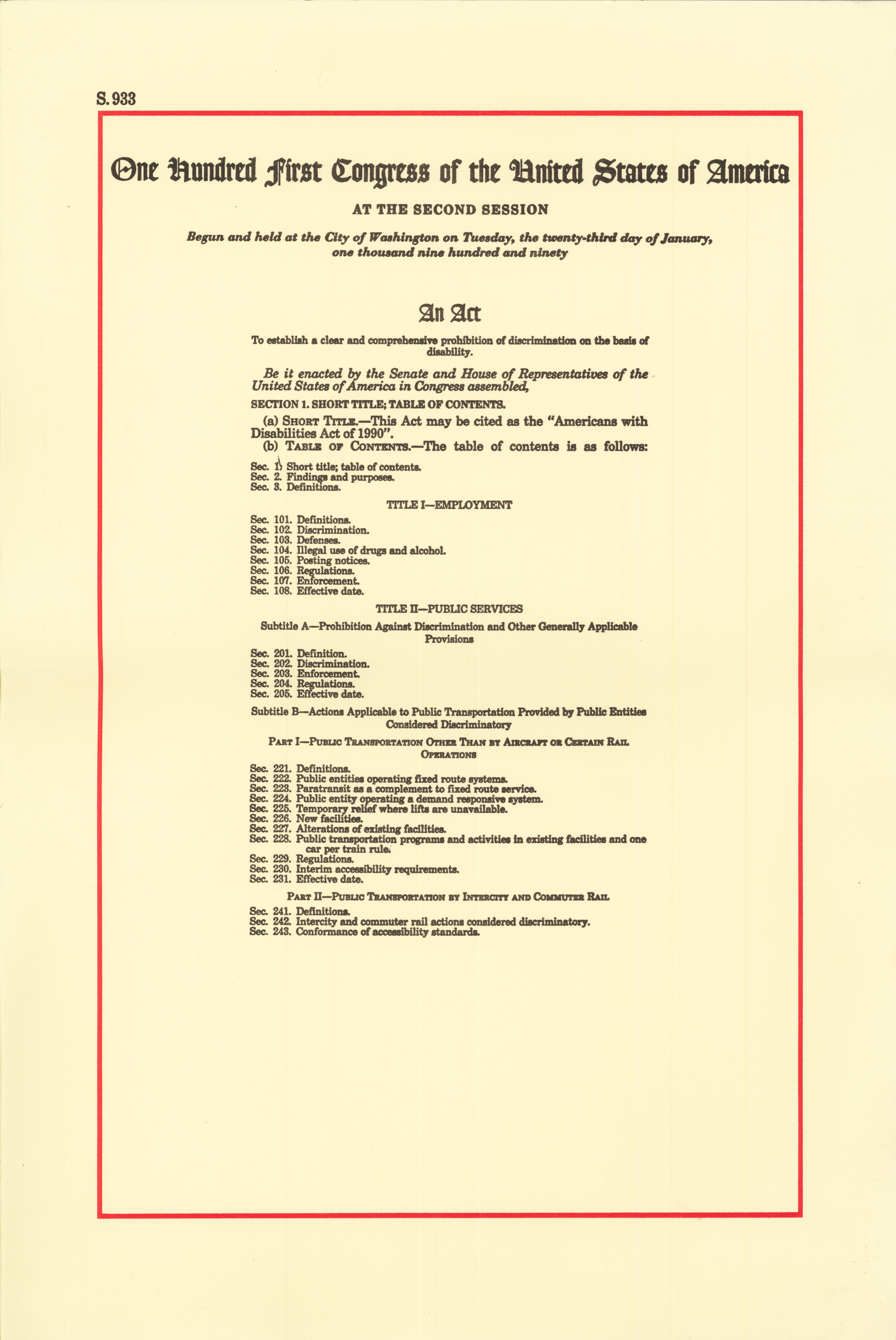
You must learn to look at your classroom layout through the eyes of every disability profile in your room. Physical safety is the first hurdle. The law is explicit here: the Americans with Disabilities Act mandates specific classroom accessibility standards. On a practical level, this means physical safety in a special education classroom requires clear pathways for mobility devices. Similarly, a clean floor isn't just about aesthetics; removing physical clutter from classroom floors prevents tripping hazards for visually impaired students.
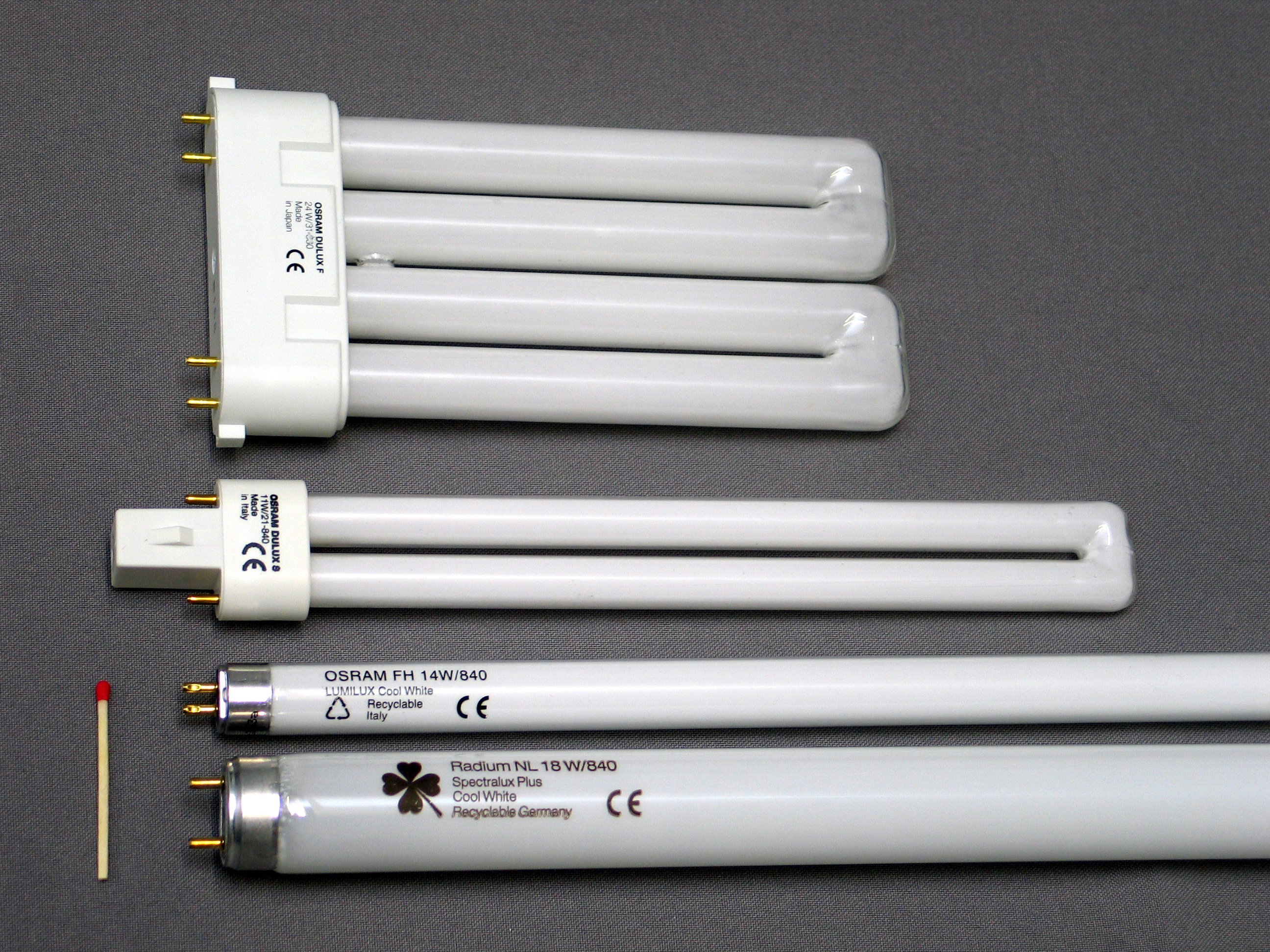
But physical safety extends into the sensory realm. For many students, fluorescent lights, clustered desks, or highly decorated walls register as physical noise. Sensory-friendly classroom designs reduce neurological overstimulation, and reducing sensory overstimulation prevents behavioral meltdowns in susceptible students.
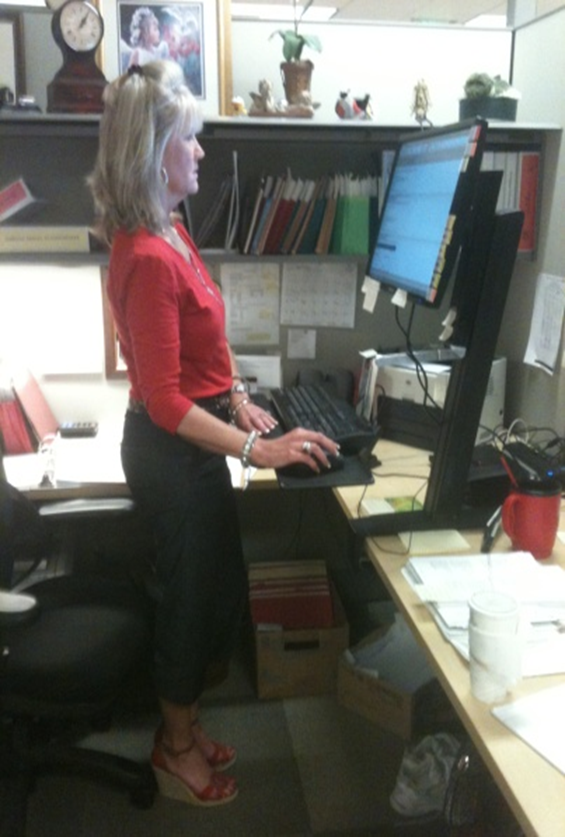
To build an environment that accommodates everyone, incorporate flexible seating, which allows students to choose workspaces meeting individual sensory needs, whether that is a standing desk, a wobble stool, or a quiet alcove. Even the way you store your markers matters: organizing classroom materials in clearly labeled bins reduces student frustration, eliminating the cognitive friction of searching for tools.
Even with a perfect layout, the environment requires a vigilant guardian. Active supervision involves teachers continuously scanning the classroom environment. The IRIS Center identifies active teacher supervision as a primary strategy for classroom safety. Why? Because maintaining this continuous visual radar means active supervision prevents physical injuries during classroom transitions, which are the most vulnerable moments of the school day.
To a student who struggles with executive functioning or processing speed, an unpredictable day is a terrifying day. Predictability is the antidote to fear.
- Predictable daily routines reduce student anxiety.
- As a direct mathematical outcome, this reduced anxiety improves student focus on academic tasks.
How do we build this predictability? Through structured visual and auditory cues. Visual schedules provide environmental predictability. This is incredibly profound for neurodivergent populations; environmental predictability helps students with autism spectrum disorder feel emotionally secure by answering the question "What happens next?" before it even needs to be asked. When moving from one activity to the next, providing verbal warnings before transitions reduces student anxiety, preventing the shock of an abrupt stop.

Behavioral expectations must be just as predictable as the daily schedule. Positive Behavioral Interventions and Supports (PBIS) is a framework for improving classroom climate by proactively teaching behaviors. Under this framework, establishing clear behavioral expectations prevents student confusion. Once those expectations are set, they must be rigid: consistent enforcement of rules fosters a sense of fairness.
When students meet these expectations, how you respond matters. Rather than a vague "Good job," recognize that specific behavior praise reinforces desired actions more effectively than generic praise. Tell the student exactly what they did right to reinforce the predictable outcome of their good choices.
Sometimes, the threat isn't in your room; it resides in a student's past. Trauma-informed teaching practices assume every student may have experienced trauma, meaning you treat all behaviors as potential trauma responses until proven otherwise. Because of this, trauma-informed practices prioritize student emotional security over punitive discipline. You cannot punish a student into feeling safe.
At the very core of this framework is your relationship with the learner. Teacher-student trust is a foundational element of emotional safety. When a student inevitably dysregulates, your response dictates the climate of the room. Validating student feelings during a crisis builds emotional security.
However, validation alone is not enough; we must teach the mechanics of control. Explicit instruction in self-regulation helps students manage emotional distress. You must physically accommodate this instruction: a designated calm-down corner gives students a safe space for emotional self-regulation, allowing them to de-escalate without an audience.
We often forget that the way we teach is a component of classroom safety. Being forced to publicly struggle with impossible tasks is deeply threatening. How do we teach in a way that protects the student's ego?
First, hand over some control. Providing instructional choices builds student autonomy. When a student can choose between writing a paragraph or recording a video response, that student autonomy contributes to a supportive classroom climate.
Second, design for early success. Errorless learning strategies prevent academic frustration by heavily prompting the student toward the correct answer before fading support. Why do this? Because preventing academic frustration maintains student emotional safety, keeping the affective filter low and the mind open.
A classroom is a micro-society. If the society is hostile, the individual shuts down. You must engineer this community deliberately.
Classroom morning meetings build a sense of community among students by starting the day with shared connection. Academically, cooperative learning groups foster positive peer relationships. These relationships are the glue of your room because positive peer relationships enhance a student's sense of classroom belonging, and data clearly shows that a strong sense of belonging correlates with higher academic motivation.
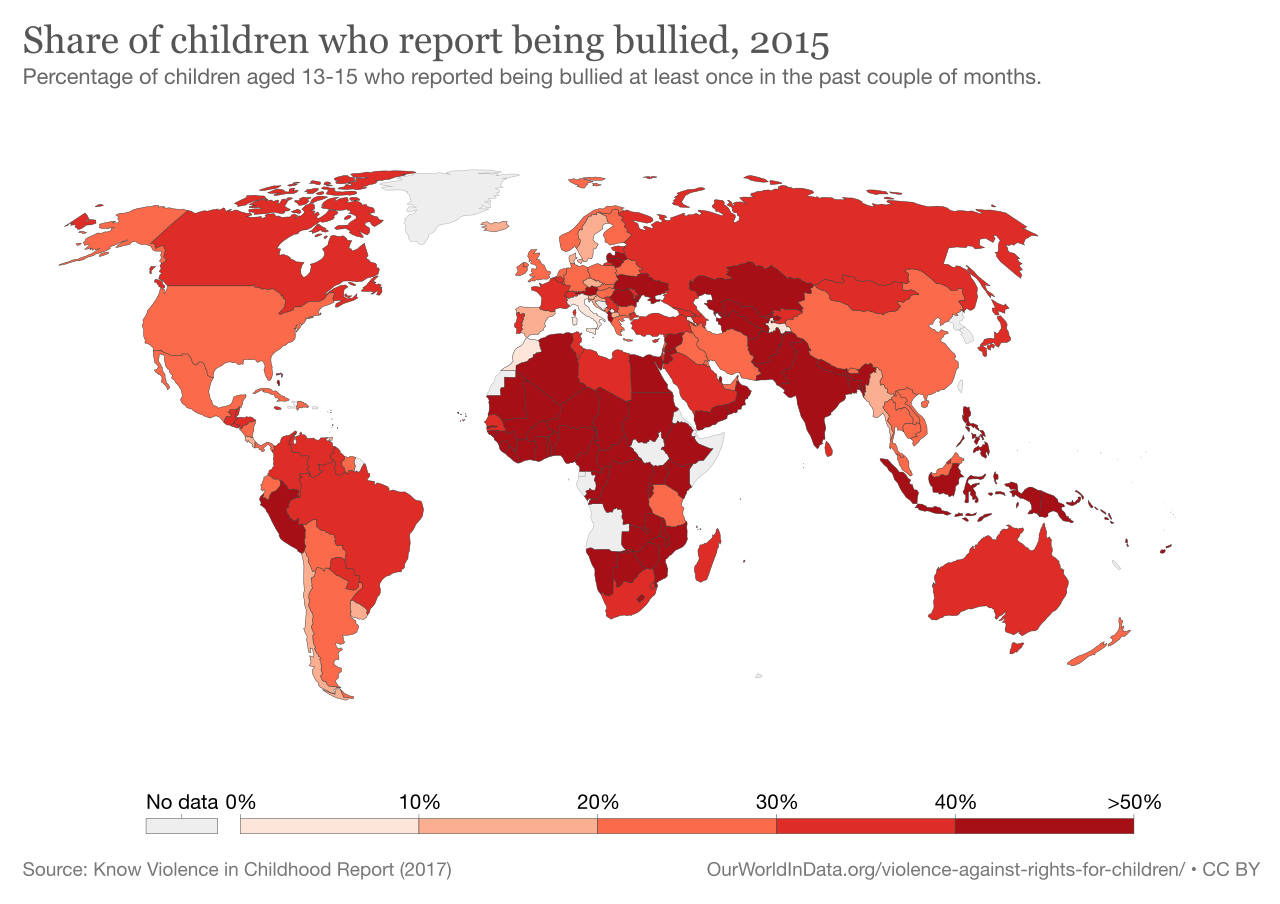
But micro-societies have conflict, and we must be vigilant about a dark statistical reality: bullying rates are statistically higher for students with disabilities compared to non-disabled peers. Because of this vulnerability, anti-bullying interventions are essential for maintaining an emotionally safe learning environment. This starts at the absolute ground level of respect: establishing a zero-tolerance policy for name-calling protects student emotional safety.
When conflict does happen, how do you resolve it without destroying the community fabric? Enter restorative justice.
| Traditional Discipline | Restorative Justice Practices |
|---|---|
| Focuses on what rule was broken. | Restorative justice practices focus on repairing harm. |
| Isolates and penalizes the offender. | Restorative justice practices avoid exclusively punishing the offender. |
| Often breeds resentment. | Restorative justice practices maintain a supportive classroom climate after peer conflicts by bringing parties together to understand impact. |
Safety in a special education classroom is not a poster on the wall or a lesson taught once in September. It is the continuous, deliberate engineering of physical space, routine, emotional validation, and community. Master this, and you construct a foundation strong enough to hold the weight of true academic achievement.