Impact of Language, Cultural, and Gender Differences on Identification
Not sure you’re ready?
Take the ~3-minute readiness diagnostic and see where you stand.
Imagine observing a student struggling to decipher an academic passage and having to determine, almost instantly, whether that struggle stems from an underlying neurological miswiring or simply because the student’s brain is actively navigating the complex architecture of two distinct linguistic systems. The identification of a student for special education is the most consequential sorting mechanism in modern schooling. When executed correctly, it unlocks legally protected resources and highly specialized interventions that alter the trajectory of a child's life. When executed poorly, it risks pathologizing natural linguistic development, cultural expression, or gendered coping mechanisms.
To evaluate a human mind fairly, one must first isolate the "signal" of a true cognitive or behavioral disability from the "noise" of human variation. If our instruments—our tests, our behavioral expectations, and our referral habits—are calibrated strictly to a single cultural, linguistic, or gender norm, any divergence from that norm will falsely register as a deficit. Our task as educators is not just to administer assessments, but to rigorously defend the validity of the evaluation process against the subtle, systemic biases that distort our perception of student capability.
The foundational directive of special education law is clear: The Individuals with Disabilities Education Act (IDEA) requires non-discriminatory evaluation of all students. Yet, a persistent statistical reality haunts the special education system, manifesting in two distinct mathematical errors:
Overrepresentation occurs when a specific demographic group makes up a larger percentage of a special education category than their percentage in the general population.
Underrepresentation occurs when a specific demographic group is identified for special education services at a lower rate than their proportion in the general school population.
These disproportionalities rarely arise from malice; they are the byproduct of systemic distortions in how behavior and intellect are perceived. Consider the stark reality that Black students are disproportionately identified as having emotional disturbance compared to white students. To understand why this happens, we have to look at the very first step of the special education pipeline: the teacher.
The Psychology of Referral and Cultural Mismatch
The referral process relies heavily on human observation, which is inherently subjective. Teacher referral bias happens when an educator's subjective perceptions of cultural norms influence the decision to recommend a student for evaluation.
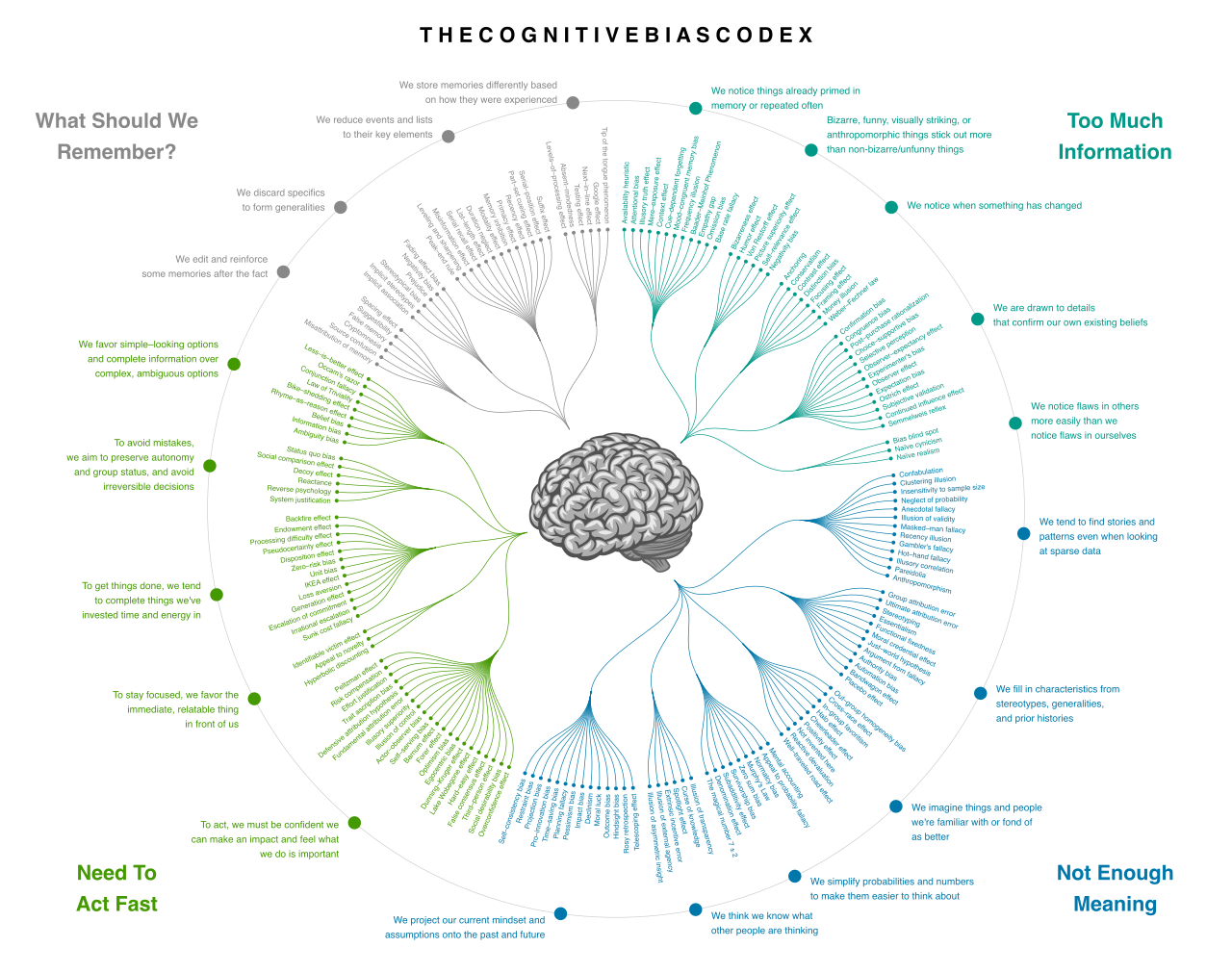
If a classroom operates on behavioral expectations tightly bound to the educator's specific cultural background, a cultural mismatch occurs. This is the friction created when the behavioral expectations of a school differ significantly from the behavioral norms of a student's home culture. In lively, high-engagement communication styles prevalent in some cultures, overlapping speech or physical expressiveness is a sign of engagement. To an educator unfamiliar with these norms, it looks like defiance or lack of impulse control. Consequently, cultural mismatch can lead educators to misinterpret culturally normative behaviors as symptoms of emotional or behavioral disorders.
This misinterpretation is often compounded by deficit thinking, a cognitive bias where educators attribute a student's academic struggles to inherent flaws in the student's cultural background, rather than examining the effectiveness or inclusivity of the instructional environment.
The Stress of Adaptation
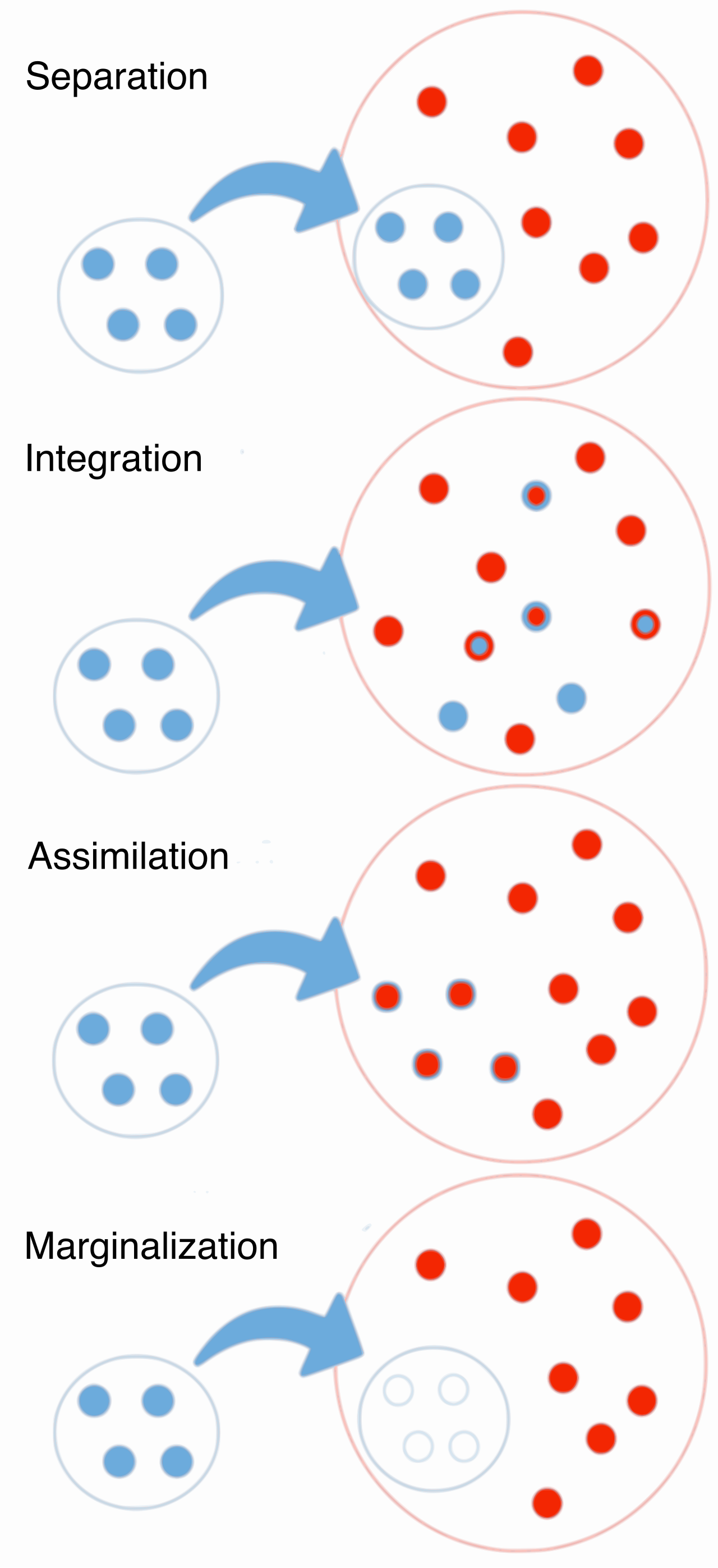
Furthermore, we must account for acculturation, the complex psychological process through which an individual adopts the cultural norms and behaviors of a new or dominant society. Adapting to a new culture requires immense cognitive and emotional bandwidth. The stress associated with acculturation can manifest as behavioral issues in the classroom—withdrawal, frustration, or reactivity. Too often, educators frequently misinterpret acculturation stress as an inherent emotional or behavioral disorder.
The antidote to these biases is deeply practical: the use of culturally responsive teaching practices reduces inappropriate special education referrals for minority students. By expanding the boundaries of what is considered "normal" engagement and behavior, educators reduce the friction of cultural mismatch, allowing the true signal of student capability to emerge.
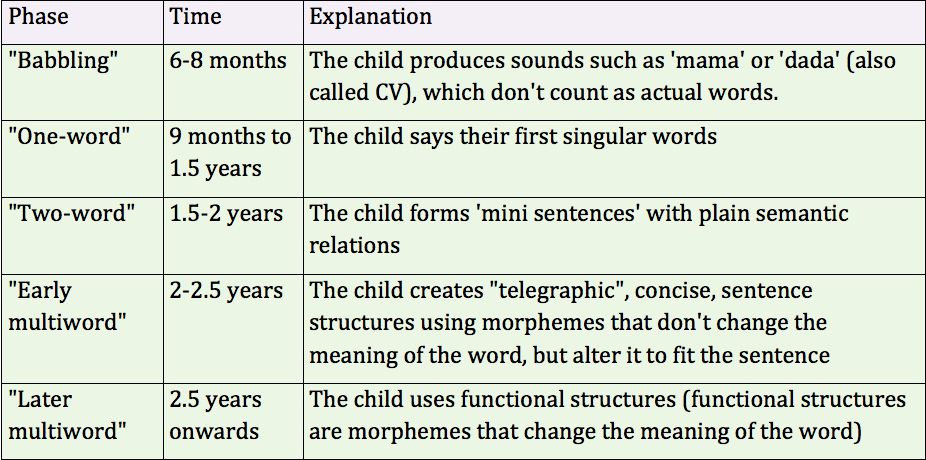
One of the most profound errors an educator can make is mistaking the natural friction of language acquisition for a broken cognitive engine. The acquisition of a second language follows predictable, highly specific phases that mimic the symptoms of various disabilities almost perfectly.
The BICS vs. CALP Distinction
To navigate the linguistic landscape, we must distinguish between the two layers of language proficiency.
| Proficiency Type | Definition | Timeline for Acquisition |
|---|---|---|
| BICS (Basic Interpersonal Communicative Skills) | The social language used in everyday informal interactions (e.g., playground chatter, asking for directions). | English Language Learners typically acquire BICS within one to three years. |
| CALP (Cognitive Academic Language Proficiency) | The formal language required to understand complex academic content in school settings (e.g., analyzing syntax, understanding photosynthesis). | English Language Learners typically require five to seven years to fully acquire CALP. |
Here lies the trap: A student fluent in BICS can converse flawlessly in the hallway, leading the teacher to assume the student has "mastered" English. When that same student subsequently fails to comprehend a science text, educators often falsely suspect a learning disability upon confusing a student's lack of Cognitive Academic Language Proficiency with an underlying cognitive deficit. The student is not failing to process information; they simply lack the specialized vocabulary required to access it.

Natural Linguistic Phenomena Mistaken for Pathology
As the brain remaps itself to accommodate a new language, it engages in several distinct behaviors that are routinely pathologized:
- The Silent Period: This is a normal phase of second language acquisition characterized by a learner actively listening while rarely speaking. They are absorbing the syntax and rhythm of the new language. Yet, educators sometimes misidentify the silent period of second language acquisition as an expressive language delay or, worse, as a symptom of selective mutism.
- Code-Switching: This is the practice of alternating between two or more languages or dialects within a single conversation. It requires high-level executive functioning. Code-switching is a natural bilingual behavior, but to the untrained ear, it sounds jumbled, meaning code-switching is frequently misidentified as a symptom of a language processing disorder.
- Language Loss: This occurs when a bilingual student loses vocabulary and proficiency in their native language while actively acquiring a new language. Because their linguistic capacity is in a state of transition, language loss frequently presents as limited vocabulary in both spoken languages. When tested, the student appears to have no strong language at all, and tragically, the presentation of language loss is frequently misdiagnosed as an intellectual disability.
The Golden Rule of Bilingual Identification
To protect against these false positives, you must apply the fundamental laws of neurology to language. A learning disability is an organic, neurological reality. It does not disappear when a student crosses a border or switches dialects. Therefore:
A true specific learning disability manifests across all languages spoken by the affected student. A genuine language disorder in a bilingual student must manifest as an impairment in both the student's native language and English.
If a student struggles reading English but reads flawlessly in Spanish, they do not have dyslexia. They are simply learning English.
Biases in special education do not merely fall along cultural and linguistic lines; they are heavily influenced by gender expression and the differing ways neurodivergence manifests in boys and girls. Statistically, male students are identified for special education services at significantly higher rates than female students.
The Hyperactivity Discrepancy
Why do boys dominate special education rosters? The answer lies in the classroom disruption factor. Boys are referred for special education evaluations at higher rates due to an increased prevalence of externalizing behaviors. A student who throws a chair, interrupts instruction, or exhibits physical hyperactivity demands immediate teacher intervention.
Conversely, girls with Attention Deficit Hyperactivity Disorder are frequently under-identified for special education services. The discrepancy in diagnosis exists because female students typically display internalizing symptoms like inattention instead of externalizing hyperactivity. A girl staring quietly out the window is not disrupting the lesson; therefore, her neurological struggles fly under the educator's radar.
Autism and the Masking Phenomenon
The gender gap is perhaps most insidious in the identification of autism spectrum disorder (ASD). Humans are inherently social creatures, and societal conditioning places intense pressure on girls to adhere to strict social scripts. To survive socially, neurodivergent girls often rely on a coping mechanism known as masking.
Masking is a coping behavior where neurodivergent individuals consciously or unconsciously hide their neurodivergent traits to blend in socially. This involves forcing eye contact, scripting conversations, or suppressing repetitive movements (stimming).

Research shows that autistic girls engage in social masking at significantly higher rates than autistic boys. They study neurotypical behavior like an anthropologist studying a foreign culture, mimicking it flawlessly at school. The cognitive toll of this performance is staggering, often leading to severe burnout at home. Because the school only sees the masked performance, high rates of masking in female students frequently cause delayed diagnoses of autism spectrum disorder, and in many cases, frequently cause completely missed diagnoses.
If human observation is flawed, how do we correctly identify students? We rely on a fortified system of evaluation mandates and evidence-based frameworks designed to filter out cultural, linguistic, and gender noise.
Mandates of the Individuals with Disabilities Education Act (IDEA)
To directly combat the reliance on dominant cultural norms in testing, IDEA sets strict parameters:
- IDEA mandates the administration of special education assessments in a student's native language. Evaluating a student's math capability in a language they do not fully comprehend tests their language proficiency, not their math reasoning.
- IDEA mandates the use of multiple assessment tools during special education evaluation to prevent misidentification based on cultural differences.
- IDEA mandates the use of multiple assessment tools during special education evaluation to prevent misidentification based on language differences. No single test score can dictate a child's educational fate.
Evaluating the Instruments: Static vs. Dynamic Assessment
We must scrutinize the very tests we administer. Standardized assessment bias exists when test items rely heavily on the cultural experiences of the dominant societal group. Asking a student to solve a word problem about a "regatta" measures their socioeconomic exposure to sailing, not their mathematical reasoning. Furthermore, norm-referenced tests yield invalid results for English Language Learners if the normative sample excluded linguistically diverse populations. You cannot measure a student's standing against a "norm" if people like them were never included in the creation of that norm.
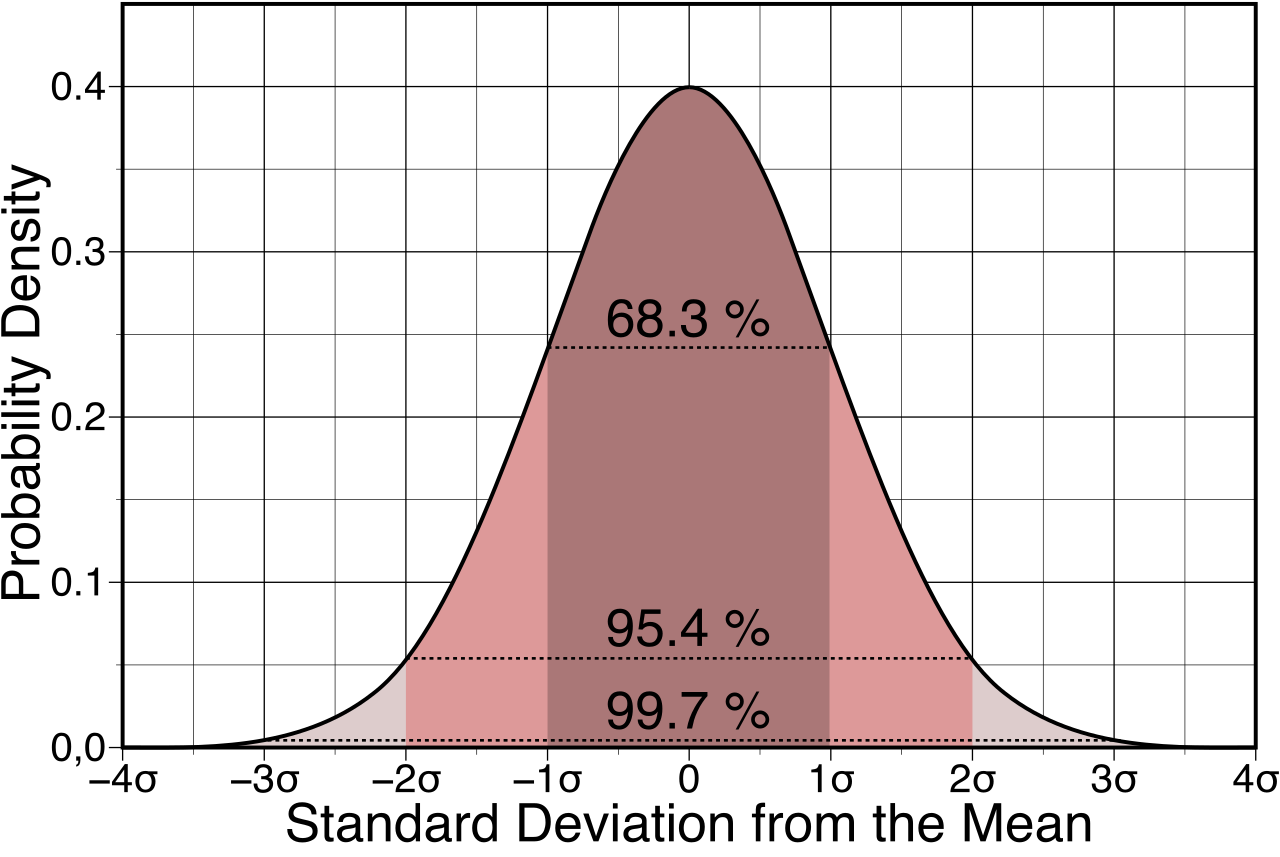
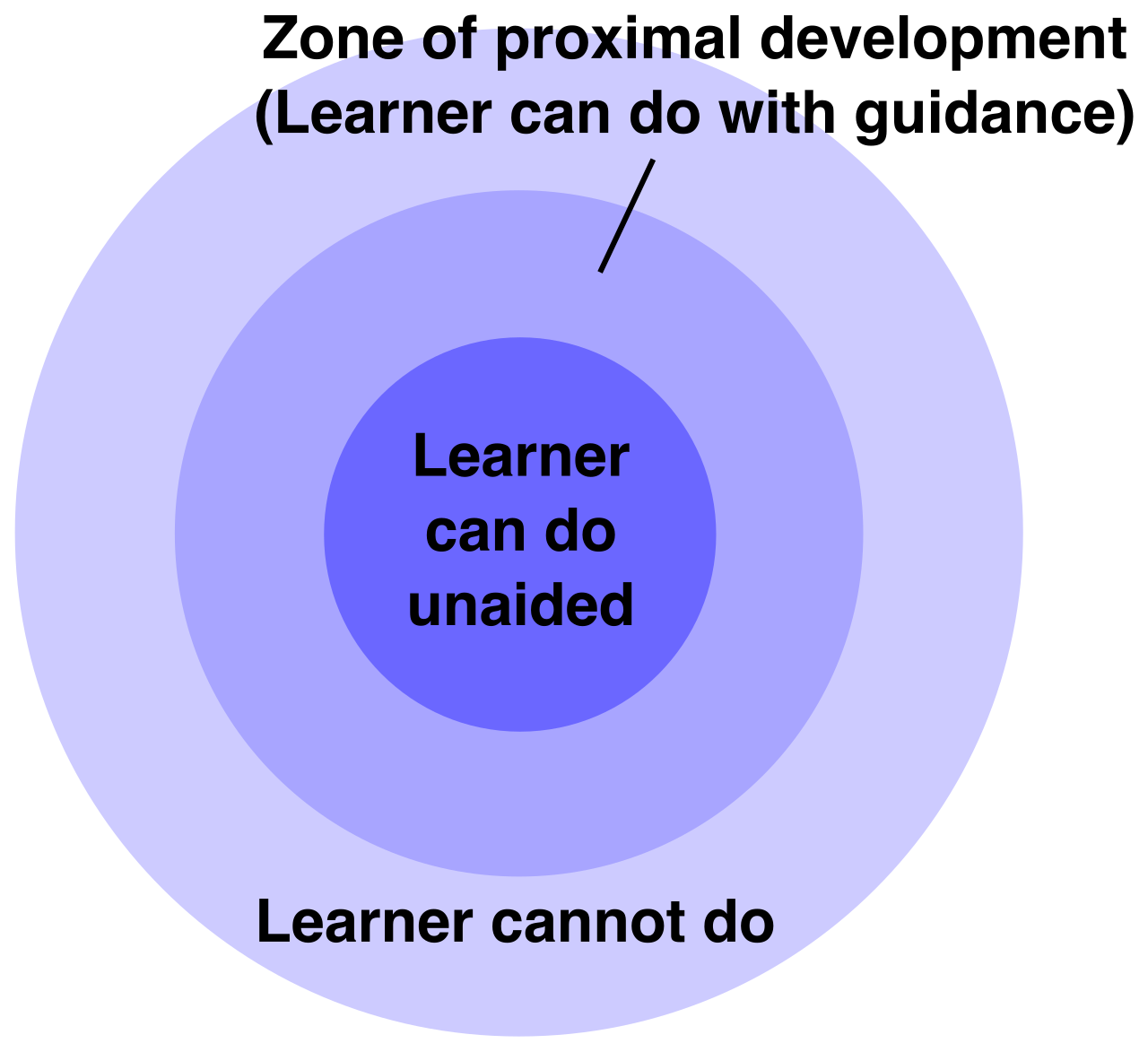
To counter this, educators utilize dynamic assessment. Rather than measuring what a student already knows (which is heavily dependent on prior cultural and linguistic exposure), dynamic assessment evaluates a student's ability to learn a new skill over time. The evaluator teaches a brief, novel concept and measures how efficiently the student grasps and applies it. Because it relies on immediate, observable learning rather than background knowledge, dynamic assessment reduces linguistic bias compared to static standardized testing.
The Ultimate Filter: Response to Intervention (RTI)
Before pushing a student into the evaluation pipeline, modern special education relies on a protective barrier. Response to Intervention (RTI) frameworks are utilized to distinguish between instructional needs caused by language differences and genuine learning disabilities.
RTI provides high-quality, targeted instruction to struggling students in the general education classroom, carefully tracking their progress. If a student is simply struggling with CALP or acculturation stress, targeted, culturally responsive interventions will usually trigger a rapid improvement in their trajectory. If the student possesses a genuine neurological disability, the lack of response to evidence-based intervention serves as the true "signal" that a deeper special education evaluation is legally and ethically warranted.
As a special educator, you are the ultimate gatekeeper of equity. By deeply understanding how culture, language, and gender disguise themselves in the classroom, you ensure that special education remains a sanctuary for those who truly need it, rather than a holding pen for those society simply failed to understand.