Impact of Disabilities Across the Life Span
Not sure you’re ready?
Take the ~3-minute readiness diagnostic and see where you stand.
When we examine the impact of disabilities across the life span, we are not merely studying static medical conditions; we are observing a dynamic interaction between human neurology, shifting societal architectures, and evolving legal frameworks. For a special educator, the classroom is an ecosystem where these forces converge. A student's educational trajectory is shaped not only by their intrinsic capabilities but by the expectations placed upon them, the vocabulary used to describe them, and the systemic barriers they encounter. Understanding this lifespan perspective is not just about knowing federal mandates; it is about recognizing how the supports we put in place today ripple outward to define a student’s capacity for independence, employment, and dignity decades into their future.
To effectively teach a student, we must first understand the philosophical frameworks that dictate how society views them. How we define a problem dictates how we attempt to solve it.
The Medical Model of disability views a disability as an intrinsic deficit or pathology residing entirely within the individual.
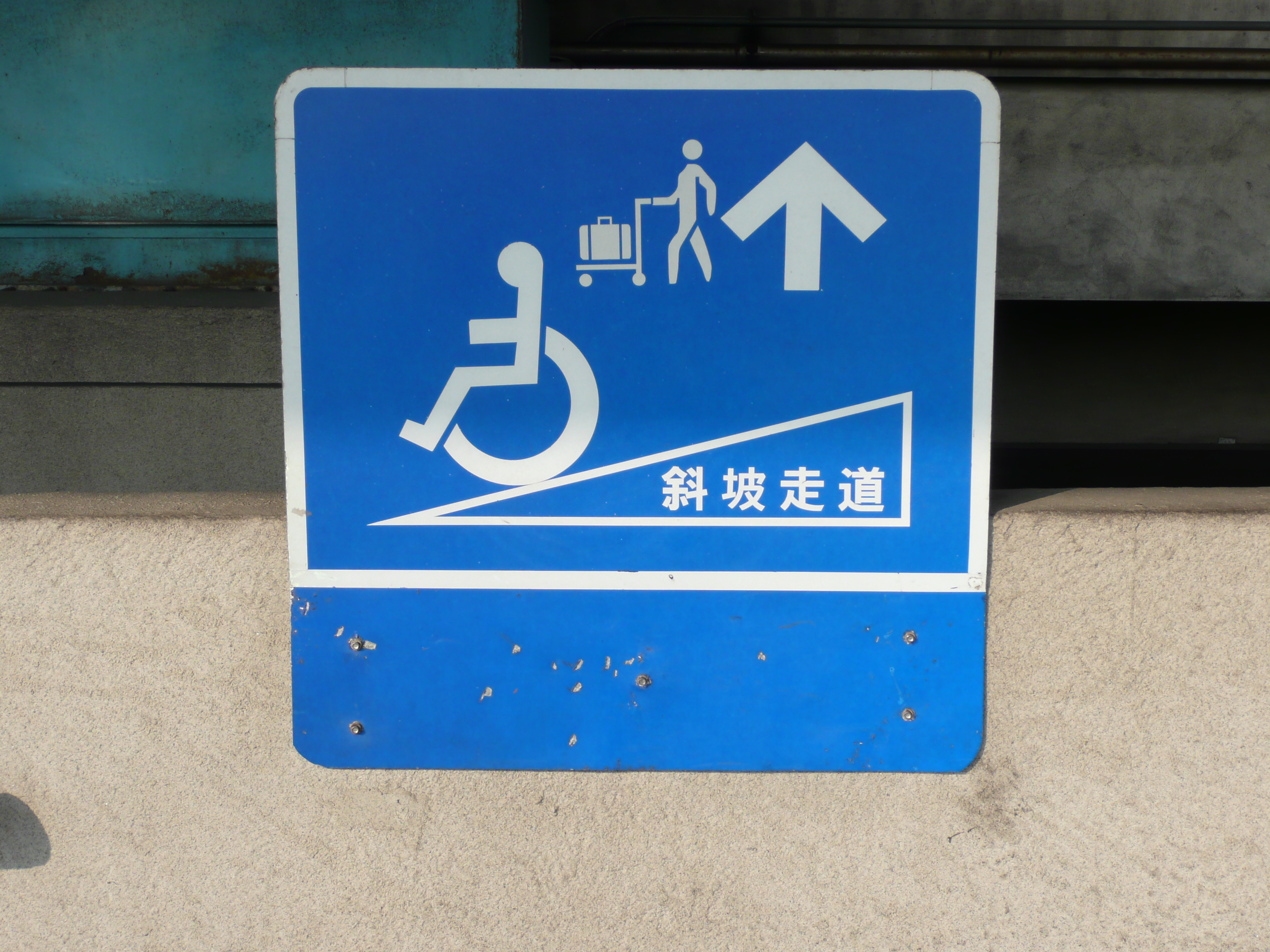
If a student in a wheelchair cannot enter a library, the Medical Model points at the wheelchair. It demands that the individual be "fixed" or cured. In stark contrast, the Social Model of disability posits that a disability is caused by inaccessible societal structures and physical barriers rather than individual impairments. Under this model, the problem isn't the wheelchair; the problem is the stairs.
This societal lens is pushed even further by the neurodiversity paradigm, which conceptualizes neurological differences as normal human variations rather than inherently pathological conditions. Just as biodiversity strengthens an ecosystem, neurodiversity suggests that variations like autism or ADHD are simply different operational modes of the human brain.

When society fails to adopt these broader perspectives, it defaults to ableism—the systemic discrimination and social prejudice against people with disabilities based on the entrenched belief that typical abilities are superior. This systemic bias does not exist in a vacuum. Intersectionality illustrates how a disability combined with other marginalized racial or socioeconomic identities exponentially exacerbates systemic discrimination.

The Weight of Expectations and Language
The vocabulary we use in the classroom is not mere semantics; it engineers reality. Stigma and negative societal attitudes often create a self-fulfilling prophecy for individuals with disabilities. In special education, a self-fulfilling prophecy occurs when internalized low expectations lead to diminished academic and occupational performance. If a teacher assumes a student cannot master algebraic concepts, they simplify the instruction, the student learns less, and the initial low expectation is validated.
To combat this, the field has evolved its linguistic standards:
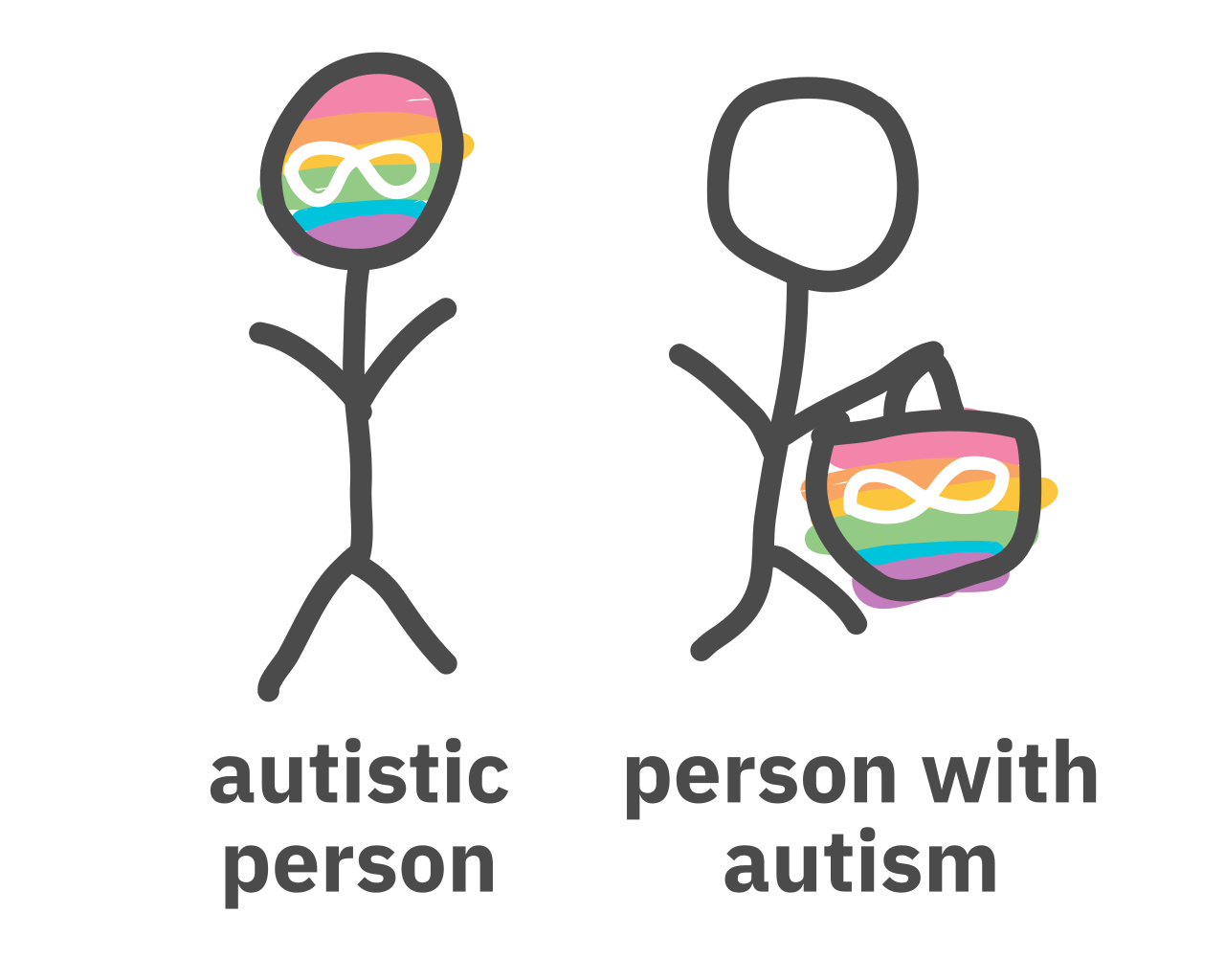
- Person-first language explicitly places the individual's noun before their disability descriptor (e.g., "a student with autism") to emphasize their humanity over their medical diagnosis.
- Conversely, Identity-first language (e.g., "an Autistic person") is preferred by many within the Autistic and Deaf communities to embrace the disability as an inseparable and proud component of their identity.
Legislation also reflects this shifting respect. Rosa's Law is a 2010 federal law that replaced the term "mental retardation" with "intellectual disability" in federal health, education, and labor policy.
Societal perspectives dictate our instructional design. Historically, education operated on a principle of retrofitting—building a standard curriculum and then applying bandages for those who struggled. Today, we rely on Universal Design for Learning (UDL), which shifts the societal perspective from retrofitting individual accommodations to proactively designing accessible environments for all learners.
We also strive for normalization, which is the educational and sociological principle of making everyday living conditions for individuals with disabilities as close as possible to the societal norm.
The special education journey often begins long before a child enters a traditional classroom, fundamentally altering the trajectory of the entire household. The family systems theory posits that a disability diagnosis affecting one family member inevitably alters the dynamics and roles of all other family members.
Consider the siblings. Siblings of children with disabilities frequently assume household caregiving roles earlier in life than siblings of neurotypical children. Meanwhile, parents often experience chronic sorrow, a recurring feeling of grief experienced by parents of children with disabilities upon encountering various unachieved developmental milestones—such as watching a neurotypical peer ride a bike or drive a car.
Early Intervention Mandates
Federal law provides structured support during these critical early years, but the nature of that support shifts dramatically as the child ages.
| Educational Framework | Target Age | Primary Focus | Service Document |
|---|---|---|---|
| Part C of the Individuals with Disabilities Education Act (IDEA) | Birth through Age 2 | Provides early intervention services for infants and toddlers. | Individualized Family Service Plan (IFSP) |
| Part B of the Individuals with Disabilities Education Act (IDEA) | Ages 3 through 21 | Mandates special education services for eligible children and youth. | Individualized Education Program (IEP) |
The transition between these two frameworks is a profound pivot. The transition from Part C early intervention to Part B preschool services often involves a shift from a family-centered support model to a child-centered educational focus. While the Individualized Family Service Plan explicitly addresses the developmental needs of the child alongside the resource needs of the family supporting the child, the IEP is strictly focused on the student's educational outcomes.
As a student enters high school, the educator's focus must violently shift outward—toward the adult world. The transition from school to adulthood for students with disabilities is a federally mandated process under the Individuals with Disabilities Education Act.
Legally, transition planning under the Individuals with Disabilities Education Act must begin no later than the first Individualized Education Program to be in effect when the child turns 16. However, recognizing the complex runway required for success, some United States jurisdictions mandate that transition planning for students with disabilities must begin at age 14.
Federal law requires post-secondary transition goals to be directly formulated from age-appropriate transition assessments. These are not arbitrary targets; they are data-driven objectives. Furthermore, Individualized Education Program transition goals must comprehensively cover training, education, employment, and independent living skills.
Cultivating Autonomy: Self-Determination and Self-Advocacy
If we coddle our students, we destroy their future utility. Over-accommodating individuals with disabilities beyond their actual needs can inadvertently foster learned helplessness and degrade their independent problem-solving skills. Learned helplessness is a psychological condition where an individual feels a complete lack of control over their environment due to repeated failures or chronic over-assistance. If an aide ties a student's shoes every day, the student learns they cannot tie their own shoes.
Instead, educators must build self-determination, which refers to a person's ability to control their own life and make fundamental choices regarding their future. The data here is conclusive: higher levels of self-determination in high school statistically correlate with better employment and independent living outcomes for adults with disabilities.
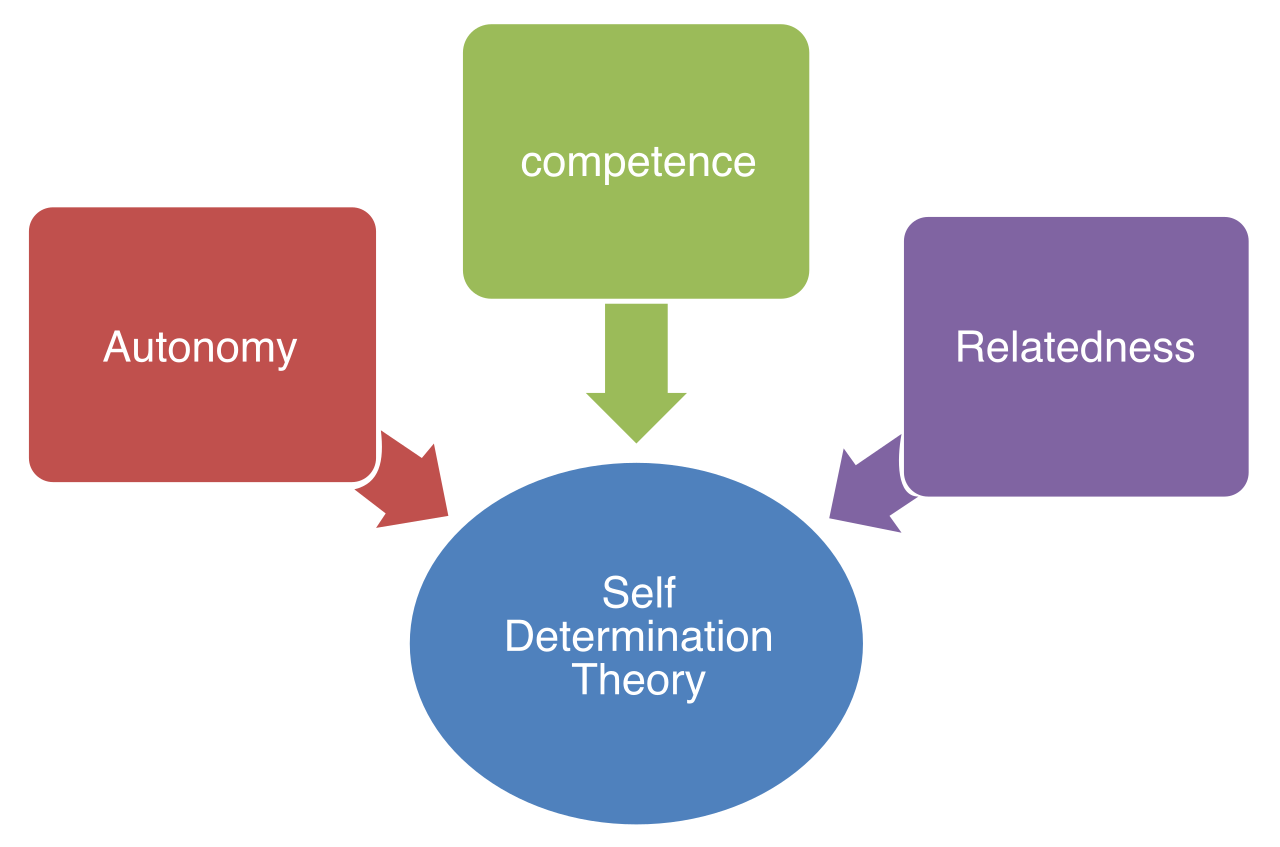
A vital subset of this is self-advocacy, the process by which an individual formally communicates their own needs, wants, and rights to external parties. When students leave the K-12 system, the IEP does not follow them into college in the same way; they must request their own accommodations. Consequently, direct instruction in self-advocacy skills during high school demonstrably improves post-secondary educational retention rates for students with learning disabilities.
When students age out of the school system, they enter an adult landscape historically fraught with isolation, but currently undergoing massive civil rights renovations.
Historically, deinstitutionalization was the movement of relocating individuals with disabilities out of large state institutions and into community-based settings. Deinstitutionalization gained significant momentum in the United States during the 1970s and 1980s, largely driven by the Independent Living Movement of the 1970s, which emphasized consumer control, peer support, and community self-help for individuals with disabilities.
This momentum culminated in The Americans with Disabilities Act, which provides broad civil rights protections for individuals with disabilities across all ages in public life, employment, and transportation.

The Realities of Employment
Despite legal protections, the economic reality remains harsh. Adults with disabilities face significantly higher rates of unemployment compared to their neurotypical and able-bodied peers. Even when employed, they face significantly higher rates of underemployment—working in jobs that do not utilize their skills or provide adequate hours.
The models of employment have evolved dramatically:
- Sheltered Workshops: Historically provided segregated employment for individuals with disabilities at sub-minimum wages. Modern societal disability advocacy strongly favors phasing out sub-minimum wage employment within sheltered workshops.
- Supported Employment Programs: Place individuals with disabilities in competitive work environments alongside workers without disabilities. These programs uniquely utilize job coaches to provide ongoing workplace assistance to ensure long-term vocational success.
- Competitive Integrated Employment: Requires individuals with disabilities to be compensated at or above the minimum wage alongside employees without disabilities. The Workforce Innovation and Opportunity Act of 2014 strongly emphasizes competitive integrated employment outcomes for individuals with disabilities.
Thanks to modern medical advancements, individuals with severe physical and intellectual disabilities experience much longer life expectancies today than in previous decades. This is a profound human triumph, but it generates complex new logistical challenges.
Increased life expectancy for adults with severe disabilities creates a critical modern need for sustainable long-term community living plans as parental caregivers age. We are witnessing an intensified "sandwich generation" effect for families simultaneously caring for aging parents and adult children with severe disabilities.
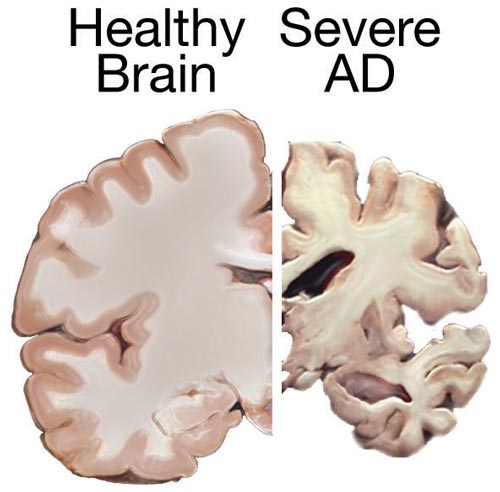
Furthermore, aging individuals with developmental disabilities frequently experience early-onset age-related health conditions compared to the general population. For example, adults with Down syndrome have a significantly increased genetic risk of developing early-onset Alzheimer's disease.
Navigating the Financial Labyrinth
Financial independence is often stymied by the very systems designed to offer support. The Supplemental Security Income (SSI) program provides federal financial assistance to eligible adults and children with disabilities who have limited income and resources.
However, strict financial asset limits for Supplemental Security Income eligibility historically discouraged individuals with disabilities from engaging in personal savings. If an individual saved more than a paltry sum, they lost their life-sustaining health and income benefits—a textbook poverty trap.
To rectify this, Congress passed the ABLE Act of 2014, which allows individuals with disabilities to open tax-advantaged savings accounts without jeopardizing their eligibility for federal benefits. This empowers individuals to save for housing, transportation, and healthcare without facing systemic financial ruin.
As a special education teacher, you are the architect of a bridge. On one side is a young child navigating family systems, early interventions, and societal stigmas. On the other side is an adult striving for competitive employment, self-advocacy, and a life of dignity. By understanding the lifelong impact of disabilities, you ensure the bridge you build today will bear the weight of their tomorrow.