Imagine trying to navigate a ship across the Atlantic with a map that only says, "Sail to a better place." You would inevitably fail. In special education, writing an instructional goal like "The student will improve their reading skills" is precisely that kind of map. It represents an admirable sentiment, but it offers zero coordinates. The Individuals with Disabilities Education Act (IDEA) does not accept vague destinations; it legally requires Individualized Education Program (IEP) goals to be rigorously measurable and to be updated at least annually. To write an effective learning objective is to act as a master cartographer for a student's cognitive and functional development. You must pinpoint exactly where the student currently stands, define the precise coordinates of where they need to arrive, and calculate the exact metrics that will prove they have crossed the finish line.
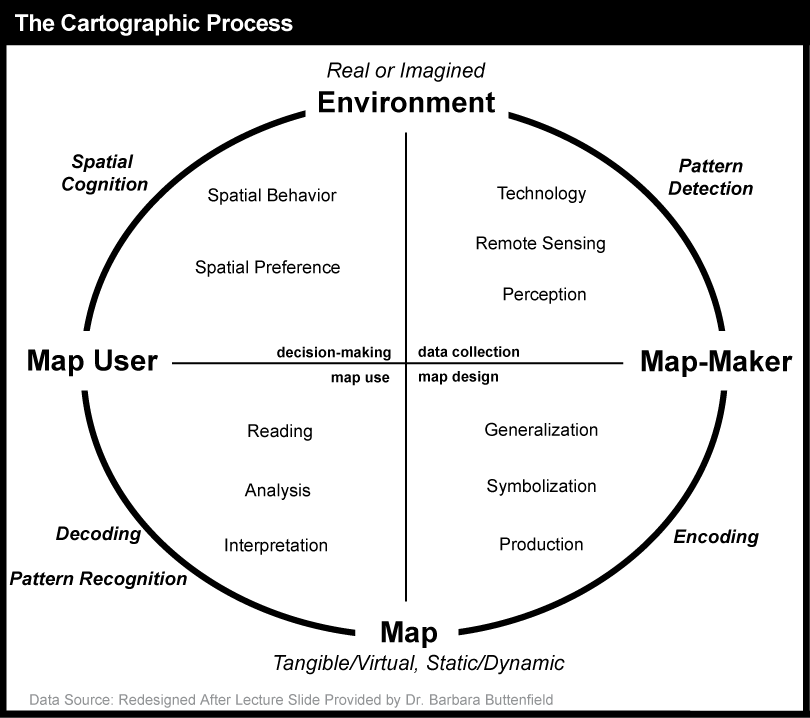
Just as the cartographic process requires precise data collection and mapping to navigate physical spaces, creating an IEP requires pinpointing a student's current performance and plotting a measurable trajectory to their goal.
A flawlessly constructed objective acts as an unquestionable contract between the educator, the student, and the family. It removes all subjectivity from student assessment. To achieve this, an objective must be built upon three structural pillars: the target behavior, the condition, and the criterion.
1. The Target Behavior
First and foremost, a measurable learning objective must state a specific target behavior. Crucially, the target behavior in a measurable learning objective must be entirely observable.
What makes a behavior observable? Simply put, an observable behavior can be directly seen, heard, counted, or timed by an educator. If two teachers walk into a room, they should be able to look at the student and independently agree whether the behavior is happening or not.
To achieve this, we rely on concrete action verbs. Action verbs like 'write', 'point', or 'state' represent observable behaviors suitable for learning objectives.
Conversely, verbs like 'understand', 'know', or 'appreciate' describe unobservable internal states. We cannot physically see a student "understand" fractions; we can only see them solve a fractional equation. Therefore, unobservable verbs cannot serve as the primary action in a measurable learning objective.
A behavior does not happen in a vacuum. A measurable learning objective must specify the condition under which the target behavior will occur.
The condition of a learning objective defines the materials, setting, or level of assistance provided to the student. By controlling the environment, we isolate the student's actual skill level.
Setting: "During unstructured transition times in the hallway..."
Level of Assistance: "With no more than two verbal prompts..."
3. The Performance Criterion
Finally, a measurable learning objective must include a performance criterion. The criterion is your threshold for success.
A performance criterion establishes the required accuracy level for the student to achieve the learning objective (e.g., "with 85% accuracy on three consecutive trials"). Alternatively, a performance criterion can establish the required frequency of the behavior for the student to achieve the objective (e.g., "will initiate peer interaction at least 4 times per 20-minute recess period").
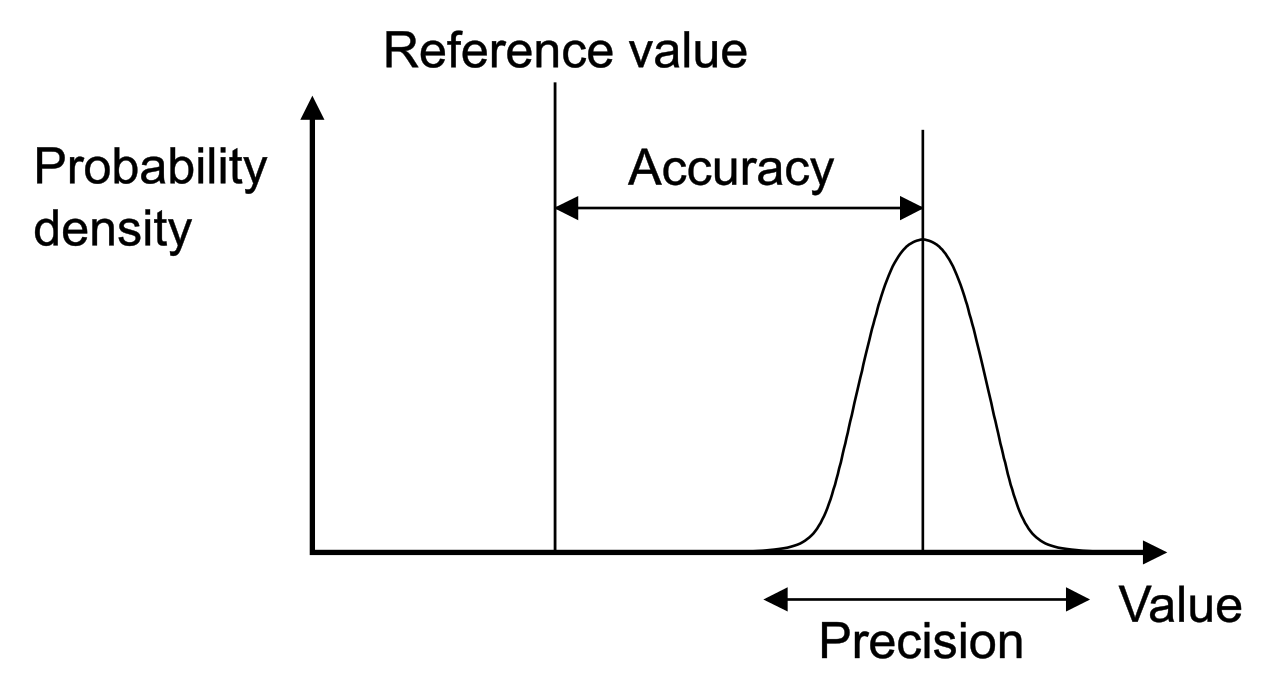
A performance criterion defines the threshold for success. When measuring student mastery, educators look for both accuracy (correctness of the targeted skill) and precision (consistency across multiple trials).
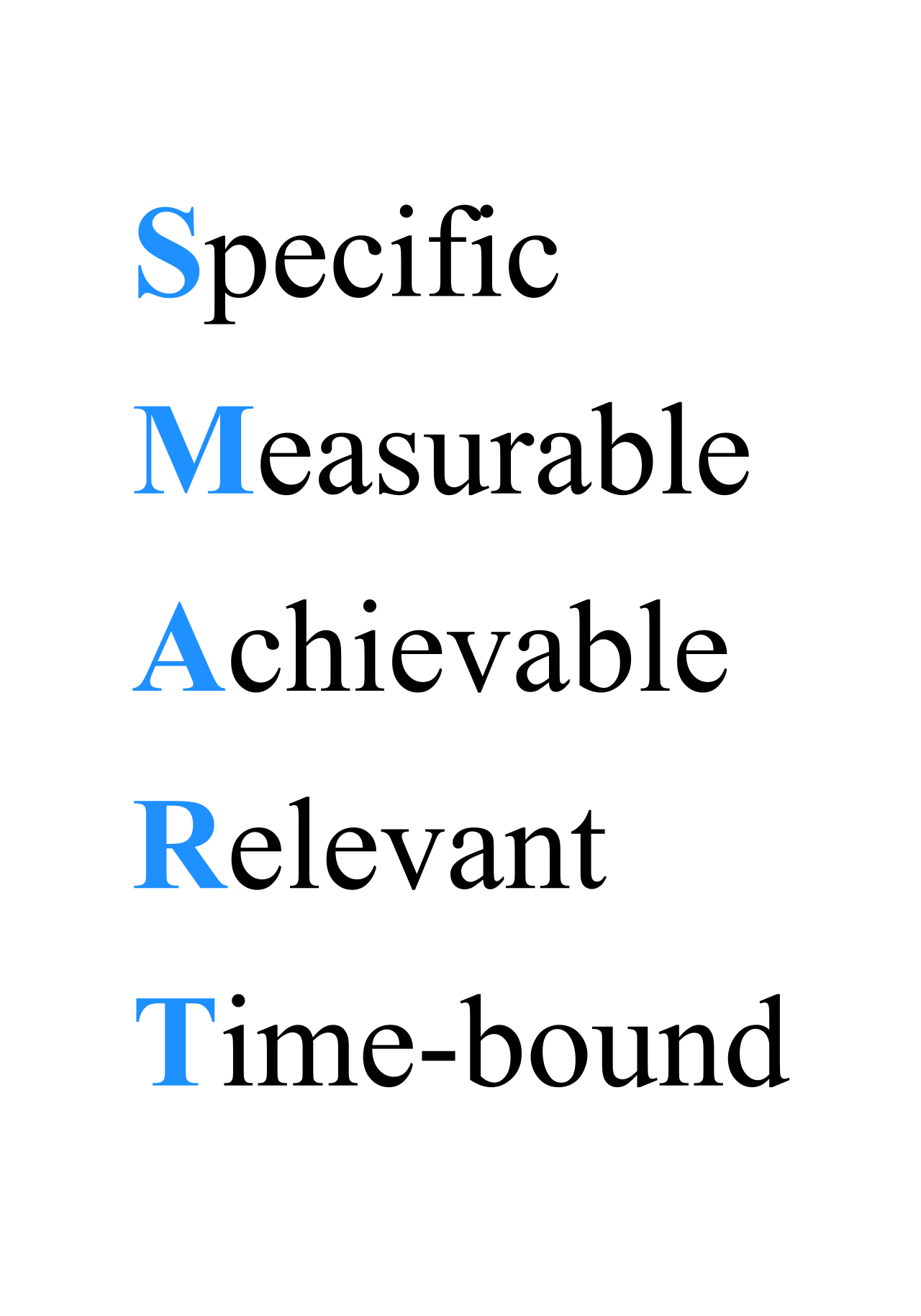
When we synthesize the behavior, condition, and criterion, we organize them using a highly effective and universally recognized rubric. The acronymSMART is a widely used framework for writing educational goals and objectives.
The SMART framework organizes the behavior, condition, and criterion into a structured objective that is Specific, Measurable, Attainable, Relevant, and Time-bound.
S — Specific: The letter S in the SMART framework stands for Specific. The goal targets a distinct, explicitly defined academic or functional skill rather than a generalized outcome.
M — Measurable: The letter M in the SMART framework stands for Measurable. It includes the observable behavior and clear criteria for success.
A — Attainable or Action-oriented: The letter A in the SMART framework stands for Attainable or Action-oriented. The goal pushes the student but remains within the realm of possibility given the instructional timeframe.
R — Relevant or Realistic: The letter R in the SMART framework stands for Relevant or Realistic. The objective matters to the student's specific needs, independence, and access to the broader curriculum.
T — Time-bound: The letter T in the SMART framework stands for Time-bound. A time-bound learning objective specifies the exact date or timeframe by which the student must achieve the goal (e.g., "By May 15th..." or "By the end of the second grading period...").
To write a map, you need a starting point. To write an objective, you need baseline data.
Baseline Performance Data: The starting measurement of a student's current proficiency in a specific skill before specialized instruction begins.
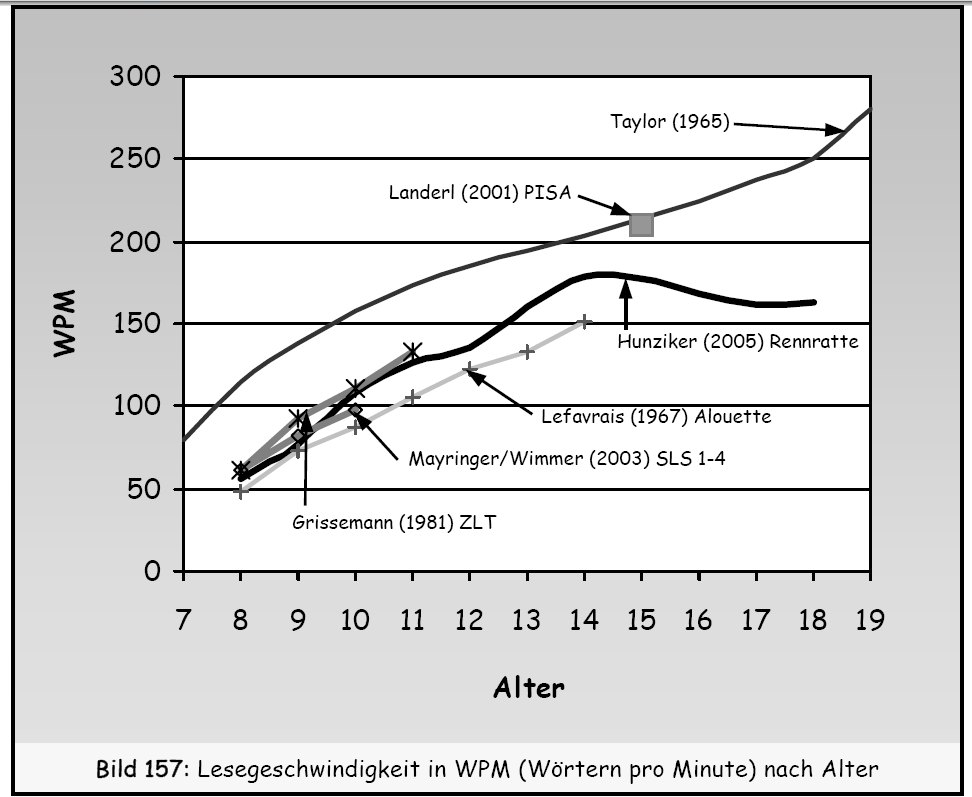
Educators use the student's Present Levels of Academic Achievement and Functional Performance (PLAAFP) statement to establish baseline performance data. This narrative captures exactly what the student can and cannot currently do. Baseline performance data is absolutely required to determine the appropriate starting point for a learning objective. Without knowing a student currently reads at 45 words per minute (the baseline), you cannot meaningfully set a goal for them to read at 80 words per minute.
Establishing baseline performance data, such as calculating a student's current reading rate in words per minute relative to normative data, is a prerequisite for creating an appropriately ambitious IEP goal.
Once the baseline is established, we look upward to the standards. By law, special education learning objectives must directly align with the student's annual Individualized Education Program goals.
Those annual IEP goals carry two massive responsibilities:
They must address the unique educational needs resulting from the student's disability.
They must enable the student to make progress in the general education curriculum.
How do we define the general education curriculum? Through state standards. State academic content standards define the expectations of the general education curriculum for each grade level. Even when a student is performing significantly below grade level, educators must align special education learning objectives with the student's enrolled grade-level state academic standards. We adapt the complexity or the access points, but the enrolled grade-level standard remains our ultimate anchor, ensuring the student is not segregated from rigorous academic expectations.
A major vulnerability in IEP writing is crafting goals that are practically guaranteed to be met because they demand too little. An appropriately challenging learning objective requires the student to demonstrate measurable growth beyond their established baseline data.
Think of this as the pedagogicalGoldilocks zone. A challenging learning objective maintains high expectations while remaining realistically attainable within the specified timeframe. If a student grew by 3 months in reading fluency last year, setting a goal for 4 months of growth this year is realistically ambitious; setting a goal for 2 years of growth is setting the student (and yourself) up for failure. High expectations are not arbitrary figures pulled from thin air; they are calculated projections based on past performance data, targeted interventions, and the student's capacity to learn given the right scaffolds.
Sometimes, an annual goal is too massive to attack all at once. It must be broken down. Historically, IDEA required all IEPs to include short-term objectives. However, this has changed.
Today, IDEA requires short-term objectives only for students taking alternate assessments aligned to alternate achievement standards.
Who falls into this category? Students with the most significant cognitive disabilities may be assessed using alternate achievement standards. These standards simplify the depth and complexity of the content, but crucially, these alternate achievement standards must maintain alignment with the state's general academic content standards.
For these students, we utilize two distinct tracking mechanisms:
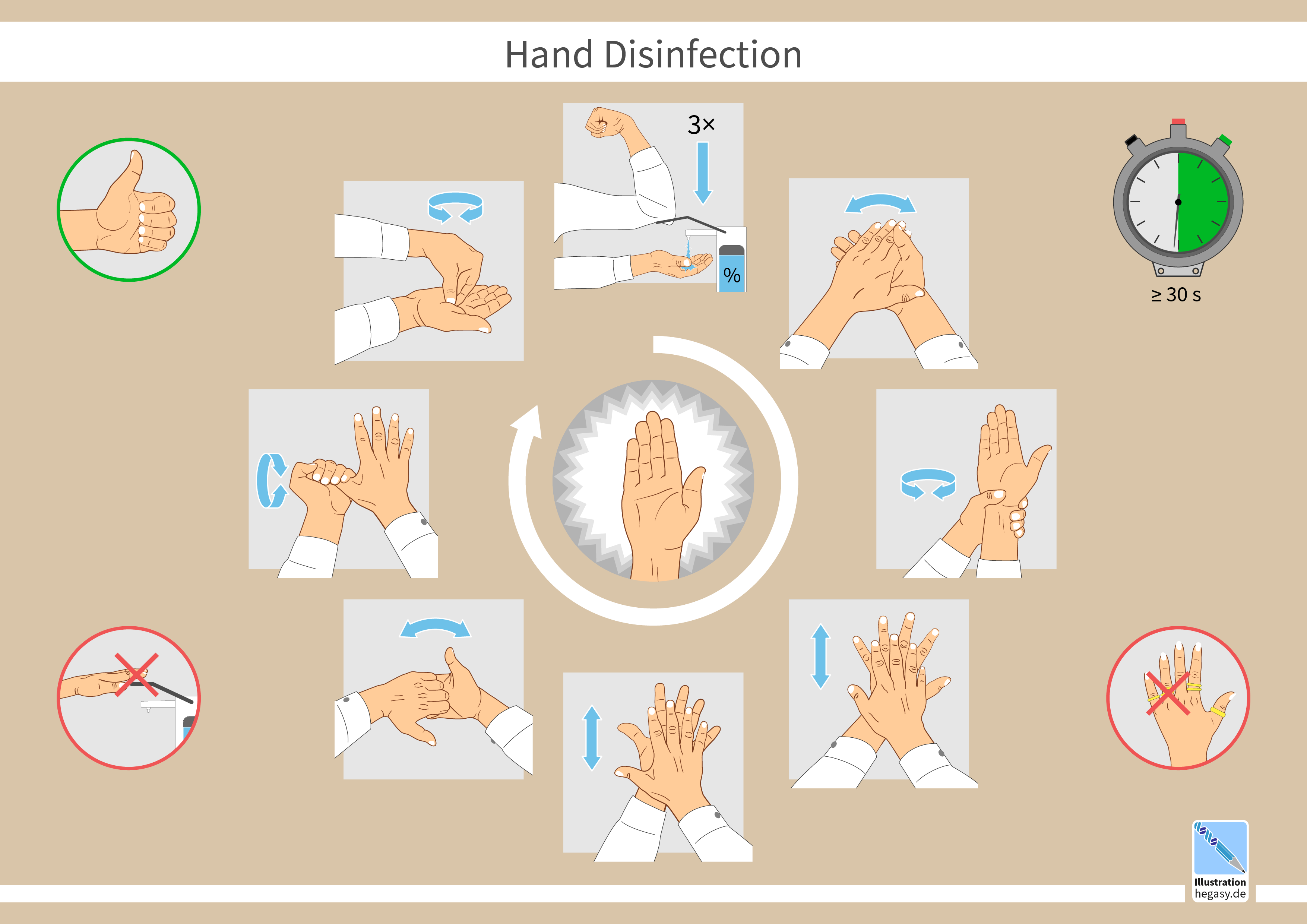
Short-term objectives break down an annual Individualized Education Program goal into smaller instructional steps. Think of these as a staircase. If the annual goal is to independently wash hands, the short-term objectives might be: Step 1 (turn on water), Step 2 (apply soap), Step 3 (rinse), Step 4 (dry). The student masters discrete sub-skills sequentially to reach the annual goal.
Complex functional goals, such as proper hygiene procedures, can be broken down into a specific sequence of discrete, sequentially mastered short-term objectives.
Benchmarks establish expected performance levels at specific intervals across the school year to monitor progress toward an annual goal. Think of these as mile markers on a highway. The skill remains the same, but the criterion increases over time (e.g., By Quarter 1: 40% accuracy; By Quarter 2: 60% accuracy; By Quarter 4: 80% accuracy).
While legally mandated only for students taking alternate assessments, beautifully crafted short-term objectives and benchmarks remain best practices for any student facing a complex, multifaceted annual goal. They allow you, the educator, to course-correct in November rather than waiting until May to realize the map was flawed from the start.