How Family Systems Contribute to Development
Not sure you’re ready?
Take the ~3-minute readiness diagnostic and see where you stand.
Imagine a carefully balanced kinetic sculpture, suspended from the ceiling. If you attach a single small weight to one wire, the entire apparatus does not simply dip in one place; it tilts, rotates, and redistributes its tension until every single piece finds a new equilibrium. This physical reality mirrors the fundamental premise of family systems theory, which views the family as an interconnected unit rather than a collection of isolated individuals. In family systems theory, a change in one family member affects the entire family system. When a child is diagnosed with a disability, the system inevitably shifts.

For the special educator, understanding this mechanism is not mere background philosophy; it is the blueprint for effective practice. You are not merely teaching a student in a vacuum. You are interacting with a complex, dynamic network. Let us examine how family dynamics shape human development, how cultural and structural realities govern these systems, and the precise, evidence-based tools you must use to engage them.
To understand a child's development, we must map their environment. Urie Bronfenbrenner's ecological systems theory places the family in the microsystem of child development—the immediate environment where proximal processes occur. As an educator, you occupy the school microsystem. Strong connections between the family microsystem and the school microsystem promote positive child development. If the bridge between these two spheres is structurally sound, the child thrives. If it is fractured, development stalls.
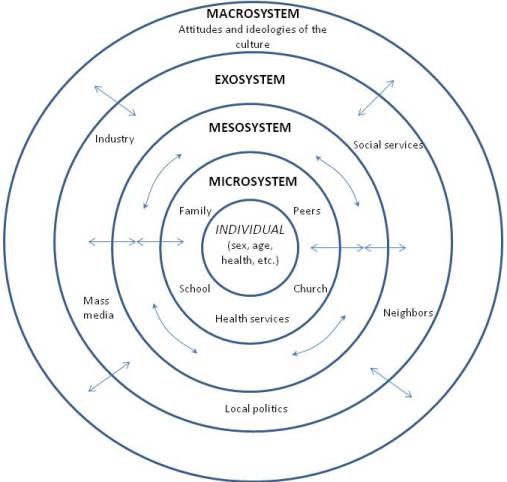
Family systems theory provides the framework for analyzing this familial microsystem. It evaluates family characteristics like cultural background and socioeconomic status, analyzes family interactions such as marital and sibling subsystems, and examines family functions including affection and socialization.
Within this framework, we measure two critical variables:
- Cohesion: The emotional bonding members have with one another.
- Adaptability: The family’s ability to change in response to stressful situations.
When a family receives a diagnosis, you will witness these variables in action. Families often experience a grieving process upon learning of a child’s disability diagnosis. Instantly, the presence of a child with a disability alters the daily routines of the entire family system. The logistics of therapy appointments, medication schedules, and individualized care requirements demand a new equilibrium. Naturally, this also impacts the emotional dynamics of the entire family system.
Nowhere is this more evident than in the sibling subsystem. Siblings of children with disabilities frequently take on early caregiving responsibilities within the family system. While this can foster immense empathy and maturity, it comes with a cost: siblings of children with disabilities may experience feelings of isolation due to parental focus on the child with a disability. As an educator, recognizing these hidden emotional currents helps you understand the holistic environment your student returns to each afternoon.
Why is engaging the family system a foundational skill for special educators? Beyond the fact that the Individuals with Disabilities Education Act (IDEA) mandates parent participation in all special education decision-making, the empirical data reveals that family involvement is the most potent intervention at your disposal.
When you successfully align the school and family microsystems, the outcomes are staggering:
- Academic Output: High levels of family involvement correlate with improved academic achievement for students with disabilities.
- Attendance: Family involvement in education reduces chronic absenteeism among students with disabilities.
- Retention: Family involvement decreases the likelihood of a student with a disability dropping out of high school.
- Sociality: Consistent family engagement improves the social skills development of children with disabilities.
- Adulthood Readiness: Active family participation in transition planning increases post-secondary employment rates for students with disabilities.
Why this matters to you: You can write the most precise, data-driven Individualized Education Program (IEP) in the world, but if the family system is disengaged, its impact will be severely muted. Family engagement is not a courtesy; it is an academic prerequisite.
Systems crave stability. Consequently, family life cycle transitions generate stress within the family system. Every time a child with a disability crosses a developmental threshold, the family’s equilibrium is tested.
Consider the two major educational transitions:
- Early Childhood: The transition to school for a child with a disability forces the family system to adapt to new educational structures. Parents must suddenly master the vernacular of special education, adapt to school-year calendars, and entrust their child to an institution.
- Late Adolescence: The transition to adulthood for a child with a disability requires the family system to secure new community resources. The guaranteed protections of IDEA evaporate upon graduation, forcing the family to navigate complex adult service networks (like vocational rehabilitation or supported housing).
How a family survives these transitions depends on family resilience—which refers to the family system’s ability to withstand and rebound from disruptive life challenges. This resilience ultimately determines the family quality of life, a metric that encompasses the extent to which family members have personal needs met.
As a special educator, you hold profound leverage here: special education services directly influence the overall family quality of life. When your services are effective, predictable, and supportive, the entire family’s stress diminishes, allowing them to function harmoniously.
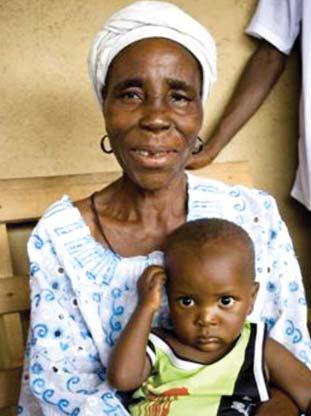
To engage families effectively, you must discard the assumption of a "standard" family. Educators must recognize diverse family structures including single-parent households, and understand that guardianship varies widely. For example, grandparents frequently serve as primary caregivers for students with disabilities, stepping in when biological parents cannot. In other cases, foster parents hold legal educational decision-making rights for students in specific child welfare situations. Furthermore, educators must include extended family members in educational planning when authorized by the primary caregivers. The "family" is whoever functions as the child's support system.
Socioeconomic and Cultural Variables
A family system does not exist independently of its economic reality. Socioeconomic status affects a family’s access to specialized therapies outside of the school setting. A family lacking access to private occupational therapy or tutoring relies entirely on what you provide in the classroom.
Culture acts as the operating system for how a family processes the world. A family's cultural background significantly shapes the family's interpretation of a child's disability. For instance, some cultural groups view a disability as a spiritual occurrence rather than a medical condition. If you approach an IEP meeting armed purely with clinical terminology, you may profoundly alienate a family whose worldview interprets their child's condition through a lens of spiritual purpose or divine intervention.
The Funds of Knowledge Framework
Historically, schools have viewed working-class or minority families through a "deficit lens"—focusing on what they lack. The funds of knowledge framework turns this upside down. It recognizes the historically accumulated skills of minority and working-class families.
Whether a family has extensive knowledge of agriculture, mechanics, bilingual communication, or community caregiving, acknowledging a family’s funds of knowledge validates the family's unique cultural expertise. When you pull this expertise into your classroom—perhaps using a parent's trade skills to teach a practical math lesson—incorporating a family’s funds of knowledge into classroom instruction increases student engagement. You transform the family from passive recipients of school information into active, respected co-educators.
How do we operationalize all of this theory? It requires highly deliberate, intentional actions.
1. Establish a Strengths-Based Baseline Strengths-based approaches to family engagement focus on family capabilities rather than perceived deficits. Start early. Positive initial contacts from teachers foster long-term collaborative relationships with families. A phone call in the first week of school to praise a student's curiosity builds a reservoir of goodwill you can draw upon when discussing behavioral challenges later in the year.
2. Implement Two-Way Communication True collaboration requires symmetry. Two-way communication models require teachers to listen to family input alongside sharing school-based information. You are the expert on pedagogy; they are the expert on their child.
3. Dismantle Language and Jargon Barriers Special education is notorious for its alphabet soup of acronyms (FAPE, LRE, BIP, PLAAFP). Educators must avoid using educational jargon during family meetings to ensure clear communication. To help cross this divide, providing a glossary of special education acronyms helps families navigate official documents with confidence.
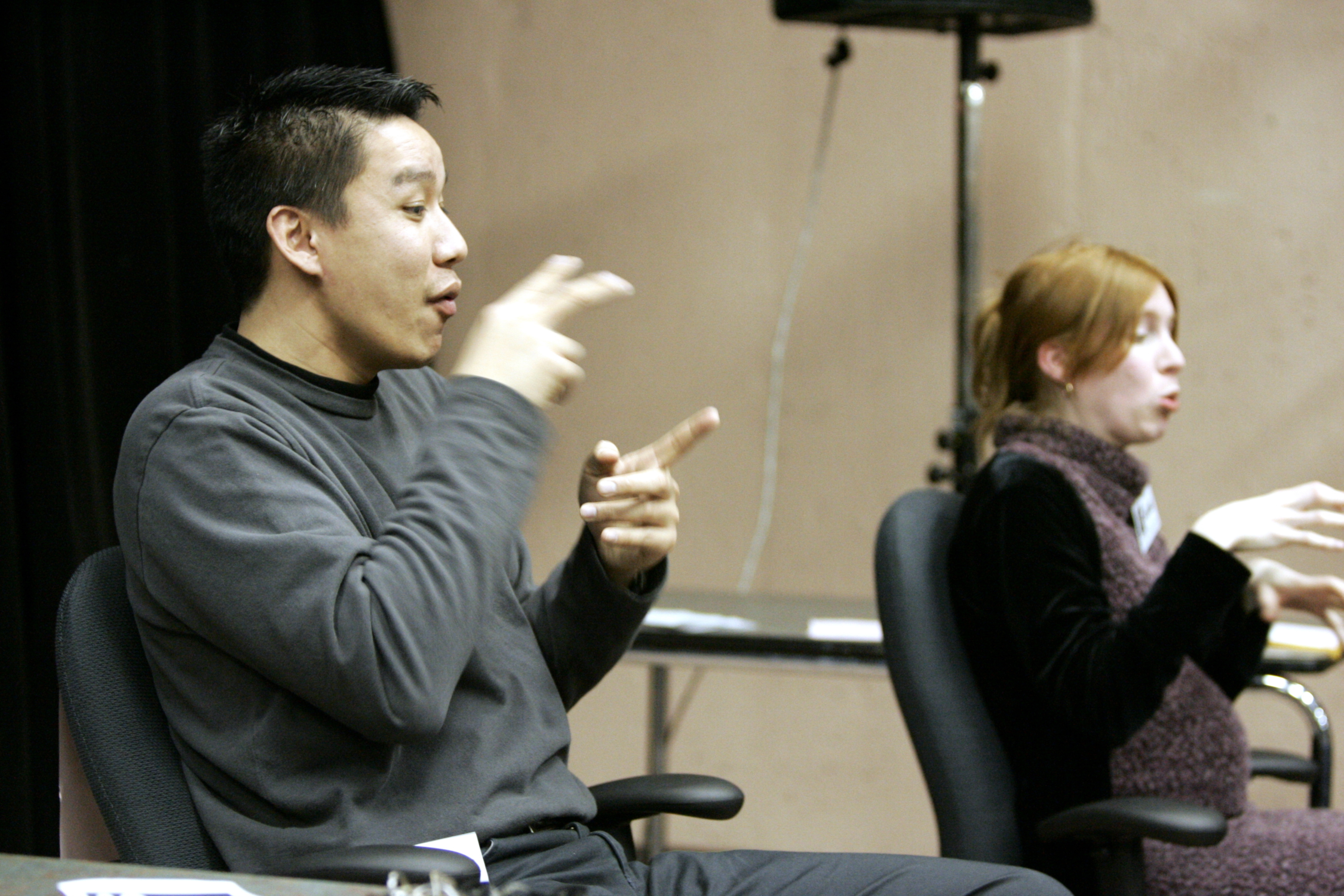
When working with culturally and linguistically diverse systems, logistics matter immensely. Sending school communications in a family’s primary language builds trust between the school and the family system. Furthermore, using interpreters during individualized education program meetings ensures meaningful participation for non-English speaking families. Do not rely on a student to translate; rely on trained professionals so the parents can fully engage as equals.
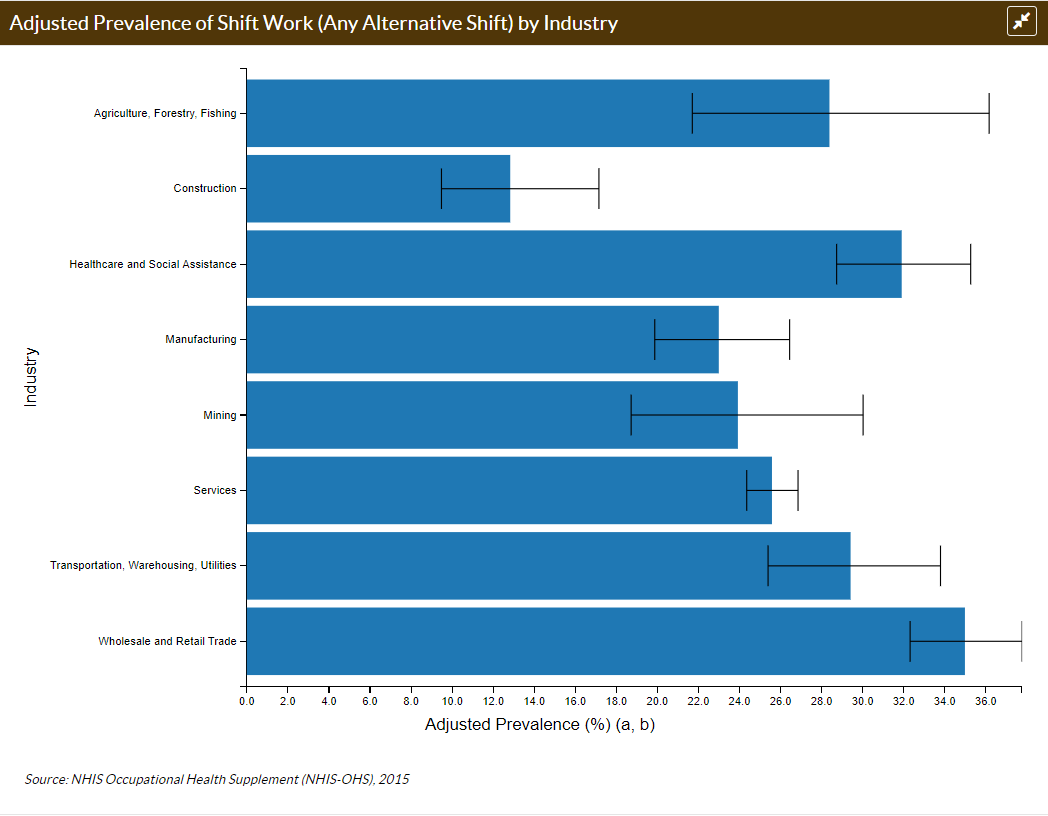
4. Accommodate the Reality of the Family Respect the economic and temporal constraints of the system. Flexible scheduling for school meetings accommodates diverse family employment obligations. Not every parent can leave their shift-work job at 2:00 PM for a meeting.
To bridge the gap between school and home further, home visits provide educators with valuable insights into a family’s daily routines. Seeing a student in their natural environment will teach you more about their practical needs than a dozen standardized assessments.
5. Empower Through Advocacy Training The ultimate goal of family engagement is empowerment. Providing parents with advocacy training empowers families to effectively navigate the special education system long after they have left your classroom. Teach them how to read evaluations, how to request related services, and how to assert their legal rights under IDEA.
When you equip a family system to advocate for itself, you have not just taught a student—you have fortified the entire architecture of their life.