Evidence-Based Assessments
Not sure you’re ready?
Take the ~3-minute readiness diagnostic and see where you stand.
Imagine attempting to calculate the structural integrity of a suspension bridge using a tape measure made of elastic. Every time you measure a steel beam, the tape stretches differently. One engineer reads twenty feet; another reads twenty-two. Even if you manage to write down a number, you have no idea if you are actually measuring the beam’s length or simply the elasticity of your tool.
In special education, we regularly make life-altering decisions for children—decisions regarding placement, instructional interventions, and legal rights. Making these decisions based on faulty, subjective instruments is the educational equivalent of building a bridge with elastic tape. The foundation of special education rests on our ability to look past assumptions and gather precise, actionable data. To do this, we must understand the physics of our measurement tools.
Before we can trust an assessment, we must establish two fundamental psychometric properties: validity and reliability. Think of them as the accuracy and the consistency of your instrument.
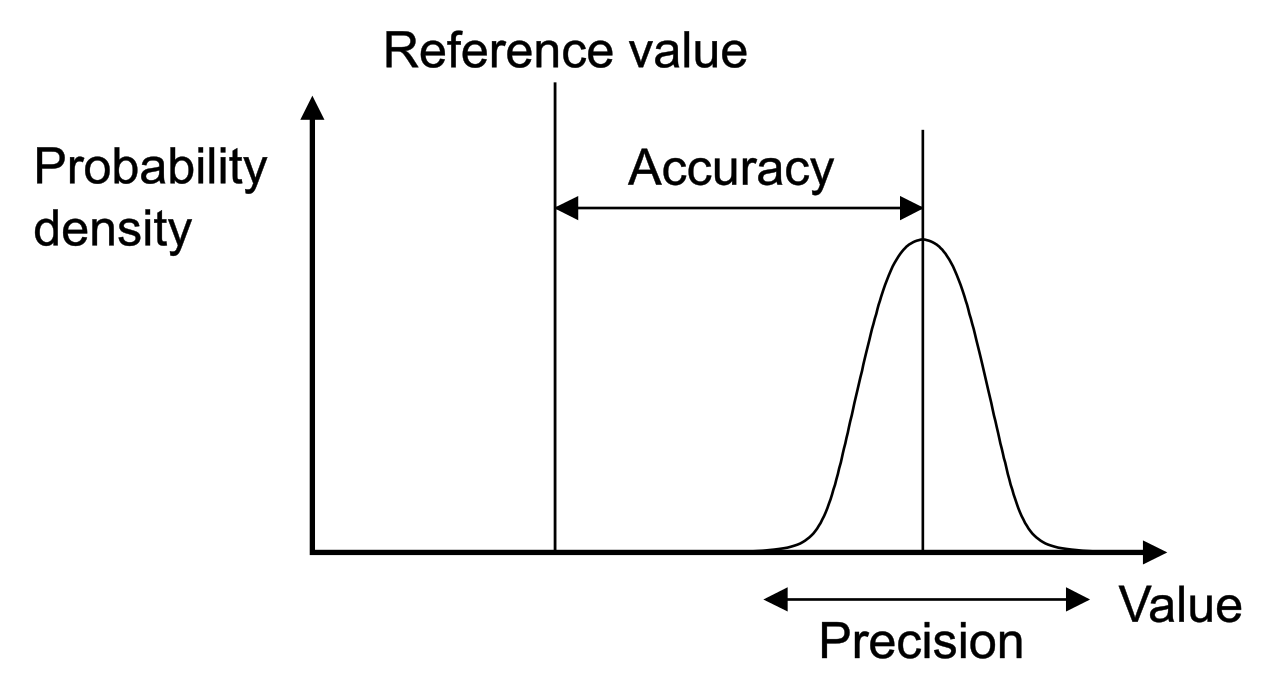
Validity refers to the degree to which an assessment measures what the assessment claims to measure. If a math test is filled with highly complex, convoluted word problems, a student with a specific reading disability might fail it. Did that test measure their mathematical ability, or did it measure their reading deficit? If it measured reading when it claimed to measure math, it lacks validity.
Within the realm of validity, we look for three distinct signatures:
- Construct validity refers to how accurately an assessment measures a theoretical trait such as intelligence or reading comprehension. Because we cannot physically open a brain and weigh "intelligence," we build a construct of what intelligence looks like in action. A highly valid test precisely captures that invisible trait.
- Content validity indicates whether the items on an assessment adequately cover the specific instructional domain the assessment intends to evaluate. If you are testing a student on fractions, but the test only includes addition of whole numbers, your assessment lacks content validity.
- Predictive validity evaluates how well the results of an assessment forecast a student's future academic performance or behavior. For instance, early phonemic awareness screeners in kindergarten have high predictive validity for a student’s reading fluency in the third grade.
Reliability refers to the consistency of an assessment's results across different administrations, raters, or test items. A reliable test behaves like a perfectly calibrated scale; if the underlying weight hasn't changed, the readout shouldn't either.
- Test-retest reliability measures the stability of assessment scores when the exact same test is administered to the same student at two different times. Assuming the student hasn't learned new material in the intervening week, their score should remain steady.
- Inter-rater reliability measures the degree of scoring agreement between two or more different evaluators grading the same assessment. If an essay is graded by Mr. Smith and Ms. Jones, high inter-rater reliability means they will arrive at the exact same score.
Not all assessments are created equal, nor should they be. We need different tools for different jobs.
Evidence-based assessments are evaluation tools that have undergone rigorous scientific research demonstrating their accuracy for specific populations. These are the heavy lifters of special education evaluations. When we suspect a disability, we cannot rely on hunches; we deploy evidence-based tools.
To ensure uniformity across all test-takers, we use standardized assessments. Standardized assessments require strict adherence to specific administration and scoring procedures. The exact script must be read, the exact time limits enforced. This rigidity is the only way we can confidently compare one student's performance to another's.
Conversely, non-standardized assessments encompass flexible evaluation methods such as teacher observations, student portfolios, and informal checklists. While they lack the statistical weight of standardized tests, they are vital. They allow educators to capture a nuanced, contextualized portrait of what a student can actually do on a Tuesday afternoon when the rigid pressure of formal testing is removed.
Where to verify technical adequacy? When selecting an assessment, educators should consult reputable databases. The National Center on Intensive Intervention provides independent reviews evaluating the technical adequacy of various evidence-based assessment tools, offering a vital safeguard against using flawed instruments.
In special education, measurement is not merely an academic exercise; it is a profound legal obligation. The Individuals with Disabilities Education Act requires that assessments used for special education evaluation must be technically sound. You cannot legally place a student in a restrictive environment based on a flimsy, unvetted questionnaire.
Furthermore, we must account for the diverse realities of the students we serve.
- The Individuals with Disabilities Education Act mandates that assessment materials must not be racially or culturally discriminatory.
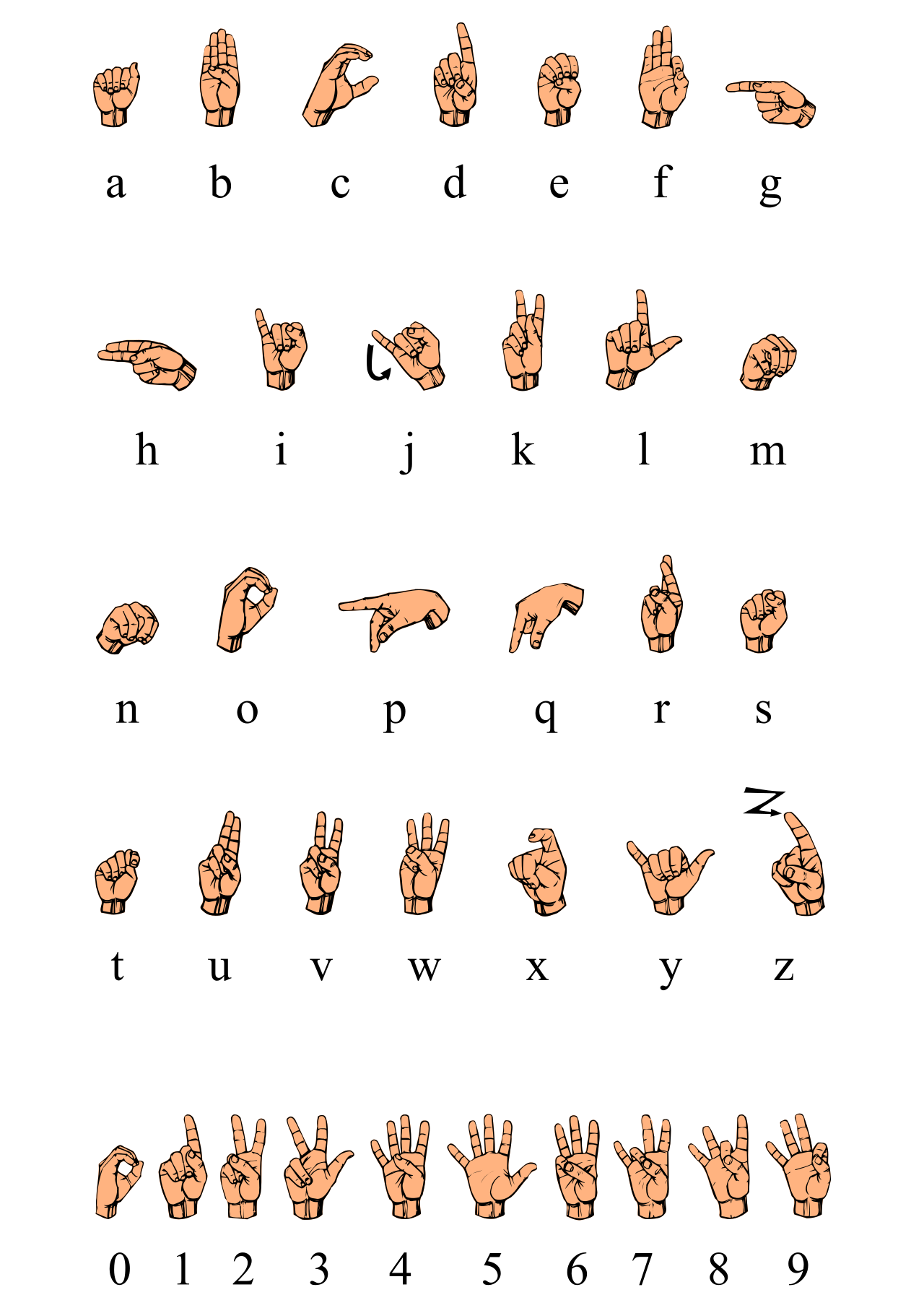
- The Individuals with Disabilities Education Act requires administering assessments in the student's native language or primary mode of communication. If a child's primary mode of communication is American Sign Language, evaluating their cognitive capacity in spoken English is an exercise in futility and a violation of federal law.
To fulfill these mandates, educators must engage in a culturally responsive assessment process, which requires verifying that the test's normative sample includes individuals from the student's demographic background. If a test was validated exclusively on affluent, suburban, monolingual students, its results cannot be reliably projected onto a multilingual student from a deeply different cultural and economic context.
Measurement tools only work if they match the subject. Educators must match the selected assessment tool to the student's specific developmental level, chronological age, and suspected disability. Administering an adult spatial reasoning test to a first grader will tell you nothing about the first grader, only that you chose the wrong test.
When we administer formal assessments, we generally divide them into two categories:
| Assessment Type | Core Function | Example Scenario |
|---|---|---|
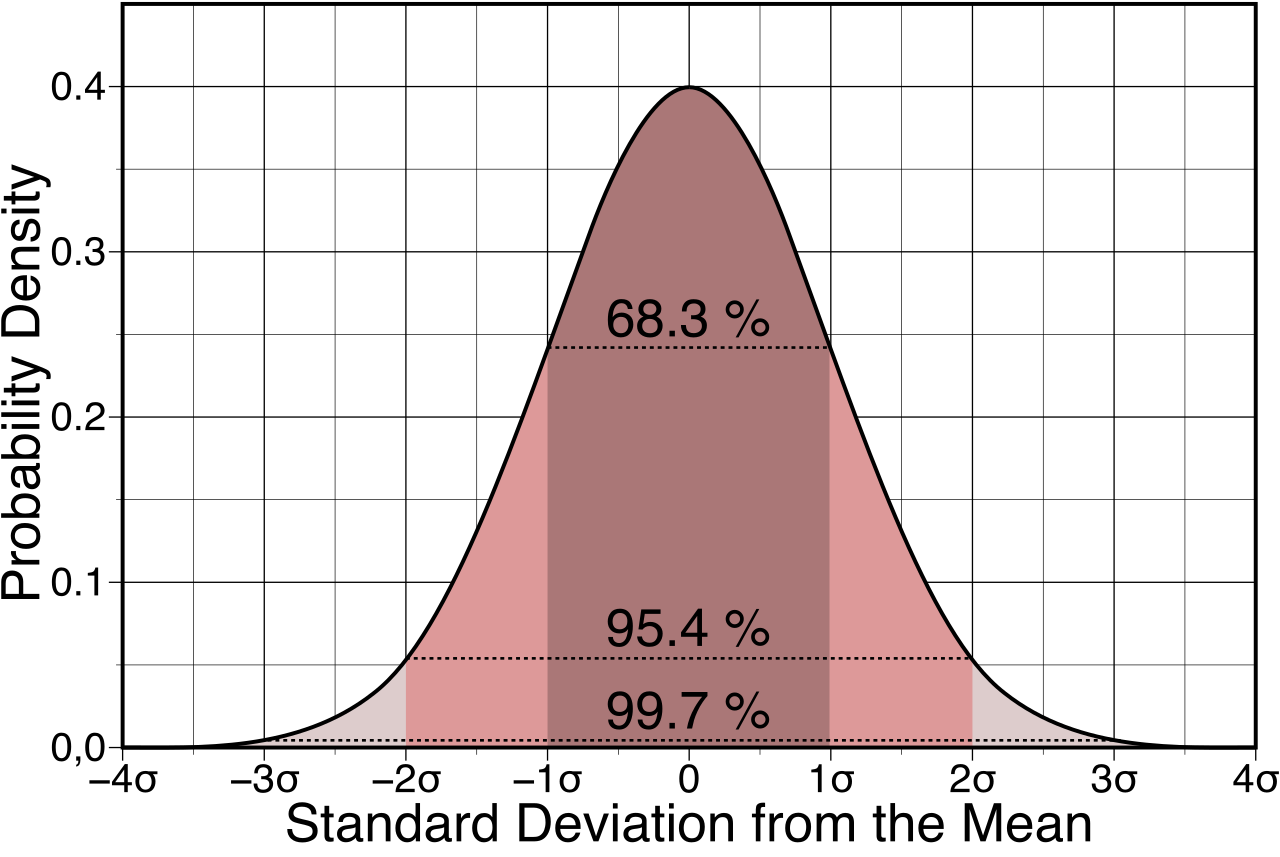
| Norm-referenced tests | Evaluate a student's performance by comparing the student's scores to a representative sample of peers. | Finding out a 4th grader scores in the 15th percentile for reading fluency compared to a national sample of other 4th graders. |
| Criterion-referenced tests | Measure a student's performance against a fixed set of predefined learning standards or objectives. | Testing whether a student has mastered their multiplication tables up to 12, regardless of how their peers perform. |
When we suspect a deep, underlying issue, we deploy diagnostic assessments. Diagnostic assessments are evidence-based tools designed to identify specific learning difficulties and pinpoint a student's precise academic deficits. They act as the pedagogical MRI, isolating exactly where the learning process is breaking down.
The Physics of Poor Measurement: Ceiling and Floor Effects
Imagine trying to measure daily weather changes in Antarctica using an oral medical thermometer. The thermometer only goes down to 94°F. In Antarctica, it will just read "Low" every single day. This is a measurement error.
In testing, this phenomenon occurs constantly.
- Floor effects occur when an assessment is too difficult. If you give a calculus exam to a group of geometry students, no one will be able to answer anything. Floor effects result in a cluster of students scoring at the lowest possible level on an assessment. You learn nothing about their actual variations in mathematical ability.
- Ceiling effects occur when an assessment is too easy. If you give a kindergarten alphabet test to high school seniors, everyone gets 100%. Ceiling effects result in a cluster of students scoring at the highest possible level on an assessment. You have failed to measure the actual upper limits of their knowledge.
Assessment in special education does not stop once the IEP is signed. It transitions into daily, weekly, and monthly tracking to ensure our interventions are actually working.
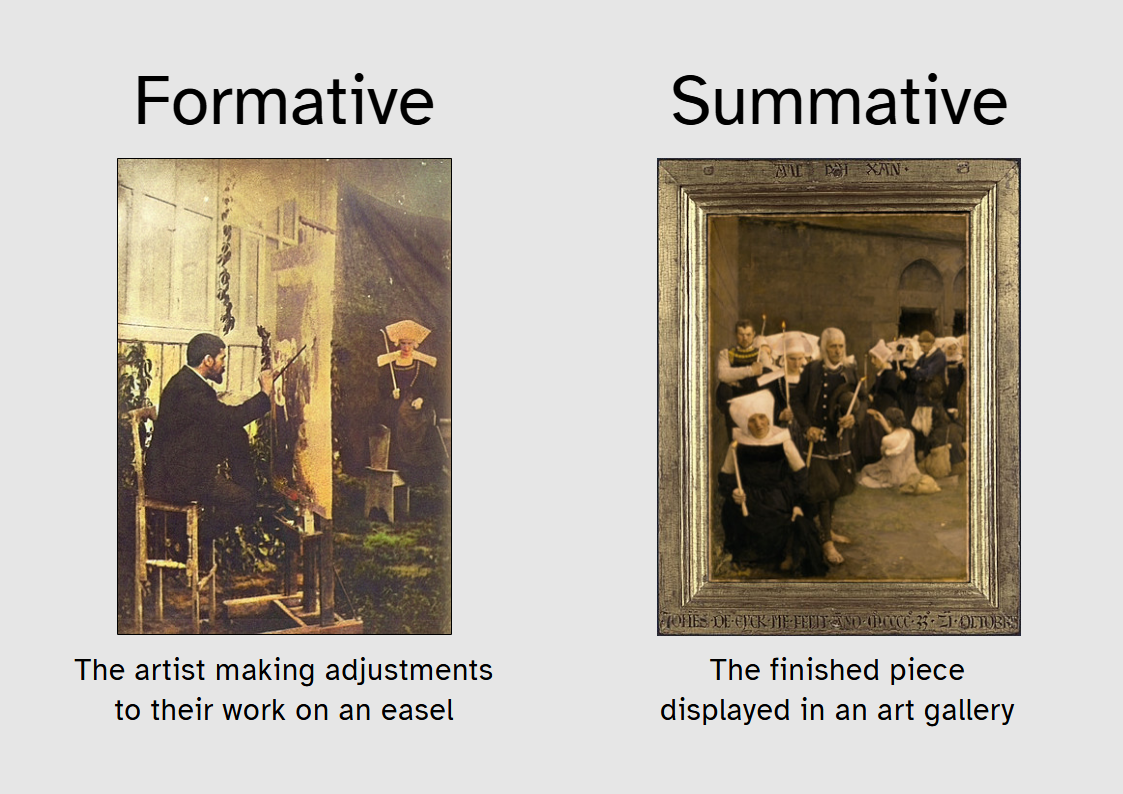
- Formative assessments are ongoing evaluations used to adjust instruction during the learning process. They are the quick checks for understanding, the exit tickets, the moment you look over a student’s shoulder to see if they carried the one. They tell the teacher, "Do I need to reteach this tomorrow?"
- Summative assessments evaluate student learning at the conclusion of an instructional period by comparing the learning against a standard. Think of final exams or end-of-unit tests.
To bridge the gap between formative checks and long-term goals, we rely on Curriculum-Based Measurement (CBM). Curriculum-Based Measurement is an evidence-based assessment method used to continuously track student progress in core academic skills. By giving a student a standardized, one-minute reading probe every week and graphing the words read correctly, a special educator can instantly visualize whether a decoding intervention is taking root.
Furthermore, we must sometimes step outside the traditional testing room entirely:
- Ecological assessment evaluates a student's behavior and academic performance within the student's natural physical and social environments. If a student struggles with sensory overload, an ecological assessment observes them in the chaotic cafeteria, not just in a quiet resource room.
- Authentic assessment evaluates a student's ability to apply acquired knowledge and skills to perform real-world tasks. Instead of answering a multiple-choice question about money, an authentic assessment asks the student to successfully purchase items at the school store and calculate the correct change.
Finally, we must address the most common tightrope special educators walk: adjusting assessments to allow students with disabilities to demonstrate what they know, without accidentally breaking the tool itself.
There is a hard, critical line between an accommodation and a modification.
Test accommodations alter how a student accesses an assessment without changing the fundamental construct being measured. If a student has severe dyslexia but high cognitive reasoning, reading a science exam aloud to them is an accommodation. You are removing the barrier (decoding) to measure the construct (scientific reasoning).
Test modifications, however, alter the actual content or the learning expectations of an assessment. If you take that same science exam, remove three of the four multiple-choice options, and rewrite the questions to a lower grade level, you have modified the test.
Why is this distinction so vital? Because of normative data. Standardized, norm-referenced tests derive their power from comparing a student to thousands of peers who took the exact same test under the exact same conditions. Applying test modifications to an evidence-based standardized assessment invalidates the normative data of that assessment. The moment you modify the test, you can no longer legally or ethically compare that student's score to the norm group. The ruler has been broken; the elastic tape measure has returned.
As an aspiring special educator, your mastery of these concepts is what will separate you from being merely well-intentioned to being highly effective. Your ability to wield valid, reliable, and legally sound assessments is what ensures your students receive the precise interventions they need to thrive.