Preventive and Intervention Strategies for At-Risk Learners
Not sure you’re ready?
Take the ~3-minute readiness diagnostic and see where you stand.
In structural engineering, a bridge does not collapse without warning; subtle stress fractures and load imbalances appear long before a critical failure occurs. The same principle applies to human learning. A student does not drop out of school in a vacuum. At-risk learners are students who have a higher statistical probability of failing academically or dropping out of school. As an educator, your role is akin to that structural engineer: you must identify the hairline fractures—environmental, biological, and behavioral stress points—and apply precise, targeted interventions before a catastrophic academic failure occurs.
To prevent failure, we must first understand its origins. Risk factors are not a guarantee of failure, but they multiply the probability. We divide these roots into three primary categories: biological, environmental, and behavioral.
Biological risk factors for academic failure include low birth weight and prenatal exposure to toxins. These physical vulnerabilities can alter neurological development, resulting in subtle cognitive or self-regulatory deficits that present as major hurdles in a traditional classroom.
Environmental risk factors for academic failure include poverty, homelessness, and high family mobility. Imagine trying to master fraction division when you do not know where you will be sleeping that night. Environmental instability taxes a child’s cognitive load, leaving fewer mental resources available for academic acquisition.
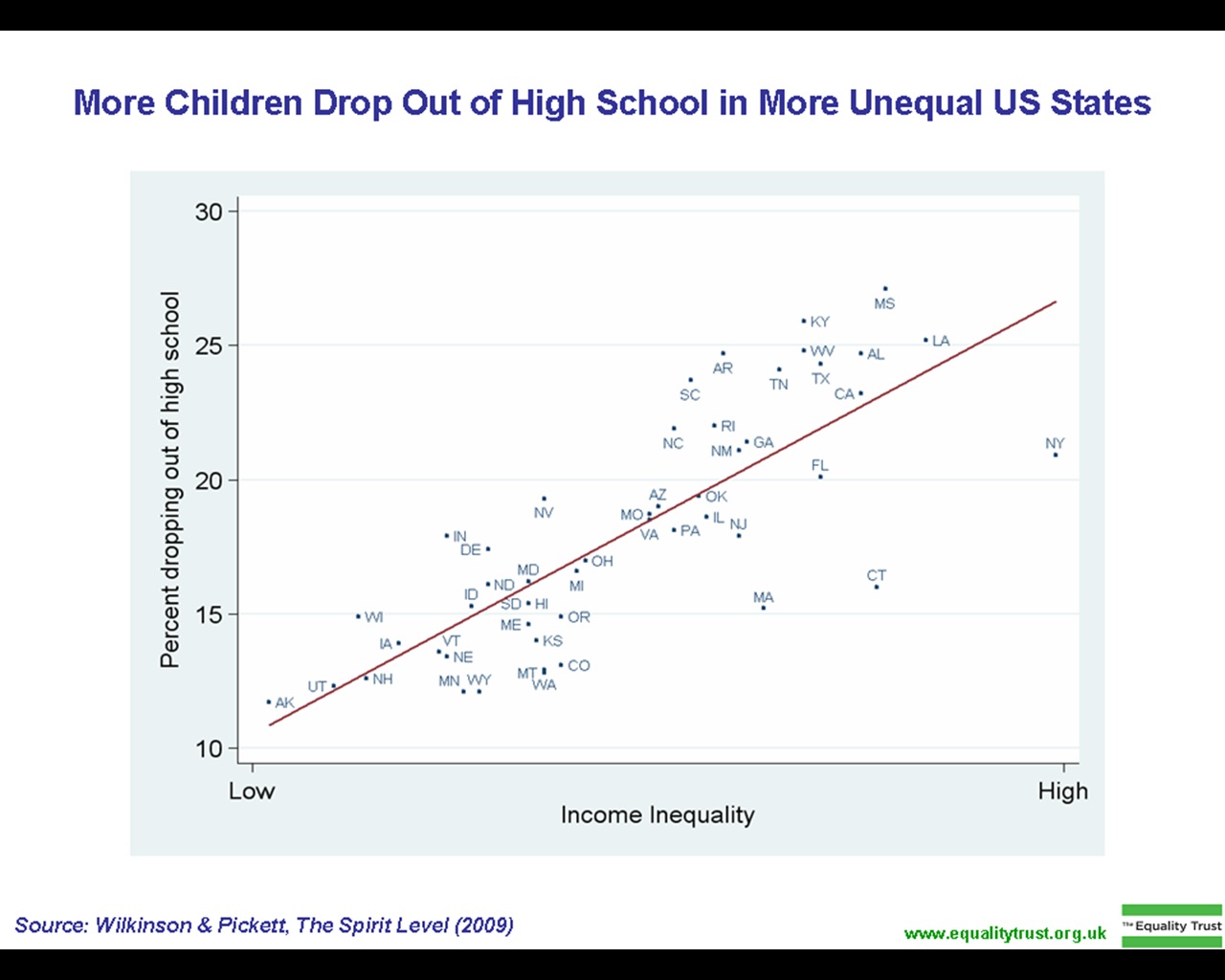
However, we cannot always observe a student’s biological history or home life. Instead, we must look for the behavioral manifestations of these hidden stressors. Disengagement from school activities is a common behavioral characteristic of at-risk learners. They may stop participating in class discussions, avoid eye contact, or passively refuse to complete work.
More measurably, chronic absenteeism is a primary behavioral indicator of a student being at risk for school failure. A student cannot learn in an environment they do not inhabit. To operationalize this data, schools utilize early warning systems, which use school data like attendance and grades to flag students at risk of dropping out. By looking at the objective math of missed days and missing assignments, schools can catch the slipping student before the gap becomes unbridgeable.
The most efficient intervention is the one applied earliest in the developmental timeline. Brain plasticity is highest in the first few years of life, which is why federal law demands action long before a child sets foot in a kindergarten classroom.
The Individuals with Disabilities Education Act Part C mandates early intervention services for infants and toddlers with disabilities. Under this mandate, early intervention involves providing specialized support to children with developmental delays before they reach school age.
The IFSP vs. The IEP While school-aged children receive an Individualized Education Program (IEP), infants and toddlers require a family-centered approach. An Individualized Family Service Plan (IFSP) outlines early intervention services for children from birth to age three. Because a toddler's primary learning environment is the home, the IFSP naturally includes training and support for the parents to facilitate the child's development.
Once a student enters the K-12 system, we cannot rely on a "wait to fail" model. We need a proactive, school-wide triage mechanism.
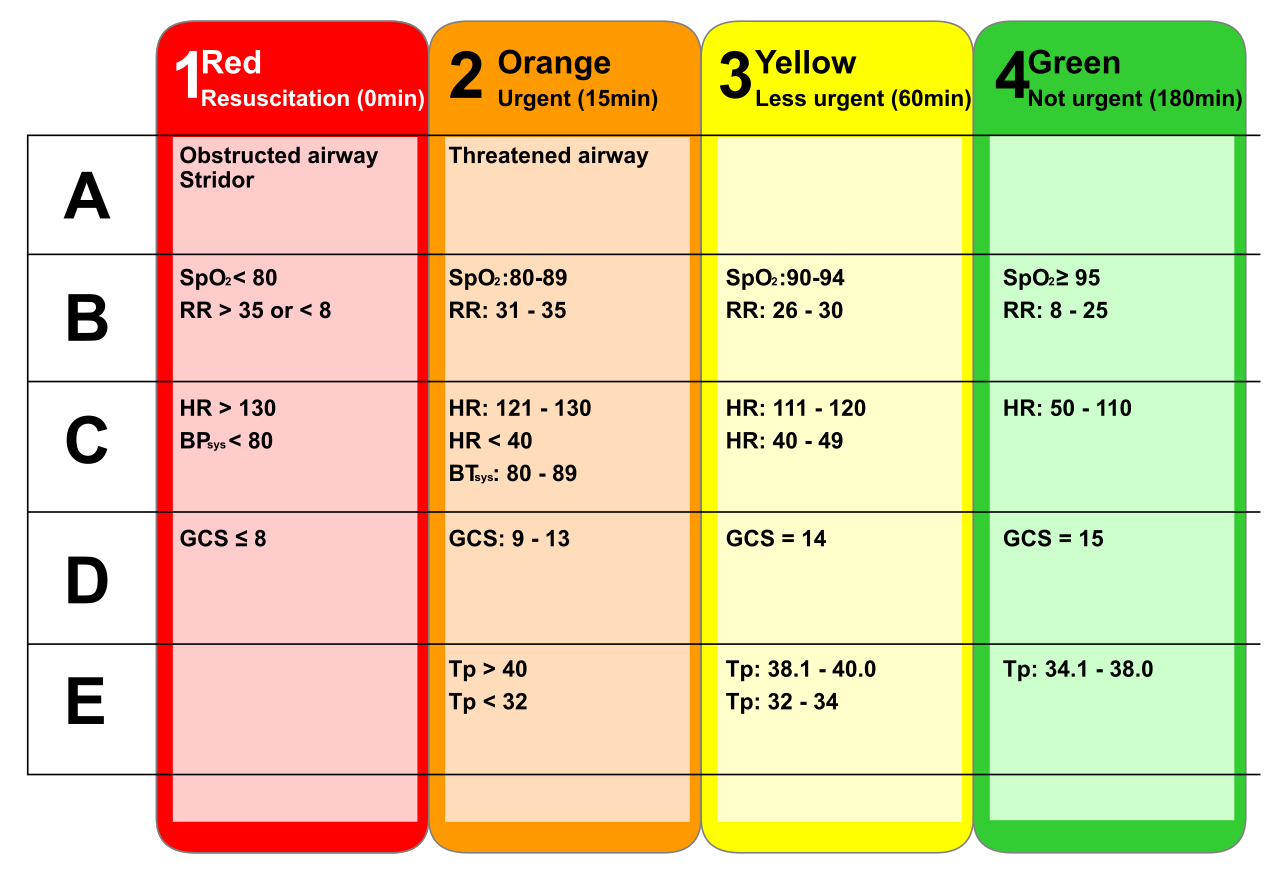
A Multi-Tiered System of Supports (MTSS) is a framework designed to provide targeted support to struggling students. Think of MTSS as a series of concentric safety nets. Structurally, a Multi-Tiered System of Supports integrates assessment and intervention within a multi-level prevention system.
To determine who needs a safety net, schools conduct universal screening, which involves assessing all students in a school to identify individuals at risk for academic or behavioral problems. Once interventions begin, educators use progress monitoring, the frequent assessment of a student's academic performance to evaluate the effectiveness of an intervention. If the data shows the intervention isn't working, you change the intervention.
Within the MTSS umbrella, two specific frameworks operate side-by-side:
- Response to Intervention (RtI): An academic framework within a Multi-Tiered System of Supports. Response to Intervention uses data-based decision making to identify students with learning difficulties.
- Positive Behavioral Interventions and Supports (PBIS): A multi-tiered framework aimed at improving social, emotional, and academic outcomes. Crucially, Positive Behavioral Interventions and Supports focuses on teaching expected behaviors rather than simply punishing misbehavior. You would not punish a child for not knowing how to read; you would teach them. PBIS applies that exact same logic to behavior.
The Three Tiers of MTSS
| Tier Level | Definition & Scope | Example |
|---|---|---|
| Tier 1 | Provides high-quality universal instruction to all students in a general education classroom. | A teacher using research-backed phonics instruction for the whole class. |
| Tier 2 | Involves targeted small-group interventions for students who do not adequately respond to Tier 1 instruction. | A reading specialist pulling a group of four students twice a week for extra fluency practice. |
| Tier 3 | Provides intensive individualized interventions for students with severe academic or behavioral needs. | One-on-one daily instruction using a highly specialized, alternative curriculum. |
Identifying an at-risk student is only half the battle; the other half is what you actually do with them in the classroom. You must rely on evidence-based practices, which are instructional strategies supported by rigorous scientific research.
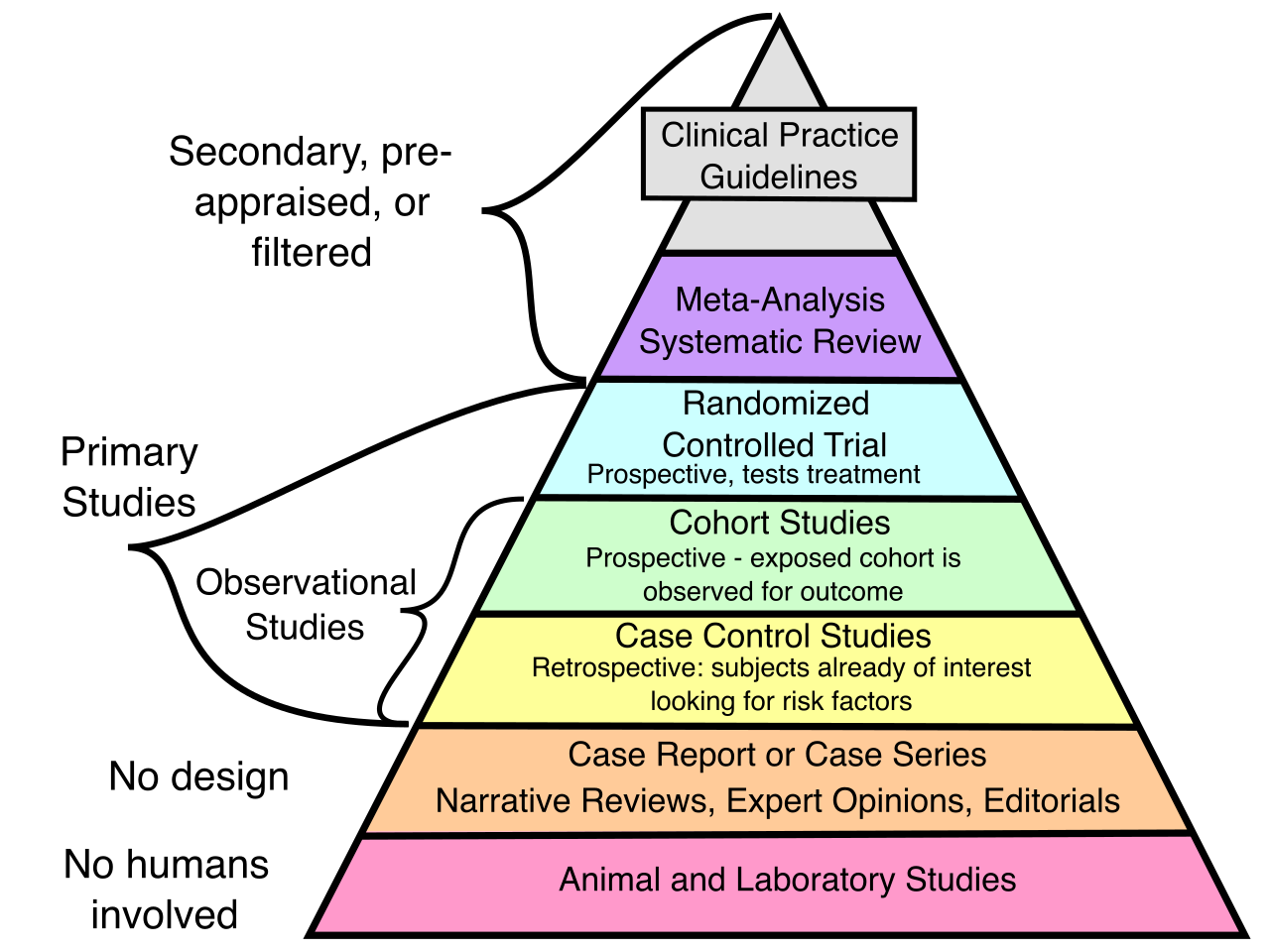
One of the most powerful tools in your instructional arsenal is explicit instruction. This is a systematic instructional approach that includes clear models, guided practice, and independent practice (often summarized as "I do, We do, You do"). We do not ask at-risk students to guess the learning objective or discover complex academic rules organically. Explicit instruction is highly effective for teaching new skills to at-risk learners because it removes ambiguity and minimizes cognitive overload.
As part of this explicit process, you must utilize scaffolding, which involves providing temporary support to a student to help them master a new or complex task. Think of scaffolding like the falsework used to hold up a stone arch while the mortar dries. It is essential at first, but teachers gradually remove scaffolding as a student becomes more proficient in a targeted academic skill, allowing the student to support their own academic weight.

Furthermore, we must adjust to the variance in our classrooms. Differentiated instruction involves modifying the content, process, or product of learning to accommodate diverse student needs. This does not mean lowering the bar; it means altering the path the student takes to jump over it.
Keeping the Mind Occupied: Active Responding and Peer Tutoring
Have you ever noticed that behavioral issues rarely happen when a student is deeply engrossed in a task? Active student responding refers to the rate at which students observably participate in instructional activities (e.g., using whiteboards, choral responding, or guided notes). The math here is incredibly simple, yet profound: increasing active student responding decreases disruptive behavior in at-risk learners. A mind actively engaged in answering a question physically cannot simultaneously plot a classroom disruption.
To further increase engagement, educators leverage peer tutoring, which pairs students together to practice academic skills under teacher supervision. This allows for immediate feedback and much higher response rates than a teacher could achieve leading a whole-group lecture alone.
If a student is acting out due to trauma or deep-seated behavioral deficits, academic scaffolding alone will fail. We must address the human element.
Self-Regulation and Mentorship
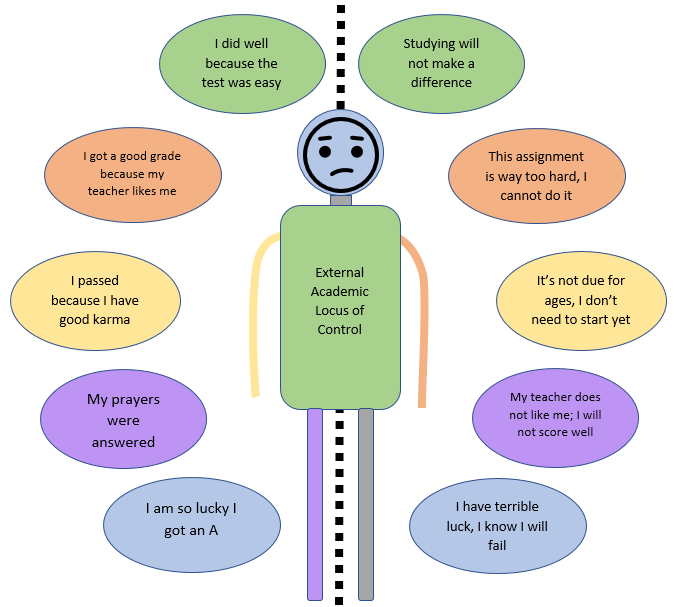
For students struggling with executive function and behavior, self-monitoring interventions teach students to observe and record their own academic or social behaviors. By having a student tally how often they call out or how many math problems they complete, you shift the locus of control from the teacher to the student, building vital self-awareness.
For those requiring Tier 2 behavioral support, Check-In Check-Out is a Tier 2 behavioral intervention where a student meets with an adult mentor at the start and end of the school day. This provides a predictable anchor point. The morning check-in sets positive, clear expectations; the afternoon check-out offers a reflective feedback loop, ensuring the student never feels invisible.
The Learning Environment
Finally, we must contextualize our interventions within the lived reality of the child.
Culturally responsive teaching leverages the cultural knowledge and prior experiences of diverse students to make learning more relevant. If a student’s brain is a meaning-making machine, we must provide them with familiar materials and analogies to attach new concepts to.
Similarly, we must operate through a lens of trauma. Trauma-informed practices recognize the impact of trauma on a student's learning and behavior. A student in a state of hyper-arousal (fight, flight, or freeze) cannot process a phonics lesson. Therefore, trauma-informed practices prioritize creating a safe and supportive school environment for vulnerable learners. Before we can demand cognitive rigor, we must first establish psychological safety.
When you synthesize these strategies—identifying the risks early, applying MTSS rigorously, utilizing explicit instruction, and maintaining a trauma-informed environment—you cease to be a mere conveyor of information. You become the structural engineer who reinforces the foundation, ensuring every student has the stability to support a lifetime of learning.