Human Development and Behavior
Not sure you’re ready?
Take the ~3-minute readiness diagnostic and see where you stand.
Human development is not a uniform march along a predetermined timeline; it is a highly variable biological and environmental cascade. As special educators, you are structural engineers operating within this cascade. You do not merely observe development; you intervene when the structural integrity of a child’s learning trajectory is compromised. To do this effectively, you must understand the underlying blueprints of cognition, physical maturation, and socio-emotional growth, as well as the specific forces that cause atypical development. Recognizing the mechanics of how a child perceives the world, processes information, and interacts with their environment is the fundamental prerequisite for changing their educational reality.
Before we can remediate a learning deficit, we must understand how a human being normally constructs knowledge. Jean Piaget’s theory of cognitive development outlines four stages of intellectual growth, positing that children act as "little scientists," actively building their understanding of the world through interaction.
- Sensorimotor Stage (Birth to ~2 years): In this foundational phase, infants learn through physical interaction with their environment. A monumental cognitive milestone here is object permanence, which is the understanding that objects continue to exist even when hidden from view. This typically develops during Piaget's sensorimotor stage. Without it, out of sight literally means out of mind.

- Preoperational Stage (Ages 2 to 7): Children begin to think symbolically and use language, but their thinking remains highly egocentric and lacks logical structure.
- Concrete Operational Stage (Ages 7 to 11): Children develop logical thought but require concrete, tangible objects to anchor their reasoning. They understand cause and effect but struggle with the abstract.
- Formal Operational Stage (Age 12 and into adulthood): The adolescent brain becomes capable of abstract reasoning, hypothetical thinking, and complex deductive logic.
While Piaget focused on the independent explorer, Lev Vygotsky’s sociocultural theory emphasizes the role of social interaction in cognitive development. Vygotsky argued that a child’s mind does not grow in isolation; it is sculpted by interactions with more knowledgeable others.
The Zone of Proximal Development (ZPD) represents the difference between what a learner can do independently and what that learner can do with guidance.
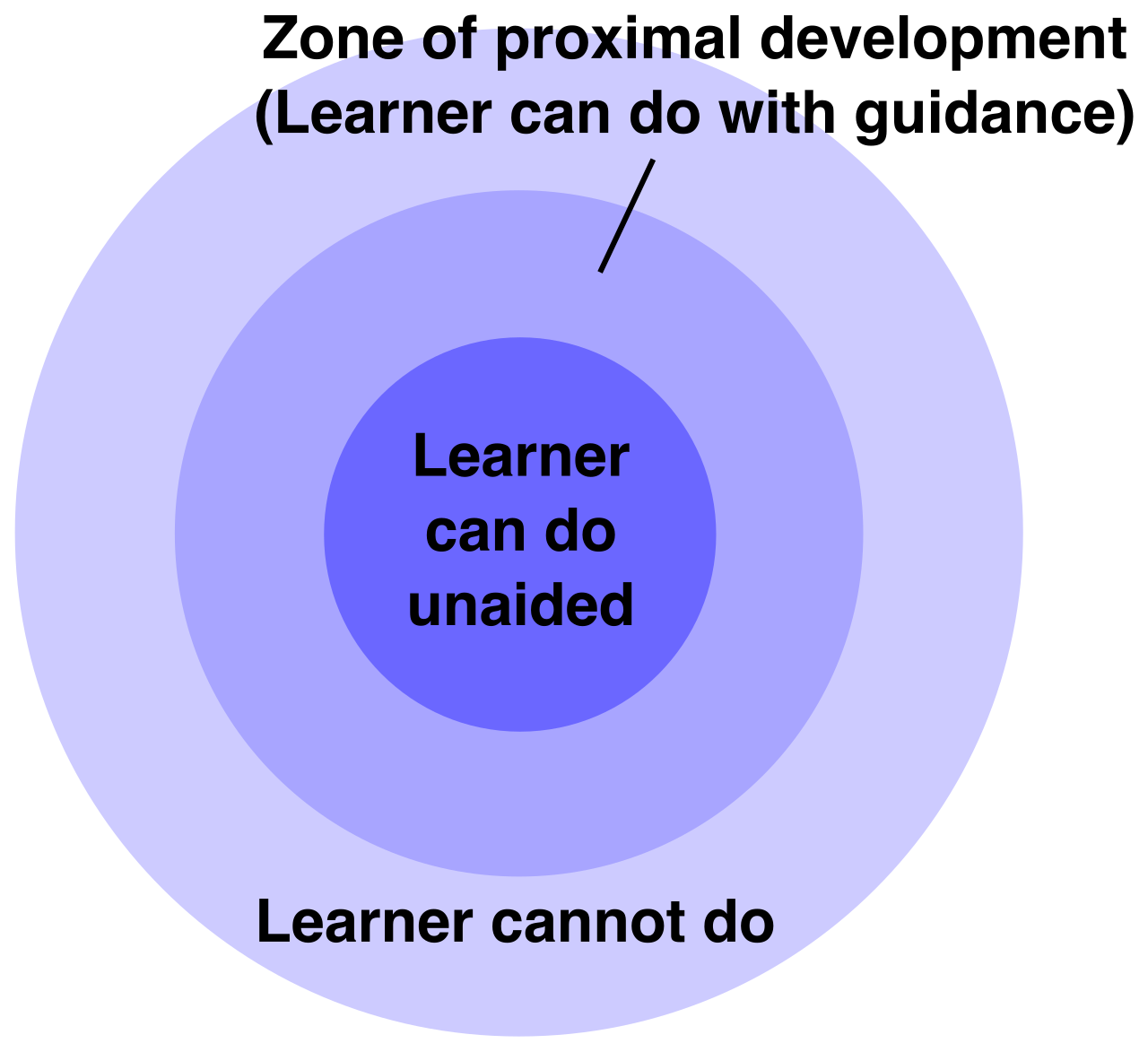
As a special educator, the ZPD is your permanent workspace. To bridge the gap within this zone, you utilize scaffolding, which involves providing temporary support to help a student achieve a learning goal. Just as steel scaffolding holds up a building until its foundation is set, you provide guided notes, visual schedules, or physical prompts until the student achieves independent mastery.
To engage in Vygotsky's social learning, a child needs the tools of communication. Typical human language development is predictable, with the first spoken words appearing around twelve months of age. We categorize this complex system into three critical domains:
- Receptive language refers to the ability to understand information provided by others. When you give a multi-step direction, you are testing receptive capacity.
- Expressive language refers to the ability to communicate thoughts and feelings through words or gestures. When a student points to a picture exchange card to request water, they are utilizing expressive language.
- Pragmatics is the study of how language is used in social contexts. It dictates the unwritten rules of conversation: taking turns, maintaining appropriate eye contact, and understanding sarcasm.
Atypical development occurs when a child's maturation deviates significantly from established developmental milestones. This is not a judgment of a child's worth, but a clinical signal that specialized instruction is required.
Let us clearly define the categories of atypical development you will encounter in your classroom:
Intellectual and Neurodevelopmental Disorders
Intellectual disability is diagnosed based on two concurrent criteria: it is characterized by significant limitations in intellectual functioning (often measured by IQ) and significant limitations in adaptive behavior. Adaptive behavior includes conceptual, social, and practical skills learned by people to function in their daily lives, such as handling money, personal hygiene, and following schedules.
Autism Spectrum Disorder (ASD) is a neurodevelopmental condition characterized by persistent deficits in social communication and social interaction across multiple contexts (often rooted in pragmatics deficits). Furthermore, ASD is characterized by restricted, repetitive patterns of behavior, interests, or activities.
Attention-Deficit/Hyperactivity Disorder (ADHD) presents a different challenge, involving a persistent pattern of inattention that interferes with daily functioning, as well as a persistent pattern of hyperactivity-impulsivity that interferes with daily functioning.
Specific Learning Disabilities
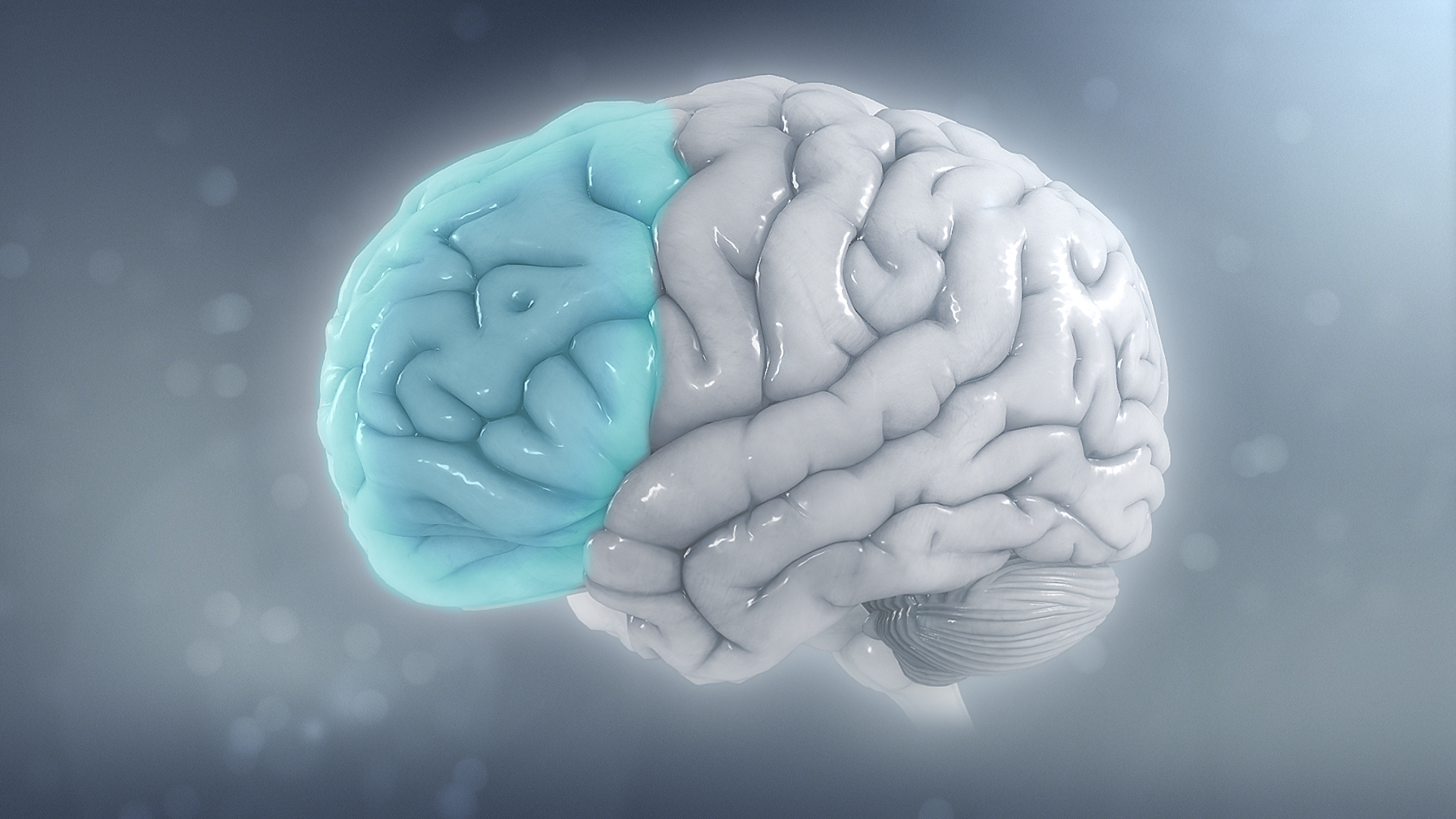
Specific Learning Disabilities (SLD) affect the brain's ability to receive, process, store, respond to, and communicate information. They are neurologically based processing problems.
- Dyslexia is a specific learning disability that primarily affects reading and spelling abilities. It is a deficit in phonological processing, not a visual deficit.
- Dyscalculia is a specific learning disability that affects a person's ability to understand numbers and learn math facts.
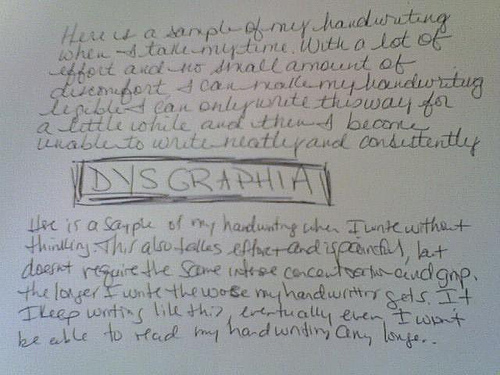
- Dysgraphia is a specific learning disability that affects fine motor skills and written expression, making the physical act of writing exhausting and largely illegible.
It is crucial to understand comorbidity, which refers to the simultaneous presence of two or more medical or psychiatric conditions in the same individual. For example, students with Attention-Deficit/Hyperactivity Disorder have a higher rate of comorbid specific learning disabilities than the general population. You are rarely treating a single diagnostic profile.
Physical and Motor Disabilities
Motor development governs how a child navigates the world. Gross motor skills involve the large muscles of the body that enable functions like walking and jumping. In contrast, fine motor skills involve the coordination of small muscles in movements, such as grasping a pencil or buttoning a shirt.
Why Motor Skills Matter for Cognition: Delays in gross motor development can restrict a child's environmental exploration. Because Piaget taught us that early cognition is built on interacting with the world, restricted environmental exploration can negatively impact early cognitive and spatial development.
We see physical limitations in several distinct conditions:
- Cerebral palsy is a group of disorders that affect a person's ability to move and maintain balance and posture. It is caused by abnormal brain development or damage to the developing brain, often occurring before or during birth.
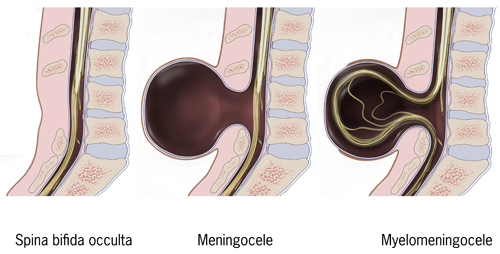
- Spina bifida is a neural tube defect that occurs when the spine and spinal cord do not form properly.
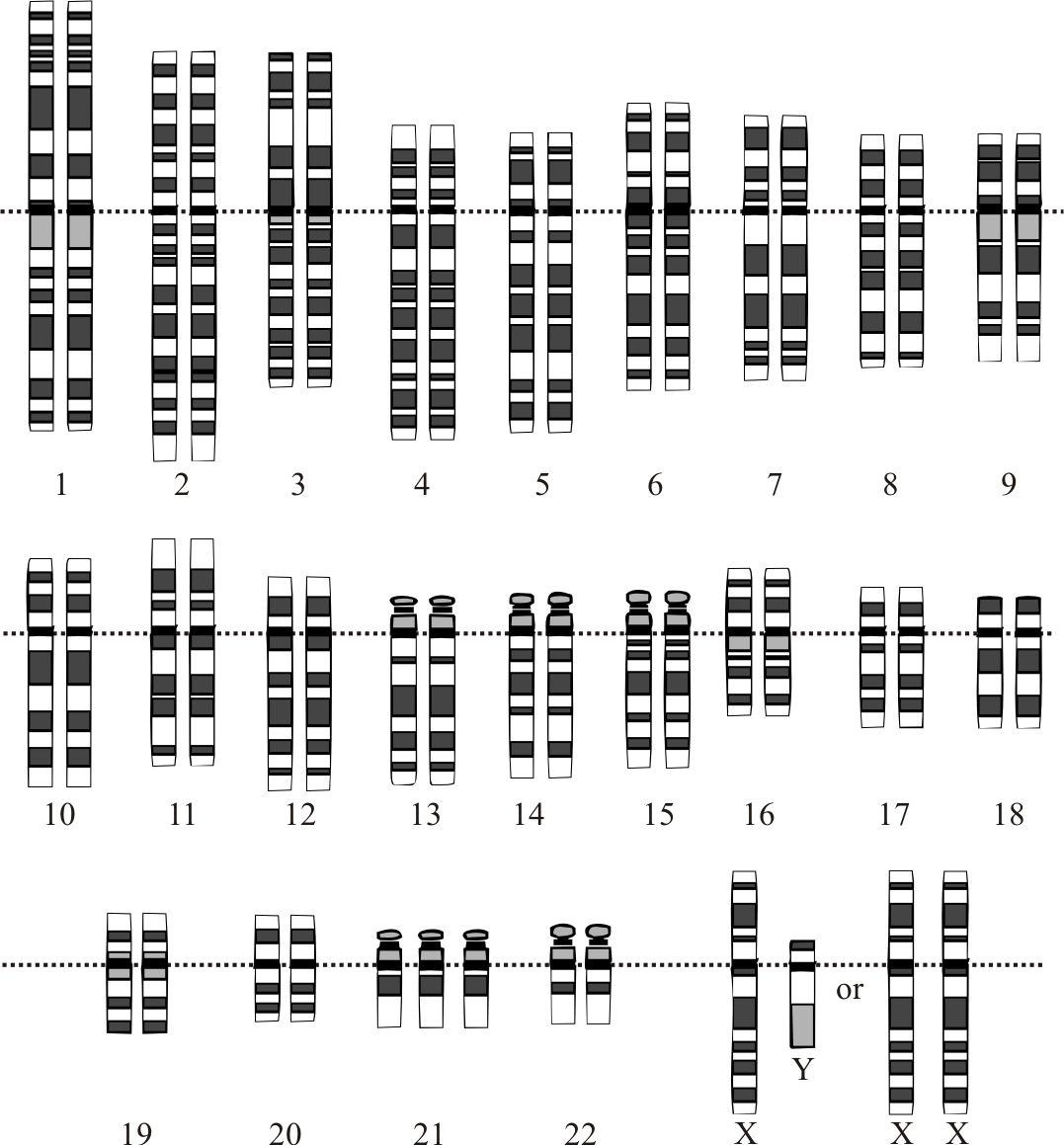
- Down syndrome is a genetic disorder caused by the presence of all or part of a third copy of chromosome 21, leading to characteristic physical features and mild to moderate intellectual disability.
A student's ability to learn is deeply intertwined with their socio-emotional reality. Erik Erikson's psychosocial theory describes eight stages of development characterized by specific psychosocial crises.
For the special educator, the most critical phase is Erikson's Industry versus Inferiority stage, which typically occurs during the elementary school years. During this window, children are figuring out if they are capable ("industry") or if they fall short of their peers ("inferiority"). Successful resolution of Erikson's Industry versus Inferiority stage leads to a sense of competence in a child.
If a child feels incompetent, motivation collapses. We categorize motivation in two ways:
- Intrinsic motivation involves engaging in a behavior because that behavior is personally rewarding. The student reads a book about dinosaurs because they simply love dinosaurs.
- Extrinsic motivation relies on external forces. It involves engaging in a behavior to earn external rewards (like a sticker or a grade) or engaging in a behavior to avoid punishments (like losing recess time).
When students face chronic academic failure, their motivation system can break entirely, leading to learned helplessness—a psychological state where an individual feels unable to control outcomes after experiencing repeated failures. Because they constantly hit invisible neurological walls, students with learning disabilities are at a higher risk of developing learned helplessness compared to their typically developing peers. To counter this, educators must engineer small, consistent victories to rebuild their sense of competence.
Biology is not destiny; the environment plays a profound role in development. From the earliest days, secure attachment to a primary caregiver promotes healthy socio-emotional development in young children.
Conversely, adverse environmental variables severely disrupt development:
- Environmental variables such as poverty can negatively impact a child's cognitive and socio-emotional development due to chronic stress, lack of early enrichment, and food insecurity.
- Early childhood trauma can alter brain development and lead to emotional regulation difficulties. A traumatized brain exists in a state of hyper-vigilance, prioritizing survival over academic learning.
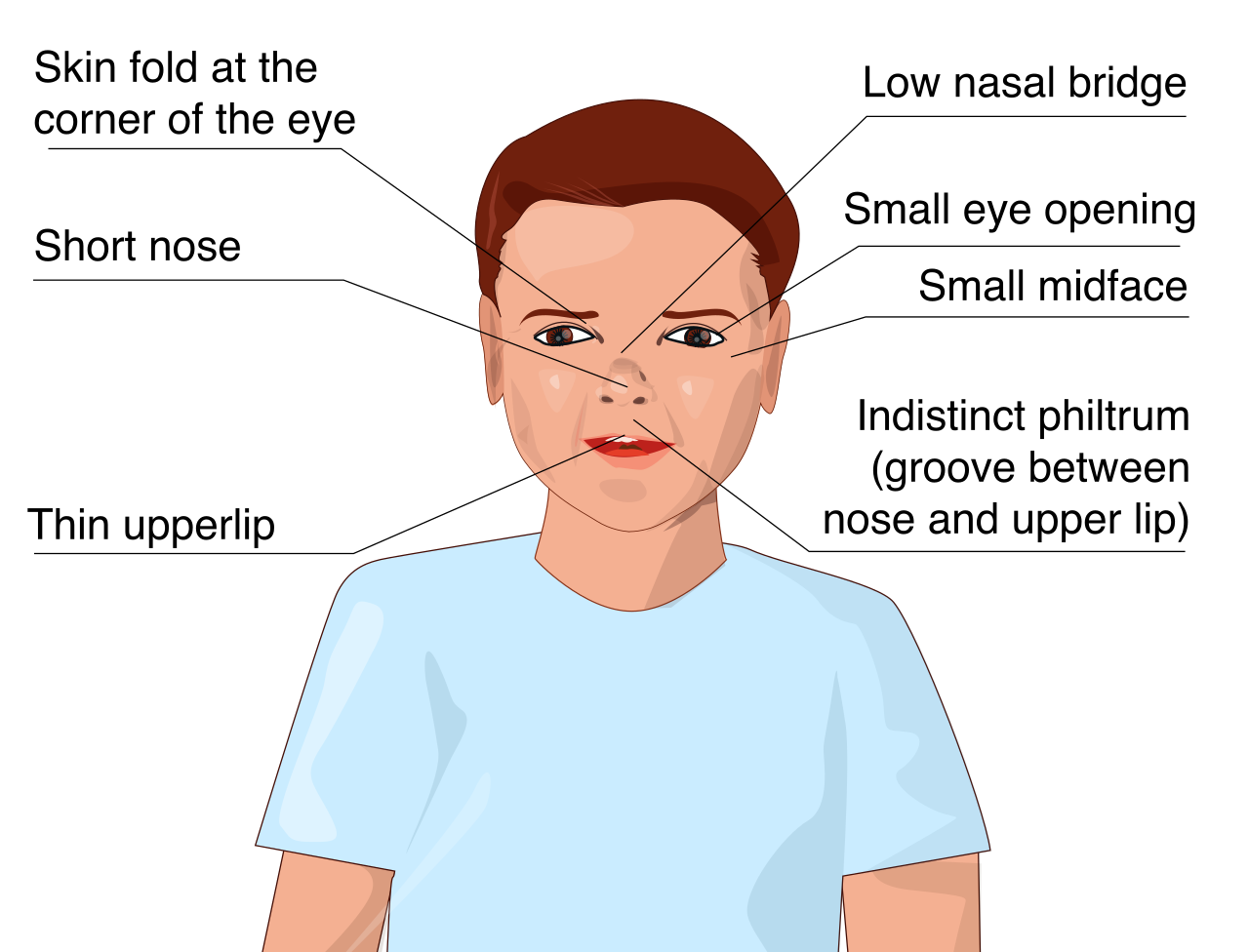
- Before birth, teratogens are environmental agents that can cause harm to an embryo or fetus during prenatal development. A tragic example is alcohol. Fetal Alcohol Spectrum Disorders (FASD) result from prenatal exposure to alcohol, and these disorders often cause cognitive deficits and behavioral challenges.
When a student lacks the expressive language to communicate frustration, or the cognitive maturity to self-regulate, they use behavior.
Executive functioning skills include working memory, flexible thinking, and self-control. They act as the air traffic control system of the brain. Unsurprisingly, deficits in executive functioning are commonly associated with Attention-Deficit/Hyperactivity Disorder. When a student's air traffic control system fails, behaviors spill over.
Behaviors generally manifest in two directions:
- Internalizing behaviors are negative behaviors directed inward by the student. Examples of internalizing behaviors include withdrawal, anxiety, and depression. These students suffer quietly and are easily overlooked.
- Externalizing behaviors are negative behaviors directed outward toward others or the environment. Examples of externalizing behaviors include physical aggression, property destruction, and verbal disruptions.
Medical and Behavioral Interventions
To manage severe behaviors, physicians may prescribe pharmacology. However, you must meticulously monitor the student, as psychotropic medications used to manage behaviors can have side effects that impact a student's cognitive processing, making them appear sluggish or foggy. Furthermore, these psychotropic medications can have side effects that impact a student's physical arousal, making them artificially lethargic or jittery.
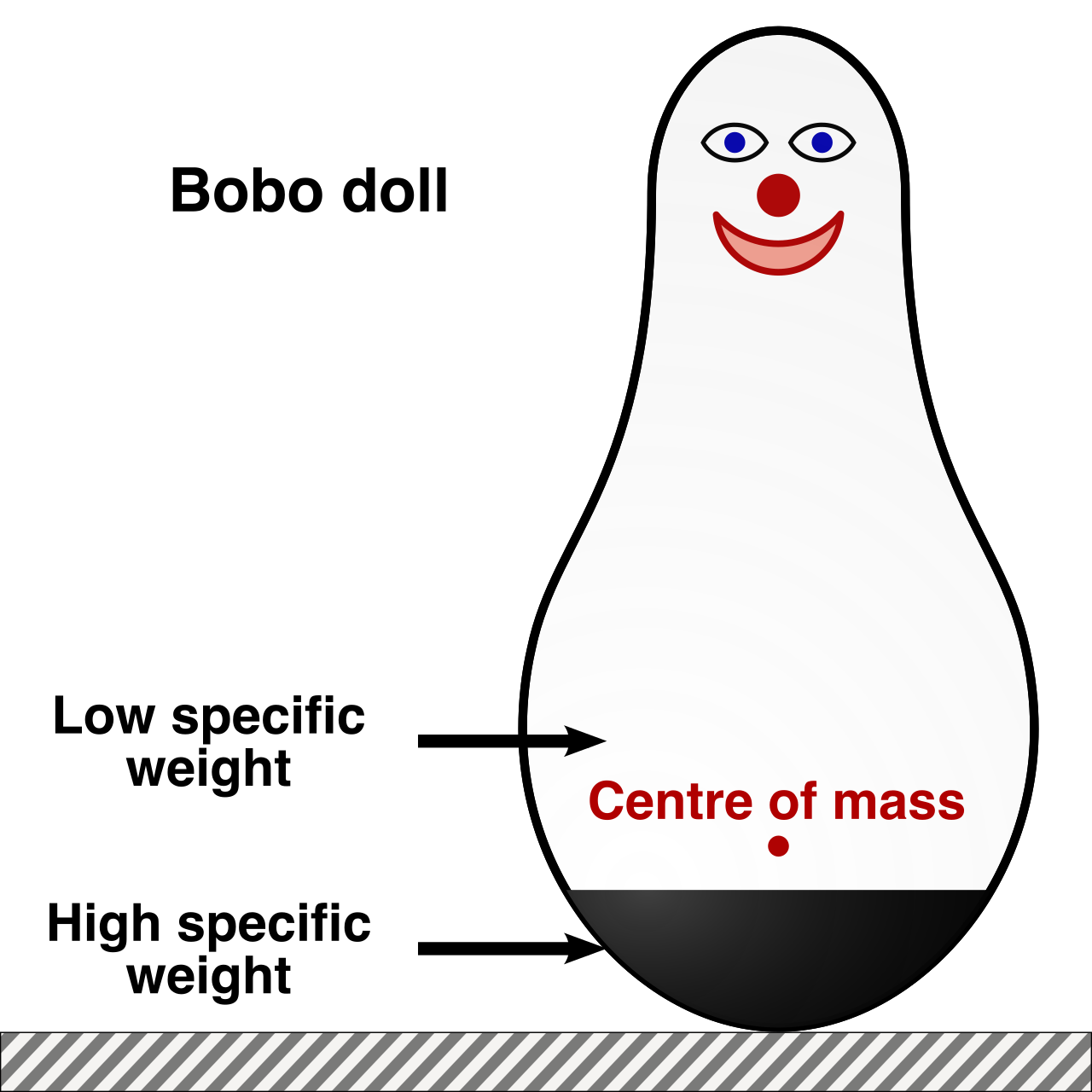
When addressing behavior educationally, we rely on established psychological theories. Albert Bandura's social learning theory posits that individuals learn behaviors by observing others. If a student observes a peer gaining the teacher's attention by throwing a pencil, they are likely to mimic that behavior.
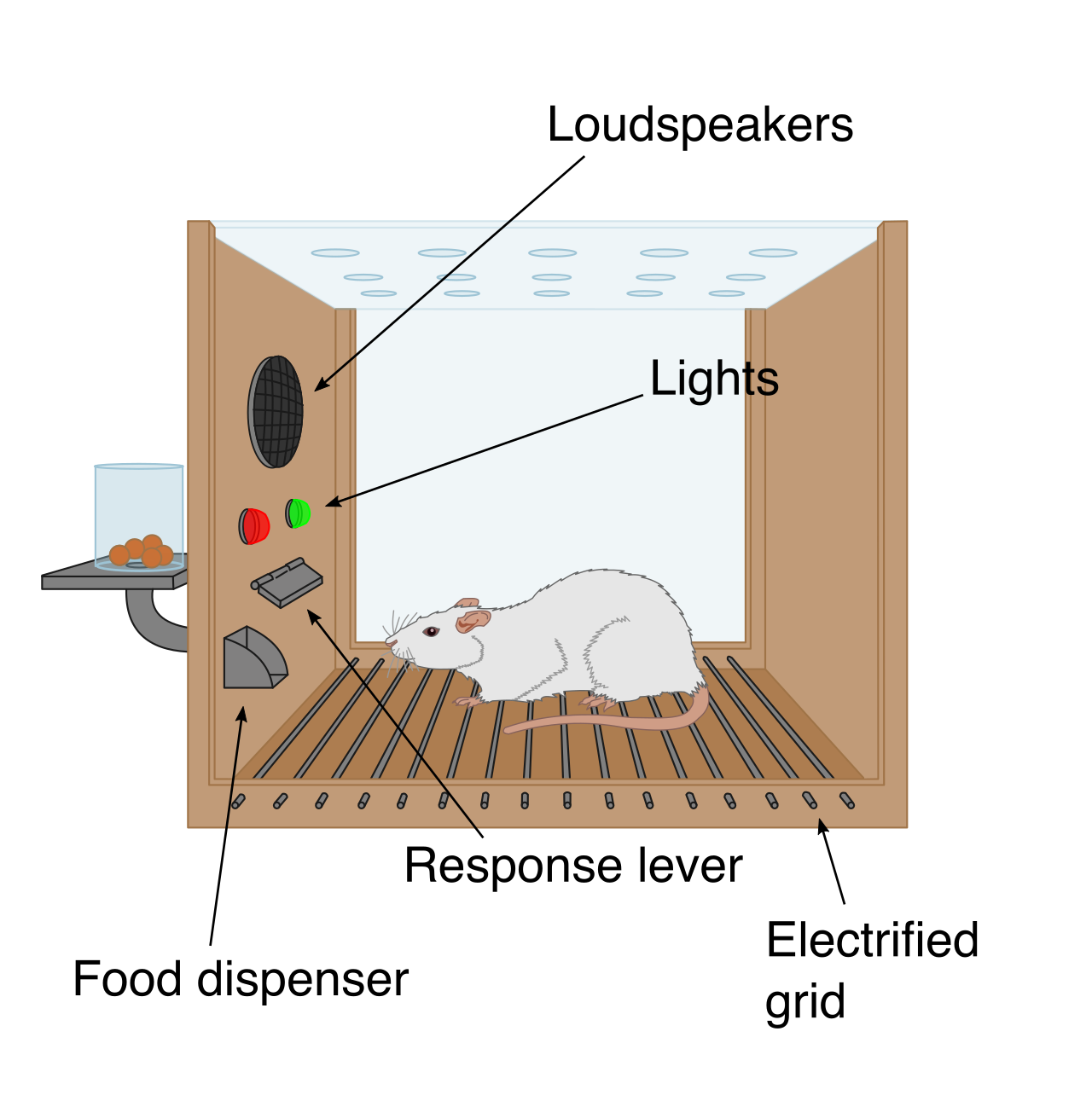
Conversely, B.F. Skinner's theory of operant conditioning states that behavior is determined by its consequences. This foundational concept birthed the most powerful tool in behavioral special education: Applied Behavior Analysis (ABA), an evidence-based approach used to understand and change behavior.
In your classroom, you will deconstruct behavior using the ABCs of behavior in Applied Behavior Analysis, which stand for Antecedent, Behavior, and Consequence:
- Antecedent: An event or environment that triggers a specific behavior. (e.g., The teacher hands out a complex math worksheet.)
- Behavior: The observable action the student takes. (e.g., The student rips up the worksheet.)
- Consequence: An action or response that follows a behavior. (e.g., The teacher sends the student to the hallway, unintentionally rewarding them by removing the difficult task).
By understanding human development—from Piaget's object permanence to the complexities of dysgraphia and the ABCs of ABA—you cease to be a bystander to a student's struggles. You become the architect of their educational accessibility, utilizing your knowledge of typical and atypical growth to engineer a path to their success.