Theoretical Approaches to Student Learning and Motivation
Not sure you’re ready?
Take the ~3-minute readiness diagnostic and see where you stand.
A special education classroom is governed by unseen forces as real and predictable as gravity. When a student disrupts a reading lesson, withdraws from a math worksheet, or suddenly grasps a concept they have struggled with for weeks, they are not acting randomly. They are operating according to specific theoretical frameworks of learning and motivation. To effectively reach students with exceptionalities, an educator cannot merely guess at what might work; they must understand the underlying mechanics of how knowledge is acquired and why a student chooses to engage or disengage. Mastering these theoretical approaches translates abstract psychology into the concrete tools needed to design instruction, intervene in crisis, and build independence in learners who have historically experienced the educational system as a series of impassable barriers.
At its core, behaviorism asserts that learning is a change in observable behavior caused by external stimuli in the environment. It does not concern itself with what a student is "feeling" inside, but rather with what the student does in response to the world around them.
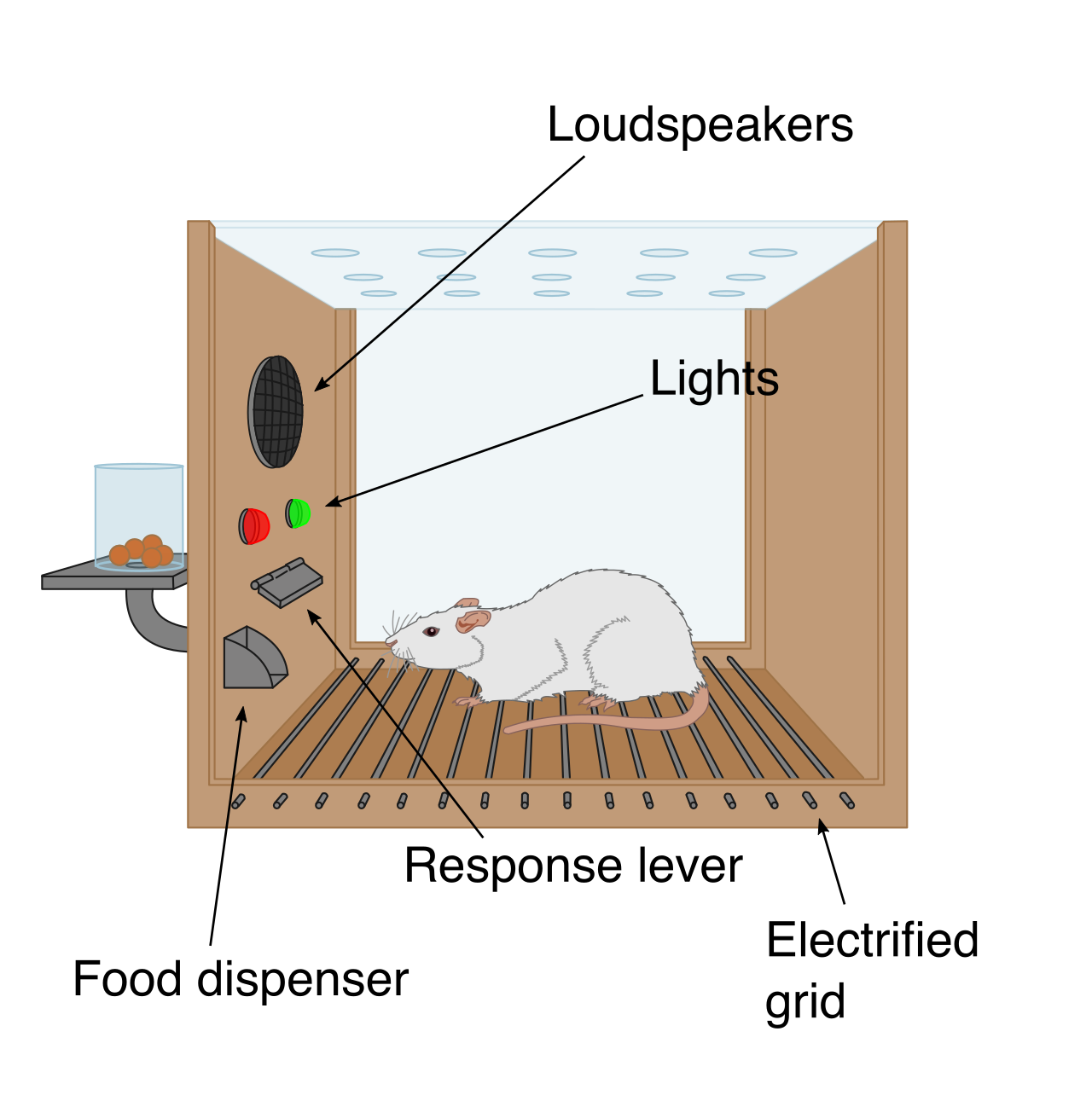
The engine of behaviorism is operant conditioning, a framework that uses consequences to modify the occurrence and form of behavior. In special education, you are constantly shaping behavior, whether you realize it or not. The key is to do it intentionally.
Reinforcement vs. Punishment
To shape behavior, we manipulate consequences. Reinforcement always increases a behavior, while punishment always decreases it.
- Positive reinforcement increases the likelihood of a behavior by presenting a rewarding stimulus immediately after the behavior. If a student correctly answers a question and you immediately offer praise or a sticker, you are increasing the chance they will answer again.
- Negative reinforcement is frequently misunderstood, but it is a powerful tool. It increases the likelihood of a behavior by removing an aversive stimulus immediately after the behavior. Imagine a student who becomes overwhelmed by loud noises and asks appropriately to wear noise-canceling headphones. By giving the headphones, you remove the aversive noise. The behavior (asking appropriately) is reinforced.
- Punishment, on the other hand, decreases the likelihood of a specific behavior occurring again in the future.
- Extinction reduces a target behavior by withholding the reinforcement that previously maintained the behavior. If a student taps their pencil incessantly to gain your attention, and you systematically ignore the tapping, the behavior will eventually fade because the "fuel" (your attention) has been removed.
When we formalize these mechanisms, we arrive at Applied Behavior Analysis (ABA). ABA applies the principles of operant conditioning to change socially significant behaviors in students. It is the systematic, data-driven application of behaviorism to teach life skills, communication, and academic readiness.
Crucial Distinction: Negative reinforcement is not punishment. Negative reinforcement builds a behavior up; punishment tears a behavior down.
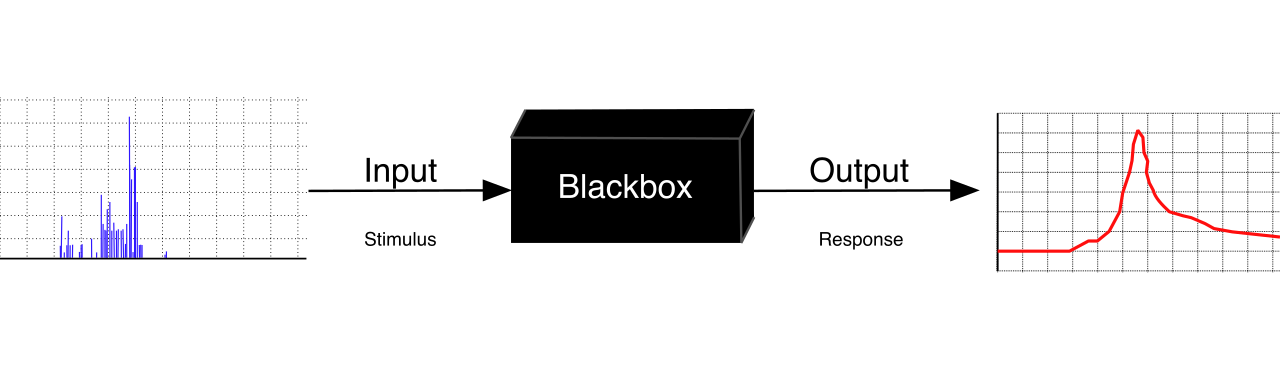
While behaviorism treats the mind as a black box, cognitive learning theories focus entirely on the internal mental processes involved in acquiring knowledge. How does a student encode, store, and retrieve information?
The Computer Analogy and Working Memory
The information processing theory compares human cognitive functioning to a computer processing information. Data comes in through the senses (keyboard), is temporarily held in working memory (RAM), and is eventually saved to long-term memory (hard drive).
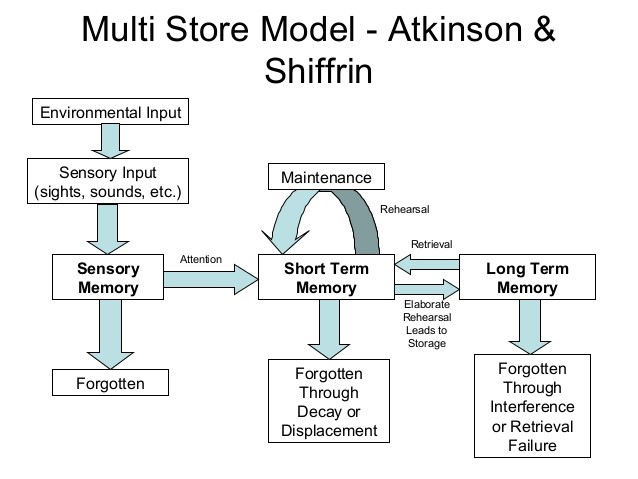
Here is why this matters deeply for your daily reality: Working memory capacity is often limited in students with learning disabilities. Their mental "RAM" overloads quickly. If you give a student a five-step instruction, the first three steps might drop out of their working memory before they even begin.
To bypass this hardware limitation, we use chunking. Chunking reduces cognitive load by grouping discrete pieces of information into larger meaningful units. Instead of memorizing 1-7-7-6-1-8-1-2, a student memorizes 1776 and 1812. You are teaching them to compress the file.
Constructivism: Building the Mind
Constructivism posits that learners actively construct personal understanding of the world through experiencing things, rather than passively receiving information. A student's brain is not an empty vessel waiting to be filled; it is a construction site.
To build this understanding, the brain uses a schema—a cognitive framework that helps individuals organize and interpret information. Think of schemas as mental file folders. When a student encounters new information, two things can happen:
- Assimilation occurs when a learner incorporates new information into an existing cognitive schema. (A student knows what a golden retriever is; they see a poodle and assimilate it into their "dog" schema).
- Accommodation occurs when a learner modifies an existing cognitive schema to include new information. (A student sees a horse, tries to call it a "dog," but realizes it doesn't fit. They must build a new folder).
Vygotsky and the Zone of Proximal Development
Lev Vygotsky introduced one of the most vital concepts in all of education: the Zone of Proximal Development (ZPD). The Zone of Proximal Development represents the difference between what a learner can do independently and what the learner can do with guidance.
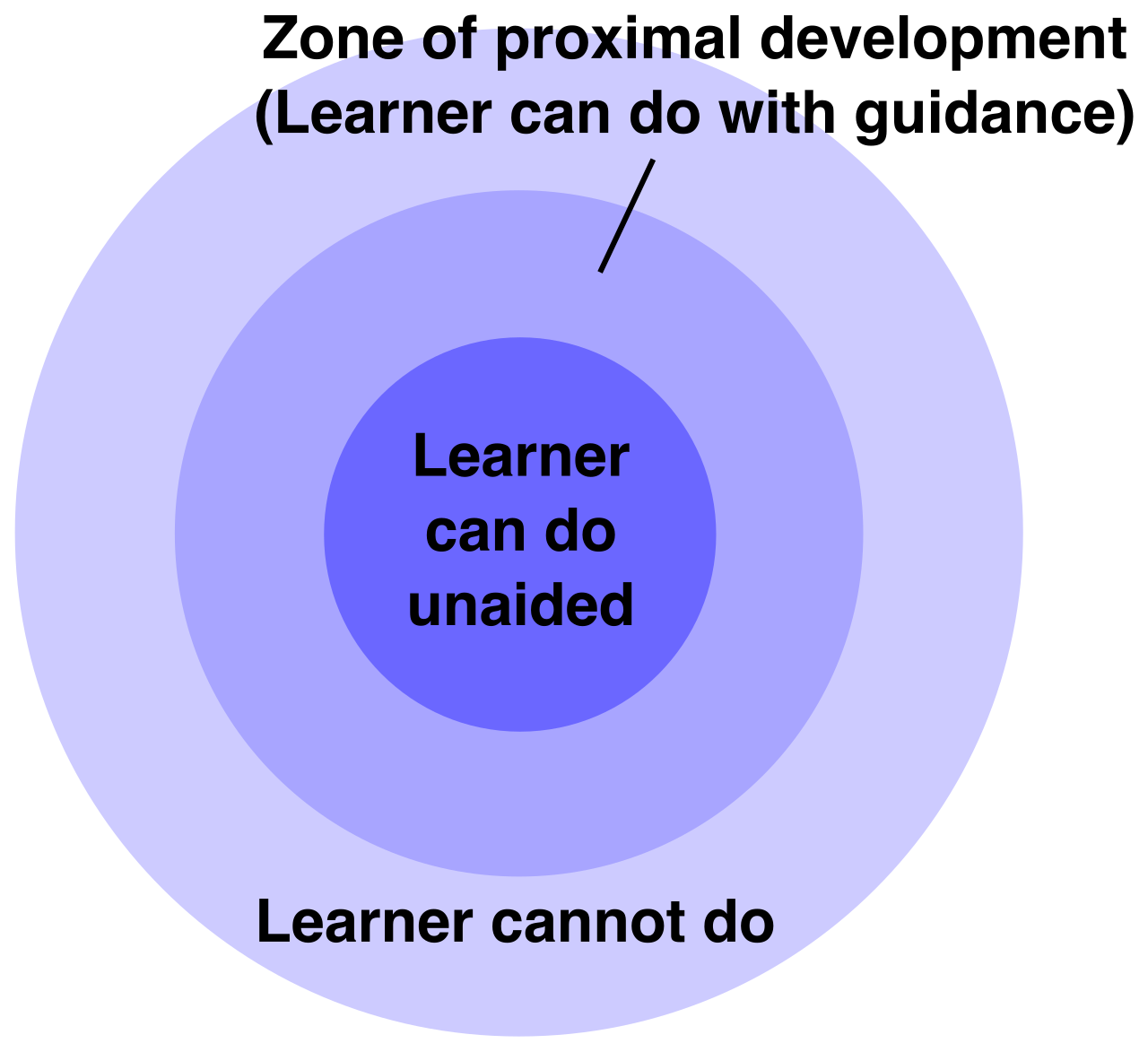
If you teach below the ZPD, the student is bored. If you teach above the ZPD, the student is frustrated. You must aim directly into the ZPD, providing scaffolding—temporary support to help a student master a task within the Zone of Proximal Development. Once the student masters the skill, the scaffolding is removed, just like in real construction.
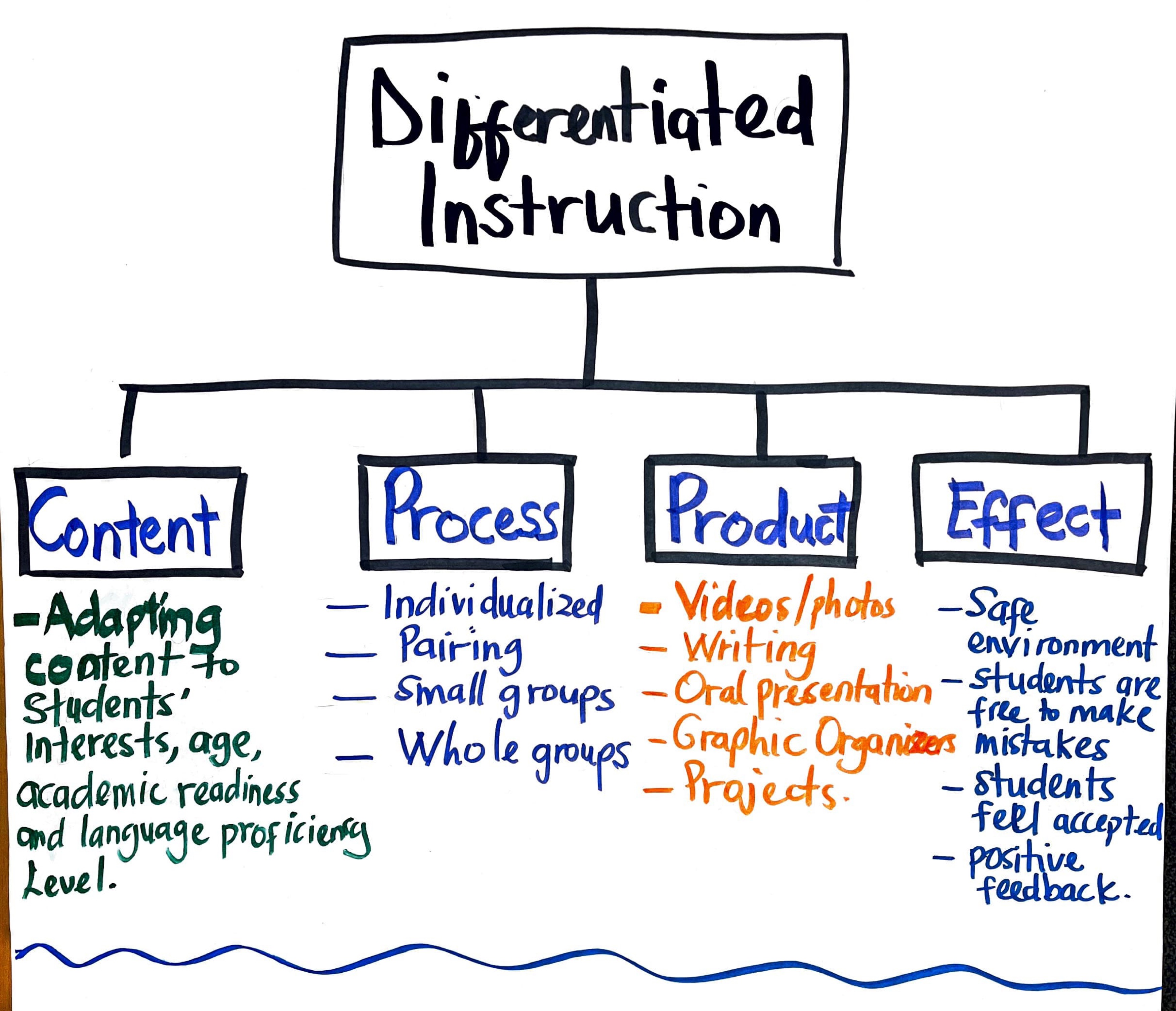
By adapting your teaching methods to a student's current readiness level, you are utilizing differentiated instruction, which applies constructivist theories directly to the diverse needs of a special education classroom.
Students do not learn in a vacuum; they learn by watching you, watching their peers, and existing within a broader environment.
Albert Bandura developed Social Learning Theory, which proposes that new behaviors can be acquired by observing and imitating others. From this theory, we get modeling, an instructional strategy derived directly from Social Learning Theory. When you "think aloud" while solving a math problem, you are modeling the cognitive behavior you want your students to imitate.
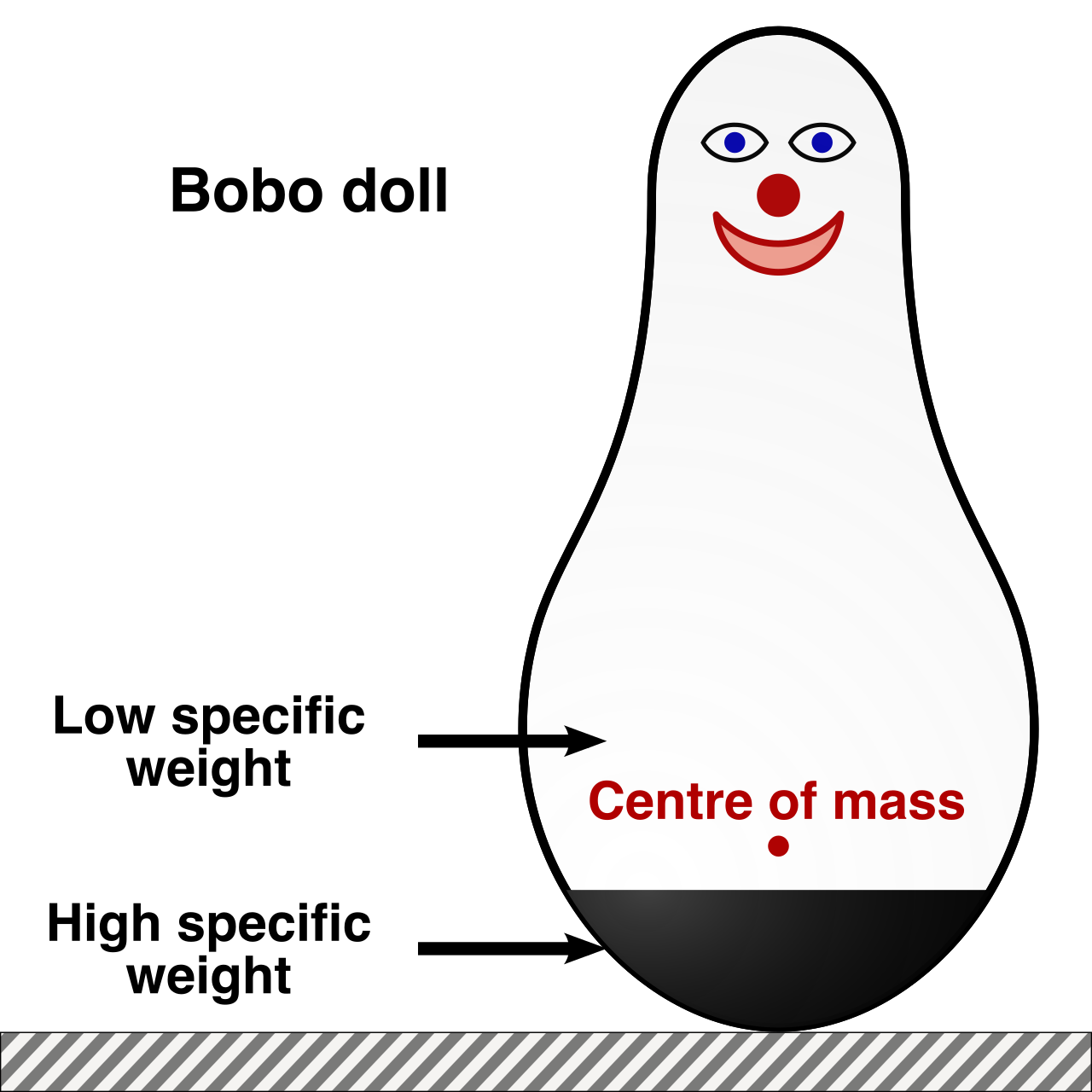
Social Learning Theory also introduces the concept of self-efficacy: the belief in personal ability to succeed in specific situations or accomplish a task. This is a critical metric because students with learning disabilities frequently demonstrate low self-efficacy regarding academic tasks. They have failed so many times that they no longer believe they can succeed.
The Broad View: Ecological Systems Theory
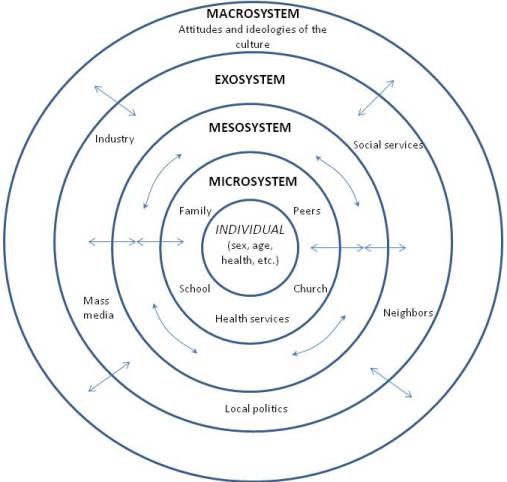
To fully understand a student, you must look beyond the classroom. Urie Bronfenbrenner developed the Ecological Systems Theory, which emphasizes that a student's development is affected by all surrounding environmental systems.
| System Level | What It Represents in a Student's Life |
|---|---|
| Microsystem | Immediate environments (family, school, peers). |
| Mesosystem | Connections between immediate environments (e.g., parent-teacher communication). |
| Exosystem | Indirect environments that impact the student (e.g., a parent's workplace stress, school board policies). |
| Macrosystem | Broad cultural values, laws, and economic conditions. |
When a student arrives in your classroom dysregulated, Bronfenbrenner reminds us that the behavior might originate from a rupture in their microsystem at home.
You can design the perfect scaffolded, behaviorally sound lesson, but if the student refuses to engage, learning halts. Understanding motivation is the master key to special education.
The Foundation: Maslow and Expectancy-Value
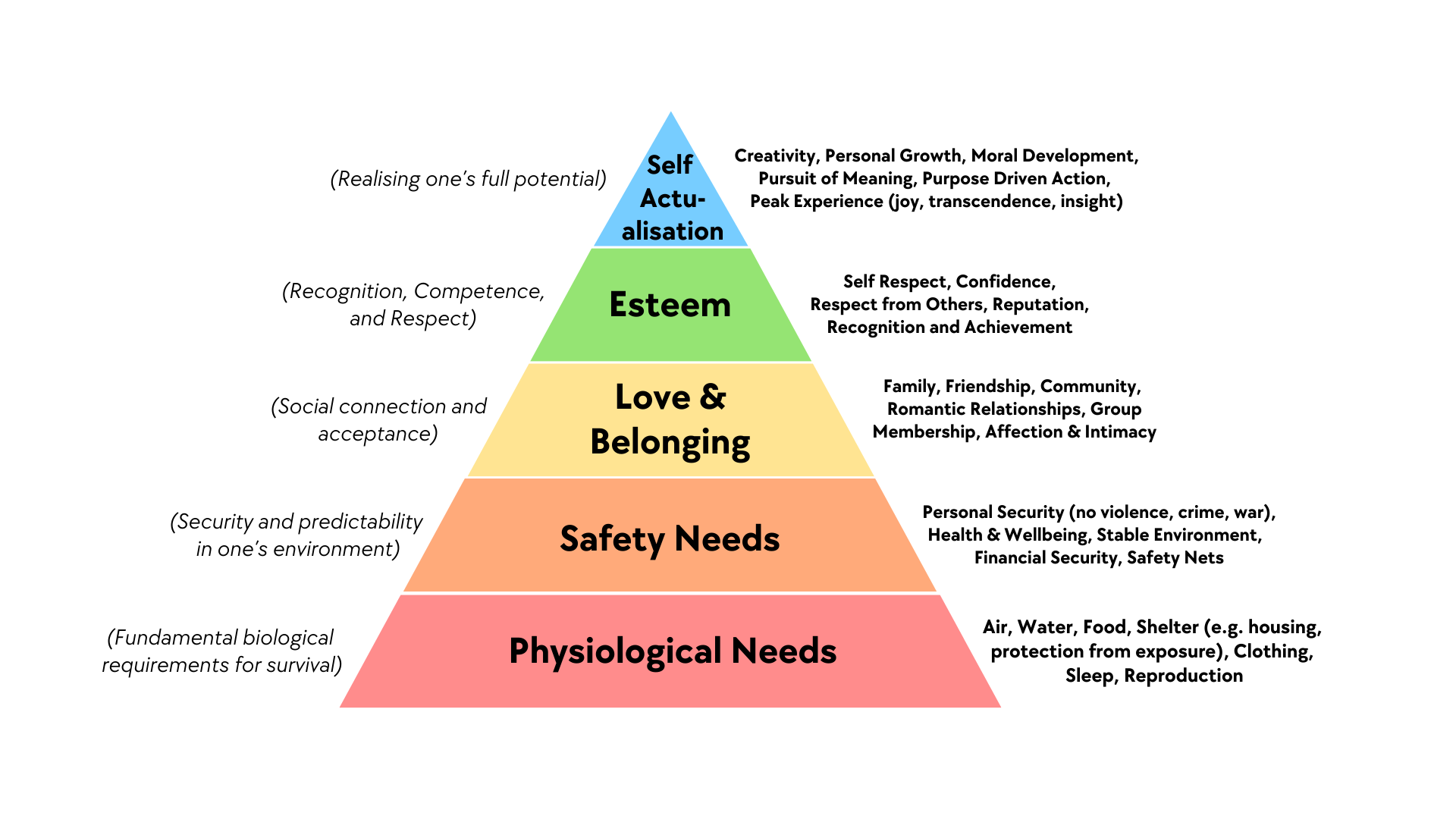
Before you ask a student to analyze a poem, check their baseline. Maslow's Hierarchy of Needs dictates that foundational physiological needs (food, sleep, safety) must be met before higher-level cognitive needs can be addressed. A hungry, anxious student cannot engage their working memory effectively.
Once basic needs are met, a student makes a subconscious calculation before attempting a task. Expectancy-Value Theory posits that motivation is determined by two factors: the learner's expectation of success ("Can I do this?") and the value placed on the goal ("Do I care?"). If either of these is zero, motivation is zero.
Intrinsic vs. Extrinsic Motivation
- Intrinsic motivation involves engaging in a behavior because the behavior is inherently rewarding to the student. They read a book about dinosaurs because they love dinosaurs.
- Extrinsic motivation involves engaging in a behavior to earn external rewards such as praise or grades.
In special education, we frequently rely on extrinsic motivation to jump-start behaviors. A prime example is the token economy, a behavior modification system based on the systematic reinforcement of target behaviors. Token economies utilize extrinsic motivation to shape student behavior in special education classrooms, allowing students to earn tokens for on-task behavior that can be traded for preferred items or activities.
However, you must wield extrinsic rewards carefully due to the overjustification effect. This occurs when an expected external incentive decreases intrinsic motivation to perform a task. If a student already loves drawing, and you start paying them in tokens for every drawing, they may stop drawing entirely once the tokens are removed. Their brain has reclassified a joy as a job.
To balance this, modern frameworks like the Universal Design for Learning (UDL) rely heavily on these motivational theories. The UDL principle of Multiple Means of Engagement directly applies theories of intrinsic and extrinsic motivation by offering varied choices, optimizing relevance, and minimizing threats to keep students hooked.
How a student interprets their own success or failure dictates their future effort.
Self-Determination Theory
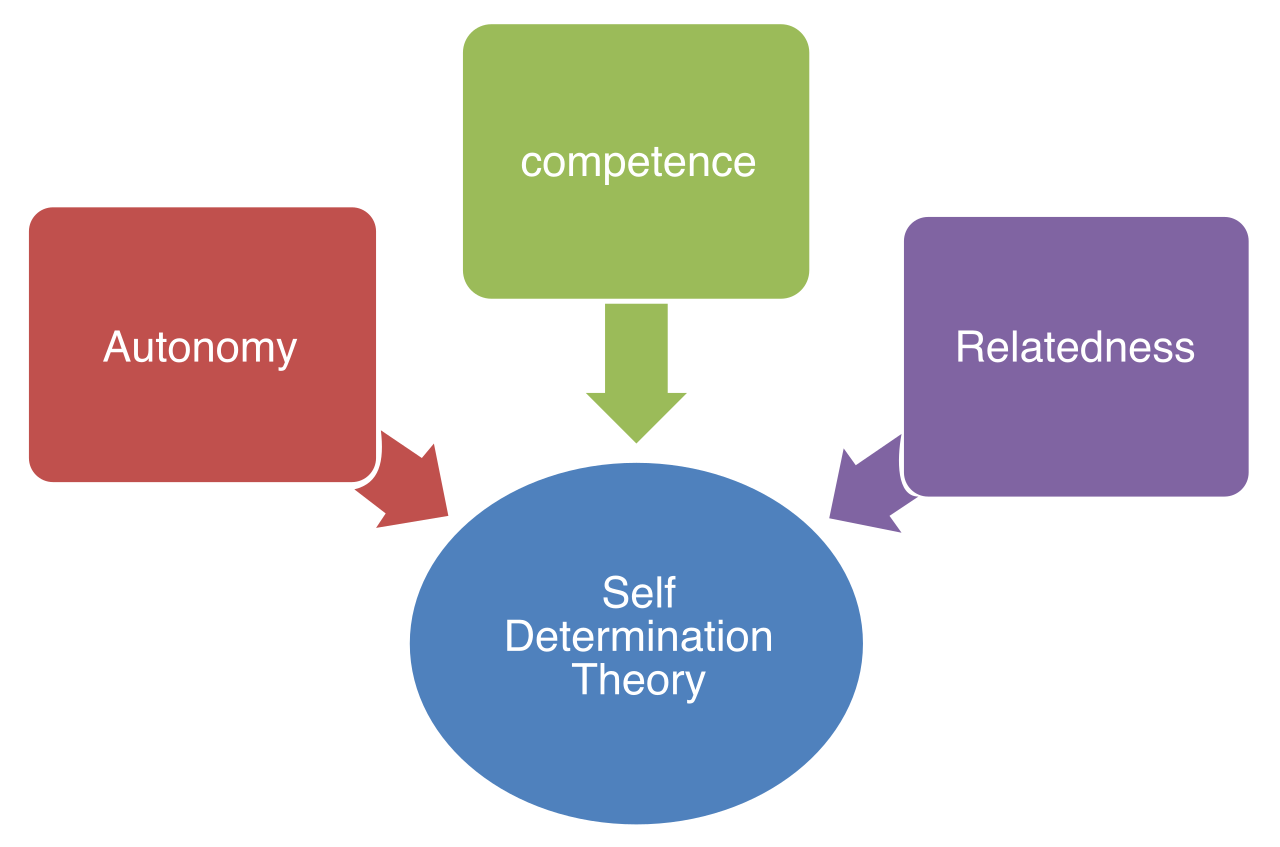
Self-Determination Theory identifies autonomy, competence, and relatedness as three universal psychological needs necessary for deep, intrinsic motivation.
- Autonomy refers to the need of a student to feel in control of personal behaviors and goals. In a world where special education students are often told exactly what to do and when to do it, giving them a voice is transformative. In fact, fostering autonomy in special education improves student engagement during individualized education program (IEP) meetings, shifting them from passive subjects to active architects of their future.
- Competence involves the human need to feel capable of achieving desired outcomes.
- relatedness is the need to feel connected to and understood by others in the learning environment.
Attribution Theory and Learned Helplessness
When a student gets an "F" on a math test, why do they think they failed? Attribution Theory examines how individuals explain the underlying causes of personal behavior and events.
This hinges on a student's locus of control—the degree to which individuals believe internal or external forces control their lives.
- Students with an internal locus of control attribute academic success to personal effort. If they fail, they believe they just need to study harder.
- Students with an external locus of control attribute academic failure to external factors like luck or teacher bias. If they fail, they believe the test was rigged or the teacher dislikes them.
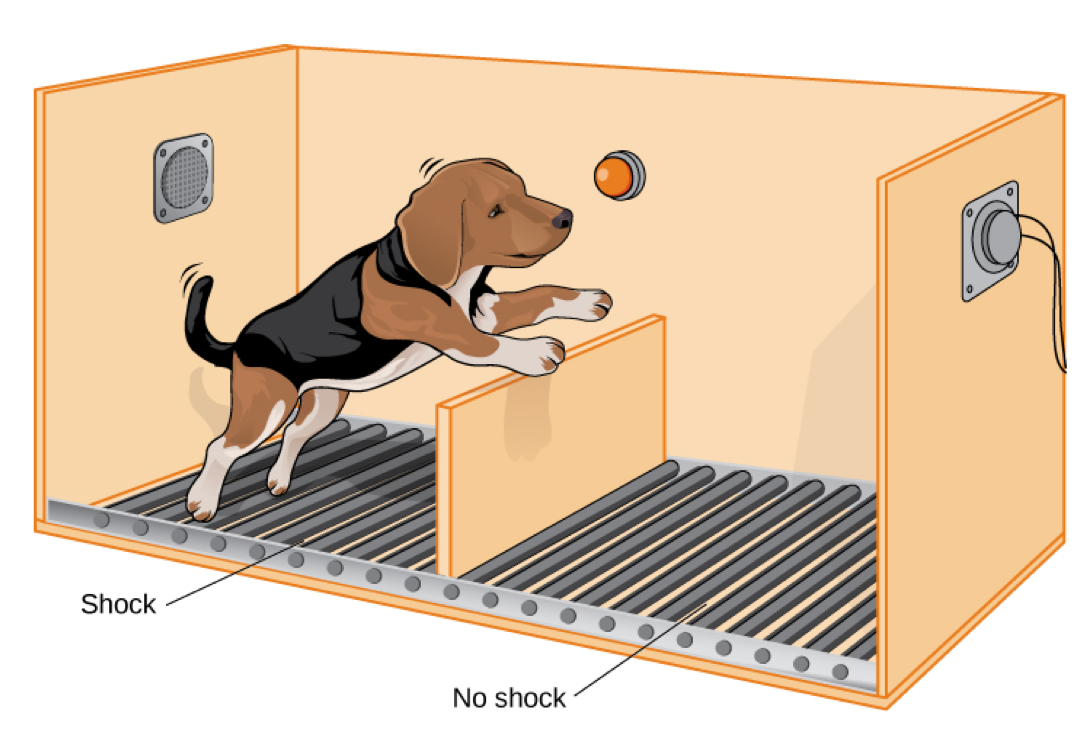
When external attribution compounds over years of struggle, a dark psychological state sets in. Learned helplessness occurs when a student repeatedly experiences failure and comes to believe that academic outcomes are uncontrollable. They simply stop trying. Tragically, students with exceptionalities are at a higher risk of developing learned helplessness than typically developing peers.
Your ultimate role as an educator is to dismantle learned helplessness. By using behaviorist reinforcements to guarantee early wins, chunking information to respect their cognitive limits, scaffolding them through their Zone of Proximal Development, and giving them autonomy over their goals, you are doing more than teaching a curriculum. You are rewiring their belief in their own potential.