Supplementary and Functional Curriculum
Not sure you’re ready?
Take the ~3-minute readiness diagnostic and see where you stand.
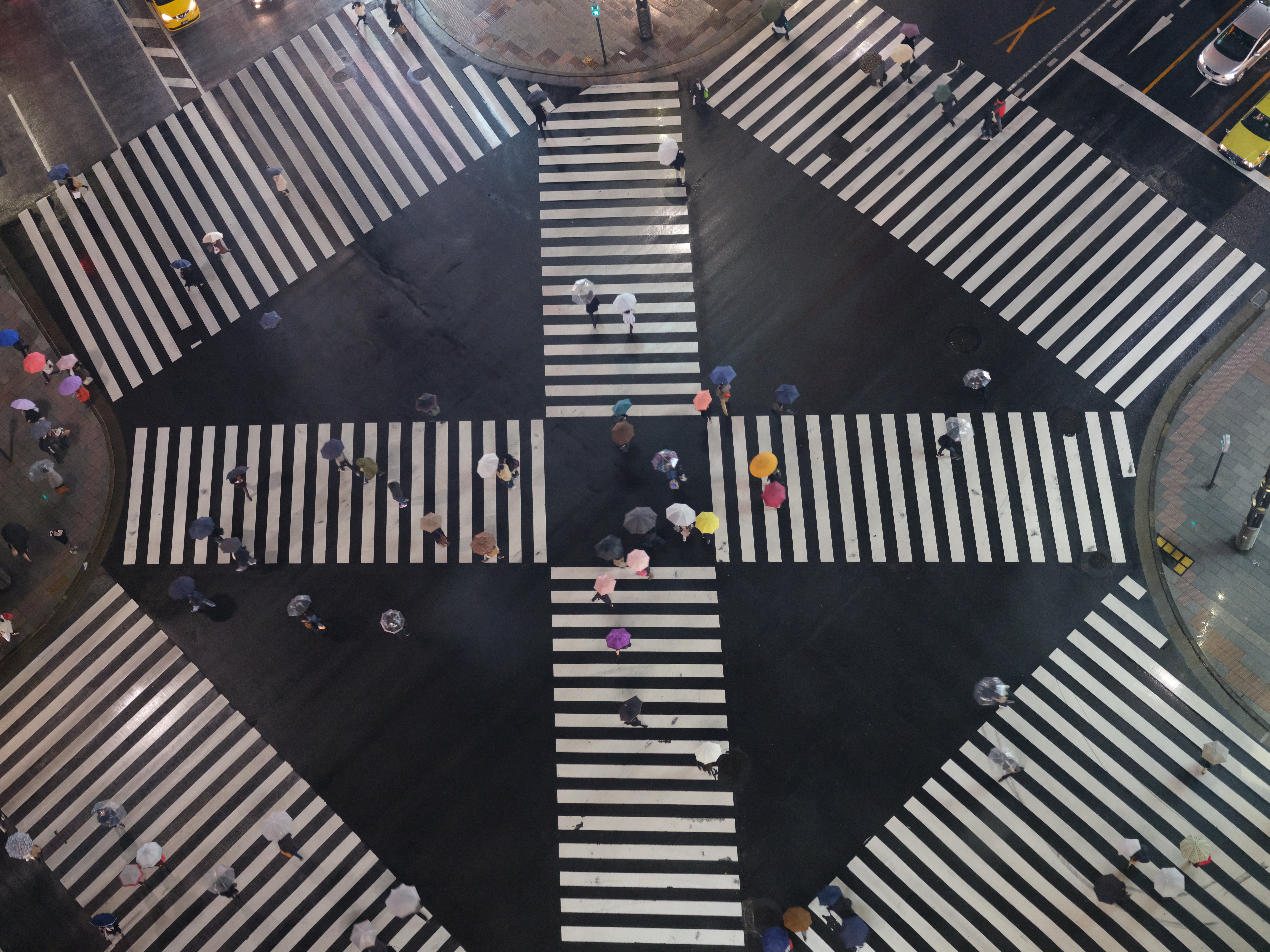
Every time a student approaches a crosswalk, handles a dollar bill, or attempts to follow the implicit social rules of a breakroom, they are interacting with a complex, invisible web of cognitive and physical demands. If a student lacks the ability to navigate these daily intersections of life, an adult or caregiver must step in and perform the task for them. This stark reality defines the criterion of ultimate functioning—the foundational imperative stating that educators must prioritize teaching the specific life skills that someone else would have to perform for the student if the student lacked the ability. In special education, our objective extends far beyond academic mastery; we are engineering autonomy.
To build independence, we use two distinct but complementary frameworks: the functional curriculum and the supplementary curriculum. Understanding the difference between these two blueprints is critical for any special educator mapping out an Individualized Education Program (IEP).
A functional curriculum focuses on practical skills required for independent daily living. Instead of aiming for abstract academic milestones, the functional curriculum is explicitly designed to maximize a student's independence across three primary spheres: in the home, in the community, and in vocational settings. Because of its intensely practical focus, a functional curriculum is most often implemented for students with moderate to severe cognitive disabilities.
In contrast, a supplementary curriculum operates alongside the core academic curriculum to address specific developmental gaps. It provides instruction in areas not typically covered by the general education curriculum. A student might be fully capable of learning grade-level biology but completely unable to navigate the social dynamics of group work or the physical layout of the science lab. Here, the supplementary curriculum steps in.
Common components of a supplementary curriculum include:
- Social skills training: Teaching the unwritten rules of interaction, often utilizing role-playing as an evidence-based instructional strategy to practice conversations and conflict resolution in a safe space.
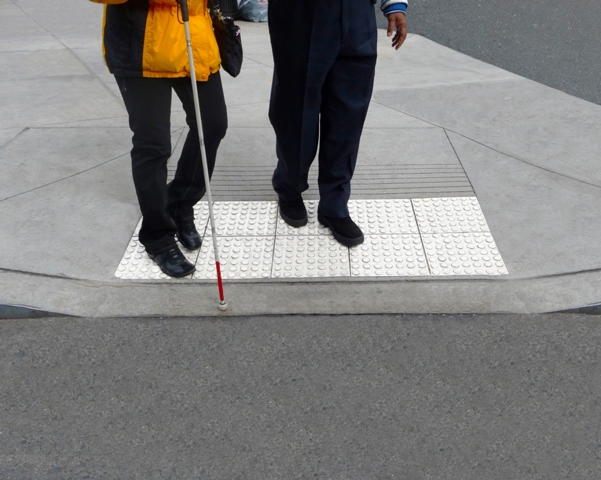
- Orientation and mobility training: Instructing students, particularly those with visual or physical impairments, on navigating physical environments safely.
Key Distinction: Think of the functional curriculum as a substitute map for students who need a completely different route to adulthood. Think of the supplementary curriculum as a set of specialized tools a student carries while walking the traditional academic route.
A highly effective functional curriculum does not rely on standardized textbooks; it relies on the world the student inhabits. The curriculum is divided into four main domains:
- Domestic Domain: Focuses on the home environment. This includes instruction in household chores, meal preparation, and home safety.
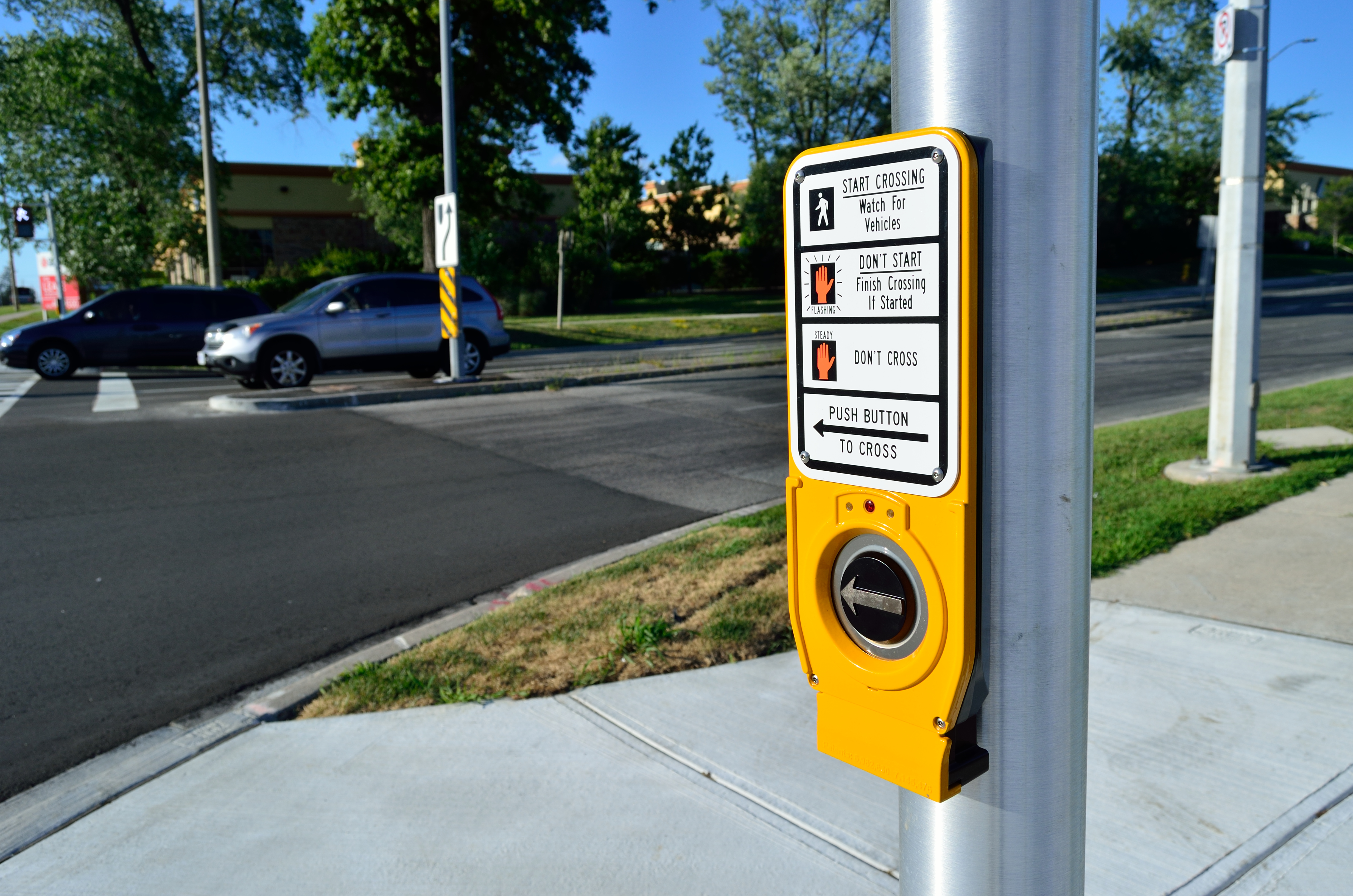
- Community Domain: Focuses on navigating the neighborhood and broader civic environment. A vital component here is teaching skills like using public transportation safely, reading pedestrian signals, and interacting with community workers.
- Vocational Domain: Prepares students for employment and dictates workplace behavior. It covers everything from clocking in on time to following multi-step directions from a supervisor.
- Recreation Domain: Often overlooked, this domain teaches students how to engage in independent leisure activities. A student who cannot independently manage their downtime is highly vulnerable to isolation or behavioral regressions.
Mastering Independent Living Skills
Within these domains, independent living skills instruction teaches students how to perform personal care routines. We categorize these skills into two vital tiers:
| Category | Definition | Real-World Examples |
|---|---|---|
| Activities of Daily Living (ADLs) | Basic, fundamental self-care tasks required for daily survival and dignity. | Dressing oneself, personal hygiene, feeding, toileting. |
| Instrumental Activities of Daily Living (IADLs) | Complex life skills necessary to live independently in a community. | Grocery shopping, managing a personal budget, medication management. |
You might wonder, Do we abandon reading and math in a functional curriculum? Absolutely not. We simply shift the axis of the curriculum from theoretical knowledge to applied survival skills through functional academics.
Functional academics adapt traditional academic subjects to teach practical life skills.
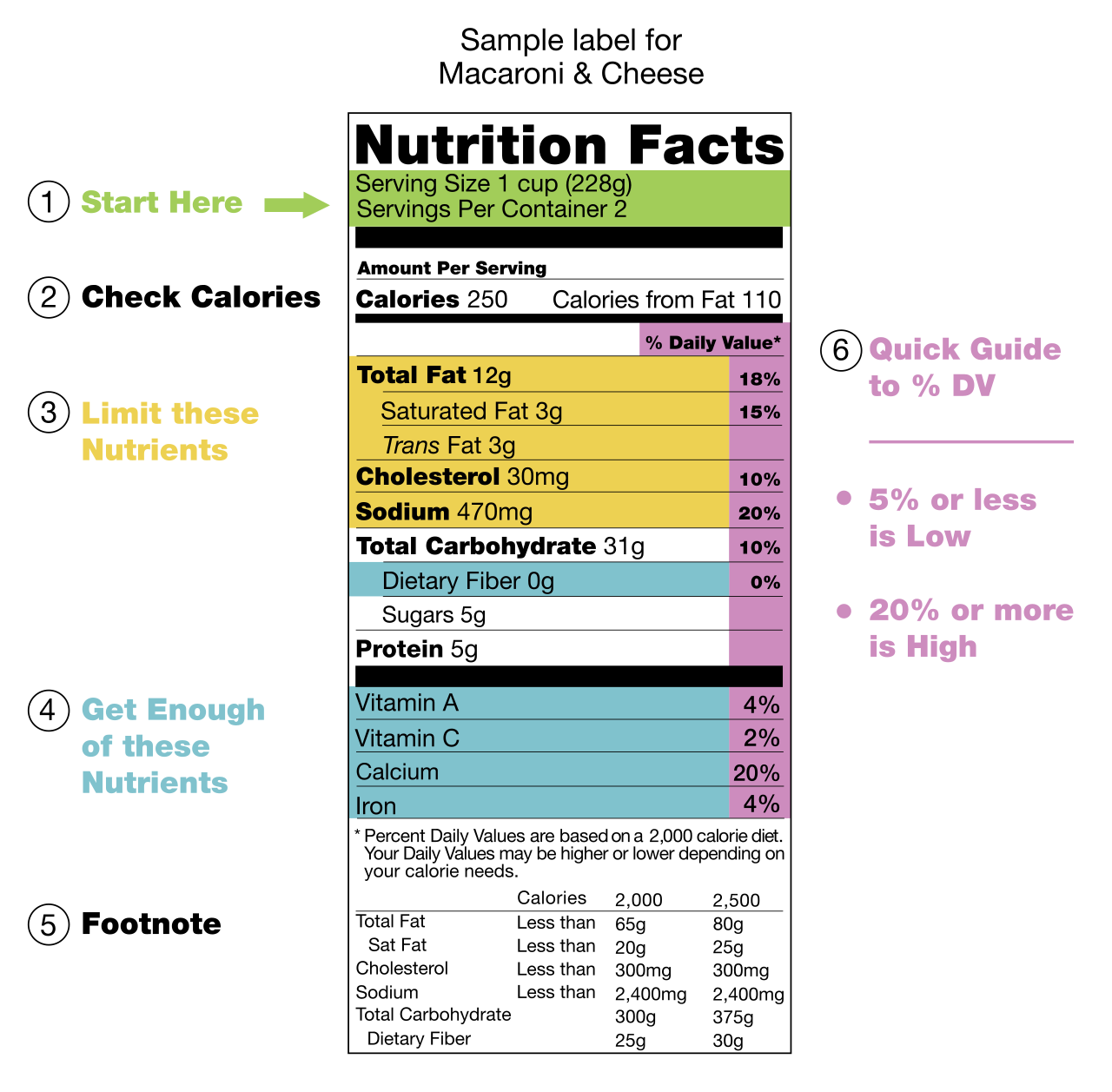
- Functional reading abandons Shakespeare in favor of environmental literacy. It includes decoding community signs (e.g., "Danger," "Exit," "Crosswalk") and interpreting food labels for allergens or expiration dates.
- Functional math moves away from algebra and focuses squarely on survival arithmetic. It involves skills like counting money, making exact change, and managing a personal budget to ensure a student can pay for a $5 bus pass or a week's groceries.
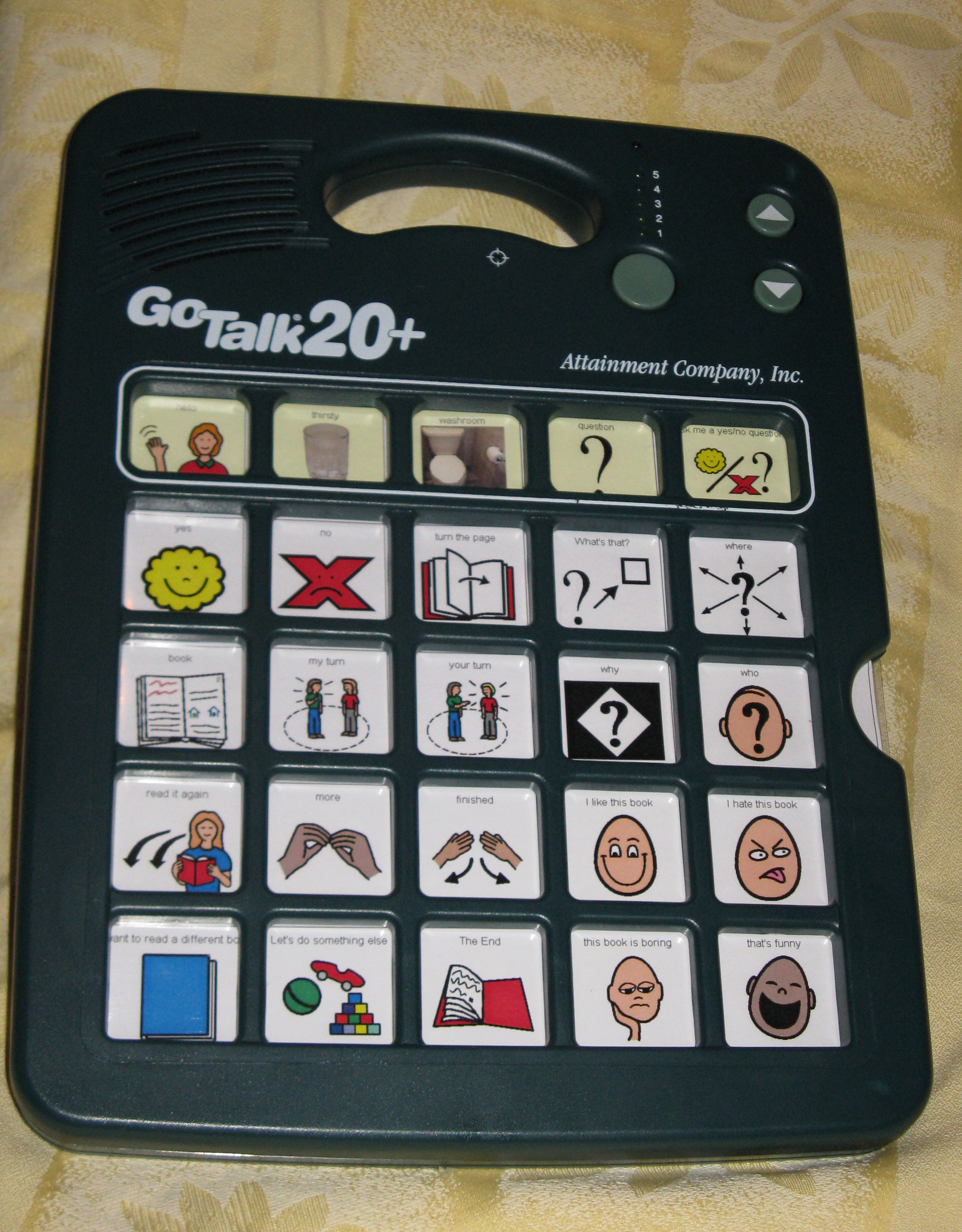
Because communication is the bedrock of all functional academics, Augmentative and Alternative Communication (AAC) devices are often integrated into functional curricula to support expressive language. If a student cannot verbally ask a grocer for help, their AAC device becomes an essential tool for functional independence.
A functional curriculum must be individualized based on the student's current skill level and future environments. You cannot teach a student to ride a subway if they live in a rural farming community.
To determine what to teach, educators conduct an ecological inventory. This is a highly specific assessment of the actual environments a student frequents—their home, their local grocery store, their future workplace—to identify the necessary functional skills required to survive and thrive in those specific locations.
Once the environment is mapped, we must map the student's desires through person-centered planning. This collaborative process ensures the functional curriculum aligns directly with the student's personal goals and preferences, rather than just the convenience of the school system.
Transition and Self-Determination
The urgency of this planning is codified in federal law. The Individuals with Disabilities Education Act (IDEA) requires transition planning to be included in the Individualized Education Program (IEP) by age sixteen. Transition planning specifically incorporates functional curricula to prepare students for post-secondary life.
Crucial to this transition are two interconnected concepts:
- Self-determination skills: These enable students to make choices, set goals, and direct their own lives. We must teach students that their preferences matter.
- Self-advocacy instruction: This teaches students how to communicate personal needs and assert their legal rights (e.g., requesting an accommodation at a future job).
Identifying the skills is only half the battle; the pedagogical execution dictates whether the student actually learns them.
The Power of Task Analysis and Chaining
Functional skills like making a bed or using an ATM are overwhelming to a student with a severe cognitive disability. We solve this through task analysis, which breaks down complex functional skills into smaller, teachable steps.
Once broken down, we teach the steps using "chaining."
- Forward chaining teaches the first step of a task analysis before progressing to subsequent steps. (e.g., Teaching a student to turn on the water before moving to applying soap).
- Backward chaining teaches the last step of a task analysis first. Why? To provide immediate task completion reinforcement. If a student is learning to make a sandwich, the educator does all the steps except putting the top piece of bread on. The student does the final step and gets the immediate reward of eating the sandwich.
Context Matters: CBI and Natural Environments
To ensure these skills stick, we rely on Community-Based Instruction (CBI). CBI involves teaching functional skills in the actual environments where those skills are used. You do not teach a student to cross a street by showing them a picture of a street in a classroom; you take them to the crosswalk.
Teaching skills in natural environments promotes the generalization and maintenance of those skills. A student who learns to count money at a sterile classroom desk will often fail to generalize that skill under the fluorescent lights and noise of a real grocery store.
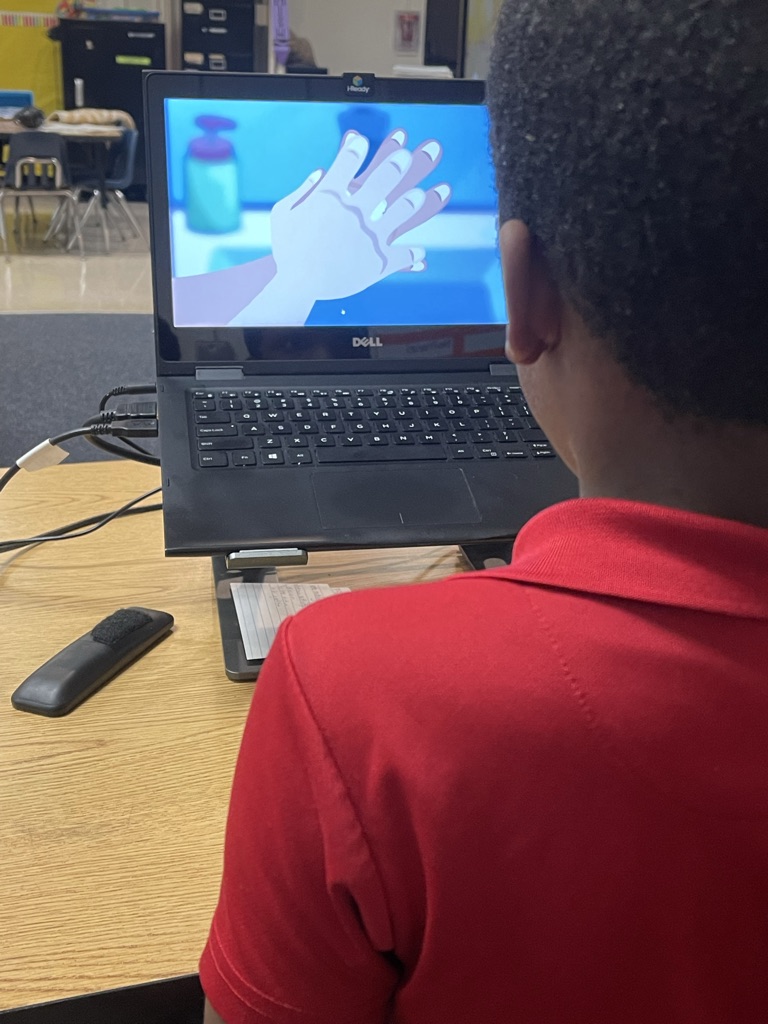
When live environments aren't immediately accessible, we use video modeling, which uses recorded demonstrations to teach functional and social skills effectively. Watching a video from the first-person perspective of someone navigating a bus route can prime a student for the real experience.
The Principle of Partial Participation
Finally, we must address students with profound physical or cognitive limitations. Do we exclude them from the functional curriculum if they cannot complete a task independently? Never.
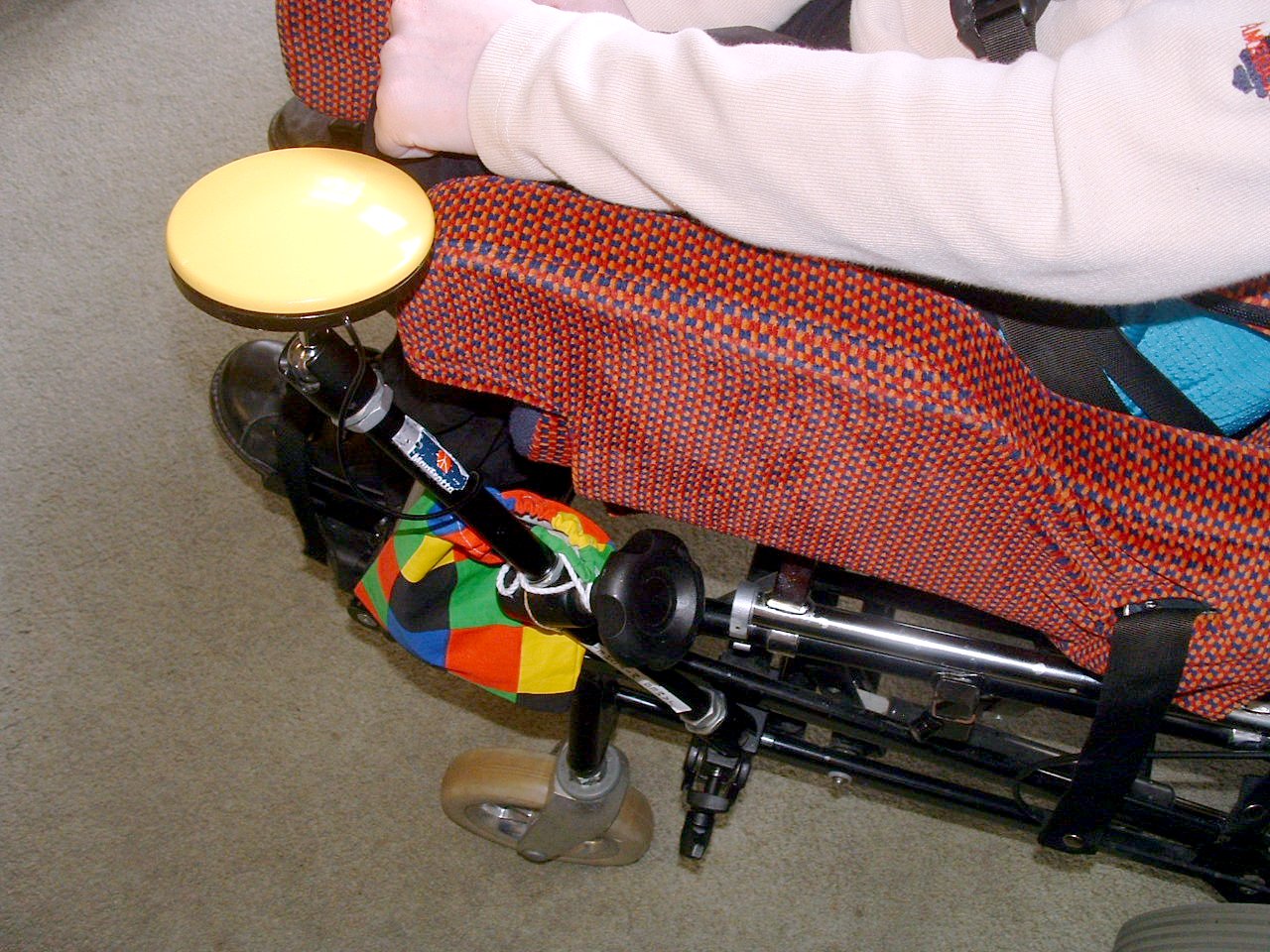
The principle of partial participation dictates that students with severe disabilities must be allowed to engage in functional tasks, even if they require physical or adaptive assistance. A student may not be able to physically cook a meal, but by using a switch-adapted device to turn on a blender, they are participating in the domestic domain. They are asserting their presence in the world.
As special educators, you are the architects of your students' daily reality. By mastering the functional and supplementary curricula, you transform the intimidating, complex world into a series of navigable, achievable steps.