Basic Characteristics of Major Disability Categories
Not sure you’re ready?
Take the ~3-minute readiness diagnostic and see where you stand.
Imagine trying to teach a room full of students using a single radio frequency, only to discover that some students are receiving your broadcast perfectly, some are picking up only static, and others are processing entirely different sensory signals. If you do not know the receiver's specifications, you cannot tune the broadcast. The Individuals with Disabilities Education Act (IDEA) outlines 13 major disability categories not to trap children in bureaucratic labels, but to give educators the precise diagnostic frequencies needed to reach them. Understanding the cognitive and behavioral markers of these categories is not about memorizing a legal taxonomy; it is about recognizing the exact mechanical friction between a child’s mind and the standard curriculum so you can engineer a ramp over it.
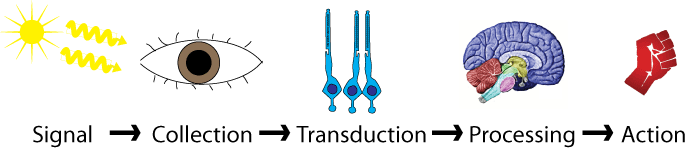
As a special educator, you are the engineer of those ramps. Let us examine the defining characteristics of IDEA's 13 major disability categories, looking under the hood of human cognition, emotion, and physiology to see exactly how they impact the learning process.
Autism Spectrum Profiles
Autism is a developmental disability significantly affecting verbal communication, nonverbal communication, and social interaction. To accurately identify its impact, you must look at the developmental timeline: the characteristics of autism are generally evident before a child reaches age three.
To teach a student with autism, you must understand the world as they process it. Individuals with autism often experience difficulties with theory of mind. What is theory of mind? It is the cognitive ability to understand that other people have different beliefs, desires, and intentions. If a child lacks theory of mind, they cannot intuitively guess what you are thinking or feeling based on your facial expressions; to them, your internal world is invisible.
Because the social and sensory environment can be overwhelmingly unpredictable, you will observe common behavioral markers of autism as the student attempts to regulate their experience:
- Engagement in repetitive activities and stereotyped movements (such as hand-flapping or rocking, which provide predictable, soothing feedback).
- Resistance to environmental change (a sudden shift in the daily schedule can feel chaotic and threatening).
- Unusual responses to sensory experiences (the hum of a fluorescent light might be physically painful).

In terms of communication, you will frequently observe echolalia, which is the repetition of vocalizations made by another person. Echolalia is a common communication characteristic of autism. It is not mere "parroting"—it is often a student's functional attempt to process language, self-soothe, or participate in a conversational turn when generating original syntax is too taxing.
Specific Learning Disability (SLD)
A specific learning disability is a highly localized bottleneck in an otherwise capable mind. By definition, a specific learning disability involves a disorder in a psychological process used to understand spoken language or written language. This localized disorder may manifest in an imperfect ability to read, write, or do mathematical calculations.
IDEA categorizes several specific conditions under this umbrella:
- Dyslexia: This is not merely "seeing letters backward." Dyslexia primarily involves difficulties with accurate word recognition and fluent word recognition. At its core, dyslexia typically results from a deficit in the phonological component of language—the brain struggles to map sounds to symbols efficiently.
- Dyscalculia: This involves difficulties in processing numerical information and learning arithmetic facts. The student might understand the grand concept of a math problem but cannot intuitively grasp the quantities involved.
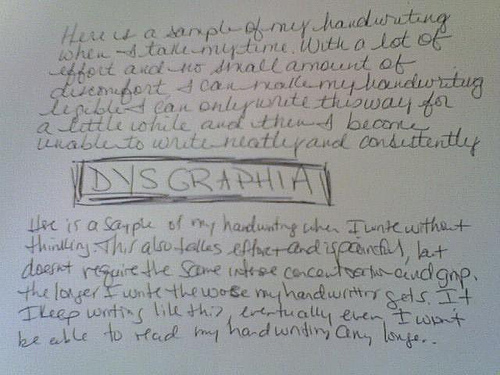
- Dysgraphia: This is a learning disability that affects handwriting and fine motor skills. The cognitive effort required to physically form letters drains the working memory needed to compose thoughts.
Crucial Differential Diagnosis: A specific learning disability is an internal processing issue. Therefore, IDEA mandates that a specific learning disability excludes learning problems primarily resulting from visual disabilities, hearing disabilities, motor disabilities, intellectual disability, or environmental disadvantage. If a child cannot read because they need glasses or because they missed a year of school, they do not have an SLD.
Intellectual Disability (ID)
If an SLD is a localized bottleneck, an intellectual disability represents a broader systemic difference in processing power. Intellectual disability involves significantly subaverage general intellectual functioning. In standardized testing terms, a student with an intellectual disability typically has an IQ score below 70 or 75.
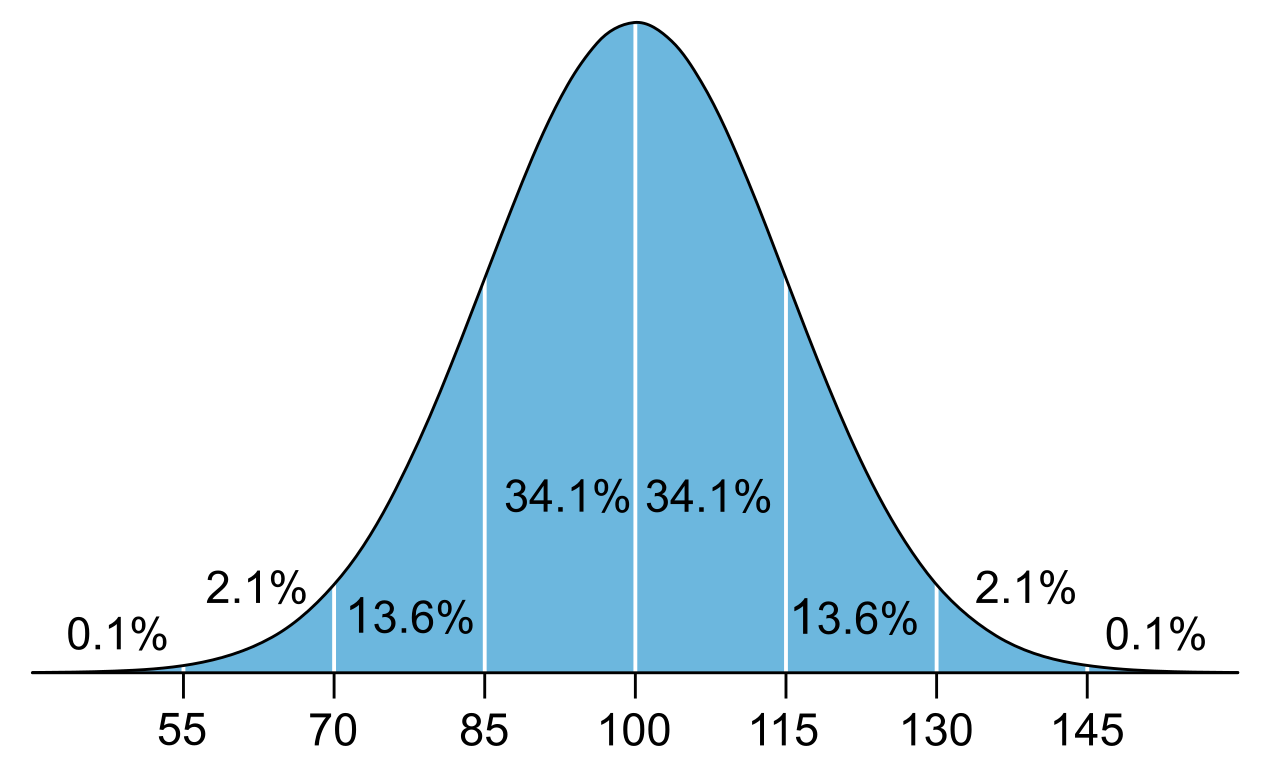
However, an IQ score alone is insufficient for a diagnosis. An intellectual disability diagnosis requires concurrent deficits in adaptive behavior, and these deficits must manifest during the developmental period. Adaptive behavior is the collection of skills people need to function in daily life, categorized into three areas:
- Conceptual skills: such as language and literacy.
- Social skills: such as interpersonal communication and rule-following.
- Practical skills: such as daily living activities, personal care, and safety.
Emotional Disturbance (ED)
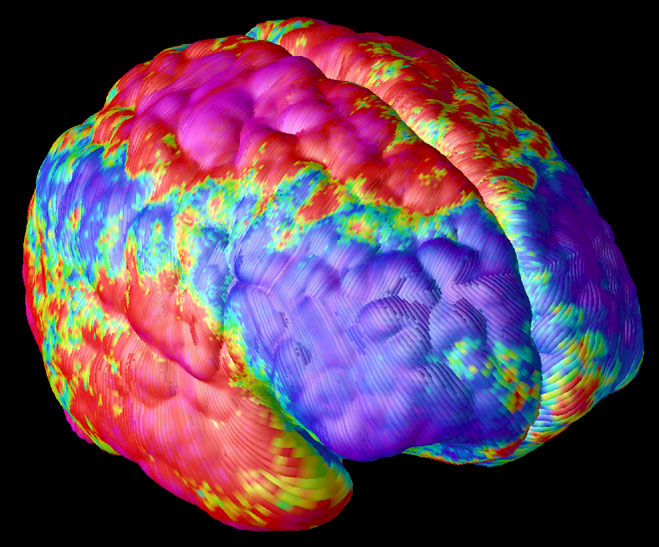
When the emotional static of a child’s internal life drowns out the educational broadcast, they may qualify under the emotional disturbance category. The defining characteristic here is that emotional disturbance involves an inability to learn that is unexplainable by intellectual factors, sensory factors, or health factors. The cognitive machinery is intact, but the emotional distress blocks the gears.
A student qualifies if they exhibit one or more of the following over a long period and to a marked degree:
- An inability to build satisfactory interpersonal relationships with peers or maintain satisfactory interpersonal relationships with teachers.
- Inappropriate types of behavior or inappropriate types of feelings under normal circumstances.
- A general pervasive mood of unhappiness or depression.
- A tendency to develop physical symptoms associated with personal problems (psychosomatic pain, like severe stomach aches tied to school anxiety).
Schizophrenia is formally classified under the emotional disturbance category in IDEA.
The Boundary of ED: The emotional disturbance category does not apply to children who are solely socially maladjusted. If a student understands societal rules perfectly well but actively chooses to break them without underlying emotional pathology (e.g., gang affiliation or calculated delinquency), they do not qualify for special education services under this category.
Other Health Impairment (OHI)
The title "Other Health Impairment" sounds like a catch-all, but it has a highly specific physiological definition. Other health impairment involves having limited strength, limited vitality, or limited alertness due to chronic or acute health problems.
The concept of "limited alertness" contains a fascinating neurological paradox. Other health impairment includes a heightened alertness to environmental stimuli that results in limited alertness in the classroom. Think about it: if a student's nervous system is intensely hyper-alert to the sound of a lawnmower outside or the scratching of a pencil two desks away, they have zero alertness left to dedicate to your math lesson.
Because of this mechanism, Attention Deficit Hyperactivity Disorder (ADHD) is categorized under other health impairment in IDEA. When observing ADHD, you are looking for specific behavioral markers:
- Hyperactivity in ADHD manifests as excessive motor activity when physical movement is not appropriate.
- Impulsivity in ADHD refers to hasty actions occurring in the moment without forethought.
- Inattention in ADHD involves wandering off task.
Beyond ADHD, this category encompasses various chronic or acute physiological conditions, meaning Asthma, Epilepsy, and Tourette syndrome are all categorized under other health impairment in IDEA.
Orthopedic Impairments
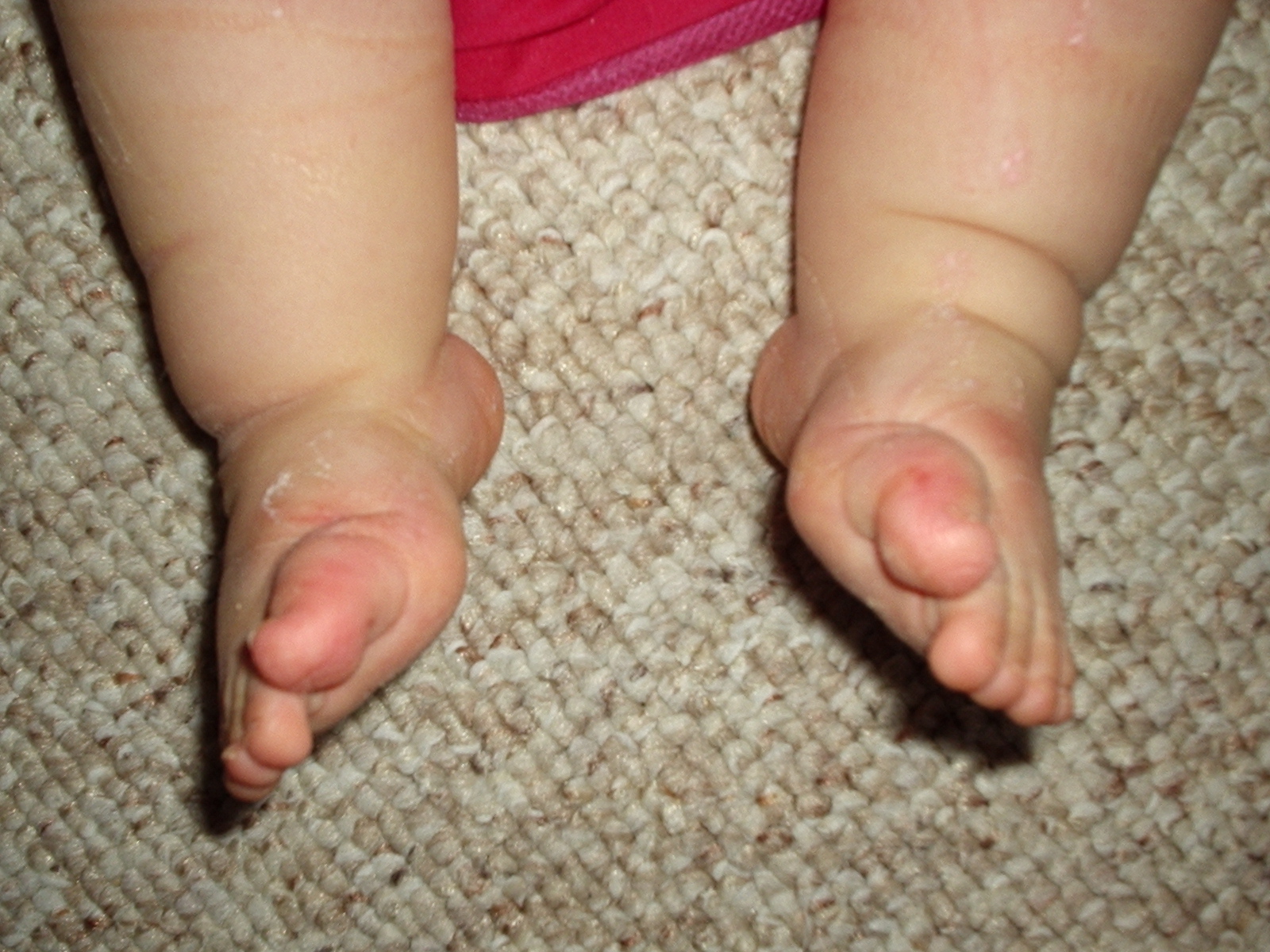
Orthopedic impairments under IDEA include physical impairments caused by congenital anomalies (such as clubfoot or absence of a member), diseases, or other causes. To understand the scope, you must recognize that bone tuberculosis is an example of an orthopedic impairment under IDEA, as is cerebral palsy, which originates in the brain but results in severe physical motor impairments. Furthermore, acquired physical traumas like amputations are classified as orthopedic impairments under IDEA.
Traumatic Brain Injury (TBI)
Traumatic brain injury refers to an acquired injury to the brain caused by an external physical force. This external physics-based definition is absolute. The force can cause either internal or external damage; therefore, traumatic brain injury applies to open head injuries (where the skull is penetrated) and closed head injuries (like a severe concussion from a car accident) resulting in impairments.
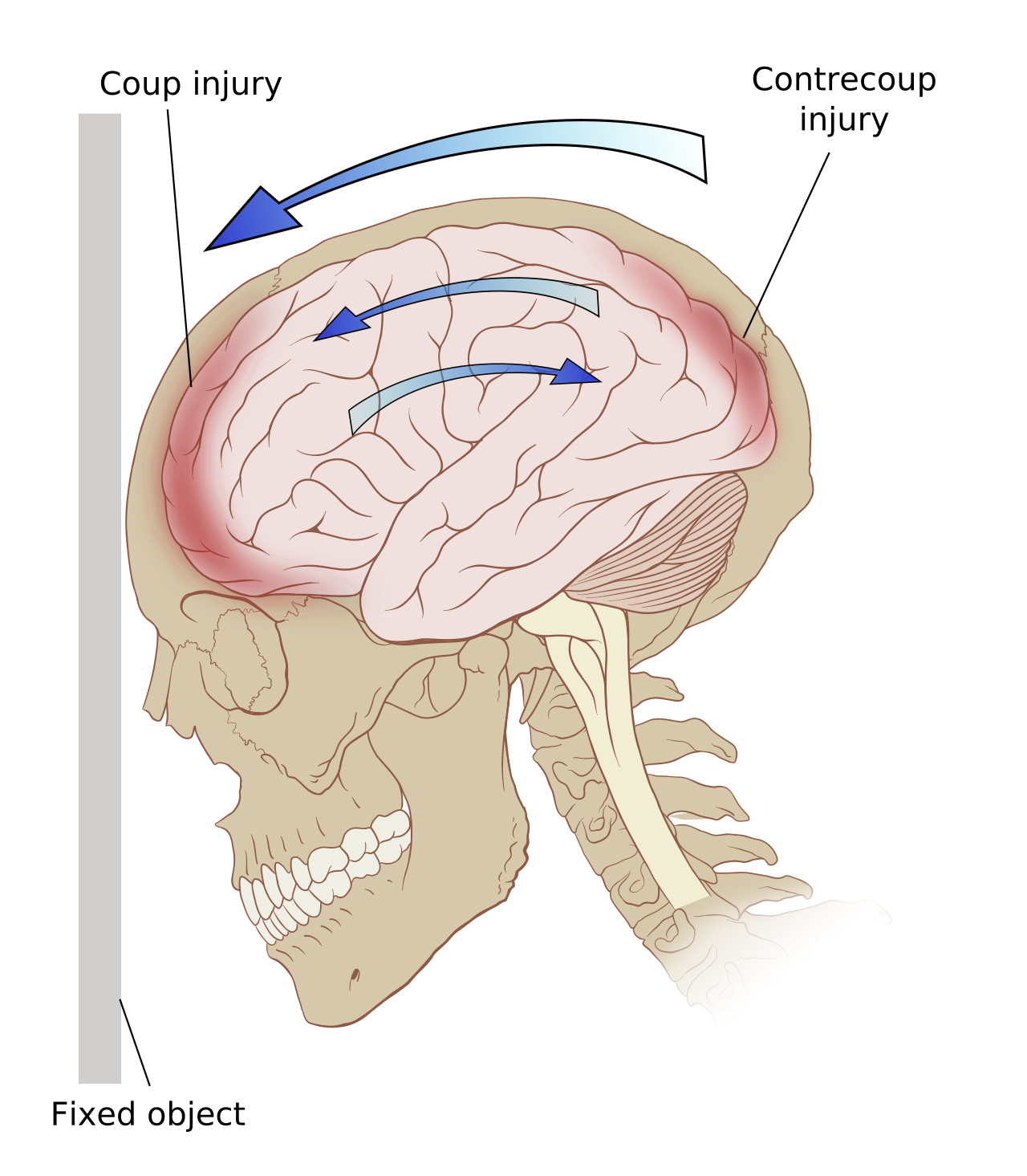
Because the injury must be acquired via external force, traumatic brain injury does not apply to brain injuries that are congenital, does not apply to brain injuries that are degenerative (like Huntington's disease), and does not apply to brain injuries induced by birth trauma.
Speech or Language Impairment
Language is the primary currency of the classroom. A speech or language impairment means a communication disorder that adversely affects a child's educational performance. This encompasses the physical production of sound and the rhythm of speech.
- Impaired articulation (the inability to correctly produce speech sounds) is classified as a speech or language impairment under IDEA.
- Stuttering (a disruption in the fluency and rhythm of speech) is classified as a speech or language impairment under IDEA.
- A voice impairment (abnormalities in vocal pitch, loudness, or quality) is also classified as a speech or language impairment under IDEA.
Deafness vs. Hearing Impairment
IDEA draws a very specific, functional line between two categories of auditory loss based on the student's ability to process language.
- Deafness is a hearing impairment so severe that the child cannot process linguistic information through hearing, with or without amplification. The auditory channel simply cannot be used to decode spoken language.
- Hearing impairment, on the other hand, refers to an impairment in hearing that adversely affects educational performance but is not included under deafness. These students generally have some residual hearing that, often with amplification, allows them to process linguistic information.
Visual Impairment including Blindness
Similarly, visual impairment including blindness means an impairment in vision that adversely affects a child's educational performance. This is a spectrum category: the IDEA category of visual impairment includes both partial sight (where some functional vision is retained and utilized for learning) and blindness (where vision is either entirely absent or so limited that the student must rely on tactile and auditory senses for learning).

Deaf-Blindness
When a student experiences concurrent vision and hearing loss, the educational impact is not merely additive; it is exponentially synergistic. Deaf-blindness involves the simultaneous presence of a hearing impairment and a visual impairment.
Because these two vital sensory channels are compromised, the student faces extreme communication and developmental challenges. A core mandate of IDEA is that students with deaf-blindness cannot be accommodated in special education programs designed solely for deafness, nor can they be accommodated in special education programs designed solely for blindness. They require highly specialized, dual-sensory instructional strategies.
Multiple Disabilities
Multiple disabilities involve simultaneous impairments (e.g., intellectual disability and orthopedic impairment) that cause severe educational needs. The defining legal and functional hallmark of this category is that these severe educational needs cannot be accommodated in programs designed solely for one of the impairments. The interplay of the disabilities demands a wholly integrated, customized approach.
The Great Exception: You might assume that a student with both deafness and blindness would fall under Multiple Disabilities. They do not. Because of the highly unique specialized support required for dual-sensory loss, the IDEA category of multiple disabilities explicitly excludes deaf-blindness. Deaf-blindness stands alone as its own distinct category.
By mastering these 13 categories, you are doing far more than preparing for an exam. You are developing an educator’s diagnostic eye. When you recognize that a student's inattention is actually a feature of Other Health Impairment due to sensory hyper-arousal, or that their reluctance to socialize is rooted in an Autistic deficit in theory of mind rather than Emotional Disturbance, you cease reacting to surface behaviors. Instead, you begin the real work of teaching: finding the exact frequency where the student's mind is ready to receive the world.