Instructional Strategies that Support Transition Goals
Not sure you’re ready?
Take the ~3-minute readiness diagnostic and see where you stand.
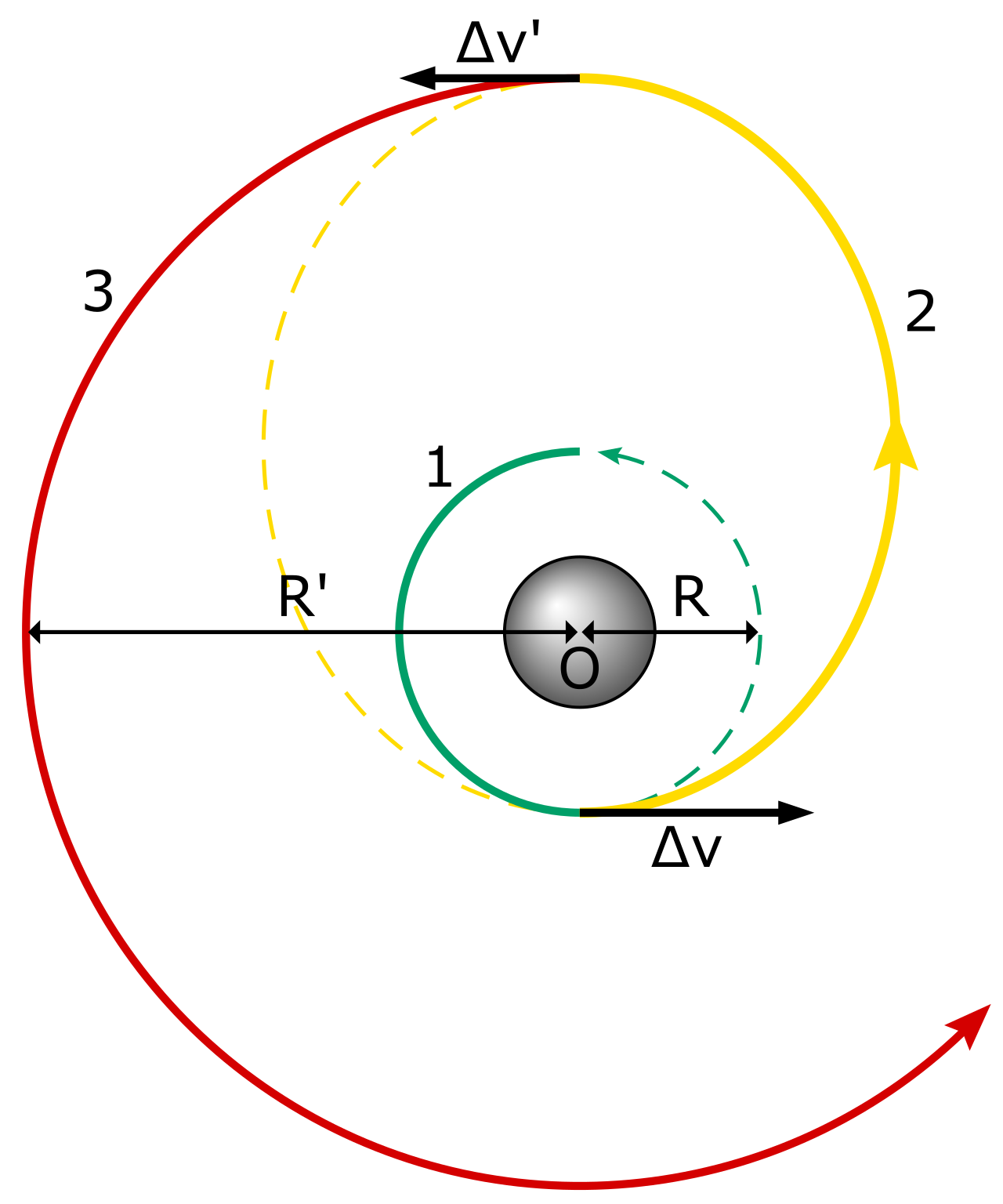
Moving a satellite from a low-Earth orbit to a deep space trajectory requires a precisely calculated sequence of maneuvers. You cannot simply cut the tether and hope the object drifts to its intended destination; you must execute a coordinated set of thrusts based on rigorous telemetry. The transition of a student with a disability from the highly structured scaffolding of the public school system into the independence of adulthood—or even from one grade level to the next—requires the exact same level of deliberate, results-oriented engineering. As special educators, you are not merely delivering content; you are constructing the trajectory for a student's lifelong autonomy. The instructional strategies that support transition goals are the mechanisms by which you systematically transfer control from the teacher to the student, ensuring that when the scaffolding of the K-12 system falls away, the student is fully prepared to navigate employment, continued education, and independent living.
Before we can implement instructional strategies, we must understand the blueprint that governs them. Transition services must comprise a coordinated set of activities within a results-oriented process focused on improving academic and functional achievement. We do not guess what a student might need; we measure it.
The Individuals with Disabilities Education Act (IDEA) requires transition planning to be included in the Individualized Education Program (IEP) by the time a student turns 16. However, do not wait until the last minute—several states legally require transition planning for students with disabilities to begin at age 14, recognizing that building a foundation for adulthood requires years of preparation.
To build this plan, Individualized Education Program transition goals must be based on age-appropriate transition assessments related to training, education, employment, and independent living. Once we have this baseline data, we formulate the outcomes. By law, measurable postsecondary goals in a transition plan must explicitly address education or training, employment, and independent living skills.
The Professor’s Maxim: If you cannot measure a transition goal, it is not a goal—it is a wish. "Student will be a good worker" is a wish. "Student will independently clock in and sort 50 inventory items per hour" is a measurable goal.
You cannot plan a trajectory without the astronaut. The school district must invite the student with a disability to attend the Individualized Education Program meeting if the purpose of the meeting is the consideration of postsecondary goals.
But what if the student refuses to attend, or their disability currently prevents meaningful physical participation in a lengthy meeting? The law and our professional obligation are clear: if a student cannot attend the Individualized Education Program meeting, the school must take alternative steps to ensure the student's preferences and interests are considered. This might involve conducting a structured interview with the student prior to the meeting or using a preference assessment.
Furthermore, a school cannot manage the transition to adulthood alone. Interagency collaboration is an essential component of transition planning that links students to adult service providers like vocational rehabilitation agencies. Because these adult agencies will catch the baton when the student exits the school system, outside agency representatives responsible for providing transition services must be invited to the Individualized Education Program meeting with prior consent from the parent or adult student. Privacy laws demand that consent, but best practice demands their presence.
The ultimate goal of special education is to make the special educator obsolete. We achieve this by teaching students to manage their own lives.
Self-determination instruction explicitly teaches students how to set goals, make choices, and advocate for their own needs. A premier, evidence-based framework for this is the Self-Determined Learning Model of Instruction (SDLMI). The Self-Determined Learning Model of Instruction is an evidence-based practice used to teach self-regulated problem-solving to students with disabilities. Instead of the teacher solving the problem, the teacher guides the student through three phases: What is my goal? What is my plan? What have I learned?
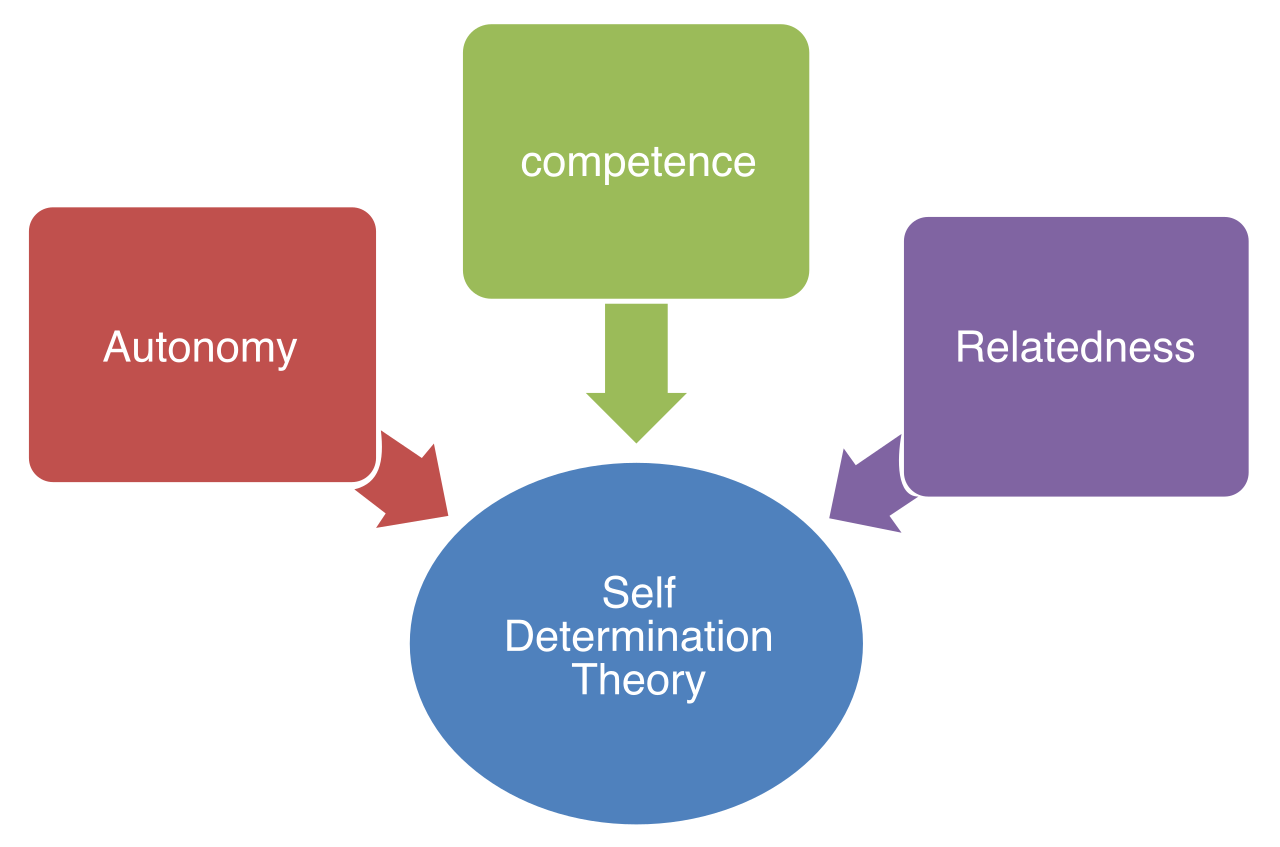
Coupled with this is direct instruction in self-advocacy, which prepares students to independently communicate specific disability needs and request necessary accommodations in college or the workplace. A high school student who relies entirely on a paraprofessional to request extended time will fail in college, where the paraprofessional no longer exists. We must explicitly teach the script and the social pragmatics of approaching a college professor or employer.
To teach vocational or independent living skills, we must examine behaviors under a microscope. You cannot simply command a student to "do the laundry" or "stock the shelves." Those are not discrete behaviors; they are macro-routines.
- Task analysis: We must begin here. Task analysis breaks down complex daily living or vocational skills into smaller, sequentially teachable steps. (e.g., Step 1: Grasp item. Step 2: Orient barcode outward. Step 3: Place on shelf.)
- Chaining: Once the task is analyzed, we teach it. Chaining is an instructional strategy used to teach the sequential steps of a task analysis by linking discrete behaviors together. (Forward chaining teaches step 1 first; backward chaining teaches the final step first, giving the student immediate access to the natural reward of task completion).
Observational and Simulated Learning Strategies
Before throwing a student into the deep end of a novel environment, we use highly controlled instructional strategies to build fluency:
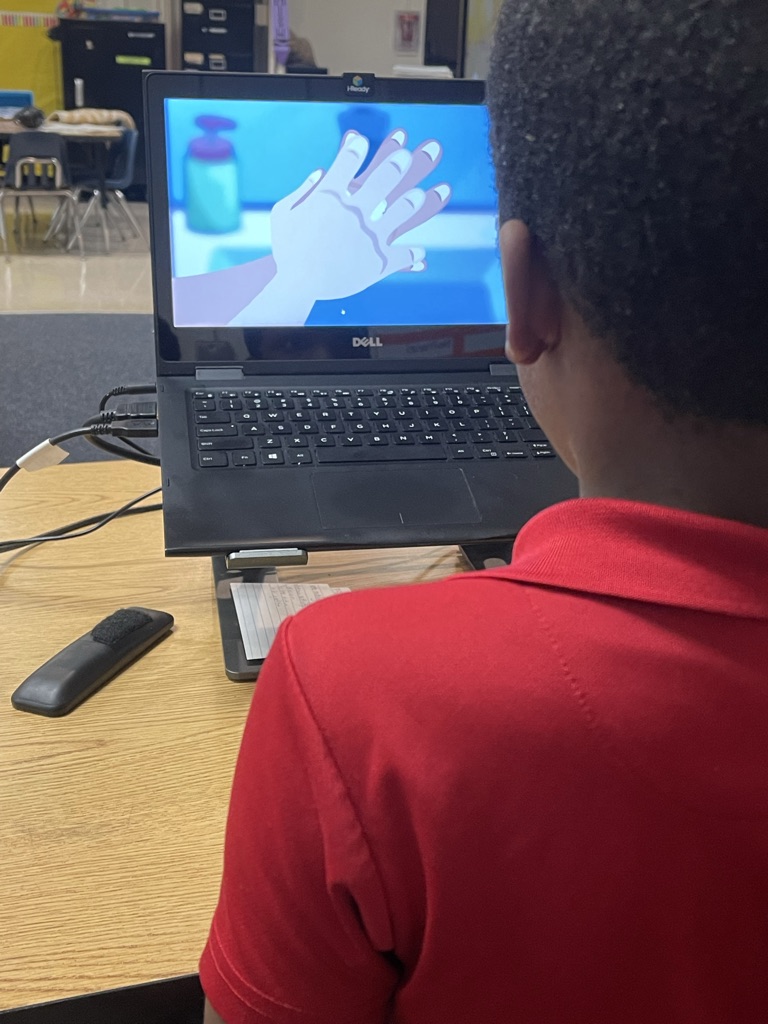
- Video modeling: This is an instructional strategy requiring students to watch a recorded demonstration of a targeted behavior or vocational skill before practicing the skill. It is highly predictable, eliminates the social anxiety of a live demonstration, and allows for infinite repetition.
- Role-playing: This is an instructional strategy that allows students to practice job interview techniques and workplace social skills in a safe, simulated environment. If a student struggles with answering, "What are your strengths?" you act as the hiring manager. You pause, correct, and run the simulation again.
Skills learned in a sterile classroom often fail to generalize to the noisy, unpredictable real world. To combat this, we move the classroom into the community.
| Strategy | Core Definition & Application |
|---|---|
| Community-Based Instruction (CBI) | Involves teaching functional life skills directly in the natural environments where those skills are actually utilized. Example: Teaching a student to calculate a tip at a local diner, rather than at a classroom desk. |
| Travel training | Provides explicit, individualized instruction on how to safely navigate public transportation systems and community environments. Reading a bus schedule is useless if you do not know how to pull the stop request cord in transit. |
| Work-based learning experiences | Provide students with disabilities with hands-on career exploration and skill development in actual workplace settings. This is distinct from simulations; this is genuine interaction with workplace variables. |
| Job coaching | Involves providing specialized, on-site training and systematic support to an individual with a disability in competitive employment settings. The coach stands beside the worker, translating employer expectations into actionable steps. |
The Art of Disappearing
A job coach who stays forever is a crutch, not an educator. We must employ fading, an instructional strategy where a teacher or job coach gradually reduces the frequency and intensity of prompts as a student gains independence on a task. You move from physical guidance, to a verbal prompt, to a simple gesture, to standing completely out of the student's line of sight.
To replace the fading coach, we substitute internal controls. Teaching self-monitoring strategies allows a student to independently track task completion in a vocational setting without relying on continuous supervisor feedback. A student marking a checklist on a clipboard every time they wipe down a table is self-monitoring.
We live in an era where cognitive prosthetics are available in our pockets. Assistive technology instruction for transition focuses on teaching students to use tools like text-to-speech or scheduling applications independently in postsecondary environments.
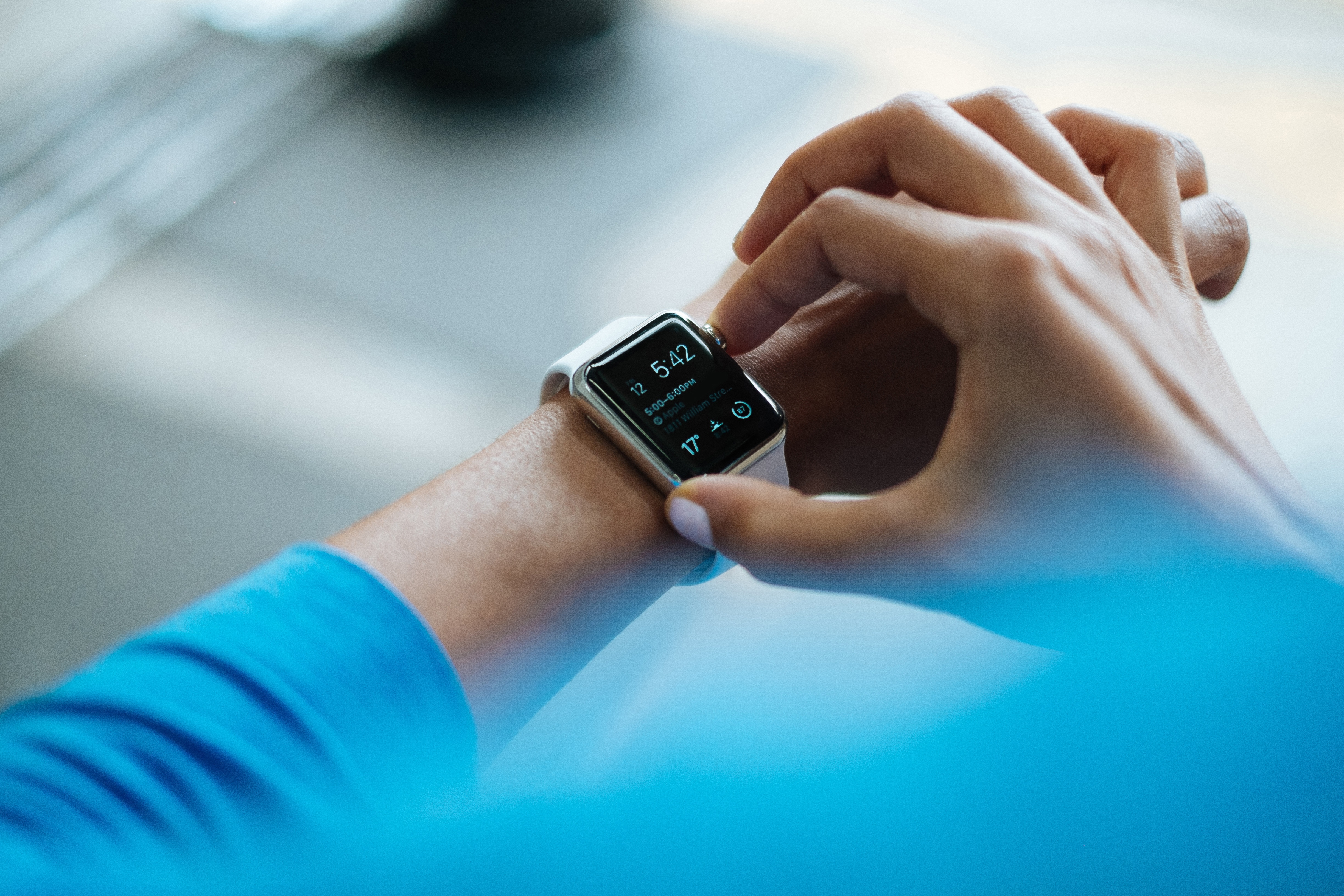
In vocational domains, we utilize mobile prompting systems, which are digital tools used to deliver visual or auditory cues that help students complete vocational tasks independently. If a student forgets the sequence of sanitizing a kitchen station, a smart watch buzzing with a customized picture-prompt is an unobtrusive, socially acceptable form of support.
We often focus so heavily on the leap to adulthood that we forget the transitional hurdles happening every day in our schools. Moving from a single-teacher elementary classroom to a multi-teacher middle school model is a jarring transition for students with disabilities.
Grade-to-grade transition support includes explicitly teaching students the organizational skills required for navigating multiple classrooms and teachers. You must treat "organization" as a curriculum, not an inherent character trait. Furthermore, teaching students to use graphic organizers or visual schedules supports successful daily transitions between different academic subjects. A visual schedule removes the cognitive load of trying to remember where to go, allowing the student to focus on what to learn.
When our engineering is complete and the student is ready to exit the K-12 system, IDEA requires a final, formal hand-off.
A Summary of Performance is a federally required document that summarizes a student's academic achievement and functional performance upon graduating from high school. It is the student's operational manual, handed to them and the adult service agencies. Crucially, it cannot just be a look backward. A Summary of Performance must include recommendations on how to assist the student in meeting the student's postsecondary goals. It tells the college disability support office or the vocational rehabilitation counselor exactly what accommodations, technologies, and strategies yielded the greatest success during the student's school years.
Final Thought: Transition planning is not a form you fill out to satisfy compliance; it is the ultimate culmination of your work as a special educator. By masterfully applying task analysis, self-determination instruction, and community-based learning, you ensure that your students do not merely graduate—they launch.