Means of Providing Access to the Curriculum
Not sure you’re ready?
Take the ~3-minute readiness diagnostic and see where you stand.
The physical architecture of a school building guarantees physical entry, but cognitive and sensory access to the curriculum requires a far more intricate feat of engineering. The Individuals with Disabilities Education Act (IDEA) mandates that students with disabilities have access to the general education curriculum. This is not merely a legal compliance checkbox; it is the fundamental recognition that intelligence and potential do not fit neatly into a standardized operational mold. Access does not mean simply placing a student in a room where the curriculum is being broadcast; it means deliberately designing the interaction between the student and the material so that true learning is inevitable. To achieve this, special education relies on a precise ecosystem of cognitive frameworks, instructional adaptations, and technological supports.
If you want to build a curriculum that works for everyone, you have to understand the machinery of the human mind. Universal Design for Learning (UDL) is an educational framework based on research in the learning sciences. It is not a list of retrofitted accommodations to apply after a student fails; rather, Universal Design for Learning (UDL) aims to optimize teaching and learning for all people based on scientific insights into how humans learn.
By anticipating variability from the outset, Universal Design for Learning (UDL) provides a blueprint for creating instructional goals, methods, materials, and assessments that work for diverse learners.
To understand how this blueprint functions, we must look under the hood. The Universal Design for Learning (UDL) guidelines are built upon three primary brain networks, and consequently, Universal Design for Learning (UDL) operates on three core principles aligned directly with this neurological architecture:
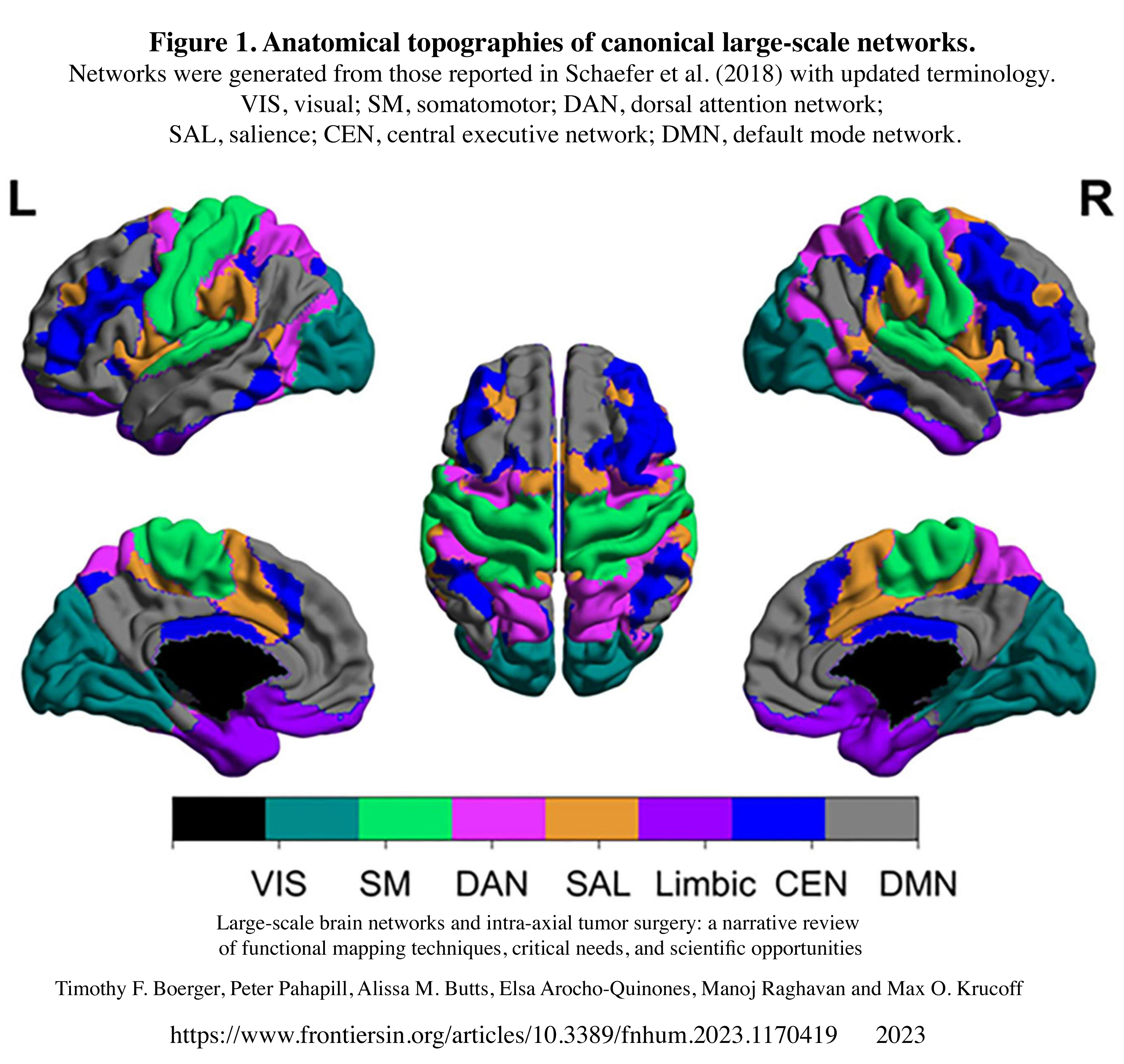
1. The Affective Network (The "Why")
The affective network is responsible for the 'why' of learning in the Universal Design for Learning (UDL) framework. If a student’s affective network is not engaged, the material simply will not stick. Therefore, the first core principle of Universal Design for Learning (UDL) is providing multiple means of engagement. When a teacher provides multiple means of engagement, they are doing three vital things:
- Providing multiple means of engagement recruits student interest (capturing their attention).
- Providing multiple means of engagement sustains student effort and persistence (keeping them moving when the task gets difficult).
- Providing multiple means of engagement supports student self-regulation (helping them manage their own emotional and cognitive responses to learning).
2. The Recognition Network (The "What")
The recognition network is responsible for the 'what' of learning in the Universal Design for Learning (UDL) framework. This is how we perceive, gather, and categorize information. To optimize this, the second core principle of Universal Design for Learning (UDL) is providing multiple means of representation. When you teach a concept using a diagram, a written text, and an audio clip, you are ensuring the "what" is caught by the brain. Providing multiple means of representation ensures information is accessible to learners with different sensory needs. Furthermore, it clarifies vocabulary and symbols for diverse learners, which directly promotes student comprehension.
3. The Strategic Network (The "How")
Once a student cares about the material (Affective) and perceives it clearly (Recognition), they must act upon it. The strategic network is responsible for the 'how' of learning in the Universal Design for Learning (UDL) framework. This leads us to the third core principle of Universal Design for Learning (UDL) is providing multiple means of action and expression. A student might understand a concept perfectly but lack the fine motor skills to write an essay about it. Providing multiple means of action and expression allows students to use alternative tools for communication. It also allows students to use different physical interactions to navigate learning environments, and critically, it supports students in goal-setting and executive functioning.
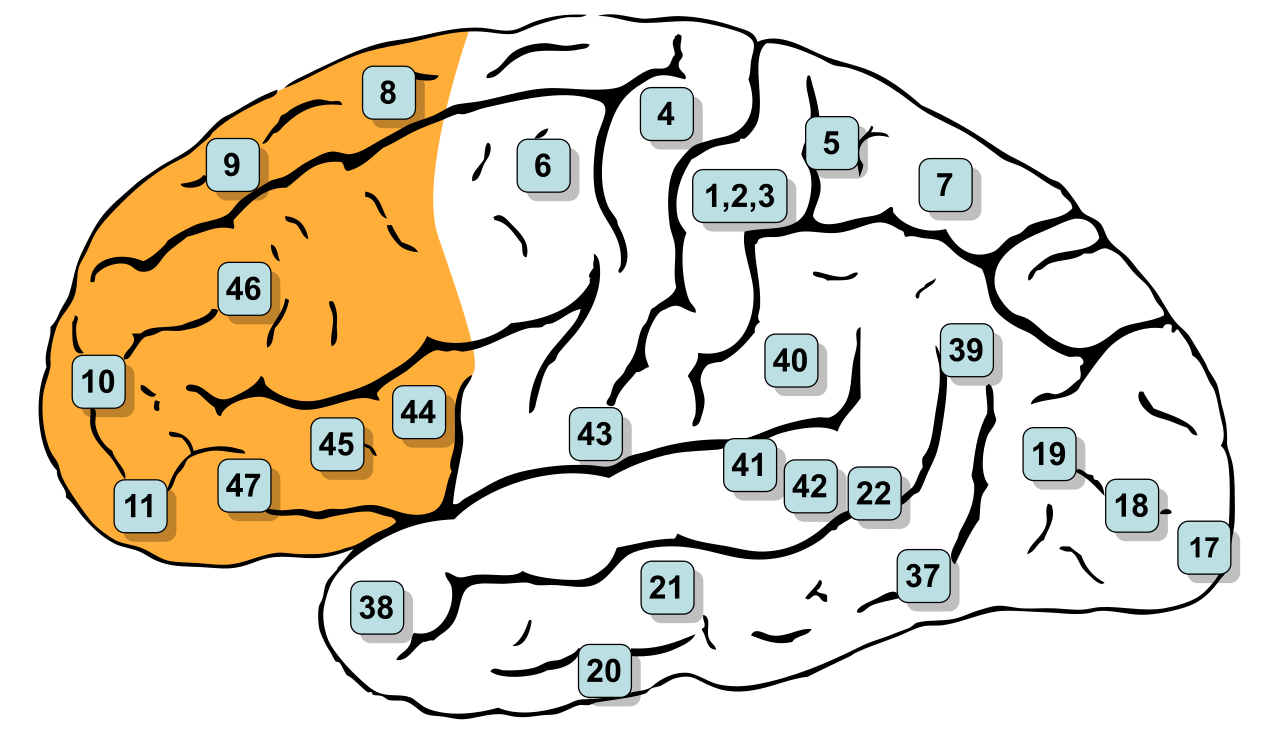
While UDL provides the macro-level architectural blueprint for your classroom, differentiation is the micro-level, real-time responsiveness you execute every day. Differentiated instruction involves tailoring teaching methods to meet individual student needs.
A master teacher adjusts instruction by pulling four distinct levers:
- Teachers can differentiate instruction through content. Differentiating content involves adjusting what the student needs to learn or how the student accesses the information.
- Teachers can differentiate instruction through process. Differentiating process involves adjusting the activities the student engages in to make sense of the material. (For example, letting one student build a physical model while another debates the concept).
- Teachers can differentiate instruction through products. Differentiating products involves adjusting the ways the student demonstrates mastery of the learning objective. (Instead of a written test, a student might produce a podcast).
- Teachers can differentiate instruction through the learning environment. (Adapting the physical space or classroom culture).
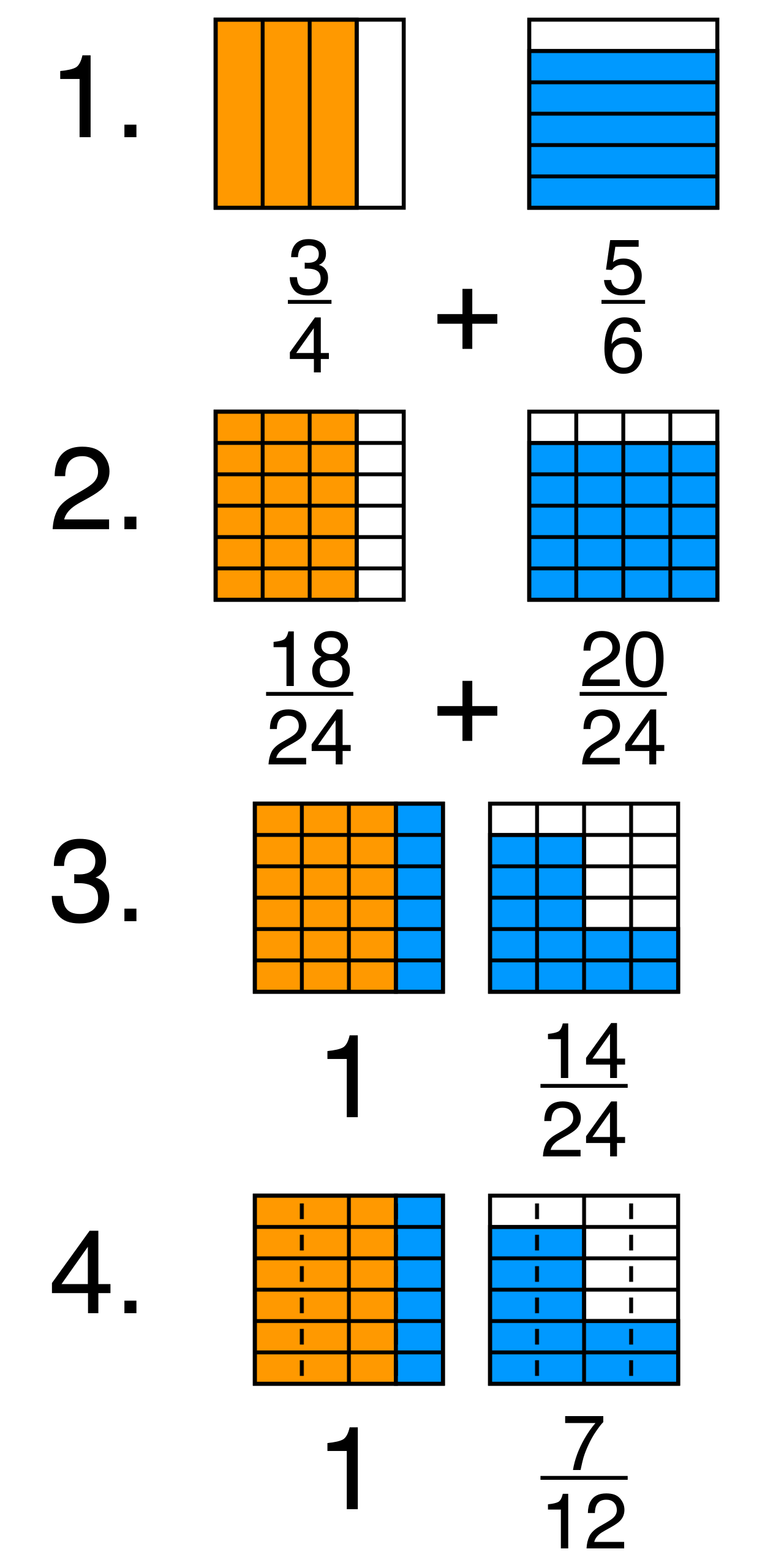
One highly effective way to operationalize this is through tiered assignments, which are a form of differentiated instruction. If the learning goal is to understand fractions, tiered assignments provide different levels of complexity for the same learning goal. The foundational concept remains identical, but the depth and cognitive demand shift to meet each student exactly where they are.
When we introduce new, complex material, we cannot hand it to a student whole; we must engineer their approach to it.
Before the lesson even begins, we prime the cognitive engine. Advance organizers provide students with a preview of the upcoming lesson content. By showing them the destination before the journey begins, advance organizers help students activate prior knowledge before learning new academic material.
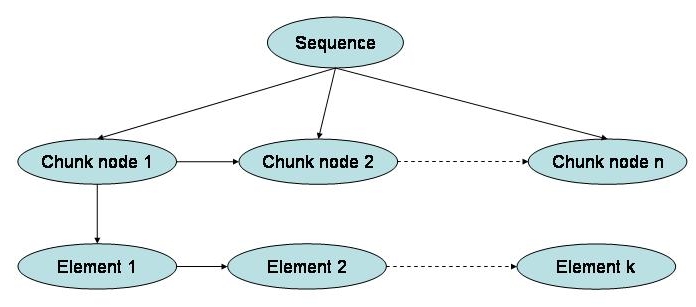
As the instruction begins, we must manage the volume of information. Think of working memory as a funnel. If you pour a gallon of water in all at once, it overflows. This is why we use chunking, which involves breaking down large amounts of information into smaller, manageable instructional pieces. By pacing the flow, chunking reduces cognitive load for students with mild to moderate learning disabilities, allowing the brain to successfully process and encode the material.
Throughout this process, the teacher acts as a structural support system. Scaffolding is a teaching strategy that provides temporary support to a learner to achieve a goal. A powerful example of this is the graphic organizer. Graphic organizers are visual tools used to scaffold student comprehension because graphic organizers help students structure and relate pieces of information, turning abstract ideas into concrete visual maps. Crucially, a scaffold is never meant to be permanent. Teachers gradually remove scaffolding as the student develops academic independence.
This is perhaps the most critical legal and practical boundary in special education. Both adjust the student's experience, but they alter fundamentally different variables.
Accommodations alter the learning environment, curriculum format, or equipment to allow an individual with a disability to gain access to content. Most importantly, accommodations do not alter the academic expectations for the student, and accommodations do not alter the learning standards for the student.
Think of an accommodation as giving a student a pair of glasses; you change how they see the test, but the test itself remains entirely unchanged.
- Providing audiobooks to a student reading at grade level is an example of an accommodation.
- Allowing a student extra time to complete an exam is an example of an accommodation.
- Adapting the reading level of a text without changing the core content is an academic accommodation.
- Utilizing a speech-to-text program for a written essay assignment is an academic accommodation.

Modifications, conversely, fundamentally alter the academic expectations for a student and change the learning standards a student is expected to master.
If accommodations are glasses, modifications are changing the rules of the game entirely.
- Assigning a student fewer spelling words than the rest of the class is an example of a modification.
- Requiring a student to learn only state capitals while the class learns capitals and major rivers is a modification.
- Lowering the reading level of a text and completely removing core content requirements is an academic modification.
To effectively deploy accommodations, we frequently rely on specific tools. By legal definition, assistive technology includes any device used to increase, maintain, or improve the functional capabilities of a child with a disability. We categorize this technology into three practical tiers based on complexity:
| Tier | Characteristics & Mechanics | Real-World Examples |
|---|---|---|
| Low-Tech | Low-tech assistive technology does not require batteries or electricity. These are simple, physical modifications to the student's physical interaction with tasks. | Pencil grips are an example of low-tech assistive technology, and slant boards are an example of low-tech assistive technology that immediately corrects writing posture. |
| Mid-Tech | Mid-tech assistive technology typically involves simple electronic devices. They offer straightforward digital enhancement without complex operating systems. | Digital audio recorders are an example of mid-tech assistive technology, as well as basic electronic calculators are an example of mid-tech assistive technology. |
| High-Tech | High-tech assistive technology involves complex, often computer-based electronic devices. These can entirely circumvent profound neurological or physical barriers. | Text-to-speech software is an example of high-tech assistive technology, and dynamic display augmentative and alternative communication (AAC) devices are examples of high-tech assistive technology, granting a sophisticated voice to non-verbal students. |
A brilliant lesson plan is useless if the physical medium of the lesson is impenetrable. Accessible Educational Materials (AEM) are print-based and technology-based educational materials designed for usability across diverse learner profiles.
The law is uncompromising here: The Individuals with Disabilities Education Act (IDEA) requires schools to provide Accessible Educational Materials (AEM) to students with print disabilities. What constitutes this specific barrier? A print disability prevents a student from effectively reading standard printed material. This is not just visual; it is neurological. While blindness qualifies as a print disability, it is equally true that severe dyslexia can qualify as a print disability because the brain cannot functionally decode the printed symbols.
Digital environments provide us with profound flexibility to solve this. Simply providing digital text allows students to adjust font size and color contrast to meet visual needs.
For students requiring total auditory translation, screen readers convert digital text into synthesized speech for visually impaired students. However, a screen reader is a linear machine—it cannot "glance" at a page to figure out what is a title and what is a footnote. If a document is a flat wall of text, the student is trapped in a maze. Therefore, screen readers require digital documents to have proper heading structures to navigate text efficiently.
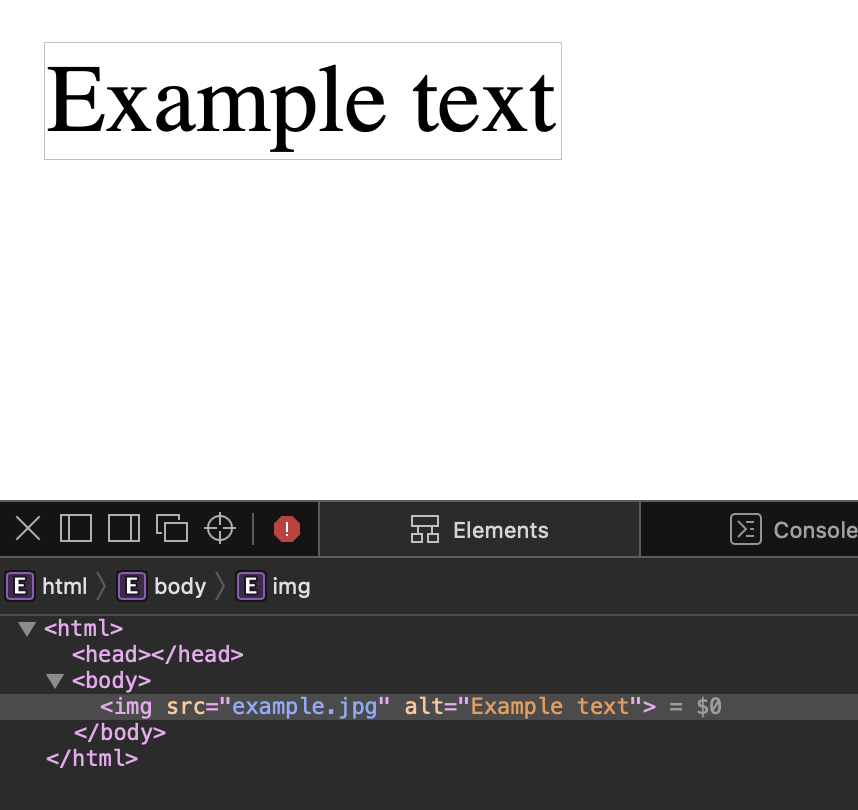
Furthermore, a screen reader cannot interpret a photograph. That is why we use alt text. Alternative text (alt text) provides a textual description of a digital image. By doing this, alternative text (alt text) allows screen readers to convey visual information to students with visual impairments.
Finally, auditory information must be made visual for those who need it. Closed captioning provides a visual text representation of audio content. Naturally, closed captioning serves as an instructional accommodation for students with hearing impairments, but its utility doesn't stop there. Because it anchors fleeting spoken words to permanent visual text, closed captioning can assist students with auditory processing disorders during multimedia presentations, allowing them to successfully decode and comprehend the curriculum alongside their peers.