Organizing the Learning Environment
Not sure you’re ready?
Take the ~3-minute readiness diagnostic and see where you stand.
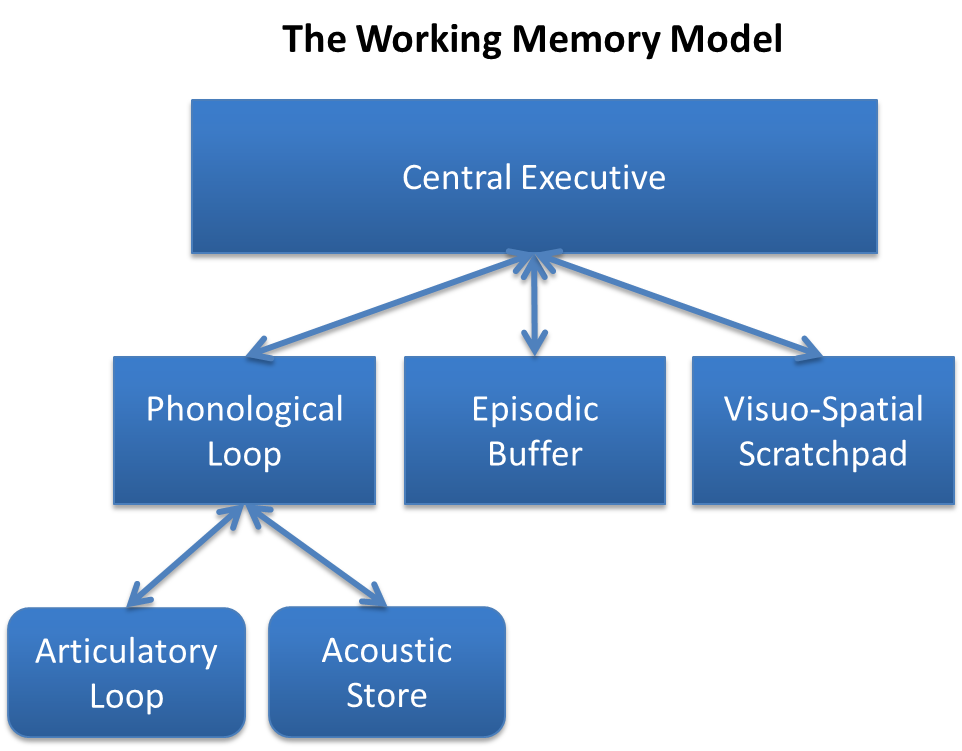
The physical classroom is not merely a container for learning; it is an active participant in the educational process. For a student with a mild to moderate disability, the environment acts as either a frictionless conduit to understanding or an invisible web of cognitive and physical barriers. When we organize the learning environment, we are not decorating; we are engaging in spatial engineering and behavioral physics. Every decision—from the width of an aisle to the location of the turn-in bin—dictates how much working memory a student can allocate to actual learning versus simply navigating the room.
Before we consider pedagogy, we must address the foundational legal and physical realities of our space. The Individuals with Disabilities Education Act (IDEA) requires students to be educated in the least restrictive environment. In practice, this means the physical arrangement of a classroom must allow students with disabilities to access the same instructional materials as their neurotypical peers. Equity is built into the floor plan.
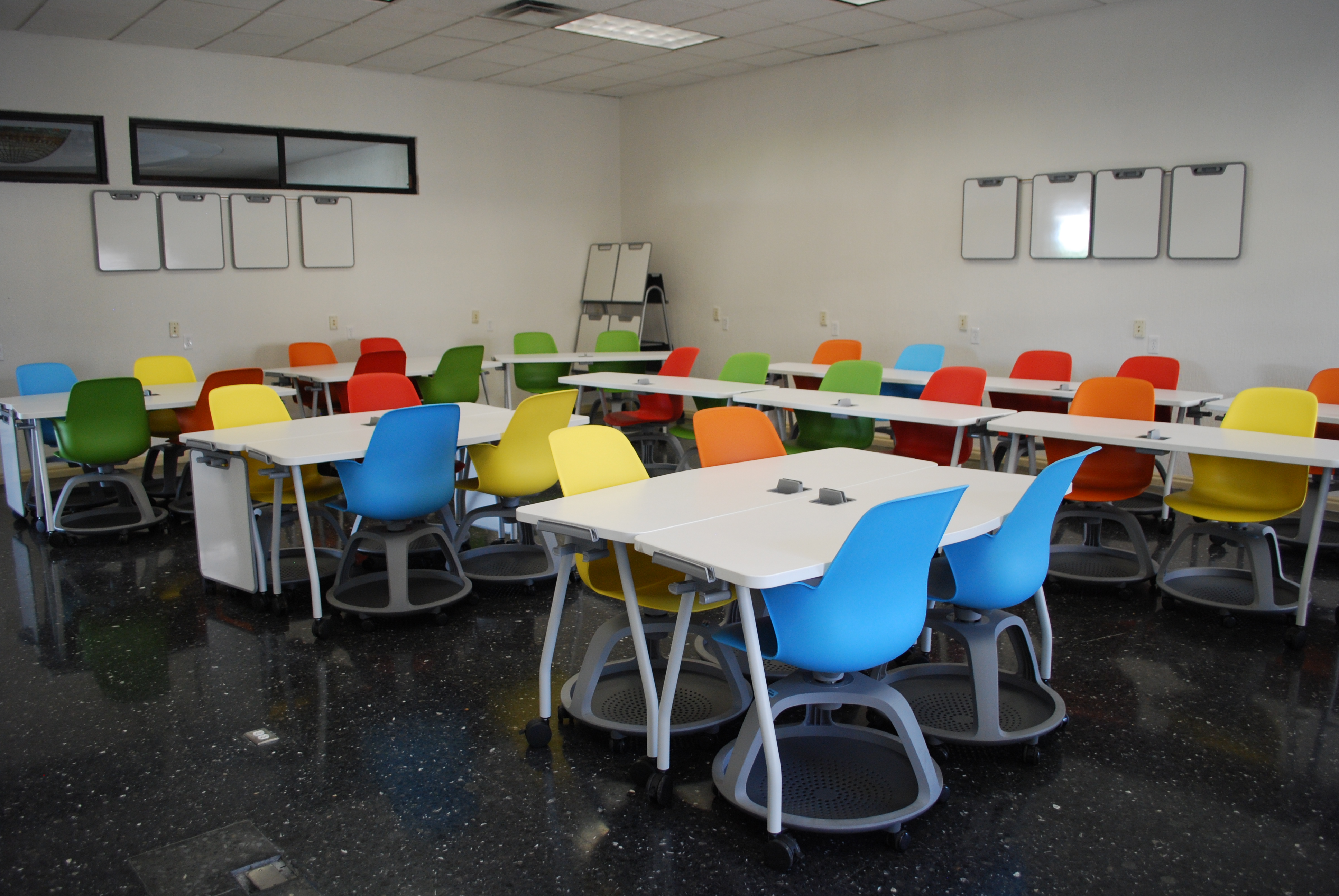
Furthermore, the Americans with Disabilities Act (ADA) mandates that classroom physical spaces must maintain wide aisles to allow wheelchair maneuverability. By arranging furniture to create wide and unobstructed pathways, we prevent physical barriers for students with mobility impairments. But unobstructed pathways do more than accommodate wheelchairs; they regulate the flow of human traffic, reducing accidental bumps and the interpersonal conflicts that inevitably follow.
Lines of Sight: The Geometry of Attention
Once a student can navigate the room, they must be able to perceive the instruction. A well-designed classroom layout ensures the teacher has an unobstructed line of sight to all student work areas, allowing for immediate assessment of engagement. Conversely, a well-designed classroom layout ensures all students have an unobstructed line of sight to primary instructional areas. If a student must contort their body to see the board, you have already lost a fraction of their cognitive stamina.
Imagine trying to solve a complex algebraic equation while standing in the middle of a busy intersection. For a student with attention deficits or sensory processing challenges, a poorly zoned classroom feels exactly like that intersection.
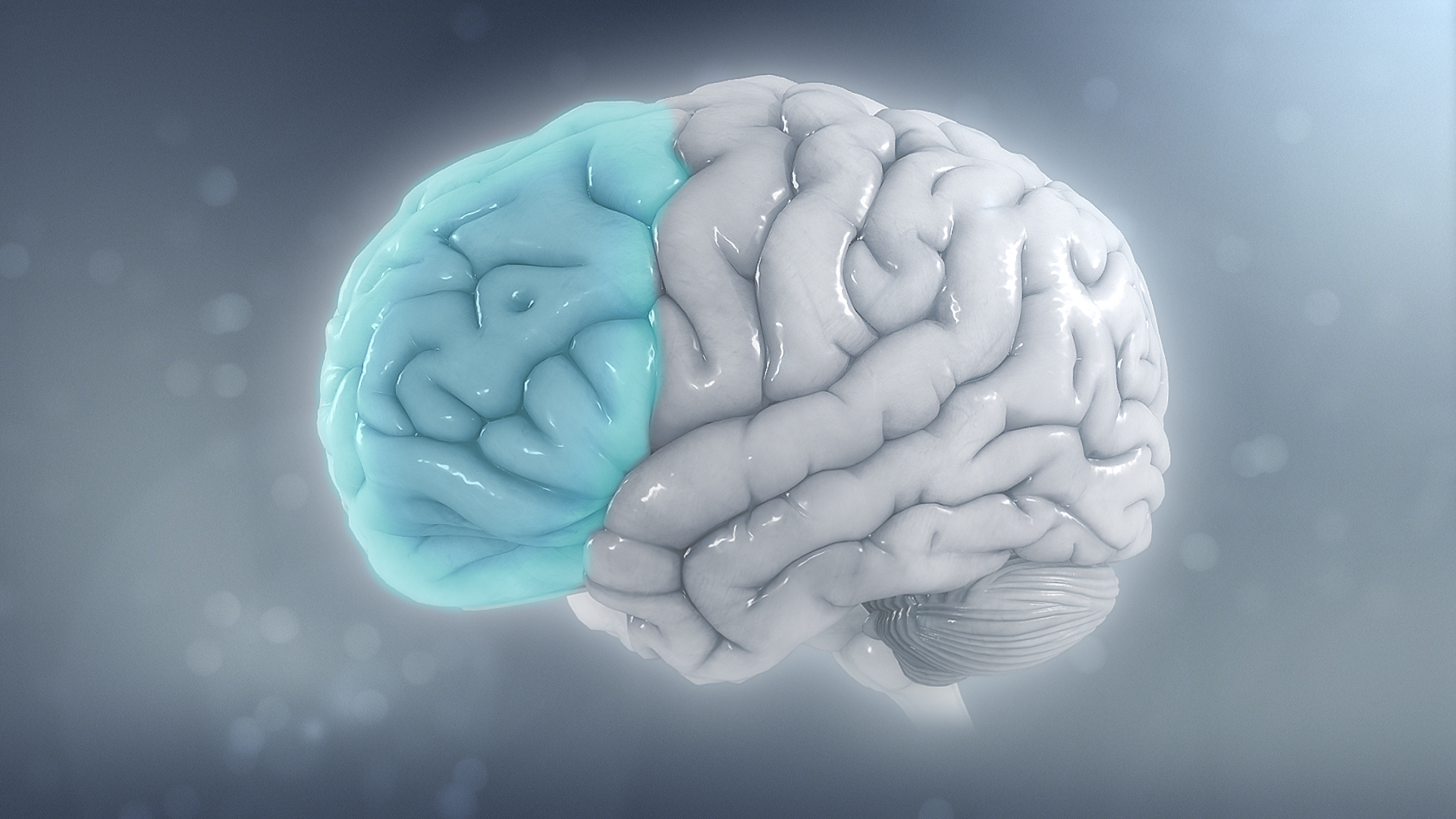
We can solve this by establishing defined physical learning zones, which help students with mild to moderate disabilities anticipate the specific behavioral expectations for different classroom areas. When the environment signals the expectation, the student does not have to guess.
- Acoustic and Spatial Zoning: Placing high-traffic areas (like the pencil sharpener or classroom library) away from quiet study spaces minimizes auditory and visual distractions.
- Managing the Visual Field: Reducing visual clutter on classroom walls helps students with attention deficits maintain focus on instructional materials. An over-decorated wall is visual noise; an intentionally curated wall is a targeted instructional tool.
Flexible Seating and the Calm-Down Corner
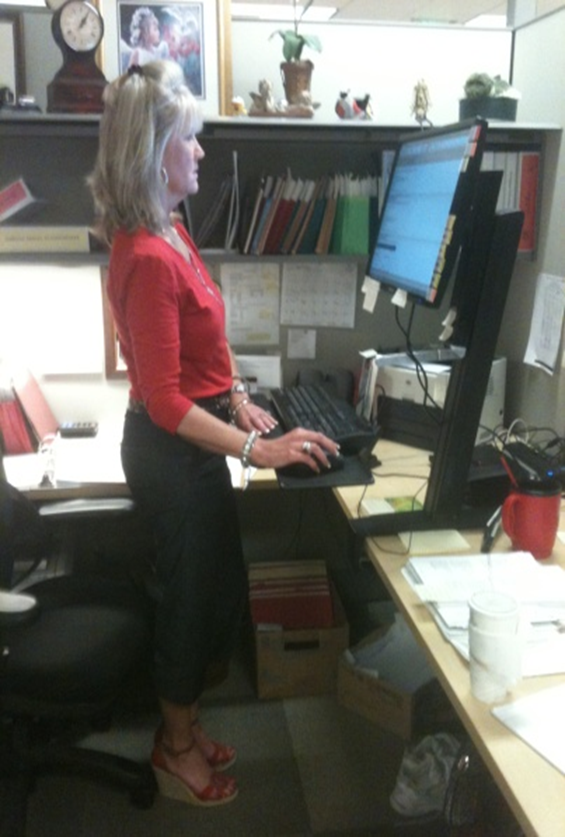
Not all nervous systems are regulated by sitting still in a rigid chair. Utilizing flexible seating options allows students to choose physical environments that best support their individual sensory needs—whether that involves a wobble stool for vestibular input or a standing desk to channel hyperactivity.
Inevitably, there are moments when the demands of the school day outpace a student's capacity to cope. Creating a dedicated calm-down corner provides a safe space for students to employ self-regulation strategies when overwhelmed. To be successful, an effective calm-down corner is physically separated from primary instructional areas to ensure privacy. It is not a site for punishment; it is a decompression chamber.
How we group furniture dictates the social and academic interactions of the room.
- Arranging student desks in small clusters promotes peer collaboration and group problem-solving.
- Conversely, arranging student desks in rows minimizes peer-to-peer distractions during independent work.
As the teacher, your physical location is one of your most potent behavioral tools. Proximity control involves placing a student's desk near the teacher to provide subtle redirection. A simple tap on a desk or a steady presence nearby can arrest off-task behavior before it escalates. Furthermore, proximity control allows a teacher to quickly provide academic support to a struggling student without disrupting the whole class. You bridge the gap between confusion and clarity without turning it into a public spectacle.
Positive Behavioral Interventions and Supports (PBIS) is a multi-tiered framework for improving social and academic outcomes.
You will spend much of your time operating within Tier 1 of Positive Behavioral Interventions and Supports, which involves universal classroom management strategies applied to all students. The foundation of Tier 1 is your rule set.
Effective classroom rules are stated in positive terms to tell students exactly what behavior is expected. Instead of "Don't run," we say "Walk." Instead of "No talking," we say "Raise your hand to speak." We give the brain a target to hit, rather than an error to avoid. Furthermore, limiting classroom rules to three to five essential guidelines helps students memorize the behavioral expectations. A constitution of fifty rules is a document no one reads; a code of four rules becomes the heartbeat of the classroom.

Structure is an antidote to anxiety. Establishing predictable daily routines reduces anxiety for students with disabilities because it removes the fear of the unknown. Simultaneously, establishing predictable daily routines reduces off-task behavior for students with disabilities because there is no dead air—they always know what they should be doing.
Explicitly teaching classroom routines at the beginning of the school year decreases the amount of instructional time lost to behavior management later. It is an investment of time in September that pays exponential dividends in March.
Consider the micro-routines that keep the classroom engine running smoothly:
- The Threshold: Developing a clear routine for entering the classroom sets an immediate academic focus at the start of the period. The learning begins the moment they cross the doorway, not five minutes later when the bell rings.
- Communication: Teaching a standardized procedure for asking the teacher for help prevents students from calling out disruptively.
- Executive Functioning Support: Designating specific and consistent locations for submitting completed assignments reduces confusion for students with executive functioning deficits. The paper doesn't just disappear into a void; it goes into the blue tray, every single time.
- Independence: Organizing classroom materials in clearly labeled bins increases student independence when accessing supplies. To support universal access, incorporating pictures alongside text labels on storage containers supports non-readers in maintaining classroom organization.
In a classroom, chaos rarely happens during a well-planned lesson; it happens in the spaces between the lessons. Transitions are the phase changes of the school day, and they require immense cognitive flexibility.
To bridge this gap, we use visual schedules. Visual schedules provide a concrete sequence of daily classroom activities. More profoundly, visual schedules support students who struggle with auditory processing by providing persistent graphic reminders of upcoming tasks. Spoken words vanish the moment they are uttered; a visual schedule remains anchored to the wall.
When a transition is imminent, we must allow students to mentally off-ramp from their current task.
- Providing a verbal warning before an activity ends helps students mentally prepare for a transition.
- Providing a visual countdown timer before an activity ends helps students mentally prepare for a transition, giving them a tangible measure of evaporating time.

For the physical movement itself, establishing specific physical procedures for moving between activities minimizes chaotic behavior during classroom transitions. Tell them exactly how to move, where to stop, and what to carry.
Finally, for the most difficult transitions—perhaps moving from recess back to complex math instruction—we employ a pre-correction. A pre-correction is a brief reminder of the behavioral expectations given immediately before a challenging transition occurs. You do not wait for the failure to occur so you can correct it; you map the hazards before the journey begins.
Summary: The Architect and the Engineer
As a special educator, you are both the architect of the physical space and the engineer of the classroom's social dynamics. By integrating ADA and IDEA principles into your layout, manipulating lines of sight and proximity, stripping away visual clutter, and relentlessly teaching positive, predictable routines, you do not just manage behavior. You create an environment where the friction of the disability is minimized, and the potential of the student is unleashed.