Components of a Legally Defensible IEP
Not sure you’re ready?
Take the ~3-minute readiness diagnostic and see where you stand.
A legally defensible Individualized Education Program (IEP) is not merely a collection of compliance forms; it is a structural blueprint for a child’s cognitive and functional trajectory. When an engineer designs a bridge, the load-bearing calculations must correspond precisely to the environmental stressors of the specific site. A generic blueprint will result in structural failure. Similarly, the Individuals with Disabilities Education Act under Title 34 of the Code of Federal Regulations mandates specific components that must be included in every Individualized Education Program. To survive legal scrutiny and actually serve the student, an IEP must be highly individualized to the specific student rather than applying a generic template based solely on a disability label.

As a special educator, you are the architect of this blueprint. Your professional mandate is to construct a document where every section organically relies upon the others, moving from where the student is today to where they must be tomorrow.
A legally defensible Individualized Education Program must comply with both the procedural requirements and the substantive requirements of the Individuals with Disabilities Education Act (IDEA).
- Procedural compliance means you followed the rules of construction: you met timelines, invited the right people, and filled out the required boxes.
- Substantive compliance means the document actually works for the child.
In the landmark Endrew F. v. Douglas County School District Supreme Court decision, the court ruled that an Individualized Education Program must be reasonably calculated to enable a child to make progress appropriate in light of the child's circumstances. To be legally defensible under the Endrew F. standard, an Individualized Education Program cannot merely provide a de minimis or minimal educational benefit. It must aim for meaningful advancement.

Furthermore, an Individualized Education Program is not legally defensible if the educational program is pre-determined by school staff without the meaningful participation of the child's parents. You cannot walk into an IEP meeting with a finished, unalterable document. The IEP team—which heavily relies on parent input—must build it together.
You cannot map a route to a destination if you do not know your starting coordinates. The Present Levels of Academic Achievement and Functional Performance (PLAAFP) is a mandatory component of an Individualized Education Program. It serves as the absolute baseline for everything that follows.
The Golden Thread of Alignment A legally defensible Individualized Education Program establishes a direct, logical relationship between the Present Levels of Academic Achievement and Functional Performance, the annual goals, and the selected special education services. If a need is identified in the PLAAFP, it must be addressed by a goal or service. If a service is provided, it must be justified by data in the PLAAFP.
What Must the PLAAFP Contain?
- Impact Statement: The PLAAFP statement must describe how a child's disability affects the child's involvement in the general education curriculum. Furthermore, it must describe how the disability affects the child's progress in that curriculum.
- Note for Early Childhood: For preschool children, the PLAAFP statement must describe how the disability affects participation in developmentally appropriate activities, rather than formal curriculum.
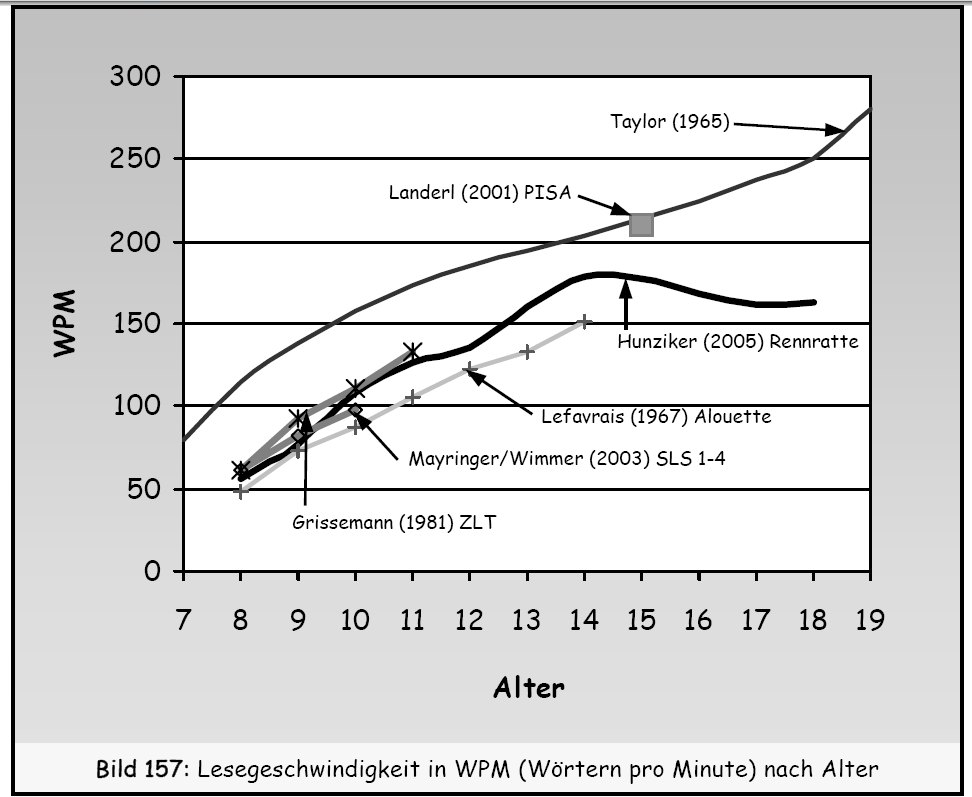
- Objective Data: The PLAAFP statement must be based on objective data such as recent evaluations, standardized test scores, and classroom observations. Phrases like "Johnny struggles with reading" are legally indefensible. Instead, use objective anchors: "Johnny reads at 45 words per minute with 80% accuracy on third-grade level text."
- Measurable Baselines: A well-written PLAAFP statement identifies the child's specific baseline performance data to allow for the measurement of future progress.
Once the baseline is established, the IEP must project a year into the future. An Individualized Education Program must include a statement of measurable annual goals.
These goals are not restricted strictly to reading, writing, and math. Because disabilities impact children globally, measurable annual goals in an IEP must include academic goals and functional goals (such as emotional regulation, self-advocacy, or physical mobility).
Crafting Compliant Goals
Annual goals must be designed to meet the child's needs resulting from the disability to enable progress in the general education curriculum. Additionally, they must address all other educational needs that result from the child's disability.
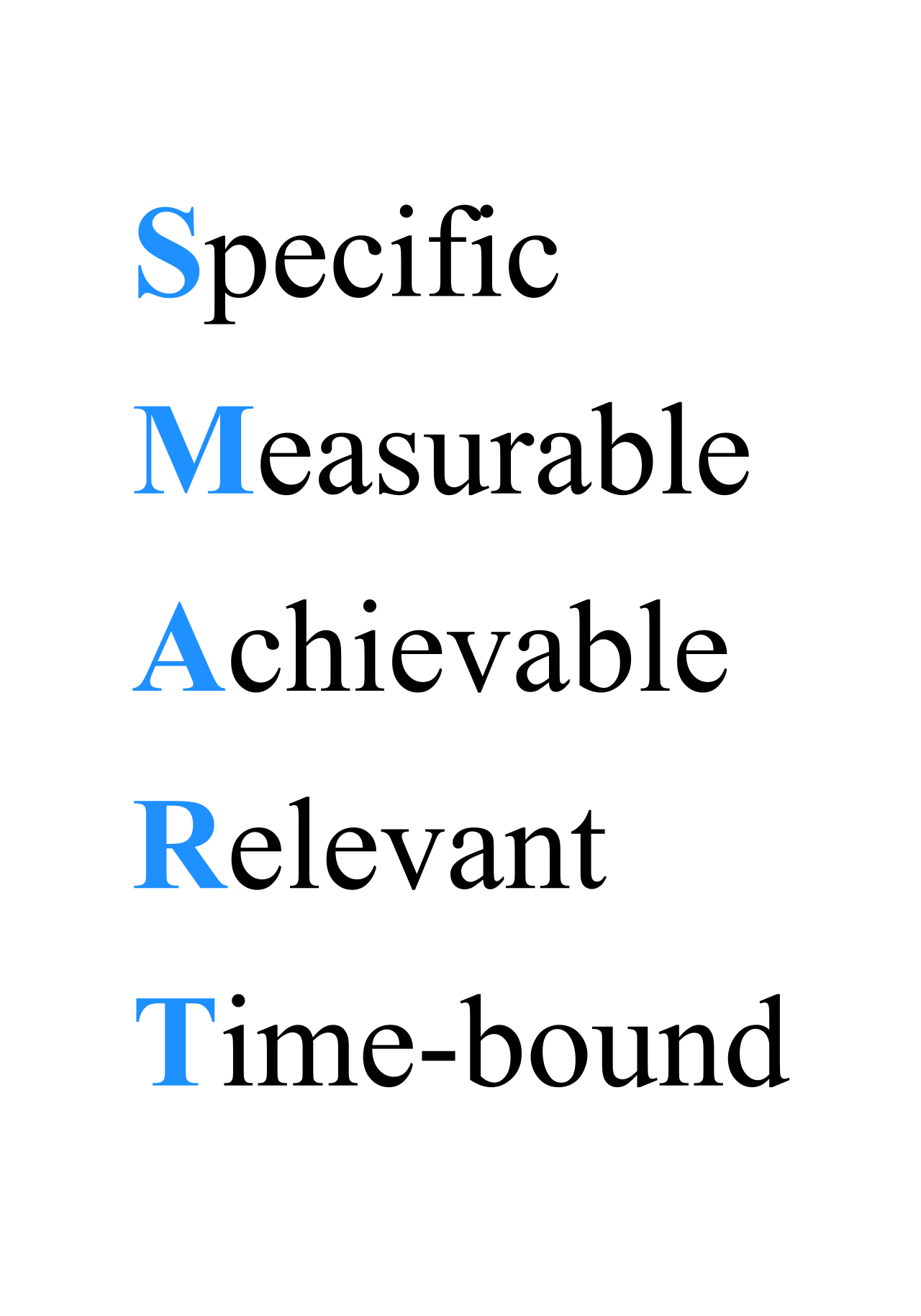
Using the SMART goal framework (Specific, Measurable, Attainable, Relevant, Time-bound) helps ensure that annual goals meet the strict legal requirement for measurability under the IDEA.
The Rule on Short-Term Objectives
A common point of confusion for educators is whether short-term objectives (stepping stones toward the annual goal) are mandatory for all students. They are not. Under the IDEA, short-term objectives or benchmarks are only required for students who take alternate assessments aligned to alternate academic achievement standards. For students with mild to moderate disabilities taking standard state assessments, you are not legally required to write short-term objectives, though your district may request them as best practice.
Writing the goals is only half the battle; the IEP must explicitly dictate how you will prove the child is moving toward them.
- Measurement: An IEP must include a description of how the child's progress toward meeting the annual goals will be measured (e.g., weekly curriculum-based measurements, daily behavior tracking sheets).
- Reporting: The IEP must specify when periodic reports on the child's progress toward annual goals will be provided to the parents (often concurrent with the issuance of general education report cards).
- Course Correction: Data collected from progress monitoring must be used to adjust an Individualized Education Program if the child is not making sufficient progress toward the annual goals. An IEP is a living document; if the intervention isn't working by mid-year, you are legally obligated to reconvene the team and adjust the plan.
To bridge the gap between the PLAAFP and the annual goals, the IEP outlines the specific resources the school will provide. An IEP must contain:
- Special Education and Related Services: A statement of the direct instruction and specialized therapies (like occupational or speech therapy) to be provided.
- Supplementary Aids and Services: A statement of aids and services provided to the child or on behalf of the child (e.g., assistive technology, visual schedules).
- Program Modifications: A statement of modifications provided for the child (e.g., reducing the complexity of the curriculum).
- Supports for School Personnel: A statement of supports provided on behalf of the child. Crucially, supports for school personnel in an IEP may include specialized training for teachers to properly implement the child's educational plan. If a student requires a highly specific behavioral intervention, the school must train the general education teacher to execute it.
Under IDEA, special education services and supplementary aids listed in an IEP must be based on peer-reviewed research to the extent practicable. We do not use experimental or purely anecdotal interventions; we use evidence-based practices.
The Logistics of Service Delivery
Ambiguity is the enemy of legal defensibility. Therefore, the IEP must explicitly state:
- The projected date for the beginning of special education services and modifications.
- The anticipated frequency of services (e.g., three times per week).
- The anticipated location of services (e.g., in the general education classroom vs. the resource room).
- The anticipated duration of services (e.g., 30 minutes per session).
Least Restrictive Environment (LRE)
The law operates on a default assumption: children with disabilities belong in the general education classroom with their non-disabled peers. Therefore, an IEP must explain the extent to which the child will not participate with nondisabled children in the regular classroom setting.
The explanation of the LRE in an IEP must provide educational justification for removing a child from the general education environment. You must prove why the supplementary aids and services provided in the regular classroom are insufficient to meet the child's needs.
Assessments
Students with disabilities must participate in state and district accountability systems. Thus, an IEP must include a statement of any individual appropriate accommodations necessary to measure the academic and functional performance of the child on State and districtwide assessments.
| Assessment Pathway | IEP Justification Requirements |
|---|---|
| Regular Assessment (with or without accommodations) | Standard requirement for the vast majority of students with mild to moderate disabilities. |
| Alternate Assessment | 1. The team must include a statement explaining why the child cannot participate in the regular assessment.<br>2. The team must explain why the selected alternate assessment is appropriate for the child. |
Education is preparation for adulthood. Therefore, IDEA mandates proactive planning for life after high school.
Transition services must be included in an Individualized Education Program beginning no later than the first IEP to be in effect when the child turns sixteen. (Note: Some states mandate an earlier age, like 14, but federal law sets the absolute ceiling at 16). Because student interests evolve, transition service components in an IEP must be updated annually.
Building the Transition Plan
- Assessments: Postsecondary goals in a transition plan must be based upon age-appropriate transition assessments (e.g., interest inventories, vocational aptitude tests).
- Postsecondary Goals: Transition services in an IEP must include appropriate measurable postsecondary goals.
- Scope: These postsecondary goals must relate to training, education, employment, and—where appropriate—independent living skills.
- Action Plan: Transition services must outline the courses of study needed to assist the child in reaching postsecondary goals (e.g., specifying that a student aiming for graphic design will take specific vocational tech courses).
Transfer of Rights
As students approach legal adulthood, they assume authority over their educational choices. An IEP must include a statement regarding the transfer of educational rights at the age of majority (usually age 18, depending on state law). This statement regarding the transfer of rights must be included in the IEP beginning not later than one year before the child reaches the age of majority under State law, ensuring both the student and parents are prepared for the legal shift.
As you prepare for your core knowledge and application exams, remember that a legally defensible IEP is fundamentally a story of alignment. If you can draw a solid, evidence-based line from the student's present levels (PLAAFP) through their goals, and sustain that trajectory with rigorous services and monitoring in the least restrictive environment, you will not only satisfy Title 34 of the CFR—you will genuinely alter the trajectory of a child's life.