Learning Environment and Classroom Management (Constructed-Response)
Not sure you’re ready?
Take the ~3-minute readiness diagnostic and see where you stand.
A building’s structural integrity is determined long before the first storm hits. In special education, the same principle governs classroom management. When a student disrupts a lesson, throws materials, or shuts down entirely, we are merely witnessing the structural failure of a system that was either poorly designed or inappropriately matched to that student's specific needs. To fix it, we do not simply patch the crack; we analyze the load-bearing walls, the foundation, and the environmental forces at play. This is the essence of behavioral intervention and environmental design. Mastering these concepts is not about memorizing a checklist for an exam; it is about learning how to architect a classroom where students with mild to moderate disabilities can predictably and reliably succeed.
Before we can draft a blueprint to change a behavior, we have to understand exactly what we are dealing with. In special education, guesswork is not a strategy. Under the Individuals with Disabilities Education Act (IDEA), a Behavior Intervention Plan (BIP) is a legally binding document. Because it carries legal weight and dictates a child's daily educational experience, it cannot be based on hunches. Consequently, a Functional Behavior Assessment (FBA) must precede the development of a Behavior Intervention Plan. You cannot write the plan until you assess the function.
To conduct a valid FBA, we must first agree on what the behavior actually is. An operational definition of a target behavior describes the behavior in observable and measurable terms. If two strangers walk into your room, they must be able to independently verify whether the behavior occurred. "Acting out" is a useless description; "throwing a pencil at the wall" is an operational definition.
Once we define the behavior, we analyze it using the A-B-C framework:
- The antecedent is the event or stimulus that immediately precedes a target behavior. It is the trigger.
- The behavior is the operationalized action.
- The consequence is the event or stimulus that immediately follows a target behavior. It is what the student gets (or avoids) as a result of their action.
Why do students do what they do? Human behavior is remarkably efficient. The four primary functions of behavior are sensory stimulation, escape, access to attention, and access to tangibles. Every behavior serves one or more of these purposes.
When we write a BIP based on the FBA, our goal is not just to extinguish the bad behavior, but to teach a better one. Here is the golden rule of behavioral intervention: A replacement behavior must serve the exact same function as the target problem behavior. If a student flips their desk to escape a math worksheet, offering them a sticker (a tangible) to sit quietly will fail. They do not want a sticker; they want to escape the math. The appropriate replacement behavior is teaching them to request a three-minute break.
If you want to change behavior, change the room. Antecedent interventions modify the classroom environment or routine to prevent a target behavior from occurring in the first place. You are altering the ecosystem so the trigger never fires.
Designing the Physical Space
The physical layout of your room sends immediate signals to a student's brain about what is expected. Establishing clear physical boundaries with furniture helps students understand specific areas for specific activities. A reading rug bounded by low bookshelves tells the student exactly where "reading" happens and where it ends. Furthermore, minimizing visual clutter on classroom walls reduces cognitive load for students with attention deficits. A chaotic wall creates a chaotic mind.
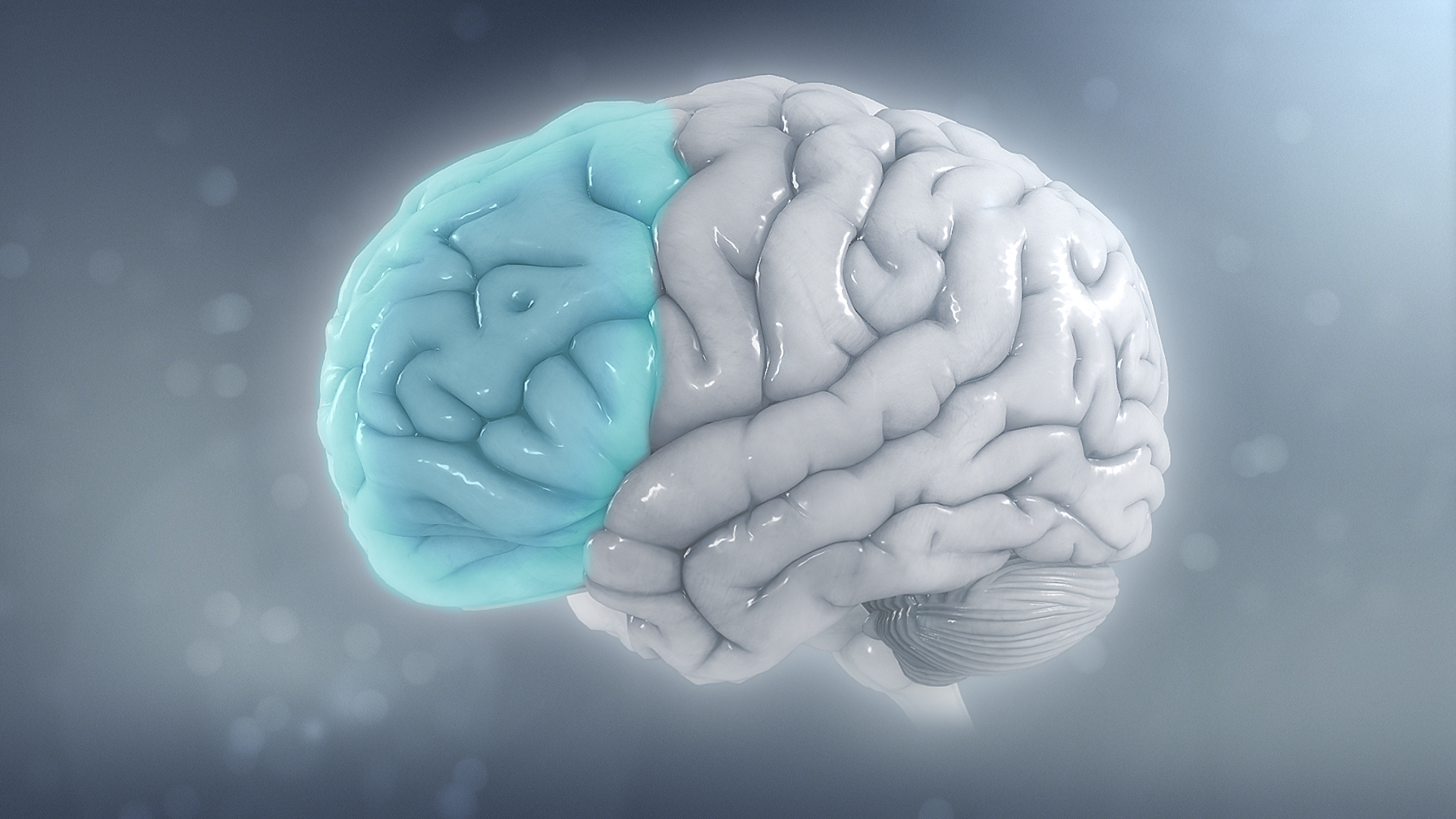
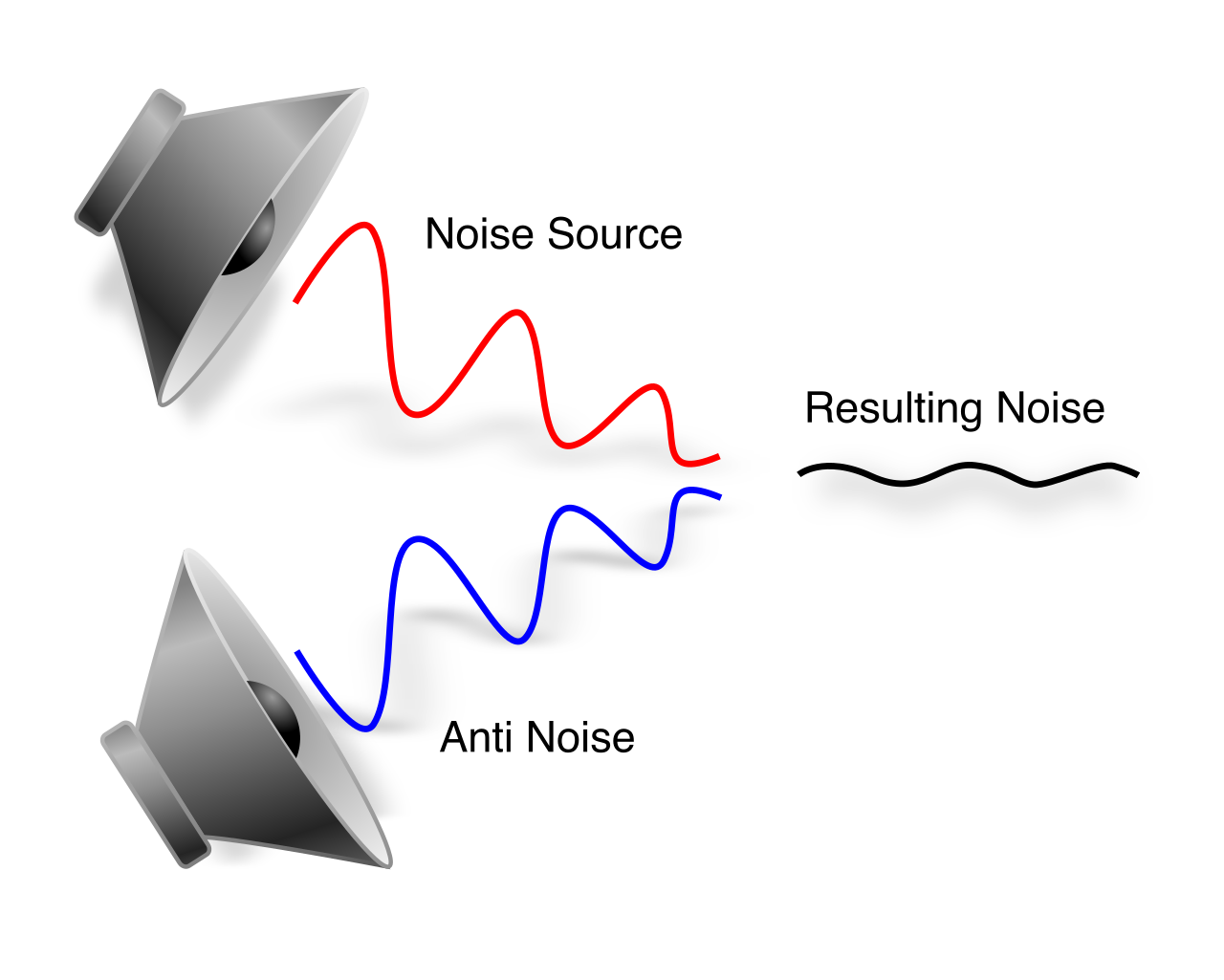
We must also tune the sensory frequencies of the room. Soft lighting is an environmental modification used to accommodate students with sensory processing differences, smoothing out the harsh, buzzing glare of fluorescent bulbs. For students whose sensory systems are easily overwhelmed by noise, noise-canceling headphones provide an environmental accommodation for students with auditory hypersensitivity.
Fostering independence relies heavily on spatial predictability. Organizing classroom materials in clearly labeled bins increases student independence during work tasks, removing the frustration (and subsequent behavioral escalation) of simply trying to find a pencil or a ruler. However, despite our best efforts, escalation can still occur. A designated cool-down zone offers a safe physical space for a student to self-regulate before behavioral escalation occurs. It is not a time-out space for punishment; it is a pressure-release valve.
The Geography of Seating
Where a student sits dictates their interaction with the learning environment. Preferential seating is an environmental accommodation that places a student in a location most conducive to the student's learning needs. This is highly individualized. Preferential seating often involves placing a distractible student near the point of instruction. Conversely, preferential seating can involve placing a distractible student away from high-traffic areas like the classroom door, where constant movement disrupts their focus. Furthermore, strategic seating arrangements can pair a student with behavioral challenges alongside a positive peer role model, leveraging peer influence as a quiet antecedent intervention.
Teachers also carry their own environmental gravity. Proximity control involves a teacher moving physically closer to a student to prevent off-task behavior. Often, merely standing near a student’s desk recalibrates their attention without a single word being spoken.
Environmental engineering is not limited to physical objects; it applies to time and instruction. When students cannot predict their day, anxiety spikes, and behaviors manifest. Visual schedules provide a permanent visual reference to help students anticipate daily transitions. When moving from a highly preferred activity to a difficult one, First-Then boards are visual supports that clarify the expectation of completing a non-preferred task before accessing a preferred activity (e.g., "First Math, Then iPad").
The way you structure the academic task itself is an antecedent intervention. Consider the psychological friction of a difficult worksheet. Task interspersal involves mixing mastered tasks with more difficult tasks to maintain student engagement. When a student encounters easy, familiar questions among the hard ones, they are far less likely to abandon the work. Similarly, behavioral momentum involves asking a student to perform a few highly preferred tasks immediately before presenting a non-preferred task. You are building a track record of compliance and success (momentum) that carries them into the difficult work.
We can also short-circuit escape and attention behaviors by freely giving the student what they need. Providing forced choices gives a student a sense of autonomy by allowing the student to select between two teacher-approved options (e.g., "Do you want to write your essay with a blue pen or type it?"). They feel in control, but you dictate the academic outcome. Alternatively, noncontingent reinforcement involves delivering a reinforcer on a fixed time schedule independent of the student's behavior. If a student acts out for attention, give them high-quality attention every five minutes regardless of what they are doing. The need to act out vanishes because the well is already full.
When a behavior does occur, how we respond dictates whether it will happen again. Consequence interventions alter the adult or peer response to a behavior to decrease the likelihood of the behavior recurring.
A Note on Reinforcement vs. Punishment: In behavioral science, reinforcement always increases the likelihood of a behavior, while punishment decreases it.
- Positive reinforcement involves adding a desirable stimulus after a behavior to increase the future frequency of that behavior. (A student raises their hand, you praise them, they raise their hand more often).
- Negative reinforcement involves removing an aversive stimulus after a behavior to increase the future frequency of that behavior. (A student finishes their work early, you remove their homework requirement for the night. You took away something annoying to reinforce the fast work).
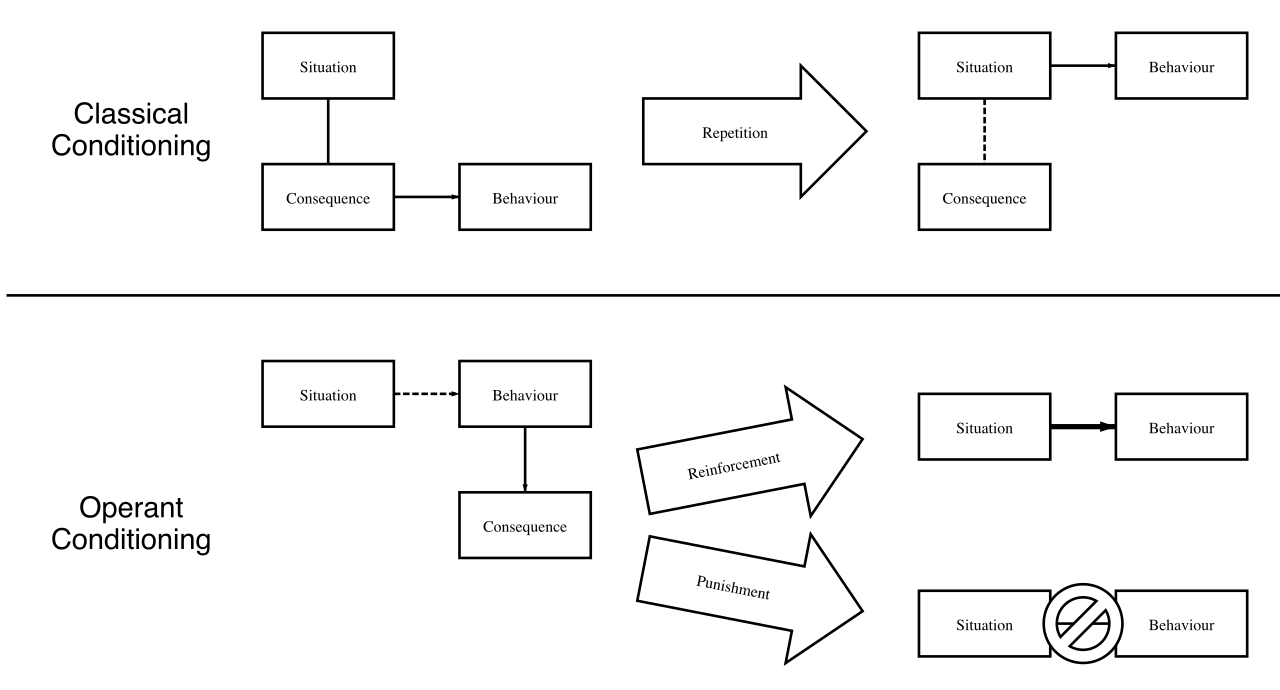
To eliminate an inappropriate behavior, we must stop feeding it. Extinction involves withholding the previously maintaining reinforcer to decrease the frequency of a target behavior. If a student taps their pencil to get you to look at them (attention function), ignoring the tapping puts the behavior on extinction. However, we cannot leave a void. Differential reinforcement of alternative behavior (DRA) provides reinforcement exclusively for a socially acceptable replacement behavior. You ignore the pencil tapping, but the exact second the student raises their hand, you flood them with attention.

Systematizing this reinforcement for the whole classroom or an individual often takes the form of a token economy, which is a behavior management system where students earn tokens for appropriate behavior to exchange for backup reinforcers (e.g., extra recess, a prize box). As students learn the appropriate behaviors, we must ensure they do not become dependent on our constant guidance. Prompt fading involves gradually reducing the level of teacher assistance to promote student independence, shifting them from continuous external reliance to self-management.
A brilliantly designed BIP is worthless if we do not know whether it is actually working. Data collection measures are required to monitor the ongoing effectiveness of a Behavior Intervention Plan. We do not rely on "I feel like he's doing better." We look at the numbers.
The nature of the target behavior dictates how we measure it:
| Measurement Type | Definition | Best Used For |
|---|---|---|
| Frequency recording | Counts the exact number of times a specific behavior occurs within a set observation period. | Discrete behaviors with a clear start and stop (e.g., blurting out, hitting). |
| Duration recording | Measures the total length of time a continuous behavior lasts from beginning to end. | Behaviors that vary in length (e.g., crying, out-of-seat behavior). |
| Latency recording | Measures the time elapsed between the delivery of an instruction and the student's initiation of the requested task. | Non-compliance or delayed processing (e.g., how long it takes a student to open their book after being asked). |
Finally, as educators, we must account for safety and operational clarity. A Behavior Intervention Plan must explicitly define the personnel responsible for implementing each intervention strategy. The plan must state exactly who is delivering the reinforcement, who is taking the data, and who is monitoring the cool-down zone. Furthermore, if the student exhibits behaviors that pose a risk of harm—to themselves or others—a Behavior Intervention Plan must include a crisis intervention plan.
When you synthesize these frameworks, you are doing far more than managing a classroom. You are applying the rigorous, analytical laws of human behavior to create an environment where learning is not just possible, but inevitable.