Impact of Language, Cultural, and Gender Differences
Not sure you’re ready?
Take the ~3-minute readiness diagnostic and see where you stand.
Imagine trying to measure the temperature of a liquid using a thermometer calibrated for Celsius, but you read the numbers as if they were Fahrenheit. You might quickly conclude the liquid is freezing when, in reality, it is perfectly warm. In the realm of special education, this calibration error happens every single day. Educators observe a child's academic struggles or behavioral patterns and, using an interpretive lens calibrated strictly to mainstream, monolingual norms, diagnose a cognitive deficit where none exists.
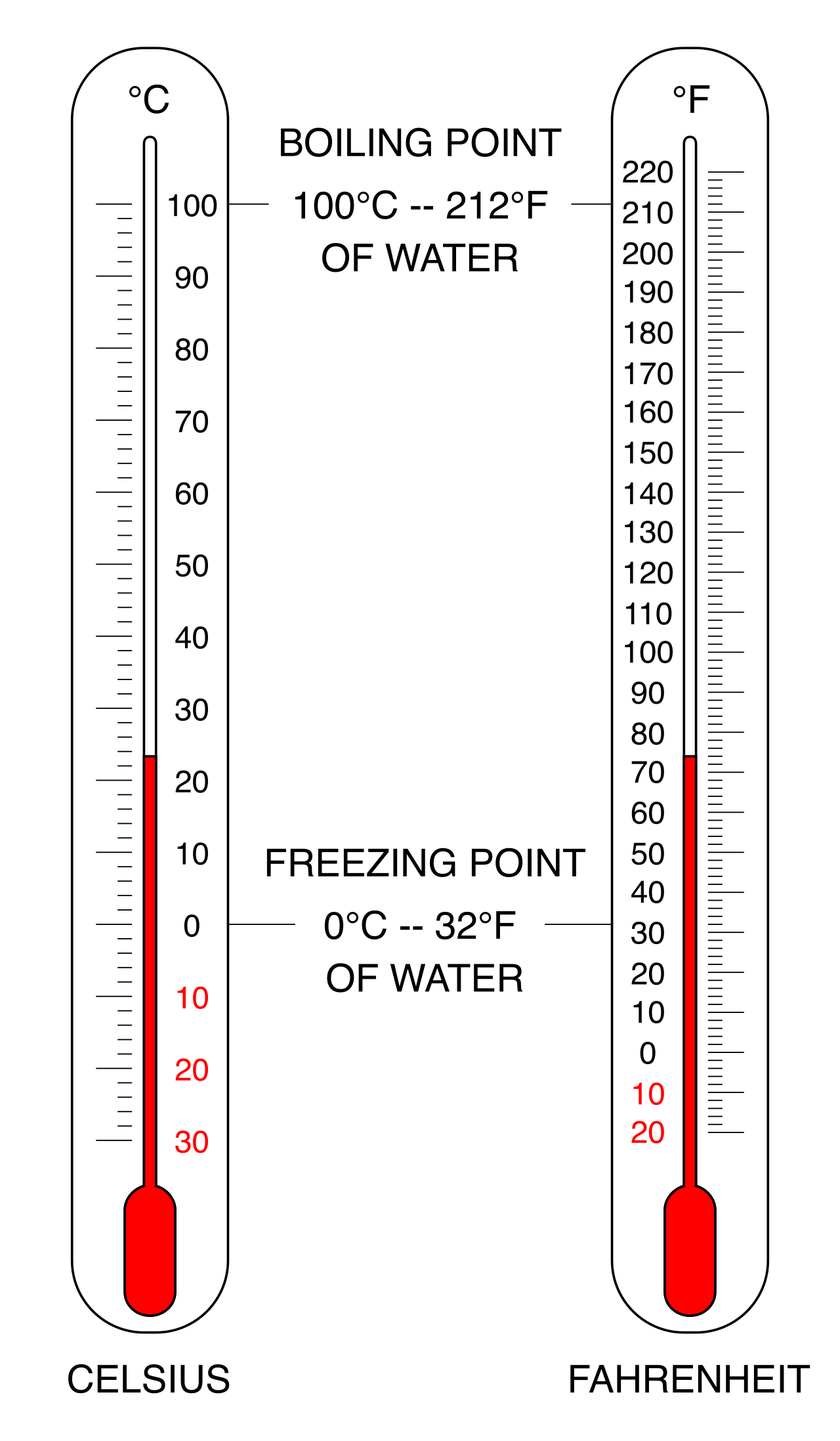
The challenge of the modern diagnostician is not simply to administer tests, but to calibrate the instrument—to recognize precisely where the borders of language acquisition, cultural expression, and gender socialization end, and where a true physiological learning disability begins.
Before we look at the intricate cognitive processes of the developing child, we must establish the boundaries of the law. The Individuals with Disabilities Education Act (IDEA) is explicitly designed to prevent the misdiagnosis of students who are simply adapting to a new language or culture.
The IDEA Mandate: IDEA specifies that a child cannot be identified with a disability if the determinant factor for academic failure is limited English proficiency.
To enforce this, IDEA requires that special education assessments be administered in the student's native language. If you test a student’s reading comprehension in a language they do not fully speak, you are no longer testing reading comprehension; you are testing English vocabulary.
However, the law alone does not solve the problem in the classroom. This is why schools utilize a Multi-Tiered System of Supports (MTSS). An MTSS helps distinguish between students lacking appropriate instruction and students with genuine learning disabilities. By providing targeted, evidence-based interventions in general education first, we can see how the student responds. If a student thrives after explicit phonics instruction, they didn't have a specific learning disability; they were simply missing a foundational instructional piece.
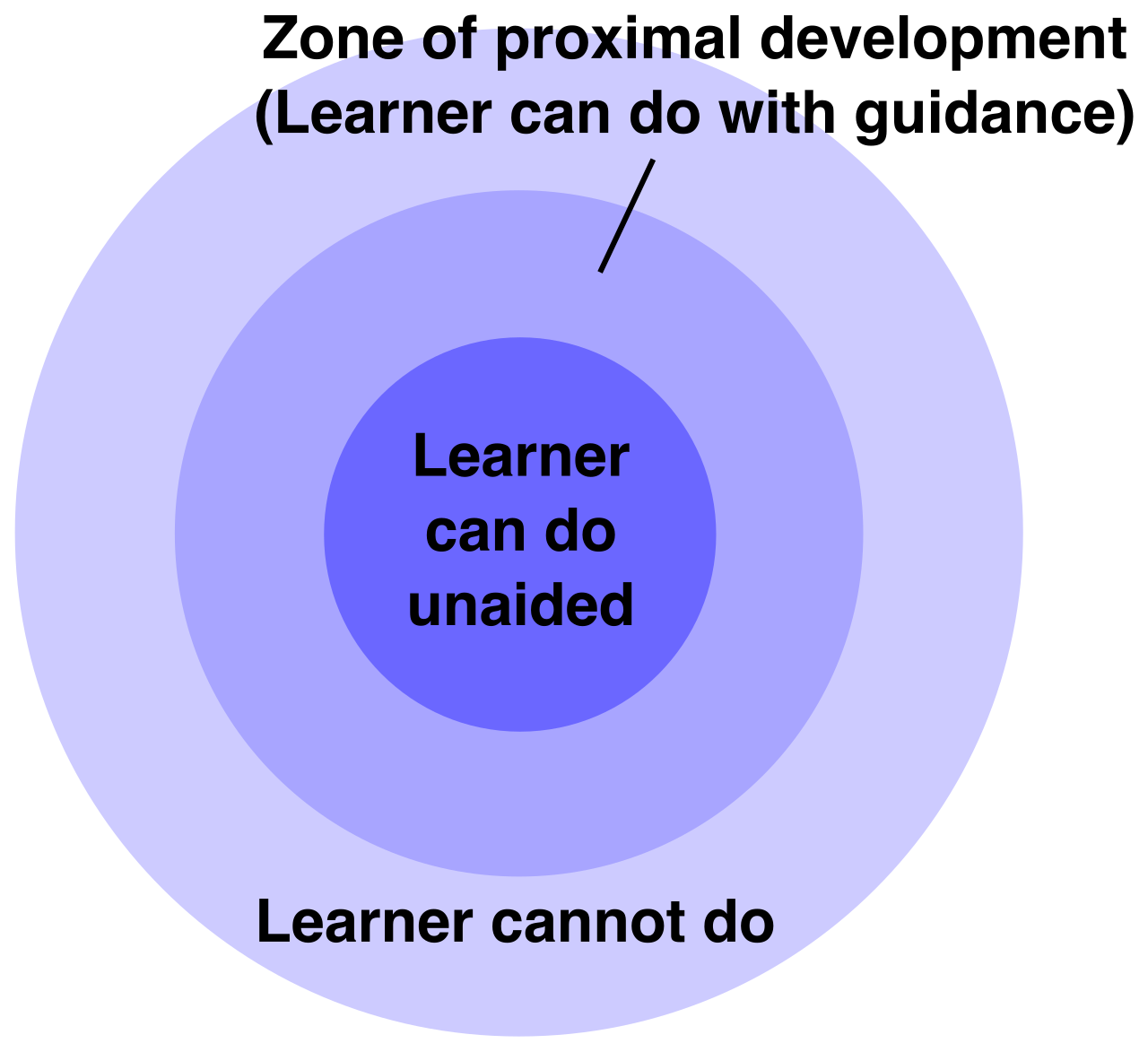
One of the most profound responsibilities you will face is determining whether a multilingual student is struggling because of a language barrier or a neurobiological learning disability. To do this, we must map the timeline of second language acquisition.
Linguist Jim Cummins gave us the definitive framework for this, dividing language into two tiers:
| Language Tier | What is it? | Typical Acquisition Time | Example in the Classroom |
|---|---|---|---|
| BICS (Basic Interpersonal Communicative Skills) | Social, conversational, playground language. | 1 to 3 years | Asking to use the restroom, chatting at lunch. |
| CALP (Cognitive Academic Language Proficiency) | Academic, abstract, context-reduced language. | 5 to 7 years | Comparing and contrasting the causes of the Civil War. |
Because Basic Interpersonal Communicative Skills (BICS) typically take one to three years for an English Language Learner to develop, teachers often assume a student is "fluent" when they converse easily in the hallway. However, Cognitive Academic Language Proficiency (CALP) typically takes five to seven years for an English Language Learner to fully develop. When that seemingly fluent student fails a science exam, educators might suspect a learning disability. In reality, the student is simply wading into the deeper, slower-developing waters of CALP.
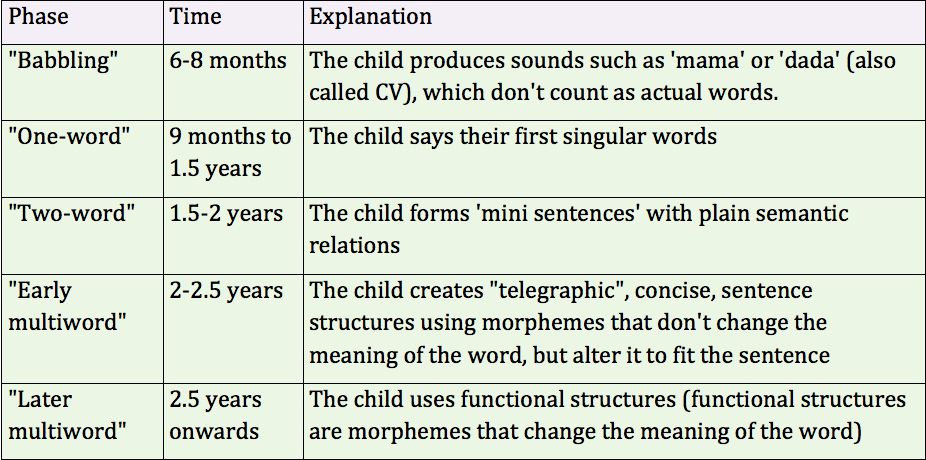
Typical Acquisition vs. Atypical Deficits
If a student's brain has a localized, neurodevelopmental breakdown in processing phonological symbols (like dyslexia), that breakdown is physical. It does not disappear when the child switches languages. Therefore, a student with a true learning disability will demonstrate academic deficits in both their native language and in English.
Conversely, academic struggles occurring exclusively in a second language indicate a language acquisition issue rather than a specific learning disability.
When evaluating these students, you must become a linguistic detective, recognizing normal phases of bilingualism that frequently get flagged as abnormalities:
- The Silent Period: When thrust into a new linguistic environment, children naturally stop speaking as they absorb input. Evaluators must distinguish between the normal silent period of second language acquisition and a true expressive language delay.
- Code-Switching: Swapping between English and Spanish in the middle of a sentence is a brilliant, highly cognitive utilization of one's full linguistic repertoire. Code-switching between two languages is a typical phase of bilingual language development, and vitally, code-switching between two languages is not an indicator of a cognitive deficit or a communication disorder.
- Language Loss: If a student stops using their first language to rapidly acquire English, their native vocabulary may atrophy. The loss of native language proficiency during second language acquisition can temporarily mimic the symptoms of a language disorder. It is an environmental phenomenon, not a neurological one.

Standardized testing presents itself as objective math, but it is deeply subjective anthropology. Standardized intelligence tests often contain inherent cultural biases favoring mainstream cultural knowledge.
Imagine a test asking a child to sequence a story about a family going on a ski trip. If that child has grown up in a tropical climate and a working-class household, their failure to sequence the story is a measurement of their zip code, not their working memory. Because of this, cultural biases in standardized testing can artificially lower the cognitive scores of culturally and linguistically diverse students.
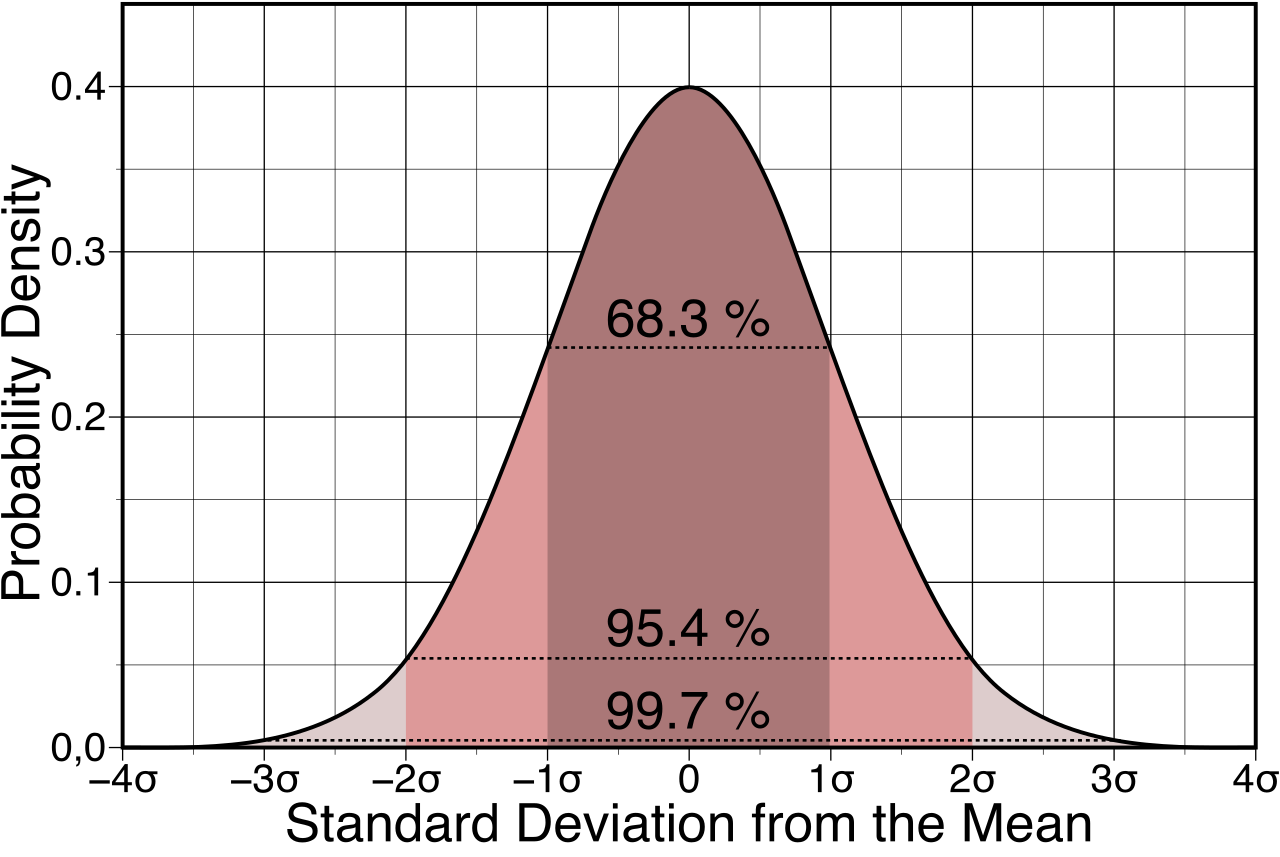
How do we fix this? The amateur’s impulse is simply to translate the test. But translating a standardized assessment directly into a student's native language does not eliminate cultural bias from the test questions. If the concept of a "ski trip" is culturally foreign, asking the child about a viaje de esquí in Spanish does absolutely nothing to level the playing field. Furthermore, using untrained interpreters during special education evaluations can completely invalidate the standardized assessment results. Standardized tests rely on exact, normed phrasing; an untrained interpreter paraphrasing a prompt destroys the statistical validity of the assessment.
The True Peer Standard: Accurately validating English Language Learner test performance requires comparing the student's progress against peers with identical cultural and linguistic backgrounds. If a student is scoring at the 10th percentile nationally, but the 85th percentile among other students who immigrated from the same region at the exact same age, the student does not have a learning disability.
Special education referrals rarely begin with a test; they begin with an observation. A teacher watches a child and interprets their behavior. But human behavior is a mirror reflecting cultural norms. Educators misinterpreting culturally influenced behaviors frequently leads to inappropriate special education referrals.
Consider pragmatics, the social rules of language. Cultural variations in communication styles can be erroneously misidentified as pragmatic language deficits. For example, an educator might refer a student for an autism evaluation because the student constantly looks at the floor during disciplinary conversations. However, avoiding direct eye contact with adults is considered a sign of respect in several cultures, including many Latin American, Indigenous, and Asian communities. The child is not exhibiting a pragmatic deficit; they are exhibiting excellent, culturally appropriate manners.
Just as culture dictates how behavior is expressed and perceived, gender socialization heavily skews the special education pipeline. The data presents a stark reality:
| Diagnostic Category | Gender Presentation & Referral Discrepancies |
|---|---|
| Specific Learning Disabilities (SLD) | Boys are identified with specific learning disabilities at a significantly higher rate than girls. |
| Emotional/Behavioral Disorders (EBD) | Boys are more frequently identified with emotional and behavioral disorders than girls. |
| Attention Deficit Hyperactivity Disorder (ADHD) | Girls are more likely to exhibit the inattentive presentation of Attention Deficit Hyperactivity Disorder (ADHD) compared to boys. |
Why do these statistical chasms exist? It comes down to visibility. Society and biology often align to produce different coping mechanisms in struggling students. When a young boy cannot read the worksheet in front of him, he is statistically more likely to act out, flip a desk, or disrupt the lesson. The higher rate of visible externalizing behaviors in boys leads to more frequent special education referrals from classroom teachers.
Meanwhile, when a young girl faces the same cognitive hurdle, she is more likely to internalize the struggle, stare quietly out the window, and try to remain invisible. Because she is not disrupting the teacher's lesson, she falls through the cracks. The subtle symptoms of inattentive ADHD in girls frequently result in under-identification for necessary special education services. She doesn't get the referral because she isn't causing a problem for the adults in the room.
When we zoom out from individual students and look at national data, the culmination of these language barriers, cultural test biases, and behavioral misinterpretations creates massive systemic fractures known as disproportionality.
- Overrepresentation: Because cultural communication styles and externalizing behaviors are often penalized by mainstream educational norms, African American students are disproportionately overrepresented in the special education category of Emotional Disturbance, as well as being disproportionately overrepresented in the special education category of Intellectual Disability.
- Underrepresentation: Conversely, cultural stereotypes and differing behavioral expectations result in specific gaps. Asian American students are historically underrepresented in special education programs across the United States.
- The Ceiling Effect: The bias doesn't just push students inappropriately into special education; it locks them out of advanced opportunities. Relying on culturally biased intelligence testing and language-heavy screening metrics ensures that culturally and linguistically diverse students are consistently underrepresented in gifted and talented educational programs.
As you step into the evaluation room, remember that your task is to isolate the signal from the noise. The "noise" is the student's process of acquiring English, their cultural adherence to respect, and their gender-socialized coping mechanisms. The "signal" is an actual, neurological breakdown in learning.
If you see a deficit, you must ask: Does this exist across all settings and languages? If a behavioral issue arises, you must ask: Who is deciding this is abnormal, and through what cultural lens? By ruthlessly applying these questions, you protect students from the lifelong impact of misidentification and ensure that special education remains exactly what it was designed to be: an environment for those who truly need specialized instruction, not those who merely differ from the norm.