Impact of Disabilities Across the Life Span
Not sure you’re ready?
Take the ~3-minute readiness diagnostic and see where you stand.
To understand a disability, one must not view it merely as a localized phenomenon within a single student's mind or body. It is a stone dropped into the center of a calm pond, sending ripples outward through time and social structures. From the first moments of diagnosis to the twilight of adulthood, a mild to moderate disability shapes the trajectory of a life, the architecture of a family, and the fabric of the community. As an educator, the student sitting in your classroom is only the most visible fraction of a complex, lifelong ecosystem. To truly teach that student, you must understand the invisible forces acting upon them: the grief and exhaustion of their parents, the silent anxieties of their siblings, the looming precipice of the transition to adulthood, and a society that often builds artificial barriers where bridges ought to be.
When a family brings a child into the world, they construct a mental blueprint of the future. An early diagnosis of a mild to moderate disability often introduces significant emotional and financial stress into the family system, fundamentally altering that blueprint. It is not a matter of a simple pivot; parents of children with newly diagnosed disabilities frequently experience a grief cycle similar to mourning. They are mourning the loss of the frictionless, neurotypical trajectory they had envisioned.
This is where the law steps in to offer a foundation. Early intervention services under Part C of the Individuals with Disabilities Education Act serve children with disabilities from birth through age two. These services are critical because neuroplasticity is at peak, but they also bring a revolving door of specialists into the living room. Consequently, parents of children with disabilities often assume the long-term role of case manager to coordinate medical, therapeutic, and educational services. They are no longer just parents; they become schedulers, advocates, and record-keepers.
The weight of this case management creates profound structural changes within the household:
- Employment and Economics: Financial strain on families of children with disabilities arises from specialized therapies, medical costs, and reduced parental employment opportunities. Because society lacks robust, flexible care networks, one parent often has to step back from their career. Predictably, maternal employment rates are significantly lower in families raising a child with a disability due to intensive caregiving demands.
- The Sibling Experience: The ripples extend to brothers and sisters. Siblings of children with disabilities frequently experience feelings of anxiety, guilt, or resentment due to unequal parental attention. They often become the "glass children"—so named because parents, exhausted by the intensive needs of the child with a disability, look right through them.
- The Need for Respite: A system under constant tension will eventually snap. Respite care provides temporary relief to primary caregivers of individuals with disabilities. This is not a luxury; it is basic structural maintenance. Utilizing respite care reduces family burnout and improves the overall functioning of the family unit, allowing parents to recharge and attend to siblings or their own relationship.
When the child leaves the home and enters the general education system, the nature of the challenges shifts from medical to social and cognitive. Here, the disability interacts directly with peer groups and academic demands.
The Social Dynamics of Inclusion
We know that inclusive educational settings promote social modeling and improve peer interactions for students with mild to moderate disabilities. By learning alongside neurotypical peers, students with disabilities observe and absorb normative social cues. However, proximity alone does not guarantee harmony. Mild to moderate disabilities can negatively impact a student's self-esteem and peer relationships during school-age years. Because their challenges are mild enough to allow them into general education spaces, but significant enough to cause academic or social friction, students with mild learning disabilities face a higher risk of experiencing bullying or social isolation in general education settings.
The Paradox of the "Hidden" Disability
As an educator, you will frequently encounter students whose challenges are entirely internal. Hidden disabilities like specific learning disabilities or ADHD often lead to societal misunderstandings regarding an individual's capabilities or effort. Because the student looks physically indistinguishable from their peers, a teacher or community member might misinterpret a working memory deficit as laziness, or a processing delay as willful defiance.
Executive Functioning and the Dependency Trap
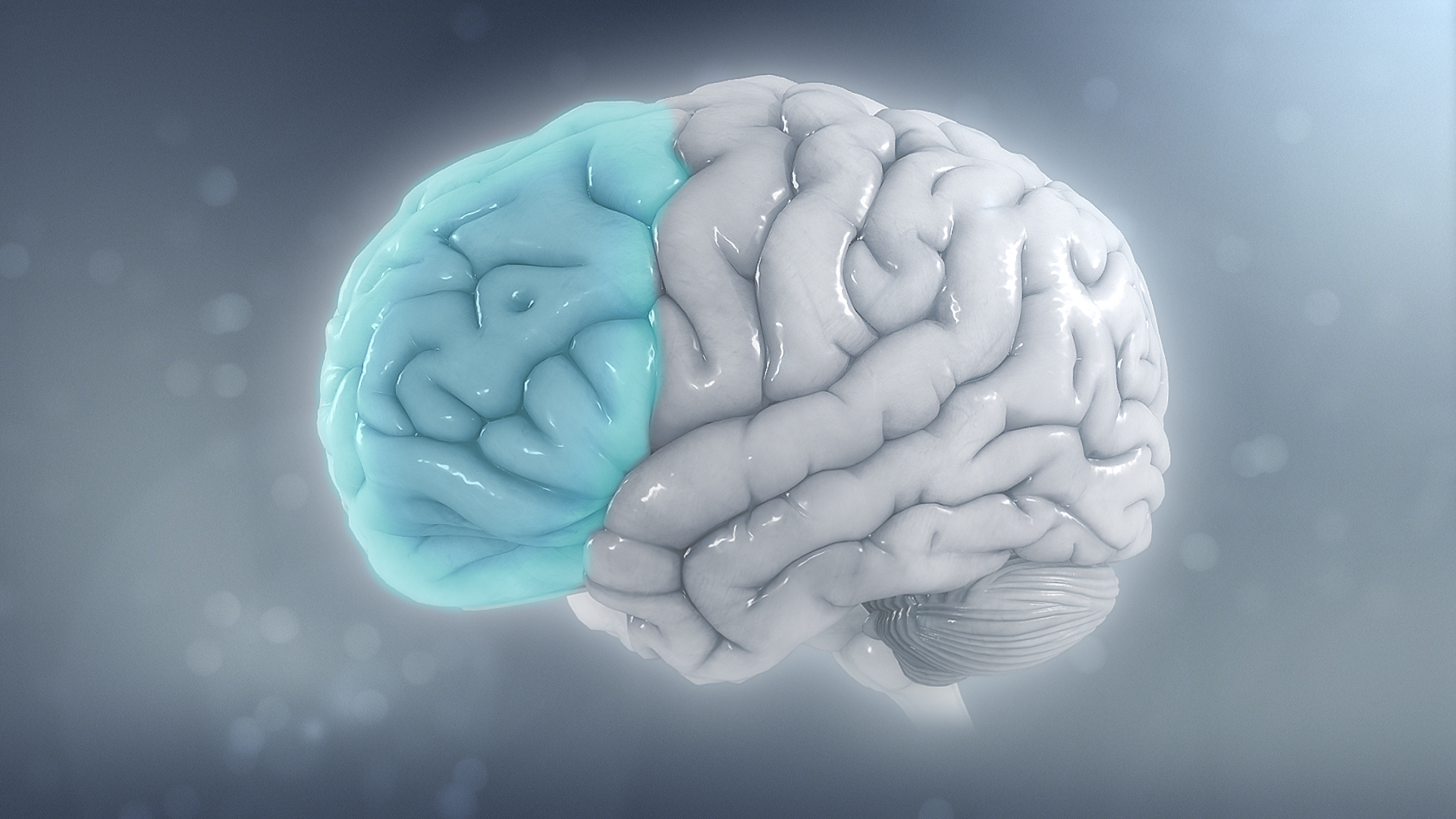
Beneath the surface of these academic struggles often lies a structural weakness in the brain's management system. Executive functioning deficits in students with mild disabilities impair their ability to organize daily tasks and manage time independently. If a student cannot organize their backpack or sequence a multi-step project, parents and educators often step in to do it for them.
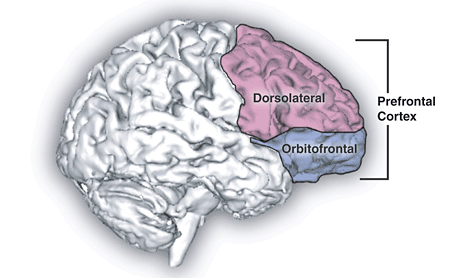
While well-intentioned, over-scaffolding creates a dangerous long-term trap: extended dependency on parents delays the development of autonomy in adolescents and young adults with mild to moderate disabilities. If we constantly serve as the student's frontal lobe, they never develop the neural pathways or the confidence to manage their own lives.
As adolescence approaches, the educational focus must shift from pure academic remediation to rigorous preparation for life. The federal government recognizes this critical pivot point. The Individuals with Disabilities Education Act (IDEA) mandates the creation of an Individualized Transition Plan for students with disabilities no later than age 16.
Individualized Transition Plan (ITP): A legal blueprint embedded within the IEP that prepares students with disabilities for post-secondary education, employment, and independent living.
To build an effective ITP, we do not dictate what the student should do; we use person-centered planning, a framework that focuses on the strengths, preferences, and long-term goals of the individual with a disability.
The Engine of Adulthood: Self-Determination
An ITP is merely a piece of paper if the student lacks the psychological tools to execute it. At the core of a successful transition is self-determination, which involves an individual's ability to make personal choices, solve problems, and set autonomous goals.
Why do we spend so much time teaching goal-setting and problem-solving? Because the data is unequivocal: developing self-determination skills during adolescence increases the likelihood of successful adult outcomes for individuals with disabilities.
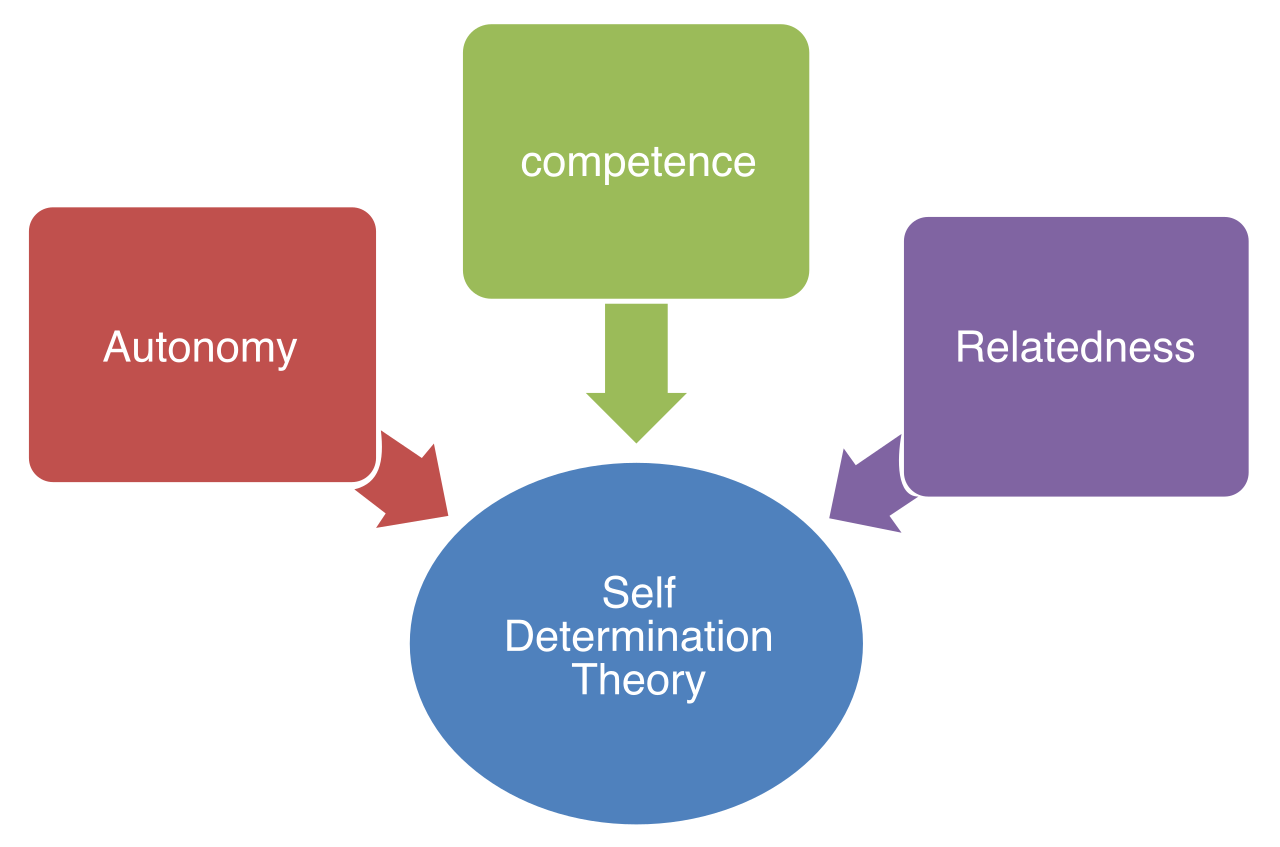
Coupled with this is self-advocacy. In high school, the special education teacher ensures accommodations are met. In college, that teacher is gone. Therefore, fostering self-advocacy skills enables students with disabilities to communicate their accommodation needs effectively in post-secondary settings.
Bridging the Gap to the Workforce
To prevent students from graduating into a void, modern legislation bridges the gap between the classroom and the workplace. The Workforce Innovation and Opportunity Act (WIOA) mandates state vocational rehabilitation agencies to provide pre-employment transition services to students with disabilities.
These pre-employment transition services help adolescents with mild to moderate disabilities build workplace readiness and self-advocacy skills before they ever receive a diploma. To make these skills stick, educators rely on community-based instruction, a pedagogical approach that teaches independent living and vocational skills to individuals with disabilities in real-world environments. You cannot teach a student to navigate a grocery store or a public transit system entirely from a desk; you must take them into the environment where the friction actually occurs.
The day a student graduates high school, the legal landscape underneath their feet fundamentally changes. Under IDEA, the student had an entitlement to a free and appropriate public education. In adulthood, they enter an eligibility-driven world. This sudden disappearance of guaranteed support is known as the "services cliff"—a phenomenon that occurs when young adults with disabilities age out of school-based entitlement programs and face long waitlists for adult services.
Civil Rights in the Adult World
Adults with disabilities are protected by powerful civil rights legislation, though the burden of claiming these rights shifts to the individual:
- The Americans with Disabilities Act (ADA) prohibits discrimination against adults with disabilities in employment and public accommodations.
- Section 504 of the Rehabilitation Act mandates reasonable accommodations for individuals with disabilities in federally funded educational and workplace settings.

Despite these legal protections, the statistical realities of adulthood for this population are stark. Young adults with learning disabilities attend four-year colleges at lower rates than their peers without disabilities. Furthermore, in the workforce, individuals with disabilities experience significantly higher rates of unemployment and underemployment compared to individuals without disabilities.
Financial and Medical Independence
For those who cannot achieve full financial independence through employment, the federal government steps in. The Supplemental Security Income (SSI) program provides financial assistance to eligible adults with disabilities who have limited income and resources.
However, SSI introduces a complex tightrope for adults trying to integrate into the workforce. Earning income through competitive employment can affect an individual's eligibility for Supplemental Security Income benefits. This forces many individuals into a maddening calculus: if they work more hours and earn, say, $500 extra a month, they risk losing their vital healthcare and SSI safety net.
Speaking of healthcare, the transition from pediatric to adult healthcare models requires individuals with disabilities to assume greater responsibility for their medical management. They transition from pediatricians who treat the family unit to adult specialists who expect the patient to articulate their own medical history and manage their own prescriptions.
The Ultimate Goal: Societal Integration
The true measure of our success as special educators is not whether a student can pass a standardized test, but whether they can achieve genuine human connection and community presence.
This requires direct instruction in areas neurotypical people take for granted. For example, social skills training improves the ability of individuals with mild disabilities to form and maintain romantic or platonic relationships in adulthood. Without these specific interventions, the risk of profound adult loneliness is high.
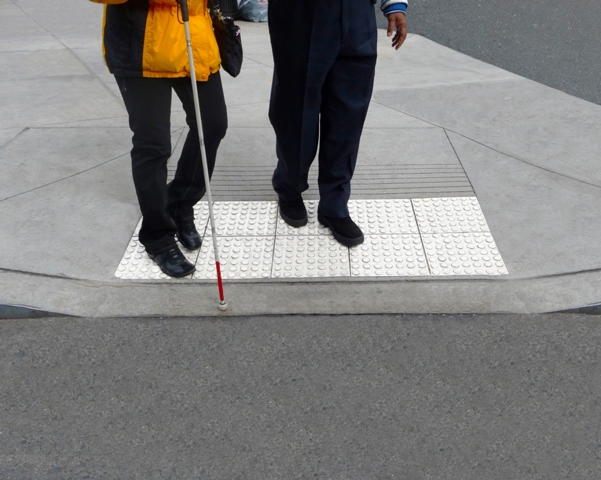
Ultimately, societal integration of individuals with disabilities requires accessible public infrastructure and inclusive community programs. But infrastructure is only half the battle. The most insidious barriers are invisible. Stigmatization of mild to moderate disabilities creates artificial barriers to social integration and community participation.
When you sit at an IEP table, you are not just planning for the next academic year. You are engaged in the long, essential work of dismantling those barriers. By equipping a student with self-determination, self-advocacy, and real-world skills, you are altering the trajectory of their life, relieving the structural load on their family, and forcing society to expand its definition of a contributing citizen.