Environmental and Societal Influences
Not sure you’re ready?
Take the ~3-minute readiness diagnostic and see where you stand.
A student’s cognitive profile is only half the equation in special education; the other half is the ecosystem in which that profile exists. A Specific Learning Disability—which remains the most commonly diagnosed disability category under the Individuals with Disabilities Education Act (IDEA)—might present as a manageable hurdle for a child in a resource-rich environment, yet become an insurmountable wall for a child facing chronic housing instability. The Individuals with Disabilities Education Act (IDEA) mandates educating students in the Least Restrictive Environment (LRE), but restriction is not just a matter of classroom placement. Restriction is also imposed by poverty, trauma, systemic bias, and architectural barriers. To teach effectively, an educator must map not only the neurology of the student, but the physical, sociological, and economic geometry of their world.
Before a student even attempts to decode a word or solve a math problem, their biological readiness to learn has been shaped by their physical environment, beginning before birth.
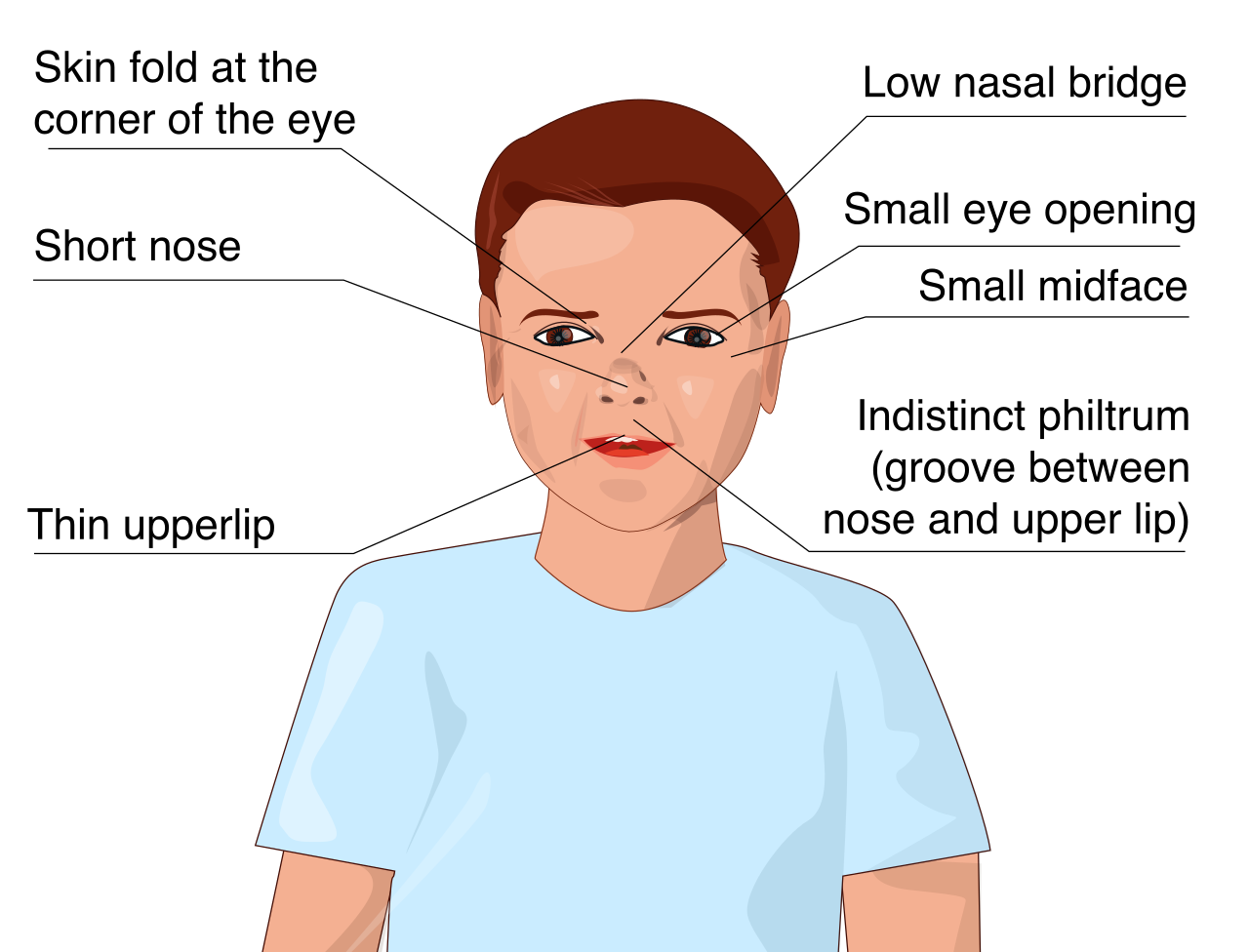
Environmental neurotoxins and maternal health establish the baseline of a child's developmental trajectory. Prenatal exposure to maternal substance abuse can cause long-term developmental delays in children. The most stark example of this is Fetal Alcohol Spectrum Disorders, which result directly from prenatal alcohol exposure and often present in the classroom as deficits in executive functioning and impulse control.
Once born, the physical environment continues to shape brain development. Lead exposure in early childhood is linked to cognitive deficits and behavioral problems. We must also look at the basic fuel of the brain: nutrition. Limited access to nutritional food negatively affects a student's cognitive function and attention span. This is not merely a transient issue of a student being distracted by a grumbling stomach; developmentally, childhood food insecurity is an environmental risk factor linked to lower math and reading scores.
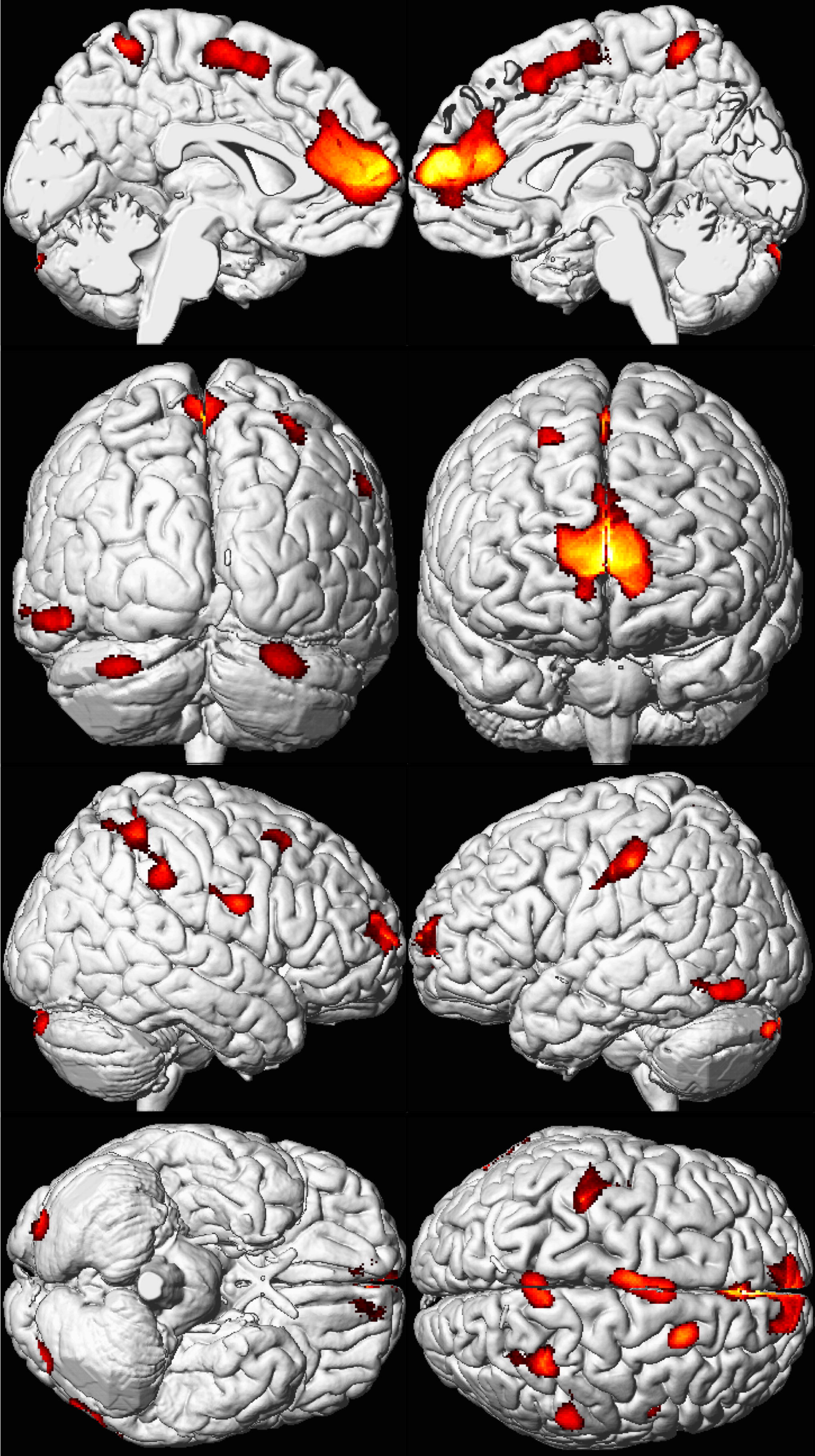
When we look at student achievement, the most powerful predictive environmental factor is socioeconomic status (SES). Money buys access, and a lack of it compounds disability.
High socioeconomic status correlates with greater access to early intervention services for children with disabilities. Families with means can afford private evaluations, therapies, and specialized tutoring before a child even enters the public school system. Conversely, childhood poverty restricts access to out-of-school educational enrichment activities, effectively shrinking the child's world and limiting background knowledge—a crucial component of reading comprehension.
Furthermore, a disability requires consistency to manage, yet poverty breeds instability:
- Students from low-income families experience higher rates of chronic school absenteeism.
- Chronic absenteeism limits a student's exposure to direct academic instruction, turning a mild learning gap into a severe one simply through lost time.
- Lack of stable housing disrupts educational continuity for students. A child bouncing between motels cannot form the sustained teacher-student relationships necessary for effective special education.
Recognizing this, federal law steps in. The McKinney-Vento Homeless Assistance Act provides educational rights and supports for children experiencing homelessness, ensuring they can remain in their school of origin and receive transportation. Similarly, Title I of the Elementary and Secondary Education Act provides financial assistance to schools with high numbers of children from low-income families to help level the instructional playing field.
Yet, systemic barriers persist. Systemic barriers in education include underfunded schools lacking specialized special education personnel. Even with federal mandates, a school without the local tax base to hire speech-language pathologists or reading interventionists cannot fully support its students. Furthermore, modern schooling relies heavily on digital infrastructure. Today, access to reliable internet is an environmental factor influencing a student's ability to complete online homework assignments, creating a "homework gap" that disproportionately impacts low-income students with disabilities.
The Disruption of Foster Care: It is not just housing that requires stability, but guardianship. Family structures involving frequent foster care transitions disrupt a student's academic and social consistency, often resulting in misplaced IEPs, repeated evaluations, and fragmented emotional support.
We must understand how the environment changes the brain's operating system. When a child's environment is dangerous or highly unpredictable, the brain shifts from a "learning" mode to a "survival" mode.
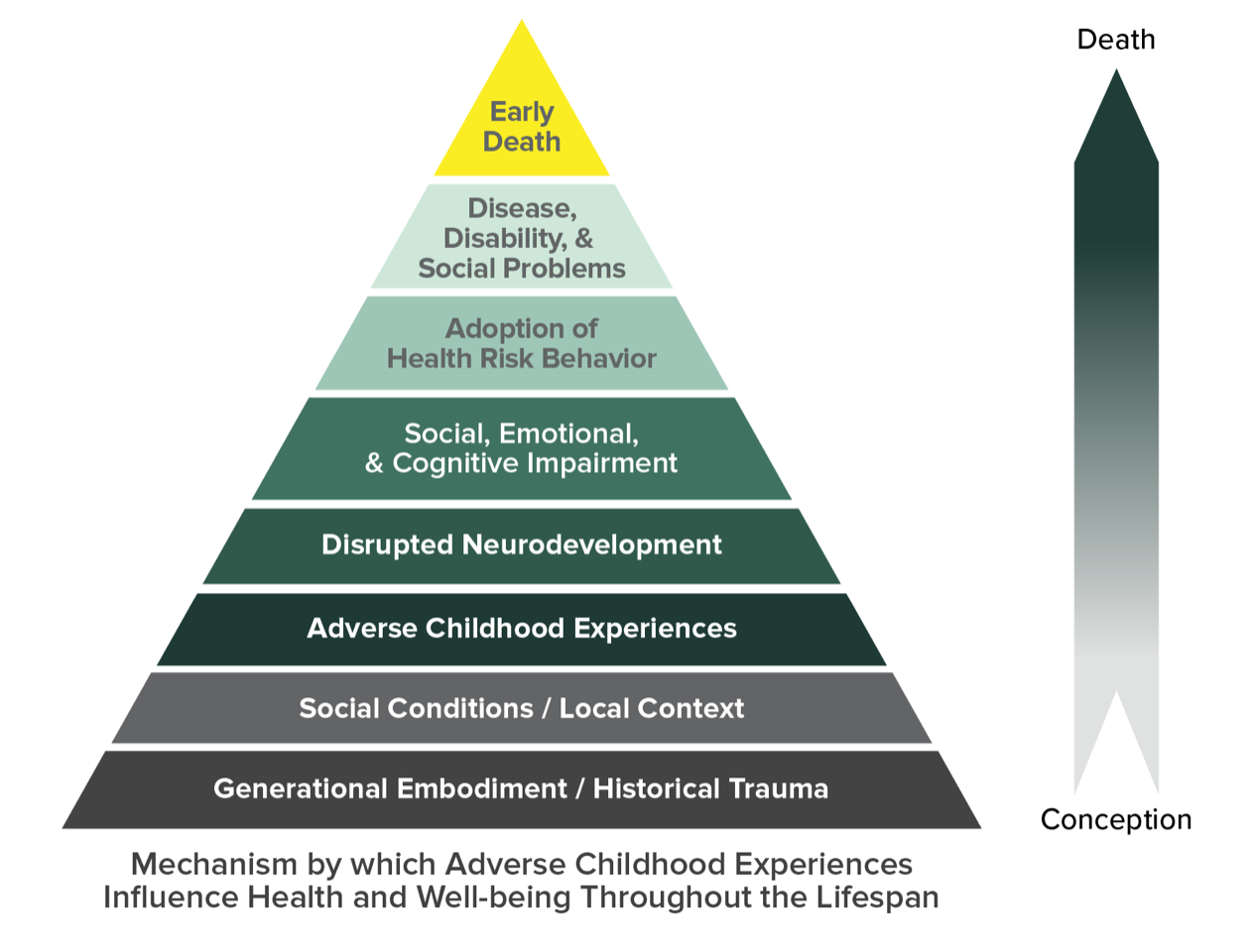
Adverse Childhood Experiences (ACEs) include abuse, neglect, and household dysfunction. The data here is unambiguous: A high number of Adverse Childhood Experiences increases a student's risk for learning and behavioral challenges.
Consider the broader community environment. Students living in high-crime neighborhoods often experience chronic stress. This constant state of hyperarousal floods the brain with cortisol. The physiological result is that chronic environmental stress impairs a student's executive functioning skills—the exact cognitive tools required to organize a binder, plan a long-term project, or regulate an emotional outburst.
A student does not just interact with their physical environment; they interact with societal attitudes. The cultural lens through which a student is viewed can be just as disabling as a biological deficit.
Societal ableism reinforces physical and social barriers for individuals with disabilities, treating the disability as a defect rather than a facet of human diversity. This messaging is ubiquitous. Media representation of disabilities shapes societal attitudes toward individuals with special needs, often relying on tropes of pity or hyper-inspiration rather than authentic inclusion. When a child absorbs this messaging, societal stigma can lead to internalized negative self-perceptions in students with disabilities, causing them to lower their own expectations or give up in the face of academic friction.
The Danger of the Pygmalion Effect
Teacher expectations directly influence student academic outcomes. If an educator looks at a student's IEP and assumes incompetence, the student will unconsciously mirror that expectation. This phenomenon—the self-fulfilling prophecy in education—is also known as the Pygmalion effect.
Implicit Bias and Disproportionality
When human biases go unexamined, they corrupt the special education identification process. Implicit bias among educators contributes to the overrepresentation of minority students in special education.
- African American students are disproportionately identified as having emotional and behavioral disorders, largely due to cultural misunderstandings of behavior and systemic disciplinary biases.
- Similarly, English language learners are sometimes misidentified as having a learning disability due to language acquisition barriers. A child who is simply learning English syntax is wrongly diagnosed with an auditory processing or reading disability.
To understand this, we must apply the lens of Intersectionality, which recognizes how overlapping identities like race and disability compound systemic barriers. A Black student with autism does not merely face the barriers of race plus the barriers of autism; they face a uniquely compounded reality where their autistic behaviors are more likely to be criminalized or disciplined than those of their white peers.
If the environment can disable, it can also enable. The classroom is a highly controllable micro-environment where educators can actively dismantle barriers.
Physical and Social Layout
The easiest barrier to spot is physical. The physical layout of a classroom can facilitate or hinder the mobility of students with physical impairments. Desks clustered too tightly together are an environmental failure for a student using a wheelchair.
But social integration requires intentional engineering as well. Peer attitudes significantly influence the social integration of students with disabilities in general education settings. If peers are not explicitly taught empathy and inclusion, the environment becomes hostile. We know that bullying disproportionately affects students with disabilities compared to neurotypical peers, making the social environment a critical area of intervention for special educators.
Universal Design for Learning (UDL)
Instead of retrofitting the environment for students with disabilities, we should design it correctly from the start. Universal Design for Learning (UDL) helps remove societal and environmental barriers by providing multiple means of engagement.
| UDL Principle | Implementation in the Classroom Ecosystem |
|---|---|
| Multiple Means of Representation | Providing multiple means of representation in UDL accommodates diverse learner needs. If a student has a reading disability, providing an audiobook alongside the text alters the environment to remove the barrier to the content. |
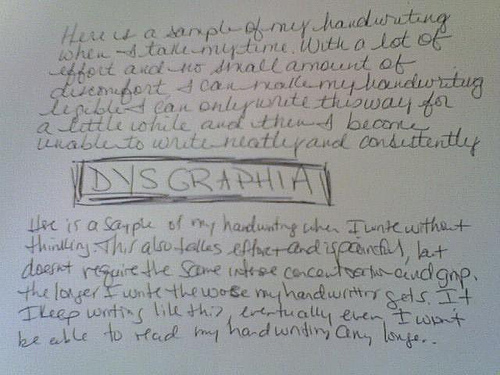
| Multiple Means of Action and Expression | Providing multiple means of action and expression in UDL allows students to demonstrate knowledge in various ways. A student with severe dysgraphia might struggle to write a paragraph but could brilliantly explain the concept in an oral presentation. |
To make UDL effective across diverse populations, it must be paired with cultural awareness. Culturally responsive teaching bridges the gap between societal diversity and classroom instruction, ensuring that the examples, literature, and behavioral norms in the classroom reflect and validate the student's home environment.
Positive Behavioral Interventions and Supports (PBIS)
Behavior is an interaction between the student and their environment. PBIS aims to alter the school environment to prevent problem behaviors rather than relying on reactive punishment. It is a structural approach to school climate.
- Tier 1 of Positive Behavioral Interventions and Supports (PBIS) includes universal supports for all students across all school settings. (e.g., explicitly teaching and rewarding school-wide expectations like "Be Safe, Be Respectful").
- Tier 2 of PBIS provides targeted interventions for students at risk of behavioral difficulties. (e.g., small group social skills training or a "Check-in/Check-out" system).
- Tier 3 of PBIS delivers individualized interventions for students with intensive behavioral needs. (e.g., conducting a Functional Behavior Assessment and writing a highly specific Behavior Intervention Plan).
A child spends a fraction of their life in the classroom. True success requires bridging the gap between the school, the home, and the broader community.
The Power of the Family Unit
A supportive home environment can buffer the negative academic impacts of a specific learning disability. When a child feels intellectually safe and supported at home, their academic resilience soars. Consequently, parental involvement is a strong predictor of academic achievement for students with mild to moderate disabilities.
However, educators must be deeply empathetic to the barriers parents face. The special education system is a labyrinth of legal jargon and procedural safeguards. Low parental literacy levels can hinder a family's ability to navigate the special education evaluation process. An educator's job is to act as an interpreter and advocate, ensuring that the parents' rights are not gated by their educational background.
Community Integration and Transitioning to Adulthood
As students with mild to moderate disabilities approach graduation, the focus must shift entirely to their interactions with the adult environment.
Community-based instruction provides real-world contexts for students to practice life skills. Teaching a student to count money at a desk is entirely different from having them calculate change in the chaotic, noisy environment of a real grocery store.
Unfortunately, environmental infrastructure often fails them upon graduation. For instance, a lack of accessible community transportation limits transition opportunities for high school students with moderate disabilities, dictating where they can work and whether they can live independently.
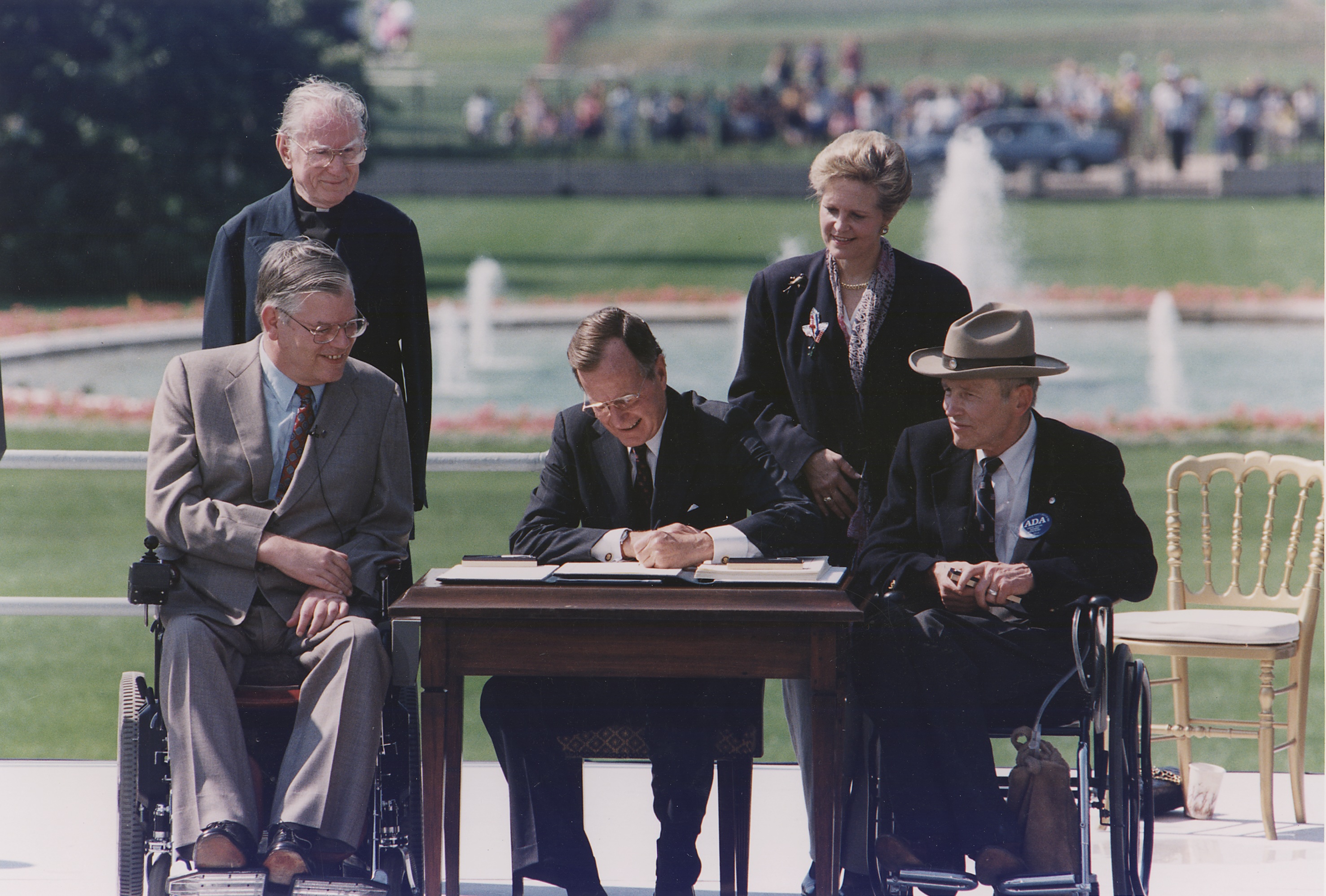
Legally, they are protected outside the schoolhouse gates. While IDEA governs the classroom, the Americans with Disabilities Act (ADA) prohibits discrimination based on disability in all areas of public life, guaranteeing equal access to employment, transportation, and public accommodations.
Ultimately, special education is not meant to fix a broken student; it is meant to equip a student to navigate—and ideally improve—an imperfect world. The data is clear: Students with mild to moderate disabilities are more likely to achieve post-secondary success when provided with strong community support networks. By understanding the intricate web of environmental, systemic, and societal influences, an educator ceases to be just a teacher of content, and becomes an architect of student opportunity.